
Hello, Illumineers, and welcome back to Lorcana is Fun!
Are you excited for the next Disney Lorcana set, Attack of the Vine!? Because I definitely am.
This set welcomes several new franchises into the game, including Monsters, Inc., Up, and Turning Red. We will also see familiar faces returning from Winnie the Pooh, Tangled, The Incredibles, Darkwing Duck, Toy Story, and many more.
But the characters are not simply here for a friendly reunion.
The Vines are spreading, the villains are striking back, and some of our favourite Disney characters have already been transformed into Vinelings.
It is time to assemble your forces and fight back!
Set Overview
Attack of the Vine! continues the story after the Illumineers discover that the mysterious Vines were responsible for much of the chaos across the Inklands. Unfortunately, discovering the source of the problem does not mean the danger is over.
The villains have launched their counterattack, using the Vines to corrupt the Inklands and transform familiar characters into dangerous Vinelings. This theme can be felt throughout the set!
The battle against the Vines is not going to be won by one character alone. You will need to understand how the cards in your pool work together, make the most of limited resources, and adapt to whatever threats your opponent places in front of you.
That makes this set especially exciting for sealed play.
Sealed Format
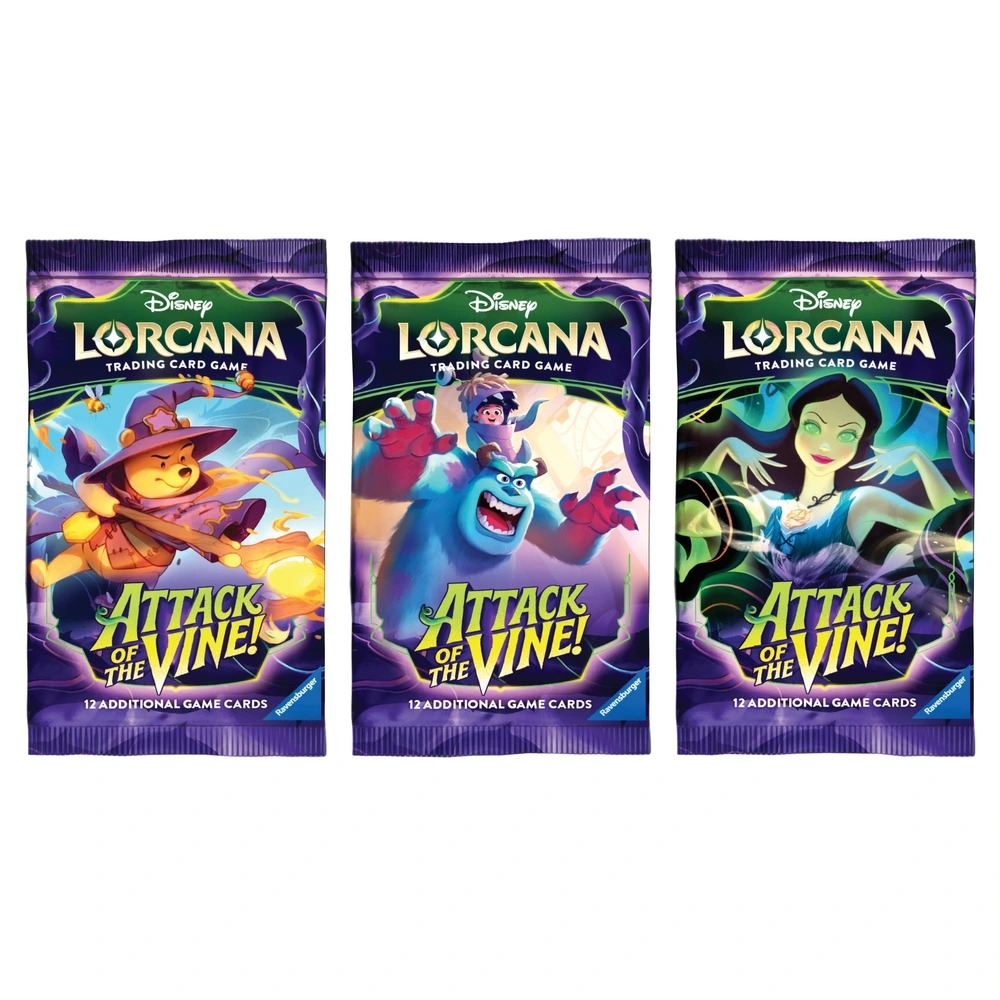
If you’re new to sealed, here’s how it works:
- You’ll receive 6 booster packs (12 cards each)
- Build a minimum 40-card deck using only those cards
- No ink restrictions, play your best cards regardless of color
- Games are played to 20 lore, with standard rules
The rules are simple to understand, but building the right deck can be surprisingly challenging.
Potential Prizes
Sealed events are not only about opening cards and playing games. Depending on the store, there may also be additional prizes available.
- Some stores give 1 booster pack per win
- Others use Organized Play kits for prizes
- Some events focus on lucky draws instead of rankings
👉 Every store may run its event differently, so always check the event details beforehand.
Pre Release Kit
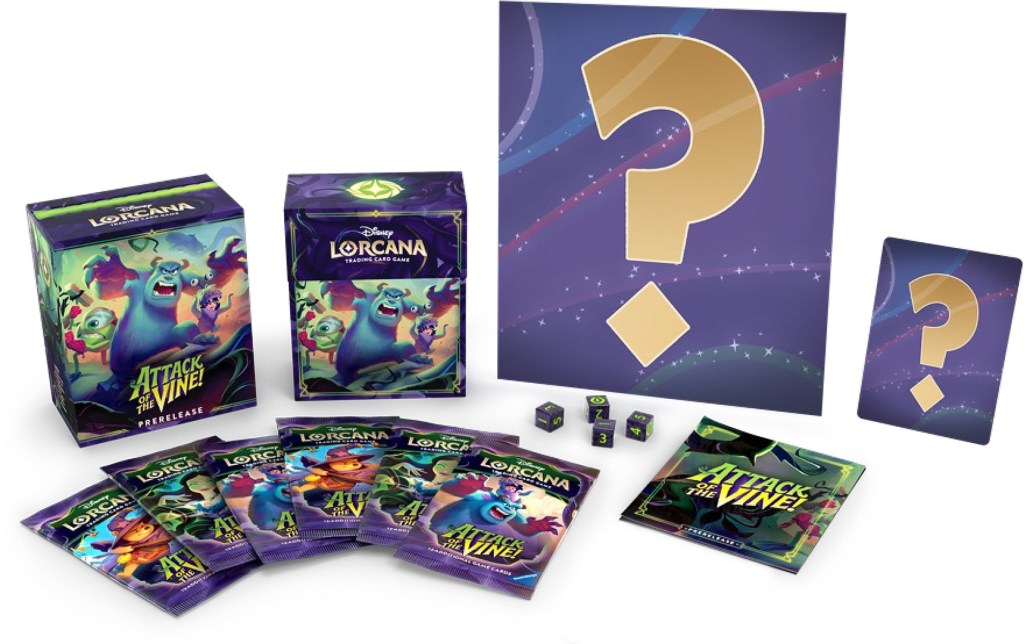
Some stores may run sealed using a pre-release kit instead of loose packs. These typically include:
- 6 Attack of the Vines booster packs
- 1 of 6 exclusive promo cards
- 1 of 3 limited postcards
- 4 themed Lorcana dice
- 1 card box + 1 storage box
👉 The exact event structure and contents may depend on the store, so check with your local game shop before attending.
Your Sealed Journey Begins

You have stepped into an unfamiliar part of the Inklands. The Vines are spreading around you. Your usual deck is nowhere to be found.
There are no perfected lists. No comfort picks. No guarantees.
All you have are the cards you opened and the decisions you make from this point onwards.
Anyone can perform well at a sealed event—including you.
That is the beauty of the format.
Everyone is working with an imperfect and unpredictable card pool. Some players may open powerful Legendary cards, while others may need to rely on strong commons, good deck construction, and careful gameplay.
Success in sealed is not only about what you pull.
It is also about:
- How accurately you evaluate your card pool
- How consistently you build your deck
- How well you manage your ink curve
- How you identify useful synergies
- How you adapt to your opponent during each game
The strongest sealed players are not always the ones who open the rarest cards.
They are often the players who understand what matters and make the most of what they have.
Quick Tips (If You Skim Nothing Else, Read This)
The Vines may be chaotic, but your deck should not be.
- Stick to 40 cards
More cards = less consistency. You are unlikely to open more than 40 genuinely strong and synergistic cards, so there is usually little benefit in going beyond the minimum deck size. - Play a Sensible ink curve
You need cards that can be played throughout the game. A rough starting point could look like this:- 5× 1-cost
- 7 × 2-cost
- 9 × 3-cost
- 9 × 4-cost
- 6 × 5 cost
- 4 x 6/7 cost
- Limit uninkables
Try to keep your uninkable count at around eight cards or fewer, unless your pool gives you a strong reason to play more. - Prioritize characters
Characters win games. They quest for lore, challenge opposing characters, sing songs, protect your board, and activate many of the set’s abilities. Actions, items, and locations can be powerful, but they should support your game plan rather than replace the characters needed to carry it out. - Follow B.R.E.A.D
B.R.E.A.D
When reviewing your pool, prioritise cards in this order:
| Bombs | Removals | Evasives | Aggression | Draw Engine |
| Game-winning, hard-to-answer cards | Ways to deal with threats (damage, banish, bounce etc) | Hard-to-block characters that sneak in lore | Efficient characters that pressure early | Keeps your hand healthy and options open |
If your deck has a good balance of these, you’re already ahead.
Combos to Watch
This set introduces several synergy packages:
- Floodborn– Many cards in this set specifically reward you for playing Floodborn characters. These rewards may include additional lore, card filtering, Rush, Bodyguard, Resist, or other useful effects. However, do not include a weak Floodborn support card simply because you opened one or two Floodborn characters. Count your enablers and payoffs carefully. The strategy becomes much stronger when several cards in your deck can benefit from it.
- Discard and Play – Some cards can be played, recovered, or provide value after they have been discarded. These effects can turn what would normally be a disadvantage into an opportunity.
- Turning Red – Several of the smaller Red Panda characters can use Temporal Shift to transform into much stronger versions of themselves for one turn. Just make sure you have enough Red Panda characters and shift targets before committing heavily to the strategy.
- Hunnies: Several characters interact with cards that have the Hunny classification. A single Hunny card may not be enough to justify including a dedicated support character, so evaluate the entire package before adding it to your deck.
- Duo and Flexible Shifts: This set contains several cards featuring two characters together, along with cards that can shift onto different names or character types. Avoid including several weak characters just because they might eventually help you play one powerful shift card. The best shift packages are those where every piece remains playable even when you do not draw the full combination.
Card Reviews
Alright, I will attempt to review all 207 cards in sealed, you do not need to read all of them (I am happy if you do though 🙂 ), just keep a lookout for some key cards and some traps (cards that look good but actually aren’t) plus some quick tips you are ready to go!
Each card will be given 1 to 5 stars, based on their
- Power level
- Playability
- Synergy potential
⭐ = unplayable, do not choose this card for sealed.
⭐⭐ = niche or hard to set up, probably not good in your deck, but if you have no better choice, then sure, hope at least it’s inkable.
⭐⭐⭐ = playable and decent card, good for fillers.
⭐⭐⭐⭐ = strong in this format, usually fulfils the B.R.E.A.D formula
⭐⭐⭐⭐⭐ = format staplers, put them in your deck and just use them to win!
Common
The commons are the engine room of this sealed format. Most pools will have enough playable early characters, but the real standouts are the cards that do two jobs at once: quest and interact, provide a strong body and a useful keyword, or remain inkable when their effect is not needed. I would use the common slot to build a stable curve first, then layer in Hunny, Floodborn, location or discard synergies only when the support is clearly present.
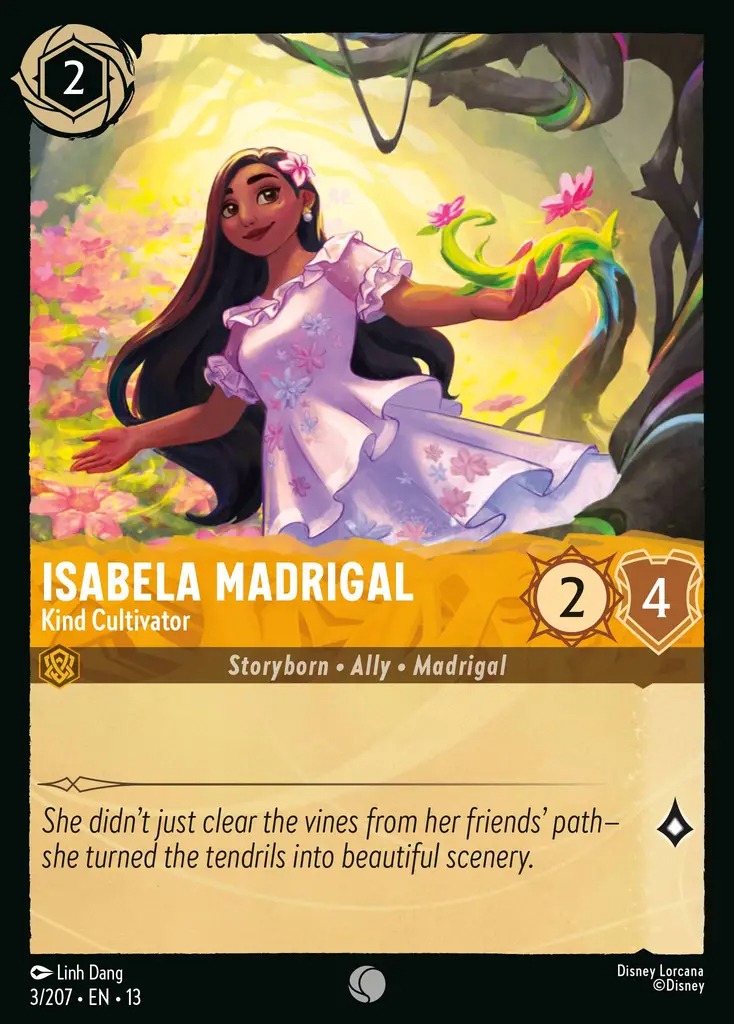
Isabela is not flashy, but a 2/4 body for two ink is exactly the kind of dependable early play sealed decks appreciate. She contests the board well and asks for no setup, making her an easy curve-filler.
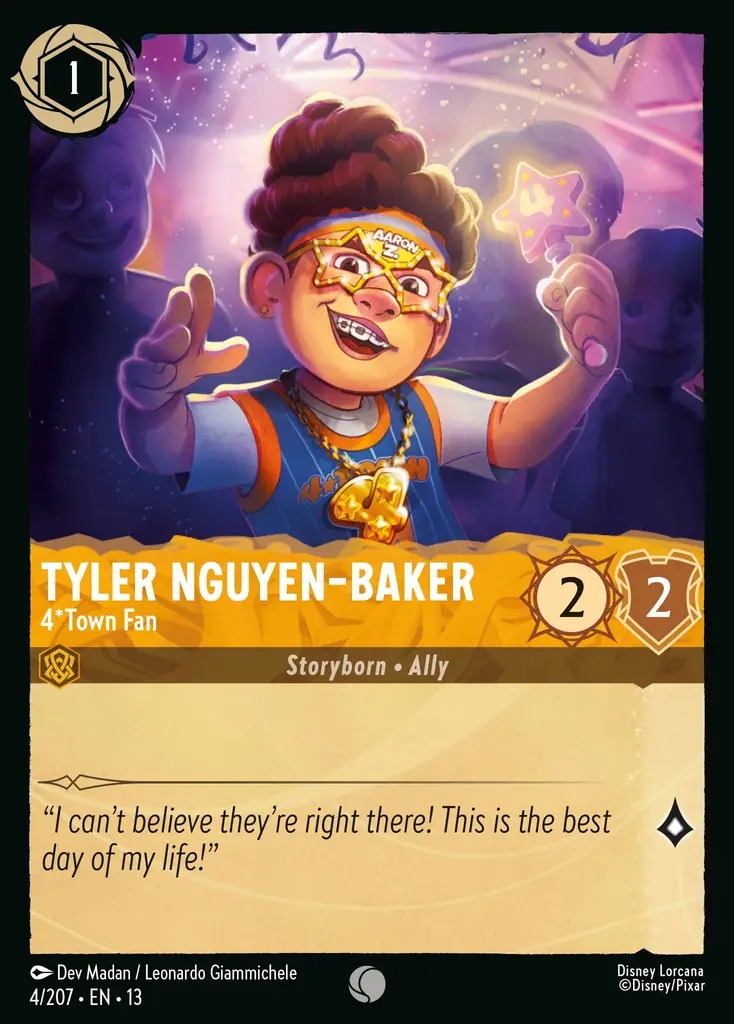
Tyler is the definition of a straightforward one-drop: two ink worth of stats packed into a 1-cost character. She will not create any special advantage, but she gives you something useful to do on turn one.
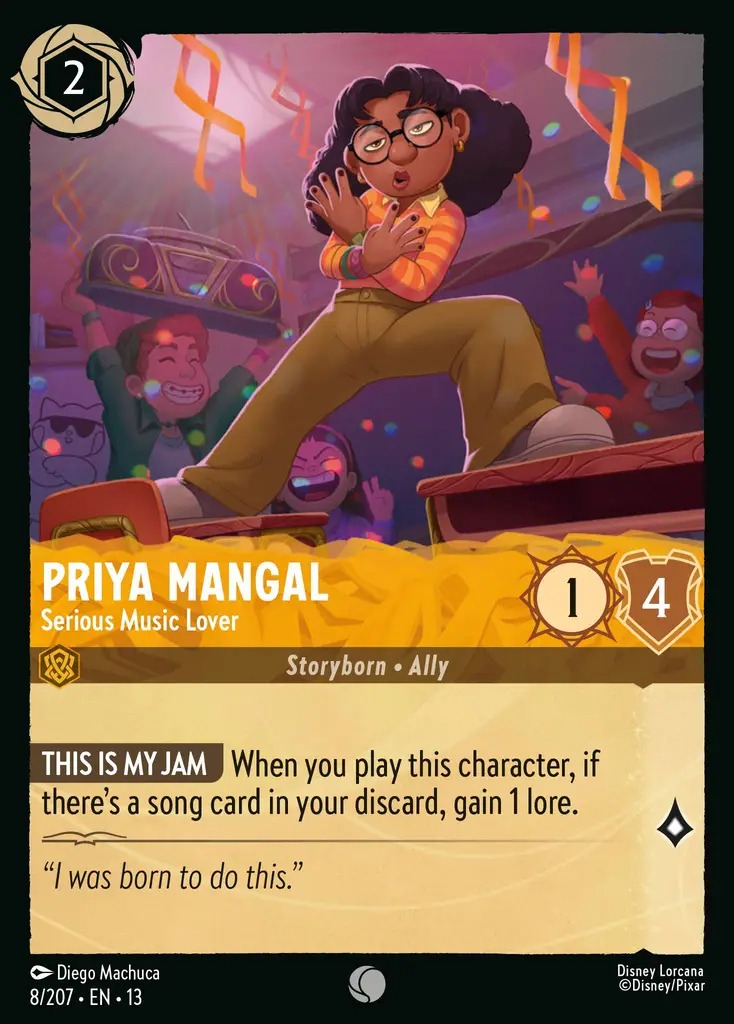
Priya can pick up an extra lore, but the condition makes her less reliable than she first appears. In sealed, I would rather have a character whose value does not depend on the board lining up perfectly.
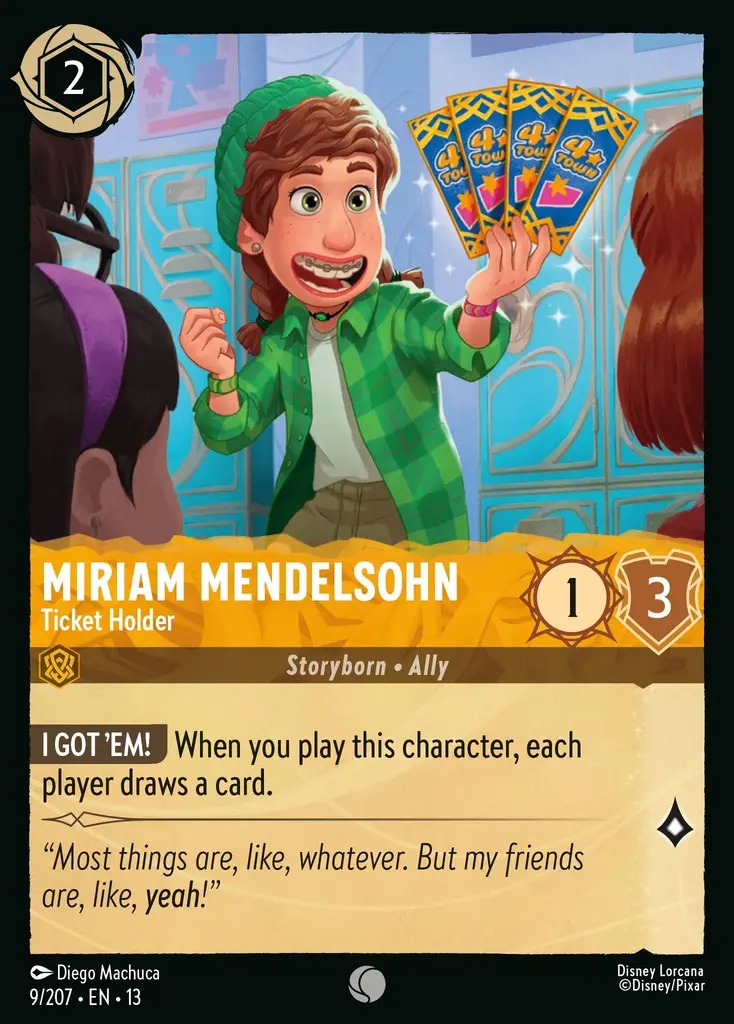
Miriam gives you a card, but she gives your opponent one as well and a 1/3 body is not enough compensation for helping them refill. I would only play her when my deck is genuinely desperate for draw.
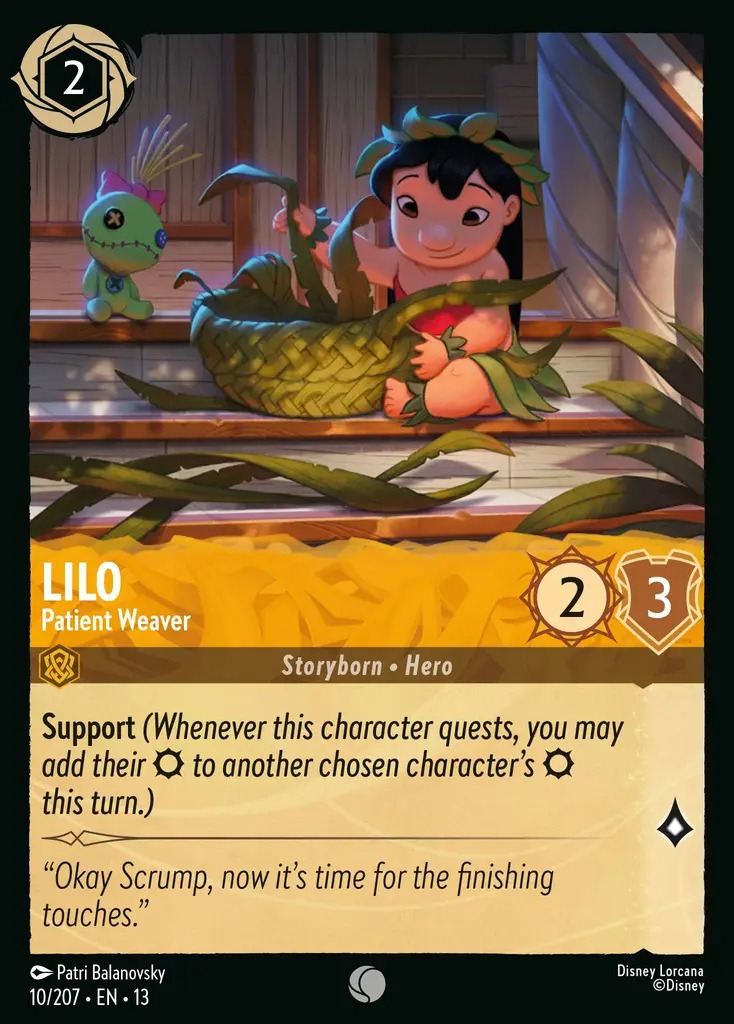
Lilo is a tidy all-rounder. Her stats are respectable, and Support lets her turn an otherwise awkward challenge into a profitable one, so she is rarely a bad inclusion.
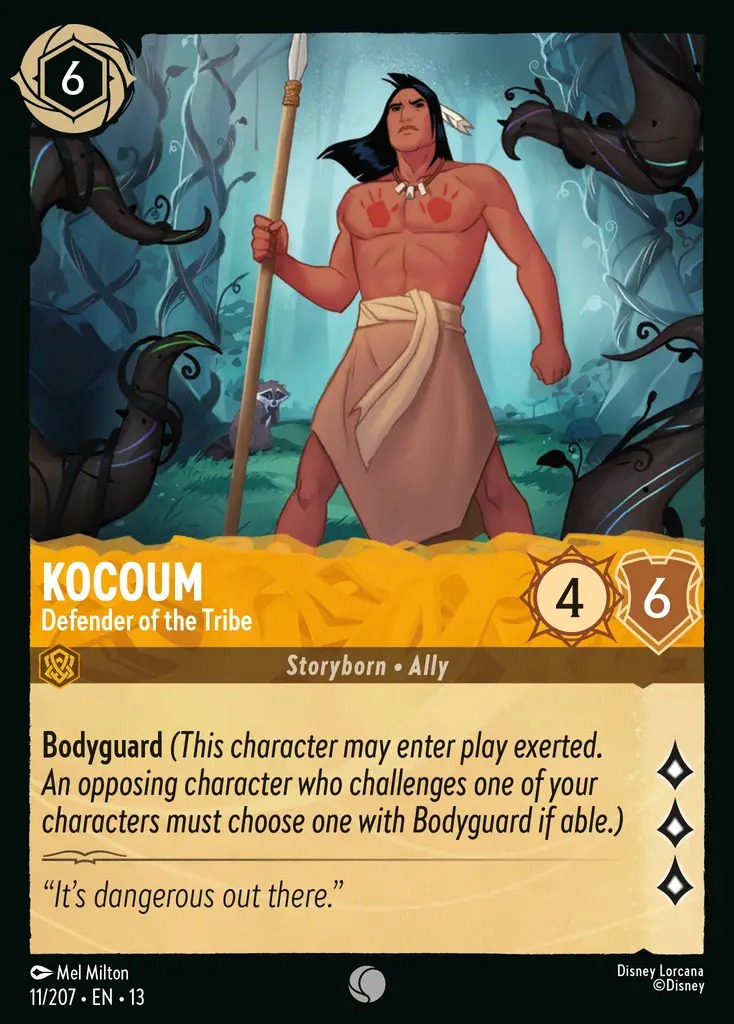
Kocoum is a sizeable Bodyguard, but six ink is a lot to spend on a card that mainly protects the rest of your board. The body is serviceable once he lands; the question is whether your deck can afford to wait that long.
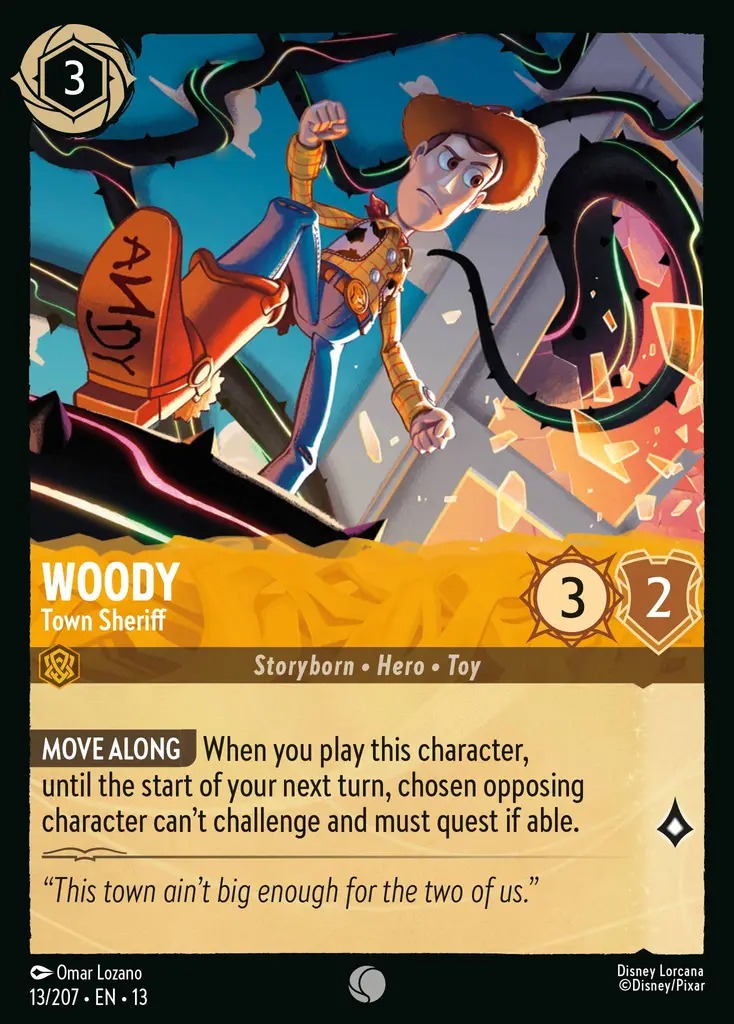
Woody can shut one opposing character out of challenging, which may protect an important quester or buy you a crucial turn. His body is only average, so I would include him when that control effect supports the rest of my game plan.
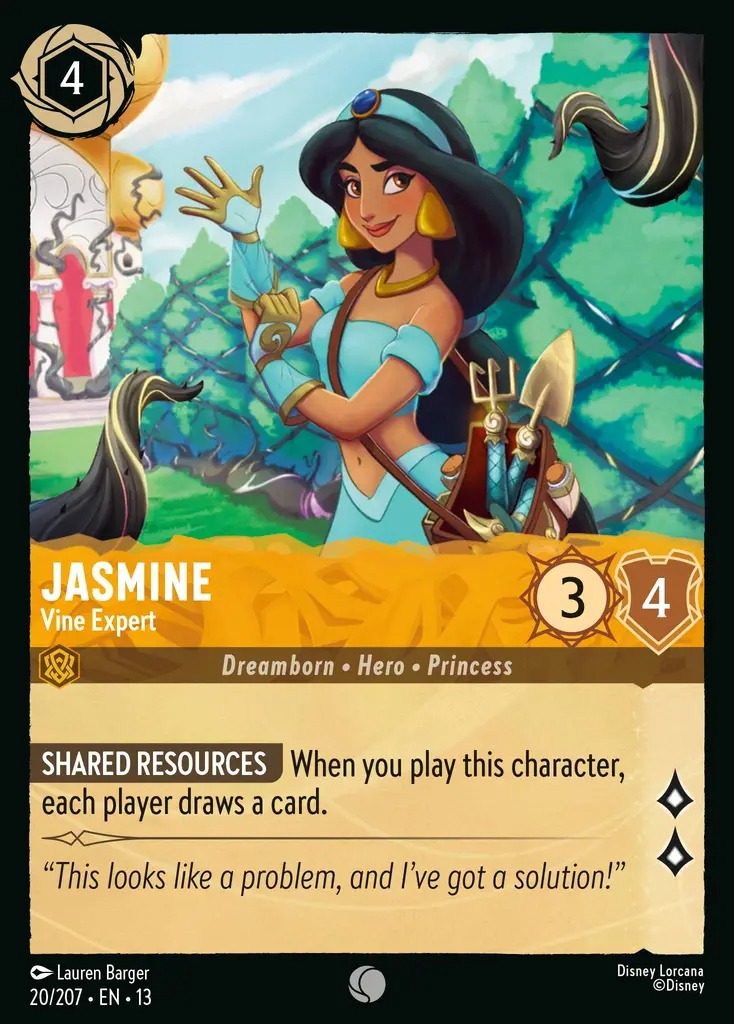
Jasmine also hands your opponent a card, but her stronger body makes the exchange easier to stomach than Miriam’s. Symmetrical draw is still dangerous, yet she is playable when you expect to use the extra card more effectively.
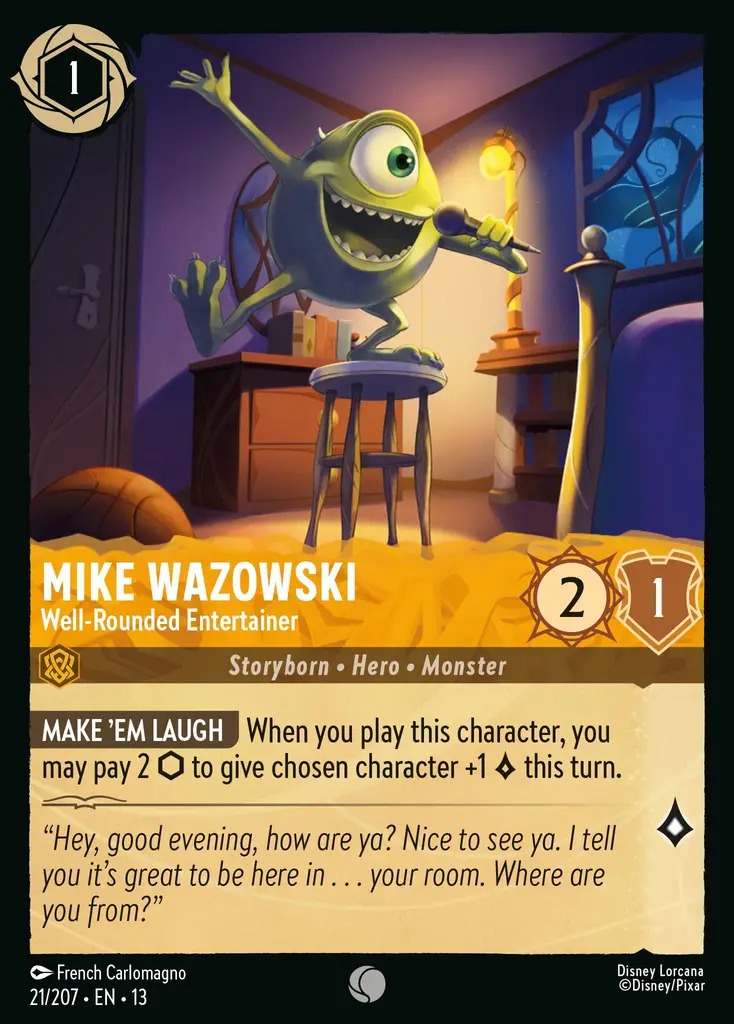
Mike is excellent at both ends of the game. A 2/1 for one ink pressures early, while his lore boost can turn a harmless one-lore character into the final push you need to steal the game.
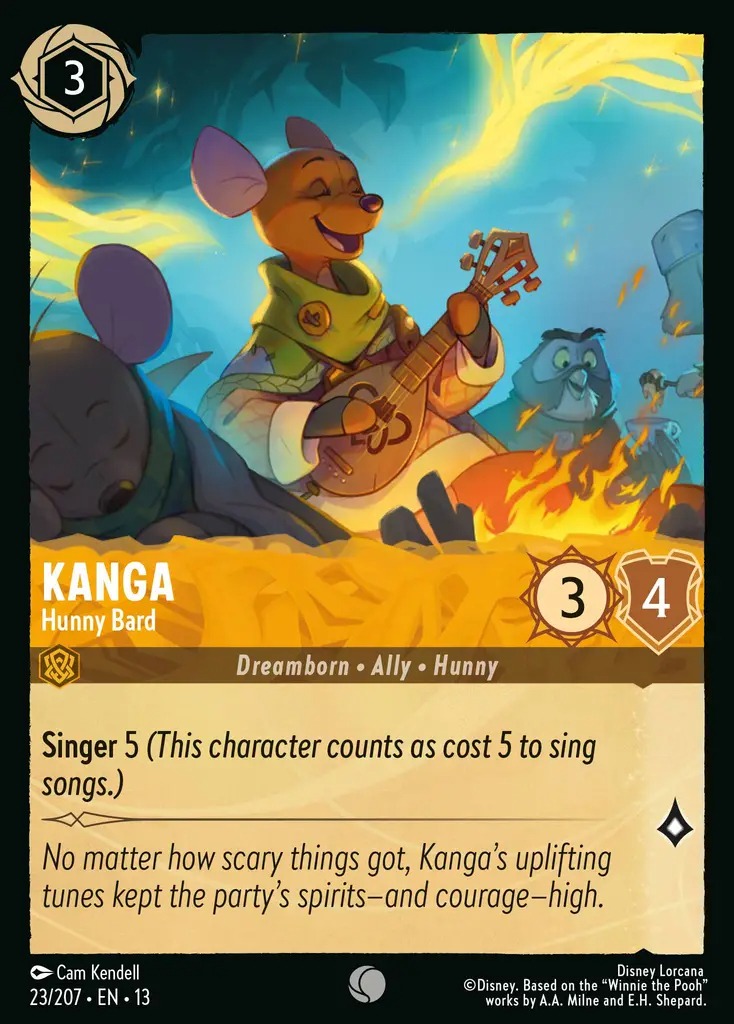
Kanga is our first Hunny enabler, but she does not need the synergy to be useful. Her stats are acceptable and Singer gives her extra flexibility, so she is a sensible middle-of-the-pack inclusion.
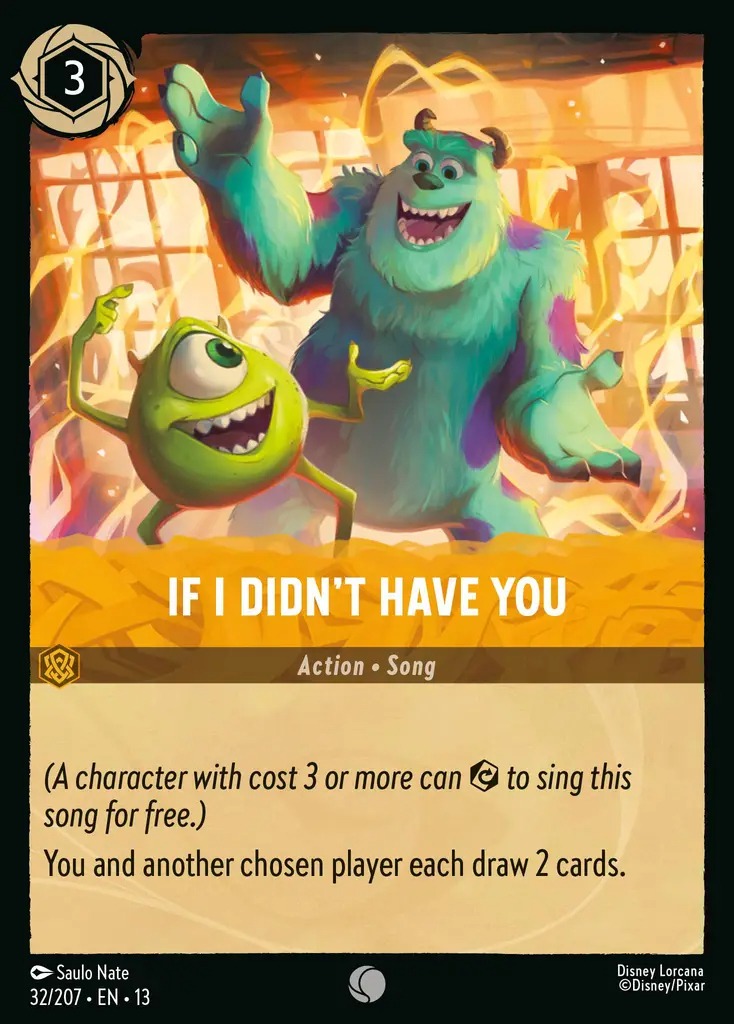
Letting both players draw can be risky, but sealed decks do run out of cards. I like this more when I can sing it, refill my hand and still spend my ink developing the board; cast for three ink, it is much less exciting.
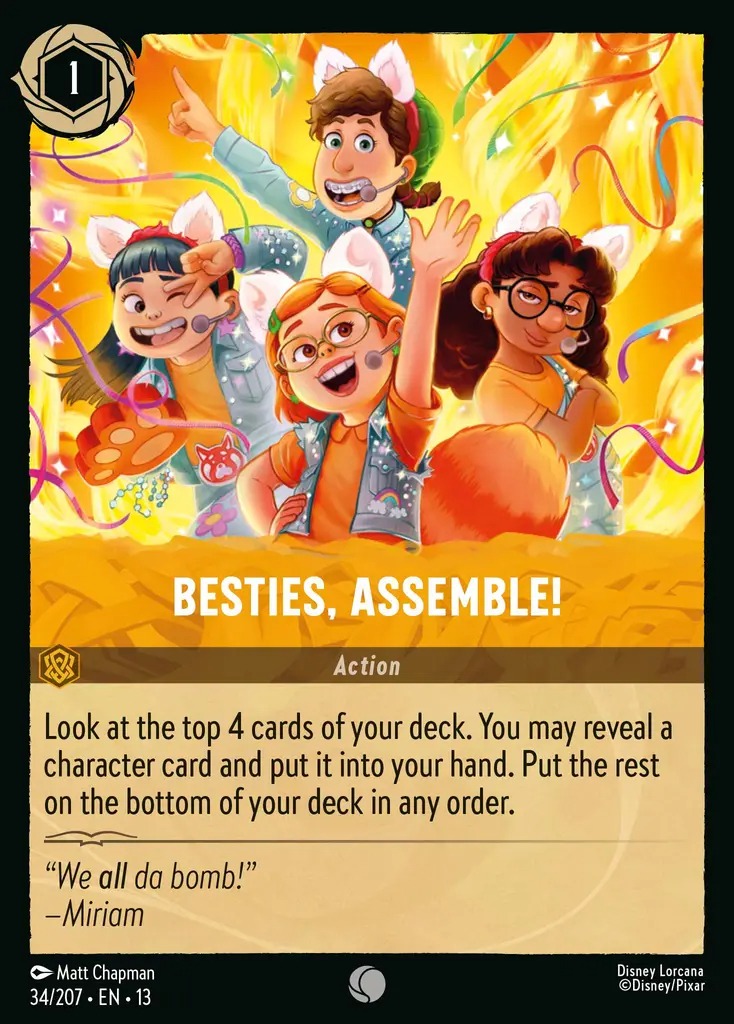
A one-ink search effect is a useful way to smooth your next few turns, especially because the card is inkable when you do not need it. It will not win a game by itself, but the flexibility is welcome.
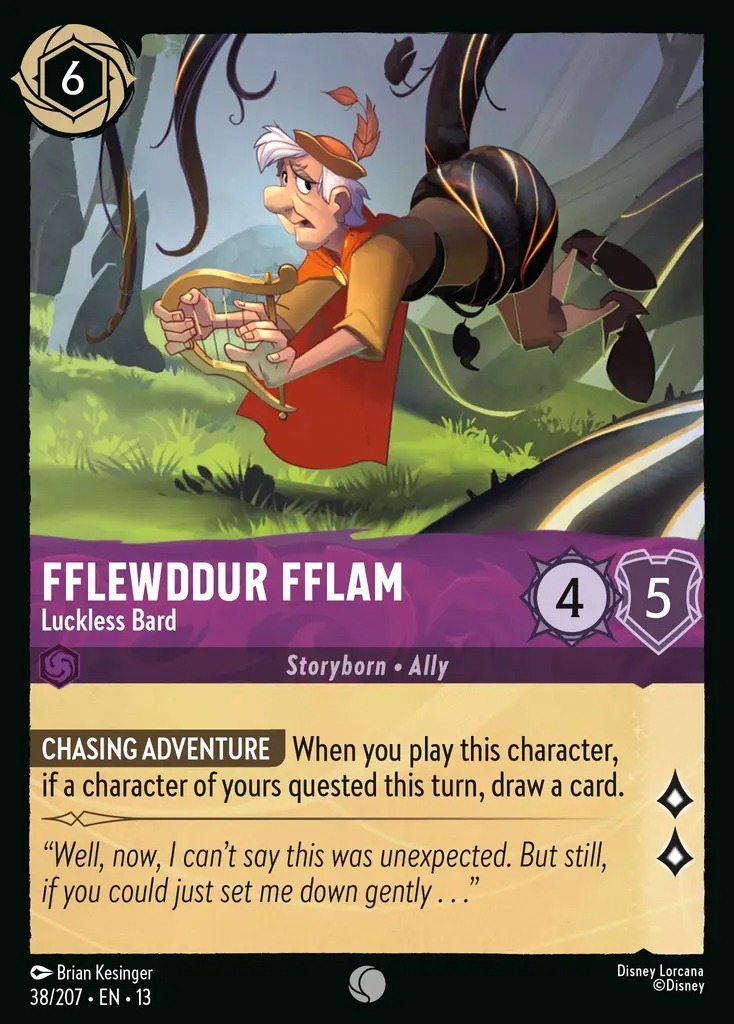
Fflewddur asks far too much for a one-time draw effect. You need another character to quest first, his six-ink body is underwhelming, and the payoff only happens when he is played.
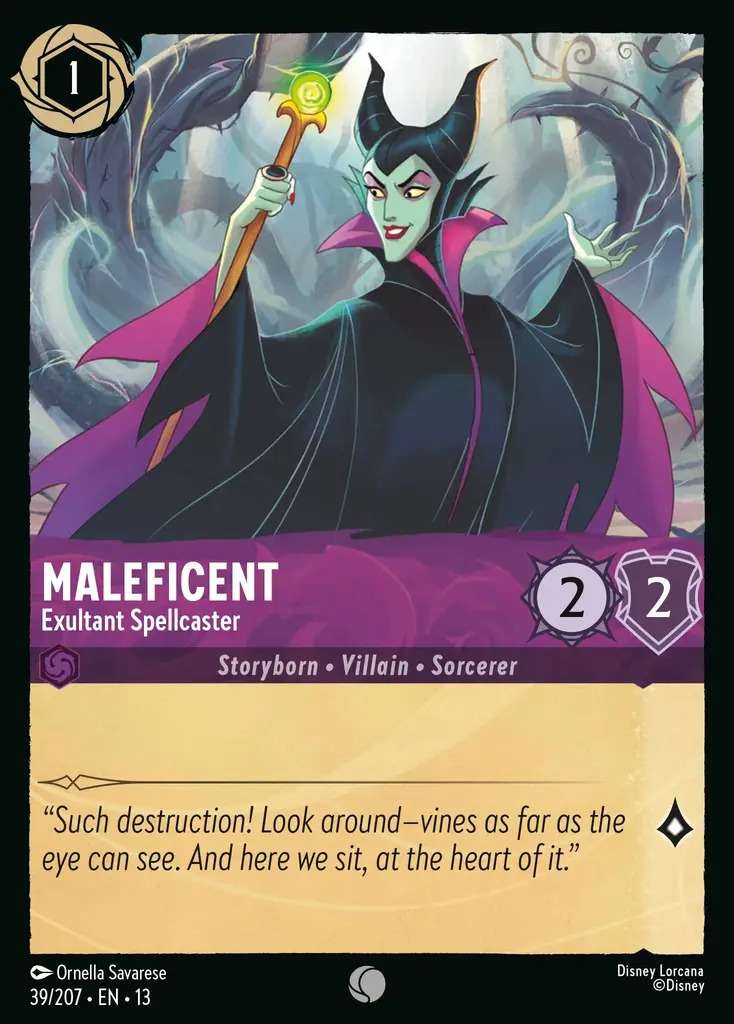
This Maleficent is plain but functional. A playable one-drop that can always become ink has value in sealed, even when there is nothing exciting written on the card.
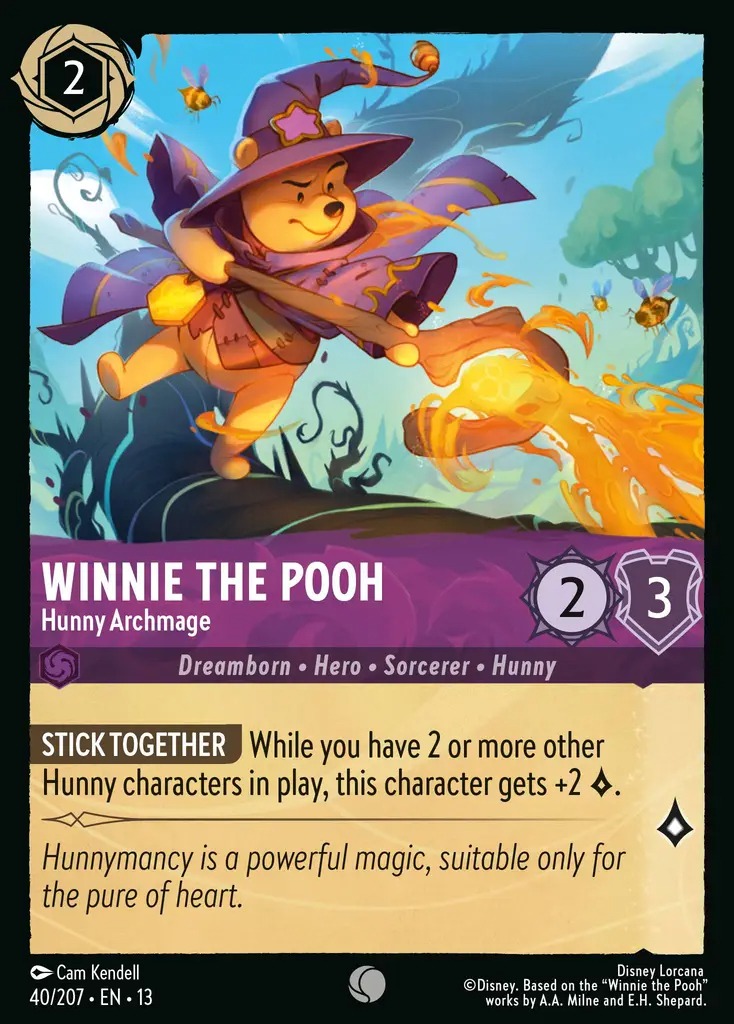
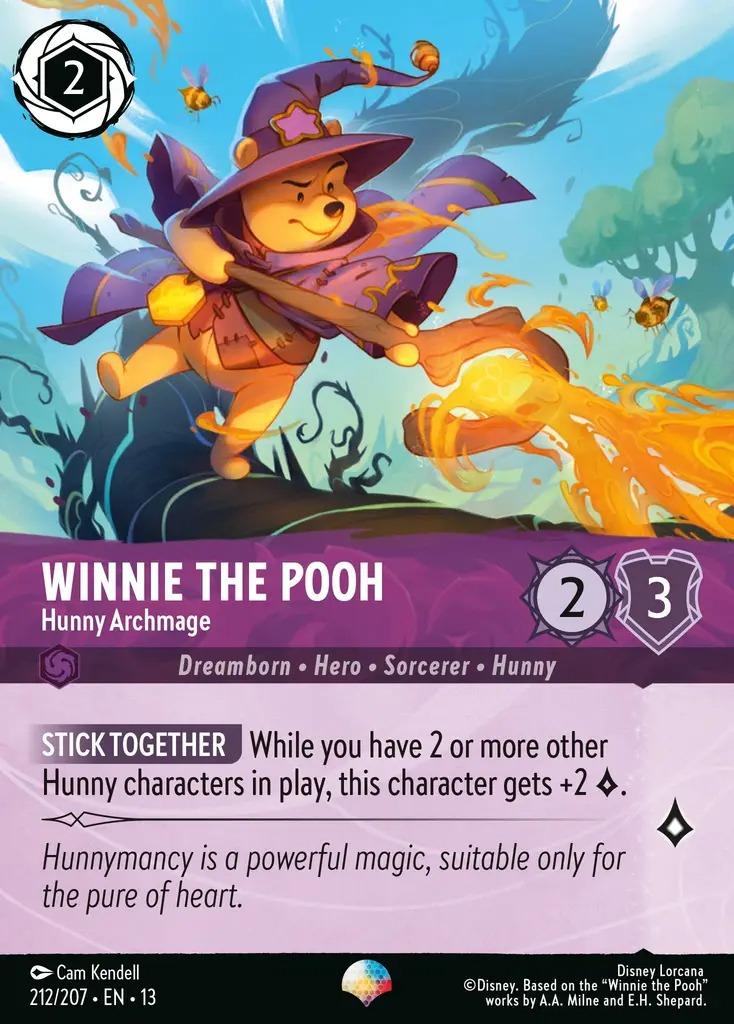
Pooh is a perfectly acceptable body on his own, and the Hunny bonus gives him a little more upside in the right pool. I would not force the theme, but I am happy to play him when the curve needs help.
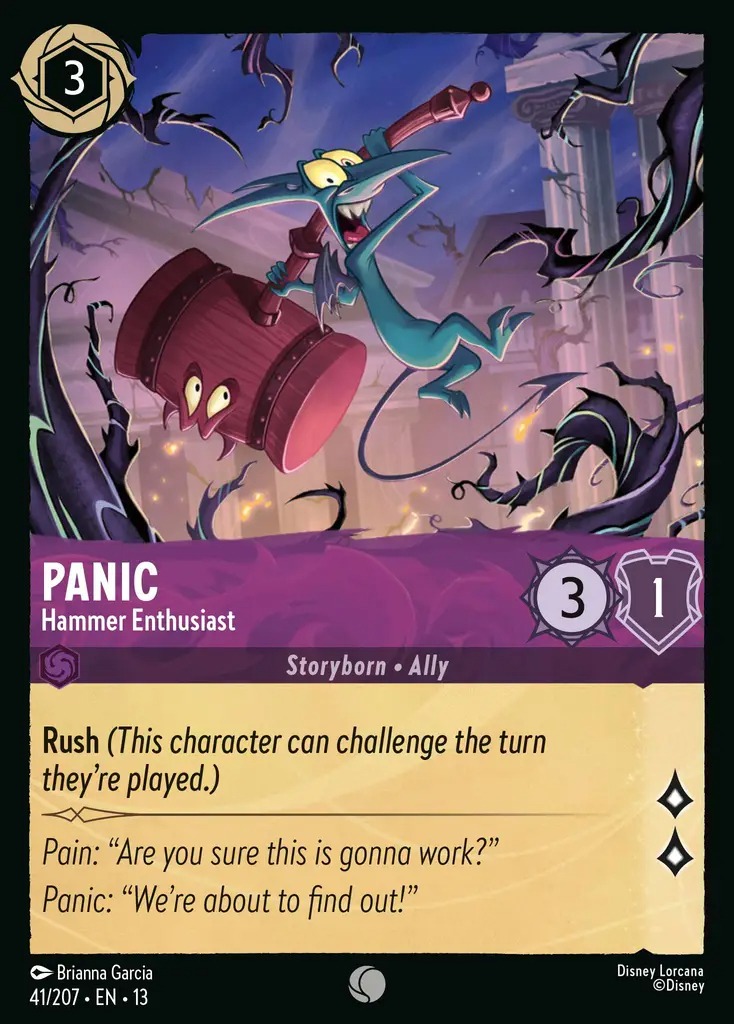
Panic is one of the better commons because he threatens two lore while still having the option to Rush into an exposed character. That dual role makes him useful whether you are ahead, behind or racing.
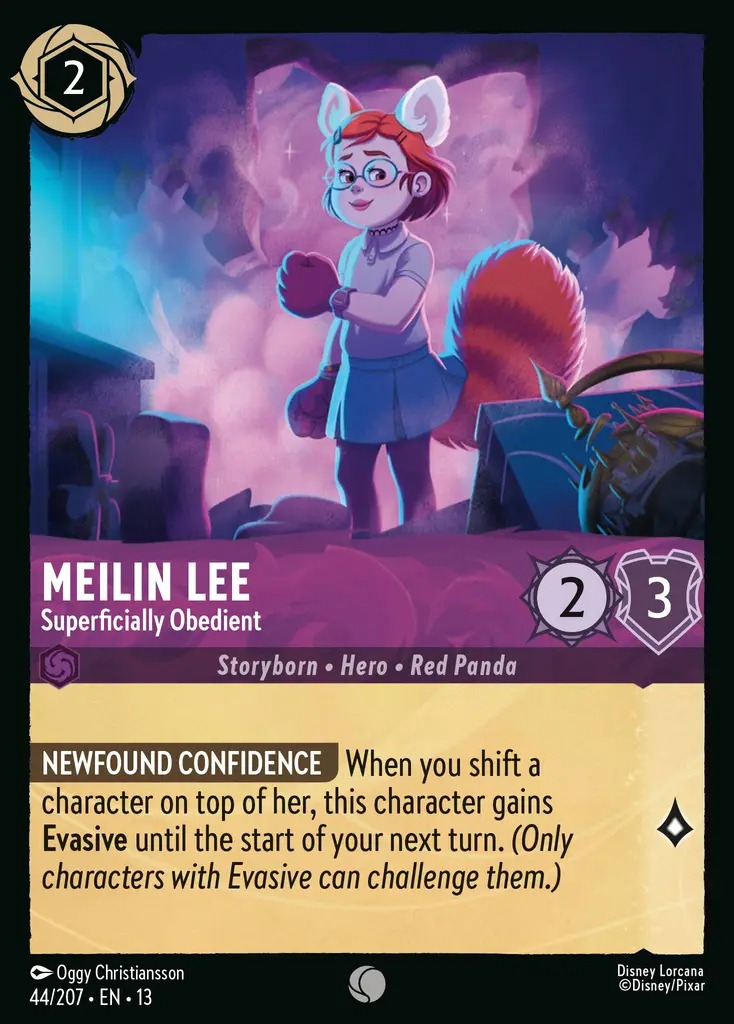
Meilin is already reasonable for two ink, and she becomes much more interesting when she supports a shift line by granting Evasive to the character above her. Playable floor, meaningful upside.
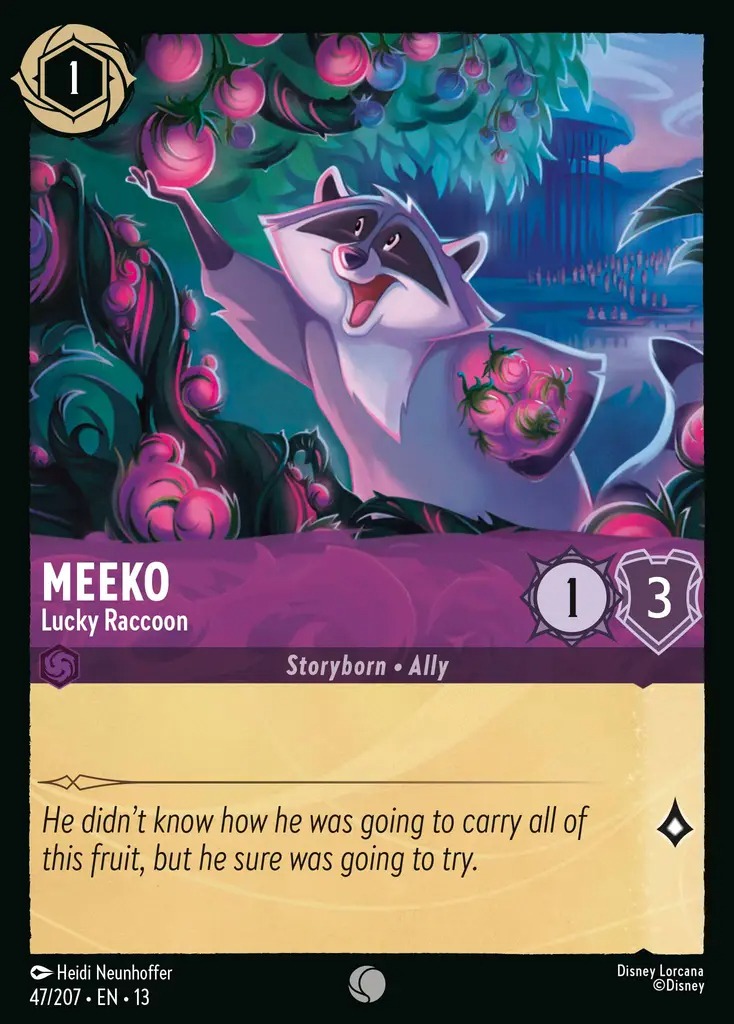
Meeko’s 1/3 body does very little pressure-wise, so I view him mainly as a cheap shift target. Without that payoff, he is merely a last-resort one-drop.
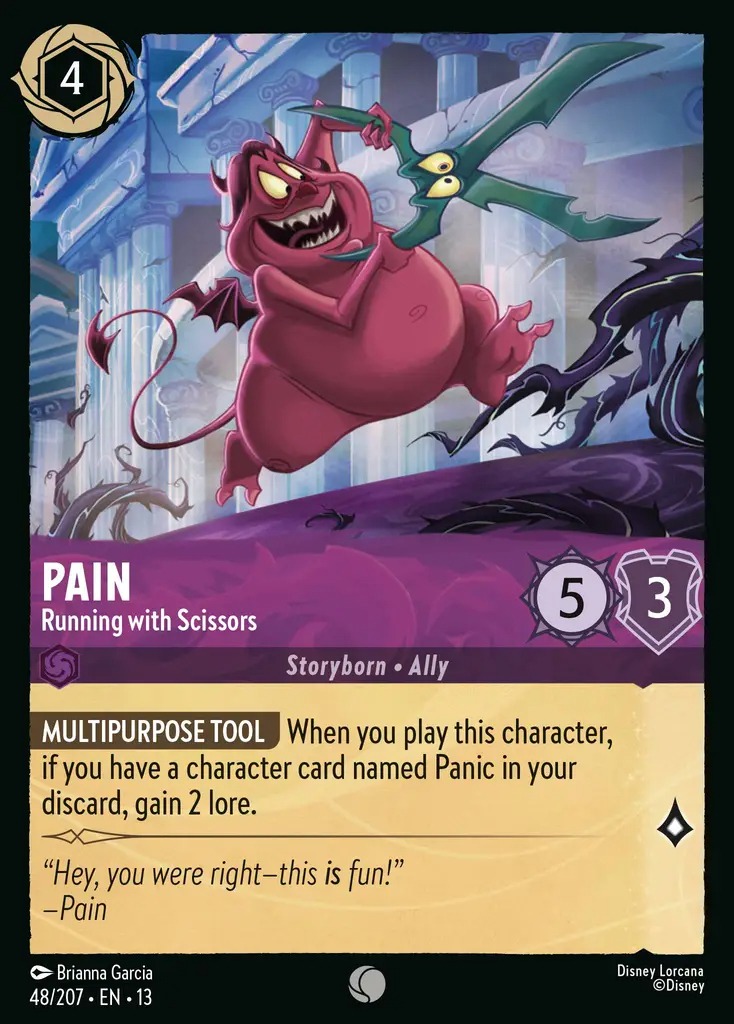
Pain’s 5/3 body can trade up, although three Willpower makes him vulnerable. If Panic is also in your pool, the extra lore pushes Pain from filler to an automatic inclusion.
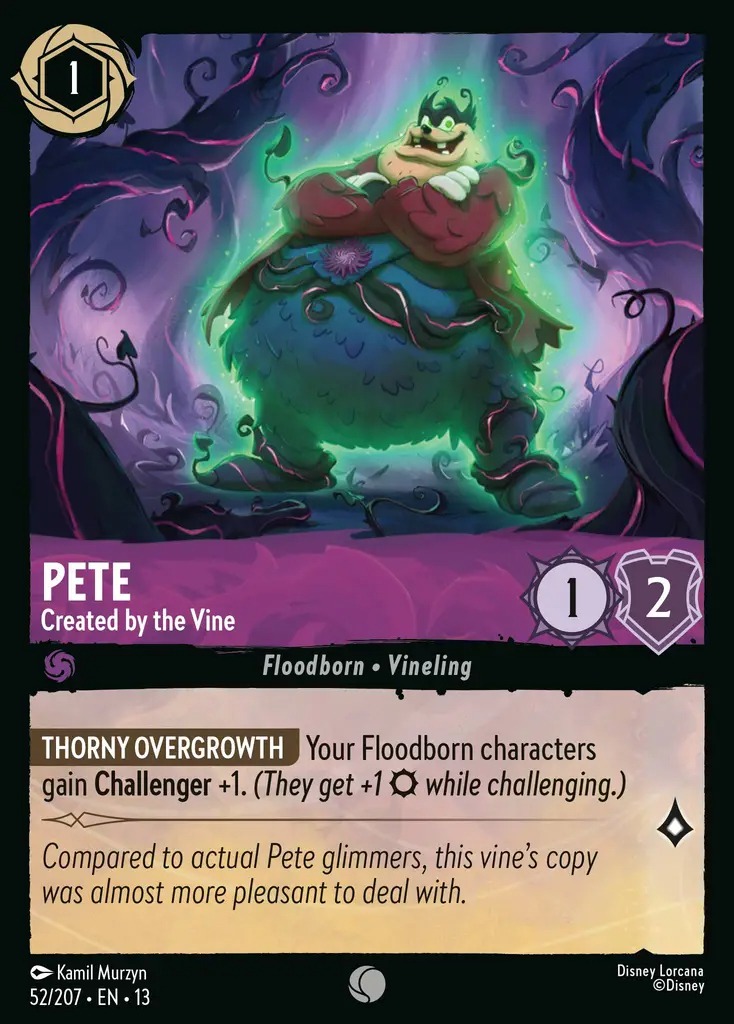
Pete is an ordinary one-drop until Floodborn synergies enter the picture. I would not play him purely on rate, but he becomes worthwhile when he is enabling several stronger cards.
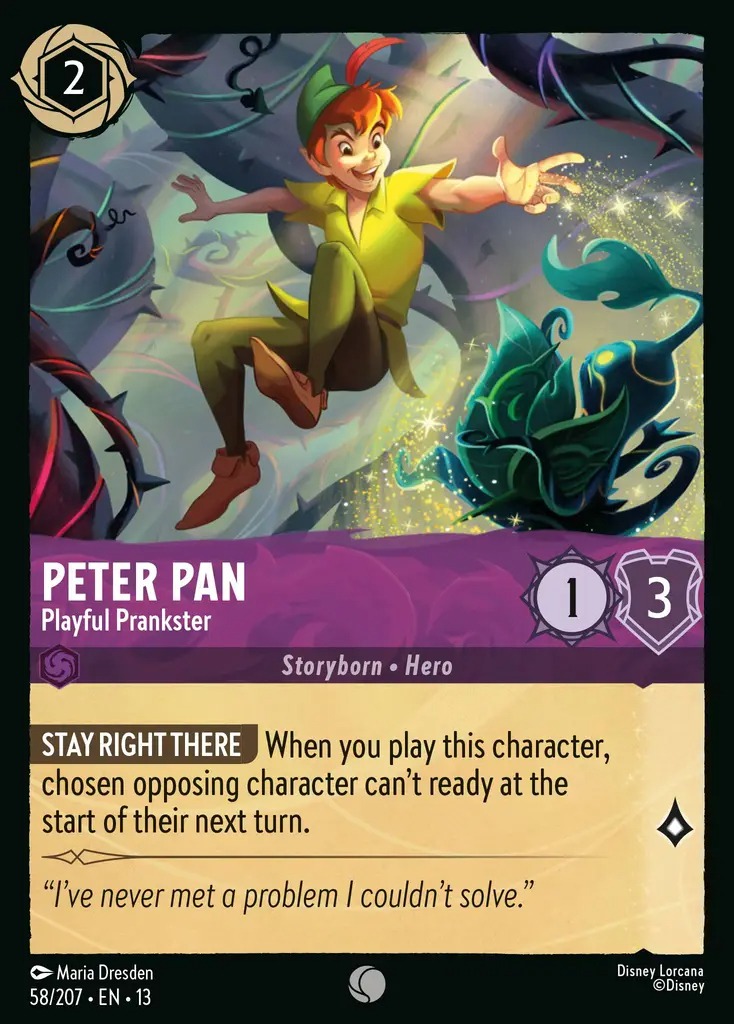
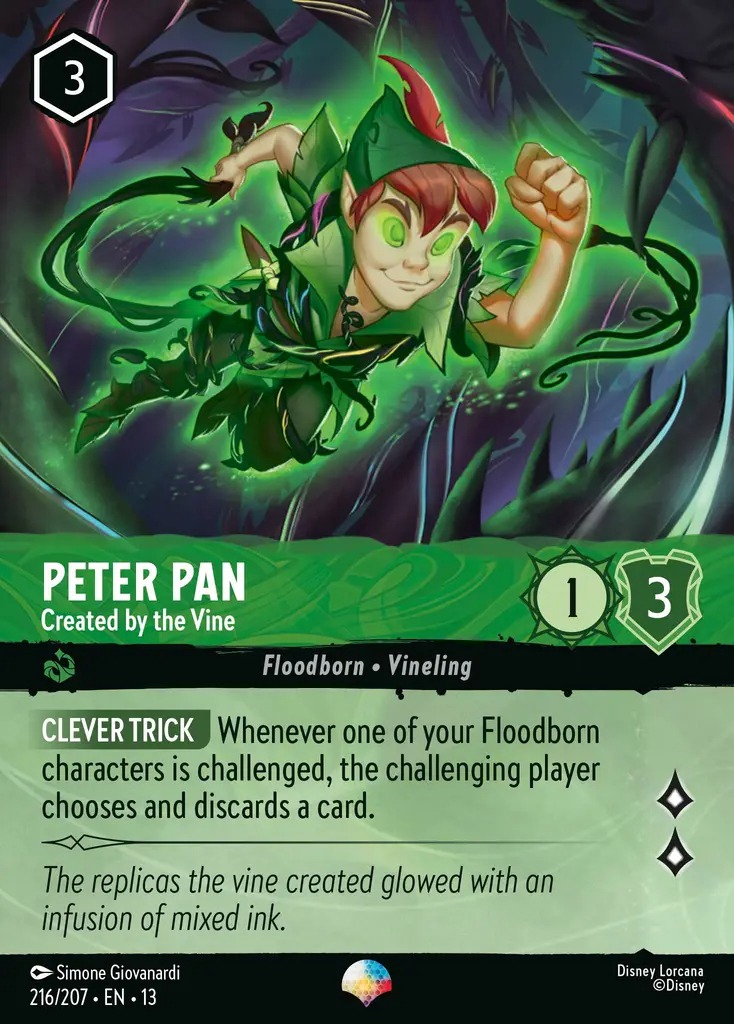
Stopping a character from readying can remove a challenger or high-lore quester from the next turn entirely. Peter Pan is not spectacular, but that tempo swing can be more valuable than his modest stats suggest.
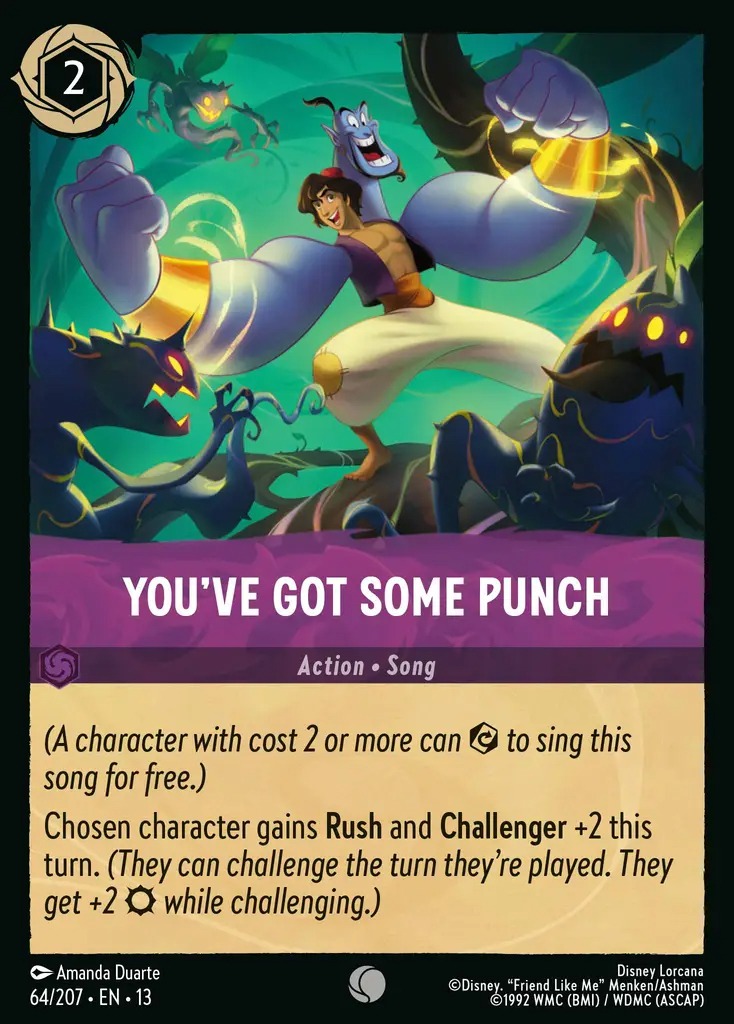
This song can completely flip a challenge by giving a newly played character Rush and Challenger +2. Because you can sing it instead of spending ink, it creates the kind of surprise tempo swing that sealed games are often decided by.
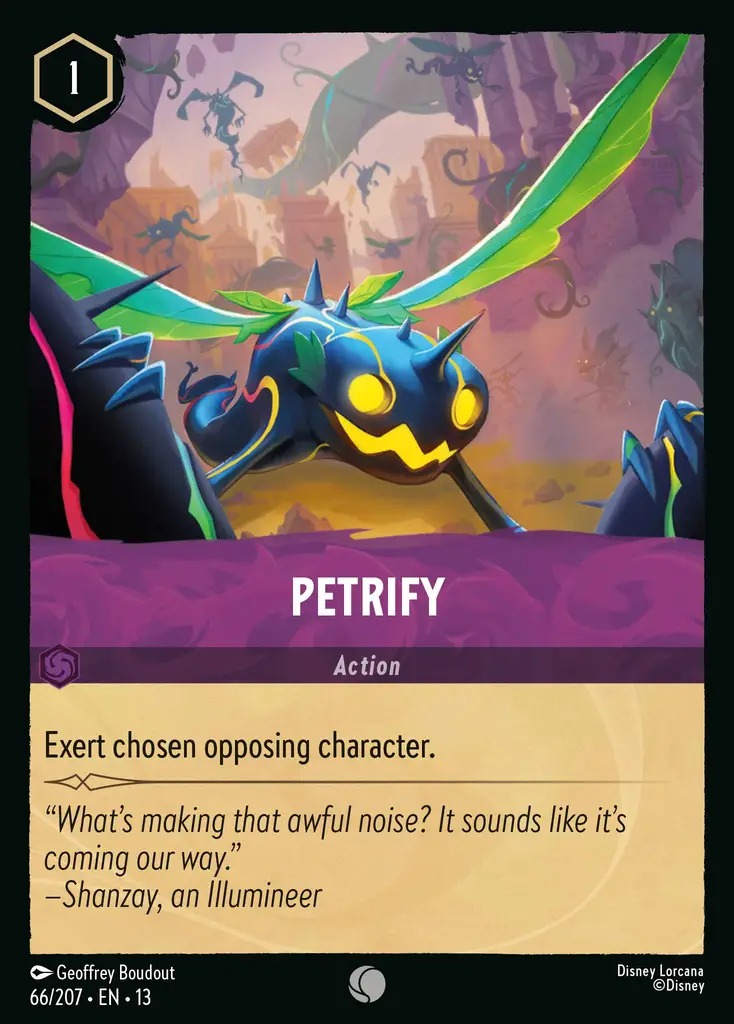
Forcing opposing characters to exert opens them up to challenges and can dismantle a board that thought it was safe. The effect is strong, but the card being uninkable means you must watch how many similar cards make your final forty.
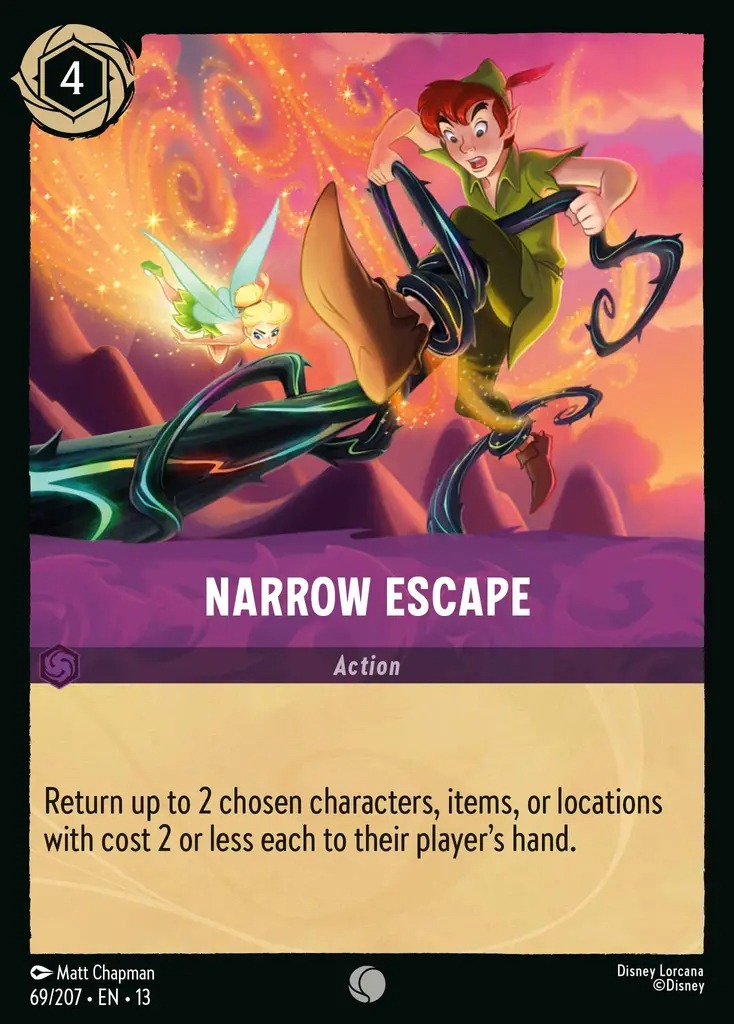
Flexible bounce is premium in sealed, and this card can return characters, items or locationsvincluding your own cards when replaying them creates value. It is rarely dead and can rescue you from almost any awkward permanent.
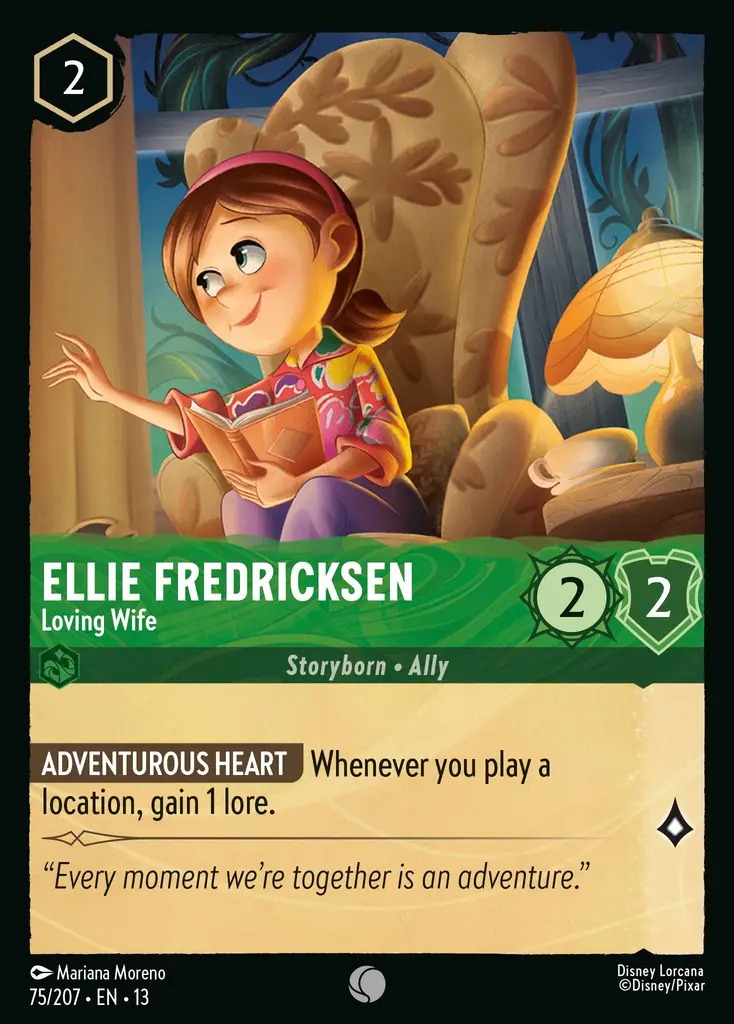
Ellie asks you to care about locations, which is already a narrow requirement, and being uninkable makes the miss even more painful. Unless my pool has a genuine location package, she stays out.
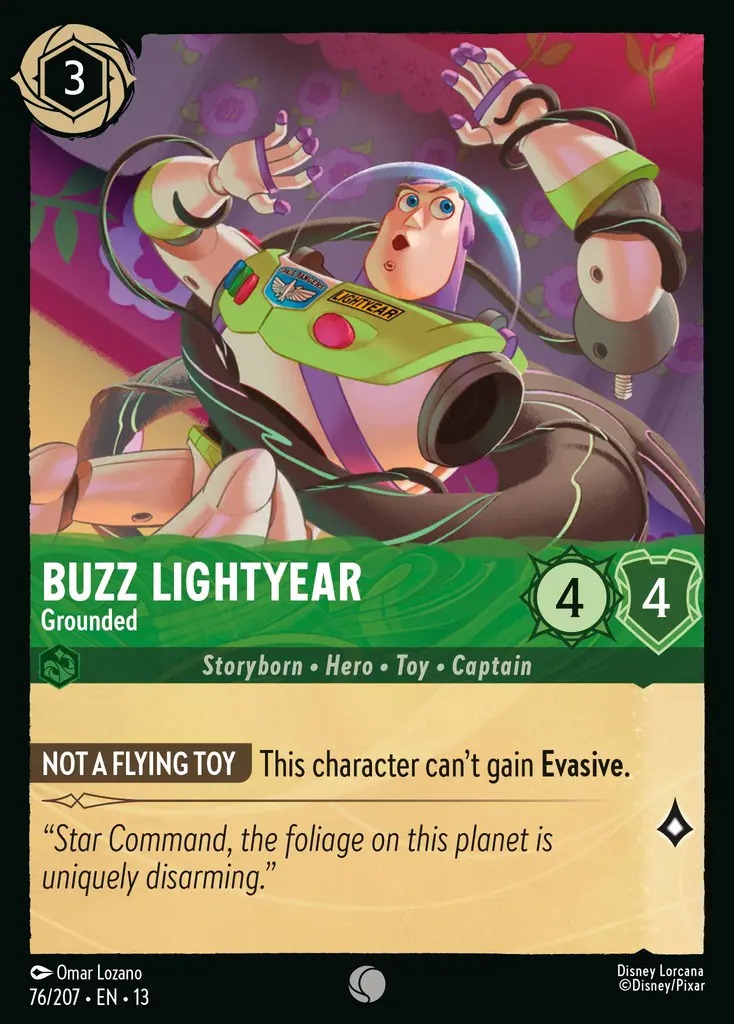
Buzz is pure efficiency: a 4/4 for three ink is comfortably above the curve and needs no synergy at all. This is exactly the sort of common I want filling my three-cost slot.
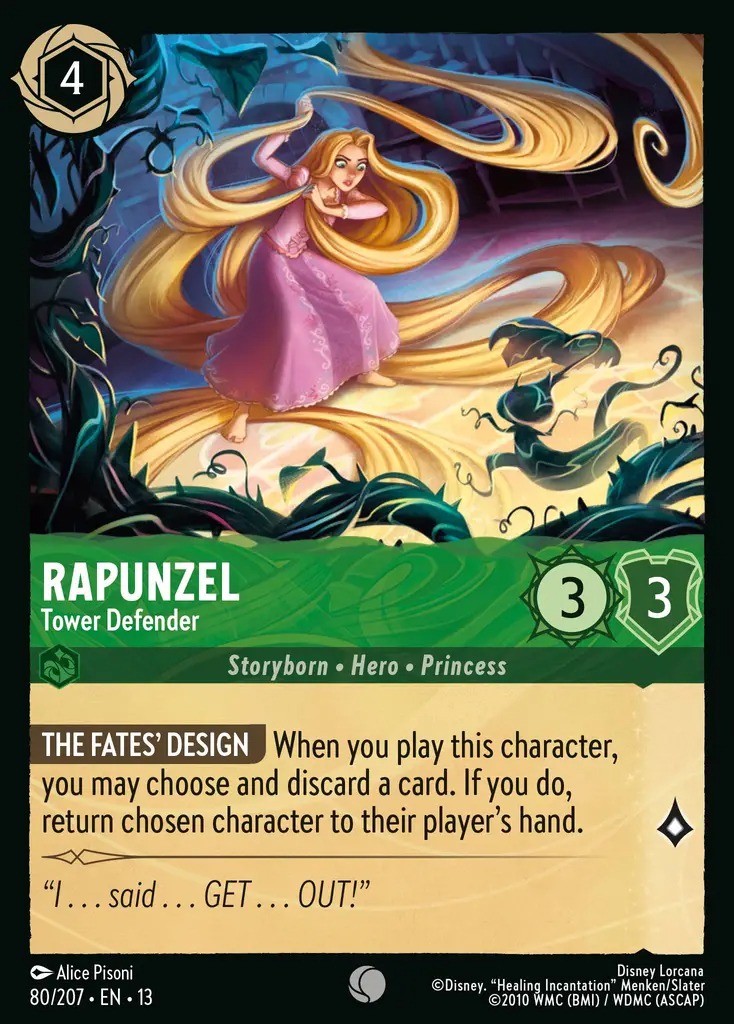
Rapunzel turns a discarded card into a bounce effect, giving you real interaction in a format where removal is limited. She becomes even better when the discarded card has value from the discard pile.
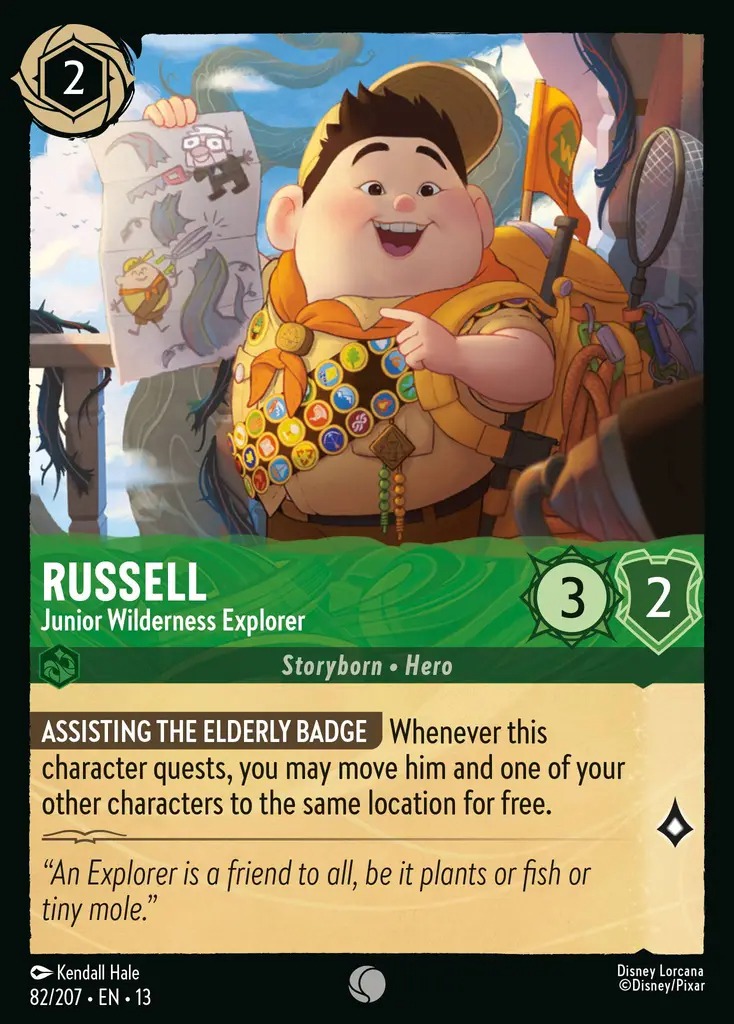
Russell’s location text may or may not matter, but a 3/2 body is still a reasonable baseline. He is not a reason to build around locations; he is simply acceptable filler when you need another early character.
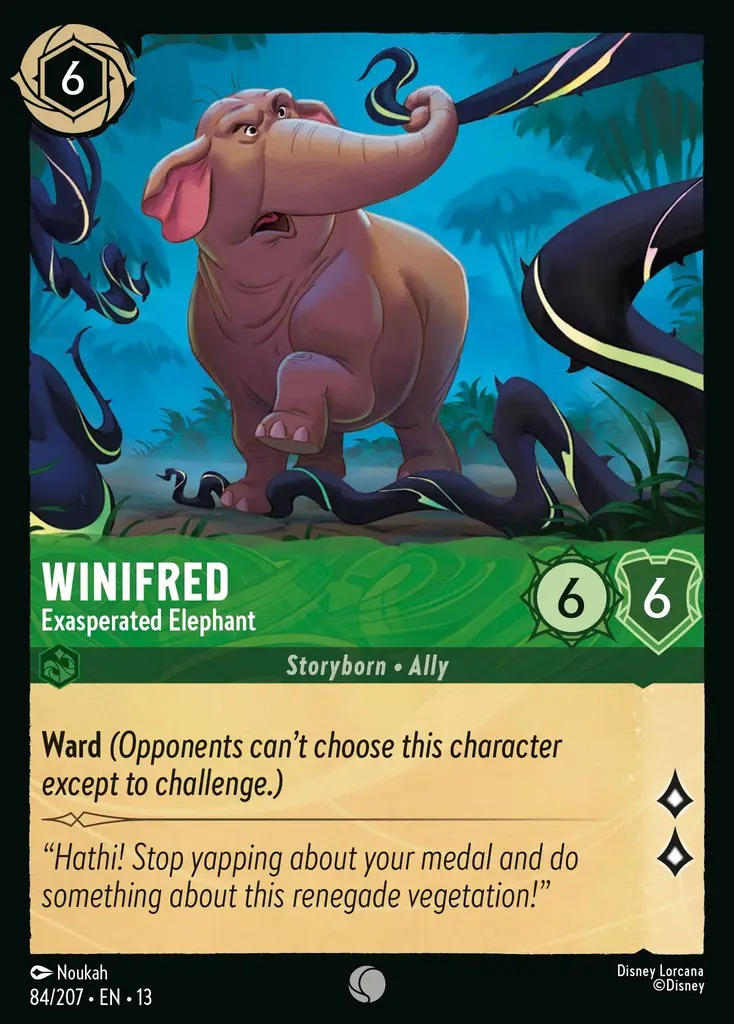
Winifred is expensive, but a 6/6 with Ward is a serious obstacle once she arrives. Your opponent will usually have to beat her in combat, so she is a respectable top-end option when your six-cost slot is not already crowded.
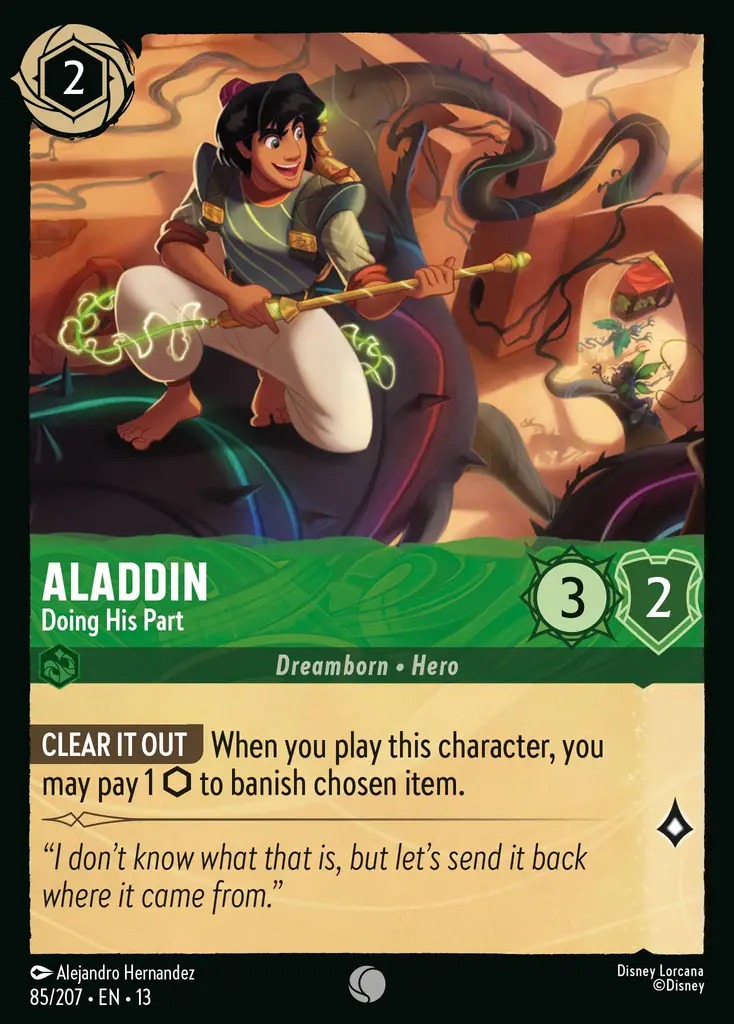
Aladdin is already a serviceable 3/2, and the ability to banish an item gives him useful main-deck flexibility in an item-heavy set. I would gladly play him even when the ability only triggers occasionally.
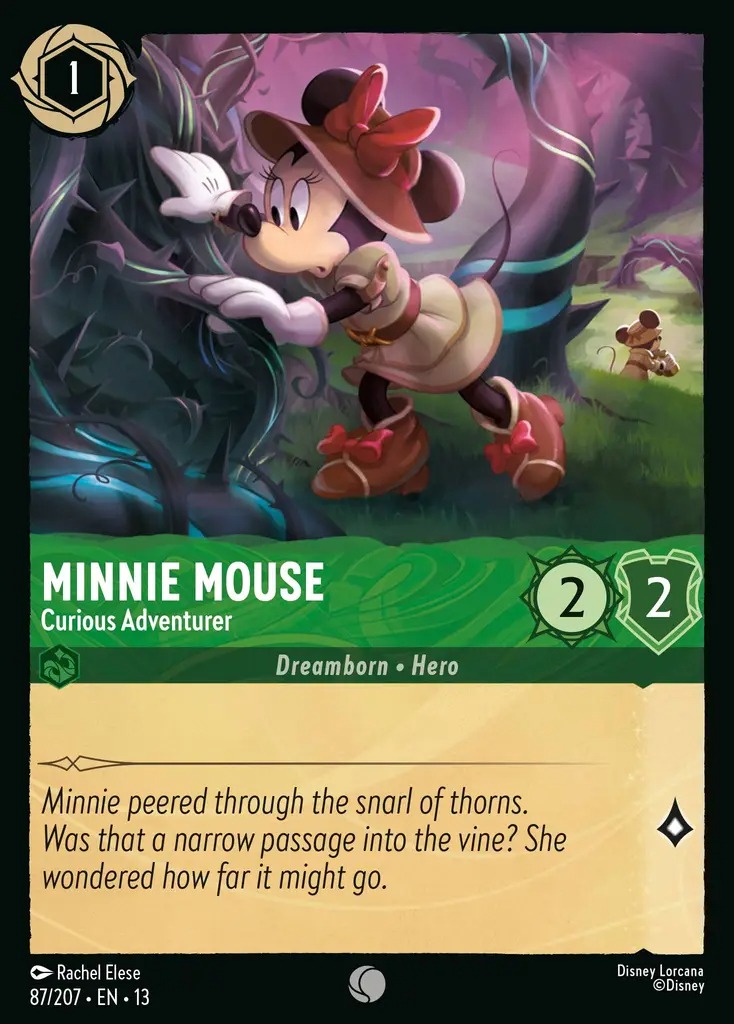
Minnie is another no-frills 2/2 for one ink. She does her job, fills the curve and can become ink when drawn late.
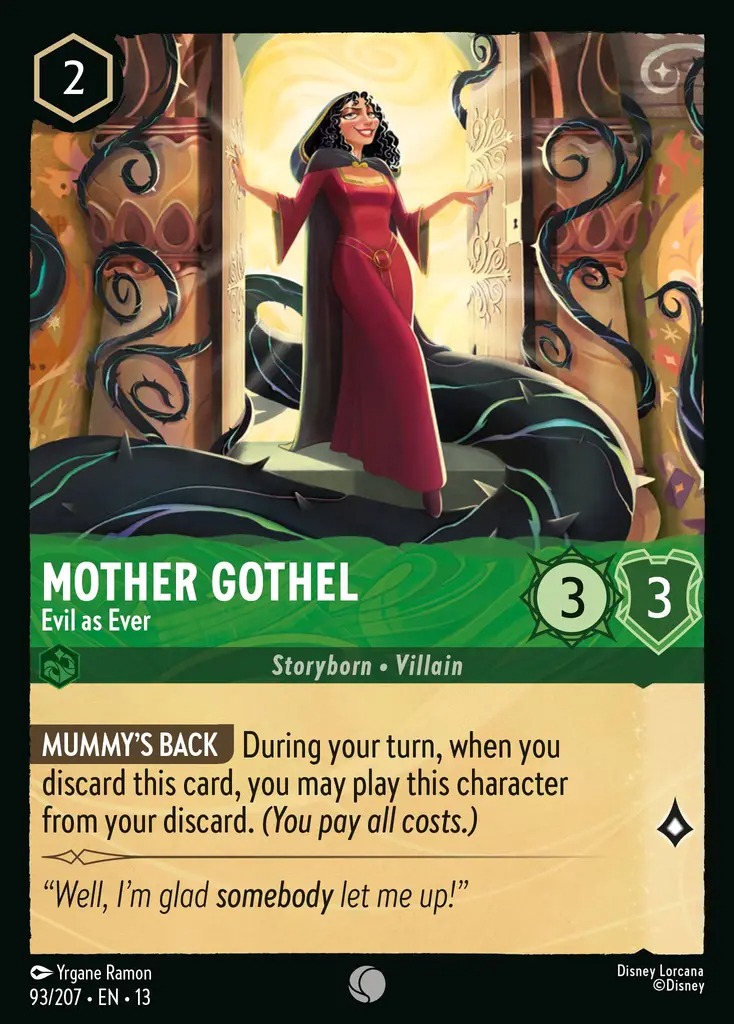
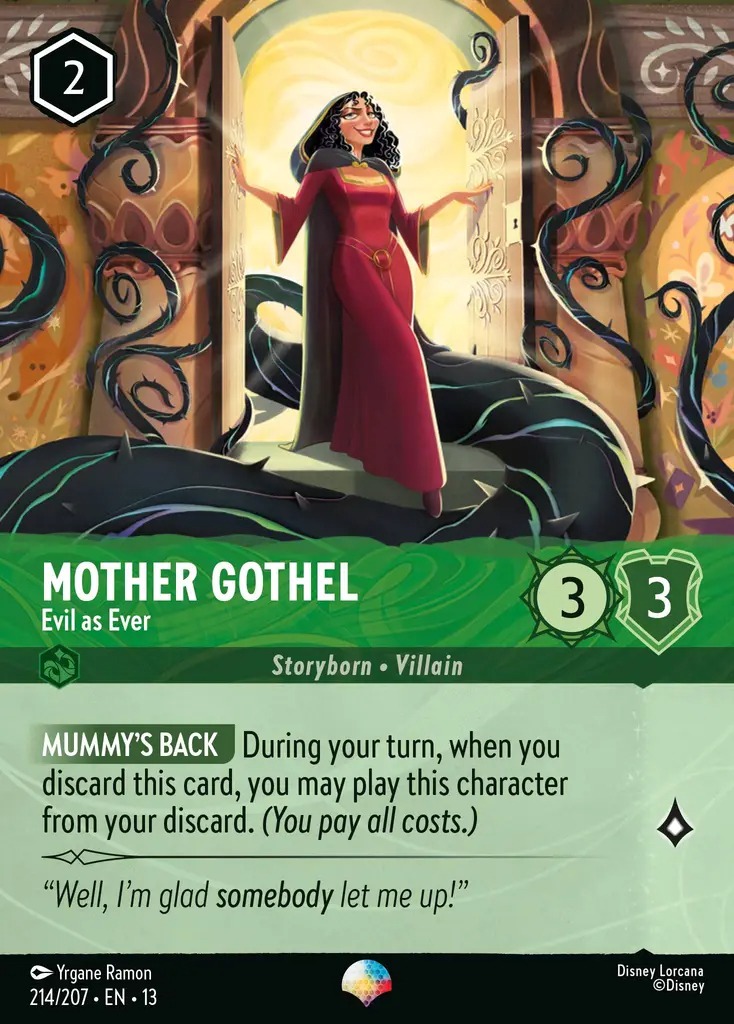
Mother Gothel brings the excellent 3/3-for-two stat line, which is enough to earn a place by itself. Any discard synergy you can add on top is a bonus rather than a requirement.
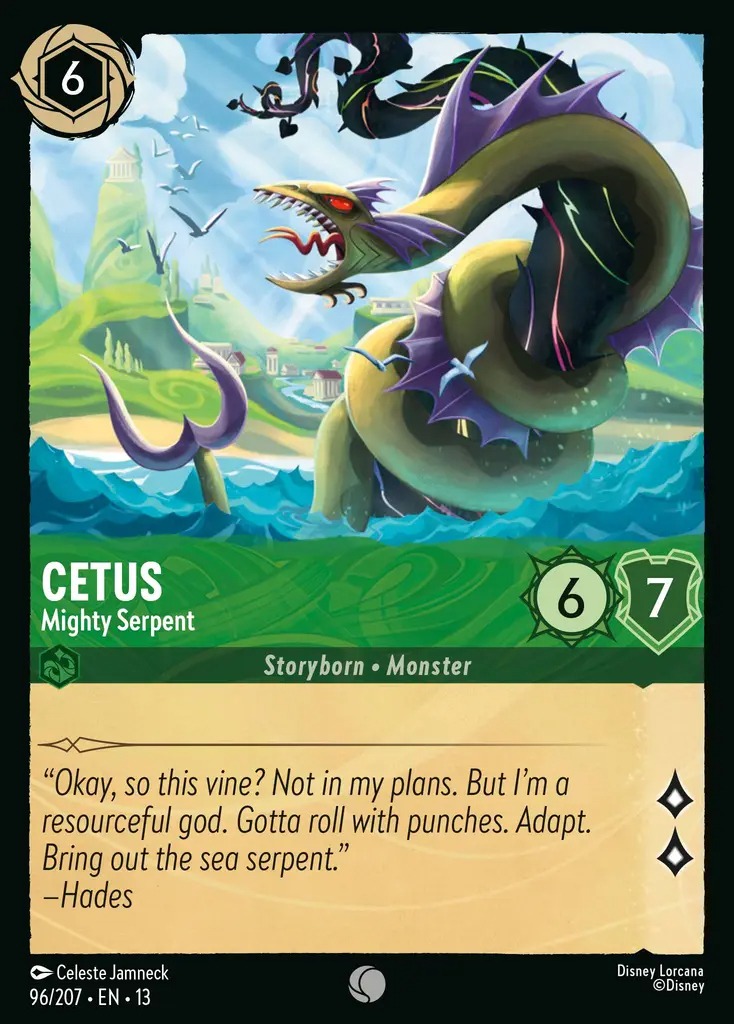
Cetus is a six-cost body with no ability, and that is a difficult sell when your expensive cards should stabilize the board or create advantage. Big numbers alone are not enough here.
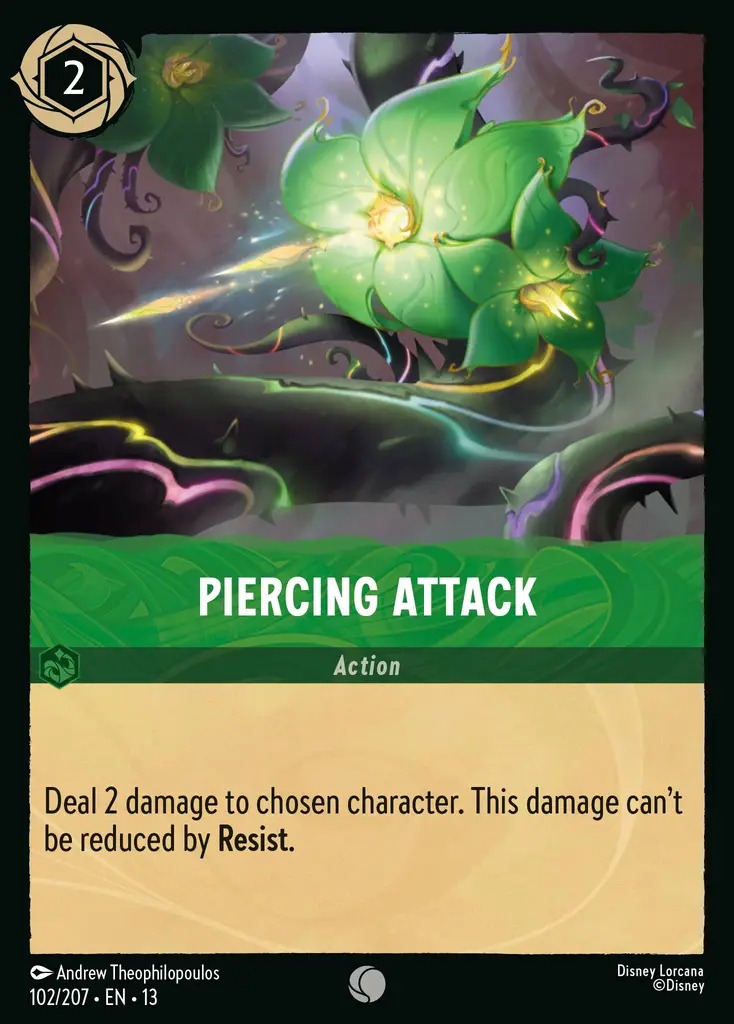
Direct damage that remains inkable is always attractive, and the ability to bypass Resist makes this especially reliable. It answers small characters cleanly and finishes off larger ones after combat.
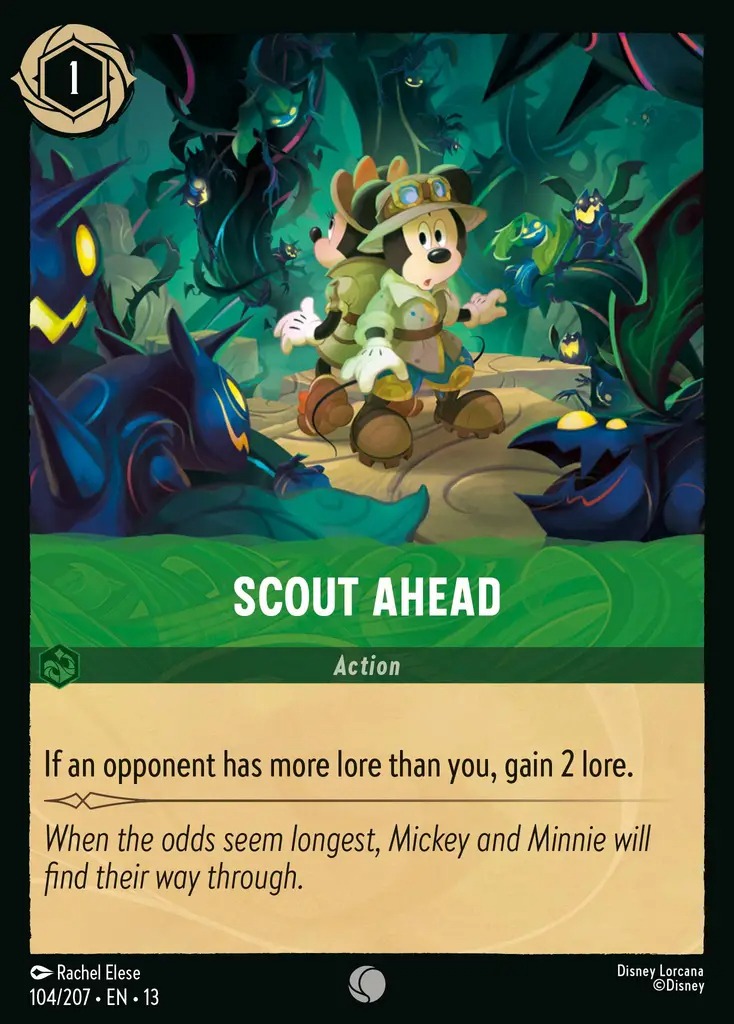
A surprise two lore can end a game before your opponent gets another turn. When you are not in position to use it, the card simply goes into the inkwell, which makes the risk very low.
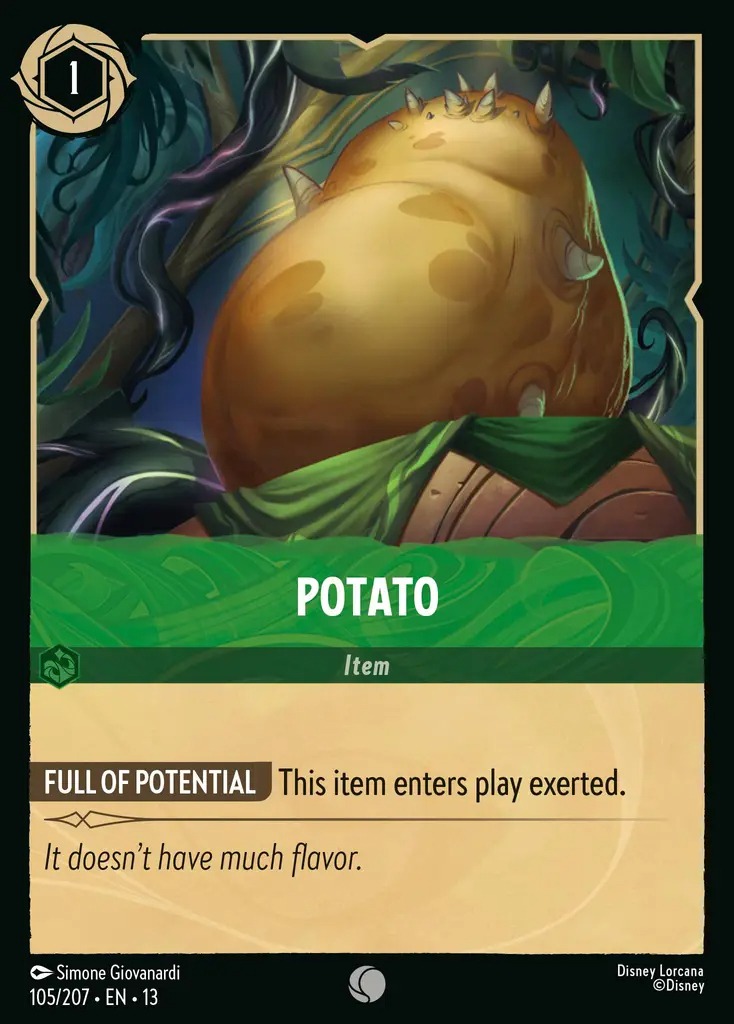
Outside of being a necessary shift piece, this item offers too little for a sealed deck slot. Do not weaken your deck just to chase a synergy that may never appear.
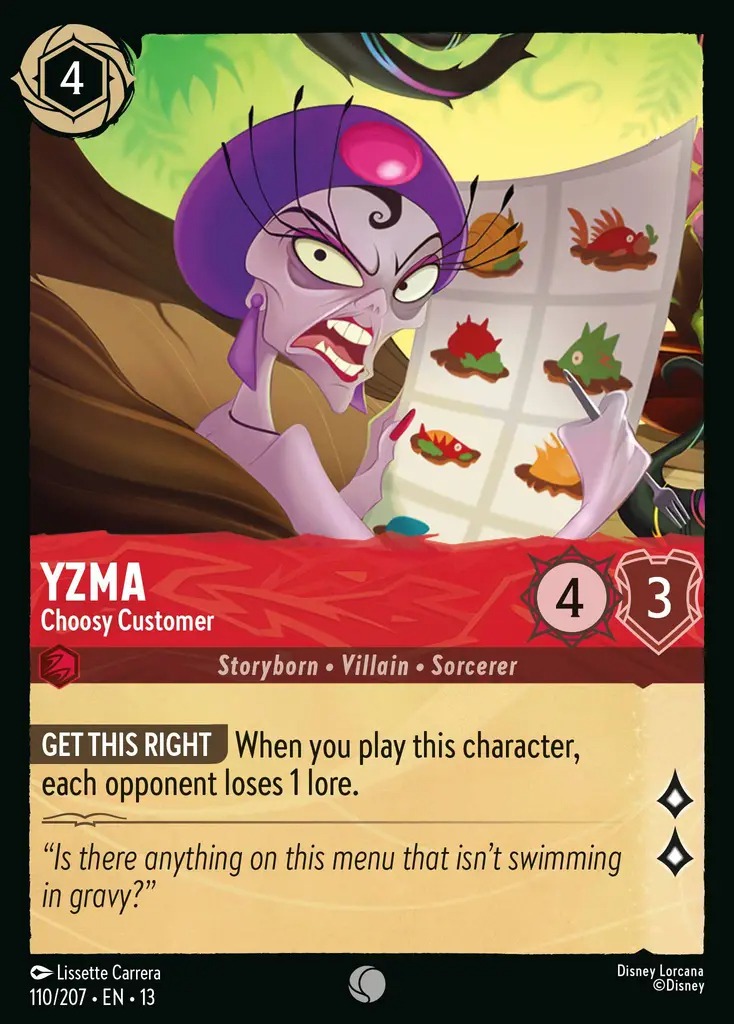
Yzma quests for two while also pulling your opponent backwards, so every successful quest creates a meaningful swing. Her body is only fair, but the lore pressure makes her worth considering.
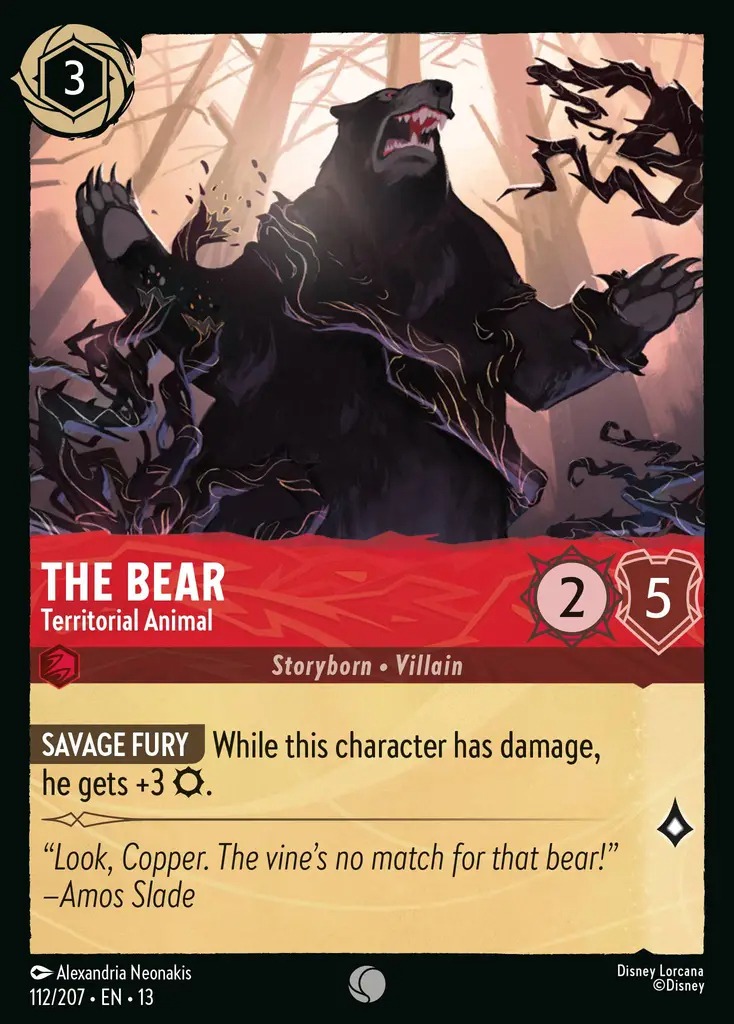
Bear starts modestly, but one profitable challenge can turn him into a 5/5 threat. The ceiling is attractive; just make sure the first challenge does not leave him vulnerable to an easy follow-up.
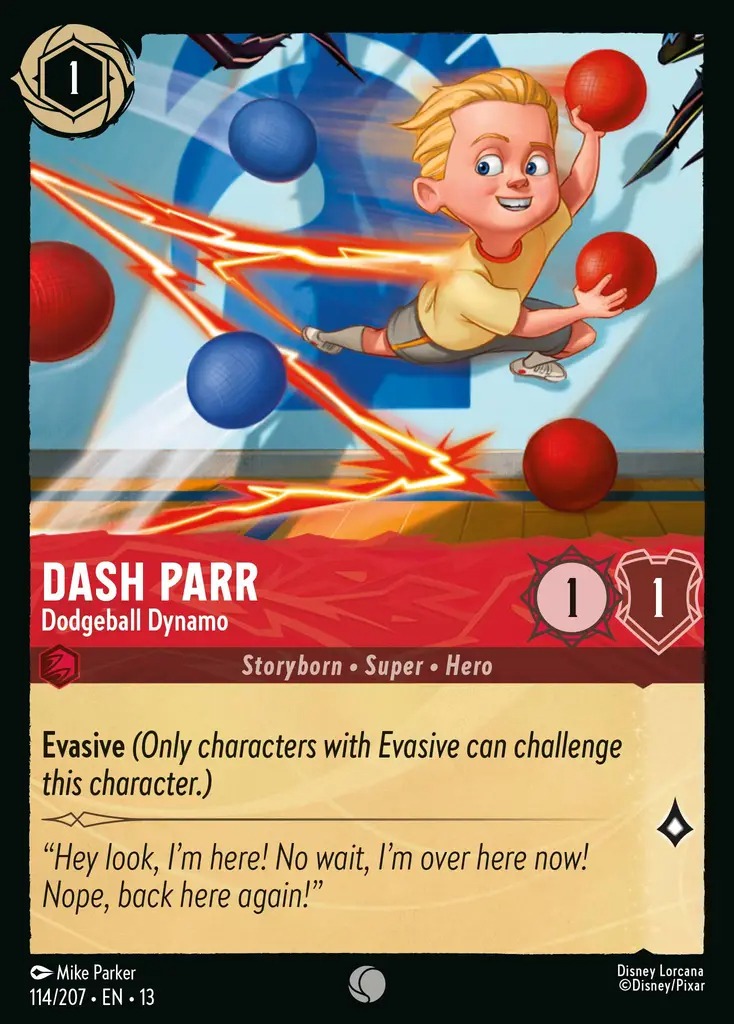
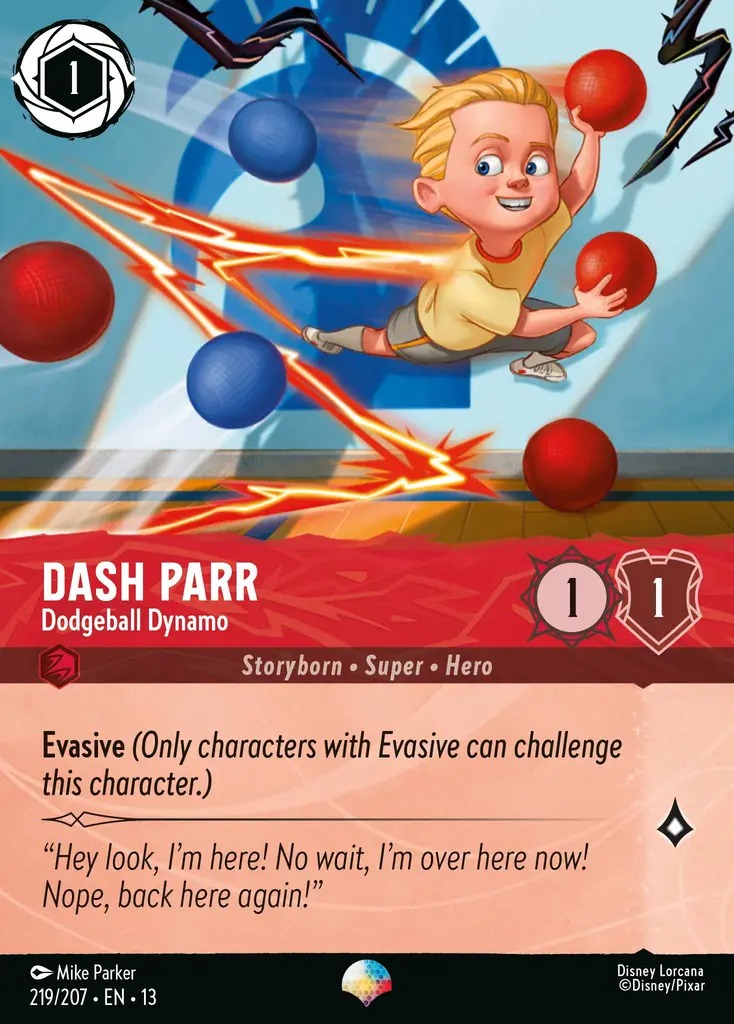
A turn-one Evasive character can be irritatingly difficult to answer, and Dash may quietly collect several lore before your opponent finds a solution. His 1/1 body is fragile, but the low investment makes the upside worthwhile.
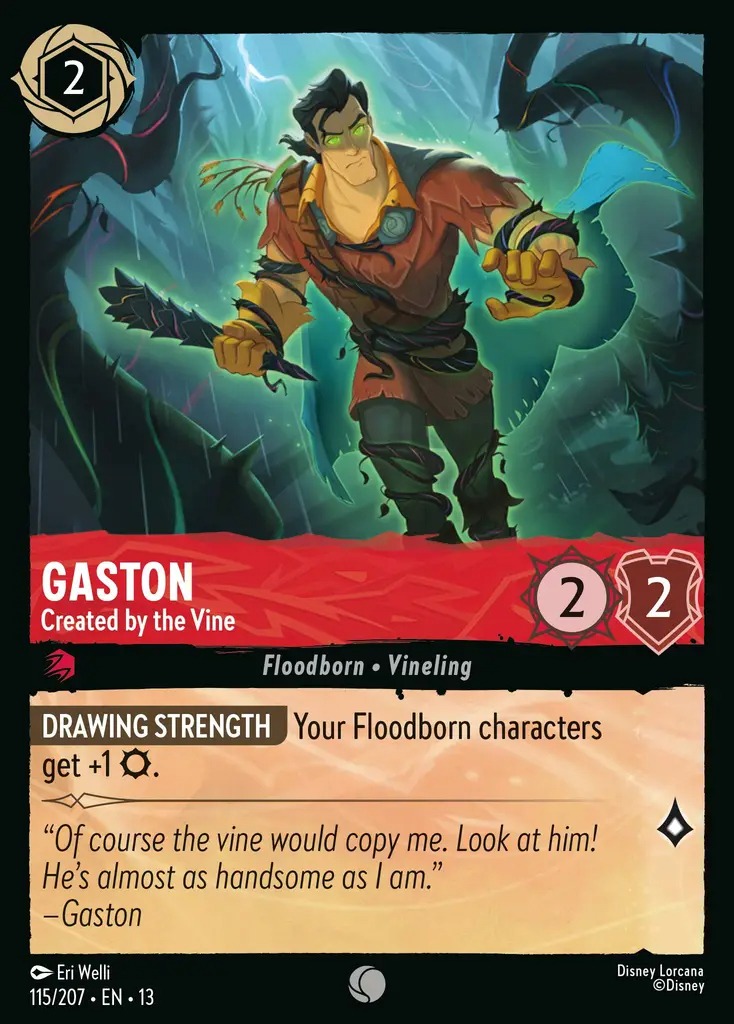
Gaston is a synergy card rather than a universally strong one. With enough Floodborn characters he becomes an easy inclusion; without them, he is too ordinary to prioritise.
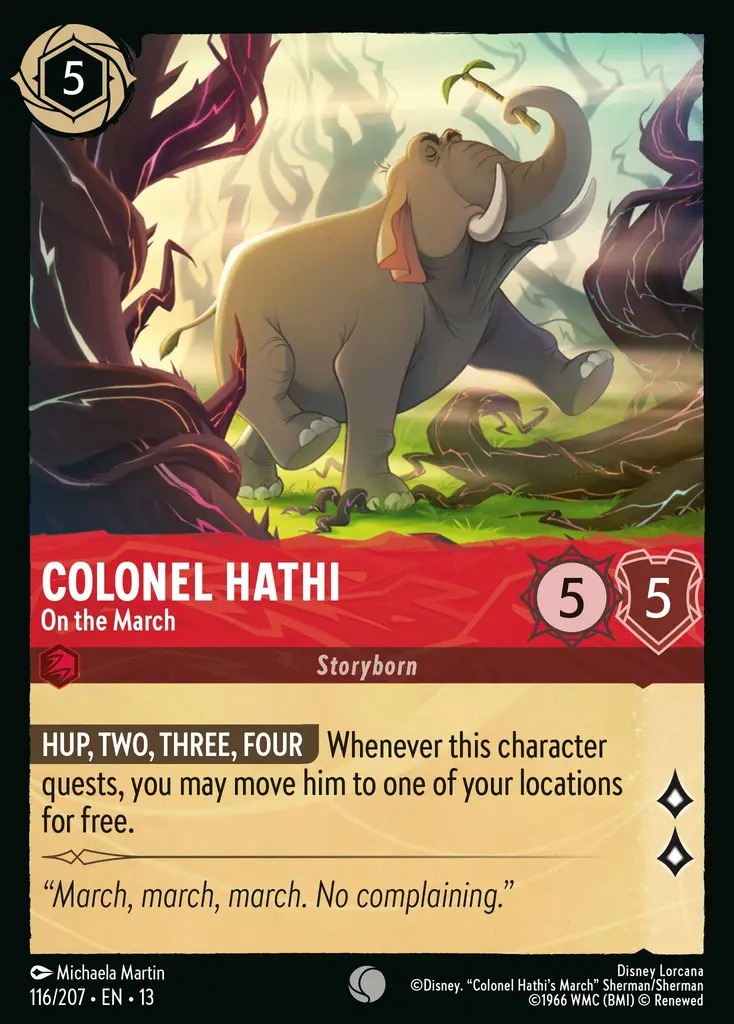
Hathi gives you a sturdy 5/5 body, and the option to move him to a location may occasionally unlock extra value. Even when that text is irrelevant, he remains a respectable mid-to-late-game character.
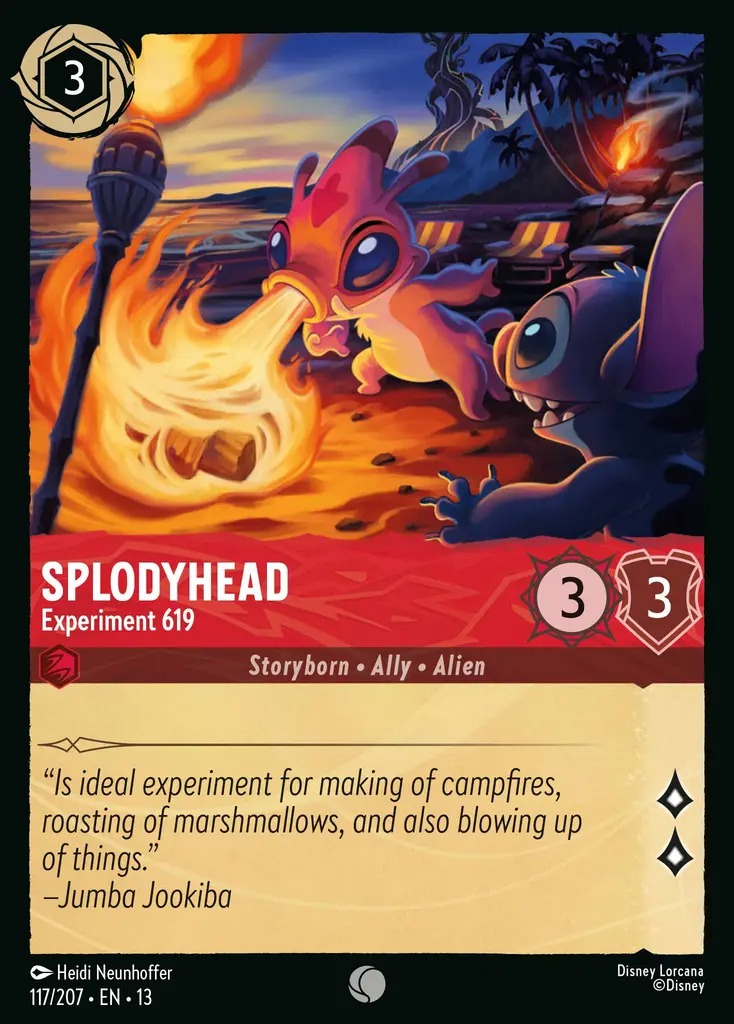
Splodyhead is simple, efficient and aggressive: a 3/3 body that quests for two. There is no elaborate setup required, which is exactly why he will make many sealed decks.
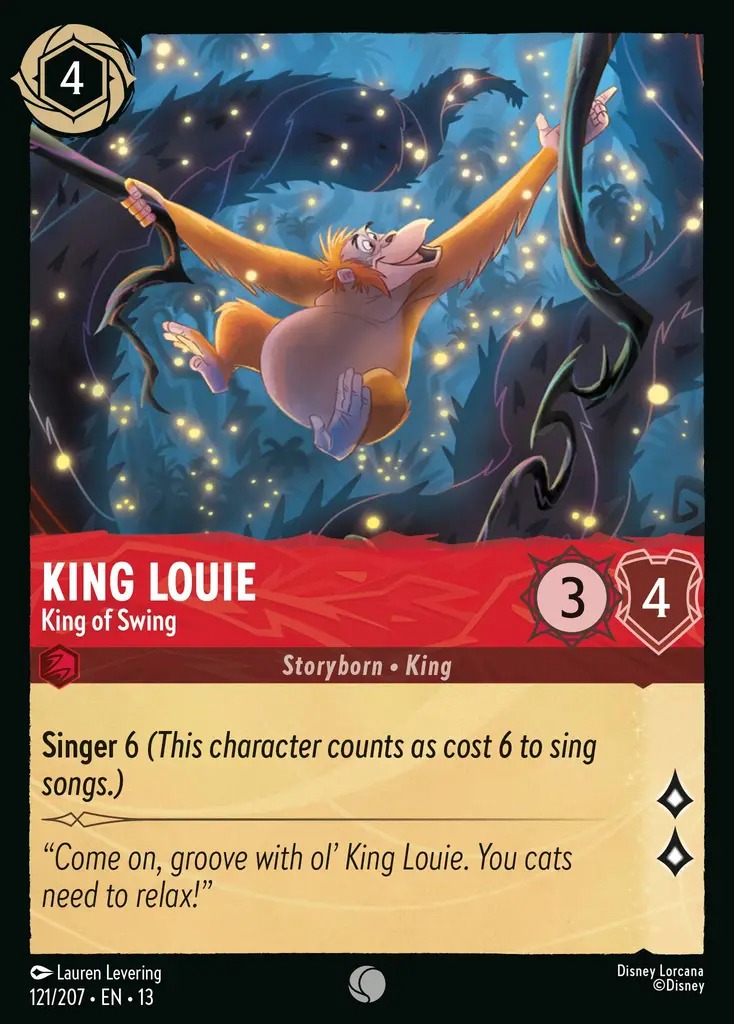
Louie’s two lore and acceptable stats already make him playable; Singer 6 is the feature that can turn him into a real tempo piece. He is especially valuable when your pool contains expensive songs worth cheating out.
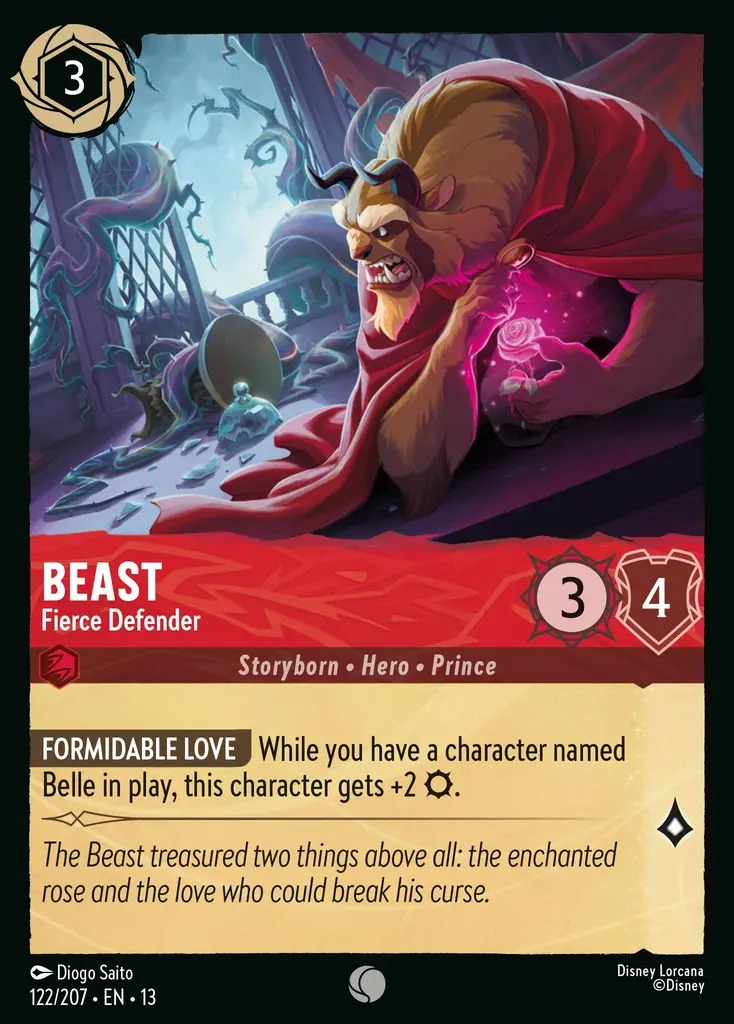
Beast improves when Belle is around, but he is not embarrassing without her. Treat the synergy as a bonus and the card itself as solid, unspectacular filler.
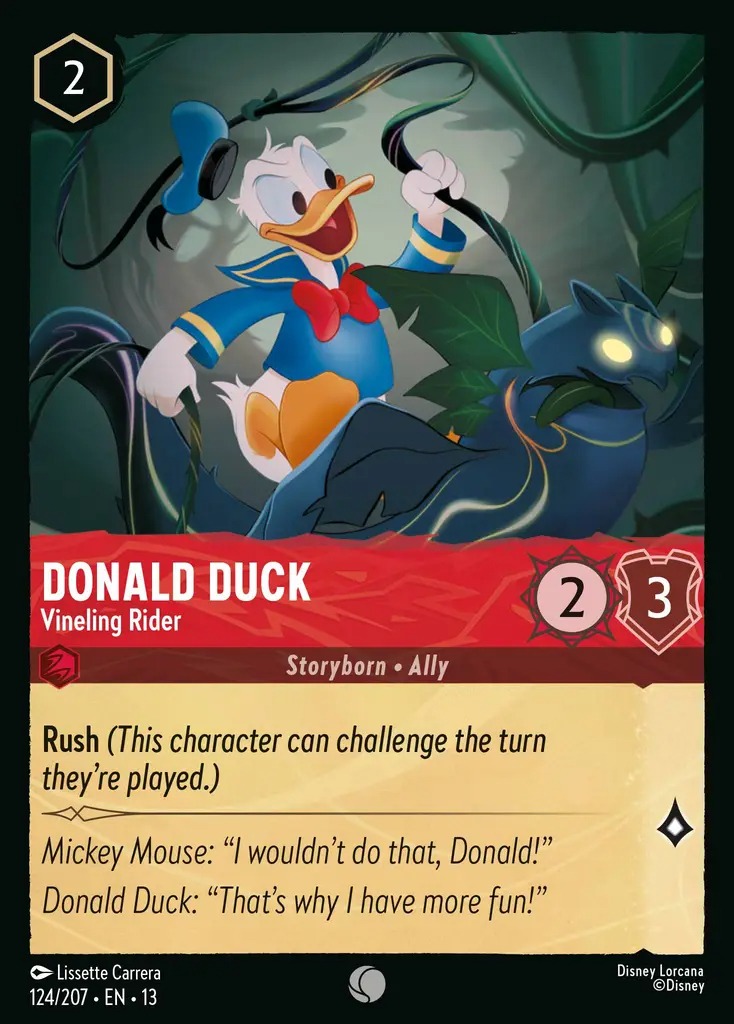
Donald’s Rush lets him immediately trade into many of the set’s small and medium characters. Three Willpower also gives him a chance to survive the exchange, making him a useful stabilising play.
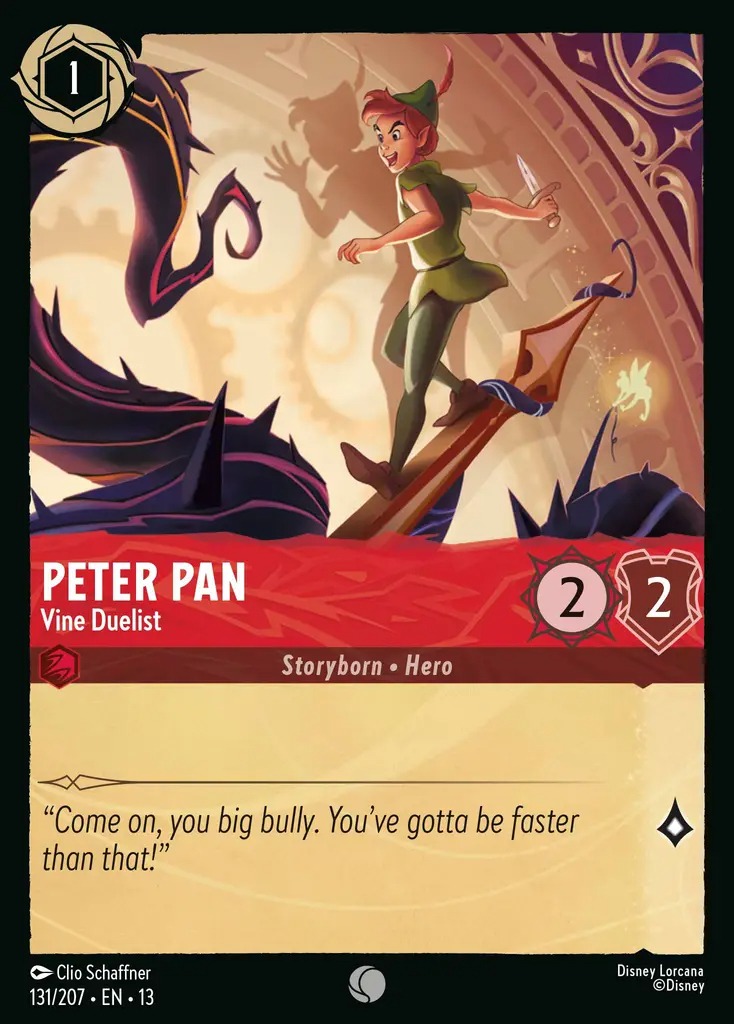
This Peter Pan is another basic one-drop. He will not excite anyone, but sealed decks still need early plays and he fills that role cleanly.
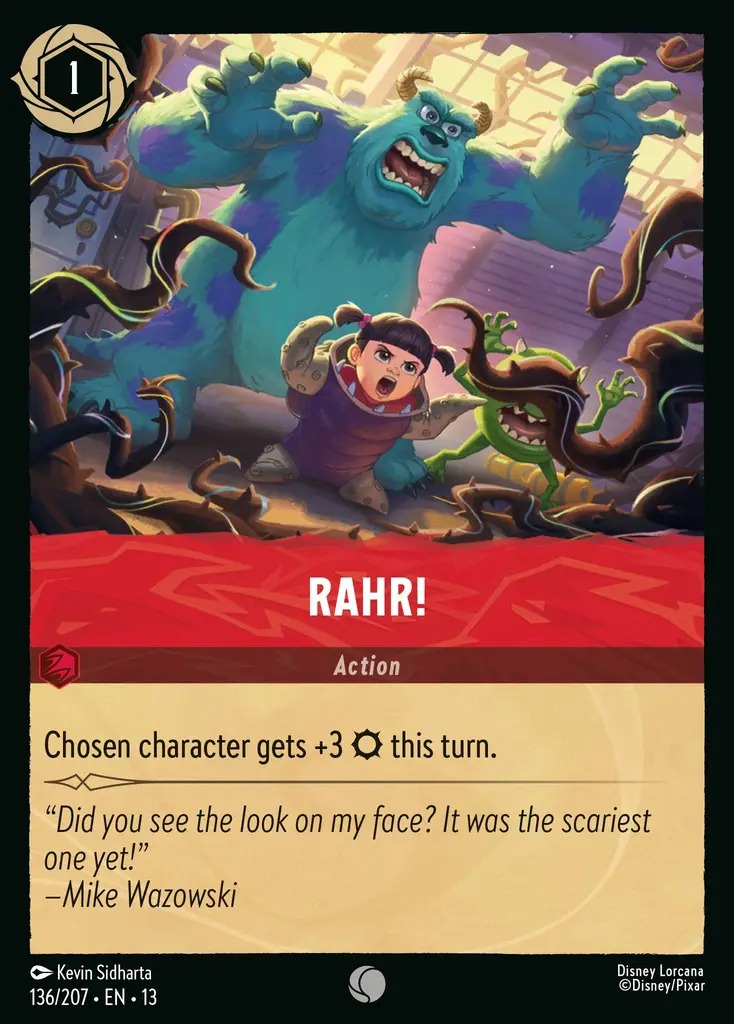
For one ink, changing a character’s Strength can turn an impossible challenge into a clean trade. It is narrow compared with true removal, but the low cost makes it a handy combat trick.
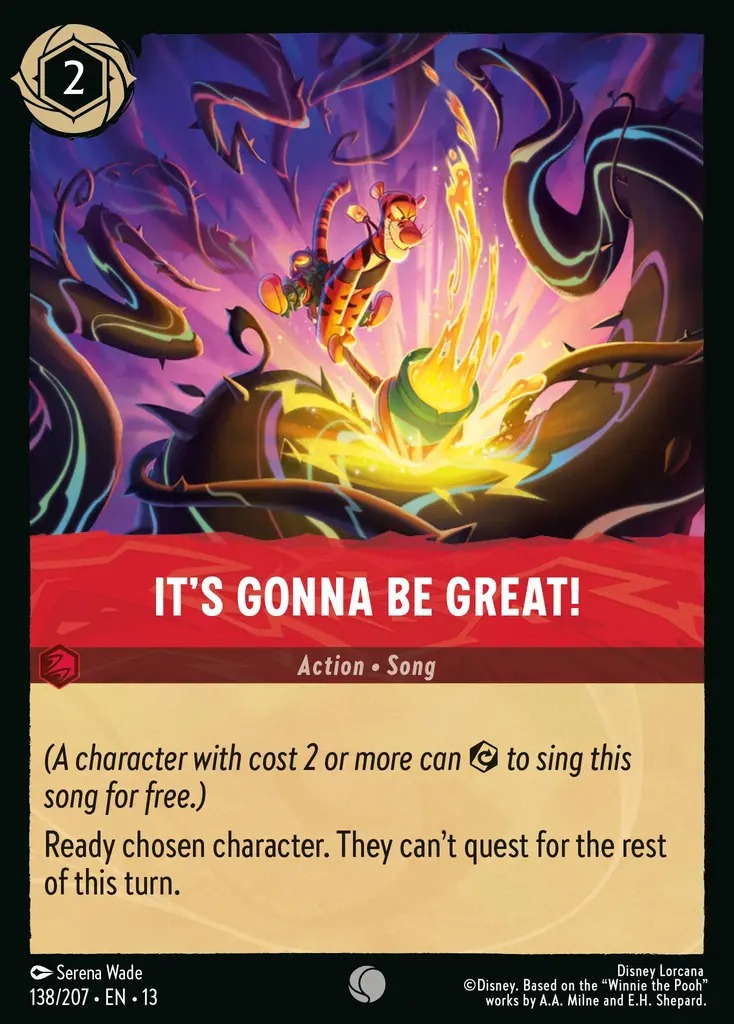
Ready effects are more flexible than they first look: the character can sing, challenge again, reuse an exert ability or simply stand up to avoid being challenged. At two ink, this creates enough tactical options to deserve consideration.
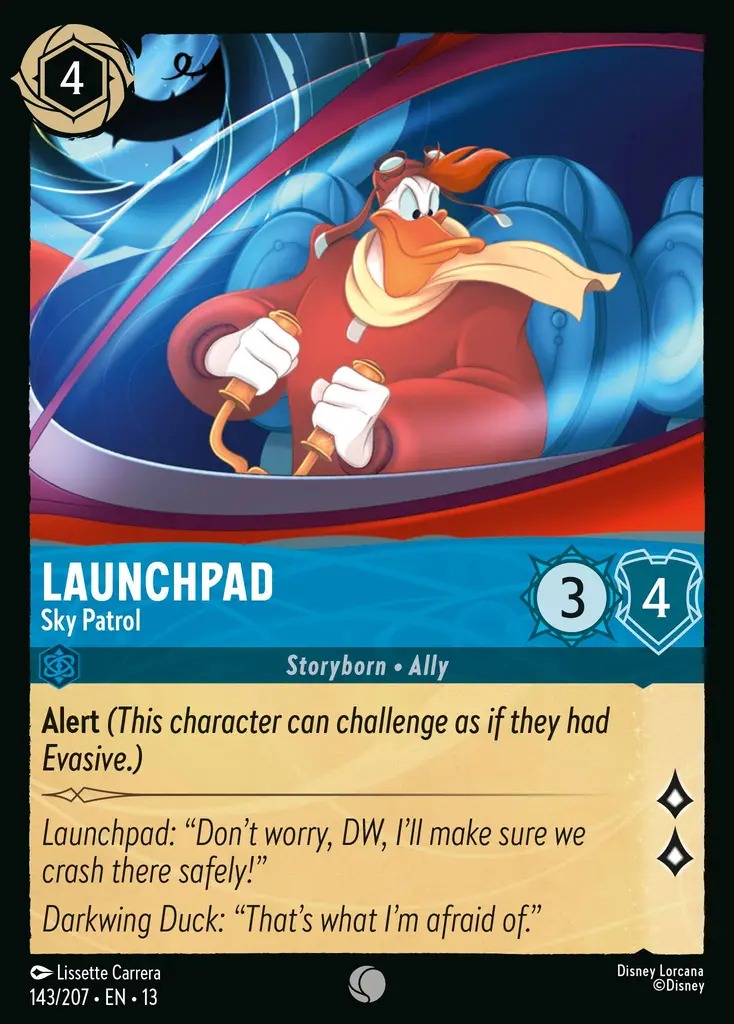
Launchpad has a sturdy body for four ink, and Alert gives you a practical answer to Evasive characters. He is a dependable role-player rather than a build-around card.
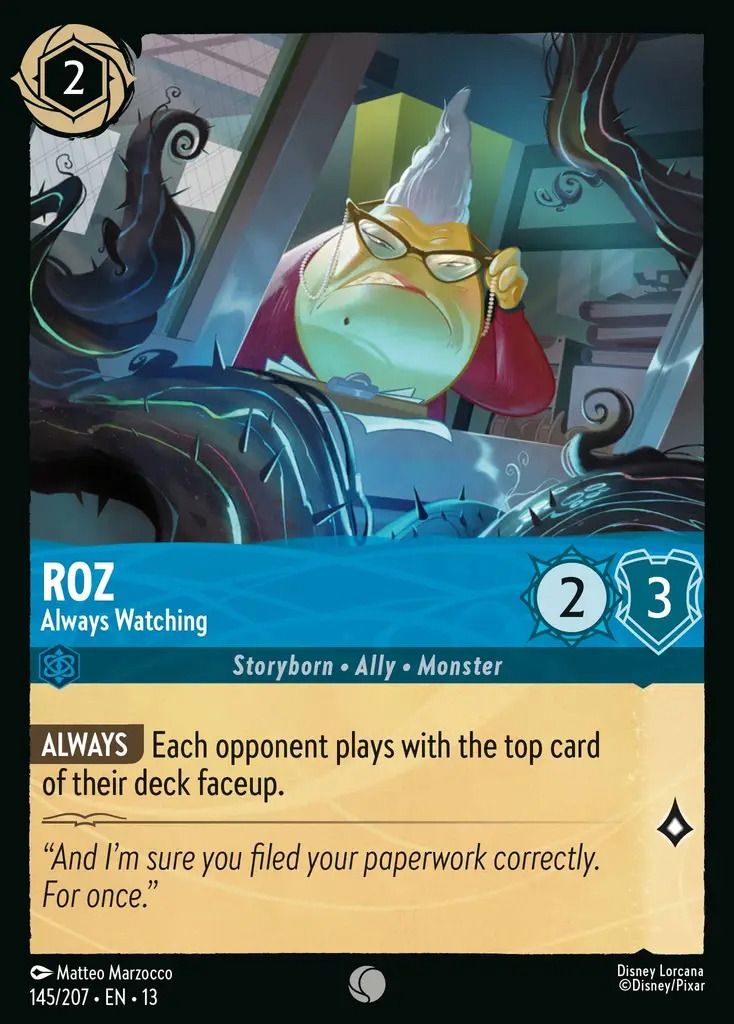
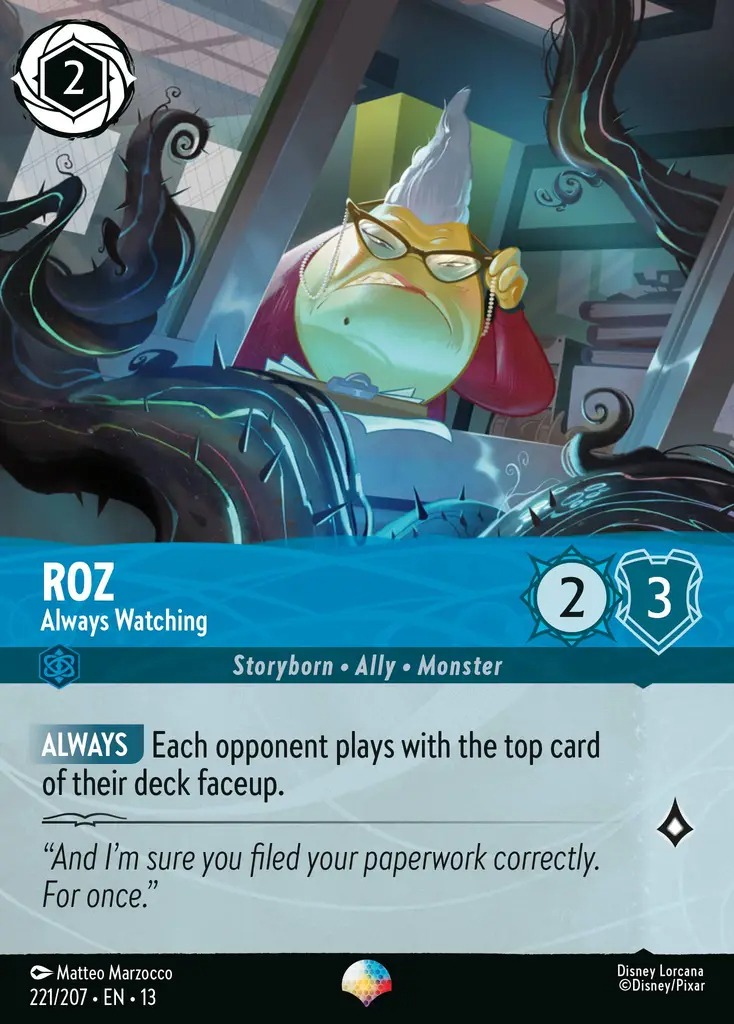
Roz gives you information every turn by revealing what your opponent is about to draw. That knowledge can shape your challenges and sequencing, and her stats is acceptable enough that you are not paying heavily for the effect.
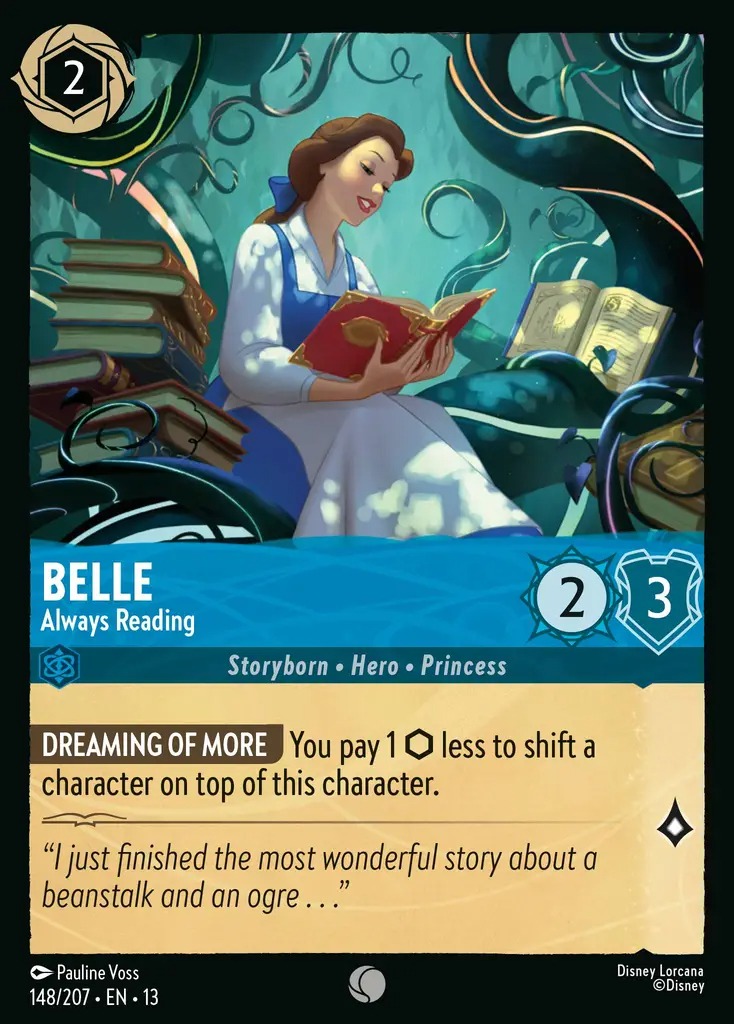
Belle is fine as a two-cost filler, but her shift utility is limited because there is only one relevant card above her in the set. Include her for the stats first, not because you are expecting the perfect shift line.
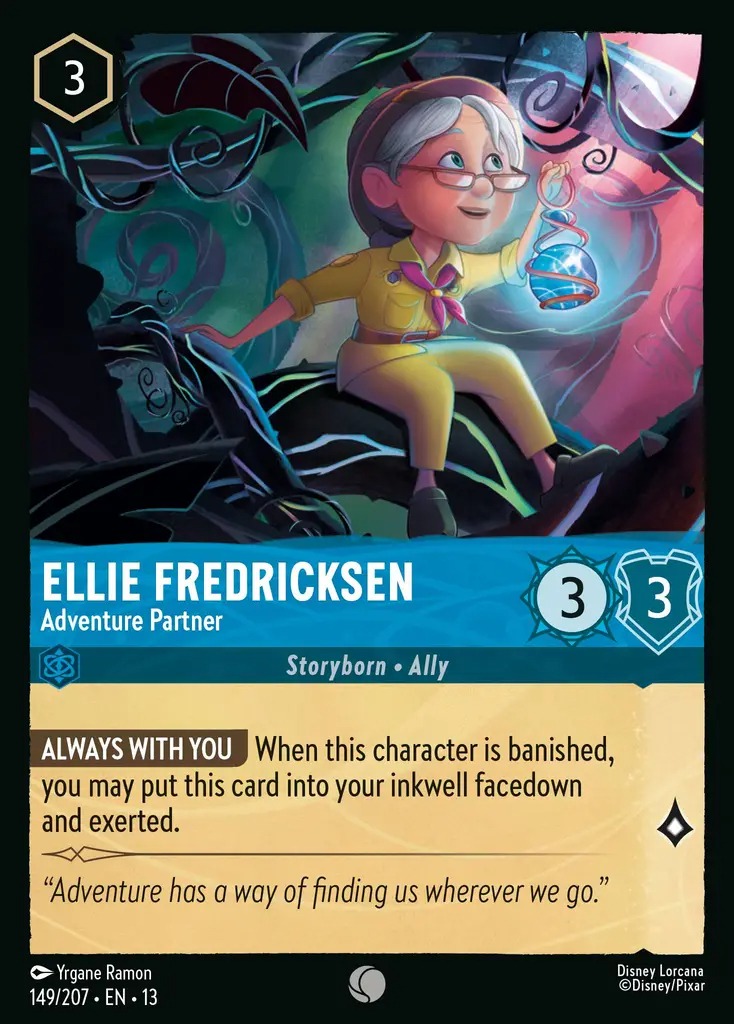
Ellie is excellent value because she contributes to the board now and becomes ink after she is banished. That means challenging with her never feels completely wasteful, and the extra resource can help you reach your top end.
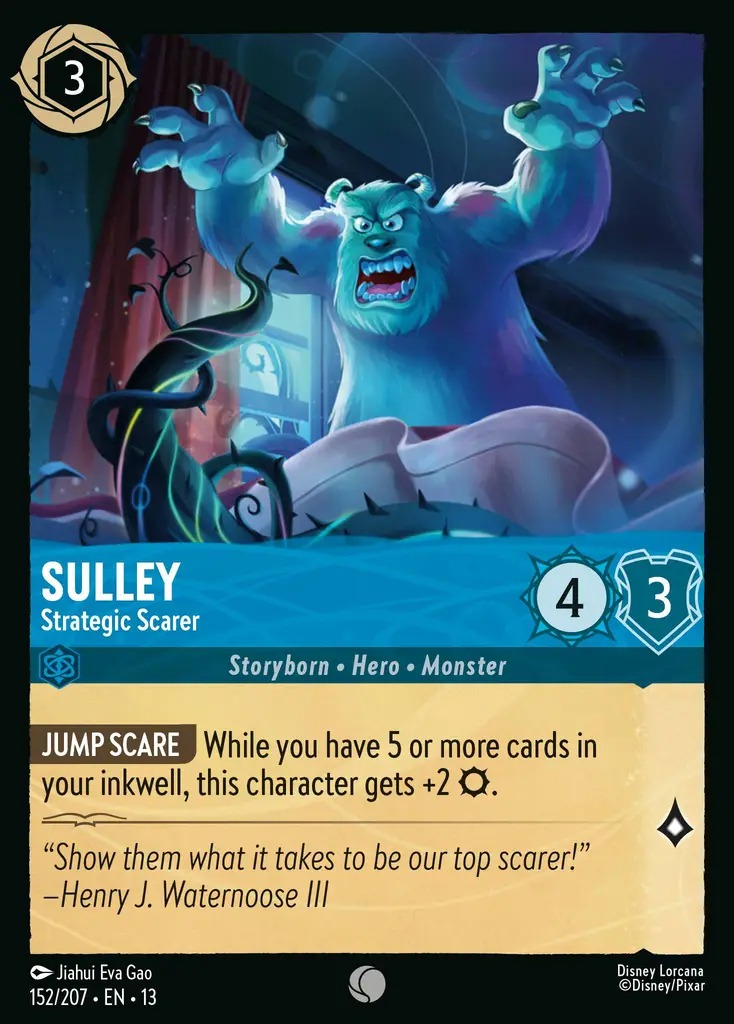
Sulley is already well-sized for three ink, and he becomes even more efficient once you reach five ink. He is a strong curve play that scales naturally into the midgame.
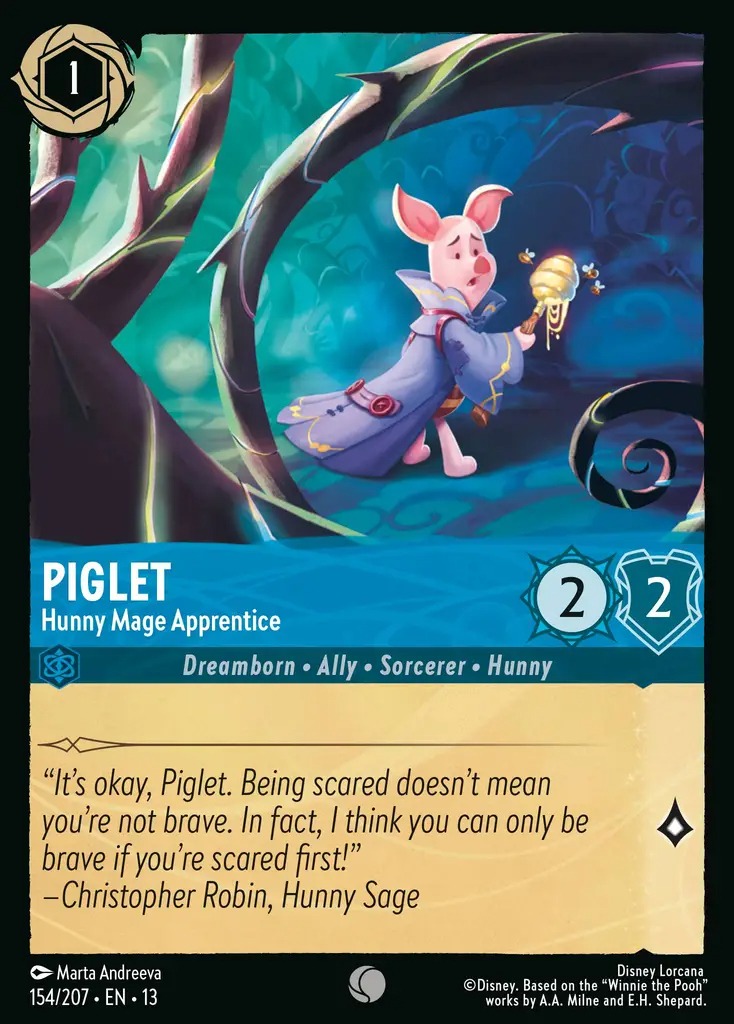
Piglet is Sapphire’s reliable one-drop: not spectacular, but cheap, inkable and useful for keeping pace on the board. Hunny as well.
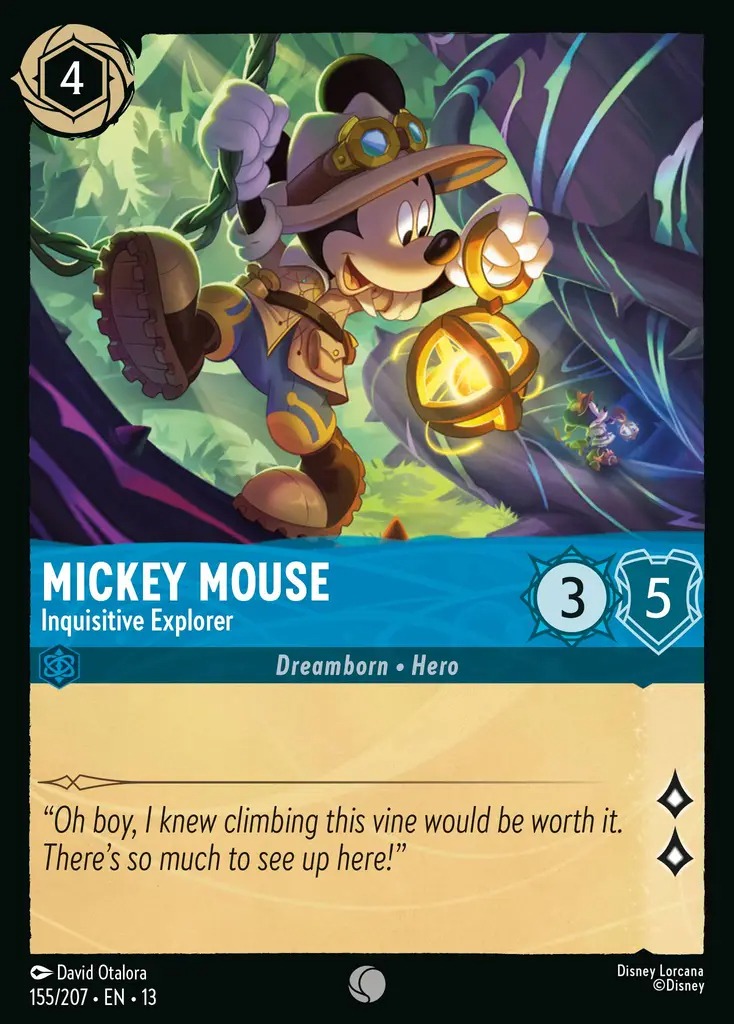
Mickey offers an acceptable combination of stats and lore with no awkward requirements. He is the sort of card that quietly fills out a sealed deck without demanding attention.
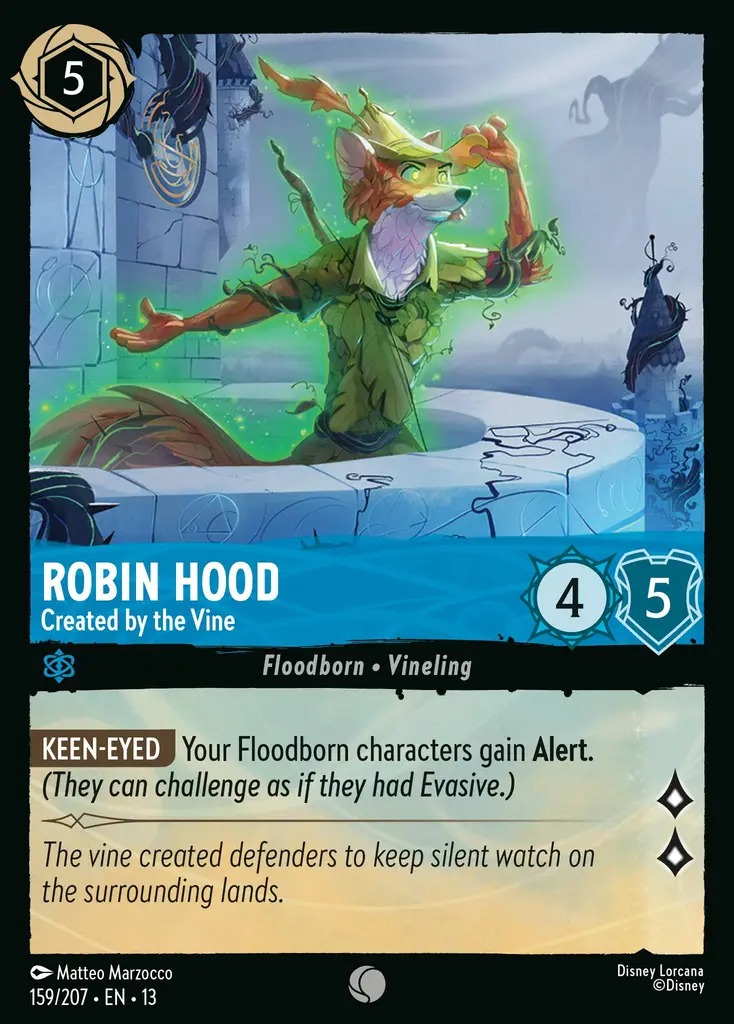
Robin Hood can give your Floodborn characters Alert, which matters when the opponent is hiding behind Evasive threats. Without that synergy he is merely an average five-cost body, but still playable when your curve needs one.
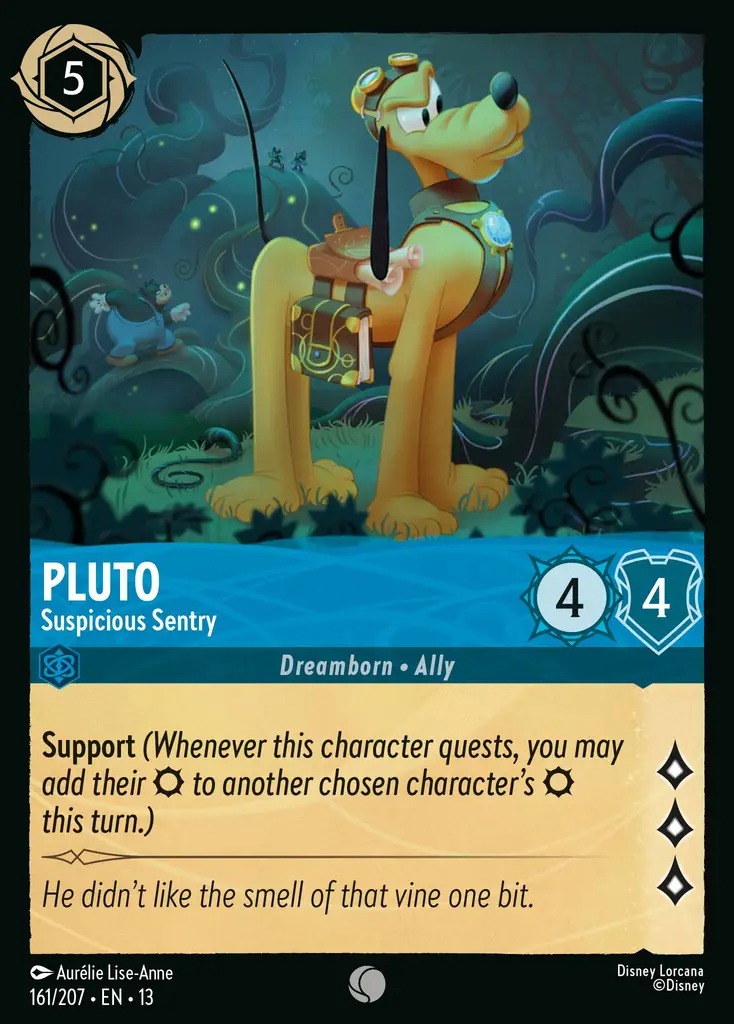
Pluto is a useful support piece with the ability to quest for three. He may not dominate combat, but he can help another character trade up and then threaten a large lore swing.
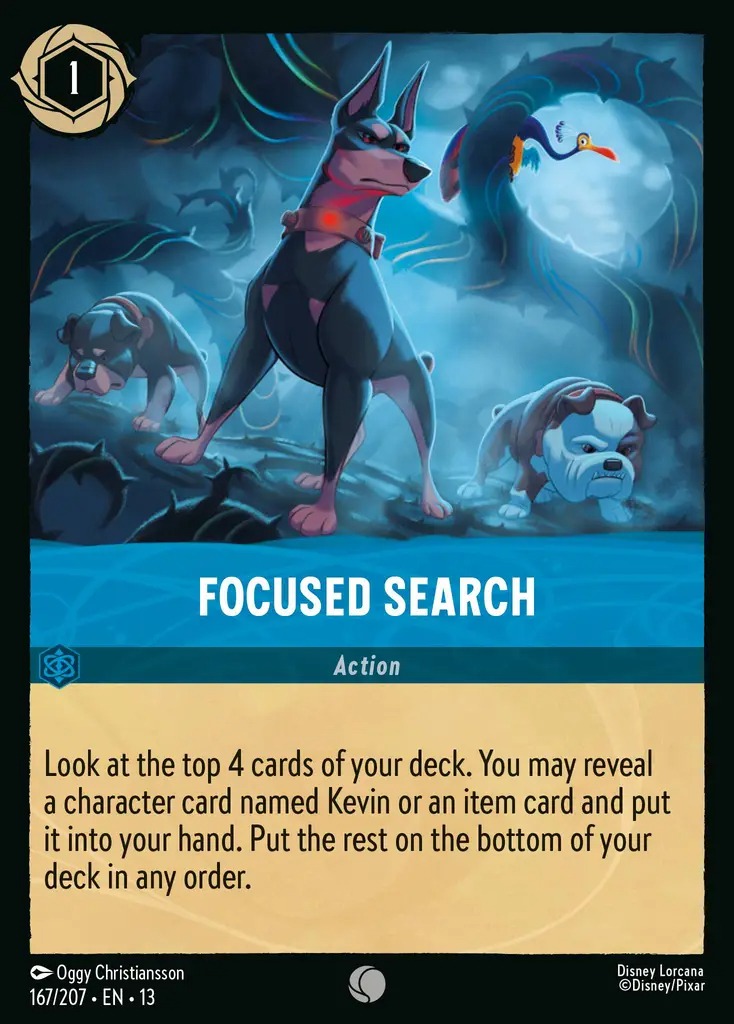
Searching for an item or Kevin sounds flexible, but in sealed I would usually rather spend the ink on a character that affects the board immediately. The targets are too narrow to justify the slot.
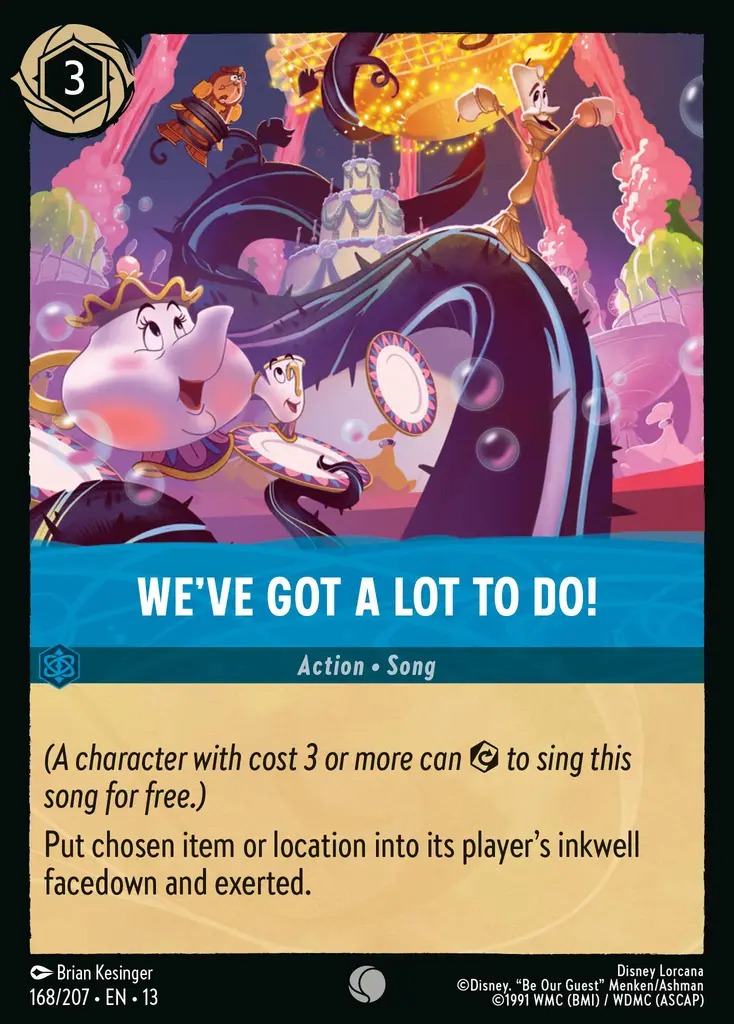
Item and location removal can matter, though I prefer this effect attached to a character whenever possible. Being a song keeps the opportunity cost reasonable, so it is a playable hedge rather than an automatic inclusion.
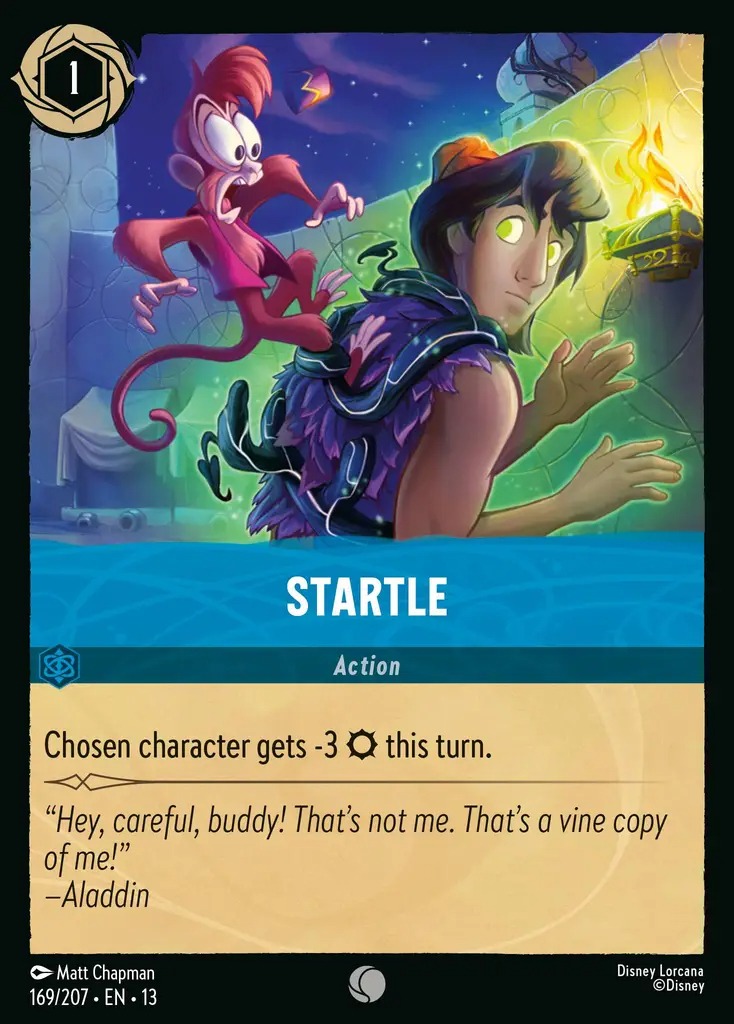
Reducing a character’s Strength by three can completely reshape a challenge, and doing it for one ink is efficient. It is a small card that can produce a surprisingly large combat swing.
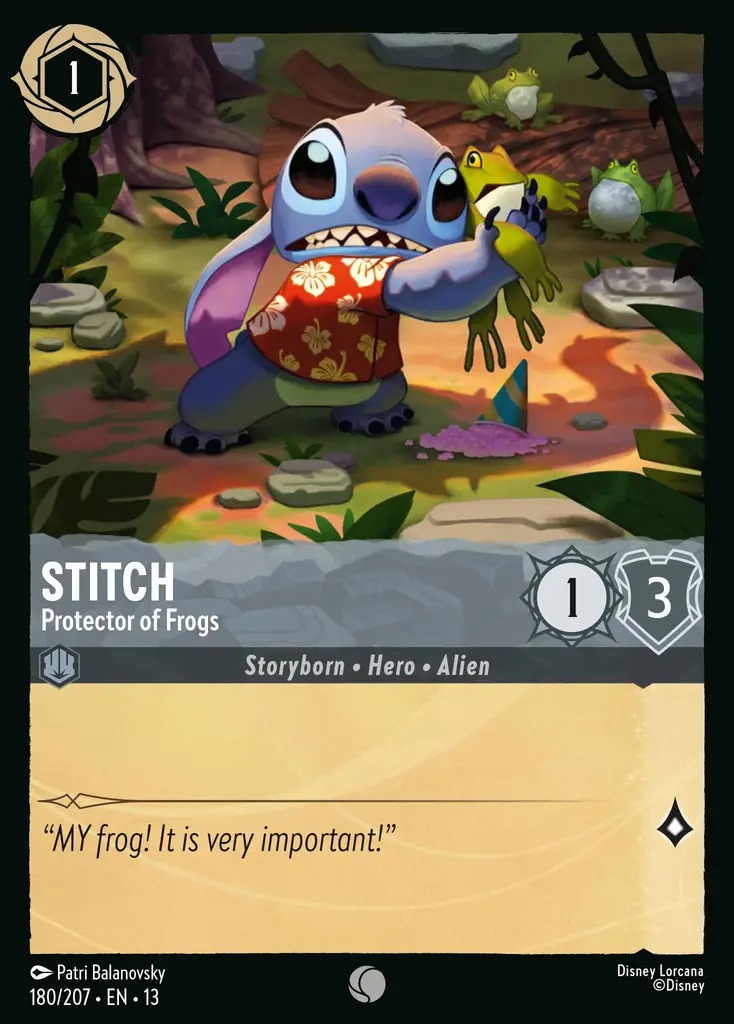
Stitch is playable as a one-drop, but a 1/3 body applies very little pressure and trades poorly into many early characters. I would use him mainly when I need the name or the curve.
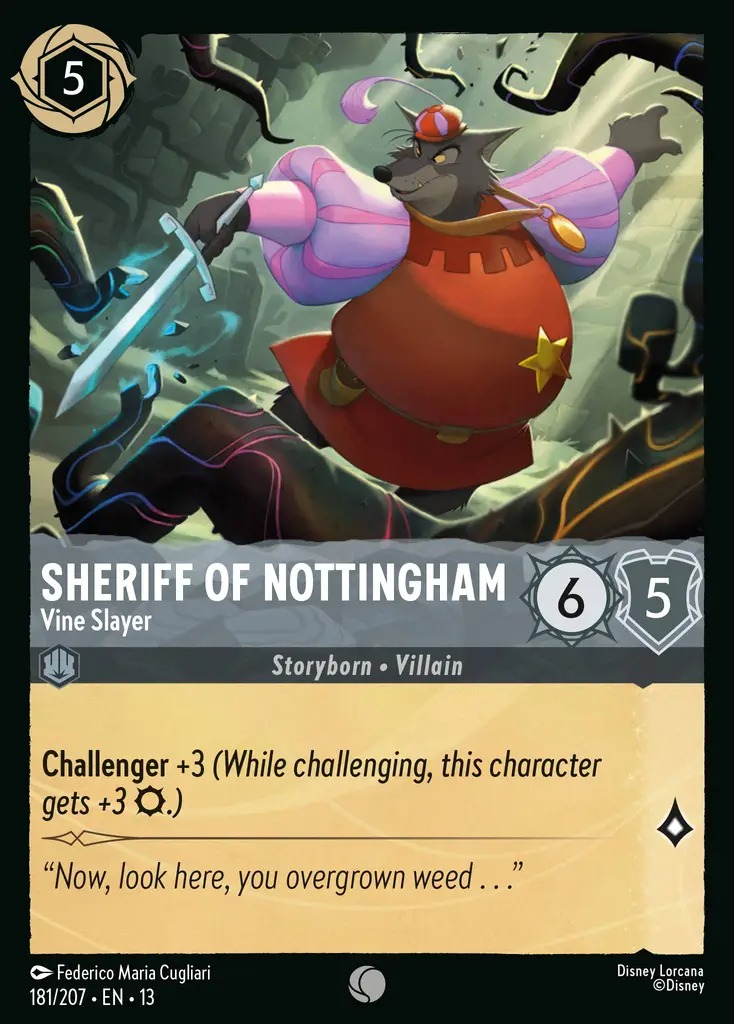
Sheriff brings a huge 6/5 body for five ink, with challenger +3 which is enough to bully most boards even without additional text. He is not elegant, but raw stats count for plenty in sealed.
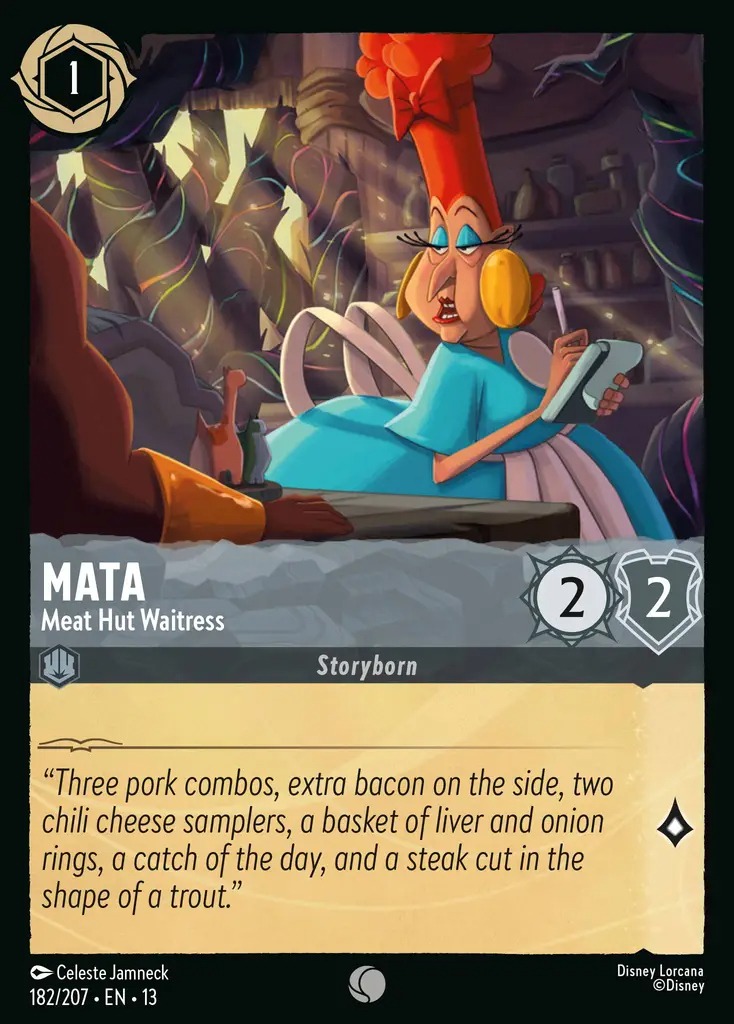
Mata is Steel’s straightforward one-drop. She keeps your curve moving and can become ink later, which is often all you need from this slot.
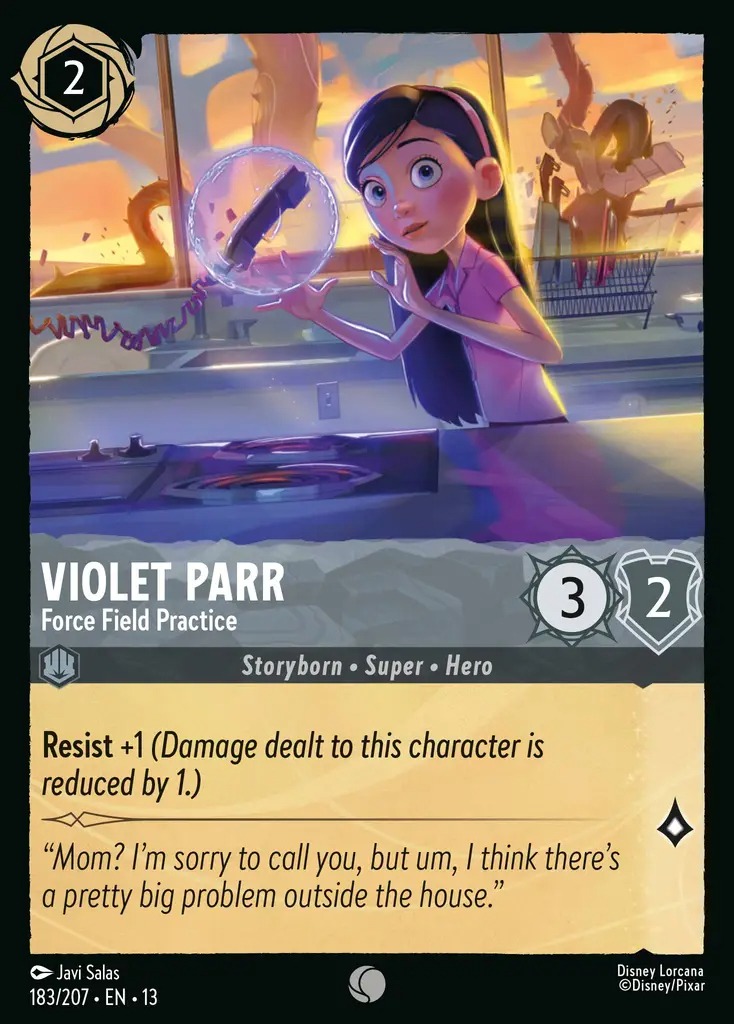
Violet is difficult to challenge profitably because she combines three Strength with Resist. She can pressure the board while soaking up damage, making her one of the sturdier commons.
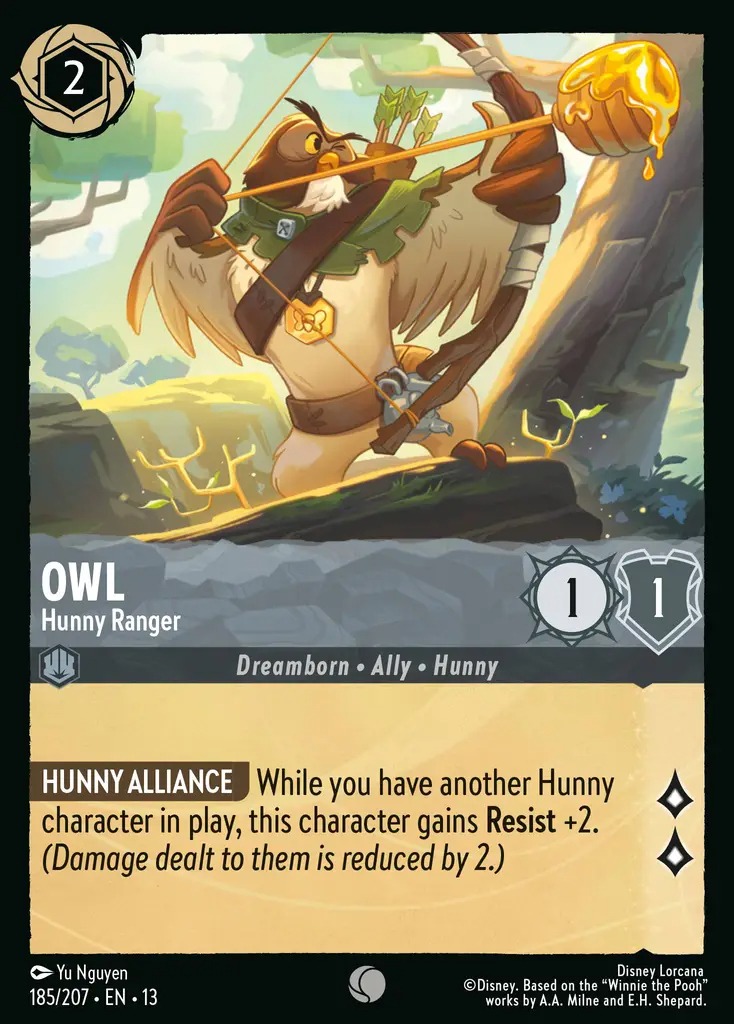
Owl is a classic glass cannon: two lore for very little ink, but a body that probably survives only one quest. Even one successful quest is a fair return on the investment.
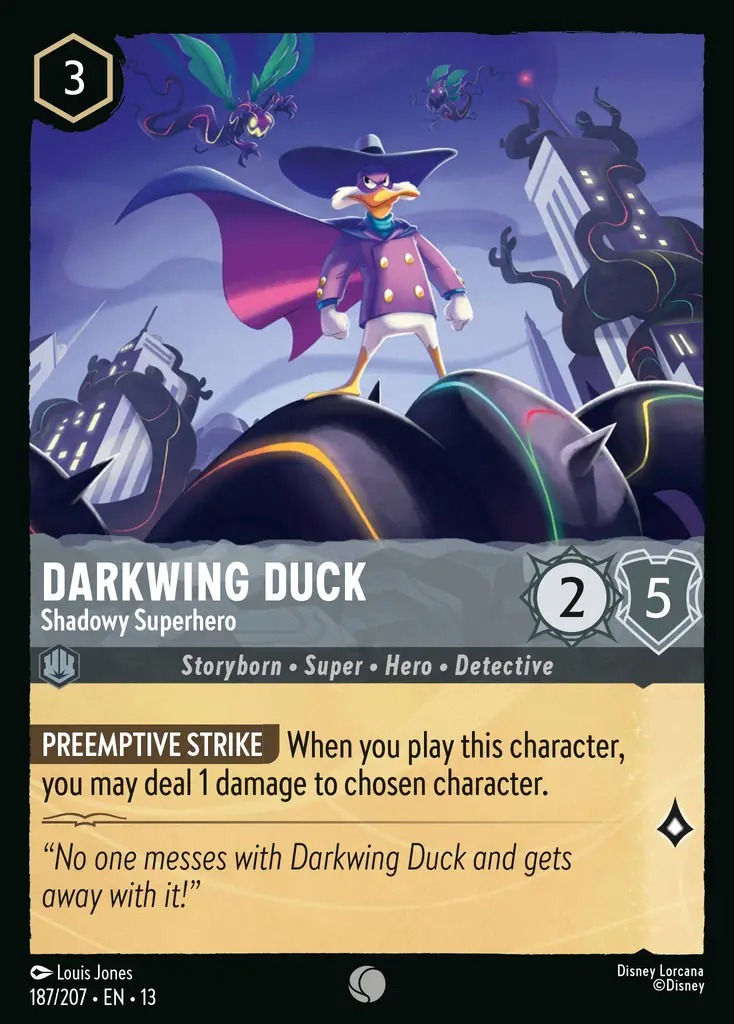
Darkwing Duck’s single point of damage may look minor, yet it often finishes a character that barely survived a challenge. That small ping gives you useful precision in a format with limited removal.
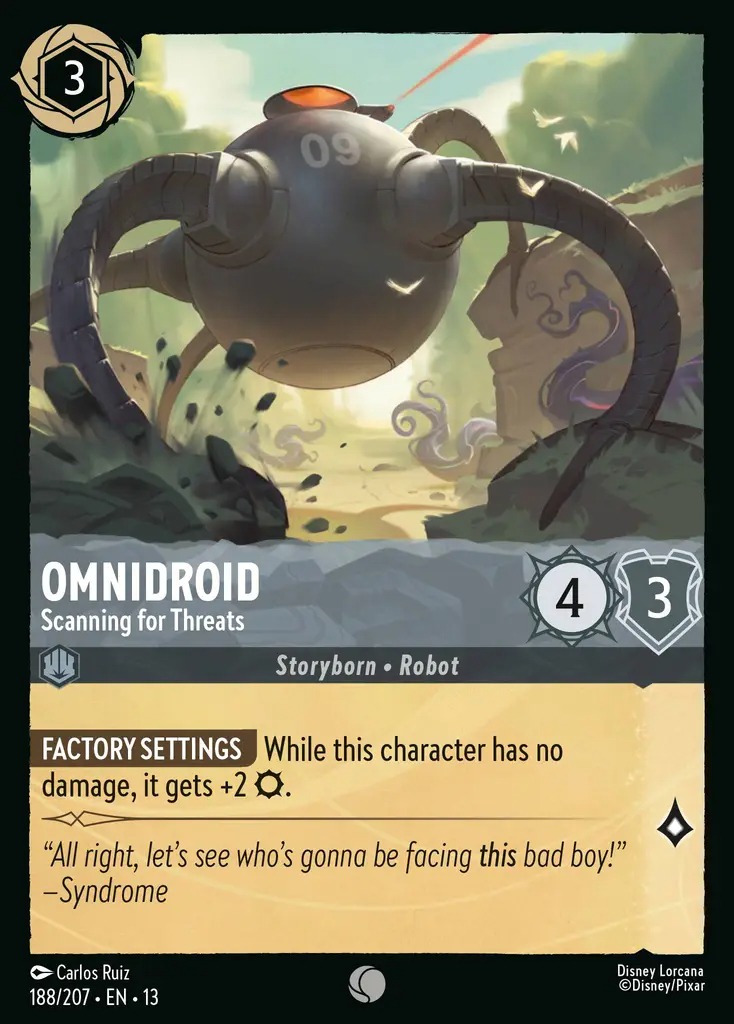
Omnidroid’s base stats are respectable and the damaged bonus can make it more threatening, but three Willpower means it may not stay around long enough to enjoy that upgrade. Playable, though not dependable.
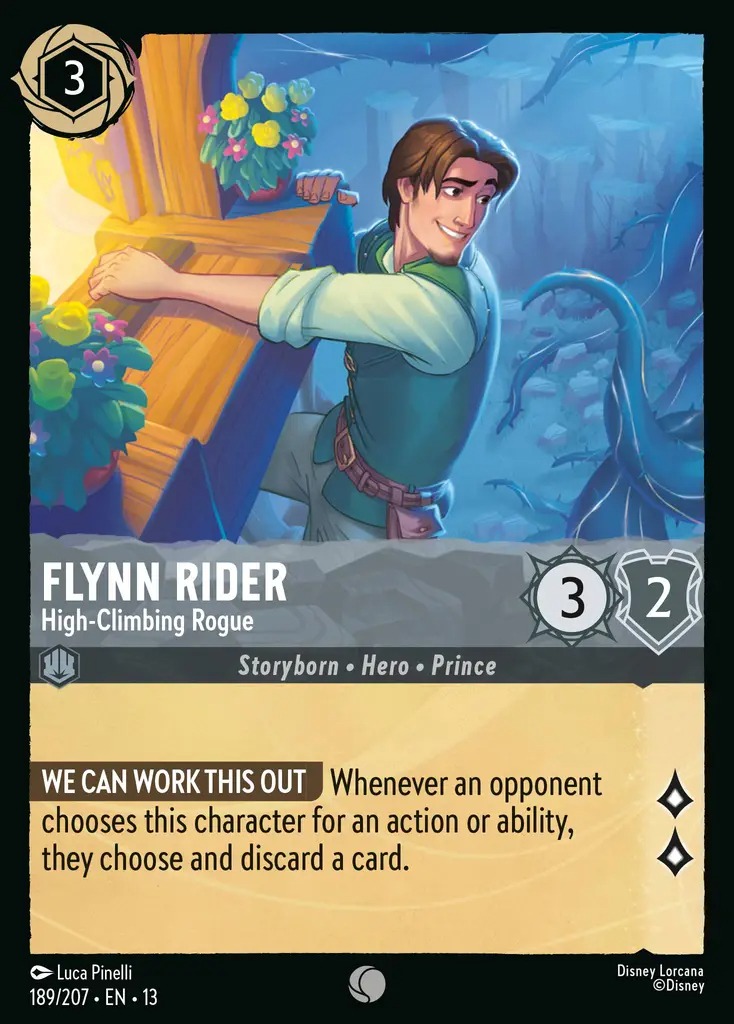
Flynn is a fantastic early threat: three Strength, two lore, and a discard tax if your opponent tries to remove him with an action or ability. That tax can be brutal while both players are still short on cards.
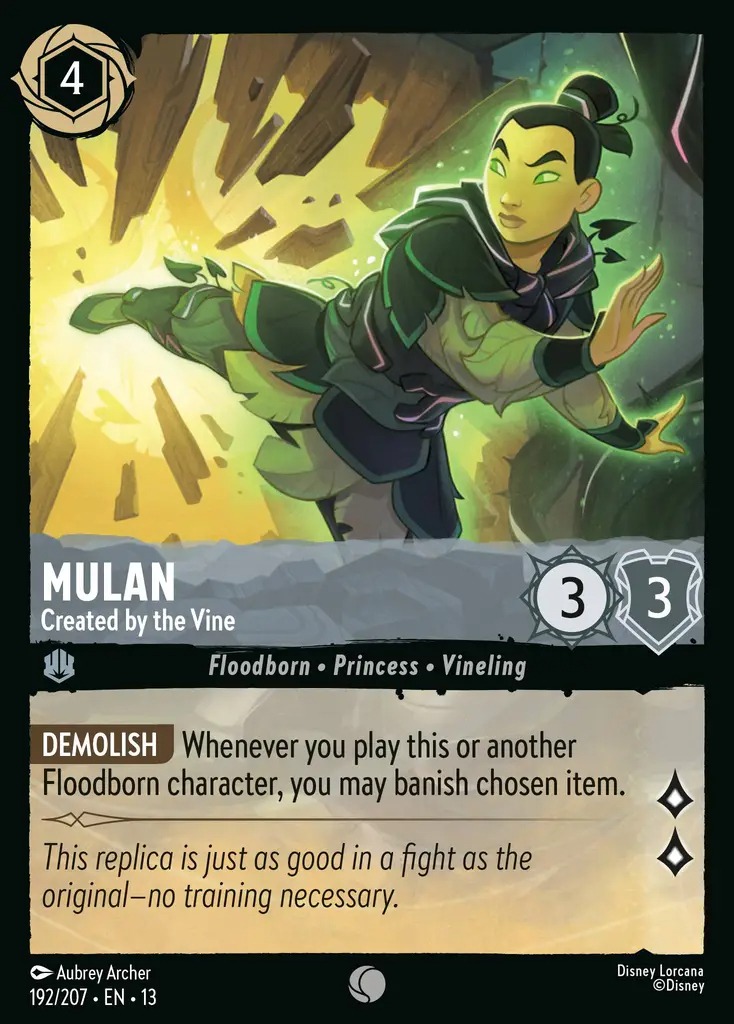
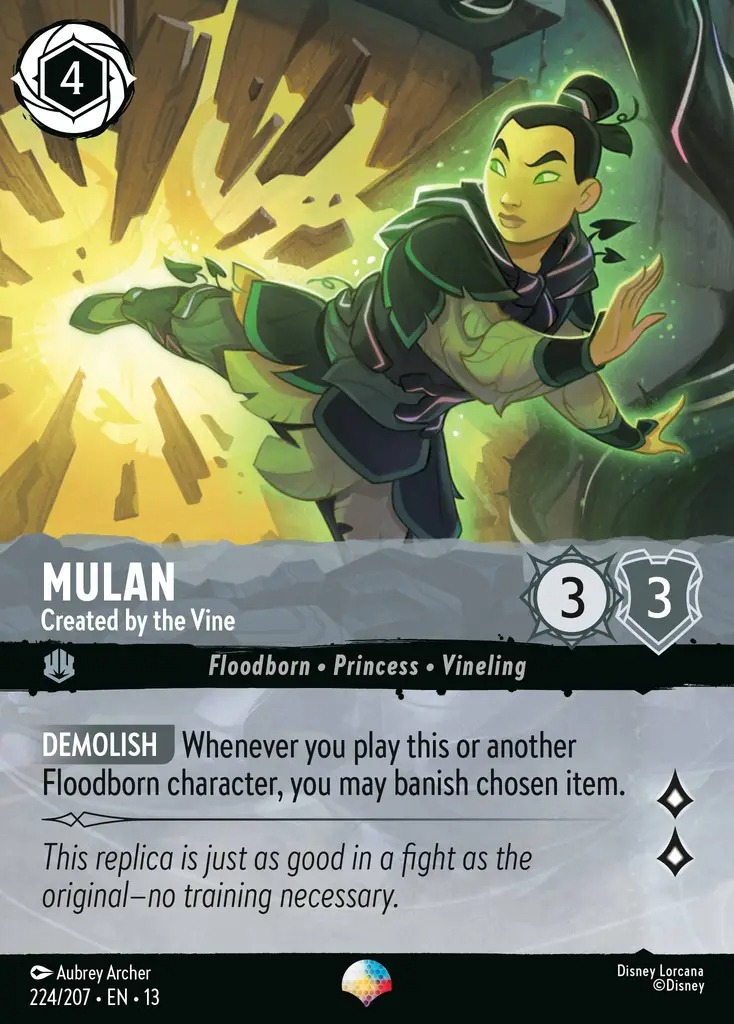
Mulan gives you a character and an answer to opposing items in the same slot. She is not mandatory in every pool, but she is the kind of flexible counter I am comfortable starting in the main deck.
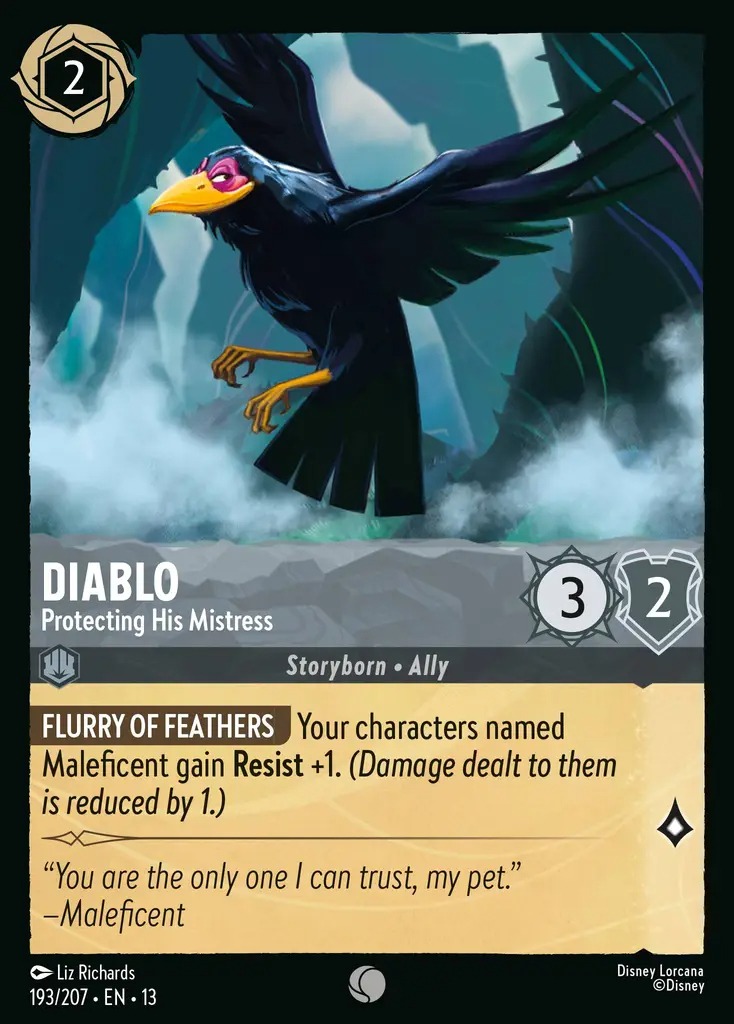
Diablo has a solid body for two ink, and the Resist bonus against Maleficent is free upside when the matchup appears. Even without that interaction, the baseline is good enough.
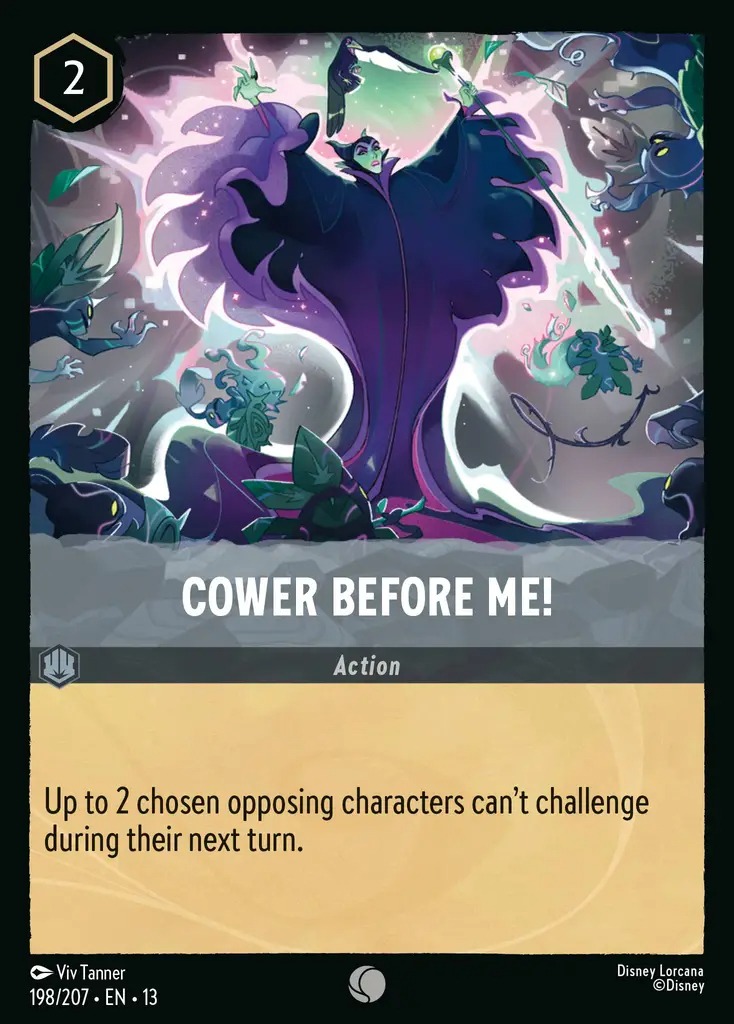
Preventing two opposing characters from challenging can buy the exact turn you need to race to twenty lore. It is situational, but the ceiling is high when you are ahead on the lore track.
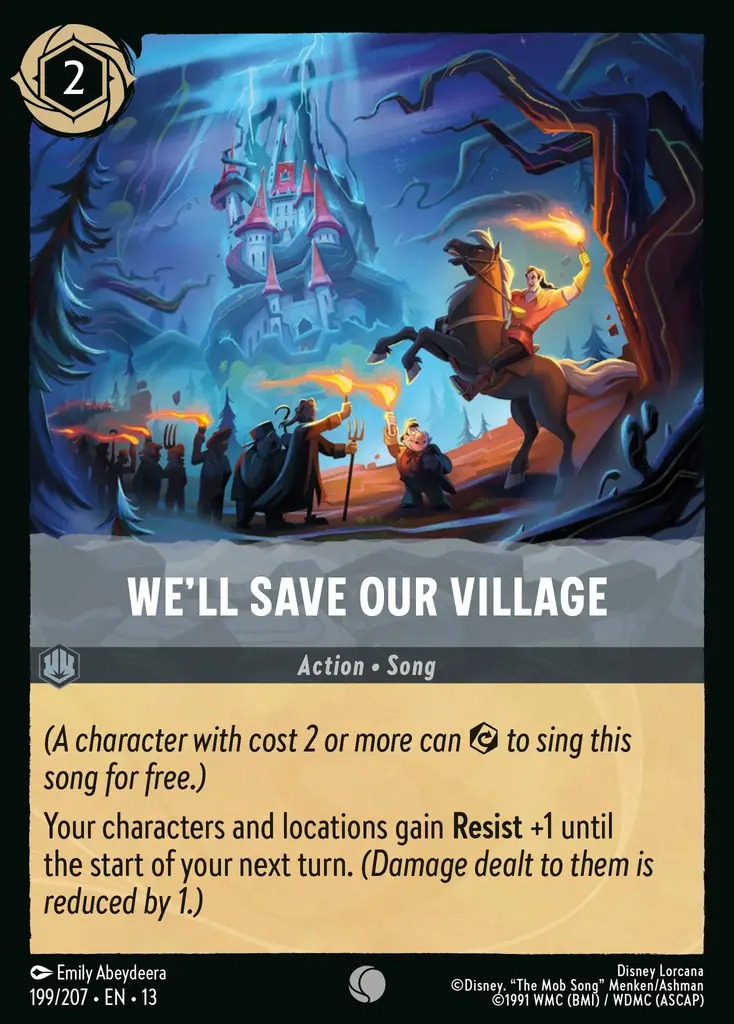
This two-cost song grants Resist, improving both your challenge math and your character’s chances of surviving the return hit. It is not a bomb, but it is a useful way to protect a key board piece.
Uncommon
The uncommon slot is where many decks will find their identity. There is excellent removal, card draw, filtering and several above-rate characters, but also a large number of narrow synergy pieces. My approach is to lock in the uncommons that are independently powerful, then ask whether the rest of the pool genuinely supports cards such as Hera, Morph, Posey or the Hunny package. An uncommon symbol is not a guarantee that the card belongs in the final forty.
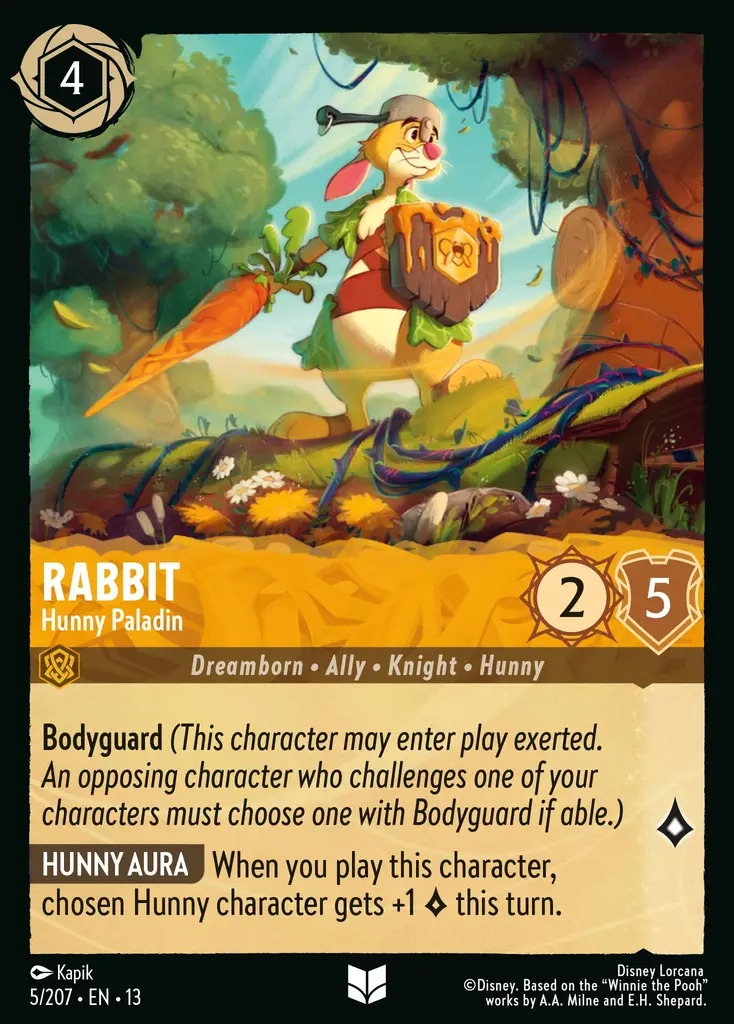
Rabbit looks durable, but four ink for a 2/5 Bodyguard is not an efficient exchange in a set full of high-Strength characters. He can soak a hit, yet he struggles to punish whatever challenges him.
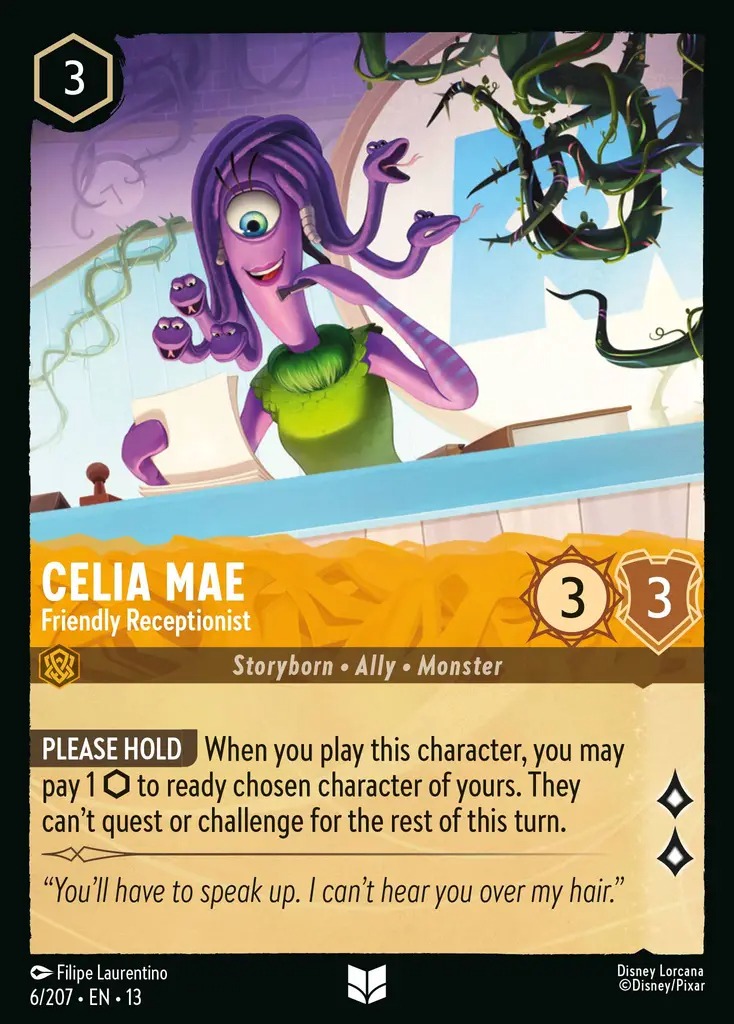
Celia combines strong stats with a ready effect that can pull a valuable character out of danger. She affects both combat and protection, which makes her an easy inclusion in almost any pool.
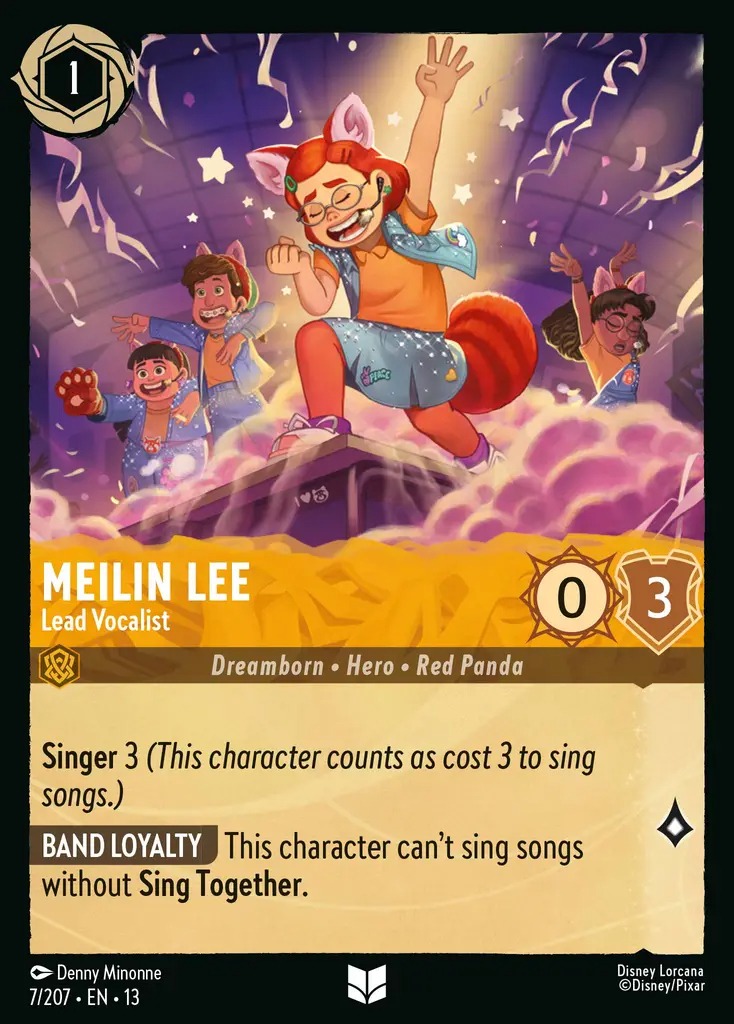
A 0/3 one-drop is already difficult to justify, and the Sing Together support is too scarce for Meilin to compensate. Probably include if there is a potential Panda shift.
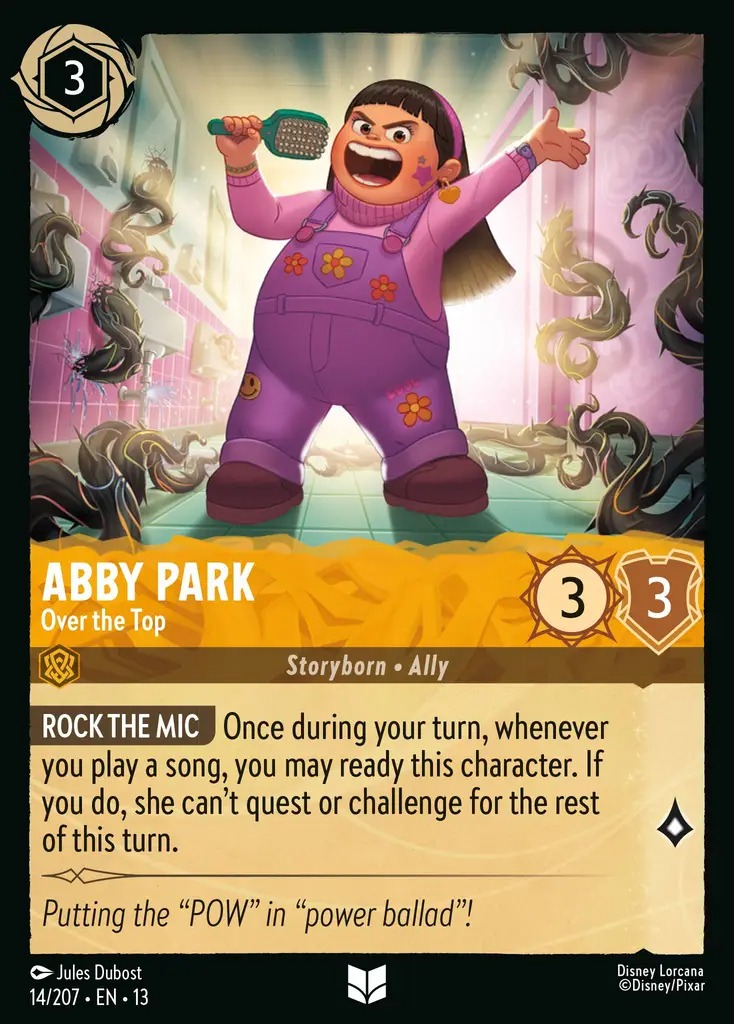
Abby’s stats is acceptable, but the payoff for readying her is small and tied to a song condition. That is too much setup for too little impact in a forty-card sealed deck.
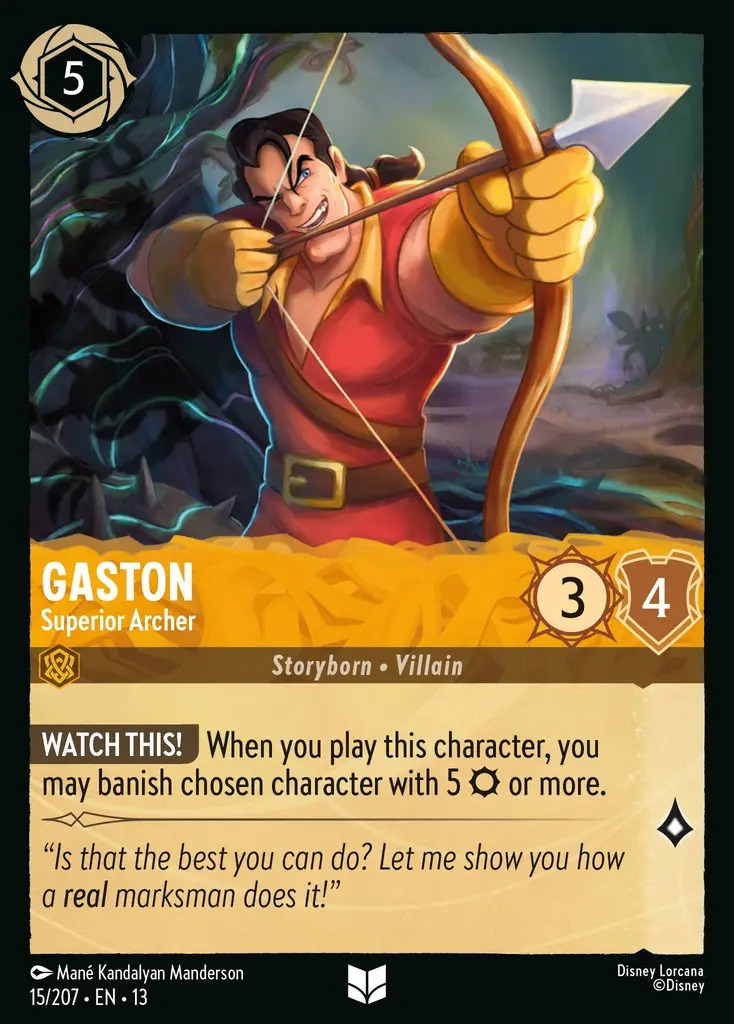
Gaston can cleanly banish several expensive characters and create a major tempo swing. Removal attached to a body is exactly what sealed decks want, so I would play him whenever possible.
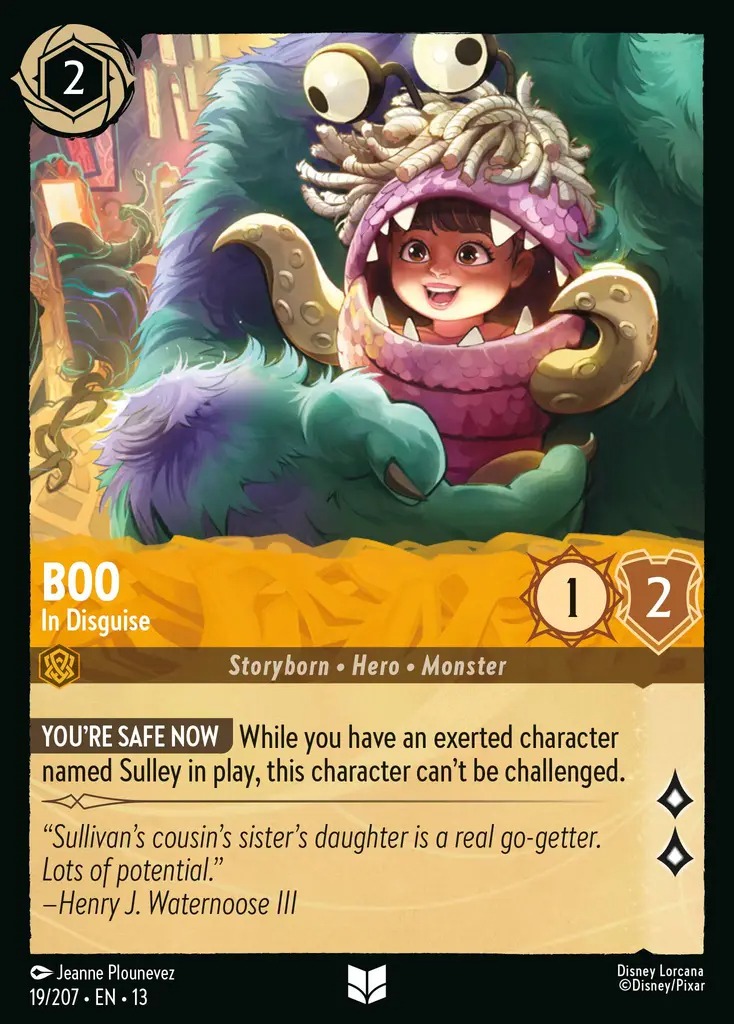
Boo can quest aggressively for a two-cost character, but she needs Sulley on the board to reach her full potential. She is still playable filler, and becomes a priority when your pool contains two or more Sulleys.
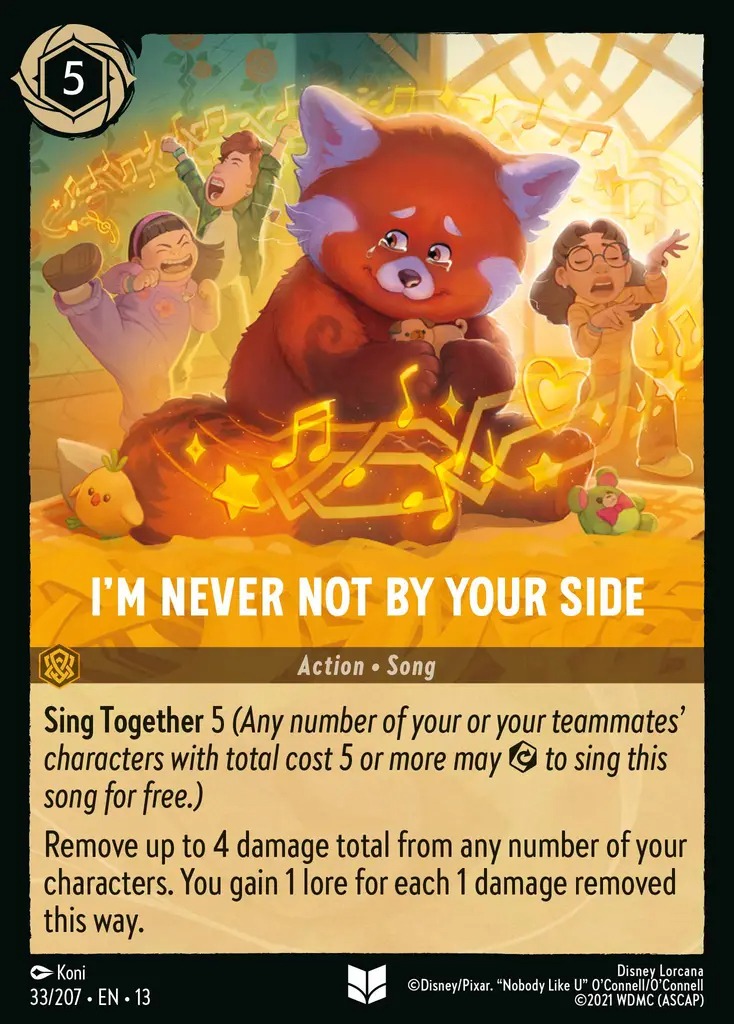
Healing while gaining lore is a useful combination, especially when the card can be sung instead of consuming your whole turn. Just do not overload the deck with actions and leave yourself without enough characters to use it.
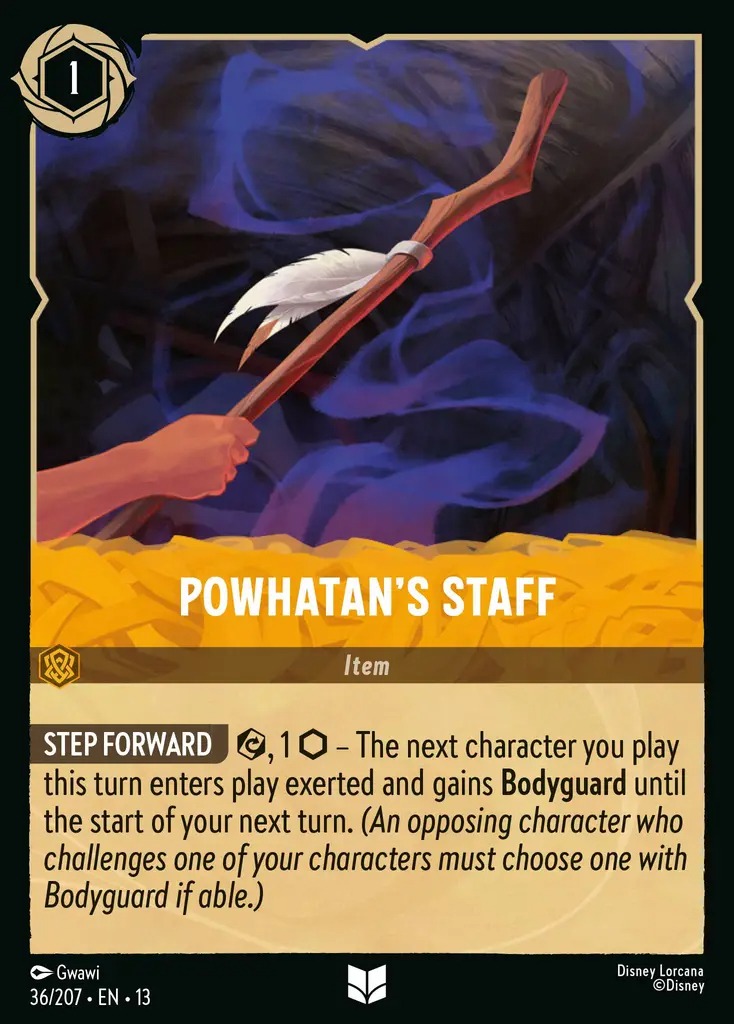
The Staff can turn any character into a Bodyguard, allowing you to protect a key quester or force awkward challenge lines. It is also inkable, so the opportunity cost is low.
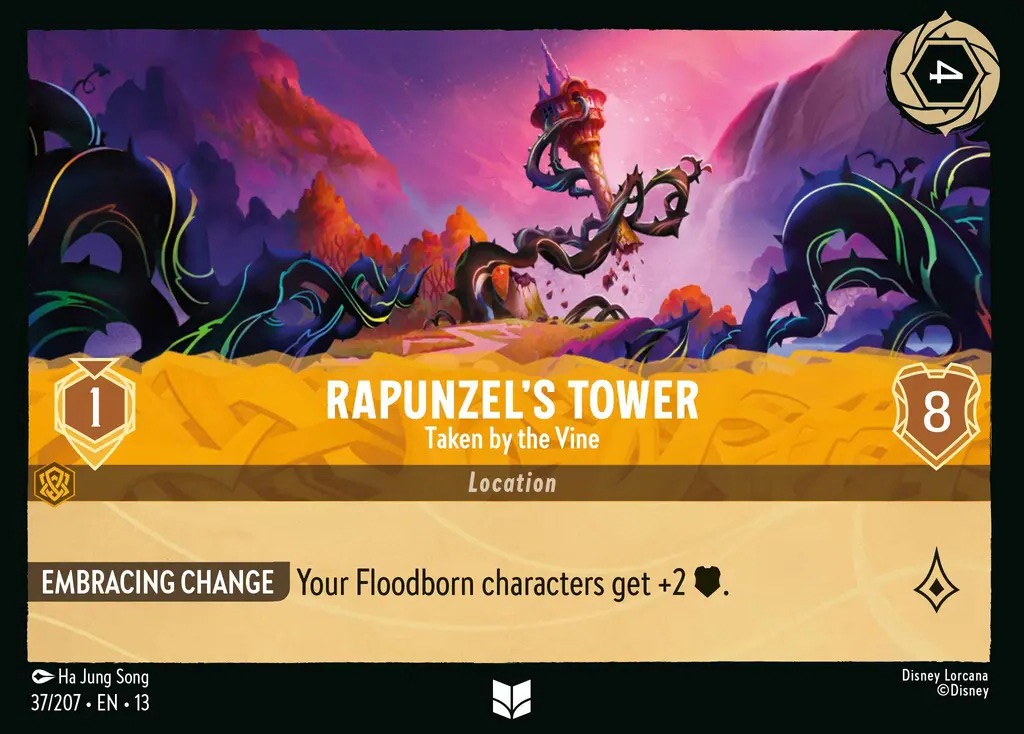
This location is sturdy, but four ink for one passive lore is a slow investment when its main benefit only helps Floodborn characters. I would need a very concentrated Floodborn pool before considering it.
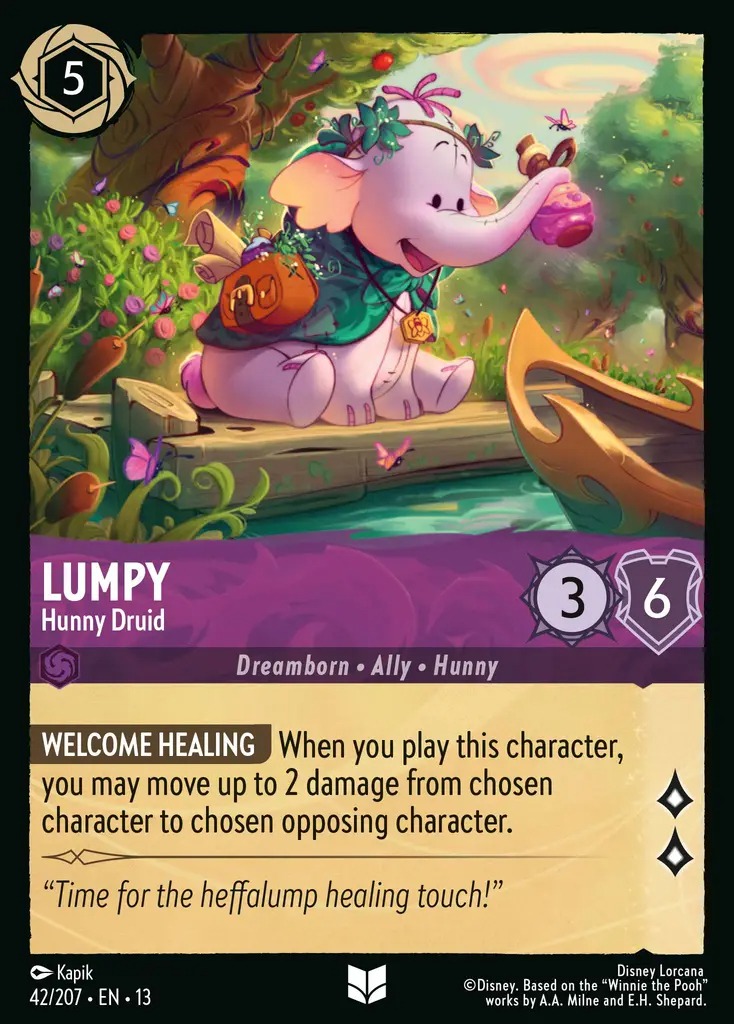
Lumpy can redistribute damage when played, opening the door to a clever trade or saving an important character. Six ink is a lot, so I see him as a one-copy top-end option rather than a card to stack.
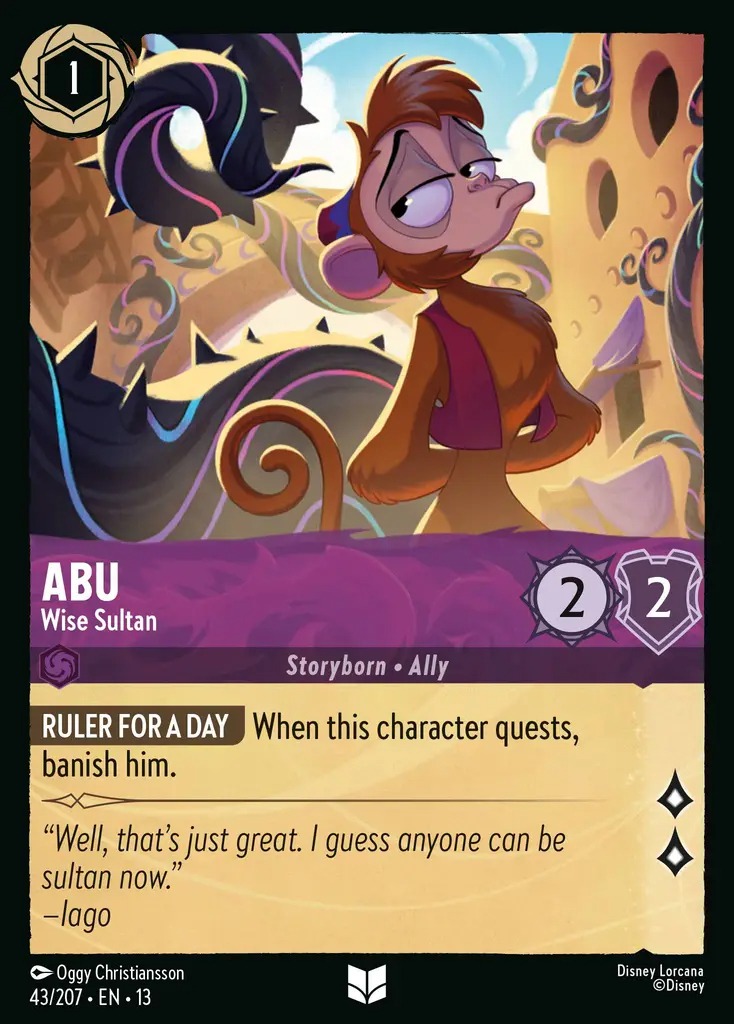
Abu is explosive for one ink: a 2/2 body that can quest for two, although doing so banishes him. I prefer to use him in combat first and keep the big lore burst as a finishing option.
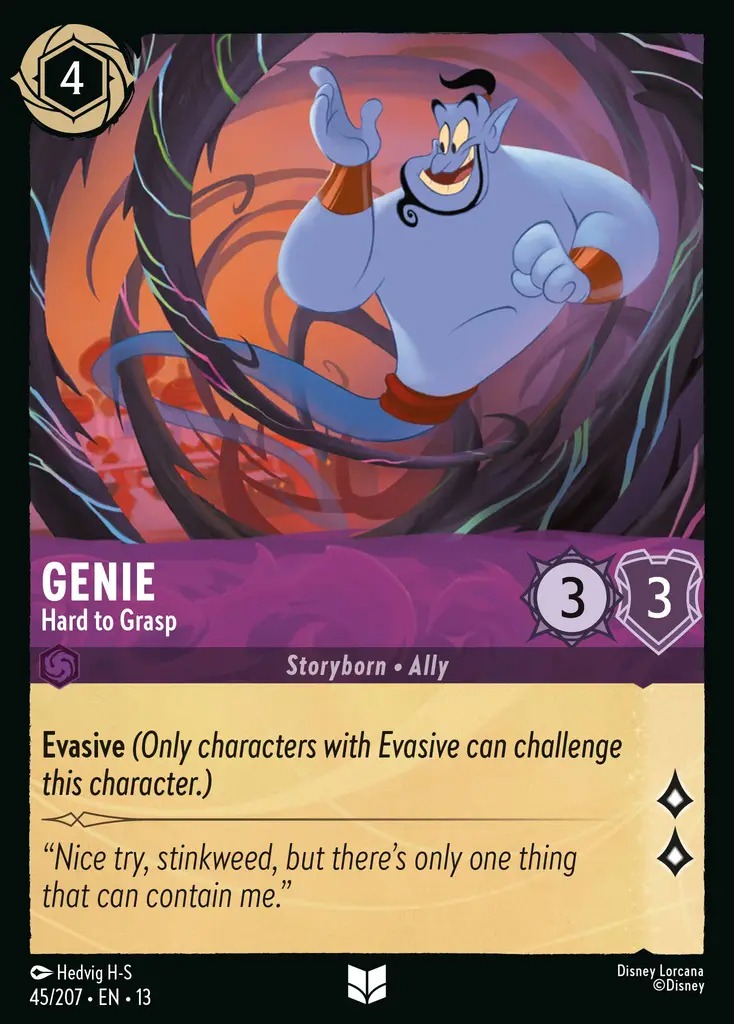
Genie offers a clean package of respectable stats, useful lore and Evasive. There is no awkward condition to satisfy, which makes him one of the safest uncommons to include.
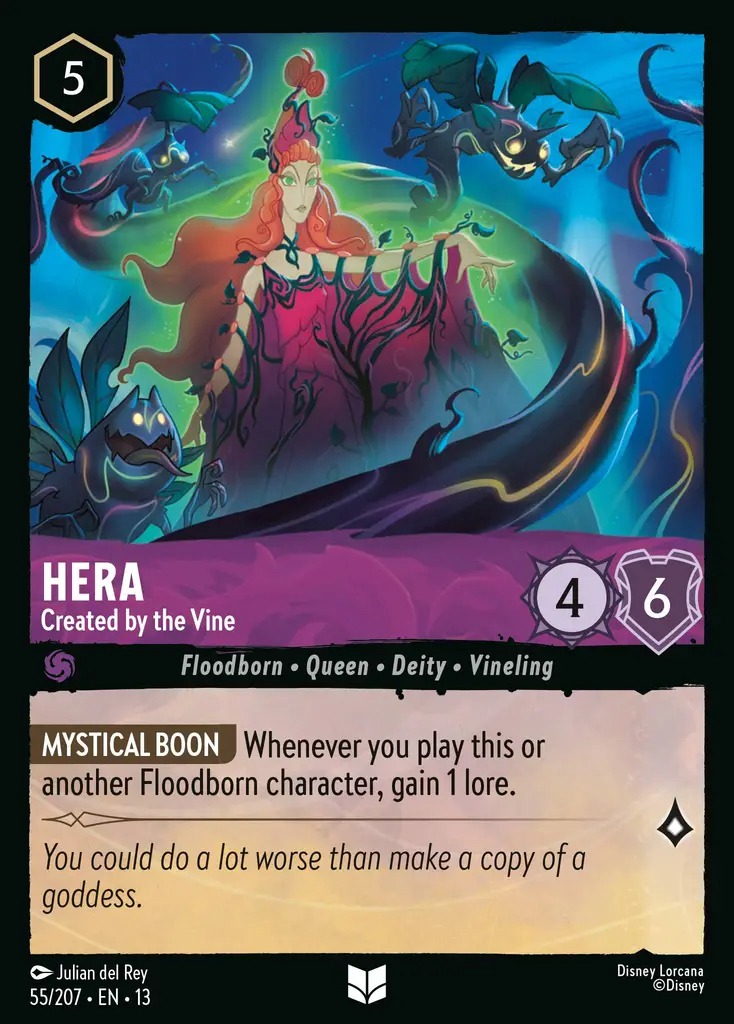
Hera can turn repeated Floodborn plays into extra lore, but five ink and uninkable status make her a serious commitment. Count your Floodborn cards first; without enough of them, she is too clumsy.
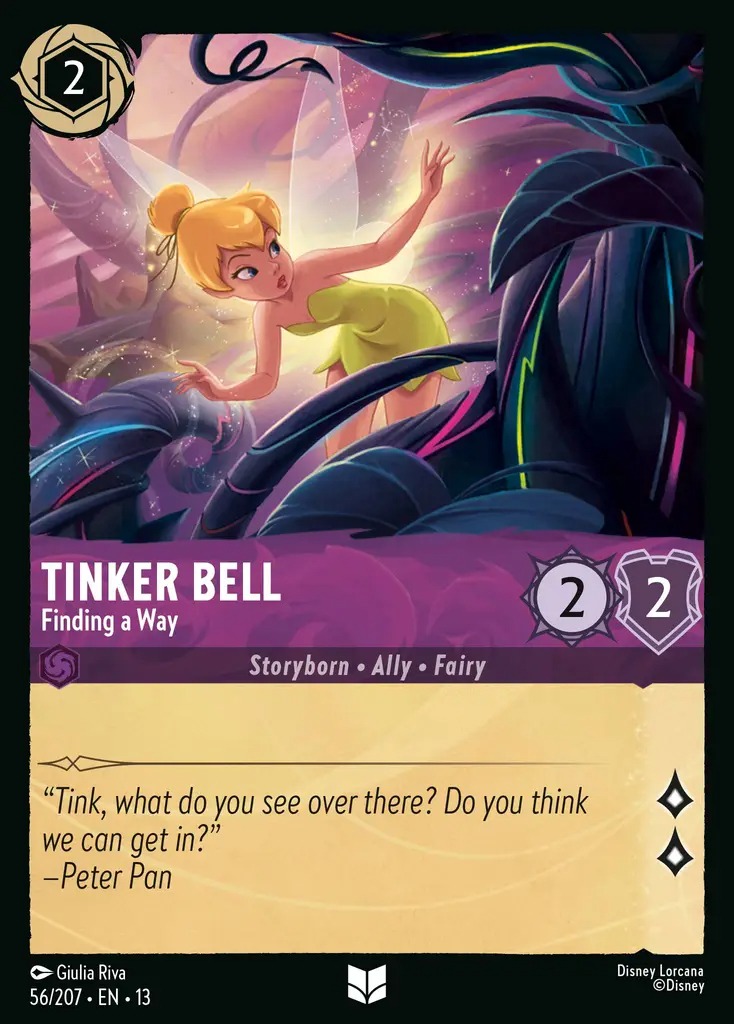
Tinker Bell’s main appeal is simple aggression: two lore on a two-cost character. Her stats is only fair, but she can start a race quickly and force the opponent to respond.
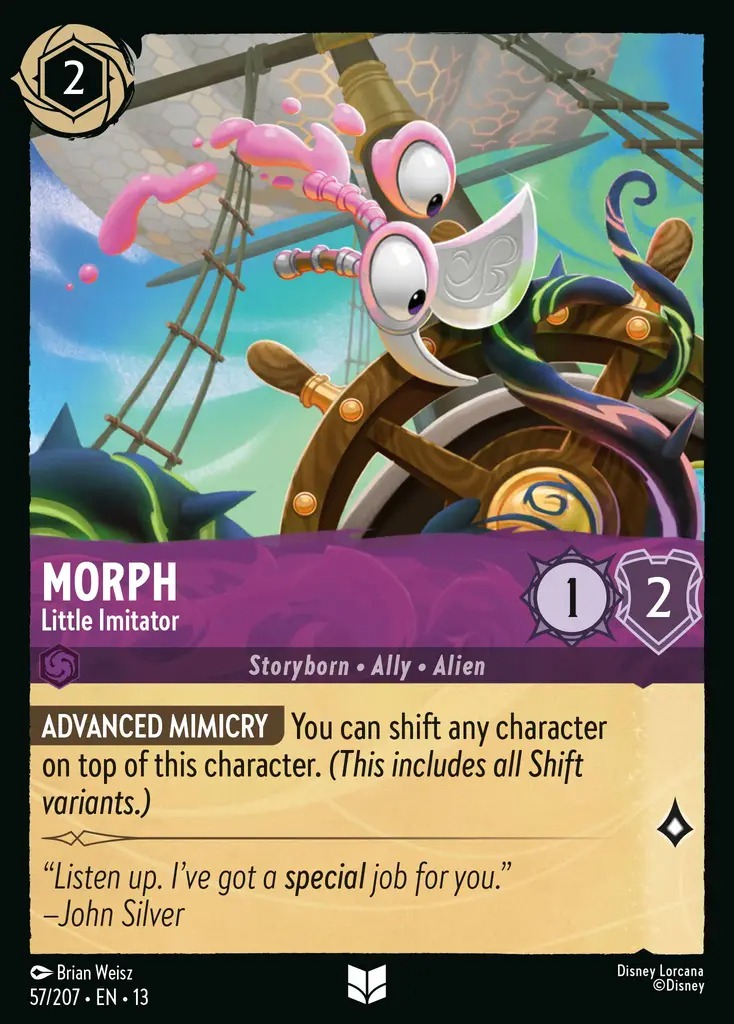
Morph is the glue for ambitious shift lines because he can become whatever name you need. His own body is unimpressive, so he belongs in decks with multiple worthwhile shift targets rather than every sealed pool.
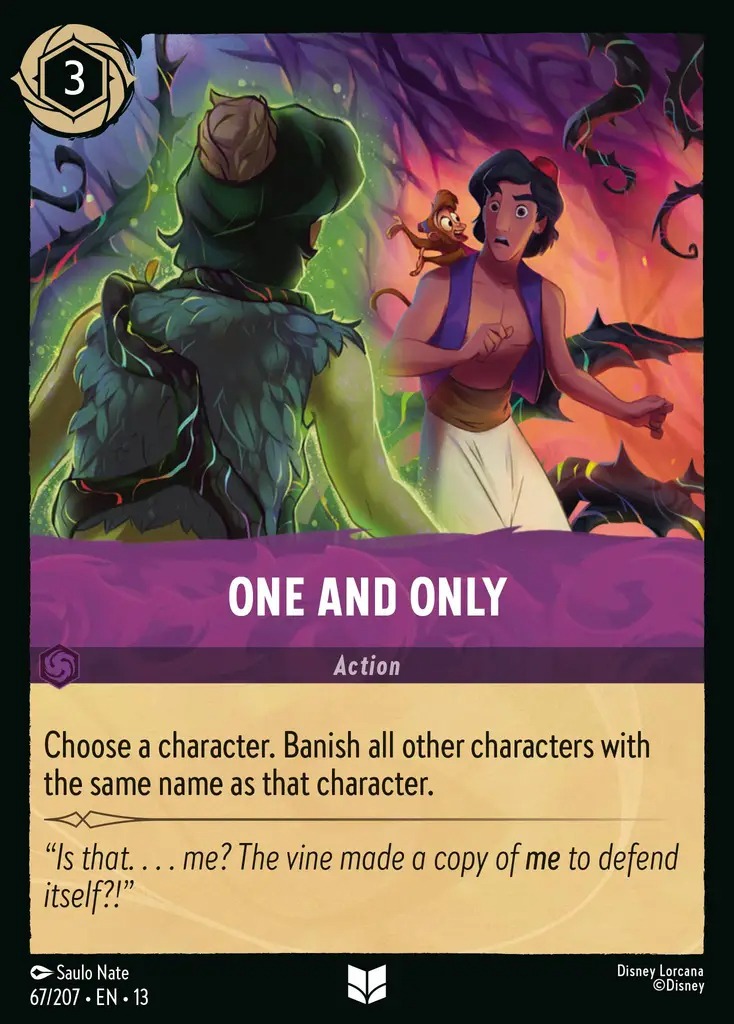
This is genuine removal, which already puts it ahead of most sealed cards. The only reason I stop at four is the risk of catching one of your own characters when the board is awkward.
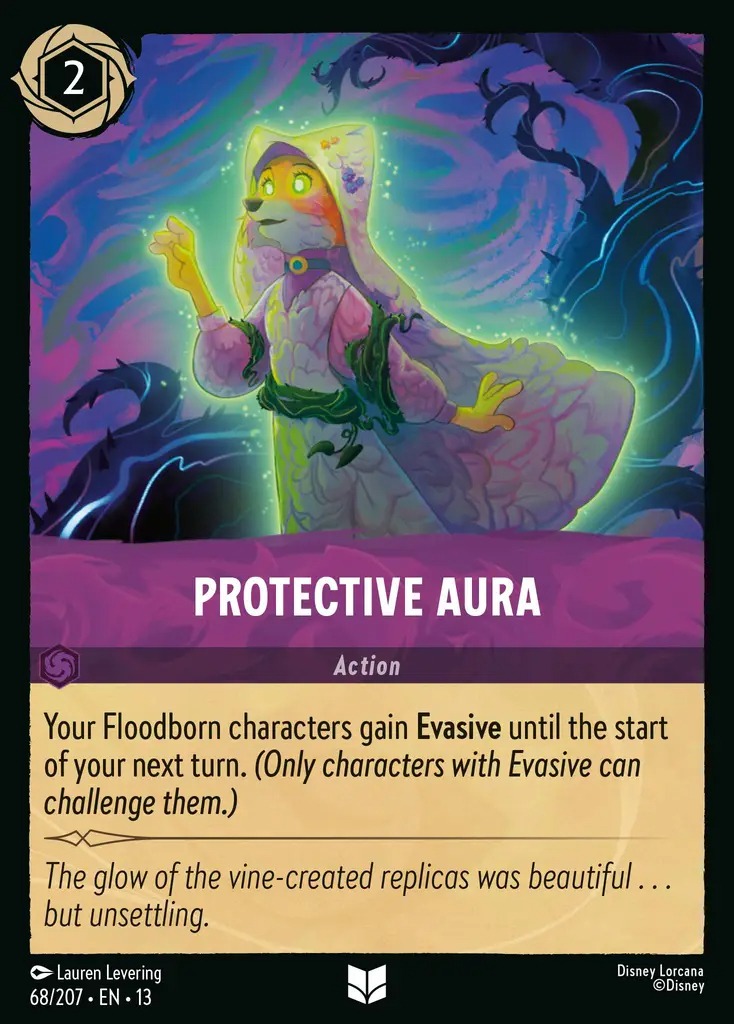
An action that only benefits Floodborn characters is too narrow unless your pool is overflowing with them. Most decks will not trigger it often enough to justify losing a more flexible card.
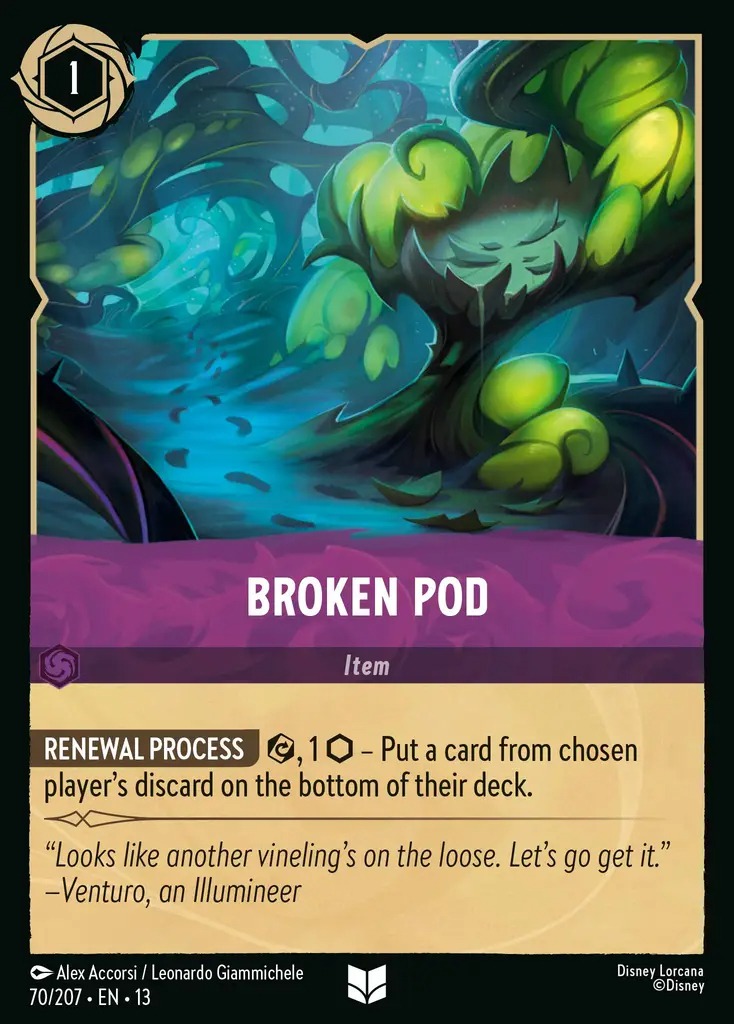
Recycling discard piles is not a priority in most sealed games, and interfering with the opponent’s discard is even less reliable. The effect is simply too low-impact for a deck slot.
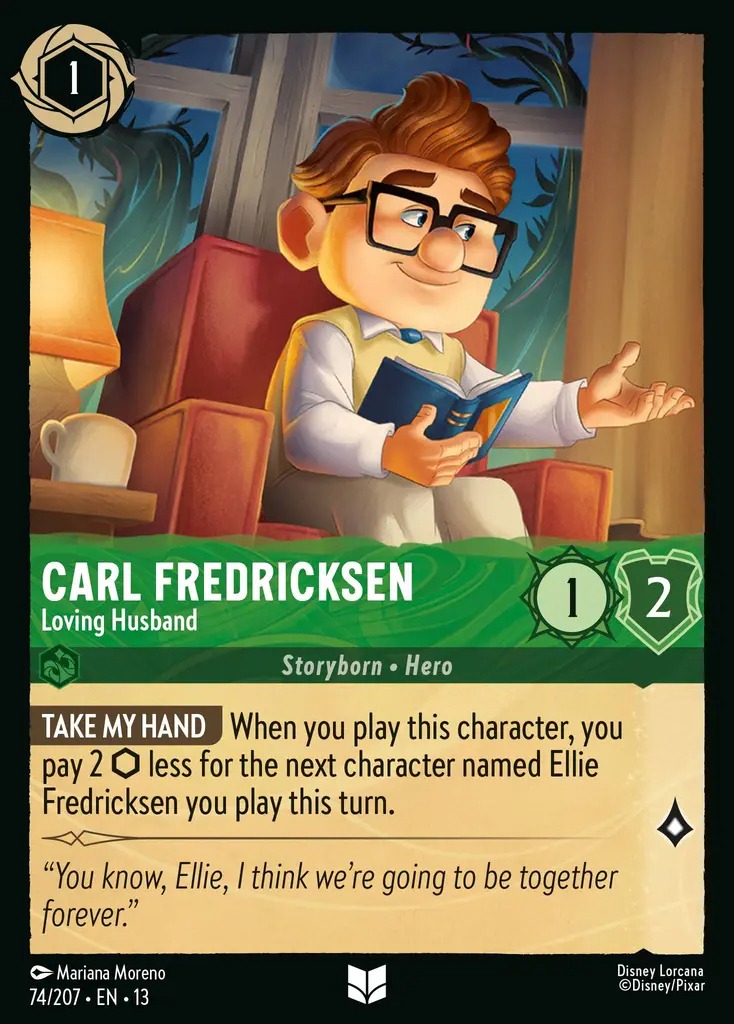
Carl really wants Ellie beside him, and requiring both cards at the right time makes the package fragile. He can fill the one-cost slot in an emergency, but I would prefer almost any more efficient body.
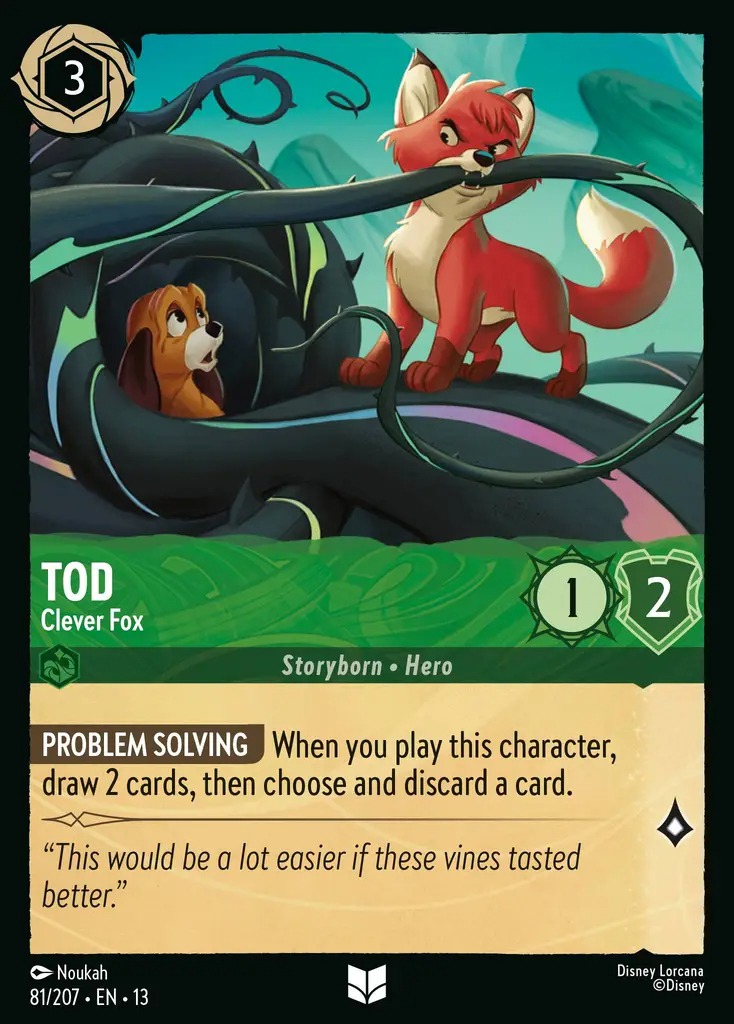
Drawing two and discarding one is useful midgame filtering, especially when your hand contains ink you no longer need. The body holding the effect is mediocre, which keeps it in the solid rather than premium range.
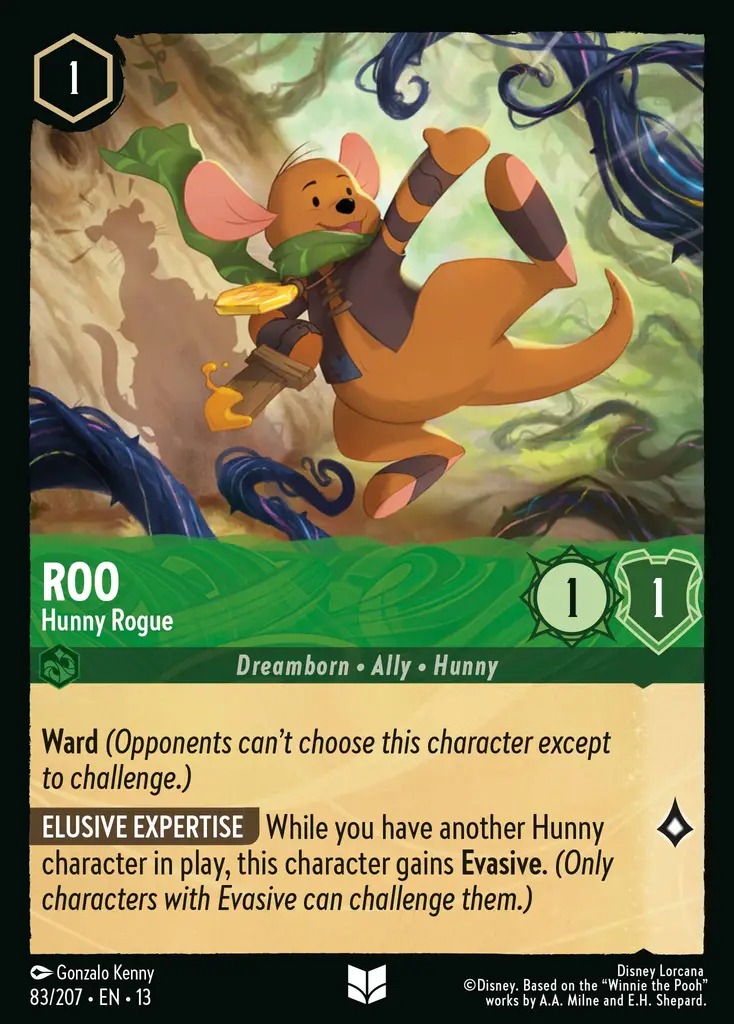
Ward on a one-cost character is appealing, but a single lore and fragile body mean the card may only contribute once. Without Hunny support, being uninkable makes the risk outweigh the reward.
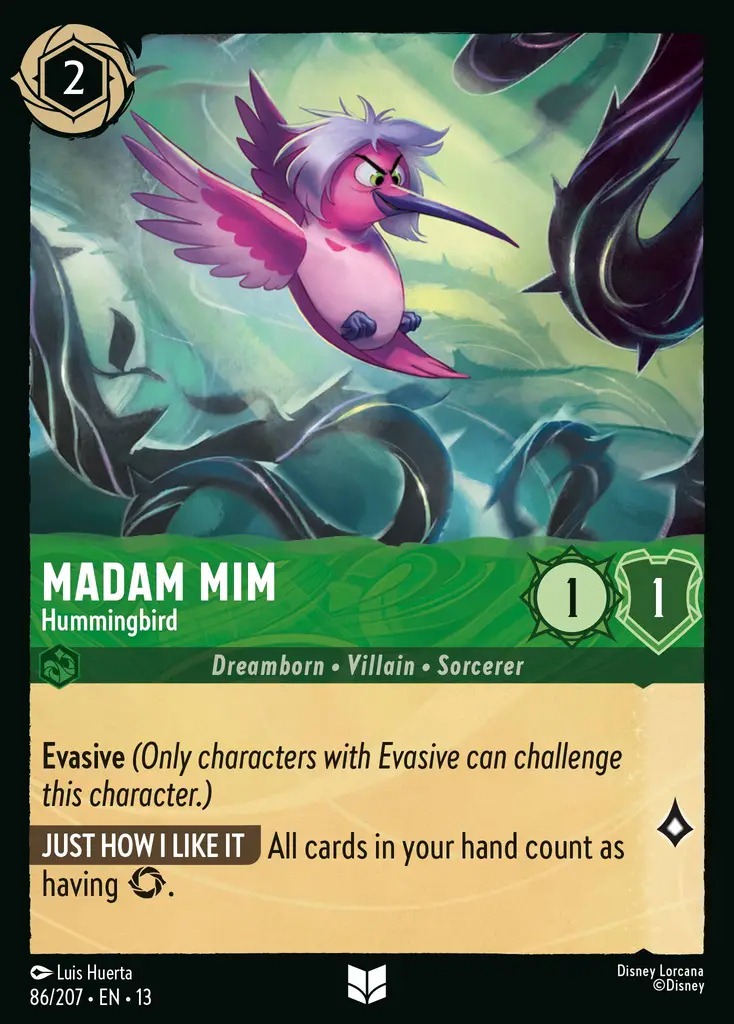
Madam Mim is one of the format’s best safety valves because she turns uninkable cards into usable ink. That changes how freely you can build, although you still should not overload the deck and expect one Mim to rescue every awkward hand.
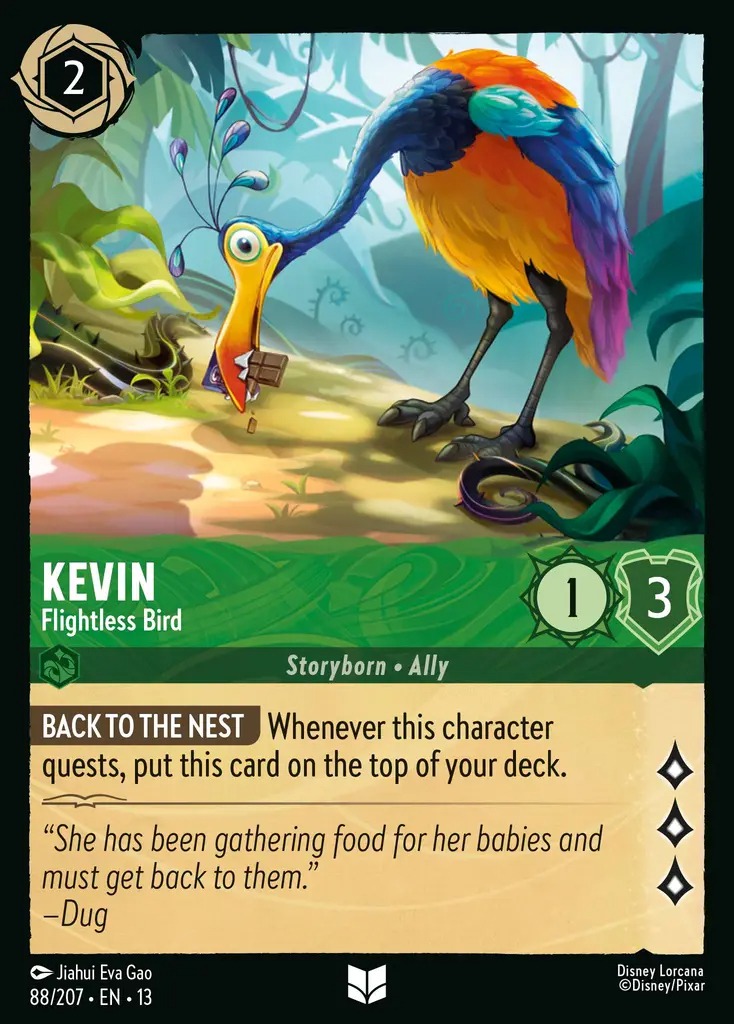
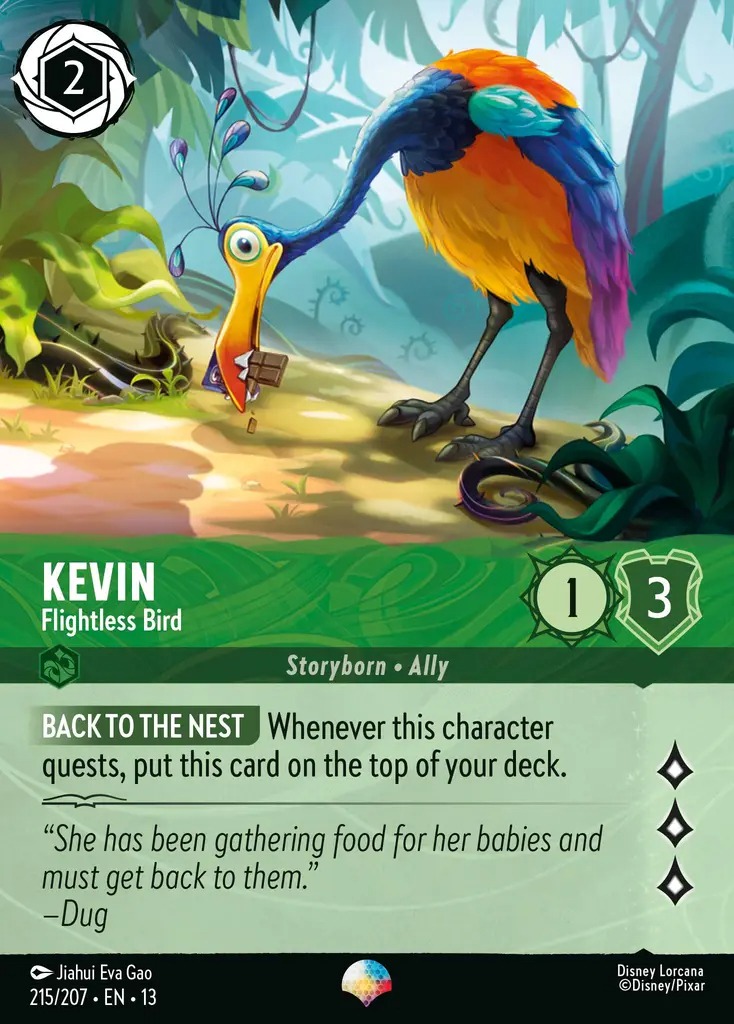
Kevin can threaten three lore, then cycle herself back to guarantee an inkable draw. I would take one or two strong quests, then happily convert her into a resource once the board demands something bigger.
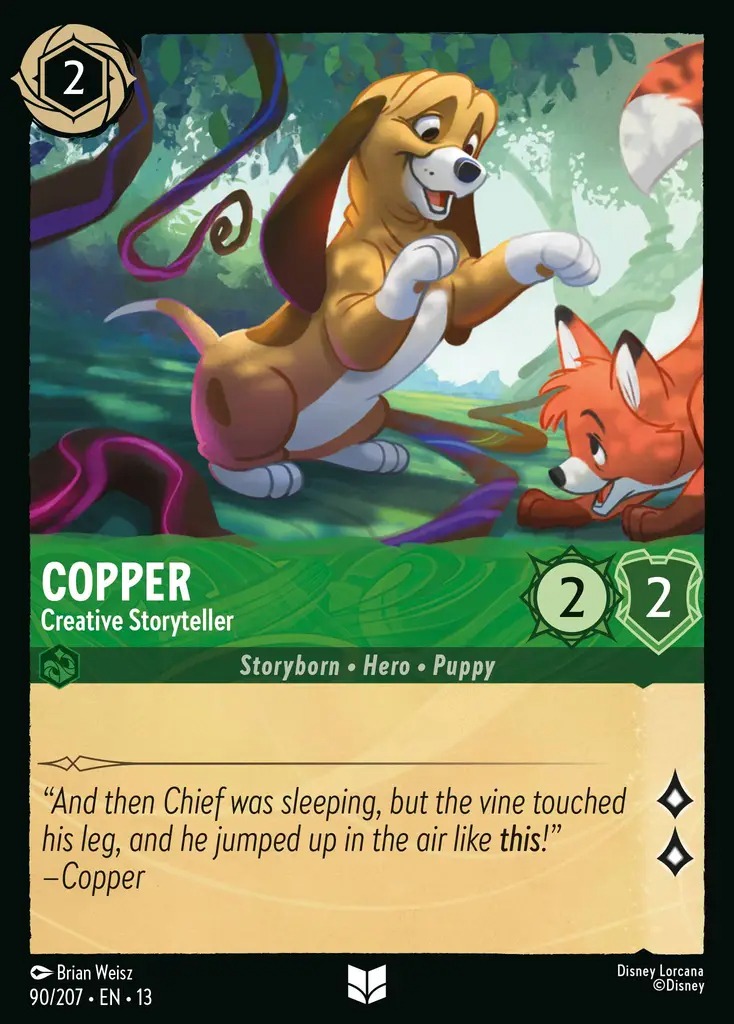
Copper is exactly what an aggressive sealed deck wants: a 2/2 body that quests for two at only two ink. He starts applying meaningful pressure immediately.
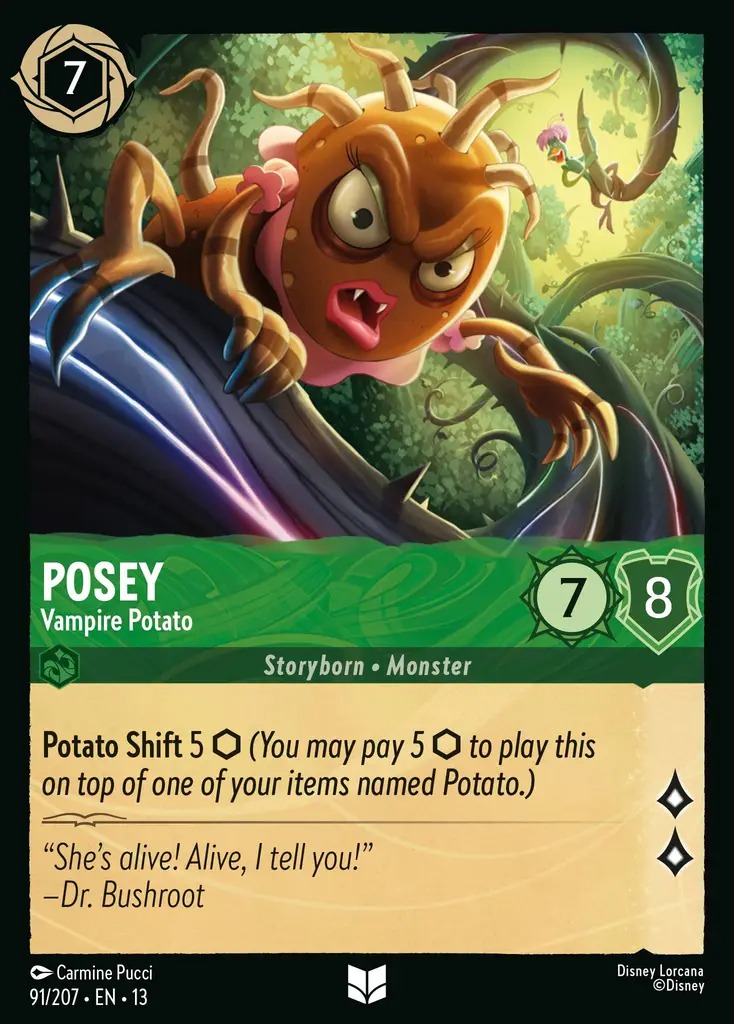
Posey’s ceiling is enormous, but the normal route to seven ink is slow and the shift line is extremely specific. With the Potato or morph combo she becomes exciting; without it, she is a luxury most decks cannot afford.
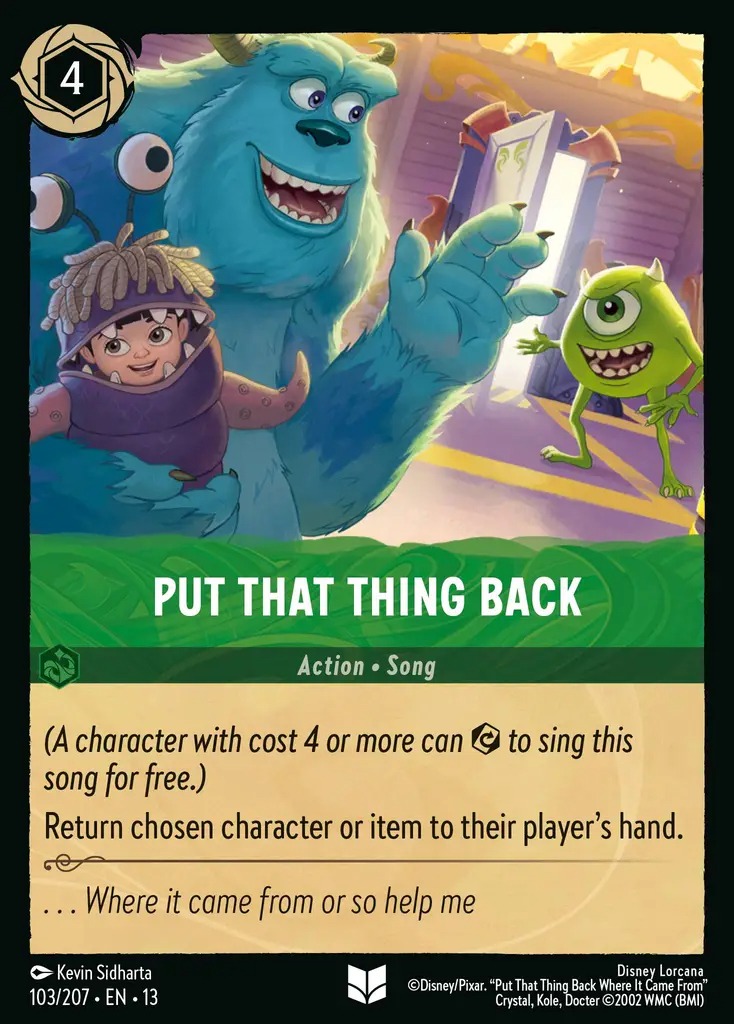
Efficient removal that can also be sung is premium. It lets you answer a threat without giving up all your ink for the turn, so I would play it almost automatically.
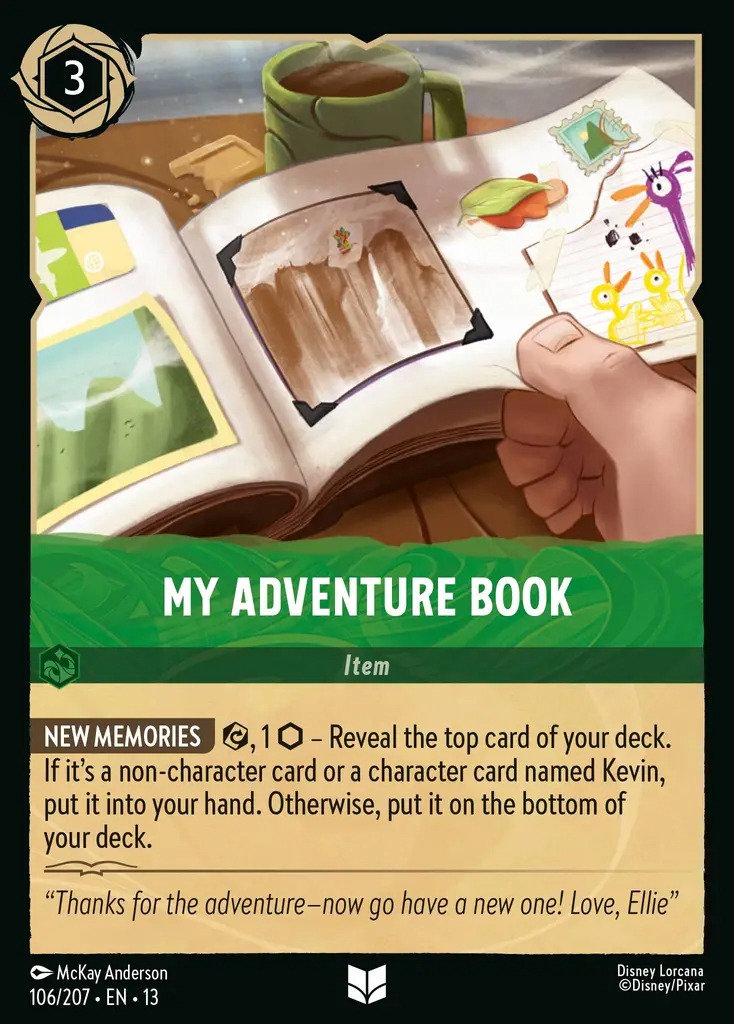
Searching for a non-character card is unreliable when most sealed decks are built primarily from characters. Unless your pool contains several exceptional targets, this item is easy to cut.
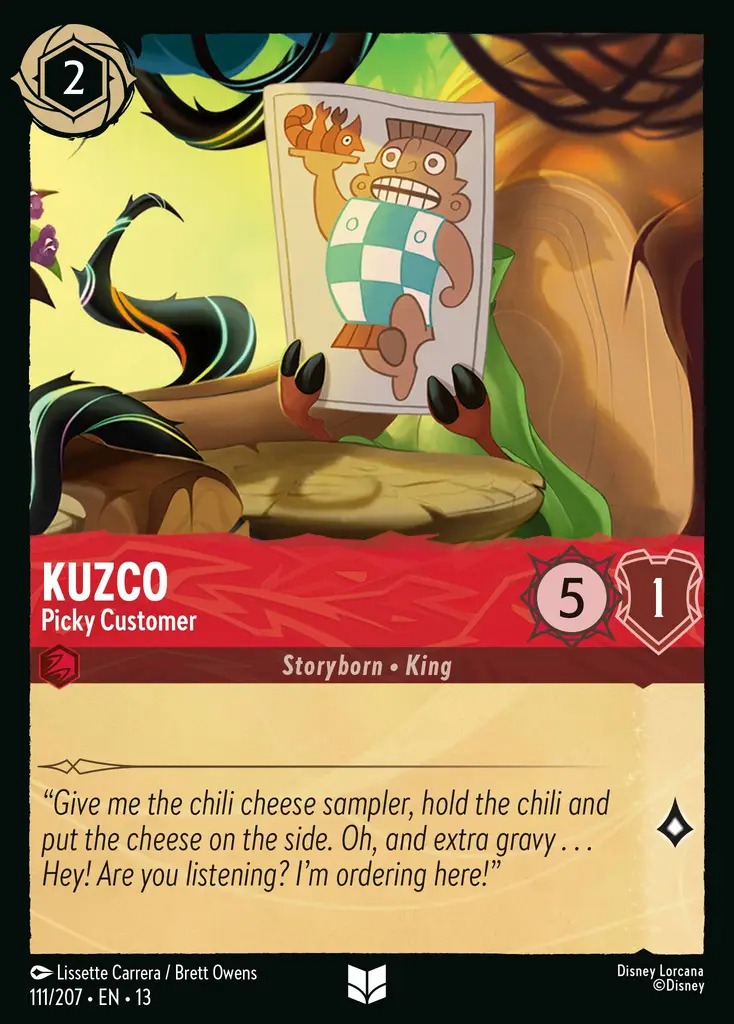
Kuzco hits absurdly hard for a two-cost character. Five Strength lets him trade into threats far above his price, making him one of the best early combat cards in the set.
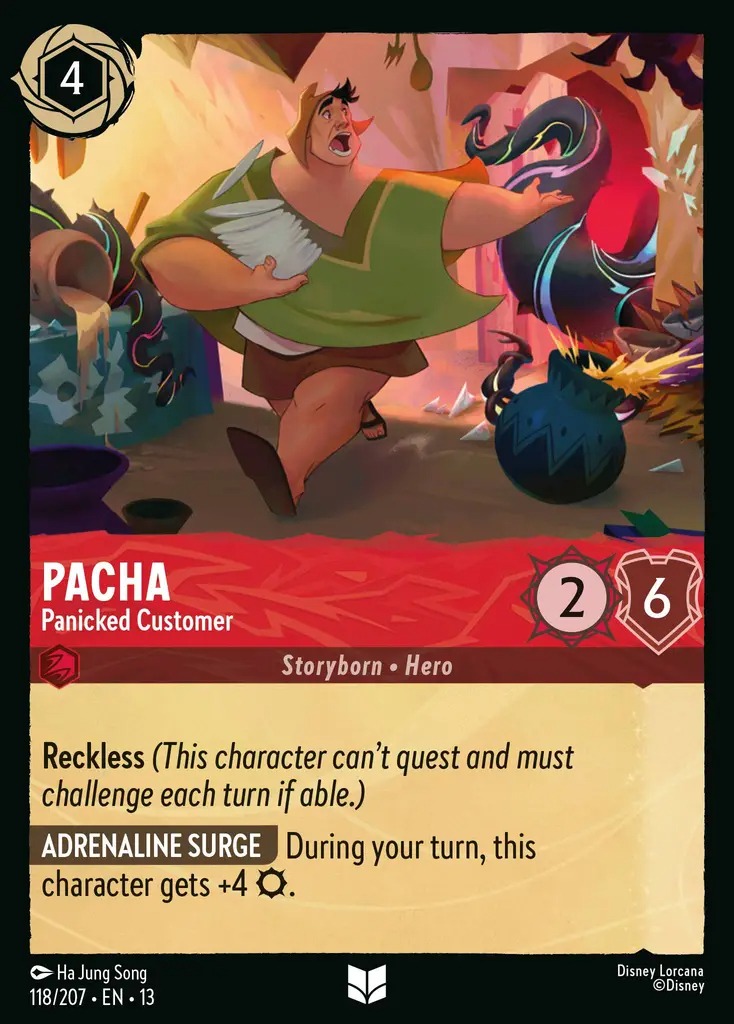
Pacha can dominate combat with a 6/6 body on your turn, but dropping to 2/6 during the opponent’s turn changes the return-challenge math. He is strong, though you must plan the exchange rather than assuming he is invincible.
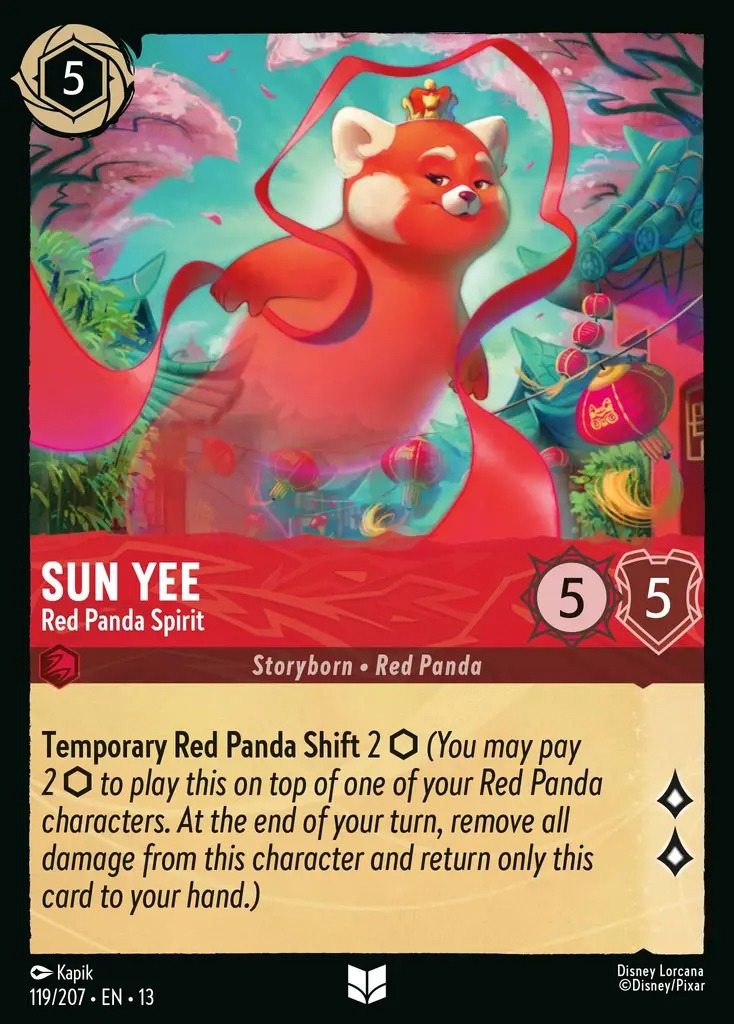
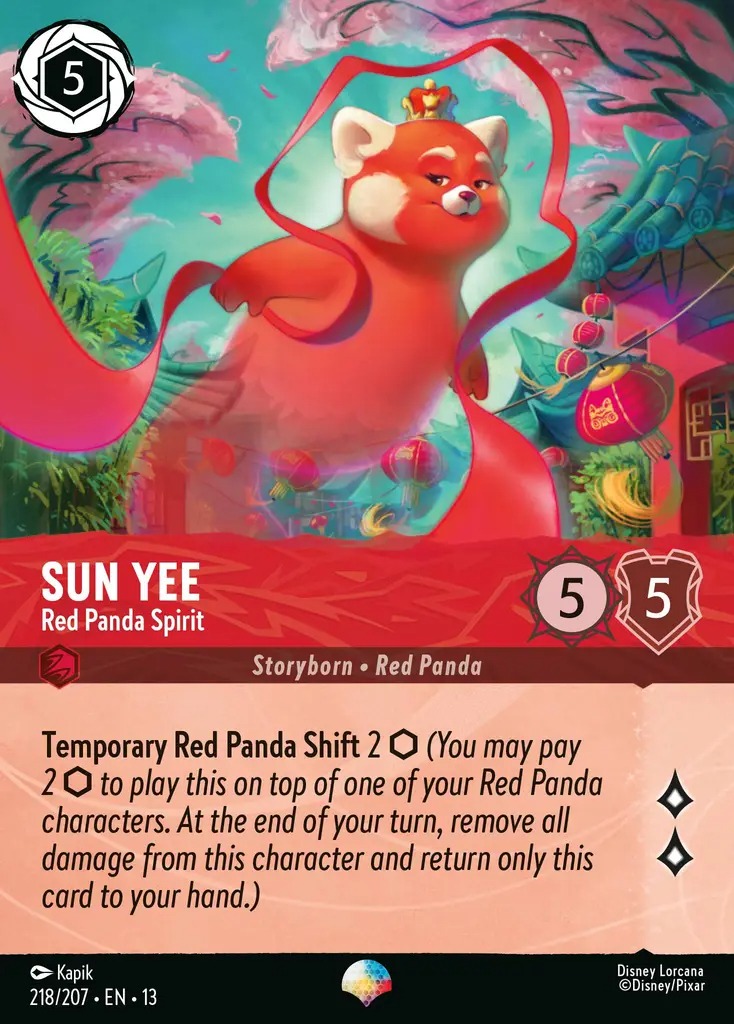
Sun Yee is useful because she works both as a shift foundation and as a reasonable hard-cast character. The flexibility matters more than either mode being spectacular.
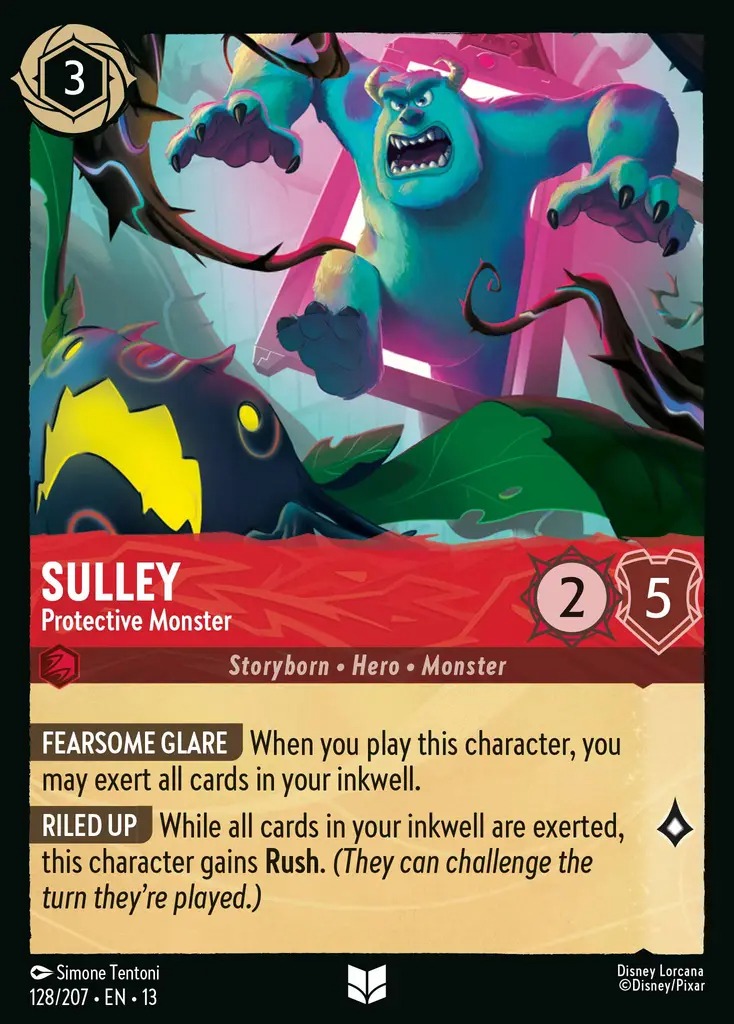
Sulley brings Rush, but exhausting your entire inkwell means he should usually be the final card you play that turn. Sequence carefully and he becomes a solid removal tool; sequence poorly and he locks you out of the rest of your turn.
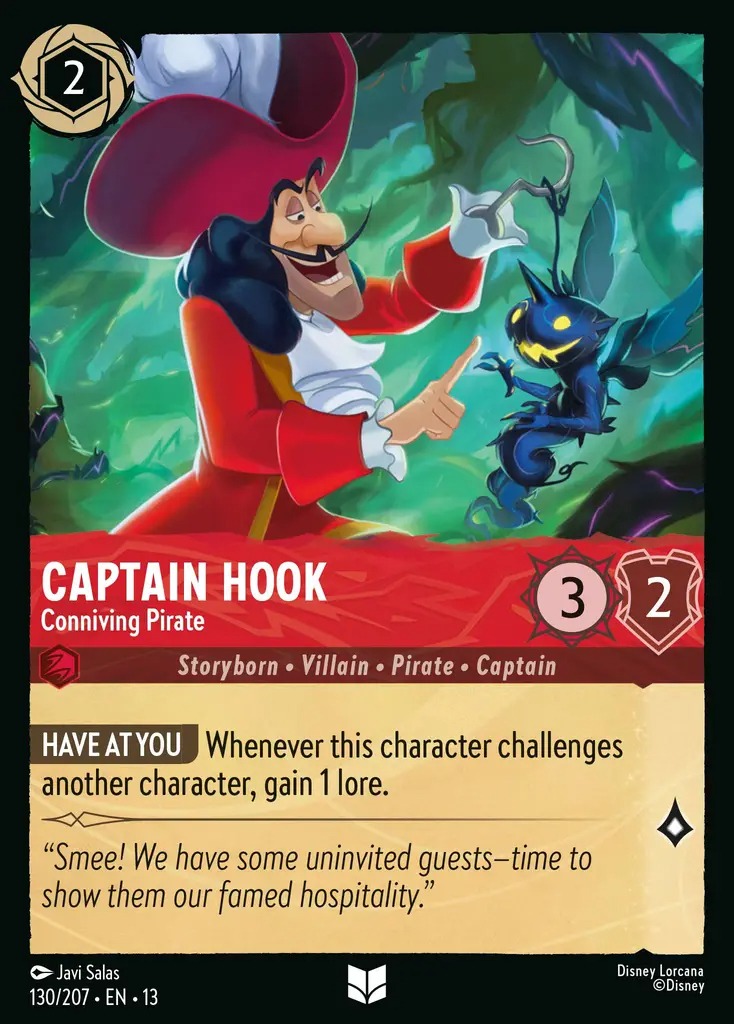
Hook rewards you every time he wins a challenge, turning board control into lore. Because he is also inkable, he is a low-risk card that can dictate the pace of the game.
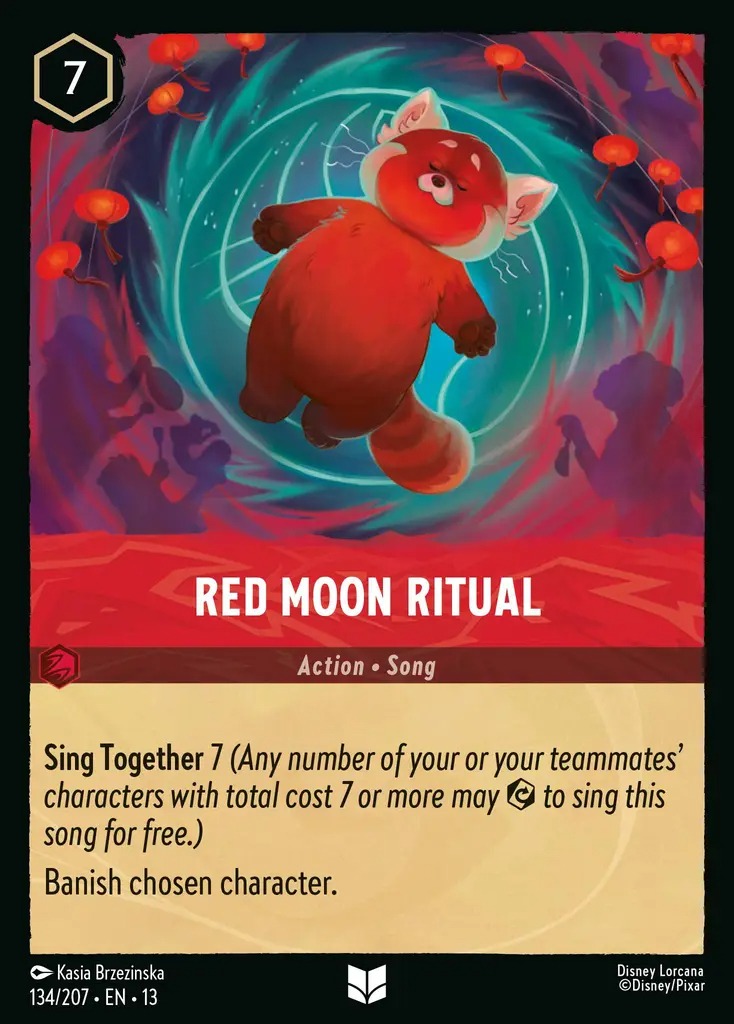
Seven ink would be a painful price, but Sing Together gives you a realistic way to cast this powerful removal spell early. The ceiling is high enough that I am happy to build around singing it.
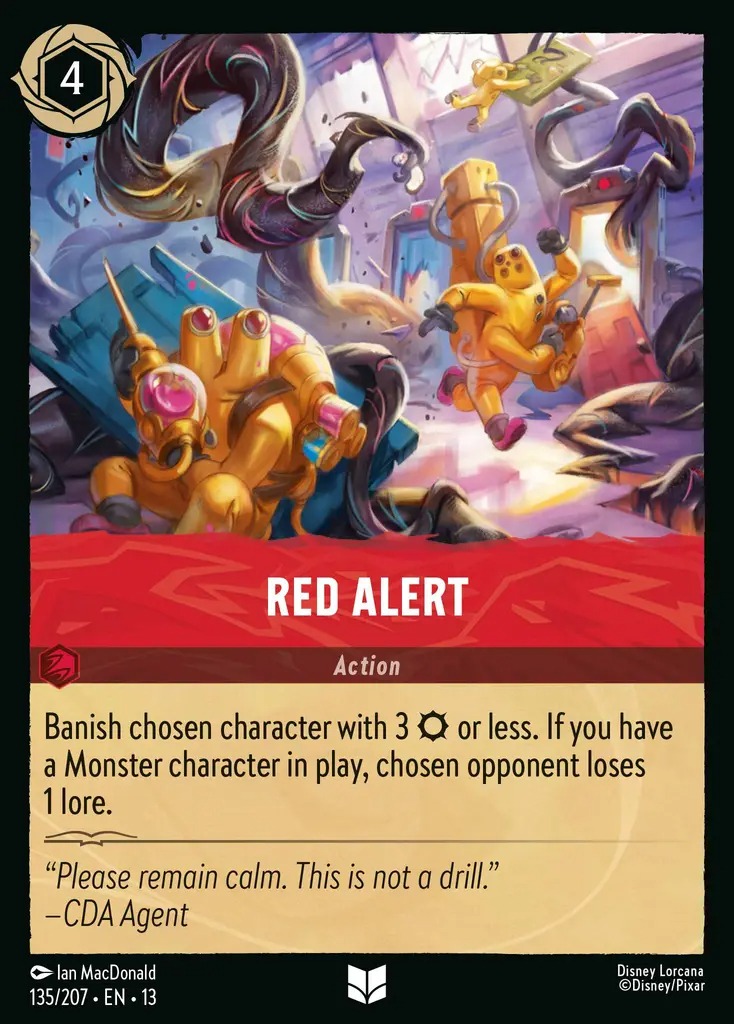
This is another excellent removal card, only without the song shortcut. You need to choose the timing carefully, but reliable interaction is still too valuable to pass up.
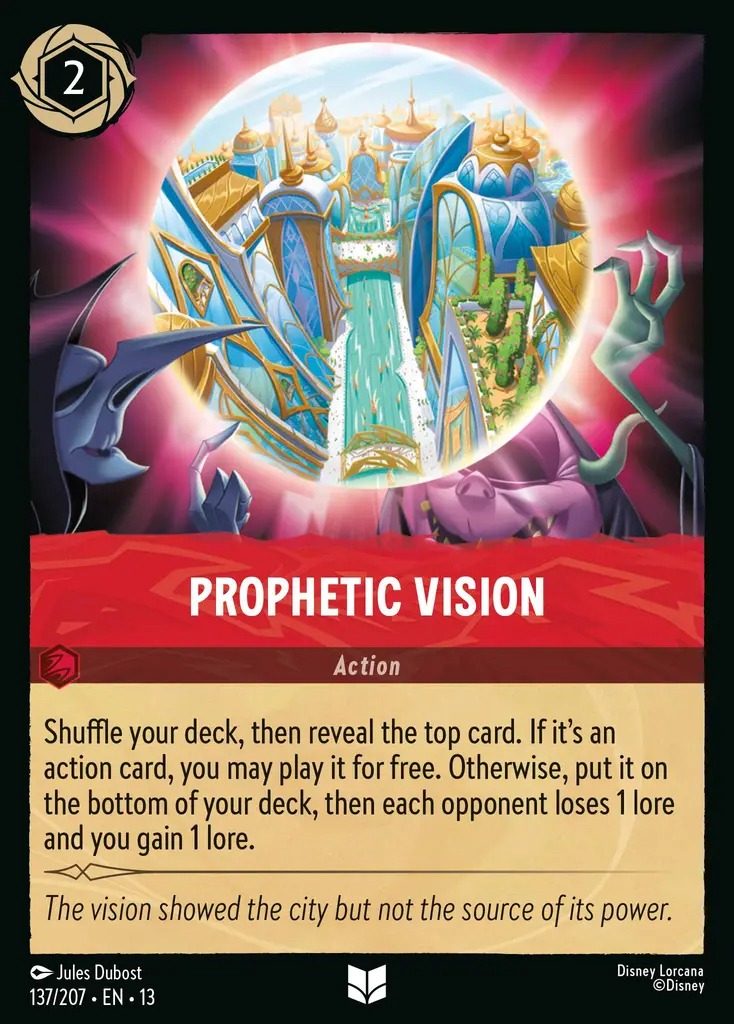
The timing can be awkward and the card may backfire if used carelessly, but a two-ink swing that raises your lore while lowering the opponent’s has real racing value. I see it as a tactical inclusion rather than a staple.
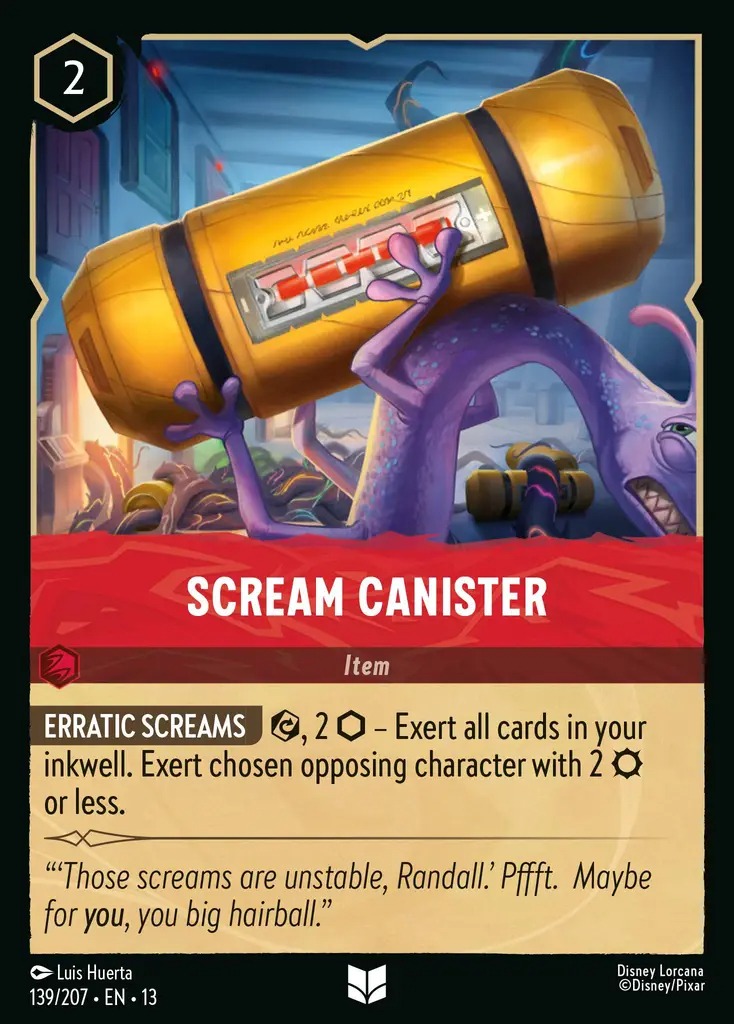
Paying two ink to exert a character can create a clean challenge or remove a blocker from the race. Use the effect after making your other plays so you do not accidentally tie up ink you still need.
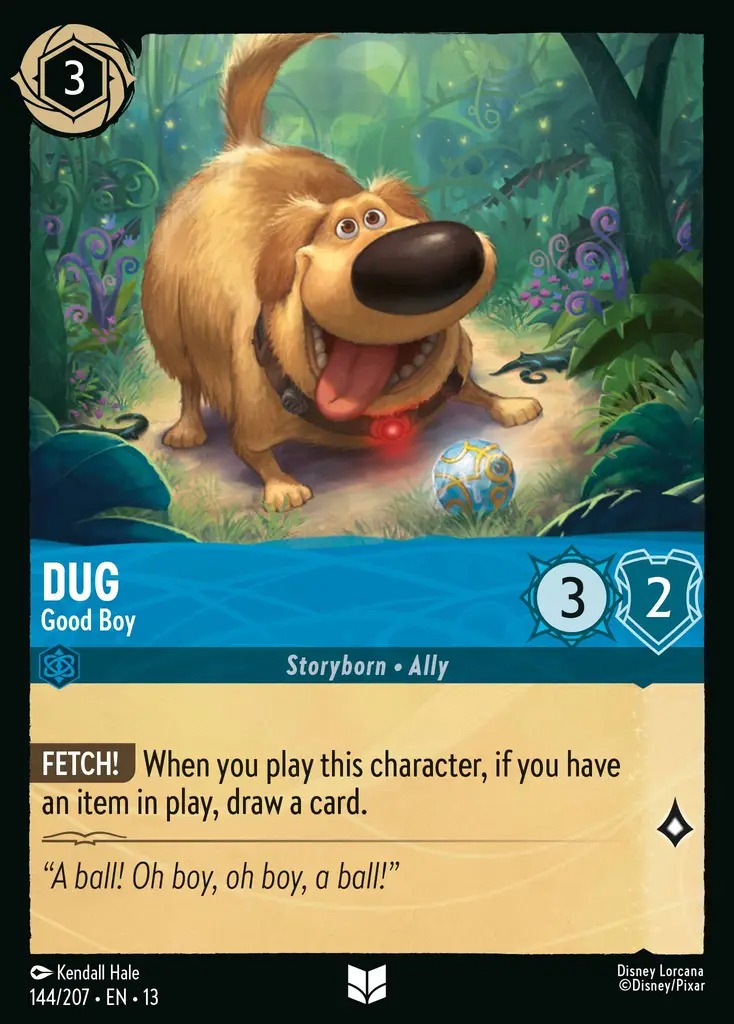
Kevin is a reasonable three-cost body, and the item requirement can turn him into a cantrip. I would not add a poor item solely for him, but with a good item already in the deck the value is welcome.
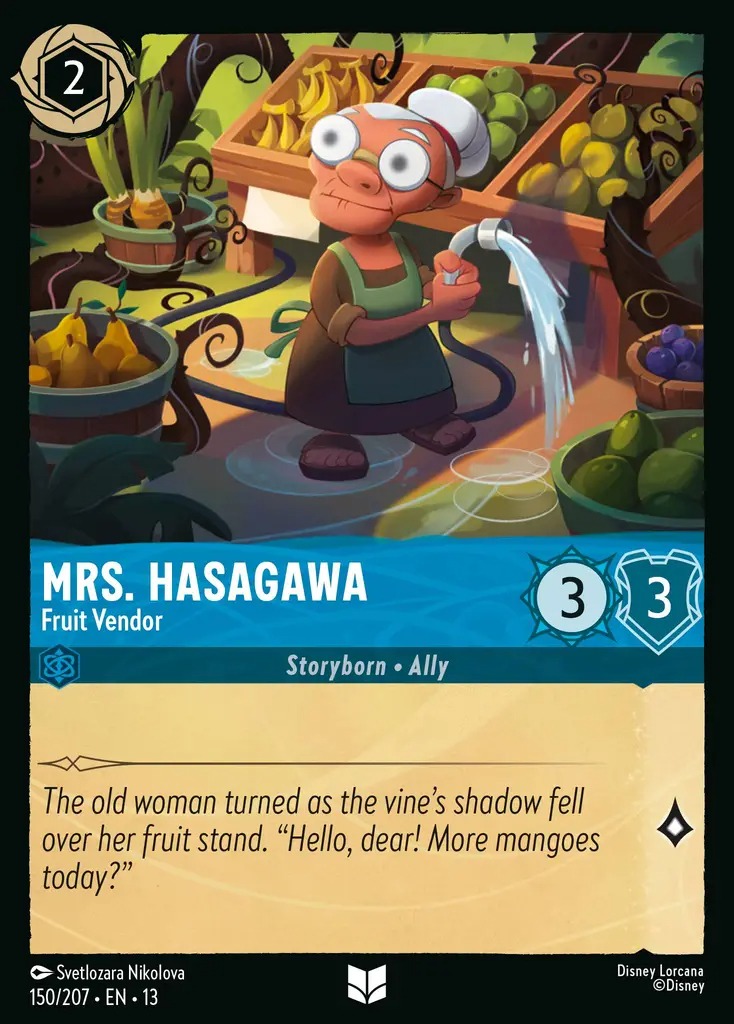
Hasegawa gives Sapphire the premium 3/3-for-two stat line. No tricks are required, she simply wins early combat and keeps your curve efficient.
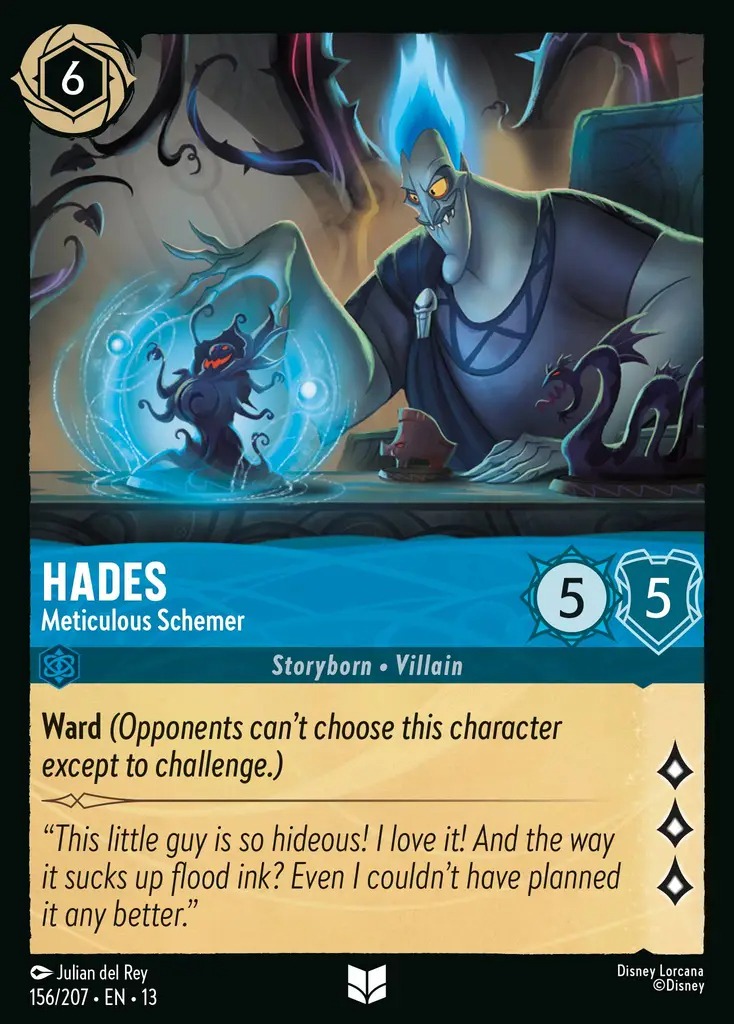
Hades is difficult to remove at 5/5 and threatens three lore every time he quests. Six ink is a meaningful investment, but he can become the card that forces the opponent to abandon their own plan and answer him.
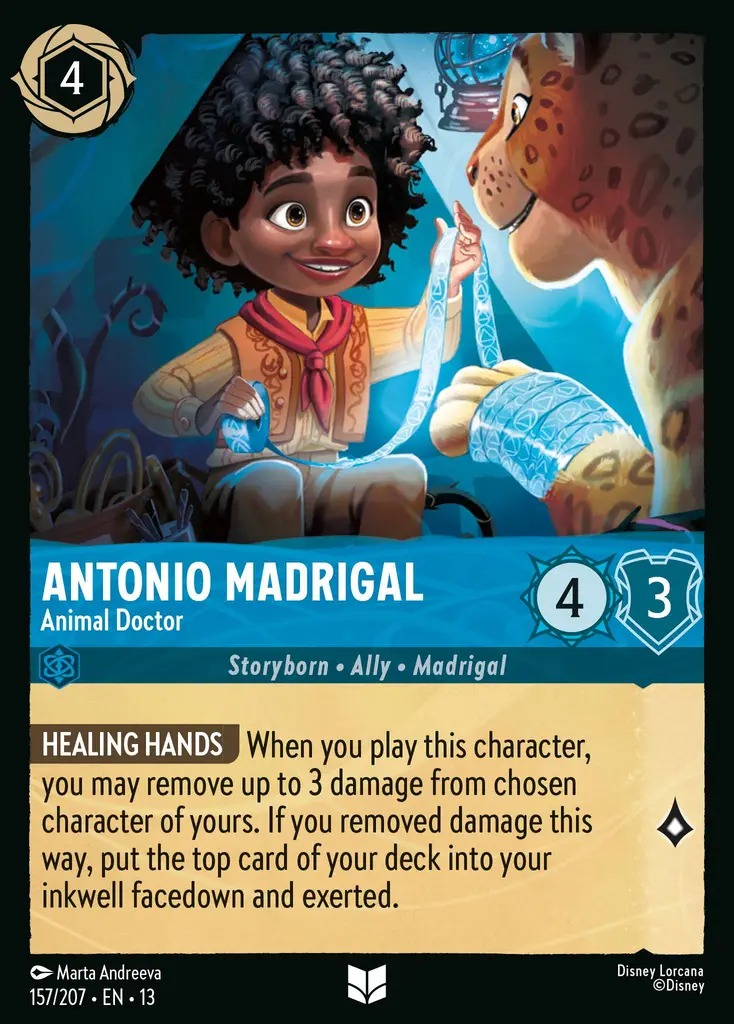
Antonio combines healing with ramp, two effects that help you stabilise and reach your expensive cards. Four ink is a fair price, and the healing can turn a close challenge into a favourable one.
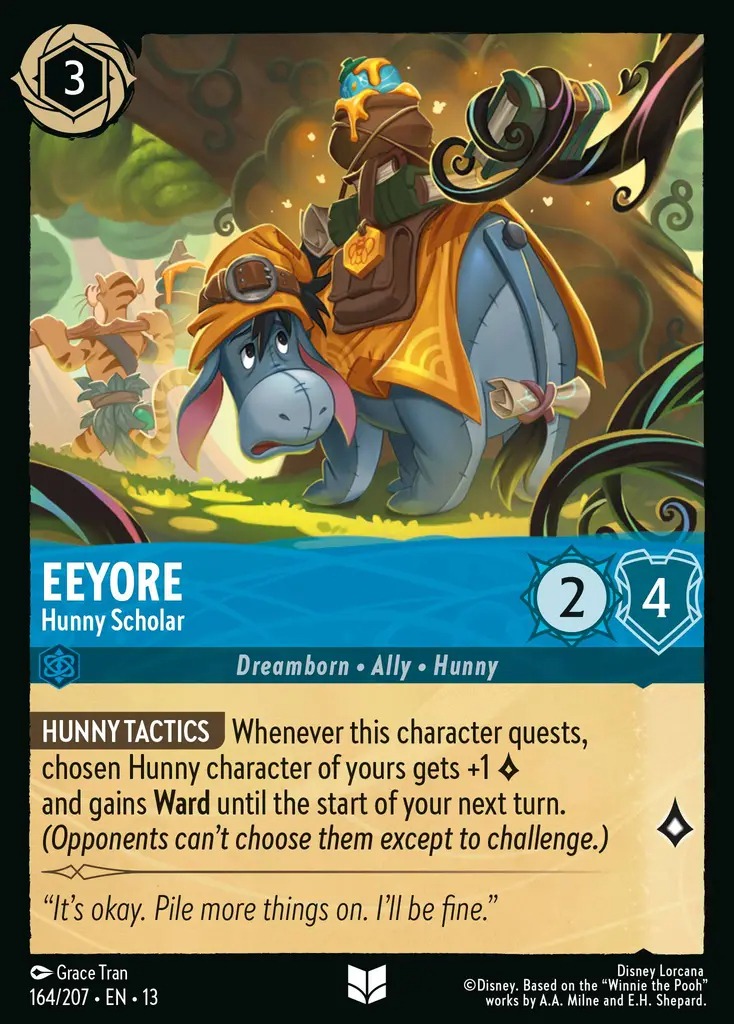
Eeyore is almost entirely a Hunny card. If your pool does not contain enough Hunnies to justify him, there is no reason to force the synergy.
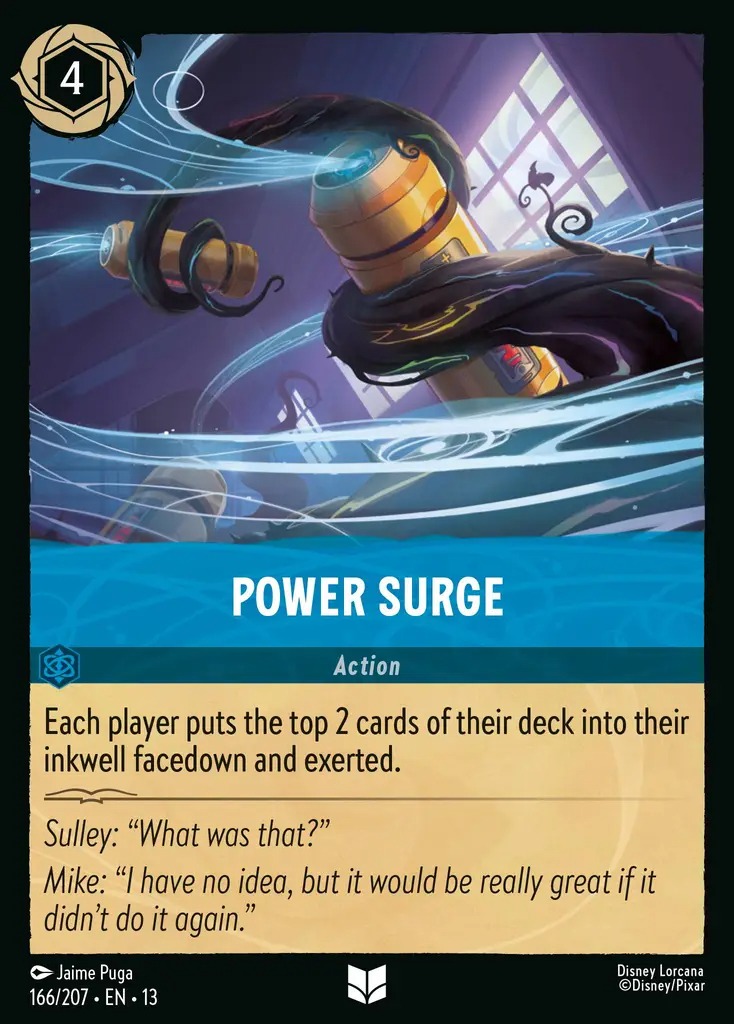
Symmetrical ramp is dangerous because you spend four ink while your opponent receives the benefit without paying for the setup. I would only use this when they are top-decking and my hand is full of expensive plays.
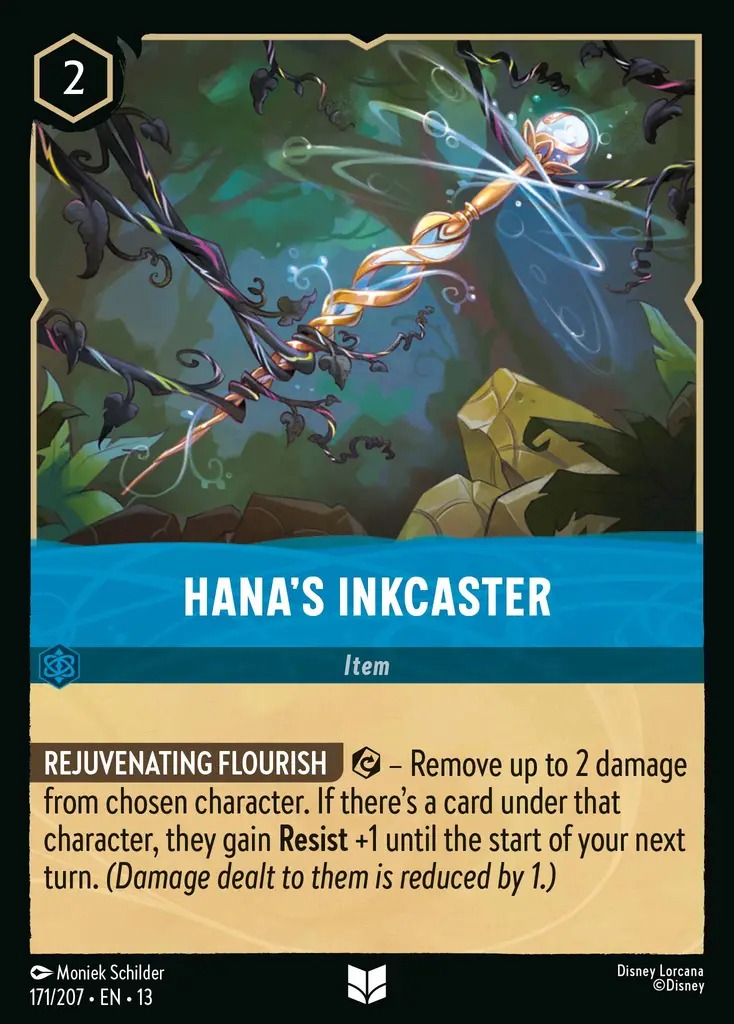
A two-cost healing item is modest but usable. It can preserve a key character or improve challenge math, though it is not powerful enough to prioritise over good characters.
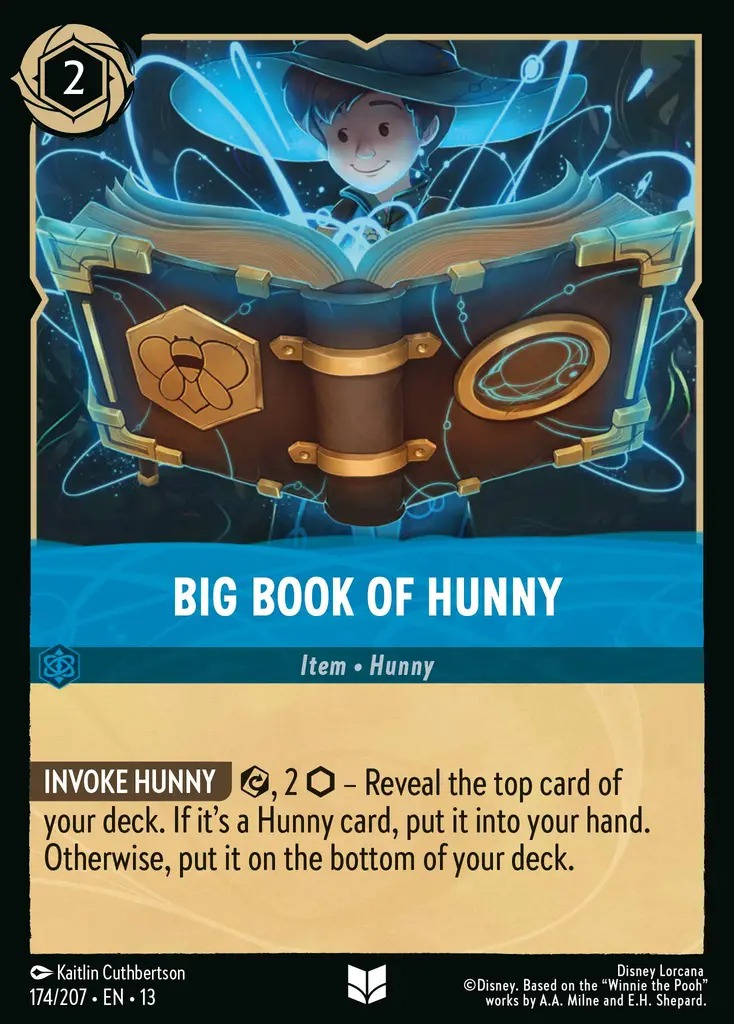
This filtering effect risks spending resources merely to throw away cards you might later need. Sealed decks rarely have enough redundancy for that trade to feel comfortable.
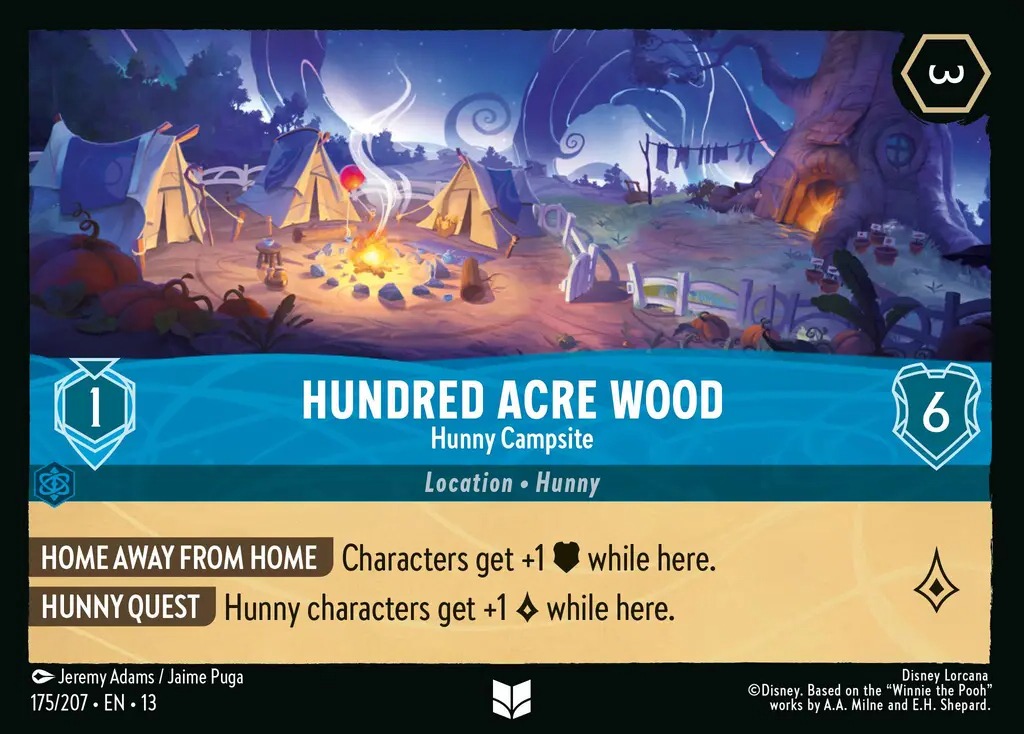
Boosting Willpower can be useful, but this location is too fragile for the investment and being uninkable makes the floor even worse. I would rather play a sturdier permanent or another character.
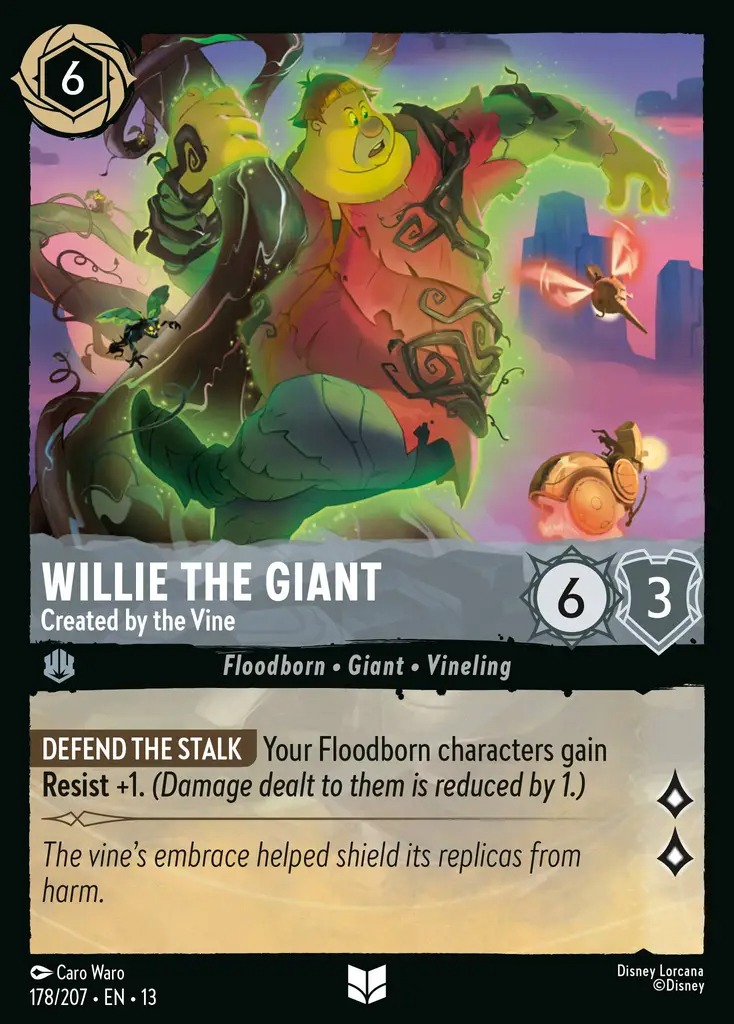
Willie supports Floodborn, but a six-cost character should have a more imposing body or immediate impact. His low Willpower makes the payoff feel too small for the price.
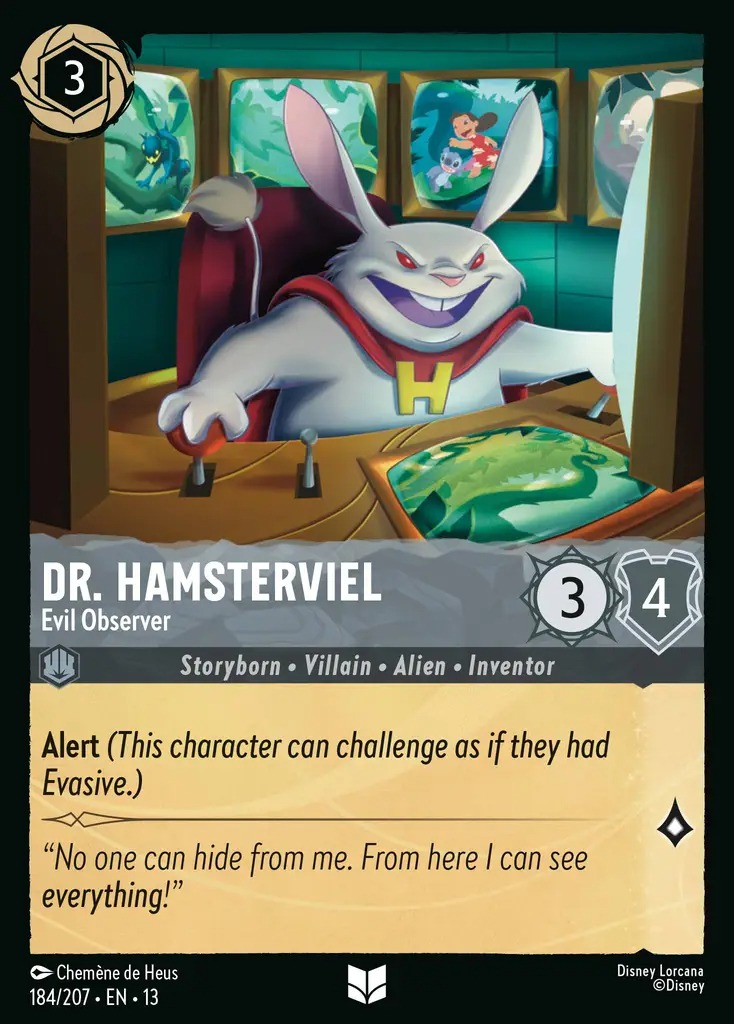
A dedicated anti-Evasive character is useful when your pool otherwise cannot interact with them. He is not exciting, but he fills a real sideboard or curve role.
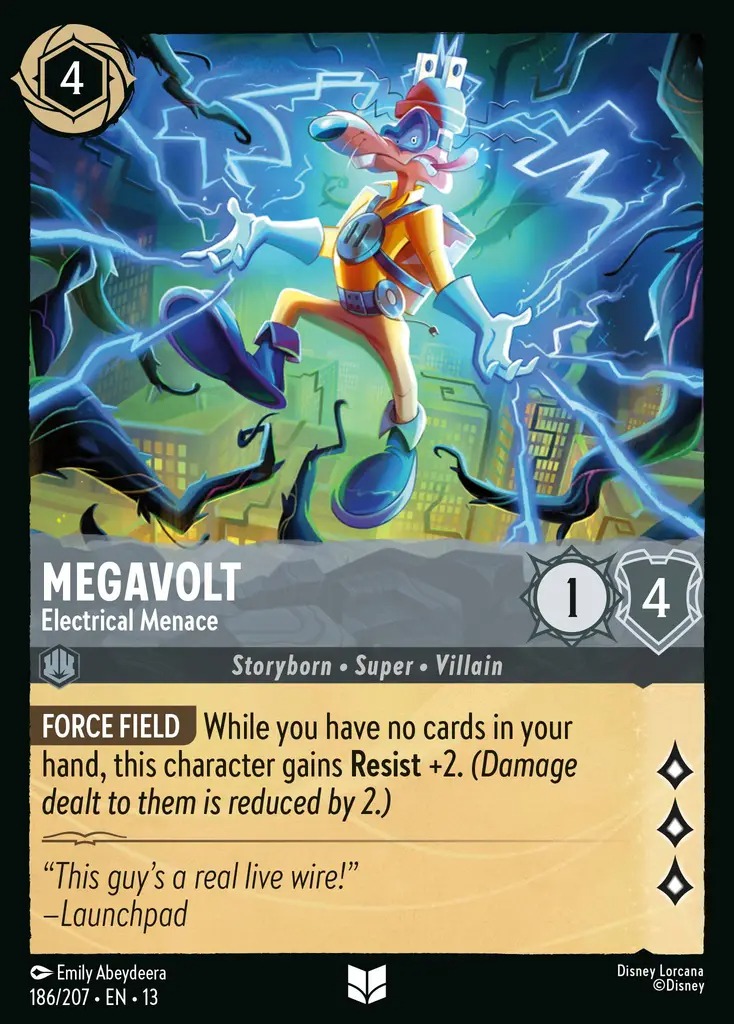
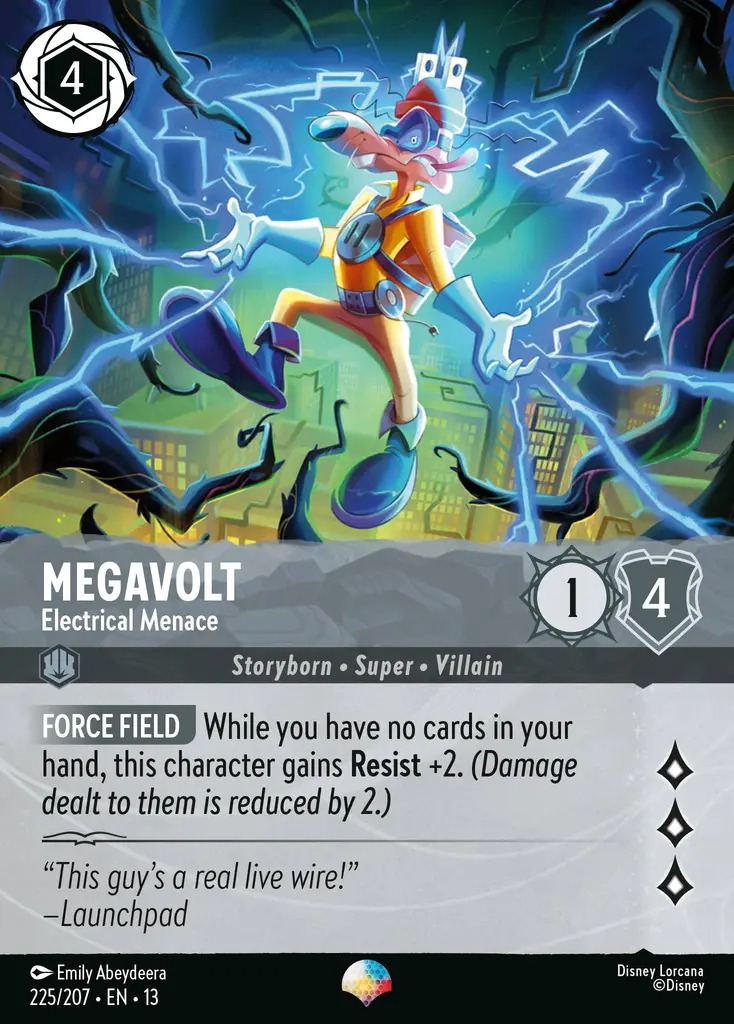
Megavolt becomes a nightmare once your hand is empty: four Willpower plus Resist 2 makes him difficult to remove while he keeps questing. Aggressive decks can exploit that condition naturally.
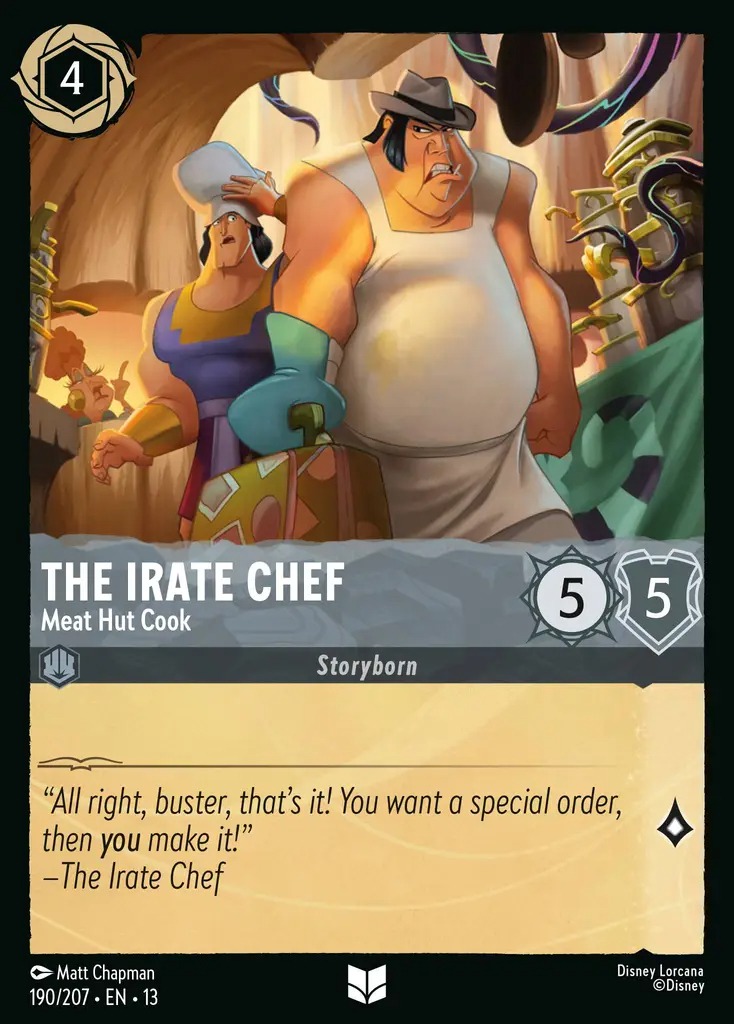
Irate Chef is a sealed stat monster. A 5/5 body for four ink can control combat immediately, and it asks for no synergy whatsoever.
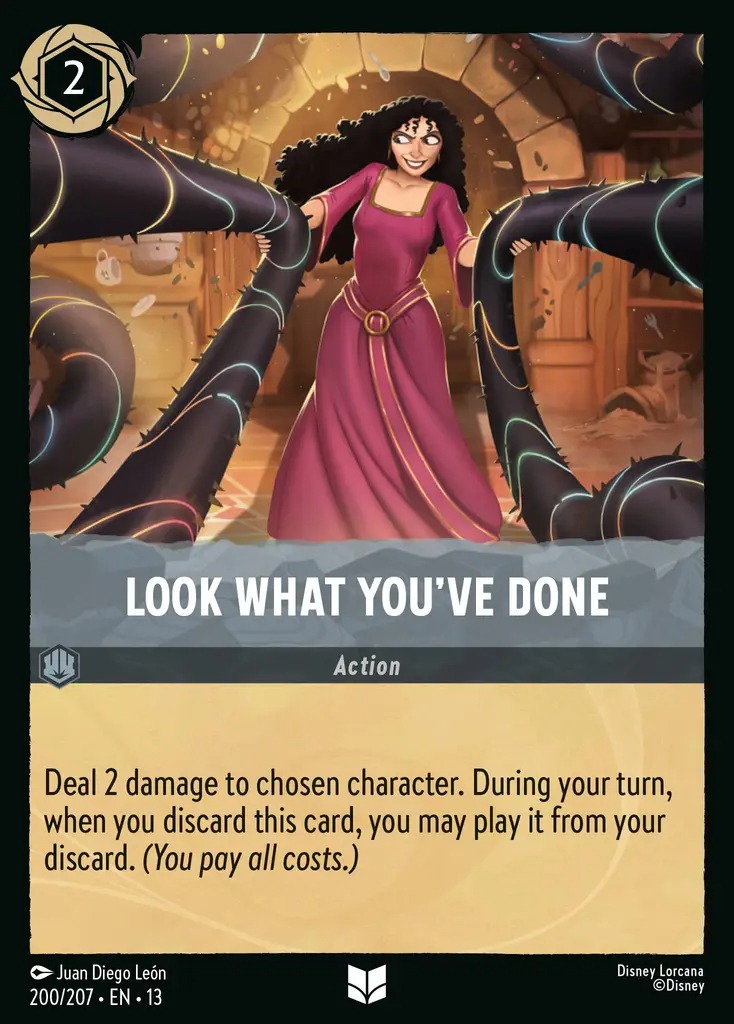
Two ink for two damage is a fair and useful exchange. It removes small characters, finishes damaged ones and can even feed discard-related synergies.
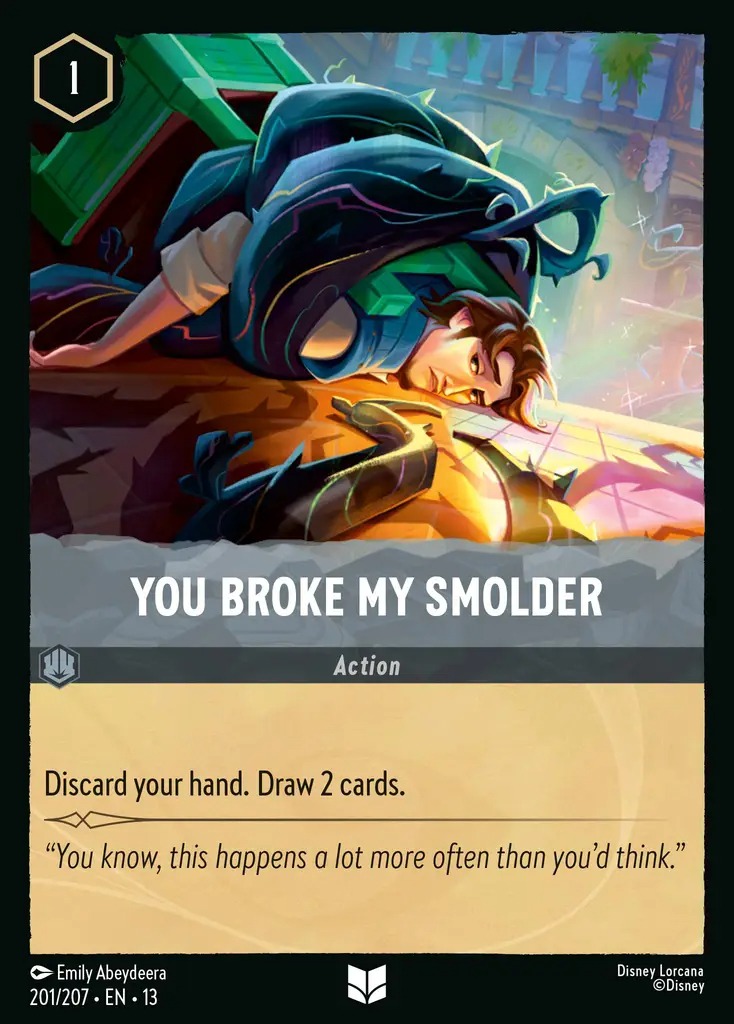
One ink to draw two cards is exceptional, provided you cast it as the final card from your hand. In a format where both players often run out of resources, this can single-handedly keep your deck moving.
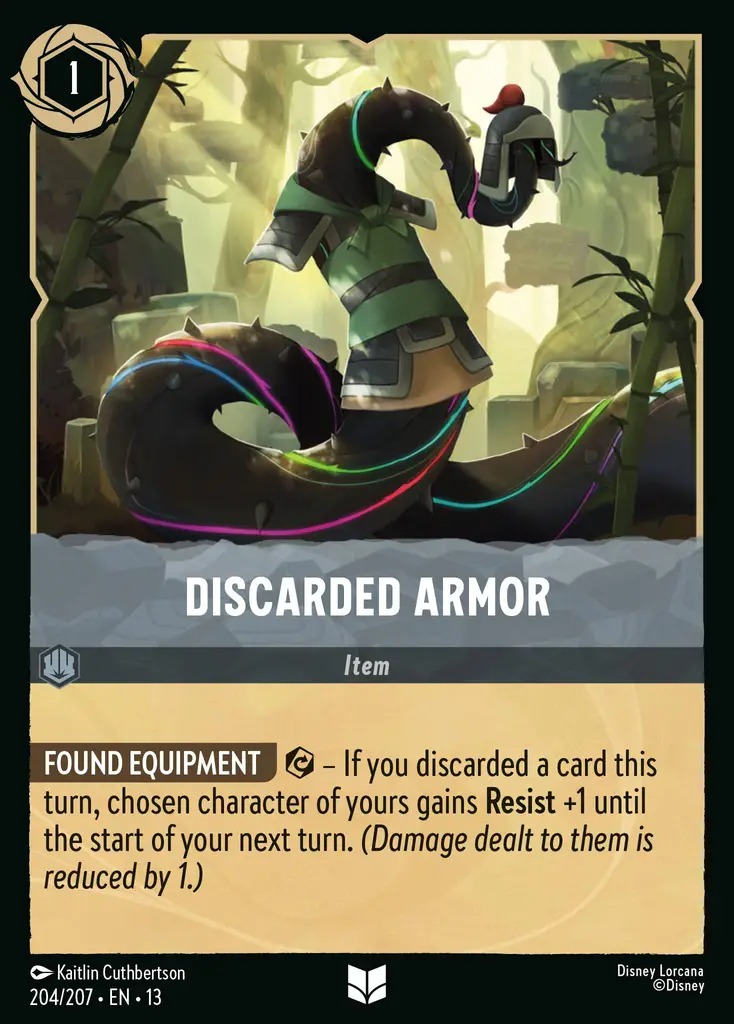
The Resist effect is cheap, but triggering it requires too many specific pieces. Unless your pool naturally supports the condition, the card will spend too much time doing nothing.
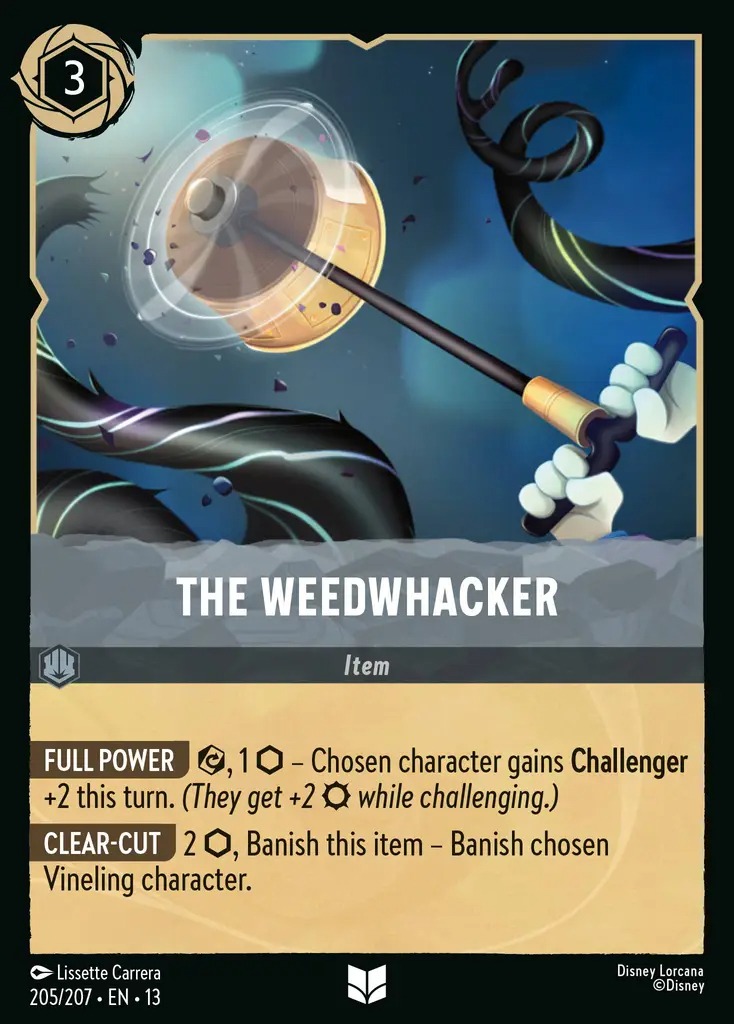
This item gives you a repeatable Strength boost for challenges and even offers an emergency answer to a troublesome Vineling. It is not essential, but the flexibility makes it a reasonable inclusion.
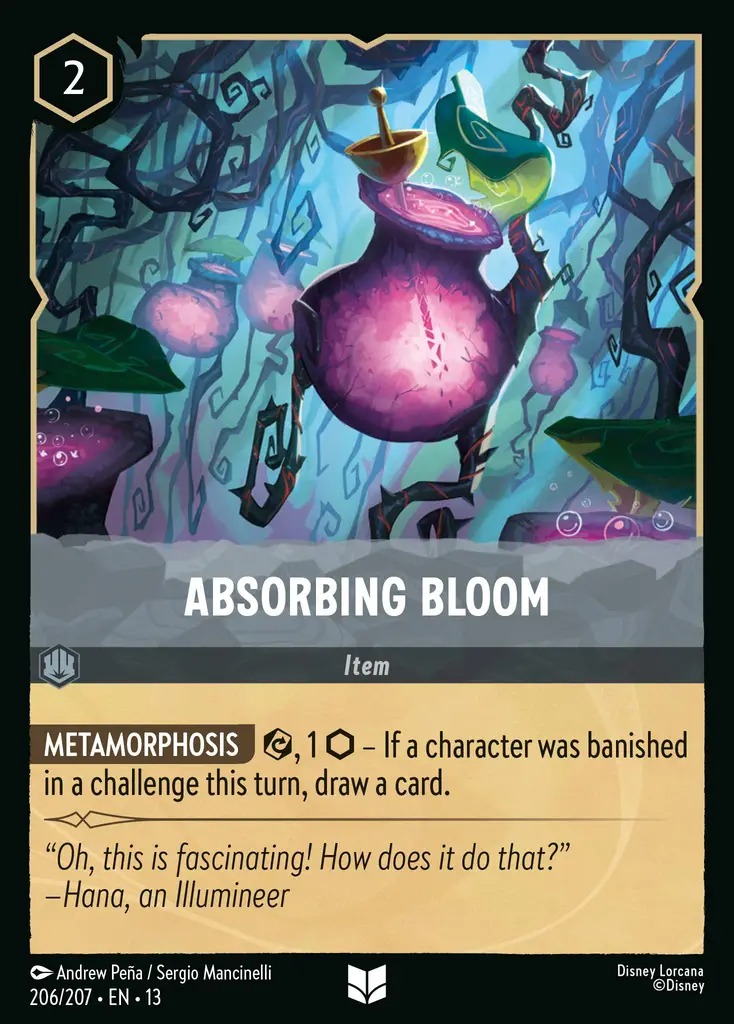
This is a real card-advantage engine: invest once, make sensible challenges, and it can repay you with cards over several turns. That ongoing payoff is exactly what sealed decks need to avoid running dry.
Rare
The rares are powerful but noticeably more demanding. Many reward Floodborn characters, locations, items, discard effects or specific shift lines, so this rarity tests discipline more than excitement. The best rares either affect the board immediately or create repeatable value; the weaker ones tempt you to play several mediocre enablers for one impressive ceiling. Build the functioning deck first, then add the rare, not the other way around.
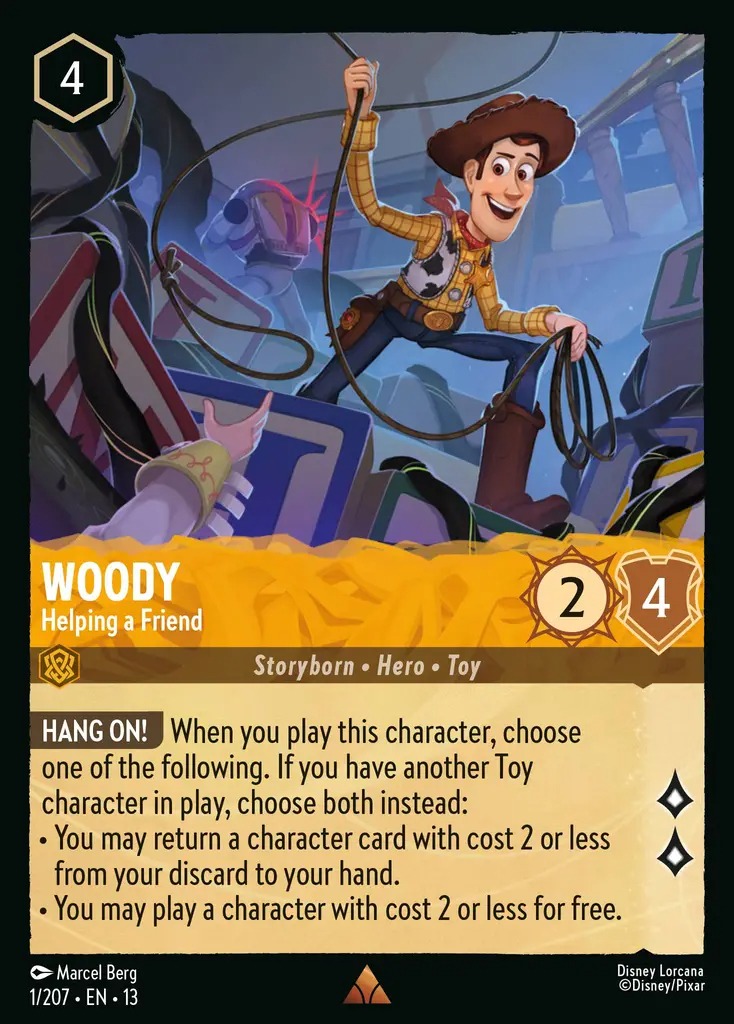
Woody can either recover a two-cost character or put one directly into play, giving you a useful burst of board presence. The double Toy trigger is unlikely in this set, but the single trigger and respectable body still make him a solid four-cost option.
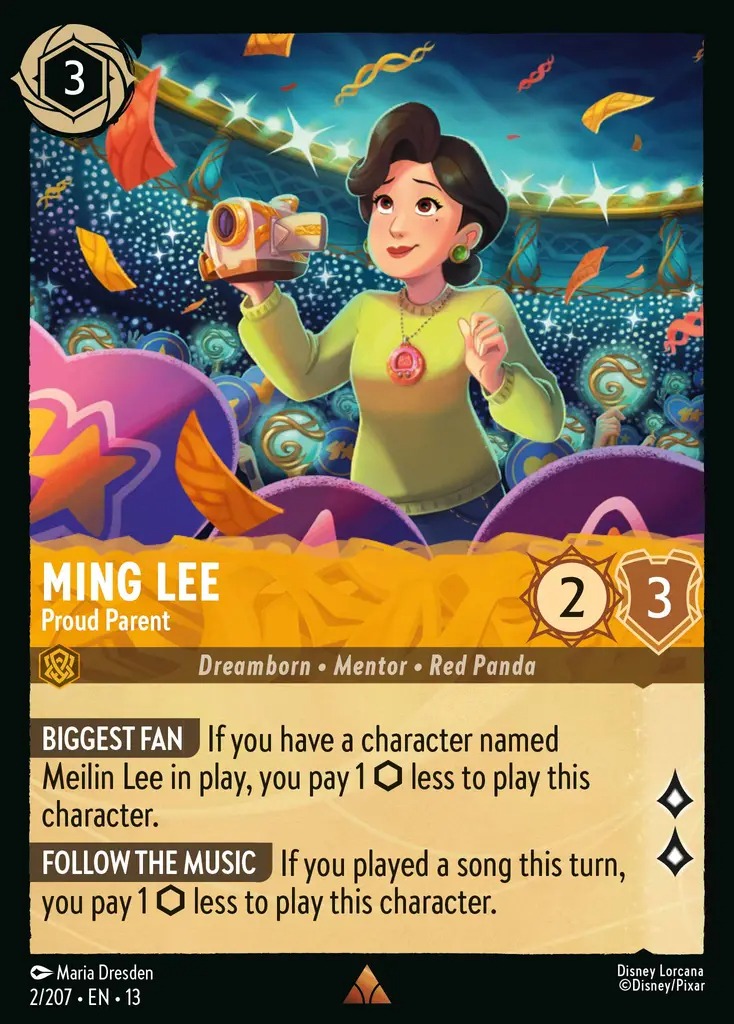
Ming would be outstanding at one ink; at two, she is merely solid. Her body is acceptable and being a Red Panda shift target gives her a clear role in the right pool.
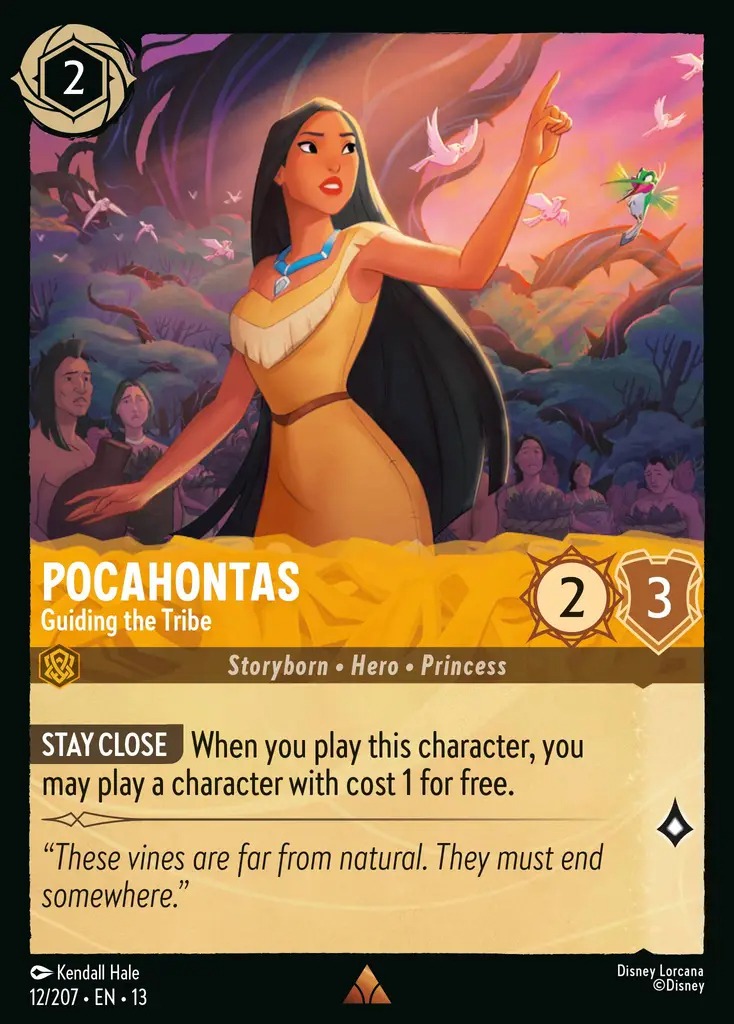
Pocahontas can deploy a one-drop for free and help you widen the board. That is useful tempo, although you should not keep weak one-drops in the deck just to maximise her effect.
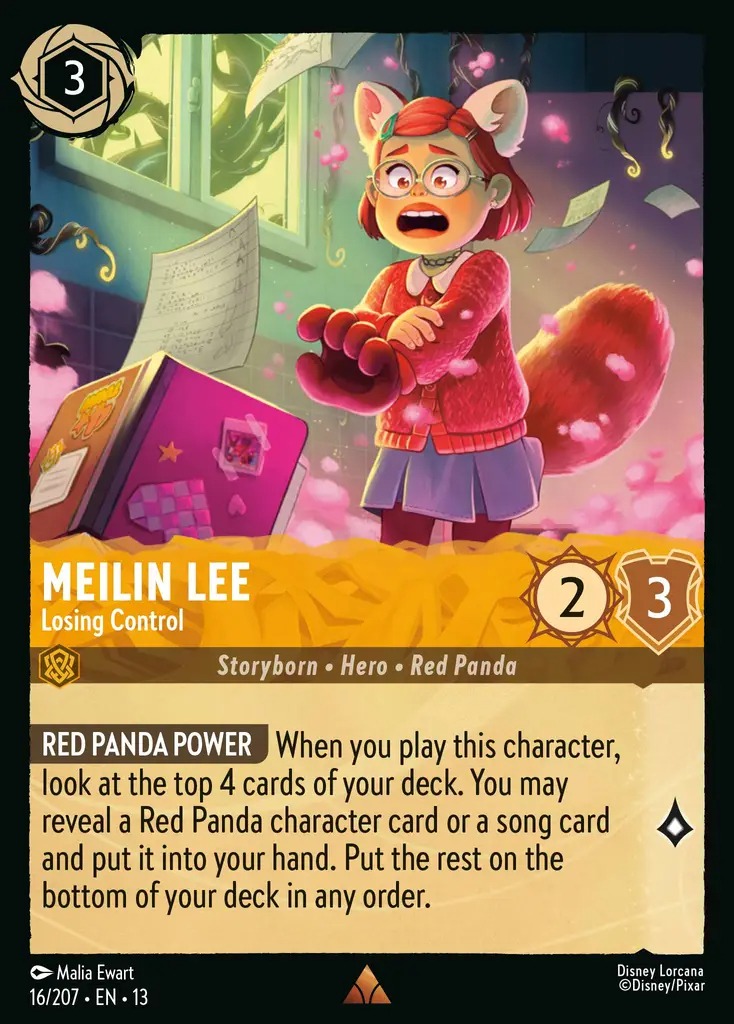
Meilin’s search effect is too narrow to be dependable in sealed. I would mainly view her as a shift base and cut her when that line is not present.
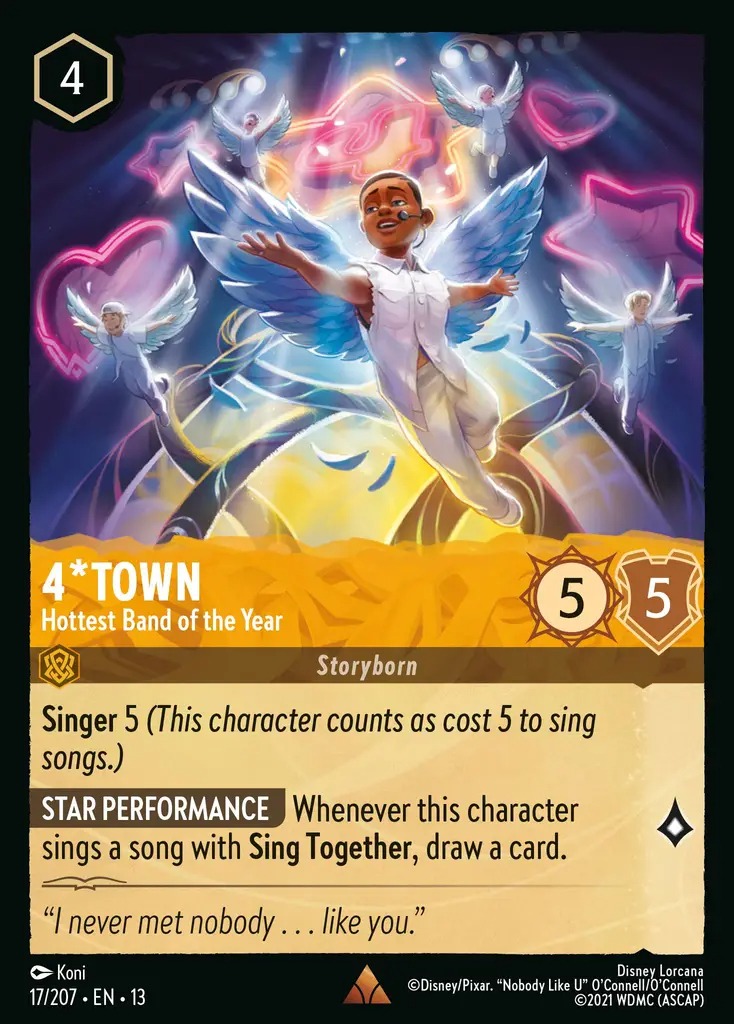
A 5/5 for four ink is excellent raw value, and Singer 5 adds another practical use. The only real drawback is being uninkable, which stops me from rating it among the very best cards.
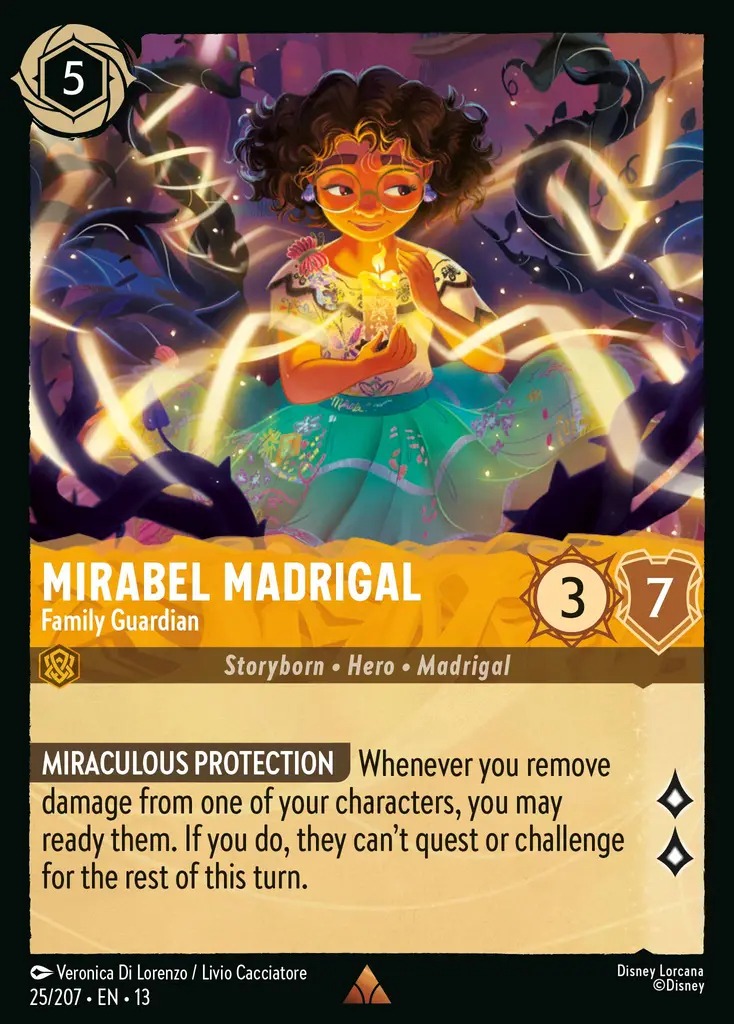
Mirabel’s high Willpower is appealing, and readying a character after healing can create clever sequences. Without several damage-removal effects, however, too much of her text disappears.
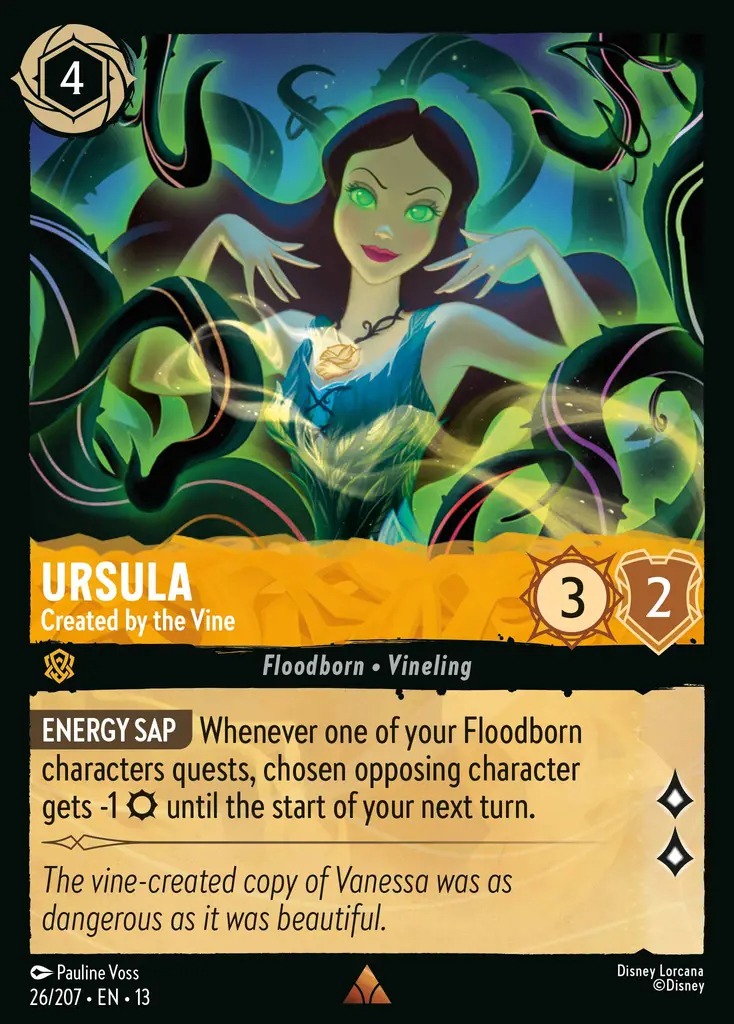
Ursula’s Vineling can repeatedly shrink opposing characters when your Floodborn quest, making challenges much easier. Her four-cost body is inefficient, so she needs that synergy to earn the slot.
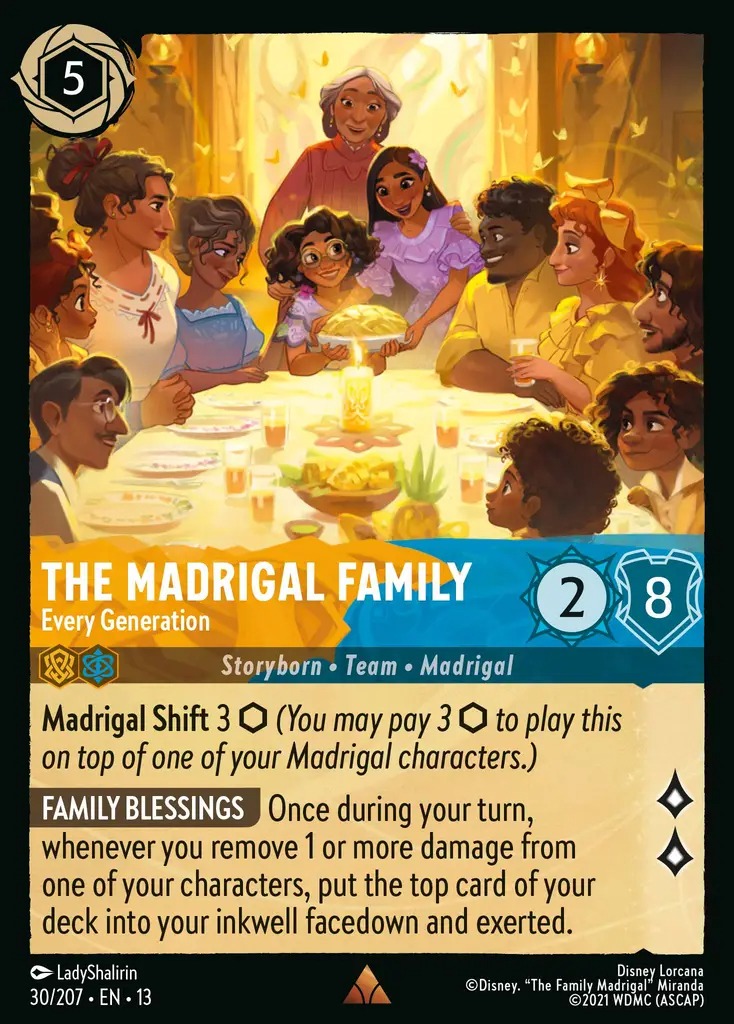
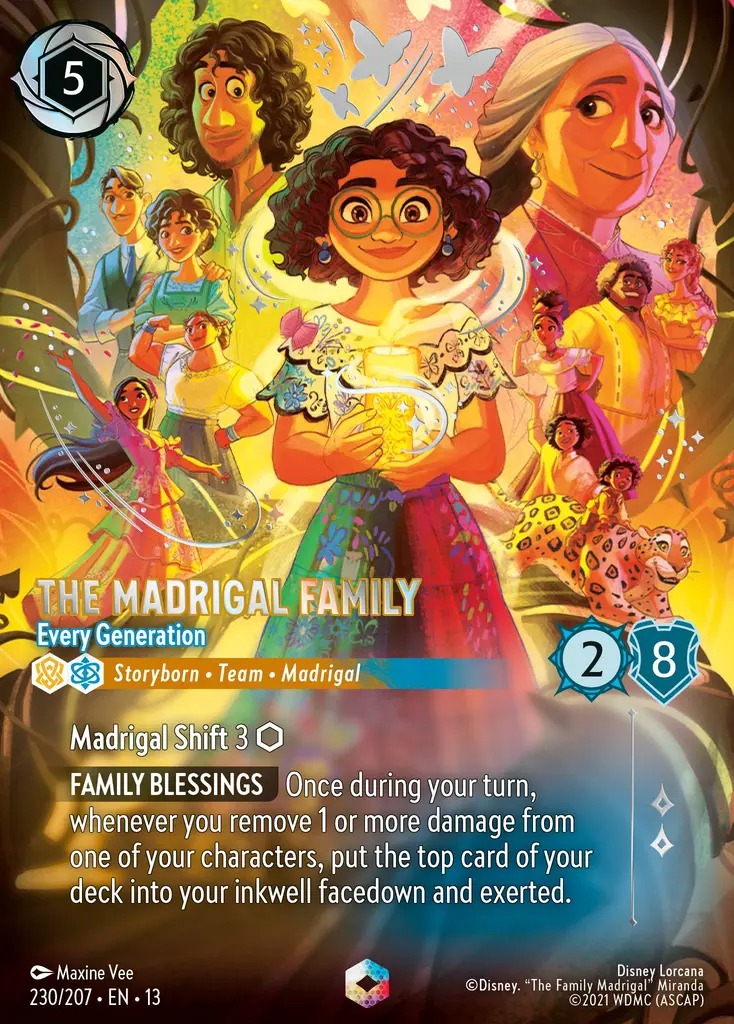
With a cheaper Madrigal already in play, this becomes a strong shift payoff with impressive stats. The damage-removal effect can even turn into ramp, giving the card both board and resource value.
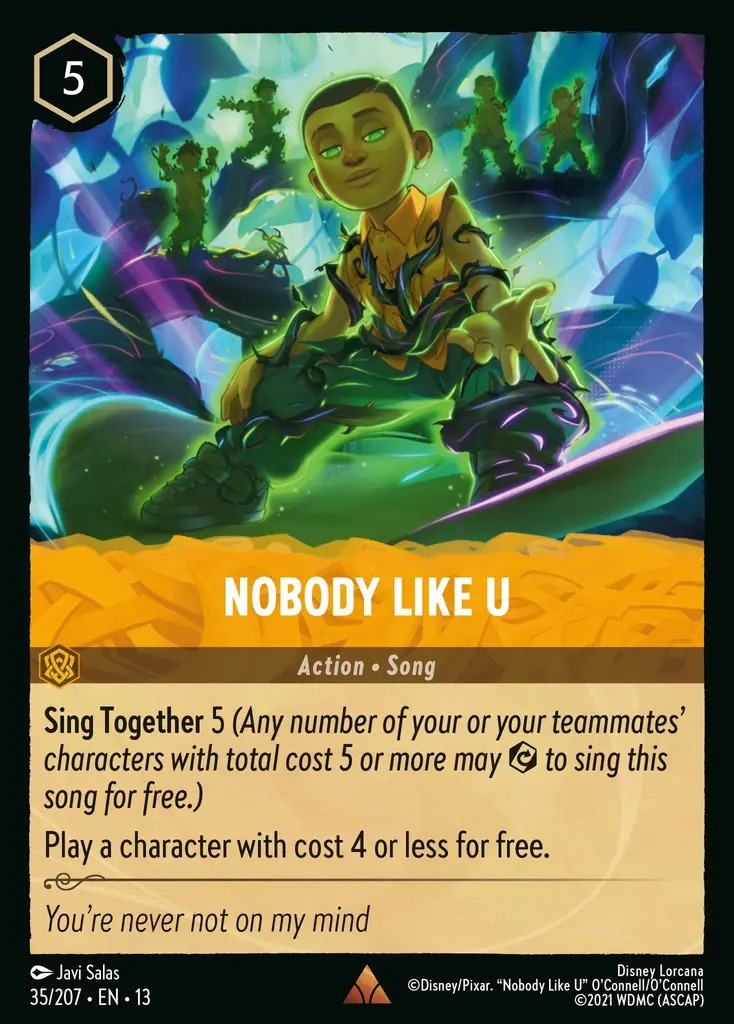
This song can cheat a four-cost character into play early, creating a sizeable tempo swing when your hand contains the right targets. It is strongest when you can follow with a second four-drop and overwhelm the board.
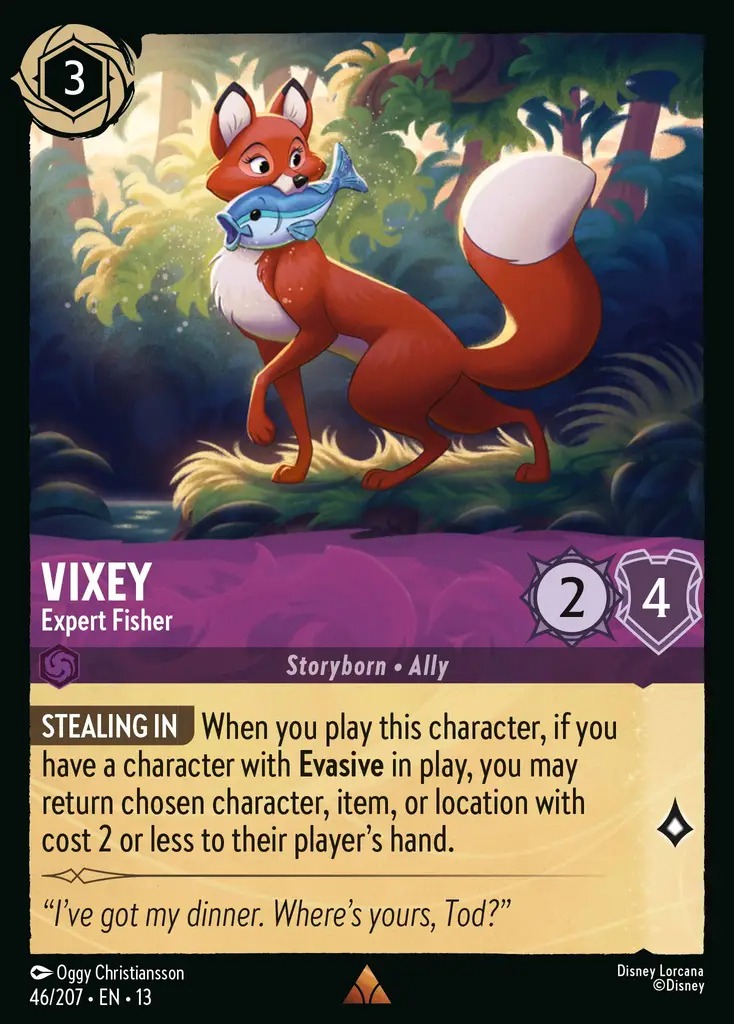
Vixey offers conditional bounce as long as you have another Evasive character. Her baseline body is respectable, so the synergy does not need to trigger every game for her to remain playable.
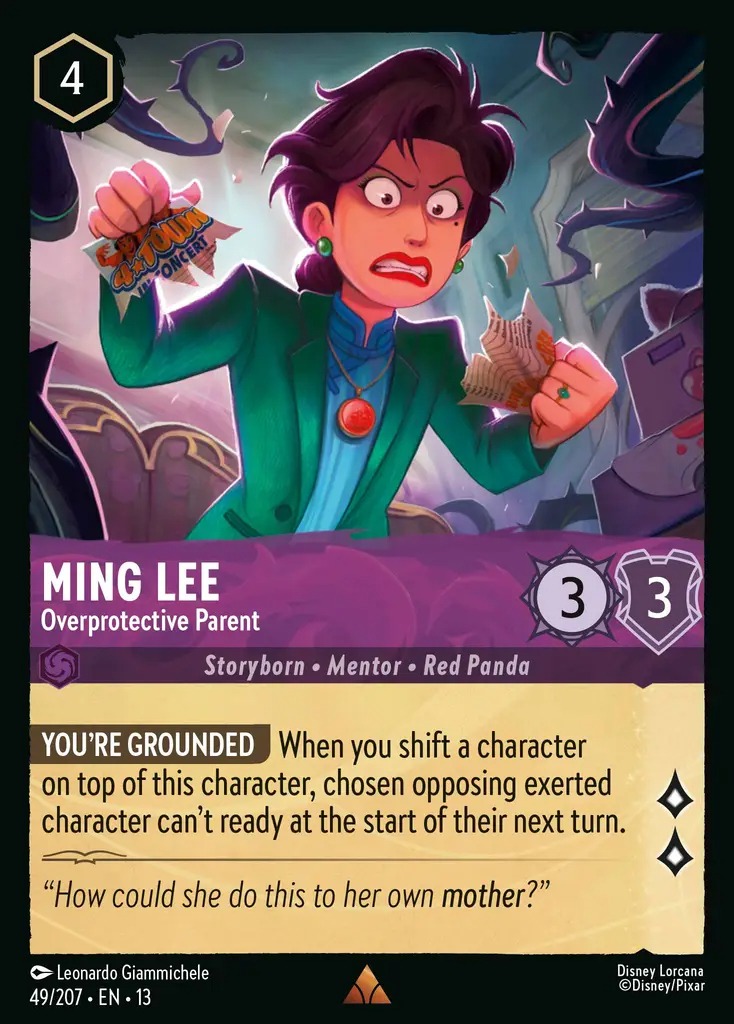
Ming Lee can serve as a shift base, but a 3/3 uninkable character for four ink is a poor floor. I would include her only when the Red Panda line is one of the better things my pool can do.
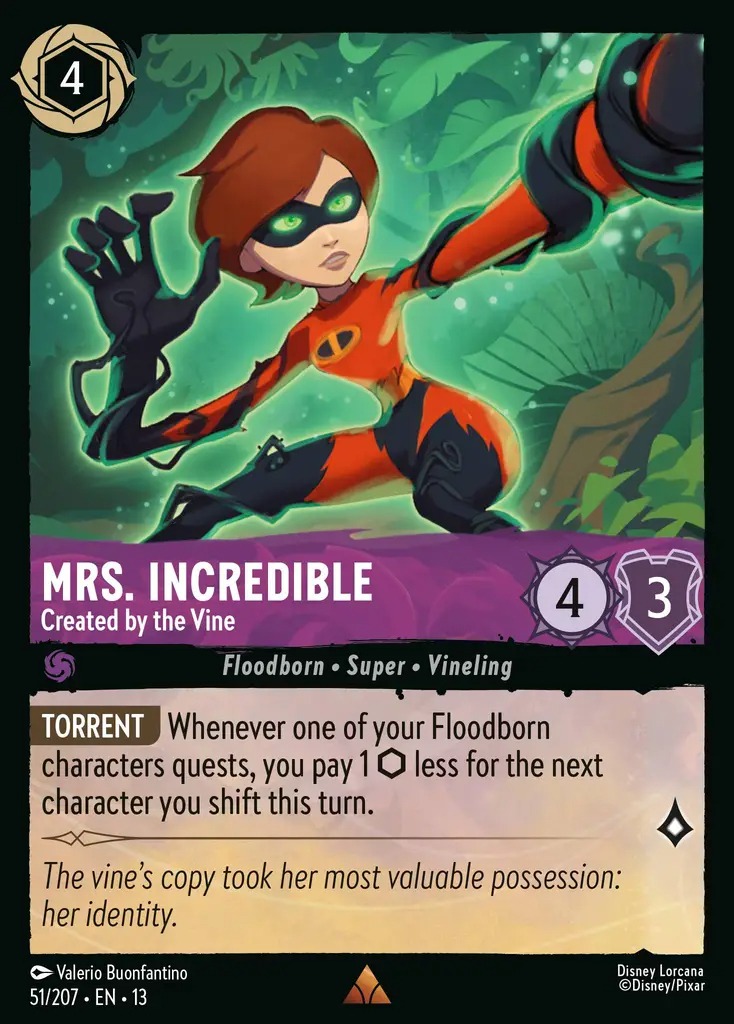
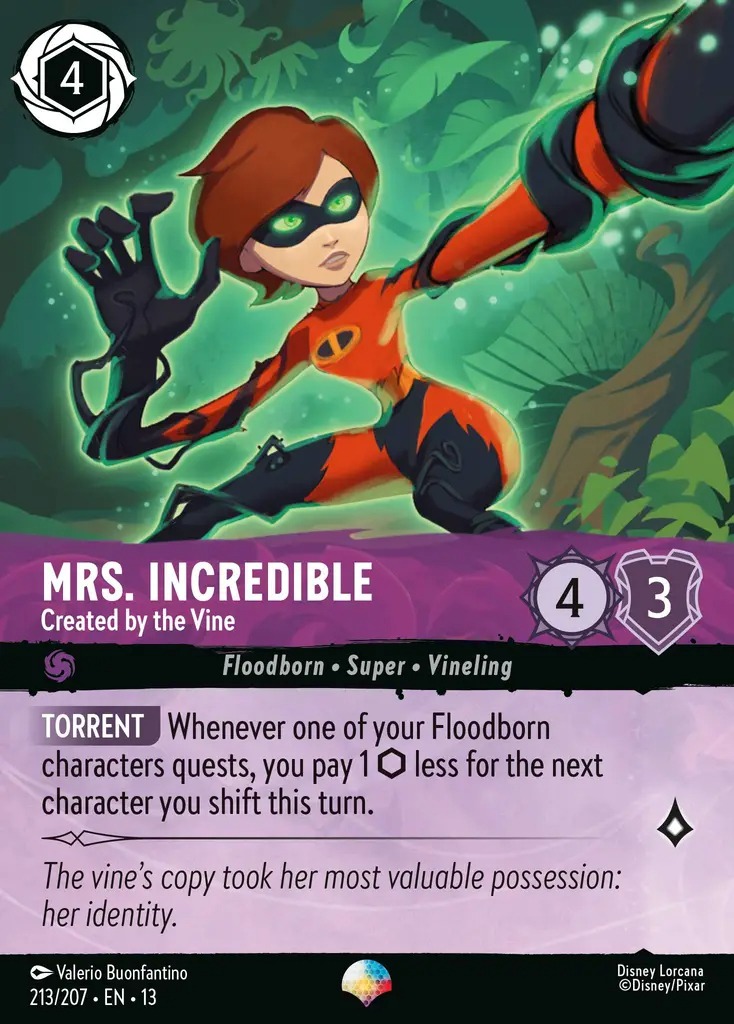
Mrs. Incredible helps with shifting, yet sealed games often leave you with more ink than cards anyway. Her four-cost body is merely average, so the acceleration does not feel essential.
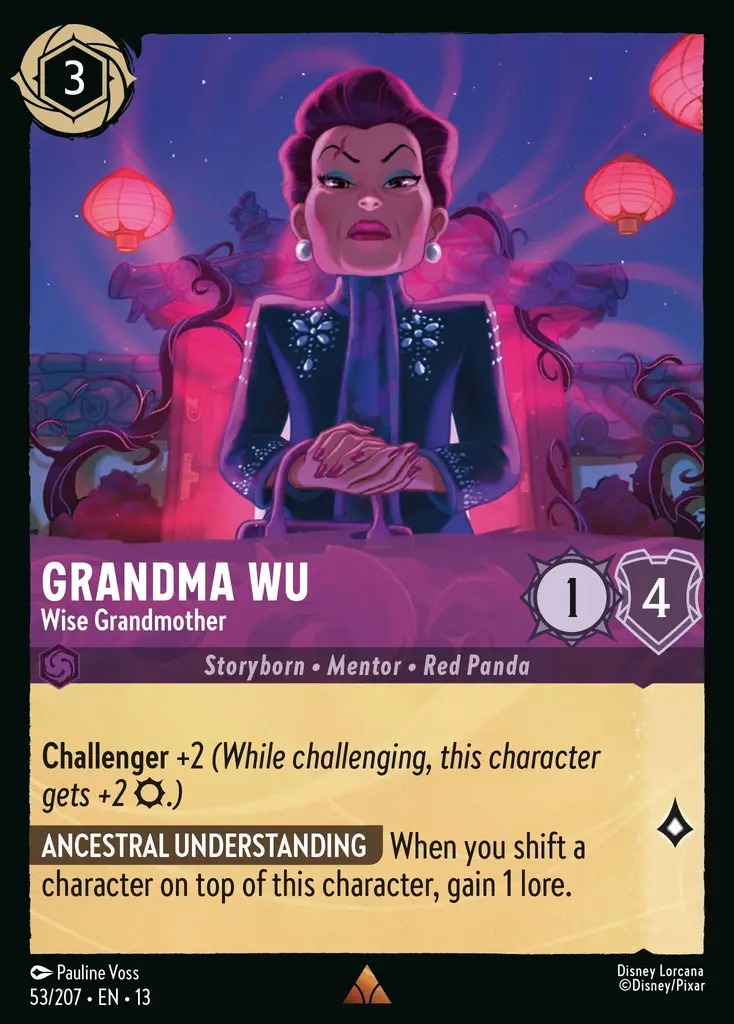
Grandma challenges reasonably well and can gain a lore when shifted upon, but the reward is small compared with simply playing a stronger three-cost character. She needs a clear shift plan to stand out.
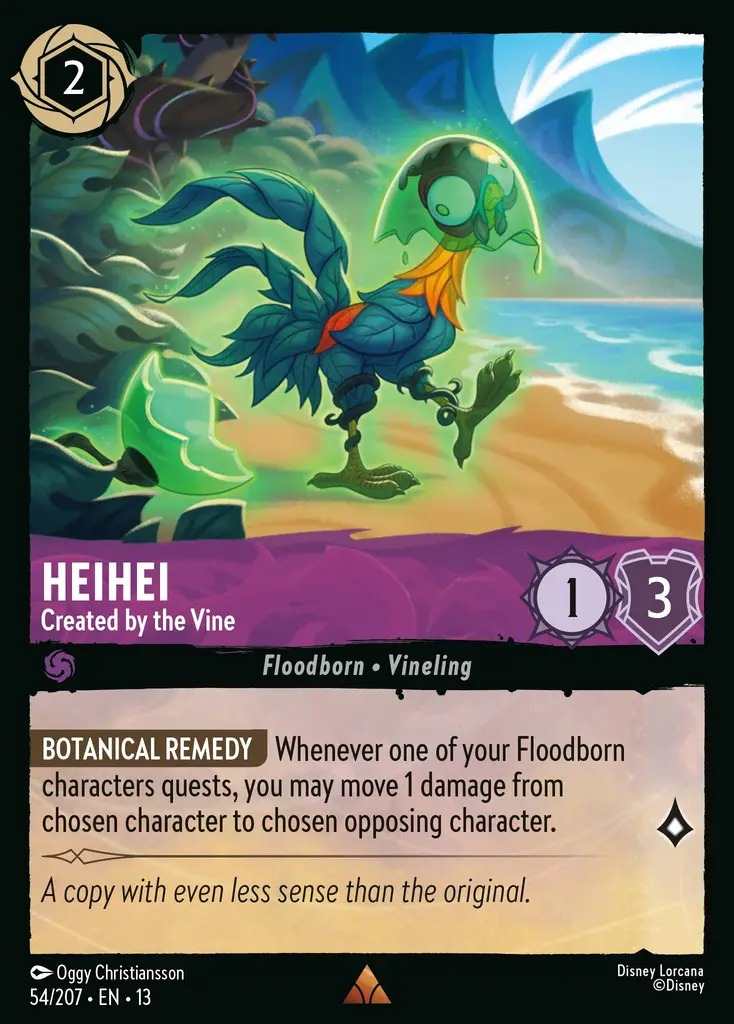
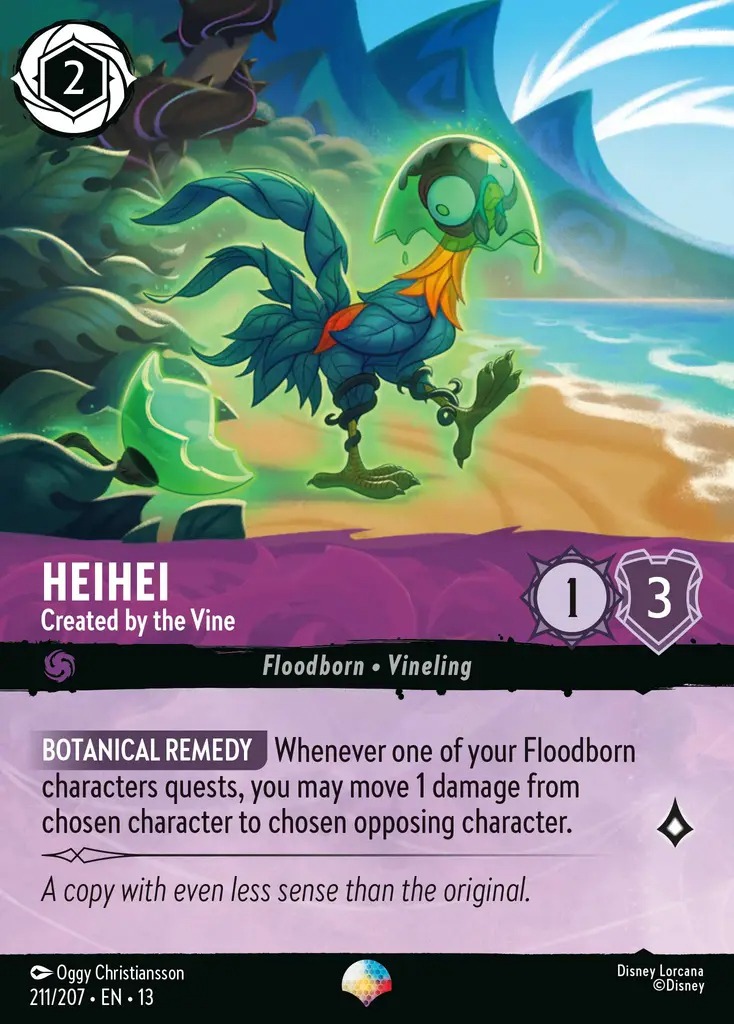
Heihei can move damage around whenever your Floodborn characters quest, allowing you to finish weakened enemies or repair your own challenge math. The effect is useful, though it depends heavily on having enough Floodborns.
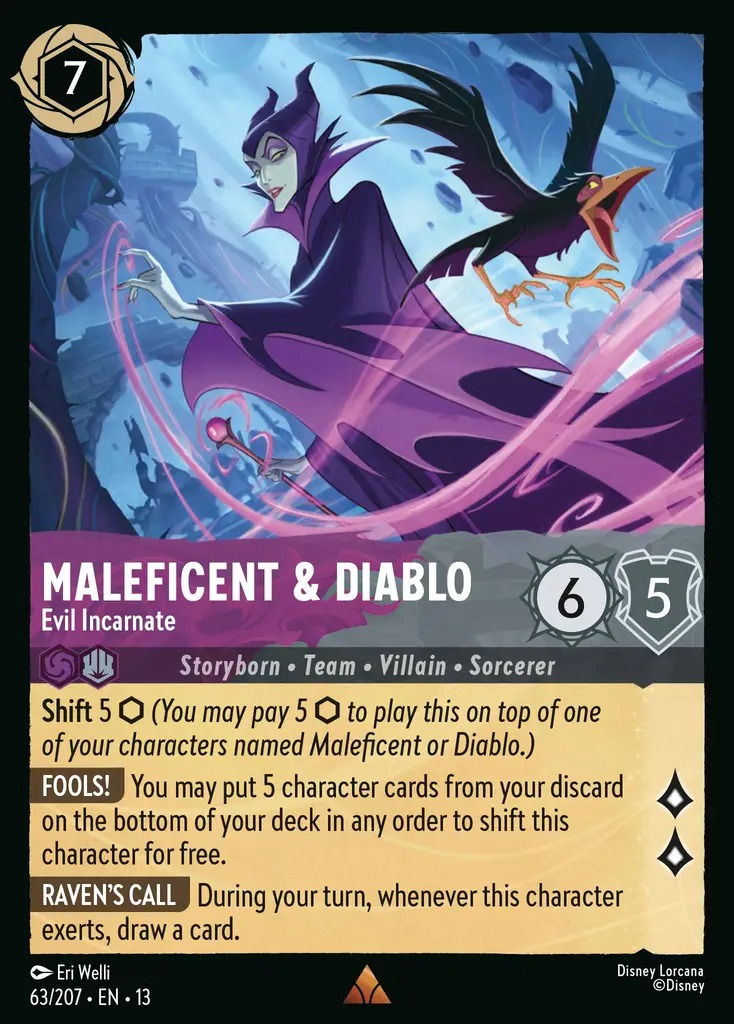
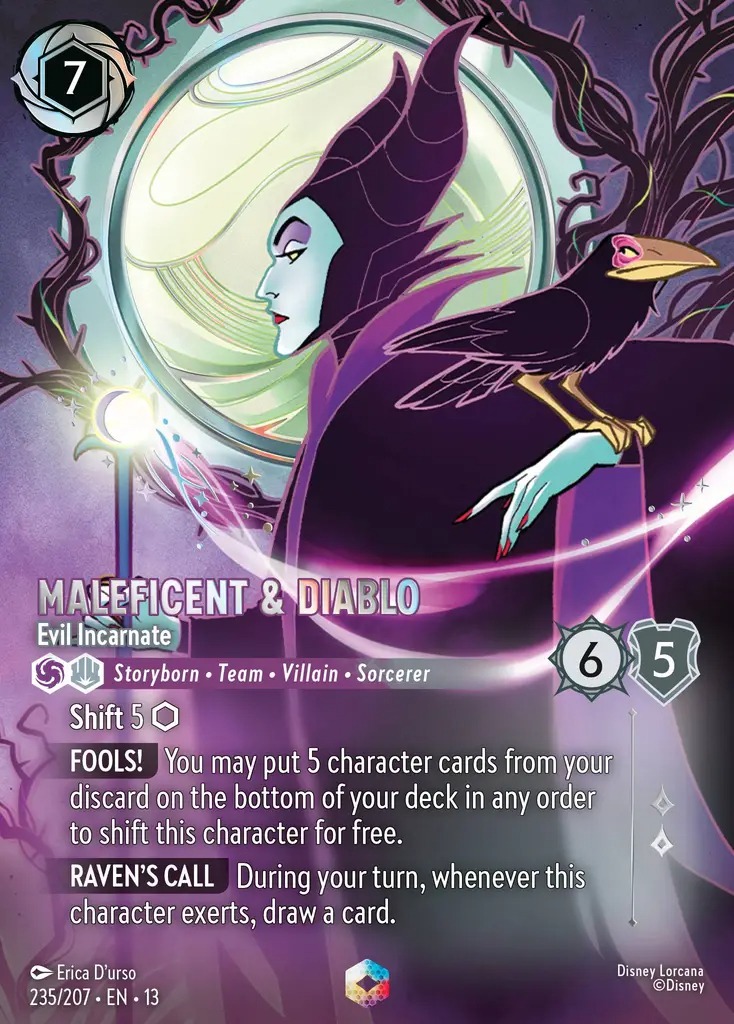
This duo has a spectacular free-shift condition: a small Diablo or Maleficent plus five cards in the discard can put them into play without paying ink. The setup is real, but the reward—lore pressure, combat and card draw, is worth attempting when the pieces are present.
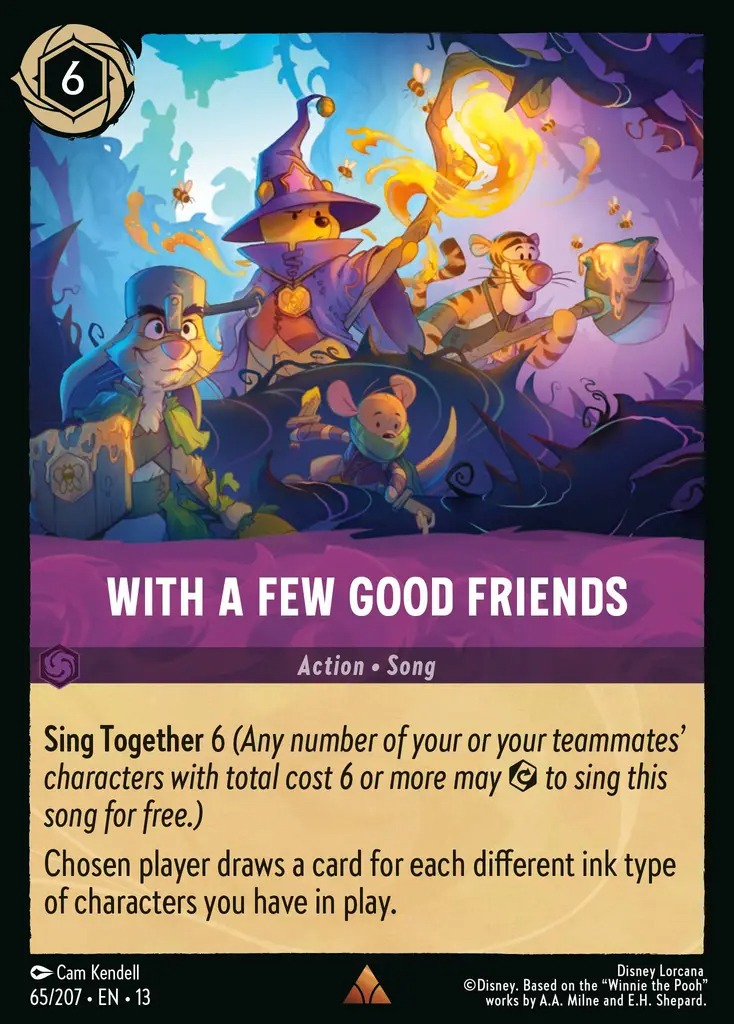
Card draw is precious in sealed, and reaching six ink colours is not difficult when every colour is legal. With Sing Together, this can realistically draw six cards without consuming your entire turn.
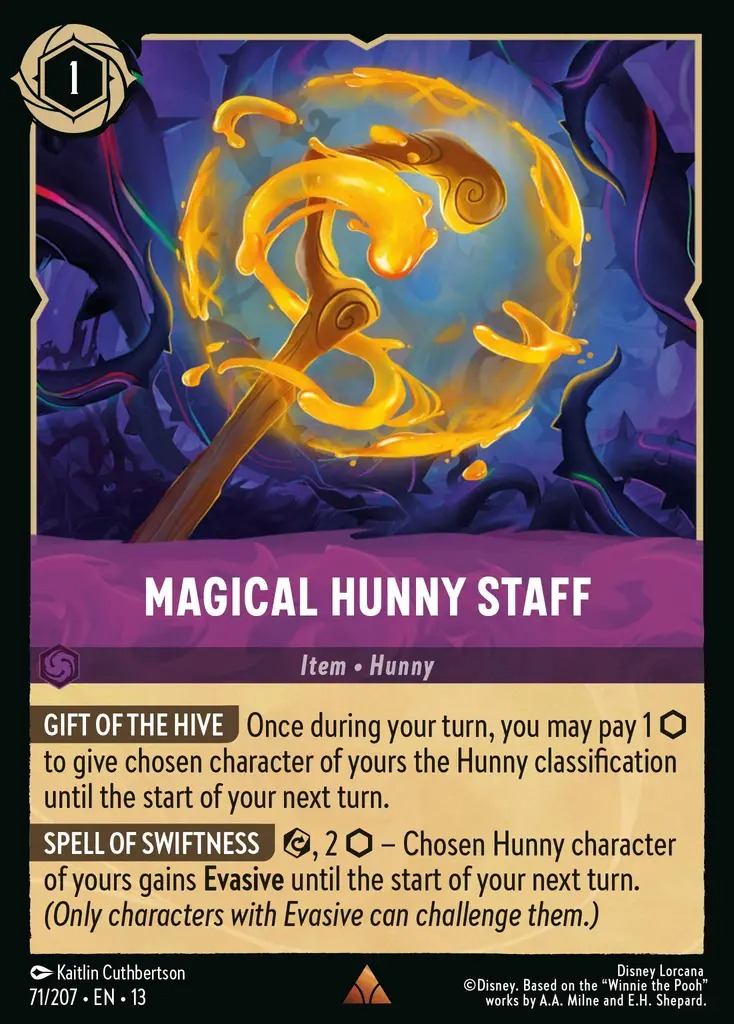
For one ink, this item can grant the Hunny keyword and enable several synergies; later, it can also make a character Evasive. That second mode keeps it useful even when the full Hunny package does not appear.
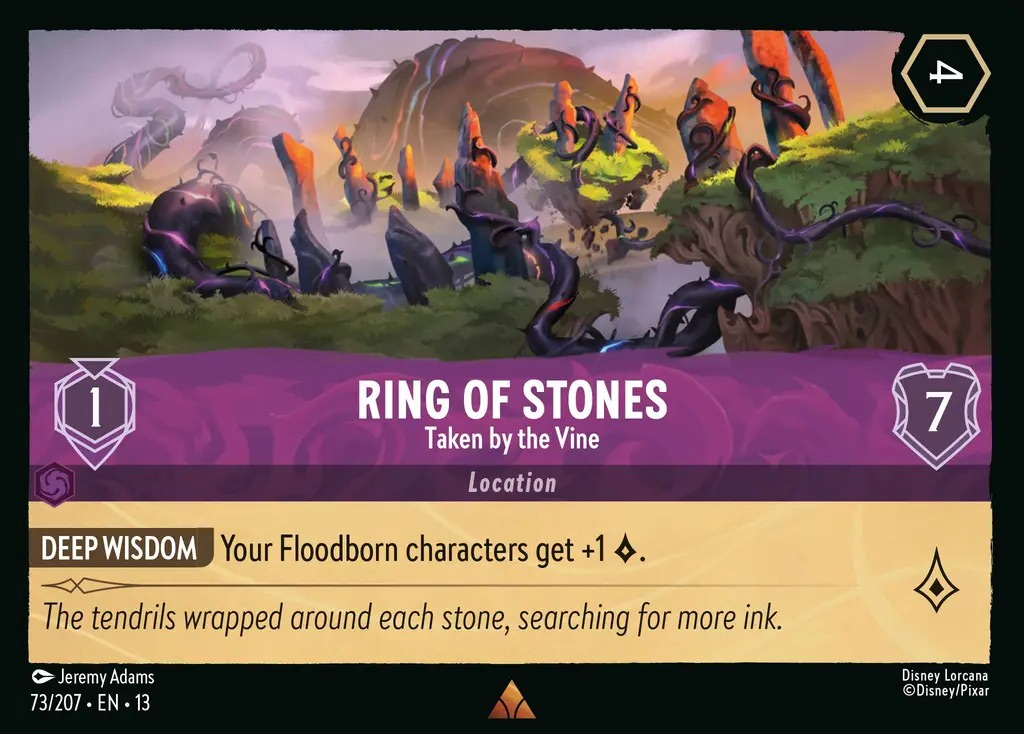
Spending four ink to give Floodborn characters one extra lore can pay off, but the effect is slow and inconsistent when you are trying to close a game. I do not hate it; I simply would not rely on it.
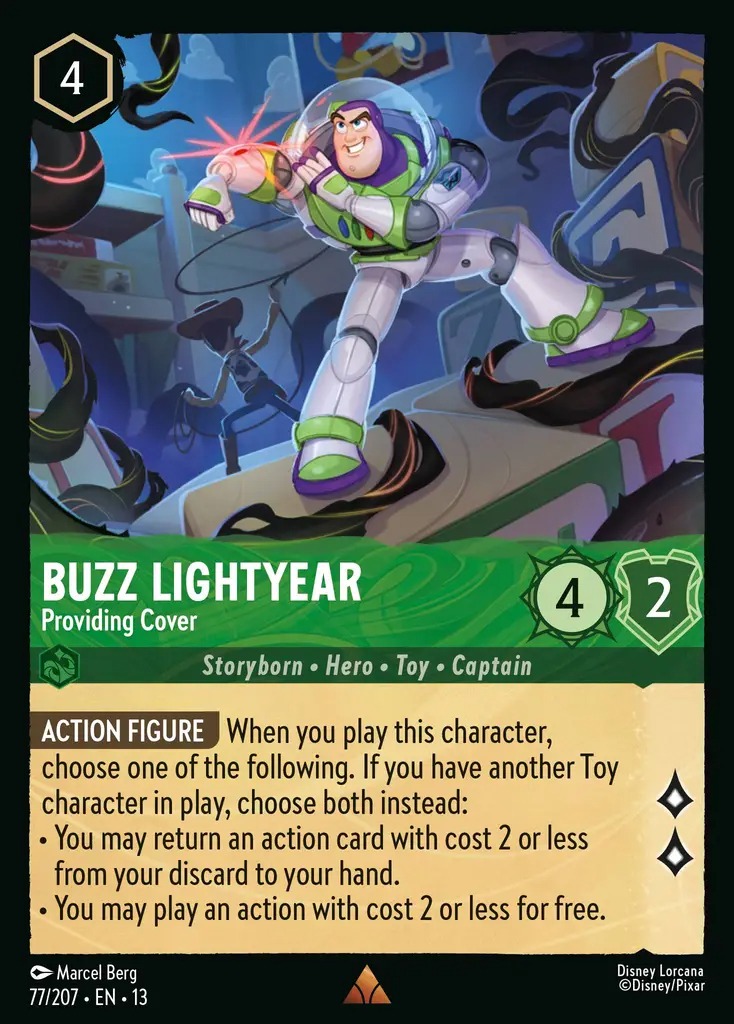
Buzz allows you to retrieve back an action of 2-cost or less or play one for free, both are fine. Stats wise he is fine too, so not too bad overall as a 4-cost.
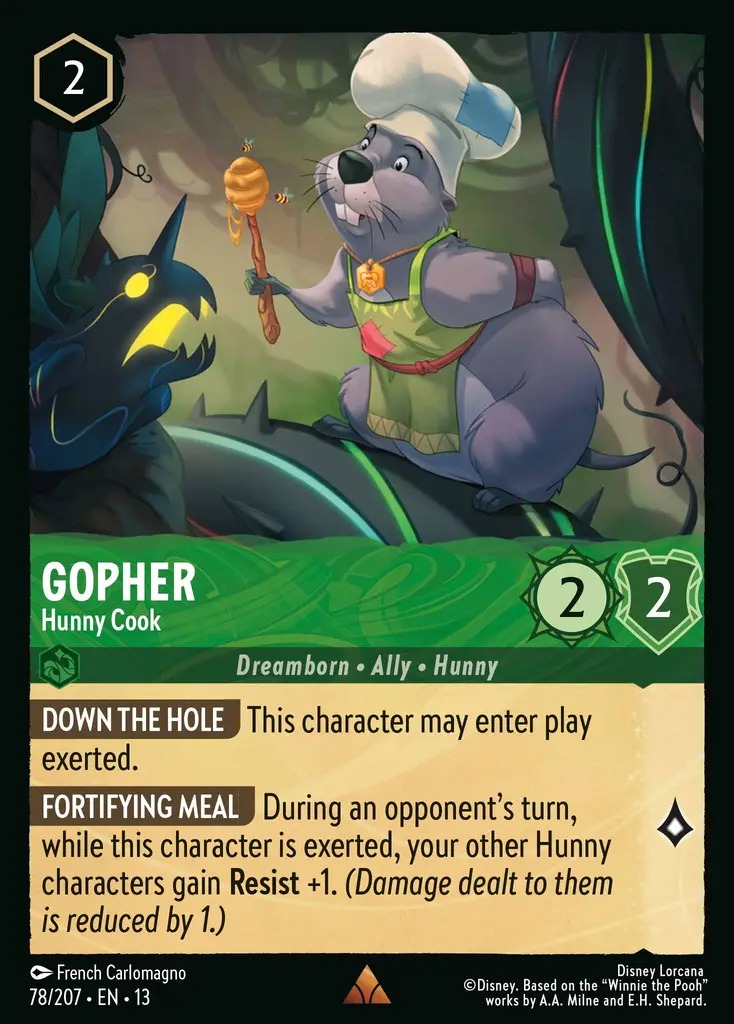
Gopher only shines when protecting a board full of Hunnies, and being uninkable makes the narrow floor even worse. This is a synergy card for a very specific pool, not a general sealed inclusion.
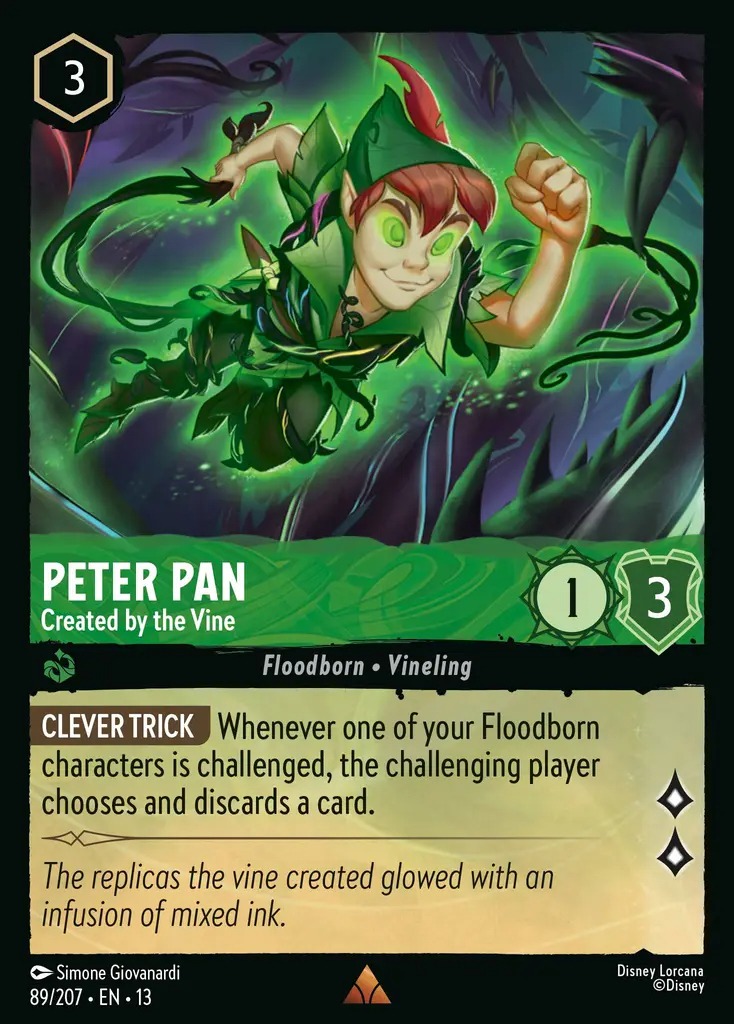
Peter Pan combos with Floodborns too, getting them out early can cost a lot of cards in your opponent’s hand.
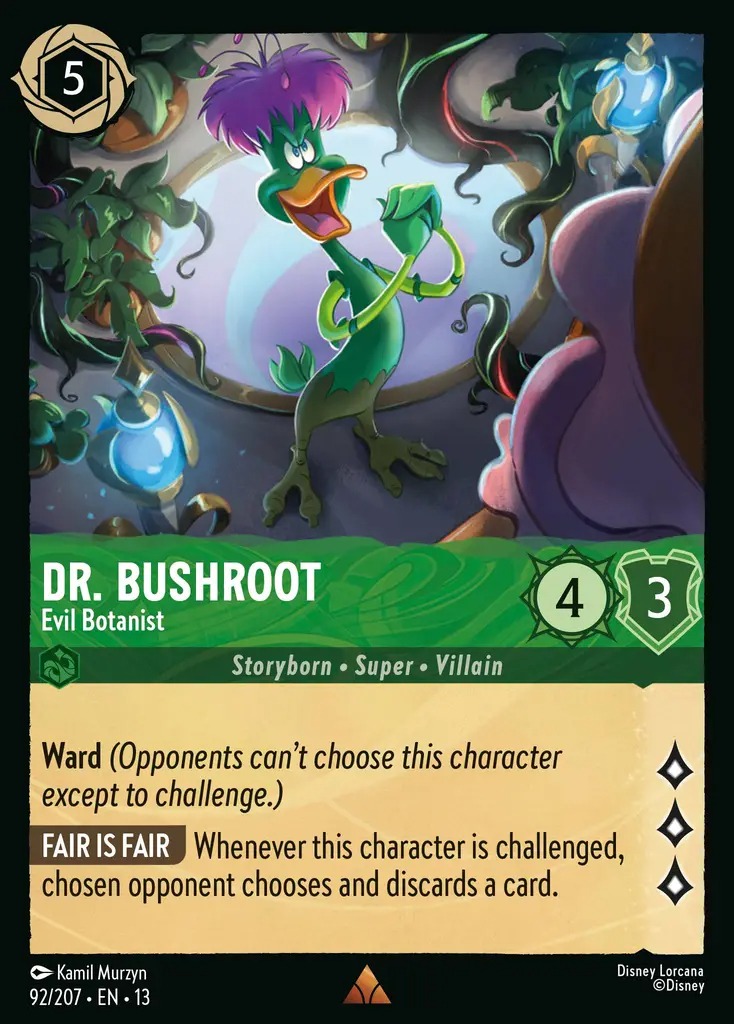
Dr. Bushroot is a serious lore threat: three lore, Ward and a discard tax whenever the opponent challenges him. Five ink is not cheap, but he is inkable and forces an unpleasant answer.
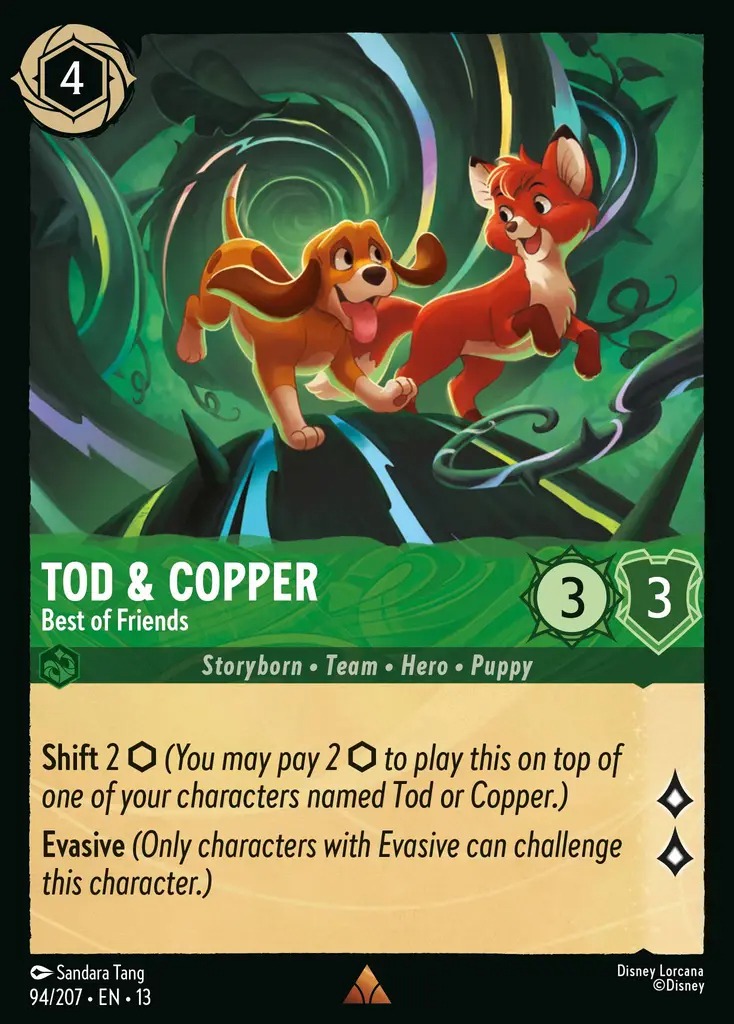
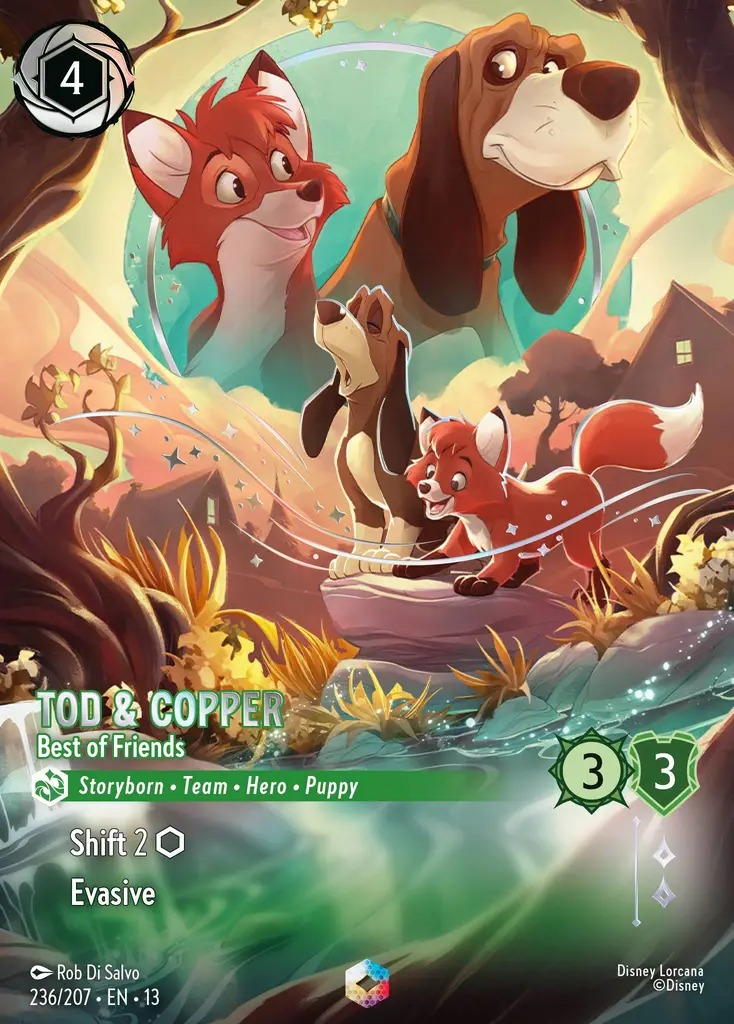
Tod and Copper may not have an easy shift base, but a four-cost Evasive character that quests for two is already a fair deal. Treat the shift as bonus upside rather than the reason to play them.
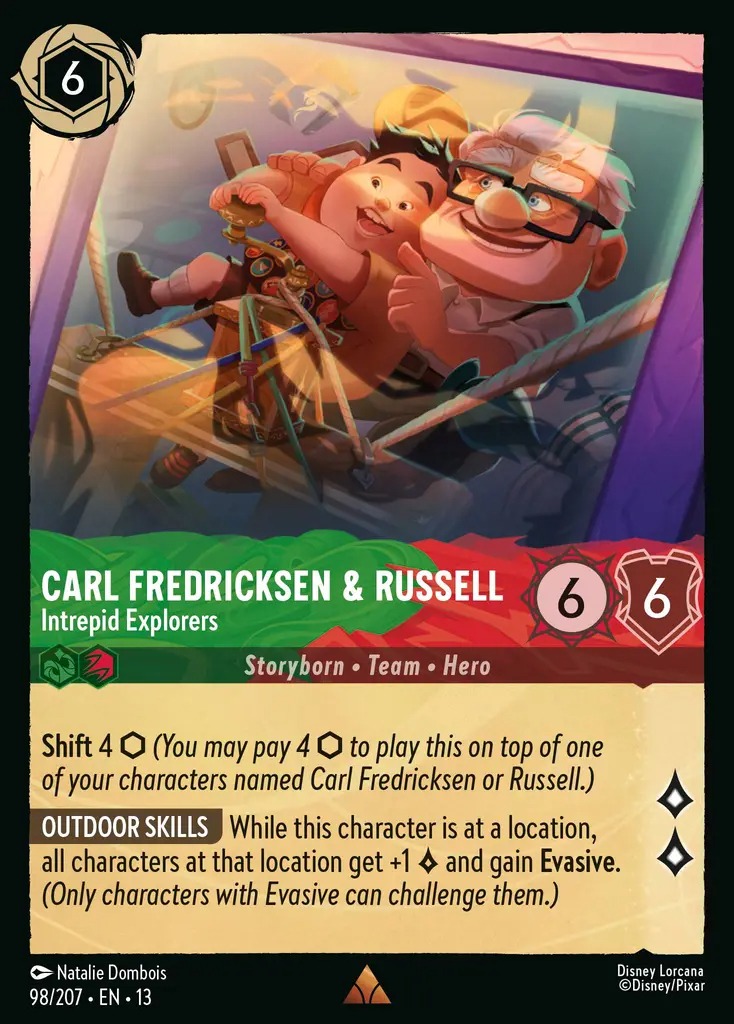
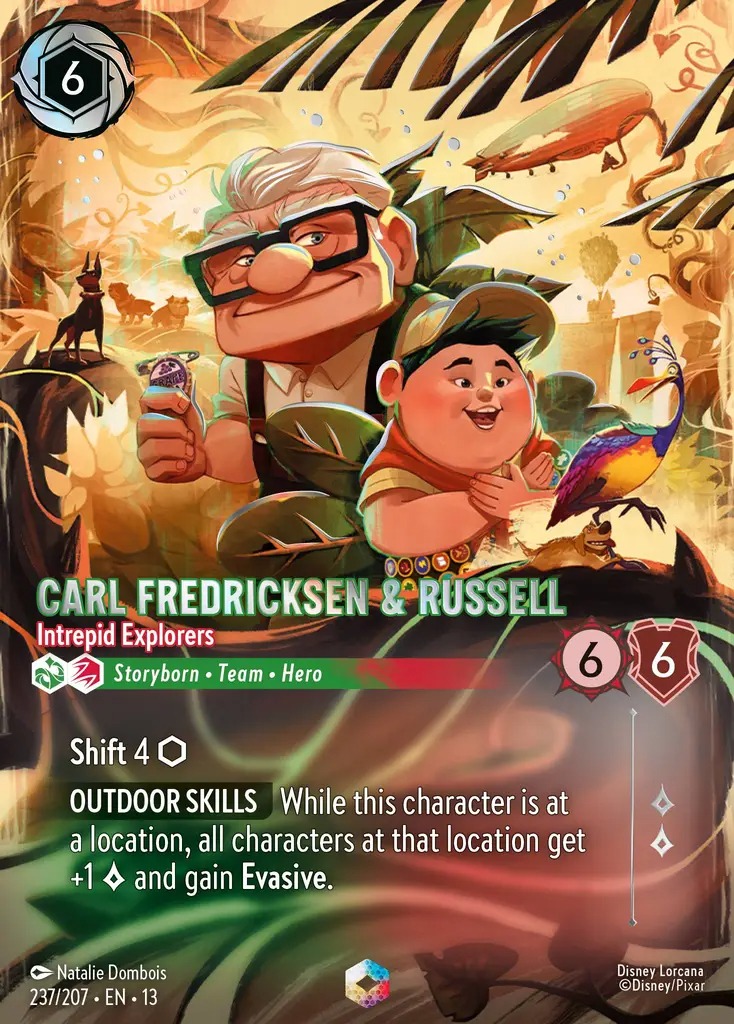
Carl and Russell ask for location support, and without a worthwhile location package they are merely average. Play them when the synergy is naturally present; do not distort the deck to chase it.
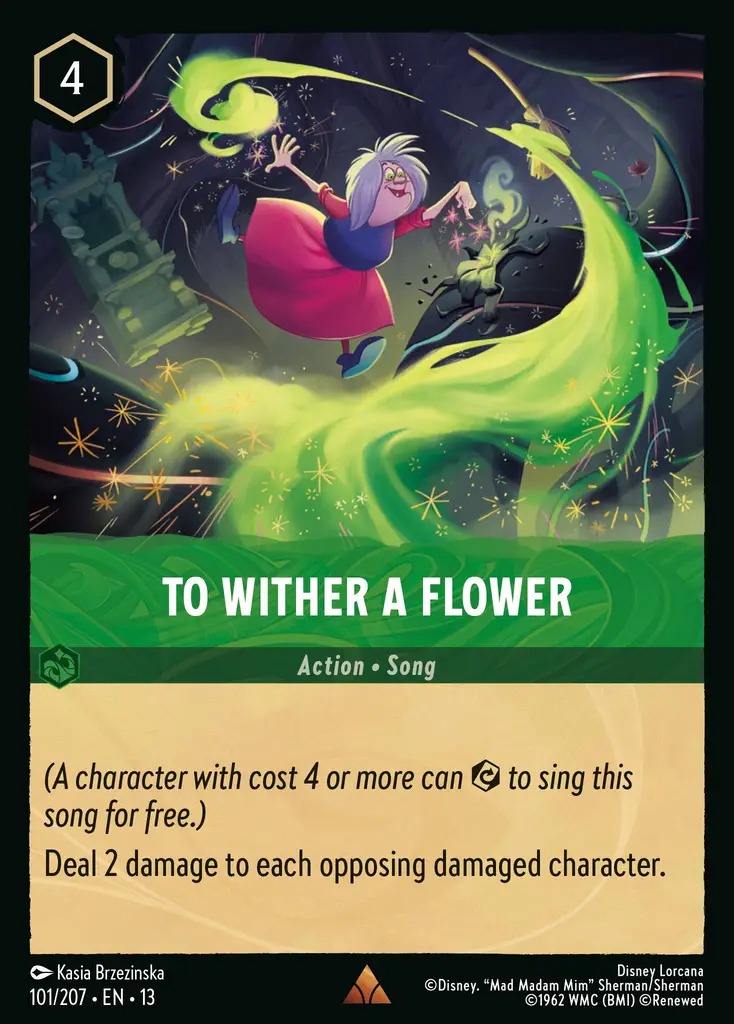
This song deals area damage and can outright banish any character that was already damaged. That combination can turn a modest board into a complete blowout, especially because you can sing it.
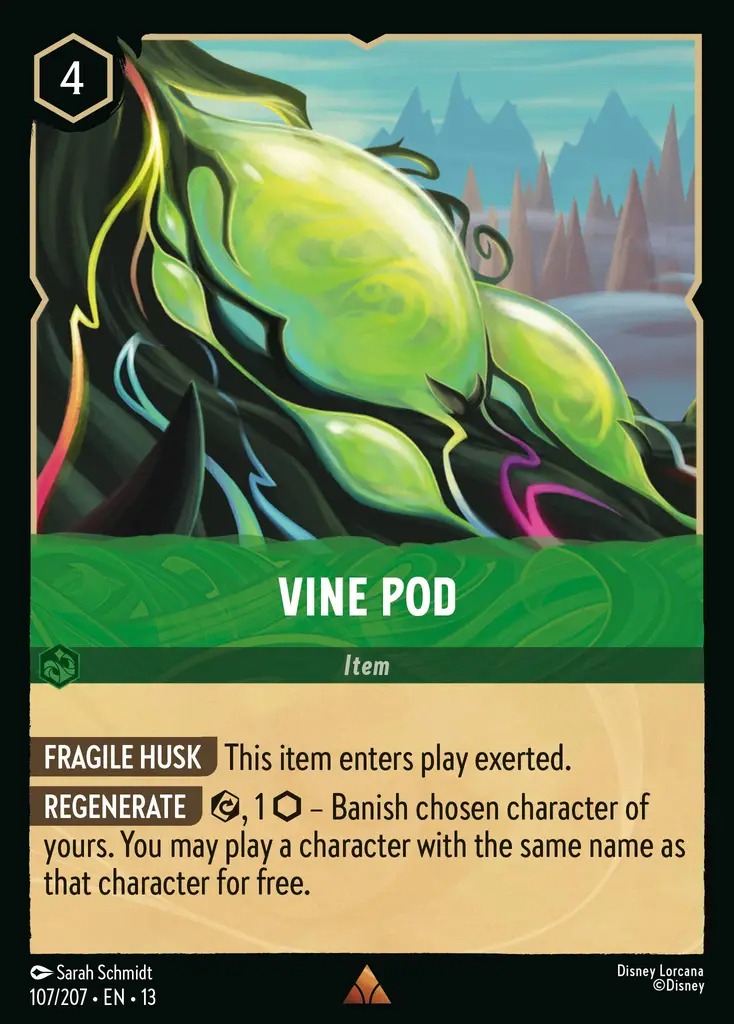
Vine Pod is designed for repeated names, something sealed pools rarely provide in meaningful numbers. It may be excellent in constructed, but here the condition is too difficult to engineer.
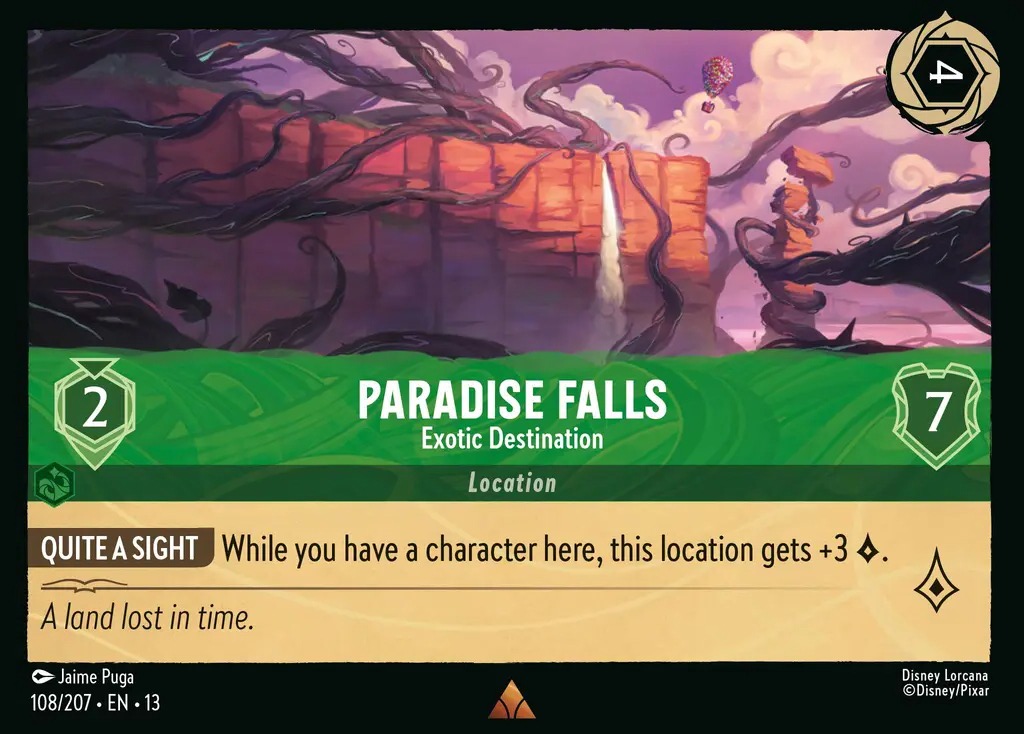
This location can reach four lore with a character inside, making it a stubborn source of passive lore. It is a useful midgame tempo play when your opponent cannot afford to spend several challenges tearing it down.
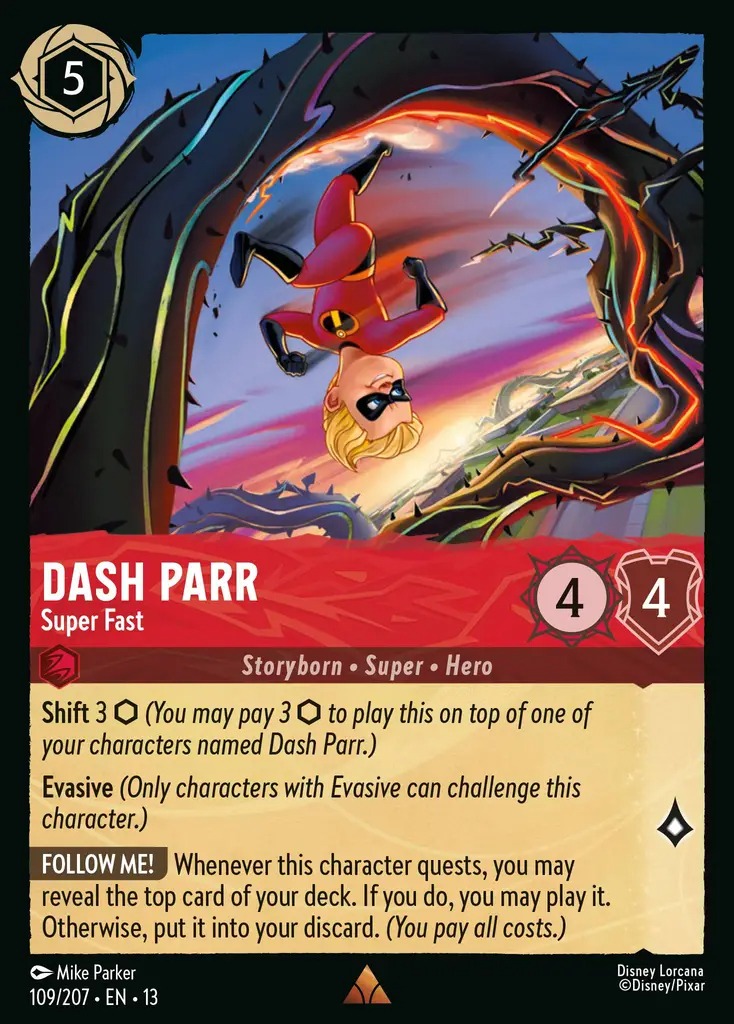
Dash can act as a risky draw engine by questing and letting you play the next card of your deck. The effect has variance, but Evasive makes him hard to answer and gives you time to try again.
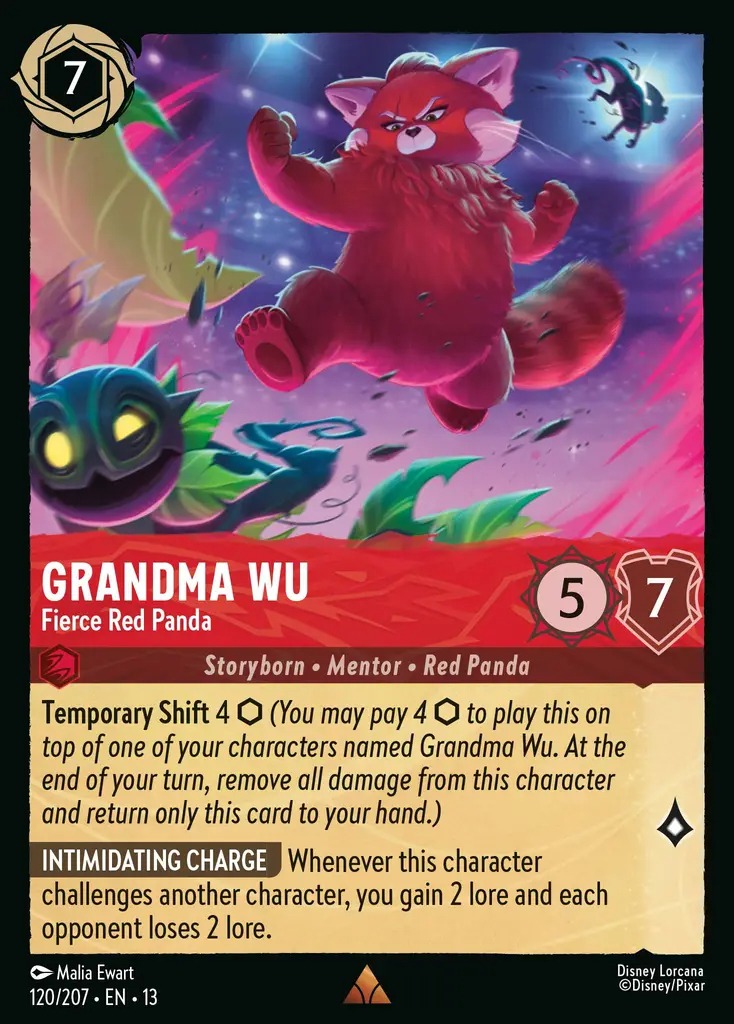
Grandma becomes much more threatening when shifted, repeatedly challenging while generating lore and discouraging the opponent from questing freely. Seven ink is expensive, but hard-casting her remains a reasonable backup plan.
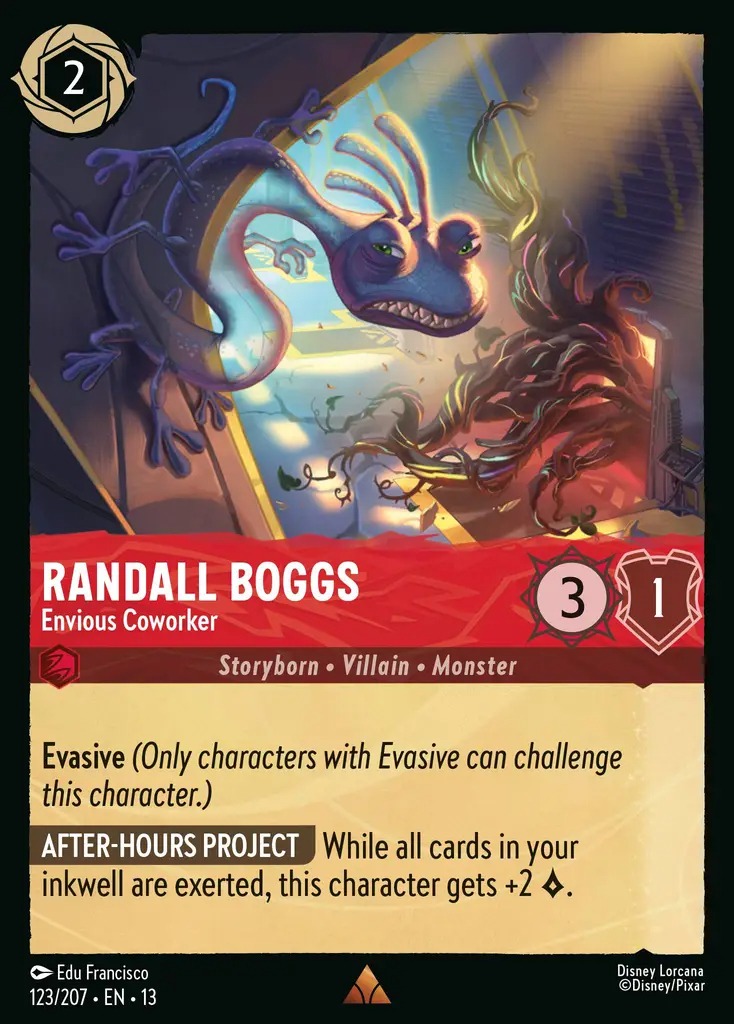
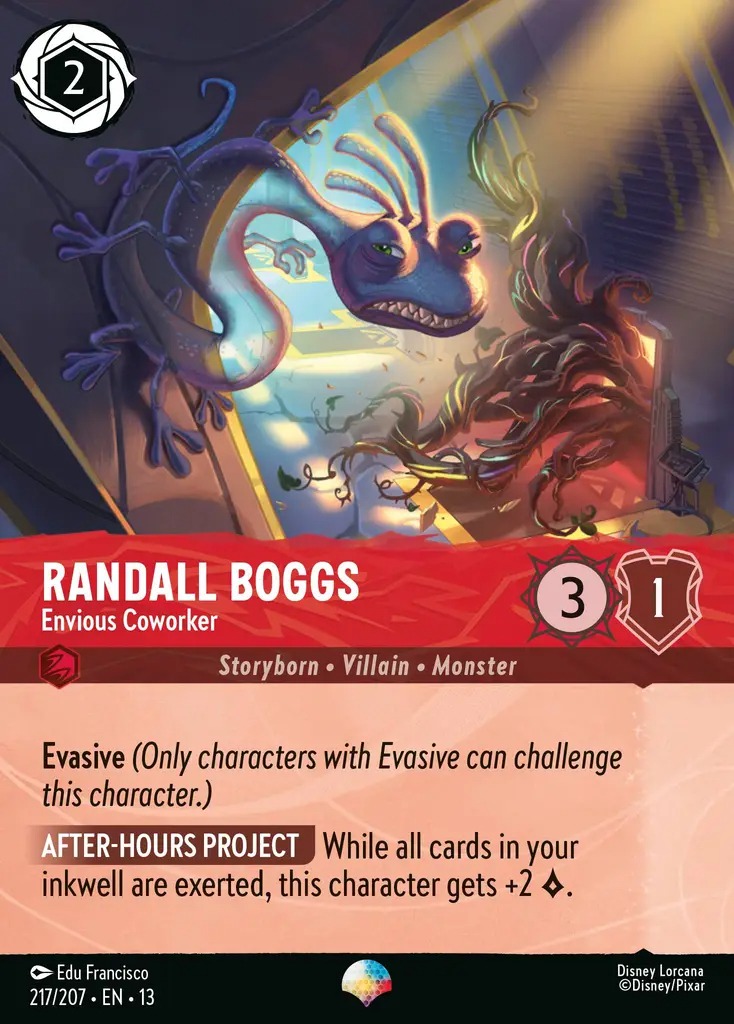
Randall can become a three-lore Evasive threat for only two ink once you exert your inkwell. That is an enormous amount of pressure from a cheap character, and many opponents will struggle to answer him quickly.
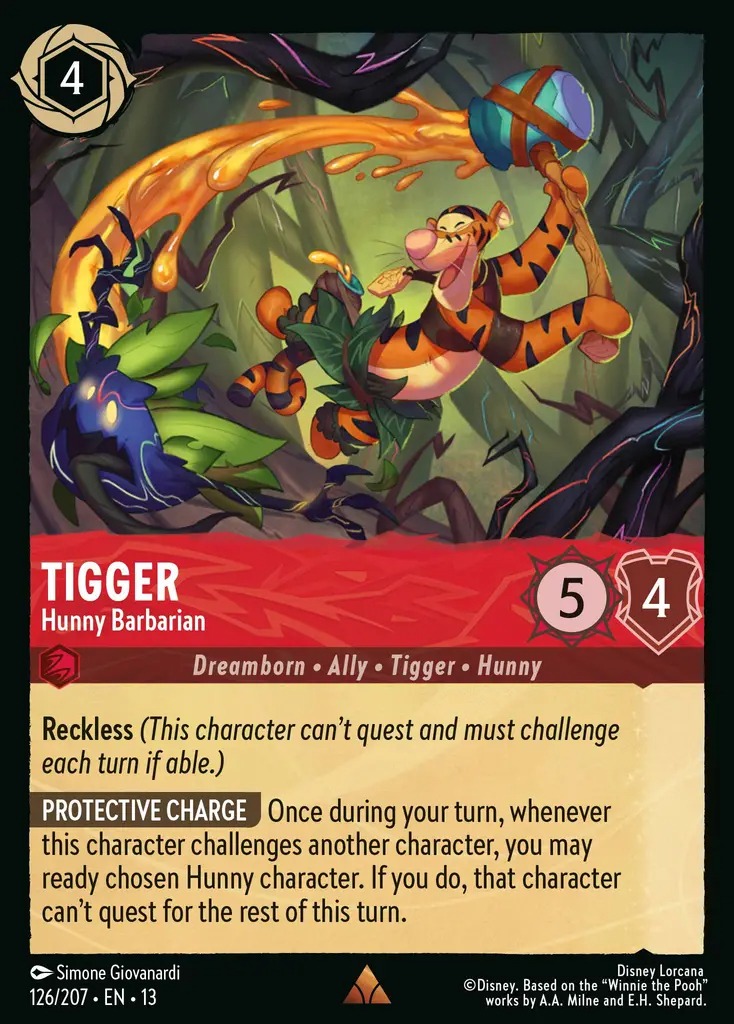
Tigger can challenge, ready and challenge again, giving you a powerful tool against wide aggressive boards. He may not always find two clean targets, but the ceiling is excellent.
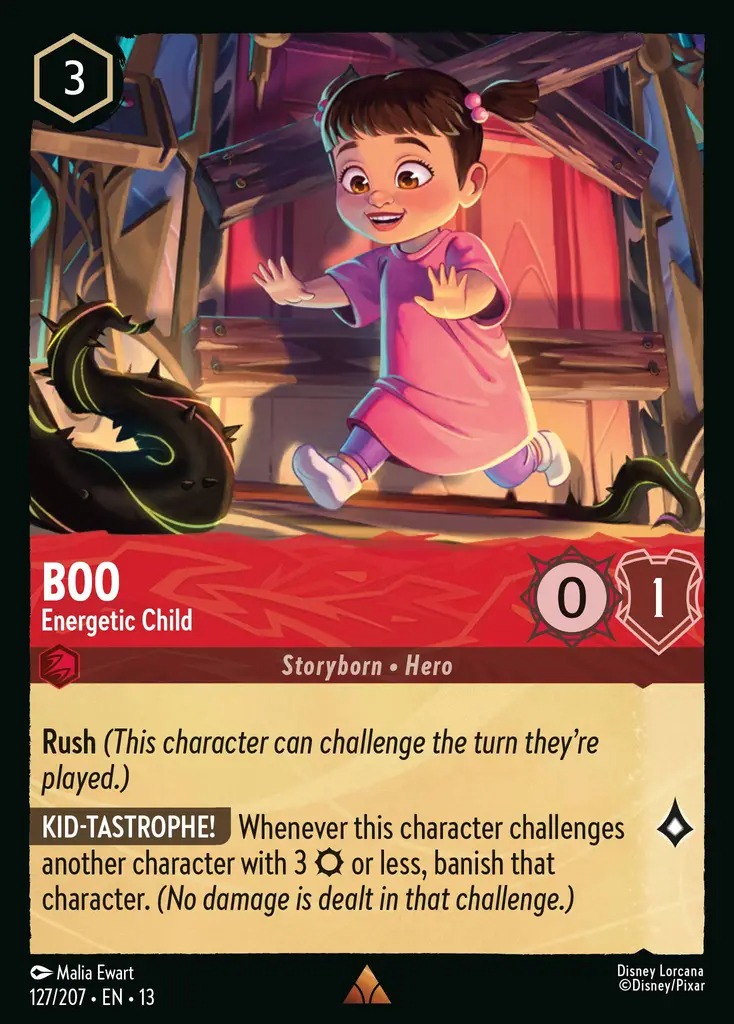
Boo is premium removal disguised as a character. Rush lets her attack immediately, and she outright banishes targets with three Strength or less.
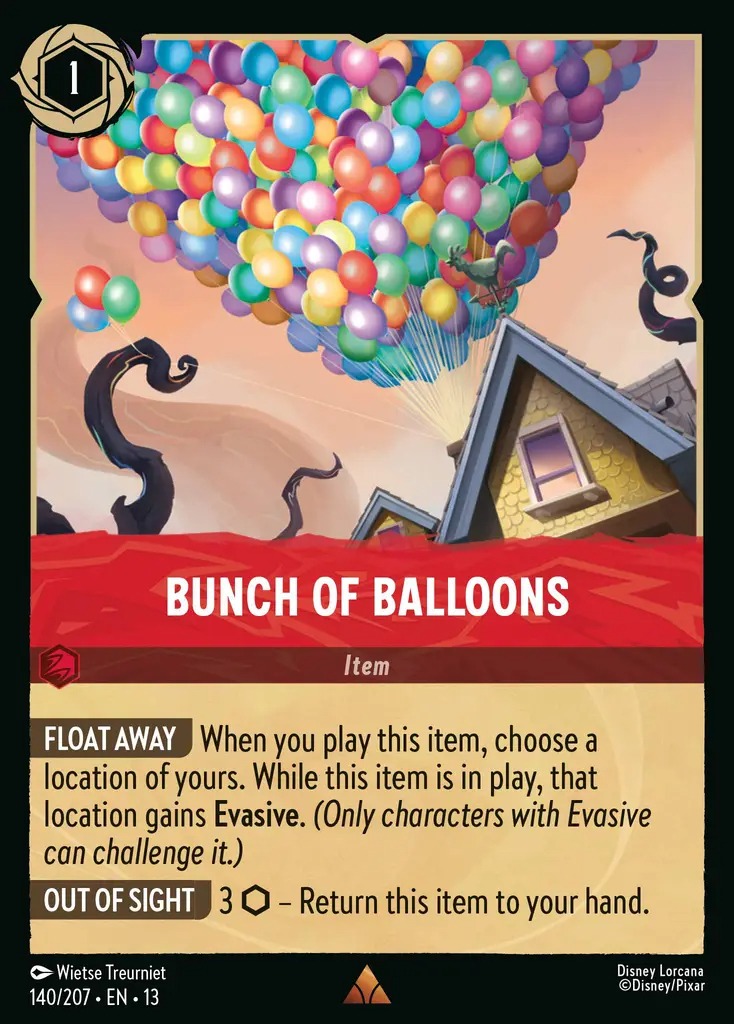
Giving a location Evasive is an extremely specific effect, even when your pool technically supports it. The payoff is too small to justify the setup in most sealed decks.
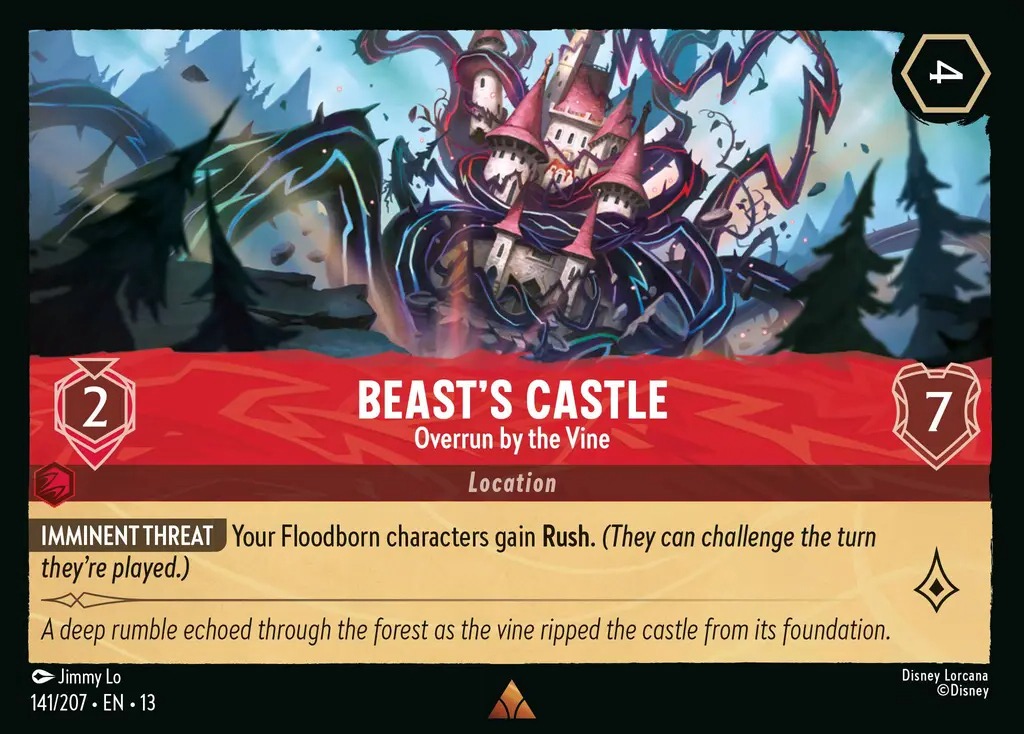
This location promises Rush for Floodborn characters, but it arrives on turn four and leaves you short on ink to use the bonus immediately. Its low Willpower also makes it easy for the opponent to remove.
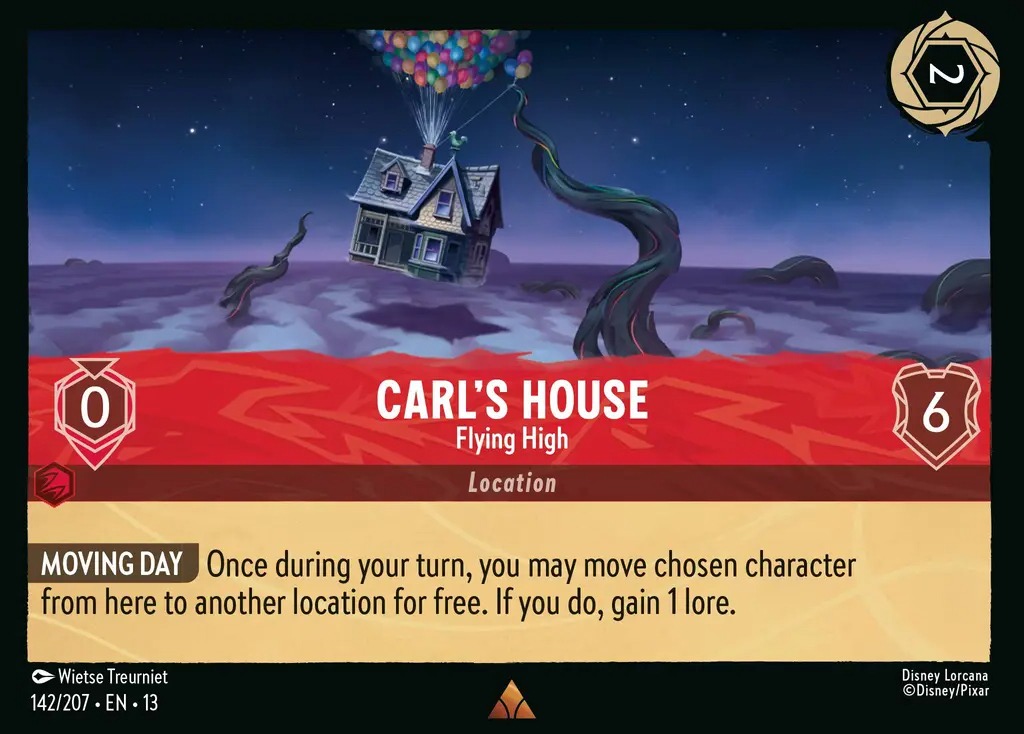
A two-cost location that produces one lore is already acceptable, and zero move cost lets you shift characters in and out without wasting resources. It is a clean, low-risk support card.
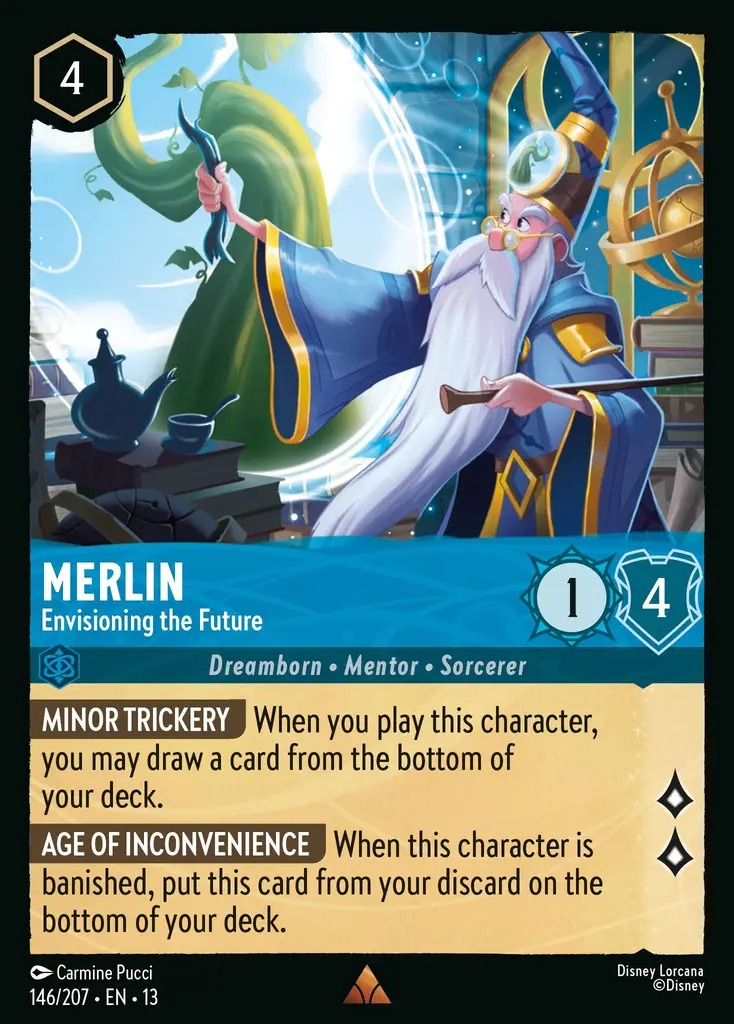
Merlin effectively replaces himself when played and quests for two, which is a respectable package. Being uninkable is the main concern, while returning to the bottom of the deck at least prevents you from decking out in a long game.
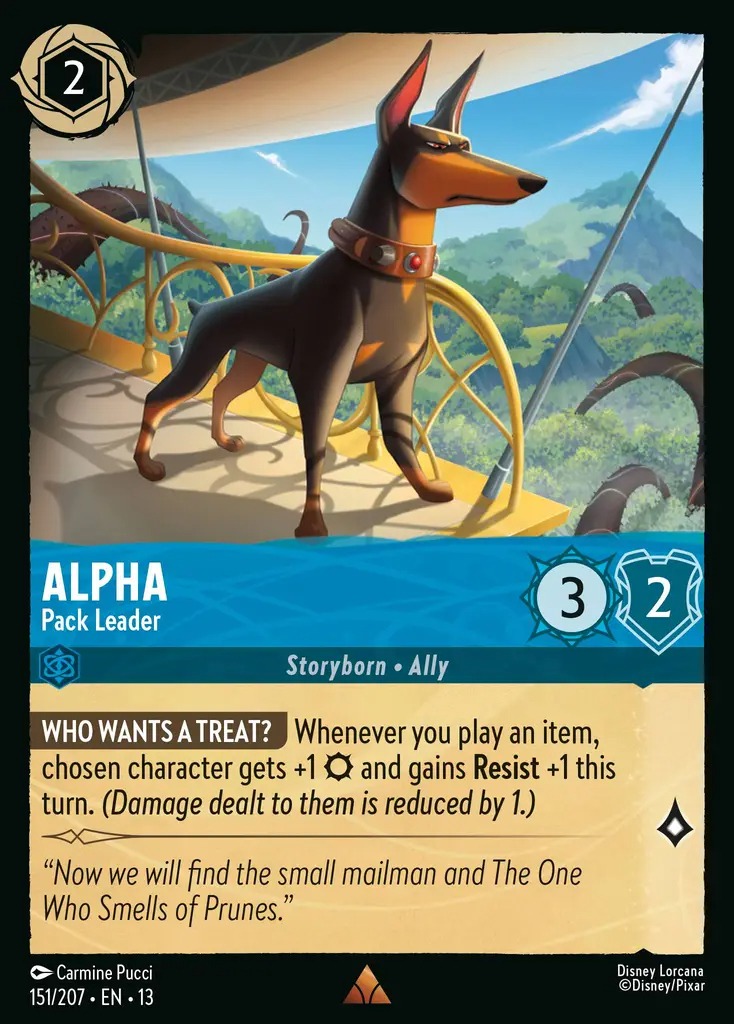
Alpha prefers an item in play, but a 3/2 body for two ink is good enough even when the condition misses. The synergy is welcome upside rather than a deck-building requirement.
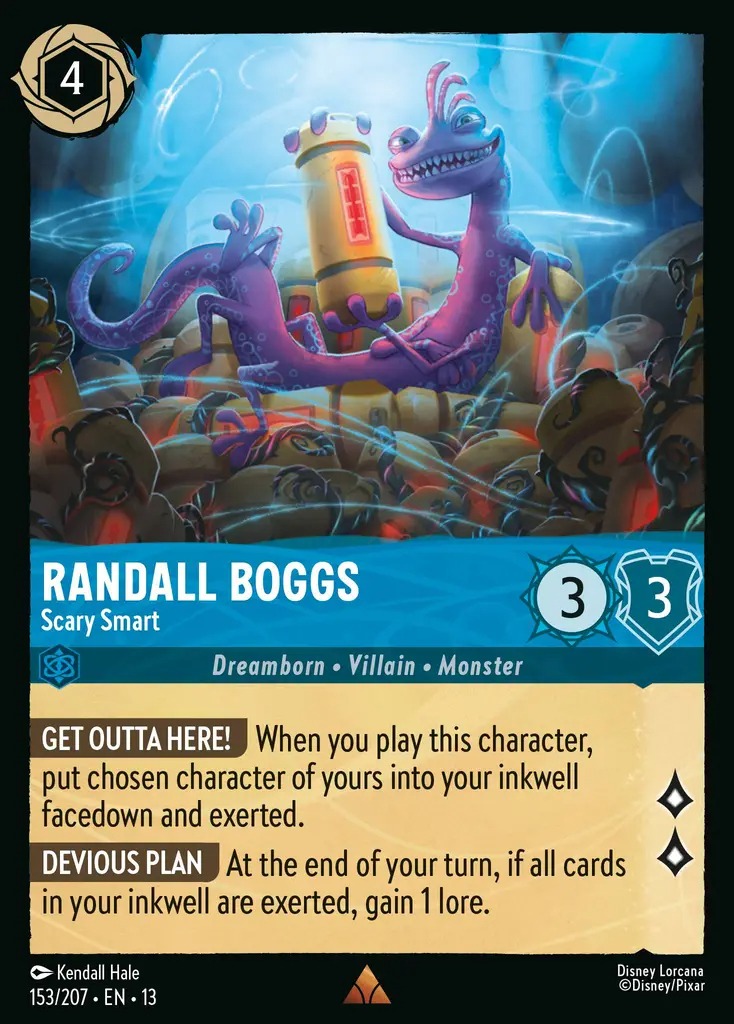
Randall can ramp you while still presenting a 3/3 body that quests for two. Because the effect is mandatory, plan your board carefully, either keep a cheap character ready to use or avoid setting yourself up for an awkward trigger.
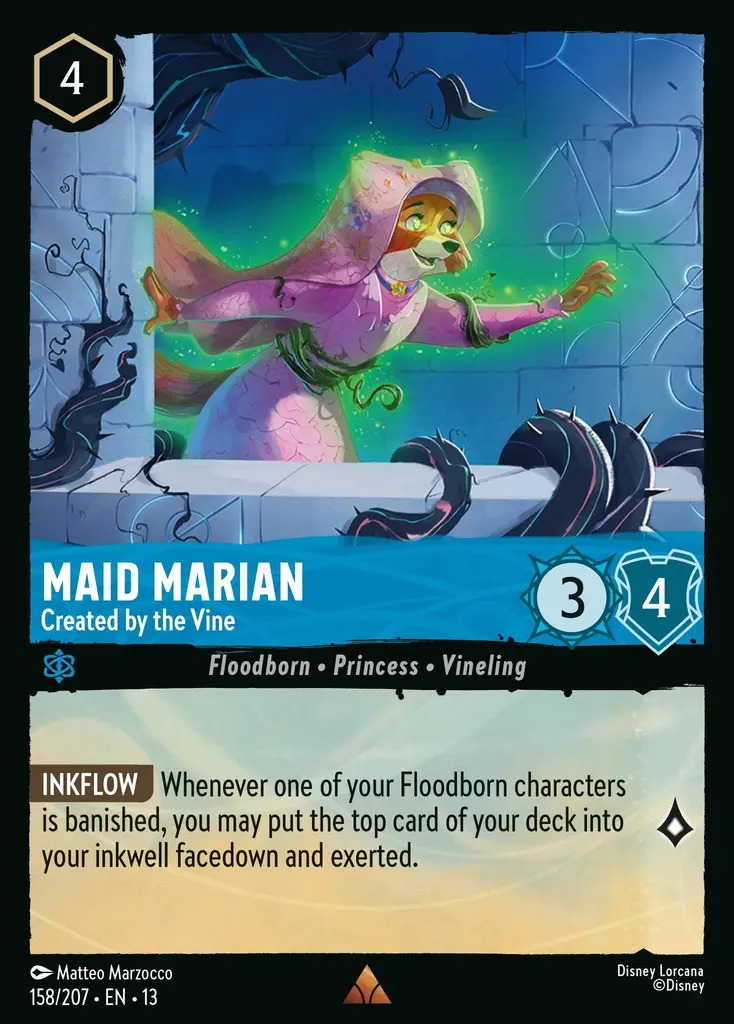
Maid Marian can turn a banished Floodborn into extra ink, helping you recover resources after a trade. The trigger will not happen every game, but the stats is acceptable enough for a four-cost filler slot.
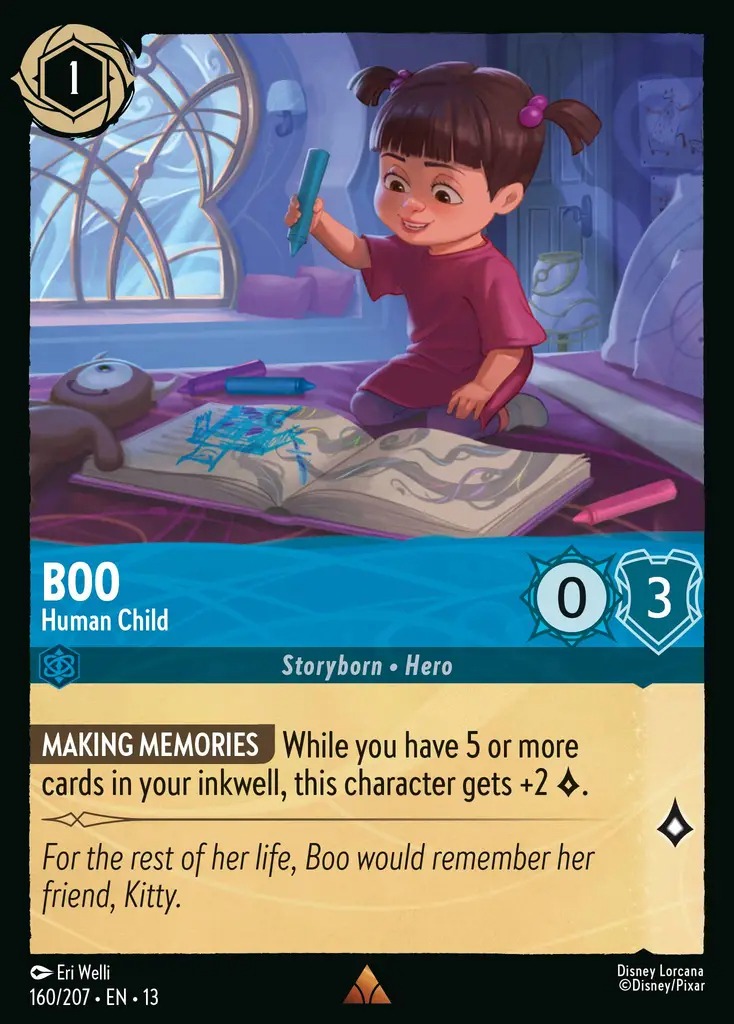
A 0/3 one-drop is a poor starting point, and the extra lore only appears when you already have 5 or more ink. That state is not guaranteed in sealed, so I would choose a more reliable one-drop whenever possible.
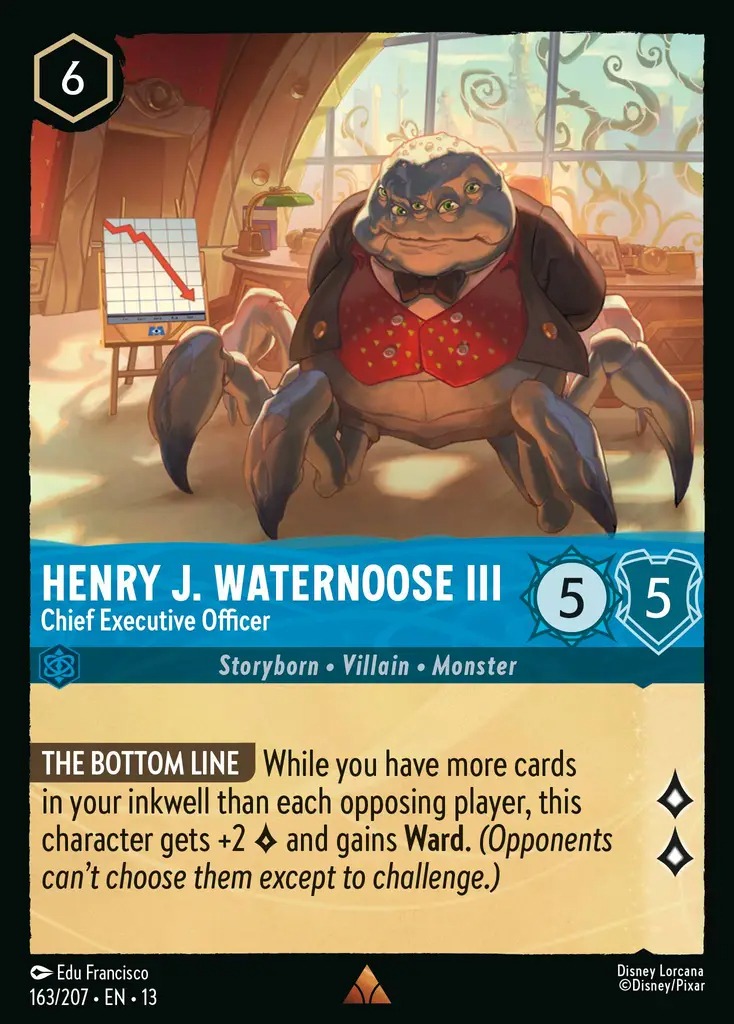
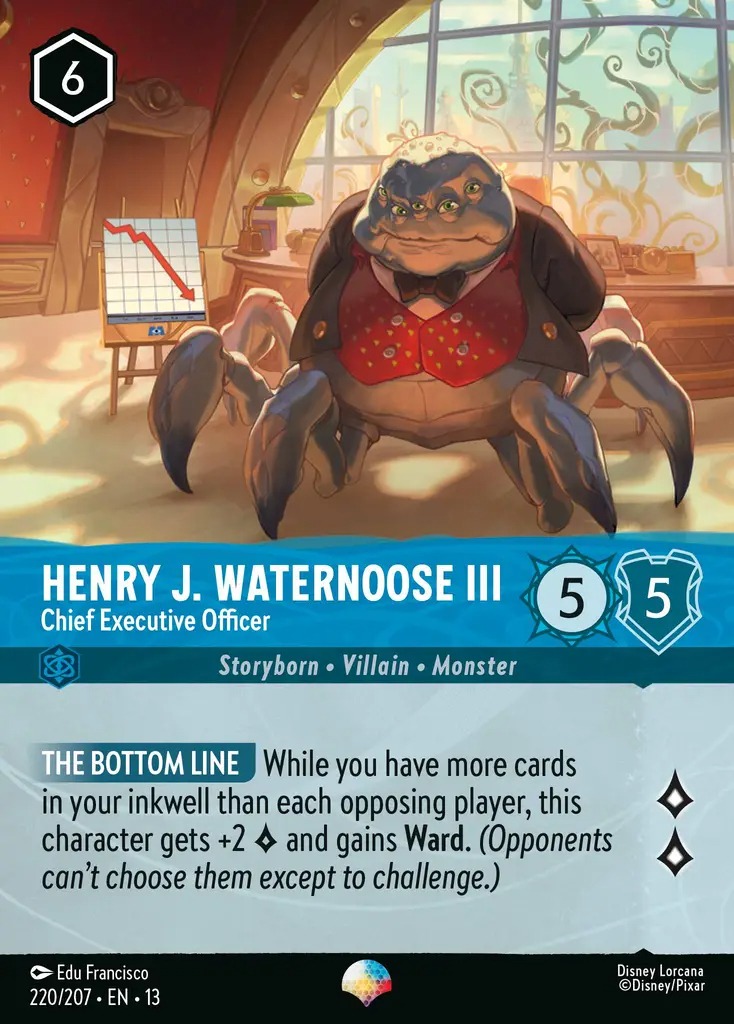
Henry can reach four lore and gain Ward as long as you stay ahead on ink. That condition is achievable, making him a legitimate finisher when your five-plus-cost slots and uninkable count can support him.
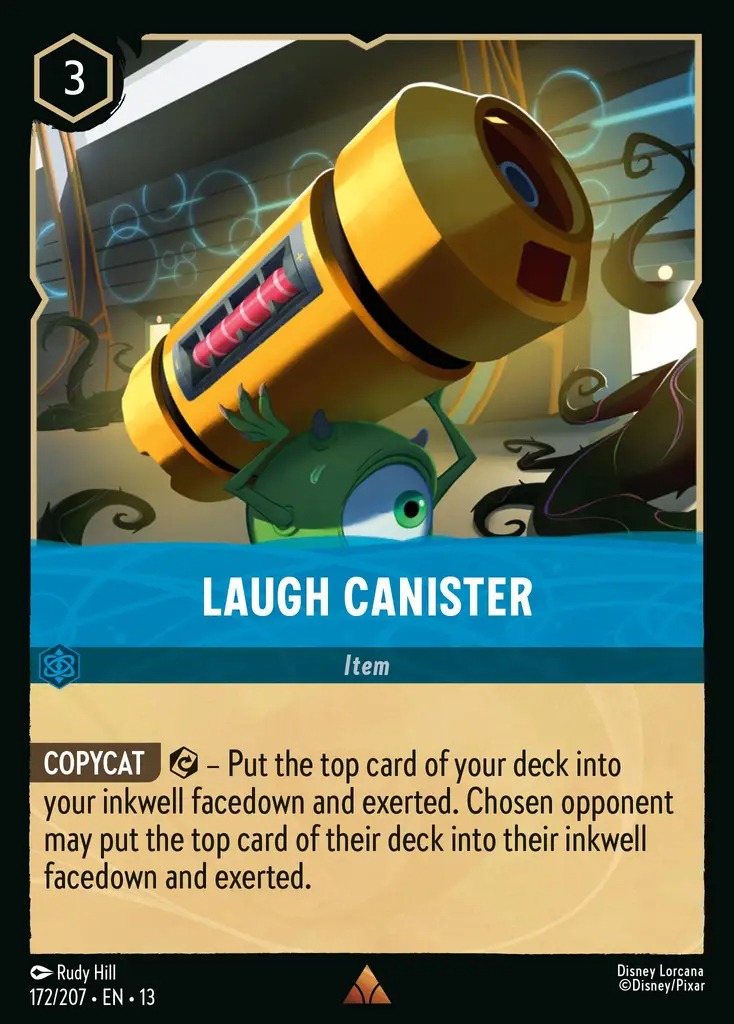
Laugh Canister can double the ramp, but playing it immediately lets your opponent enjoy the benefit first. Unless your deck genuinely needs to jump into an expensive top end, the symmetrical acceleration is not worth the risk.
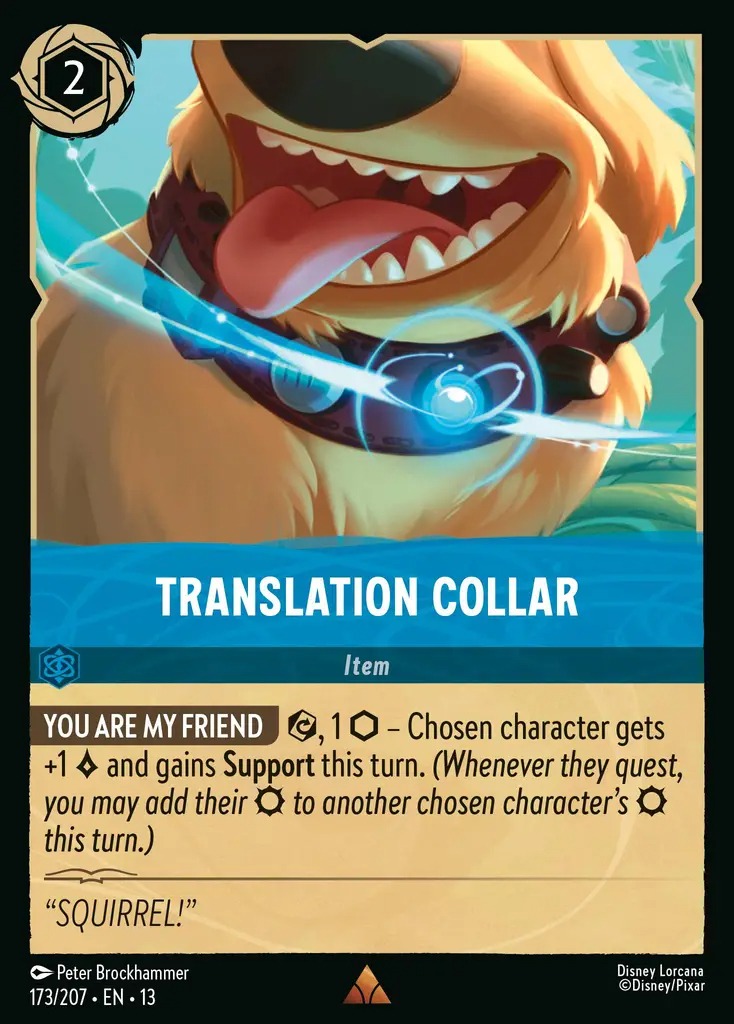
Extra lore and Support can change both the race and the challenge math, so the investment has real potential to repay you. It is a good value piece when your deck expects the game to last several turns.
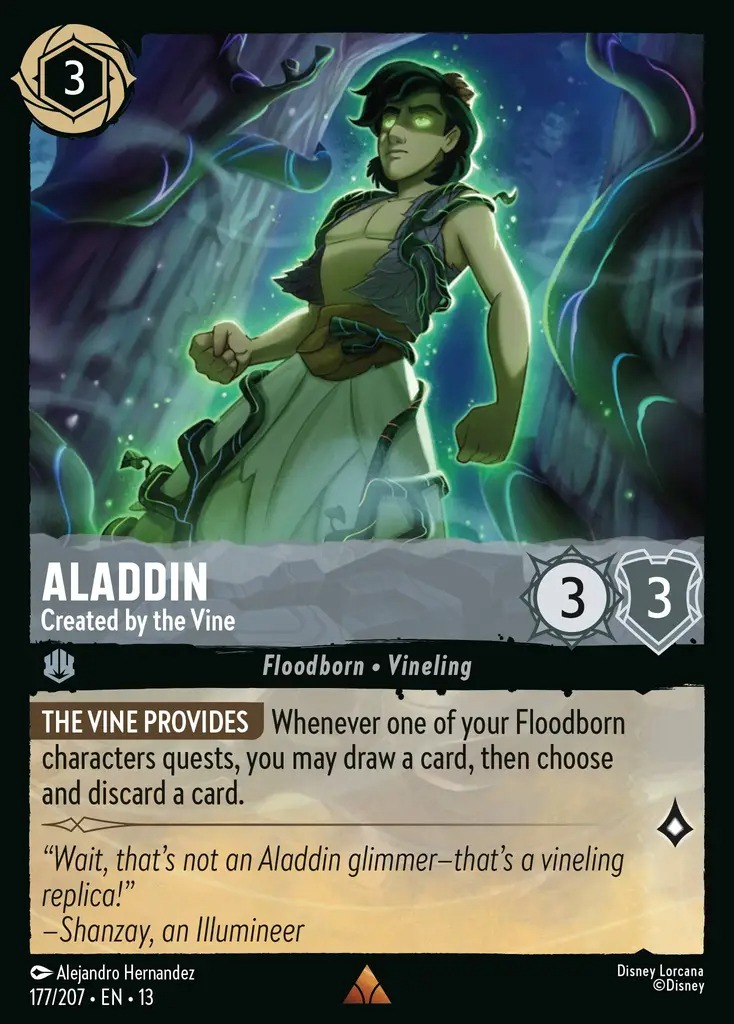
Aladdin helps Floodborn-heavy decks filter through weak draws until they find the card they need. His body is reasonable, so he remains playable without becoming a burden.
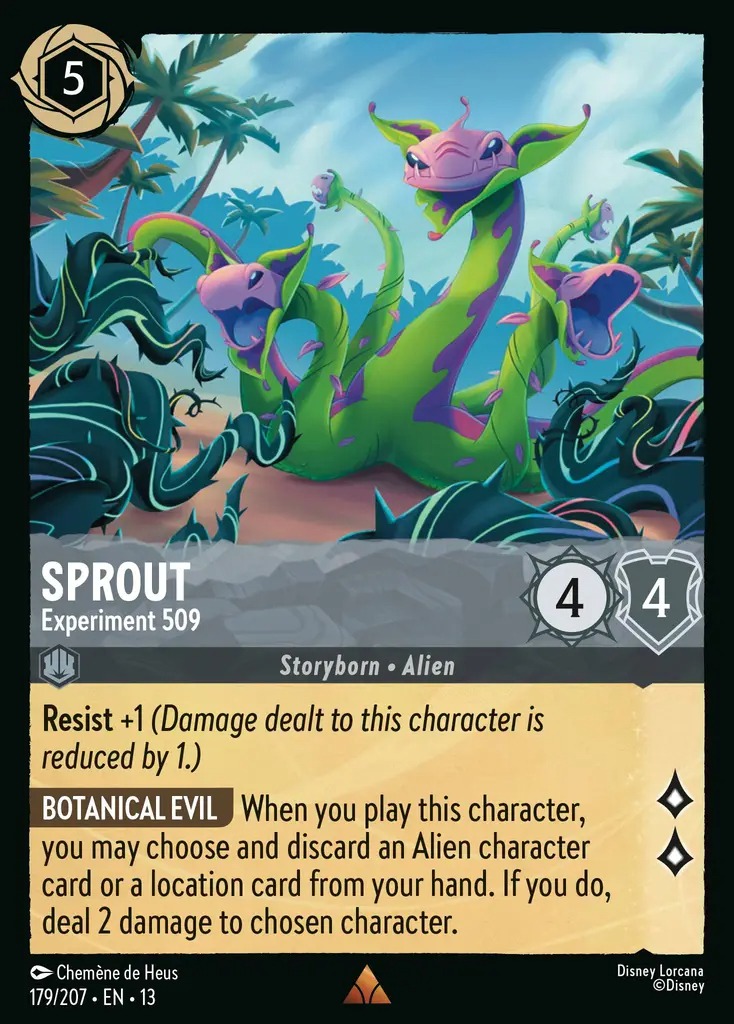
Sprout is too conditional for a five-cost 4/4, even with Resist. Requiring a specific discard just to deal two damage means the text will fail too often for the price.
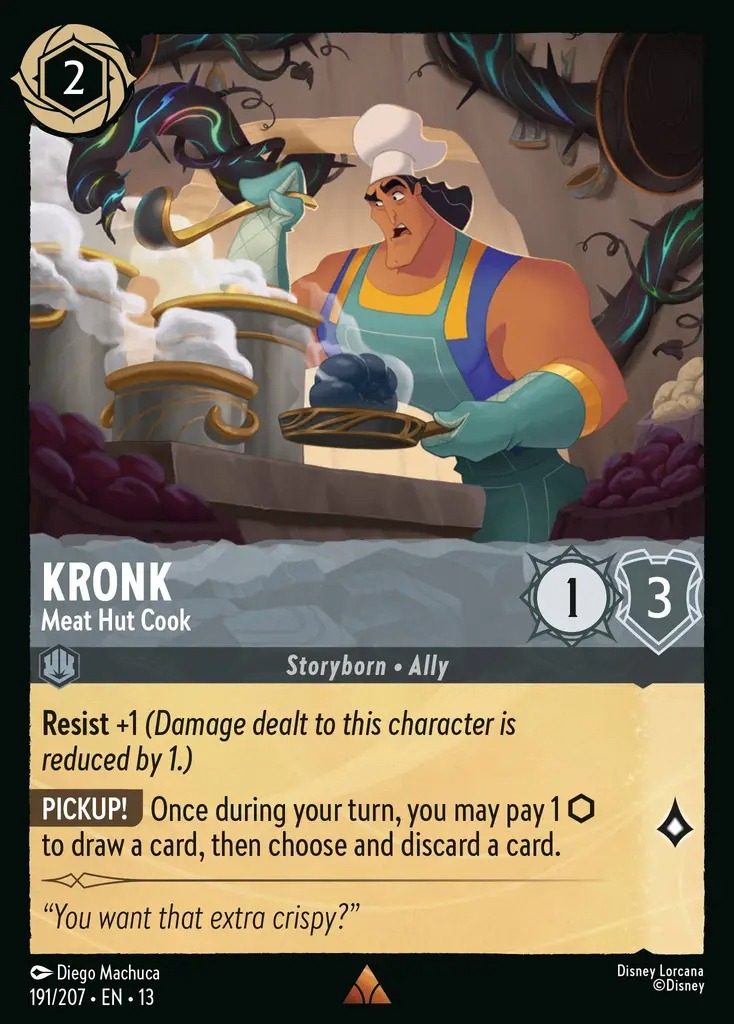
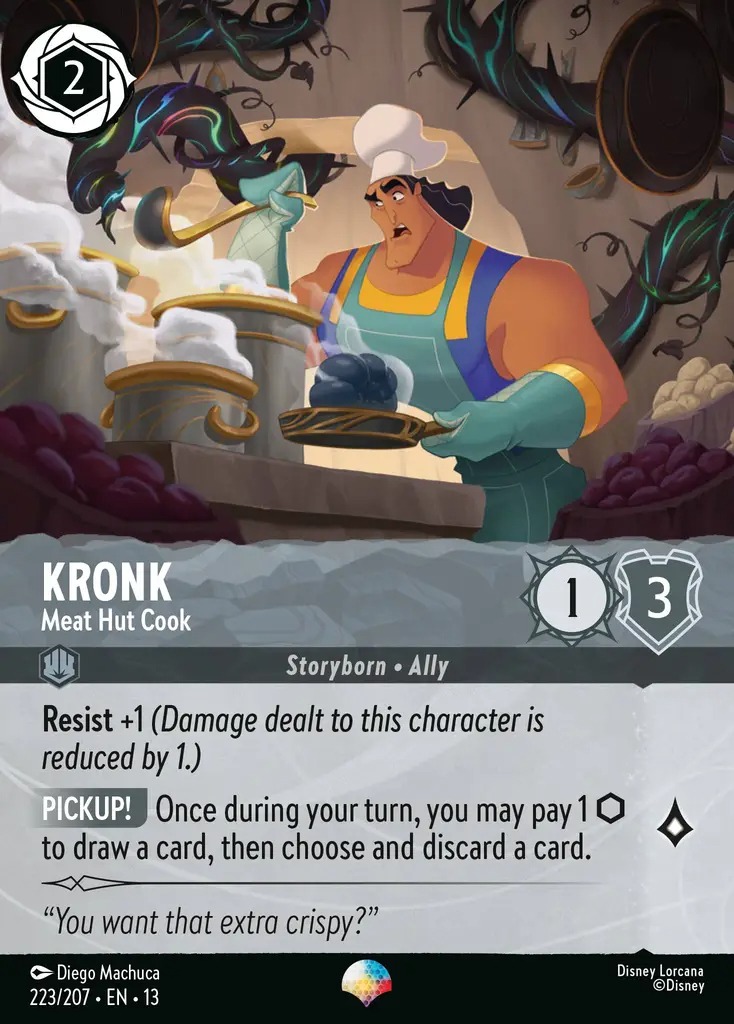
Kronk gives you repeatable card selection for only one ink each turn. A reusable filter attached to a solid character is excellent in sealed, where every draw matters.
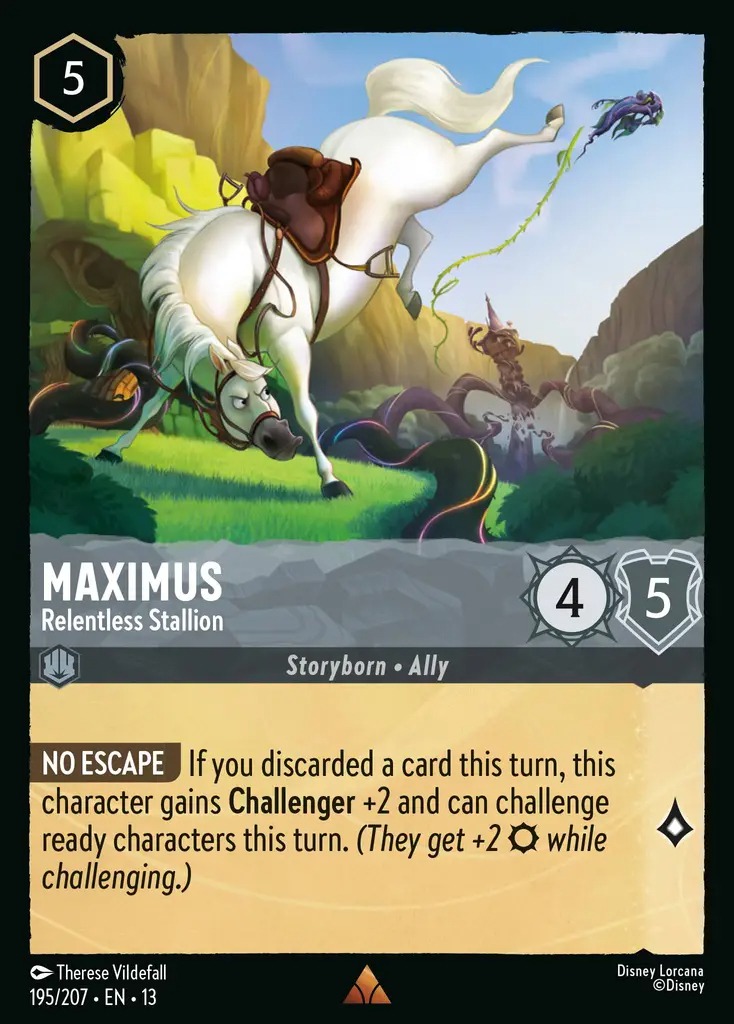
Maximus can hit extremely hard and even challenge ready characters, which is a rare and powerful form of interaction. He needs discard support to function at full strength, so the rating depends on how naturally your pool enables him.
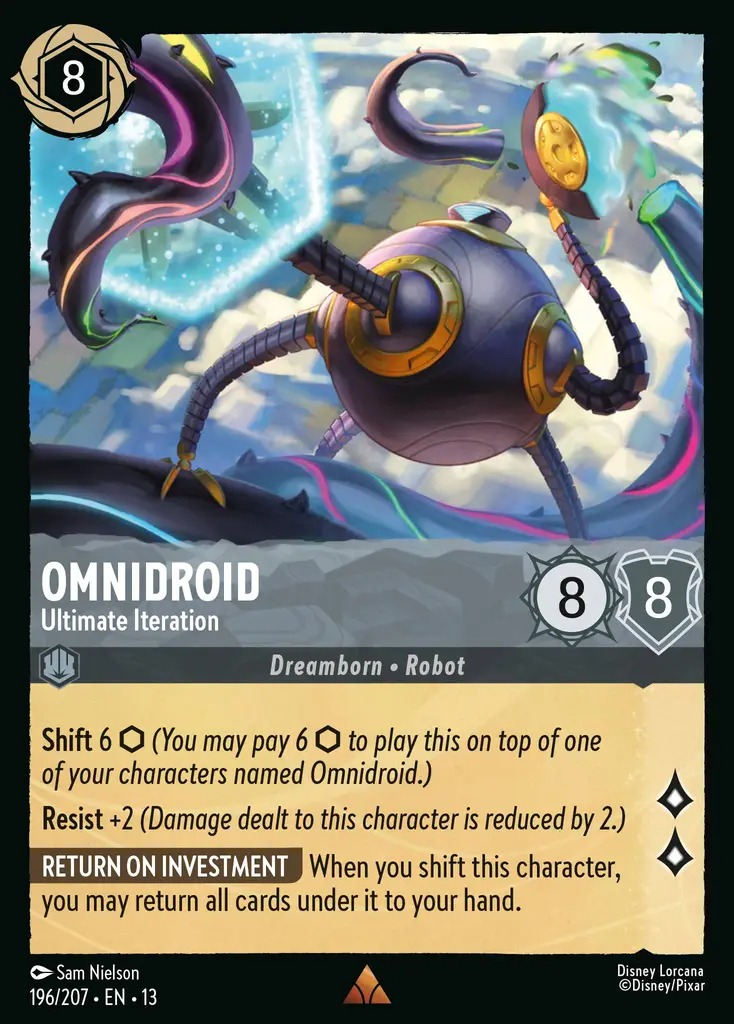
With no smaller Omnidroid to shift from, you are forced to pay the full eight ink. That is simply too slow and expensive for a card that may sit in your hand while the game is decided.
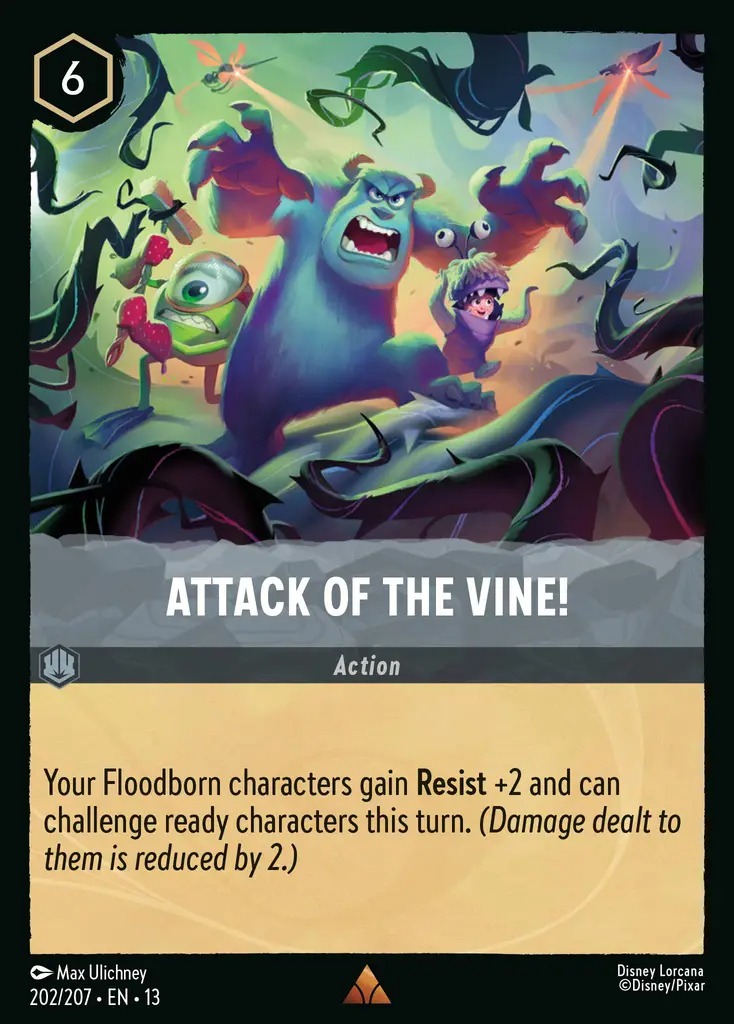
A six-cost uninkable action that only helps Floodborn characters is exactly the kind of card sealed decks should avoid. The floor is terrible and the ceiling demands too much setup.
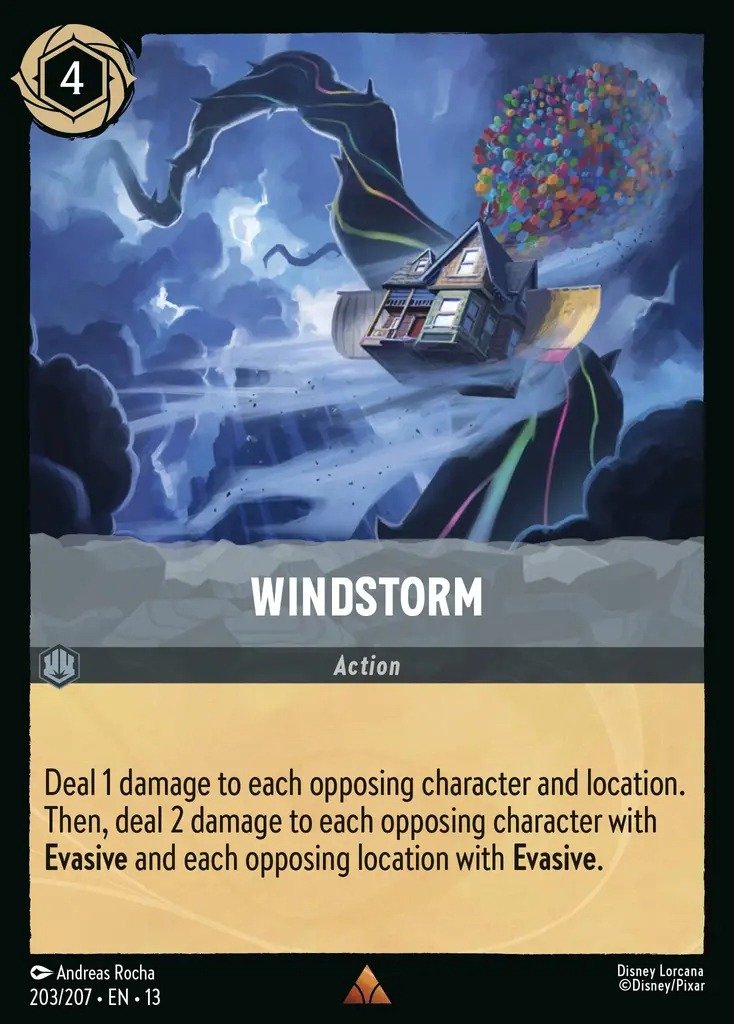
Windstorm can spread damage across the board and punishes Evasive characters even harder. One point may look small, but across several targets it can set up an entire turn of favourable challenges.
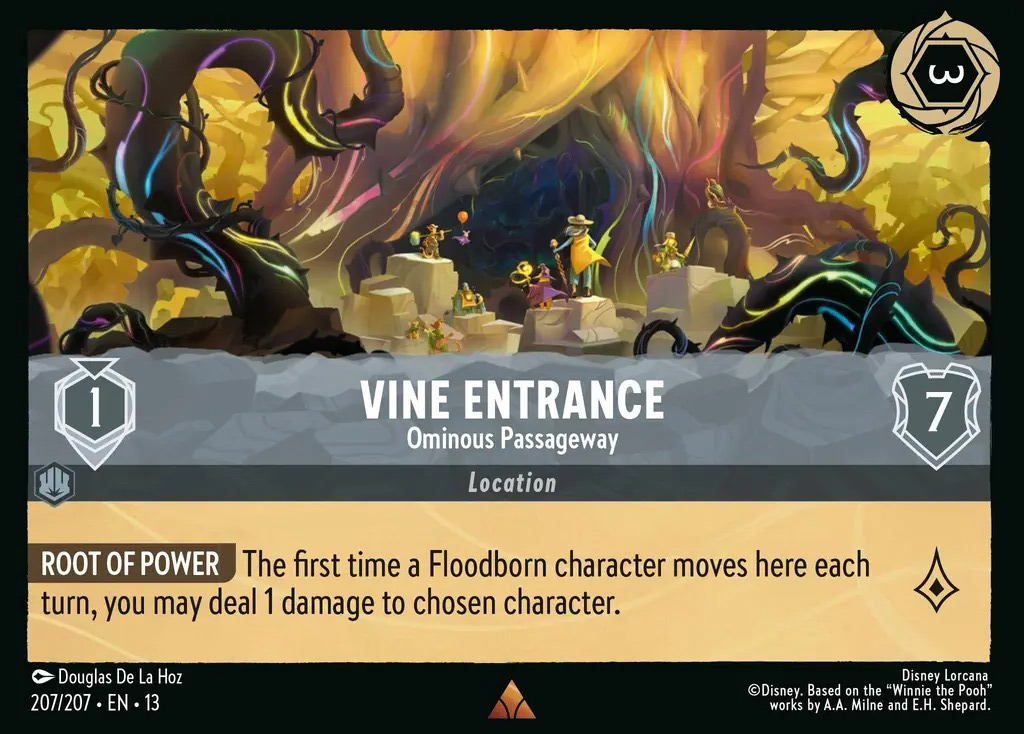
Paying three ink for a location that deals one damage each turn is serviceable, not spectacular. The opponent can simply challenge the location, so I would not expect the effect to dominate a game.
Super Rare
Most Super Rares offer a high ceiling, especially the dual-character cards, but several sit at five ink or above and compete for limited top-end slots. Shifting can turn them into game-breaking tempo plays, yet many are still acceptable when hard-cast. I would prioritise the Super Rares that generate immediate cards, protect the board or create a clear route to twenty lore, while being ruthless about cutting expensive cards that need too much setup.
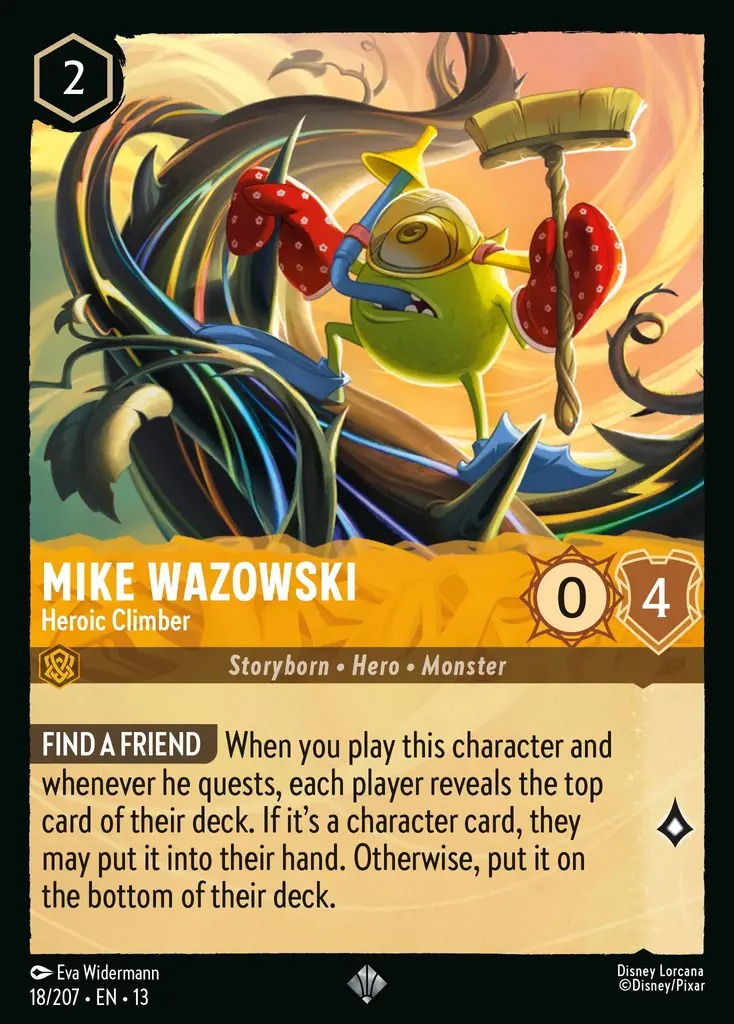
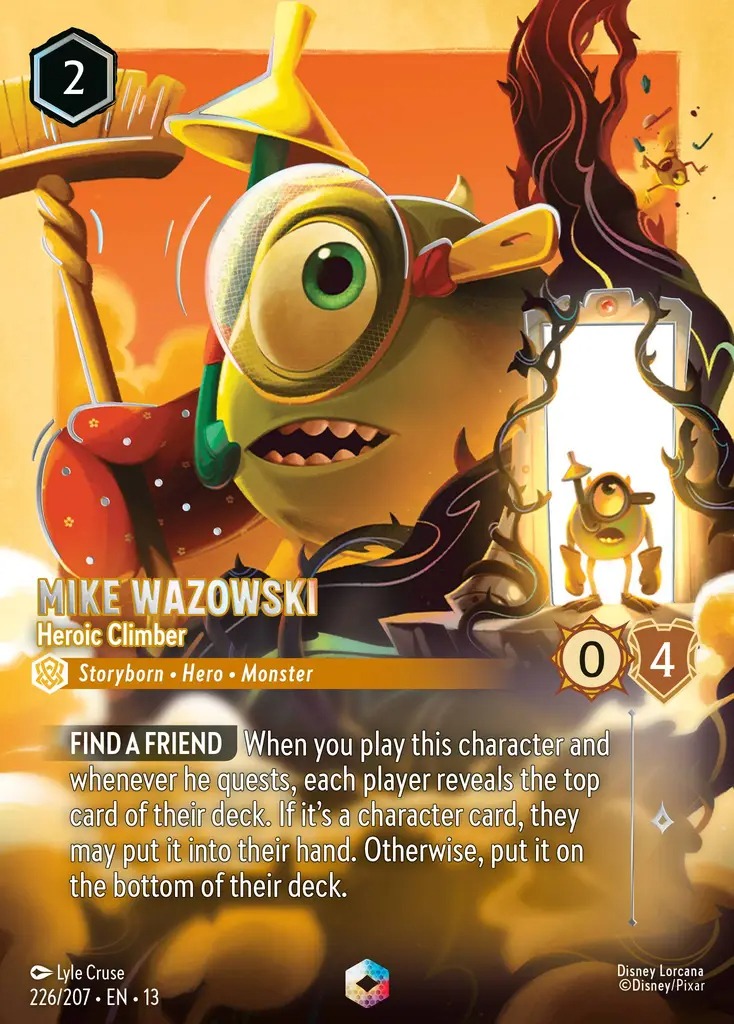
Mike can refill your hand, but he also feeds the opponent and his 0/4 uninkable body is vulnerable to being ignored or challenged down. He is playable, though you must avoid turning an aggressive lead into free resources for the other side.
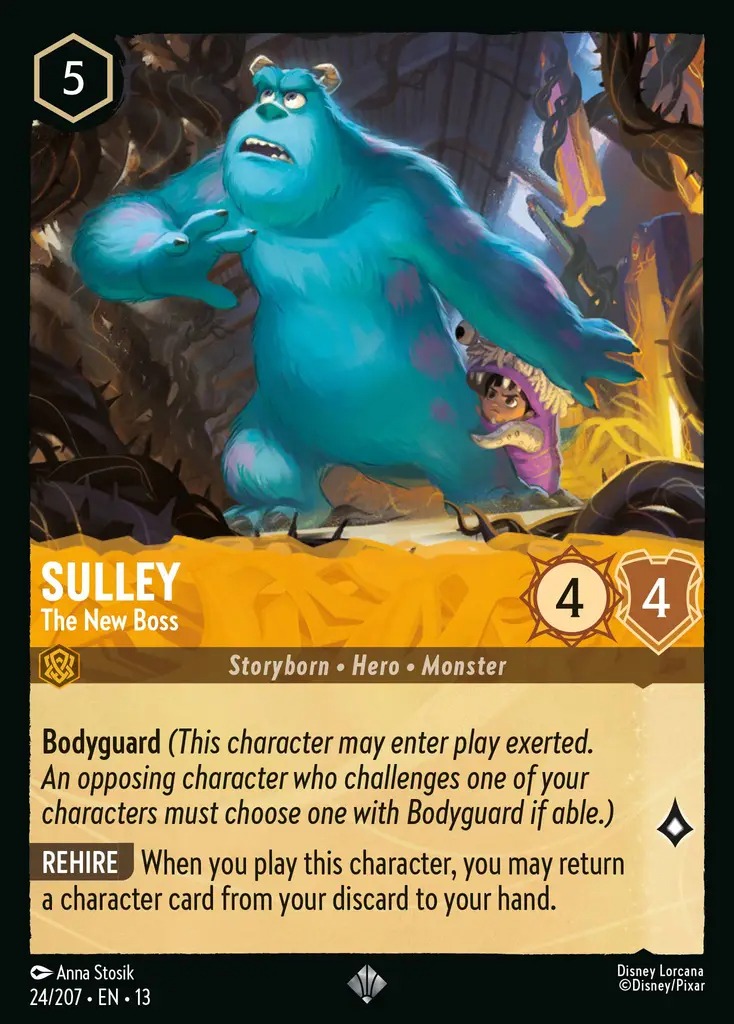
Sulley returns a character from your discard and leaves behind a 4/4 Bodyguard, giving you both card advantage and protection. The cost and uninkable status are real deck-building concerns, but the effect is worthwhile.
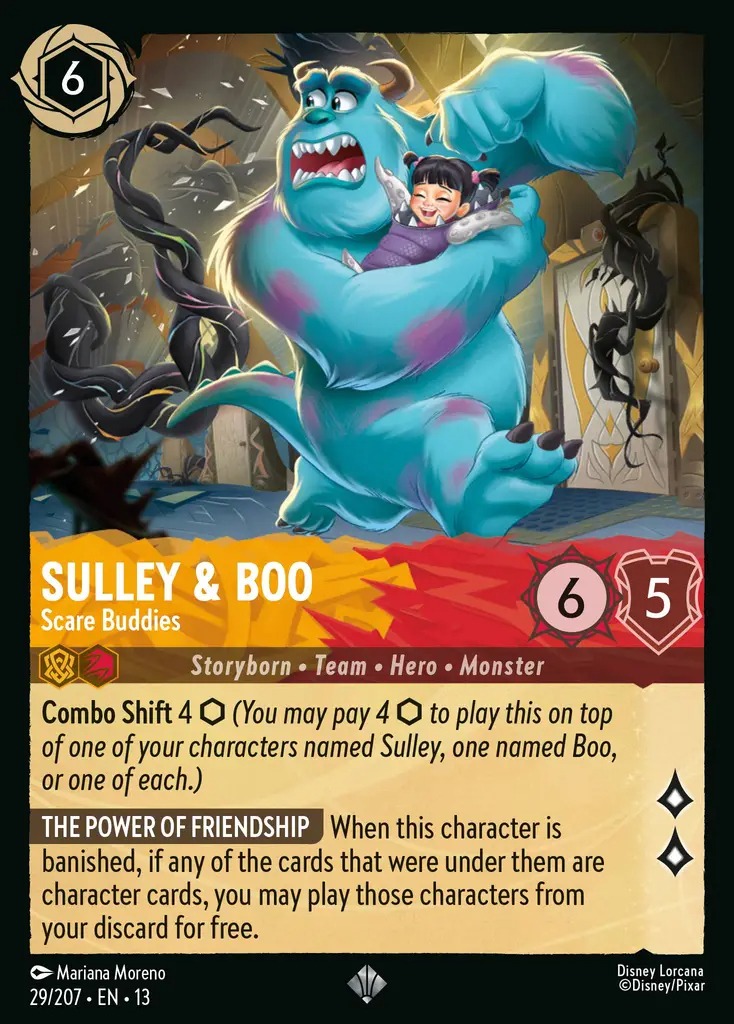
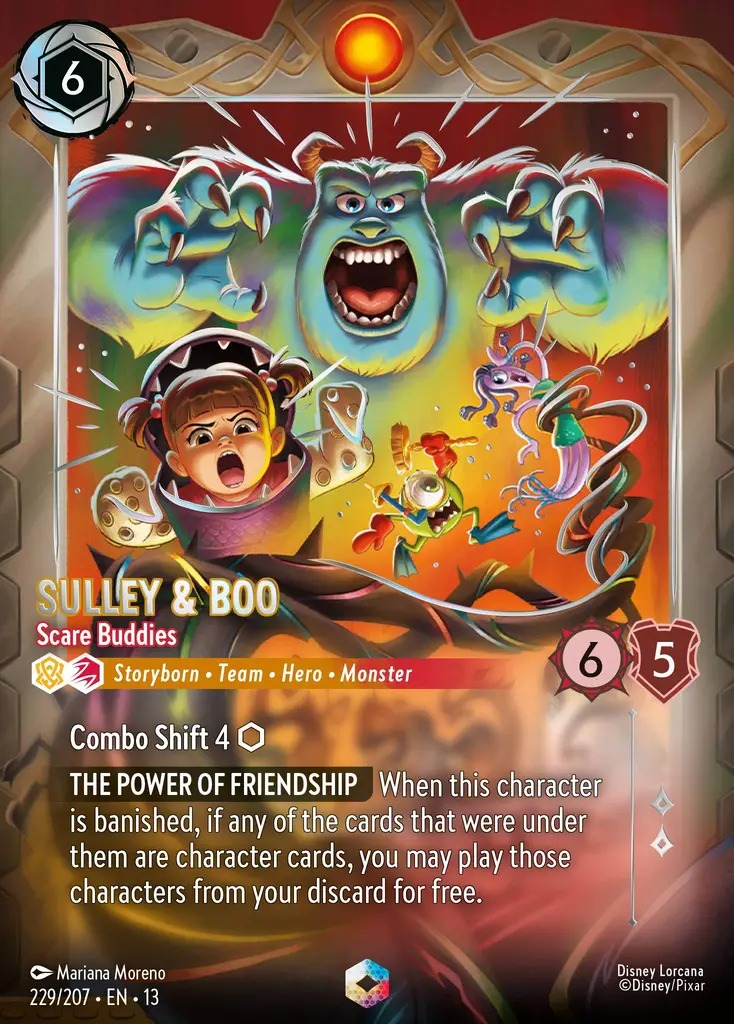
Sulley and Boo can hide cards underneath themselves, enable either shift line, and replay those cards when banished. The package is combo-heavy, yet the payoff is substantial when your pool contains the right pieces, and the base stats remain acceptable.
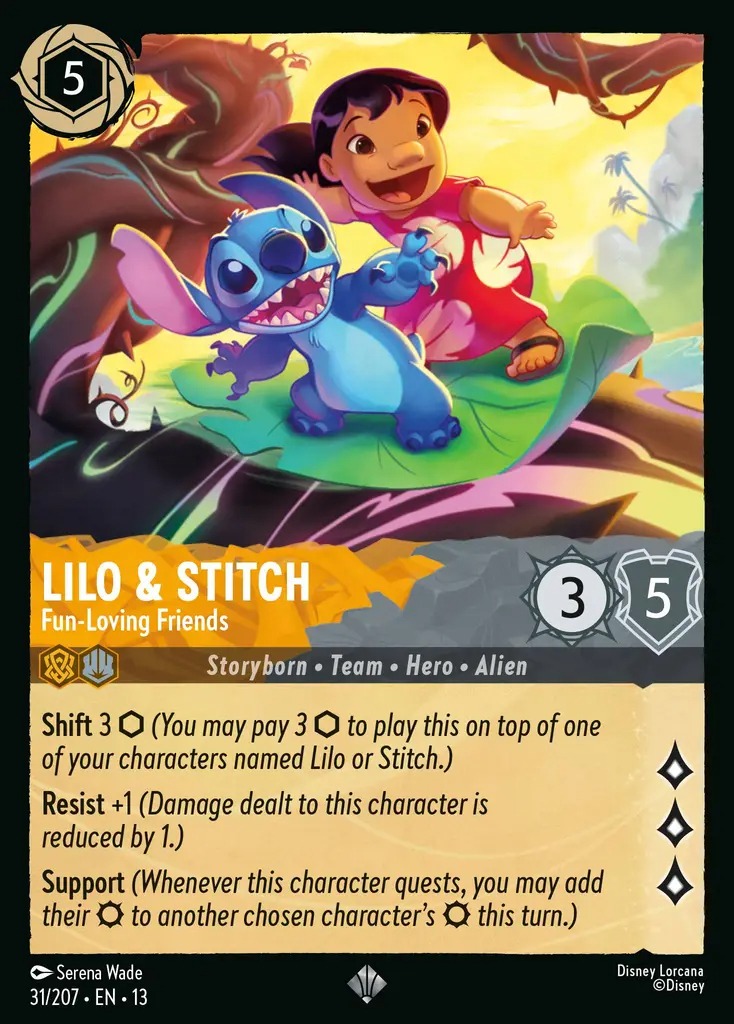
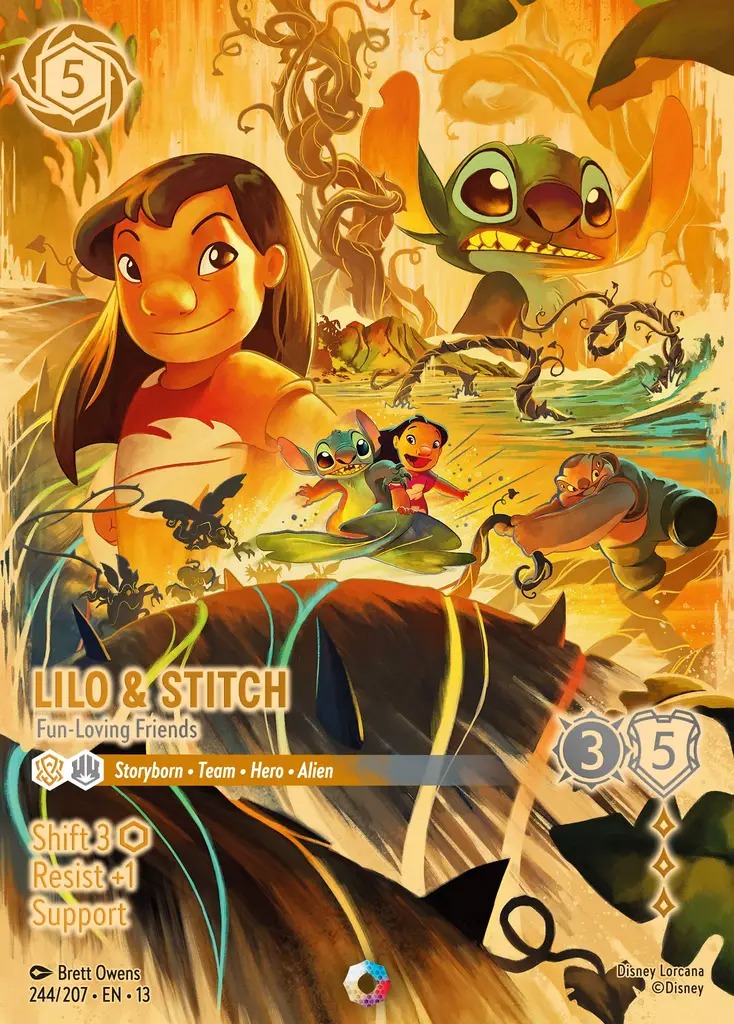
Lilo and Stitch are miserable to fight when shifted early: three Strength with Support, five Willpower with Resist, and three lore creates pressure from every angle. Even at the full five ink, the card is still a respectable threat.
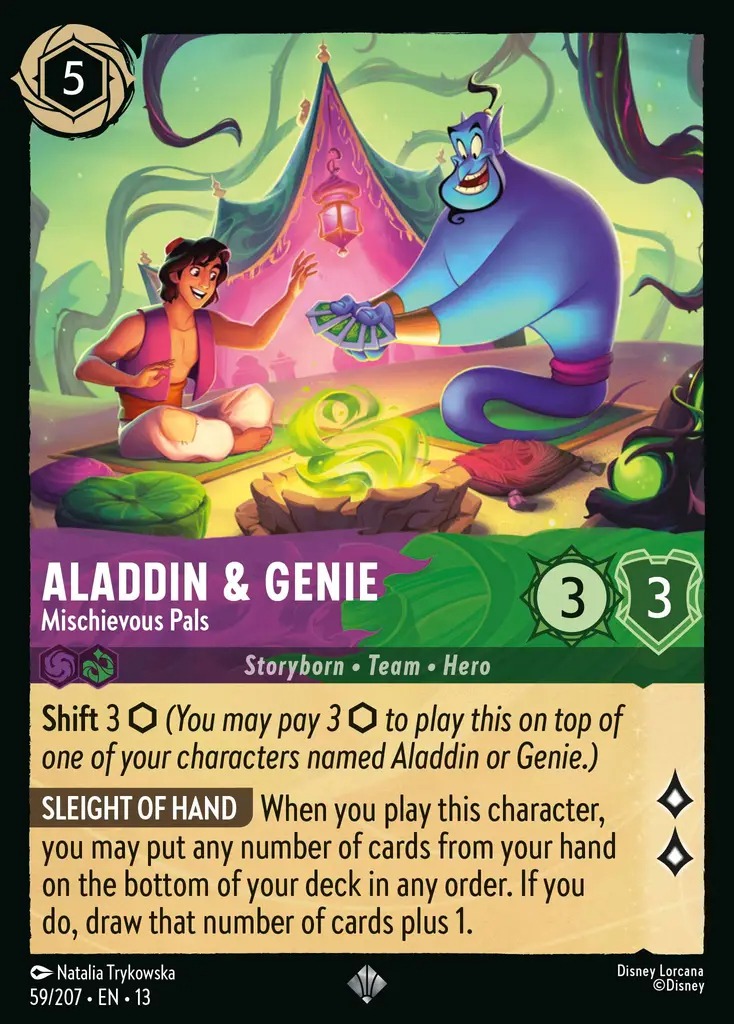
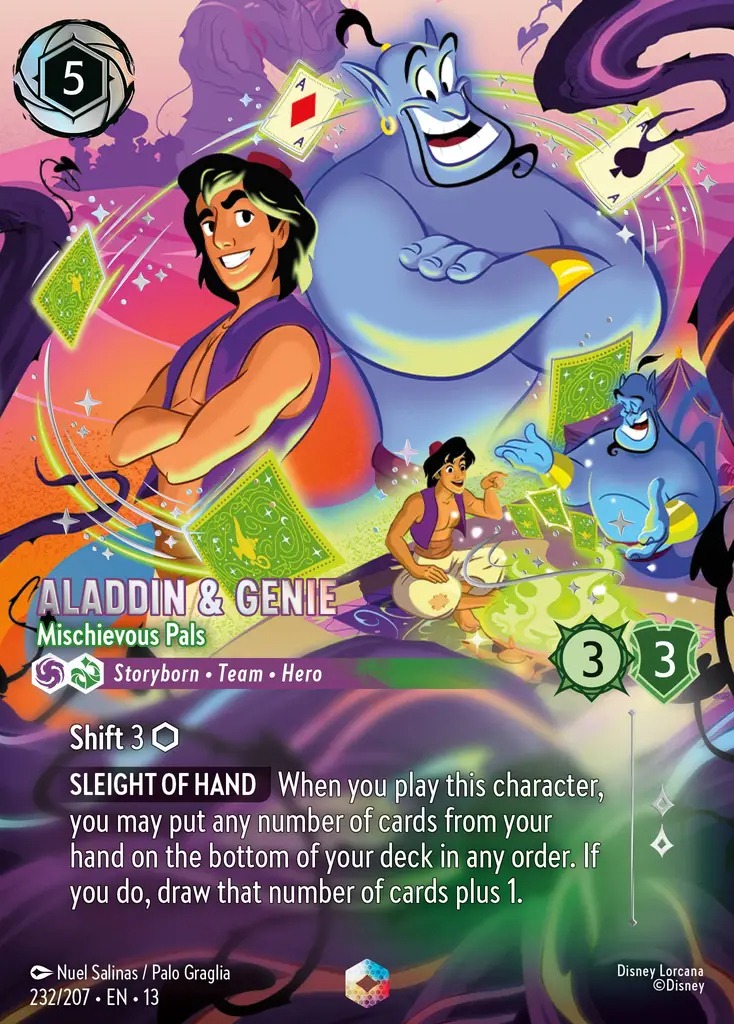
Aladdin and Genie give you an immediate hand upgrade by filtering away poor cards and drawing more than you spend. You do not need to shift them for the effect to be worthwhile, and the five-cost body is reasonably priced.
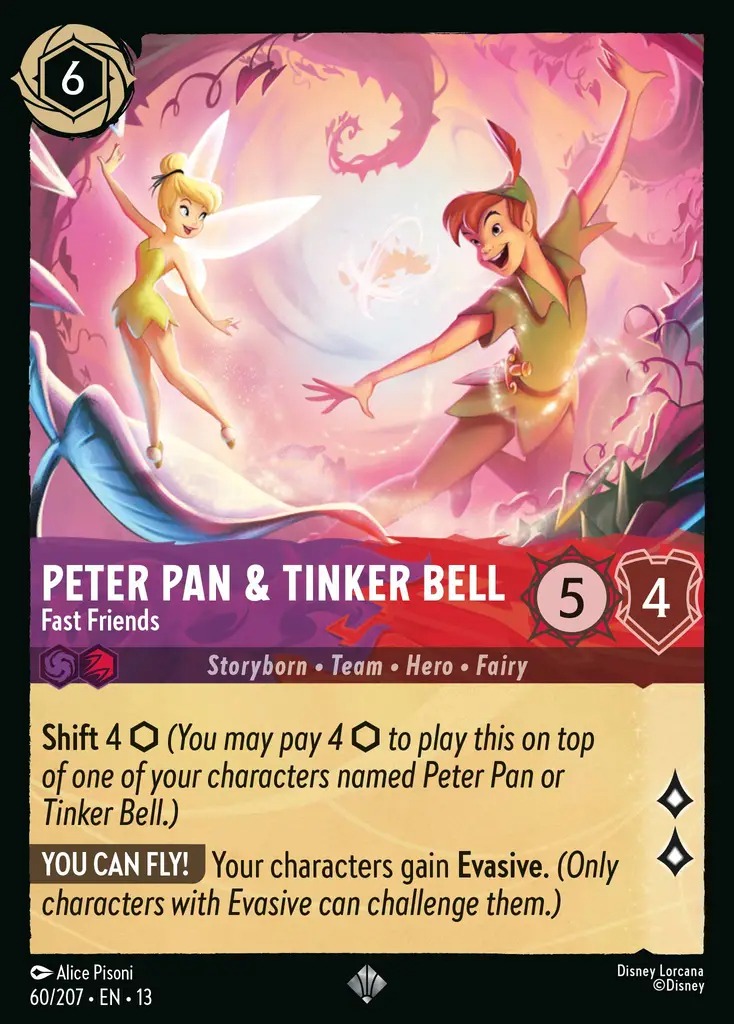
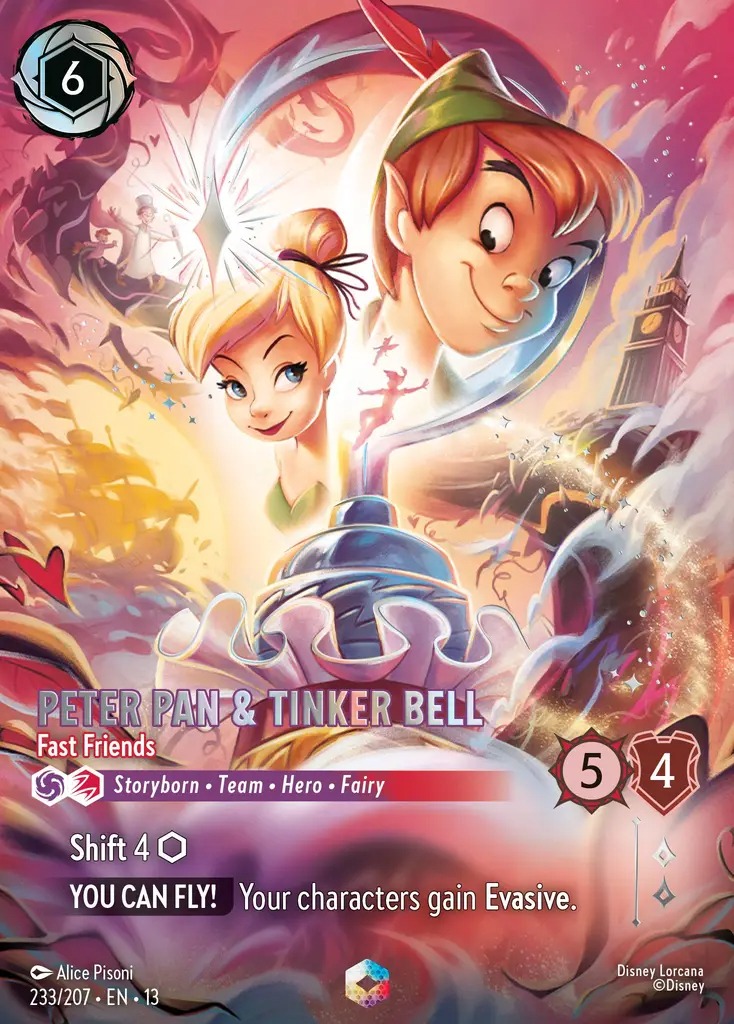
Peter and Tink are expensive, but granting Evasive to your entire board can completely change the race. Once they land, ordinary questers become difficult to interact with, and shifting them early only makes the swing stronger.
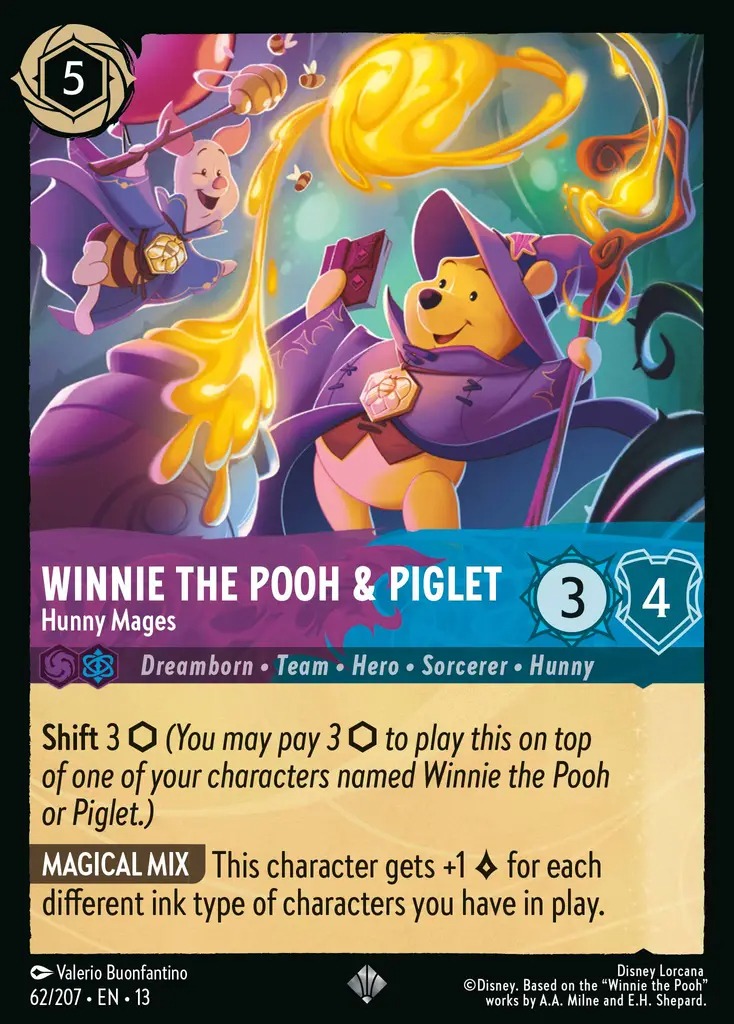
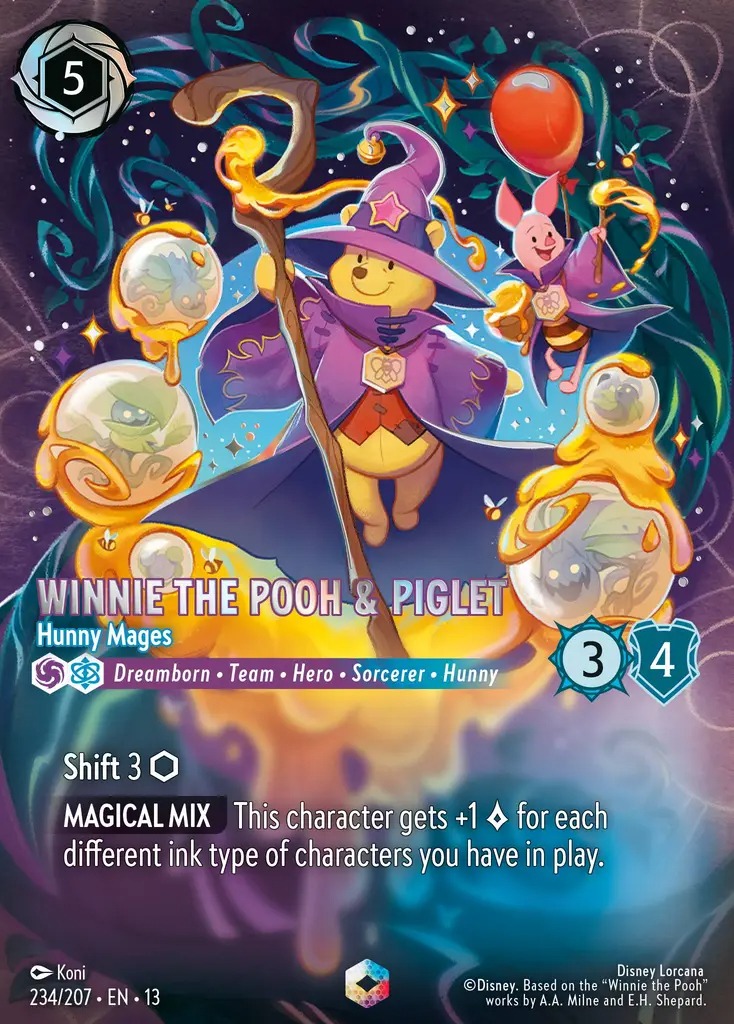
Winnie and Piglet can threaten as much as six lore in a single turn. The shift line is the ideal route, but even a normal setup can produce a sudden burst that the opponent must respect.
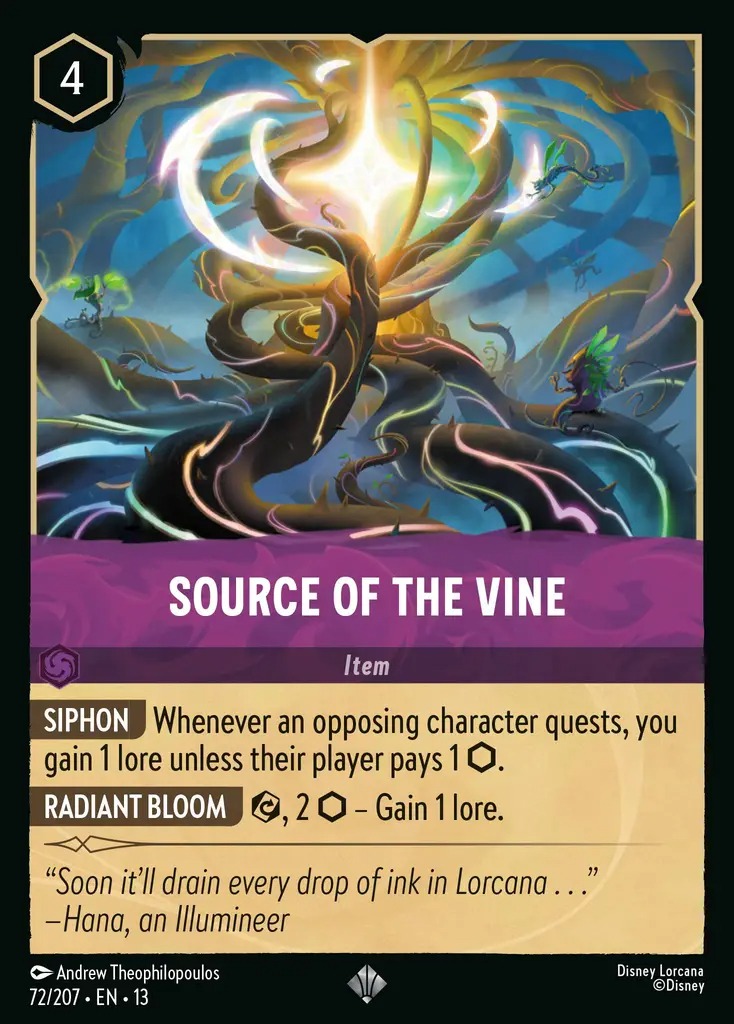
This item controls both resources and the lore race: your opponent must spend ink or allow you to gain more, and you can convert spare ink into lore yourself. It provides long-term pressure without needing to enter combat.
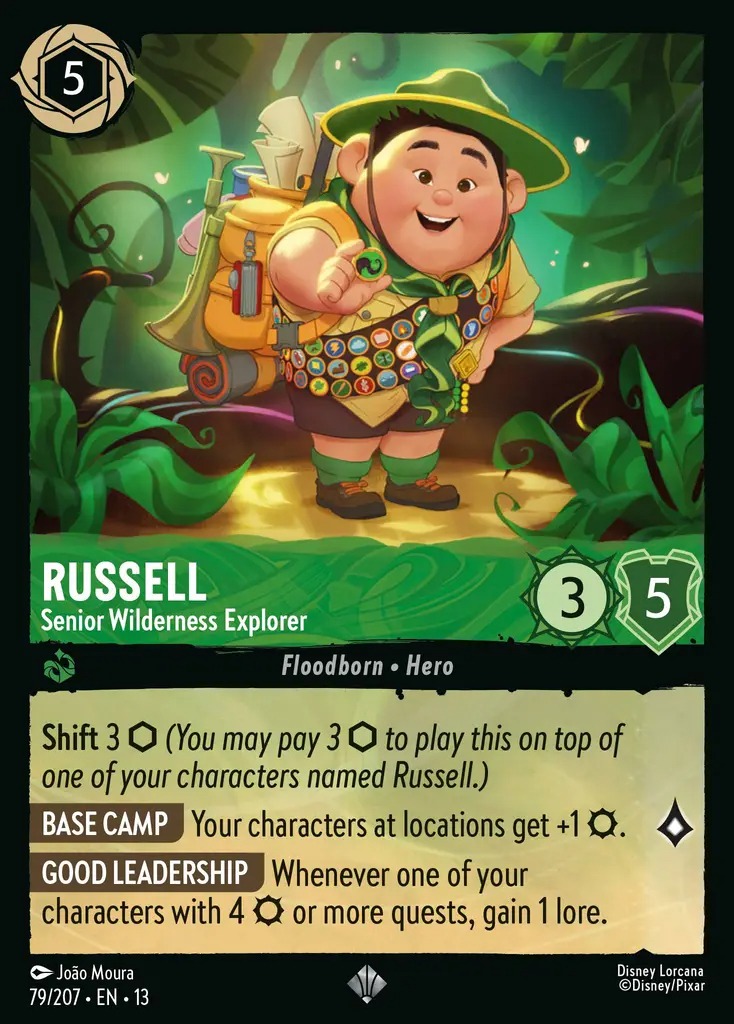
Russell needs a location before his text becomes meaningful, and even after shifting the extra lore is conditional. The Strength bonus is welcome, but paying for the location as well makes the total investment too high for an average five-cost body.
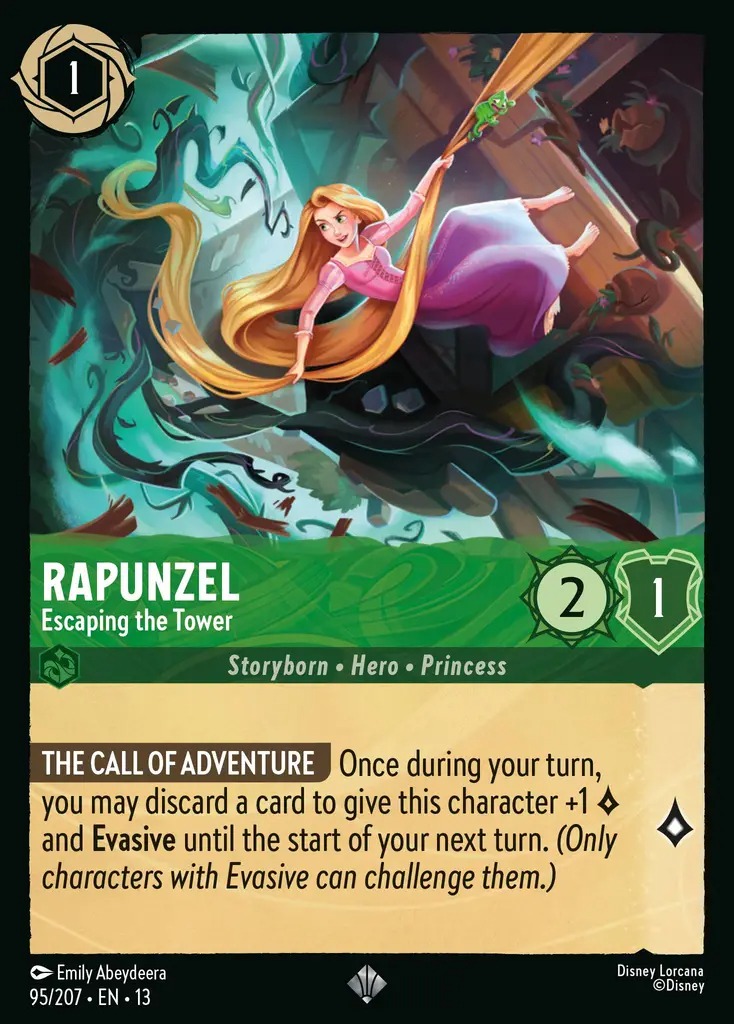
Rapunzel turns discard synergy into immediate aggression, gaining Evasive and extra lore as part of the package. She can pressure early and becomes especially dangerous when the discarded card is still playable later.
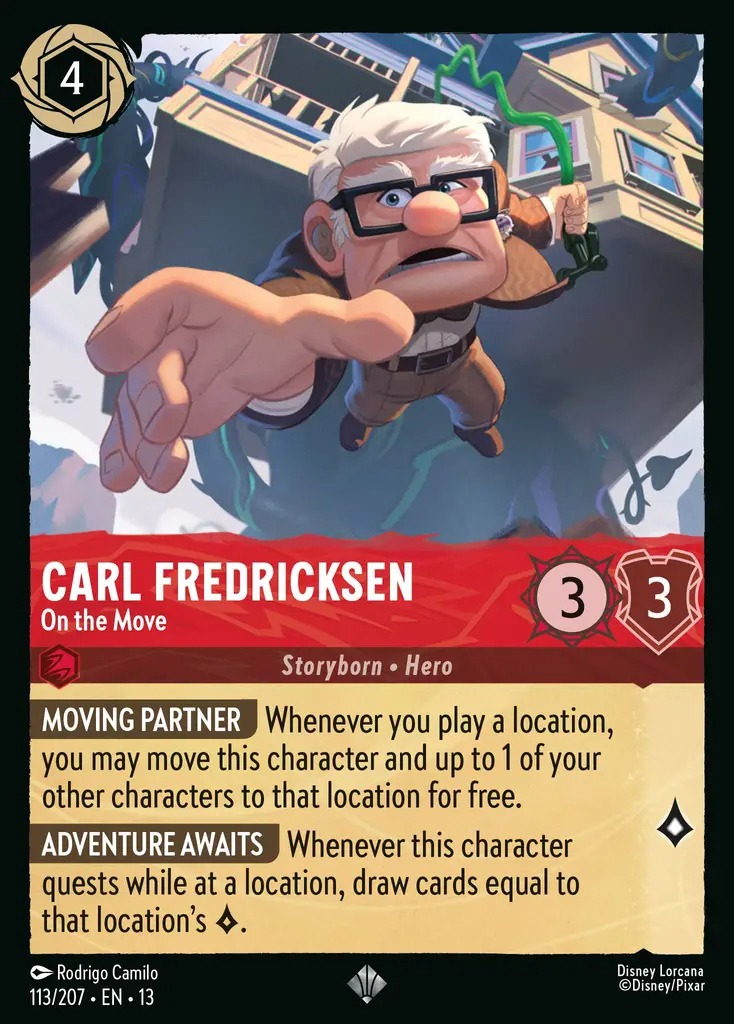
Carl has a respectable body, but his best text only comes alive around locations. Free movement helps him exploit location effects, and questing there can draw cards, so he is strong when the support is present and merely average without it.
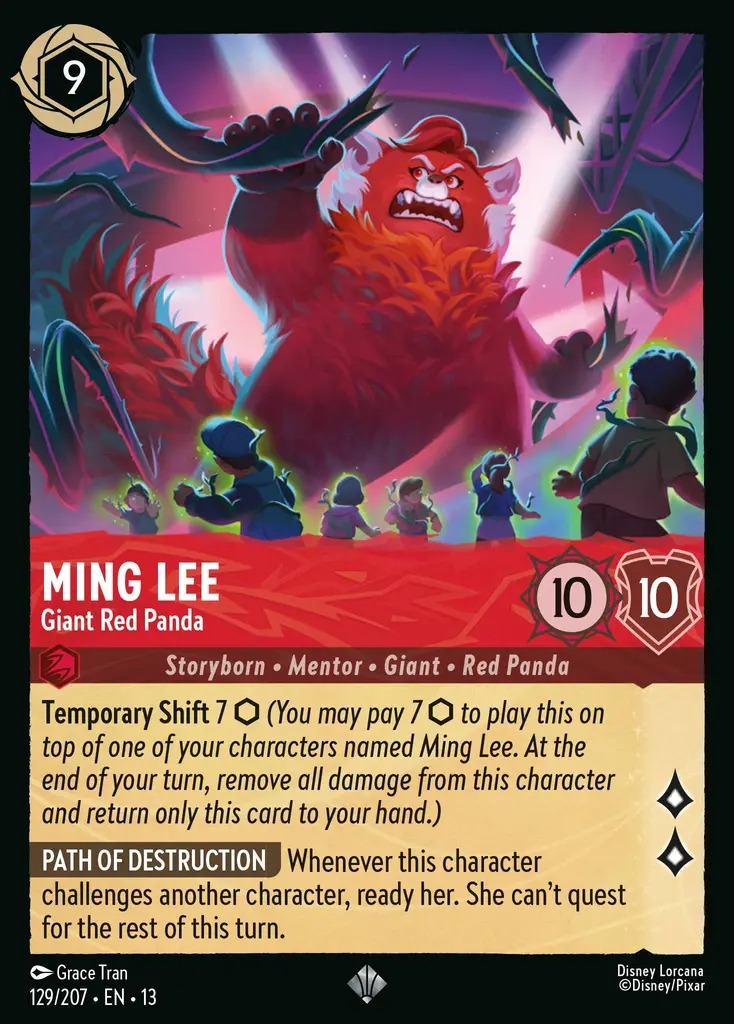
Ming Lee’s payoff is impressive; challenge, ready and potentially do it again, but reaching seven ink and finding a Red Panda base is a demanding setup. She can take over a game when the line works, though I would not rely on it every round.
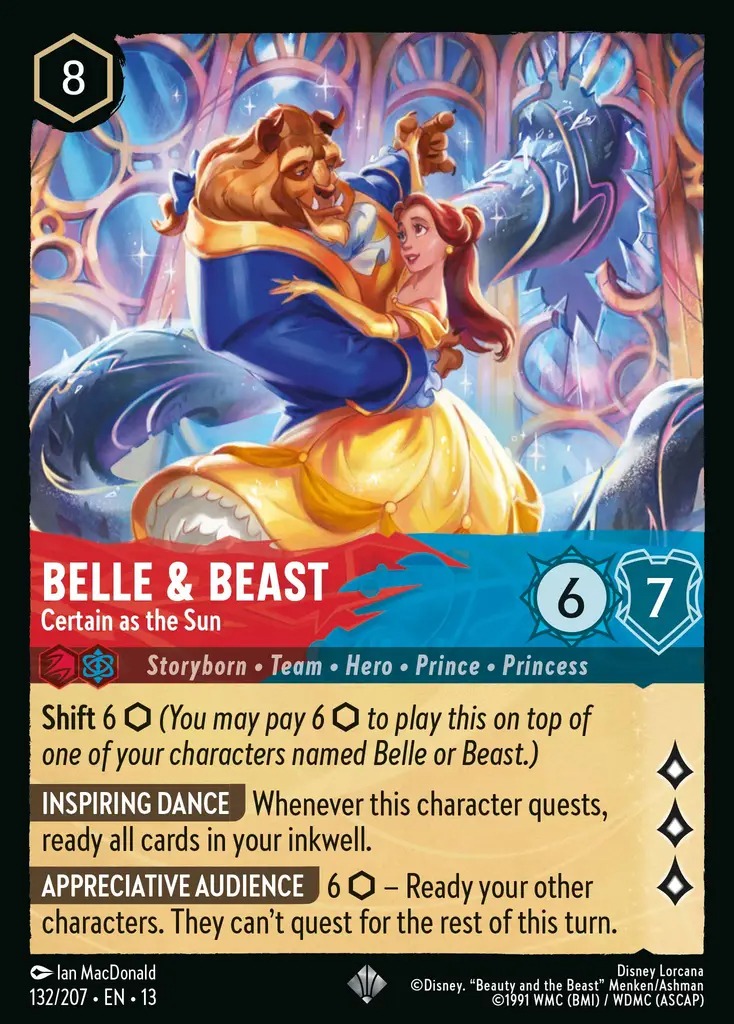
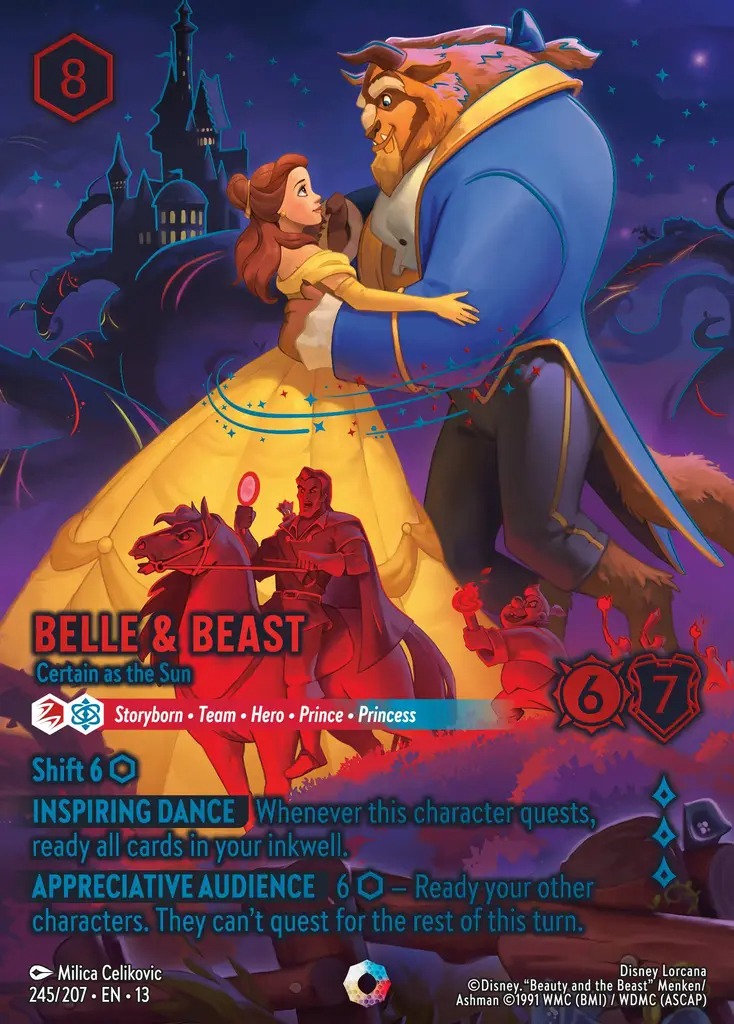
Beauty and the Beast offer a spectacular reward, but eight ink and uninkable status make hard-casting them unrealistic. The card belongs in pools with a genuine shift line, where questing can refresh your inkwell and the six-ink ability can ready the rest of the board.
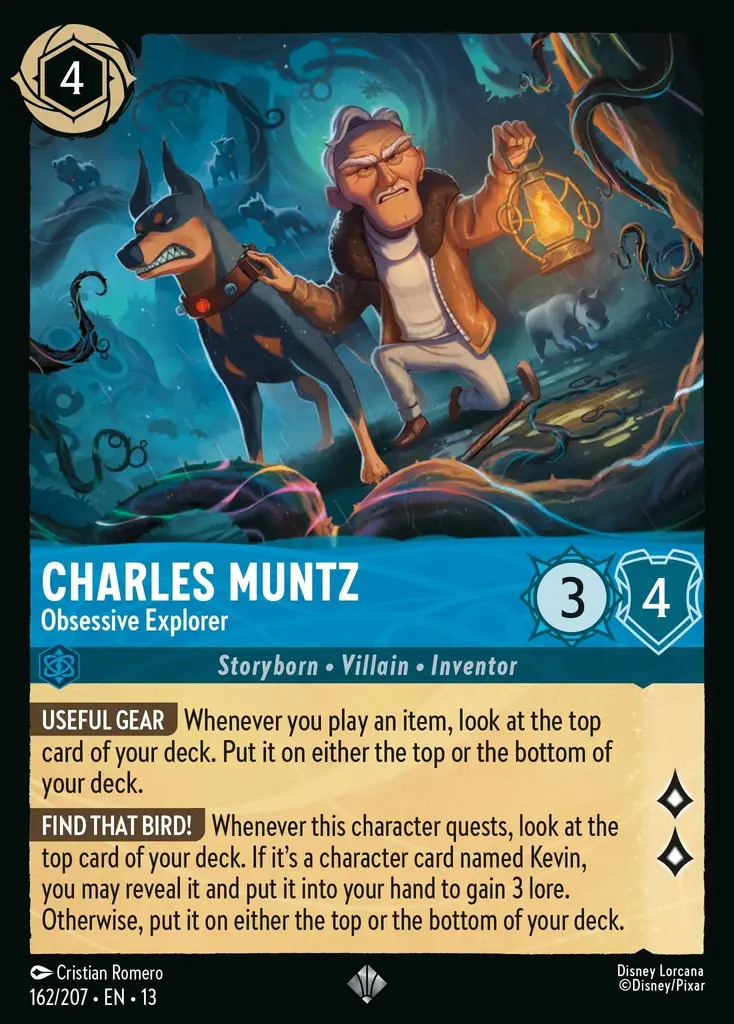
Charles improves the quality of your next draw while contributing a reasonable body to the board. It is not a bomb, but it is exactly the kind of quiet consistency piece that makes a sealed deck run better.
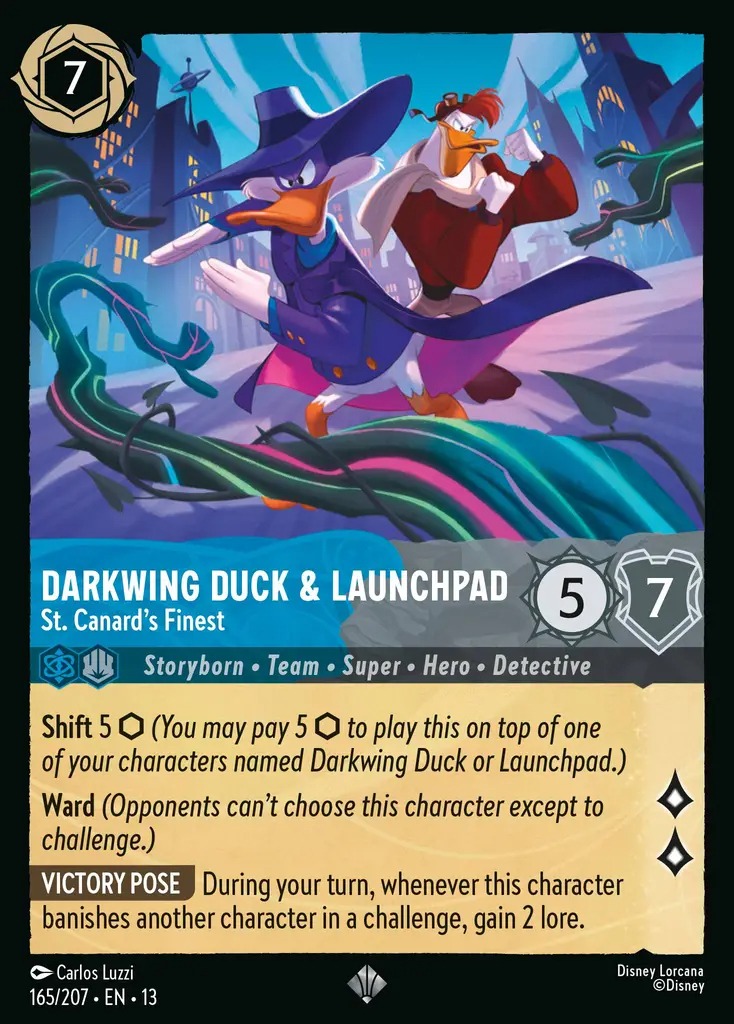
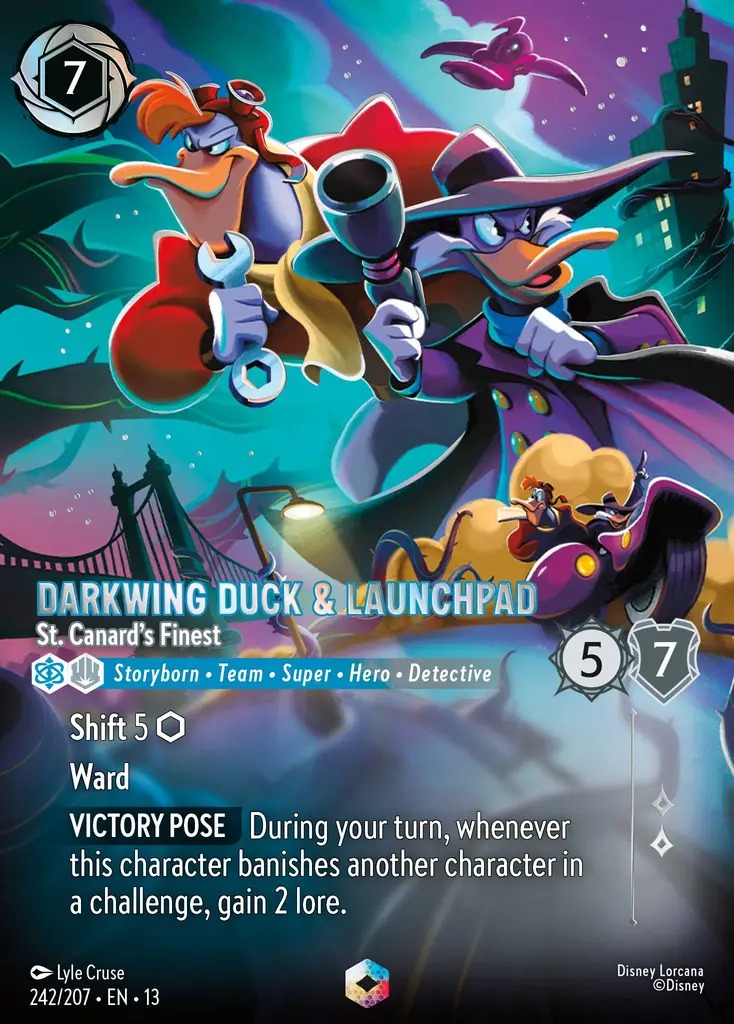
Darkwing Duck and Launchpad reward immediate combat by turning challenges into lore, while Ward protects them from most non-combat answers. Shifting them is ideal, but the overall package remains playable when hard-cast.
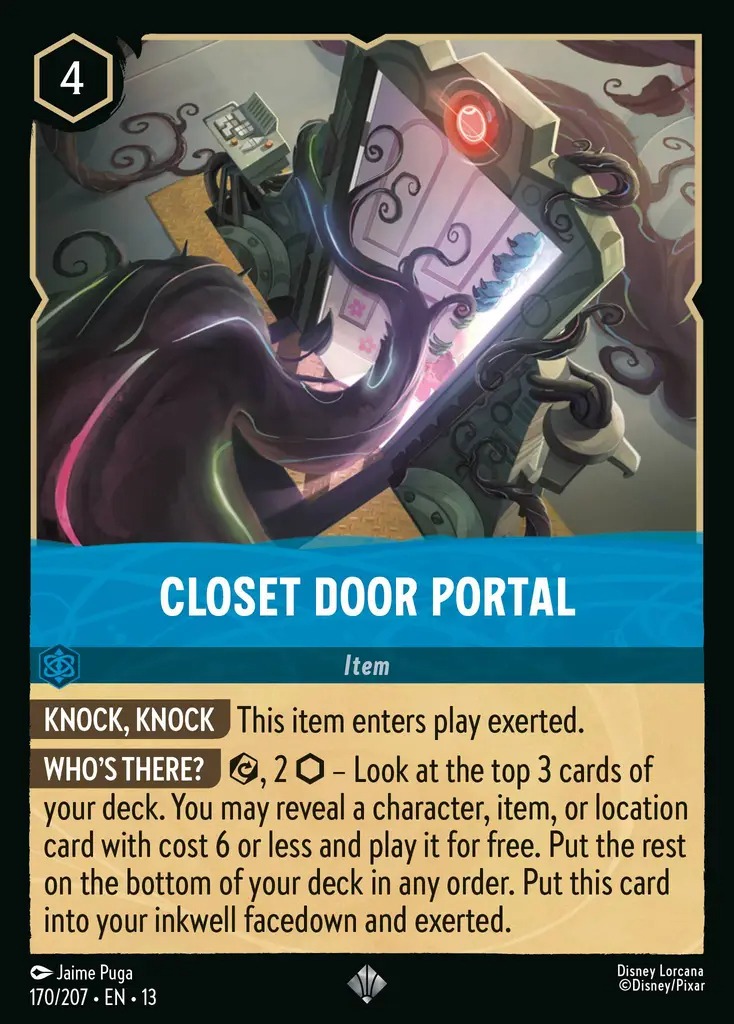
This item requires a turn of setup, then can ramp you and potentially play a card for free. There is some randomness and the opponent may pressure you before it comes online, but the payoff is strong enough to justify the risk.
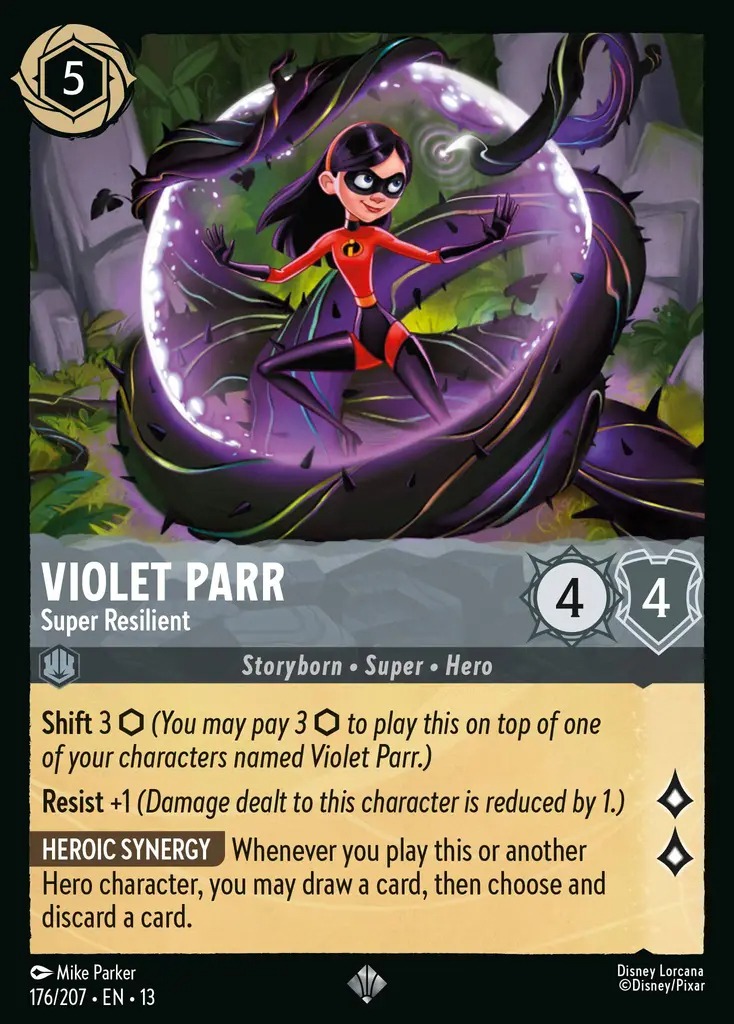
Violet offers useful filtering, a sturdy Resist body and a possible shift line. None of those elements is overwhelming alone, but together they make her a dependable five-cost inclusion.
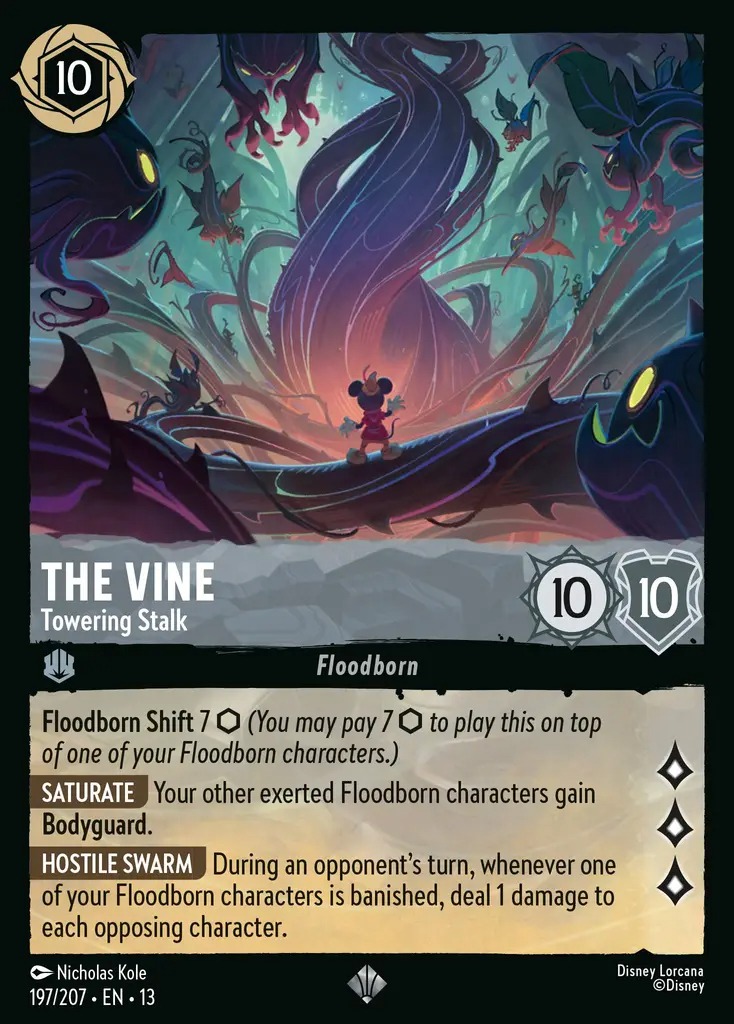
Vine rewards a Floodborn-heavy pool by granting Bodyguard and turning its banishment into area damage. The setup is demanding, but the Bodyguard can protect your other threats and the final damage burst may swing the entire board.
Legendary
The Legendary slot contains both genuine bombs and obvious constructed build-arounds. The Horned King and Mushu are excellent because they produce value without asking the rest of the deck to bend around them. Others become strong only with a specific shift line or a high Floodborn, Hunny or item count. A Legendary should reward a good sealed deck, not convince you to play a bad one.
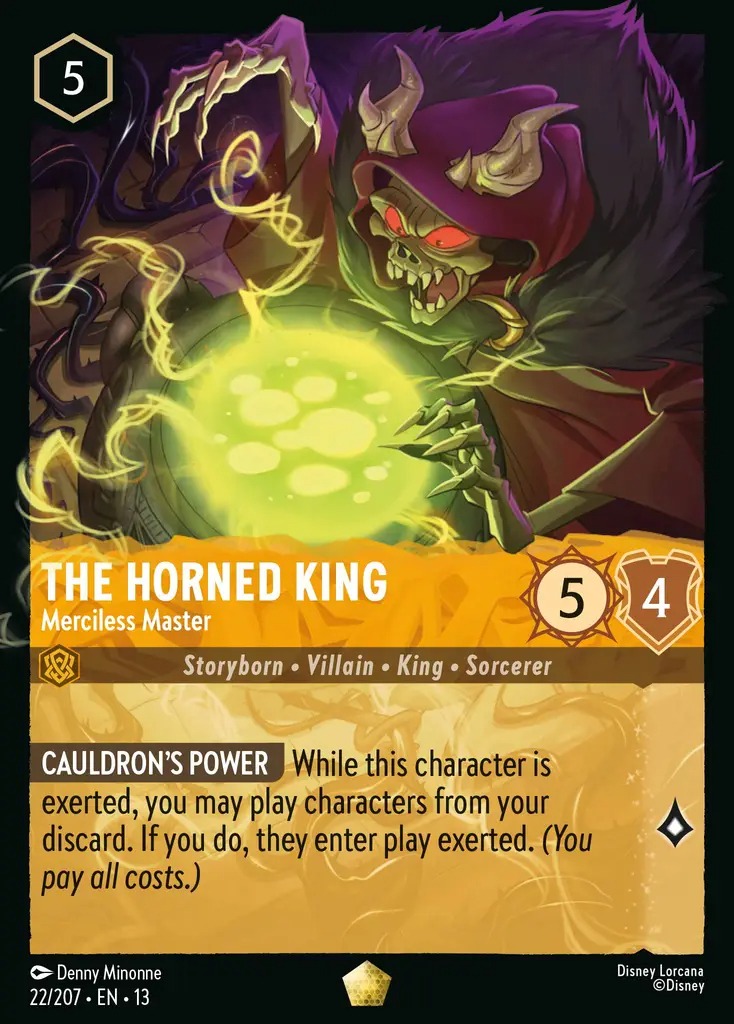
The Horned King is a true sealed bomb. Exerting him turns your discard pile into a second hand, allowing you to replay your best characters while the opponent slowly runs out of answers.
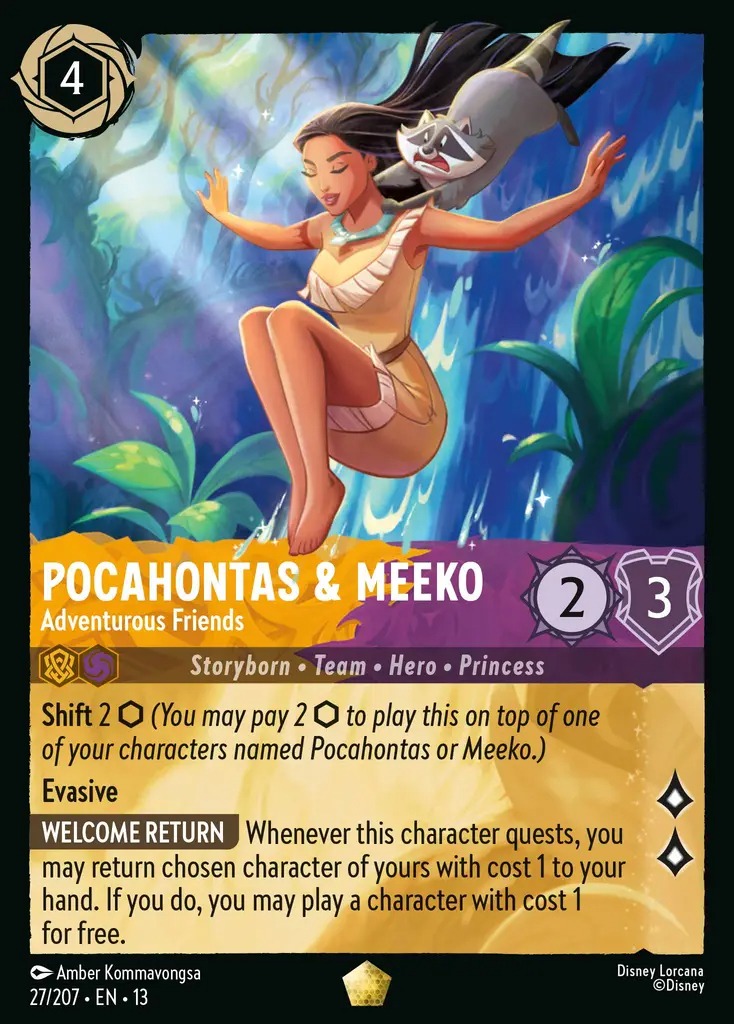
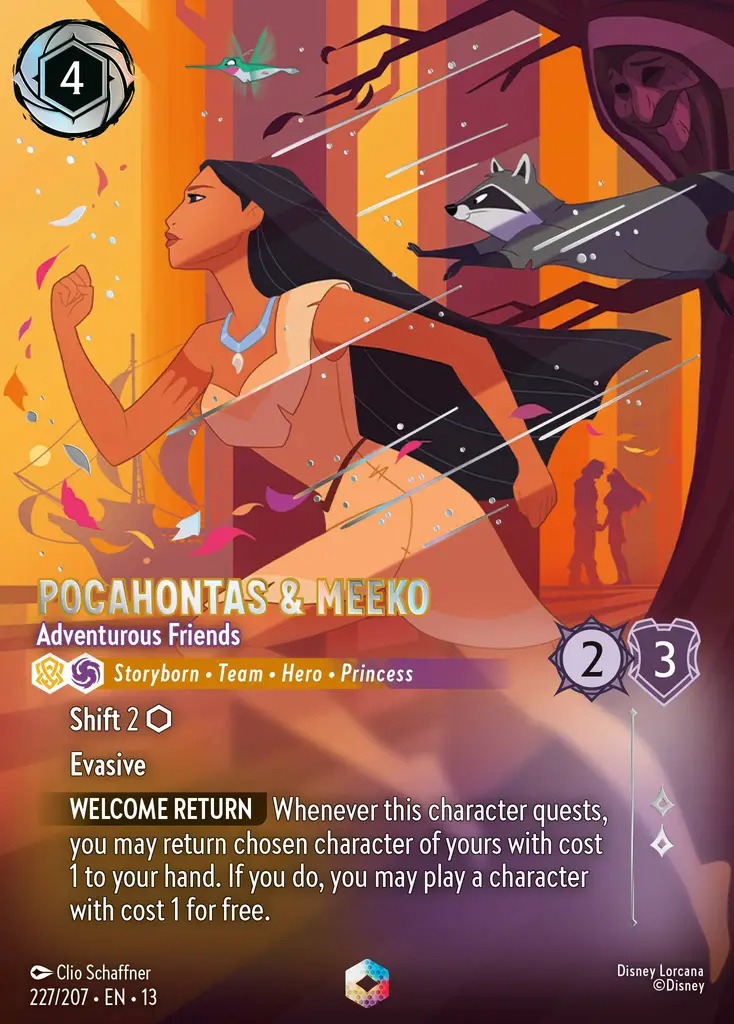
Pocahontas and Meeko can shift early, quest safely with Evasive and keep deploying one-drops to widen the board. The free plays will not always line up, but a four-cost Evasive body is still a respectable floor.
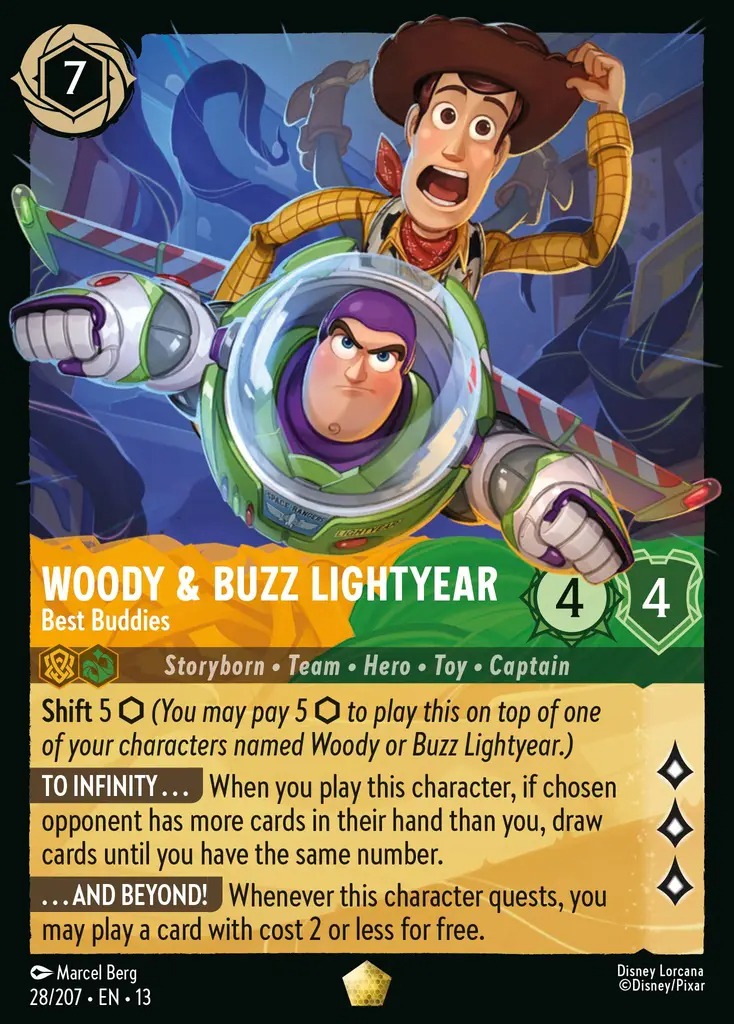
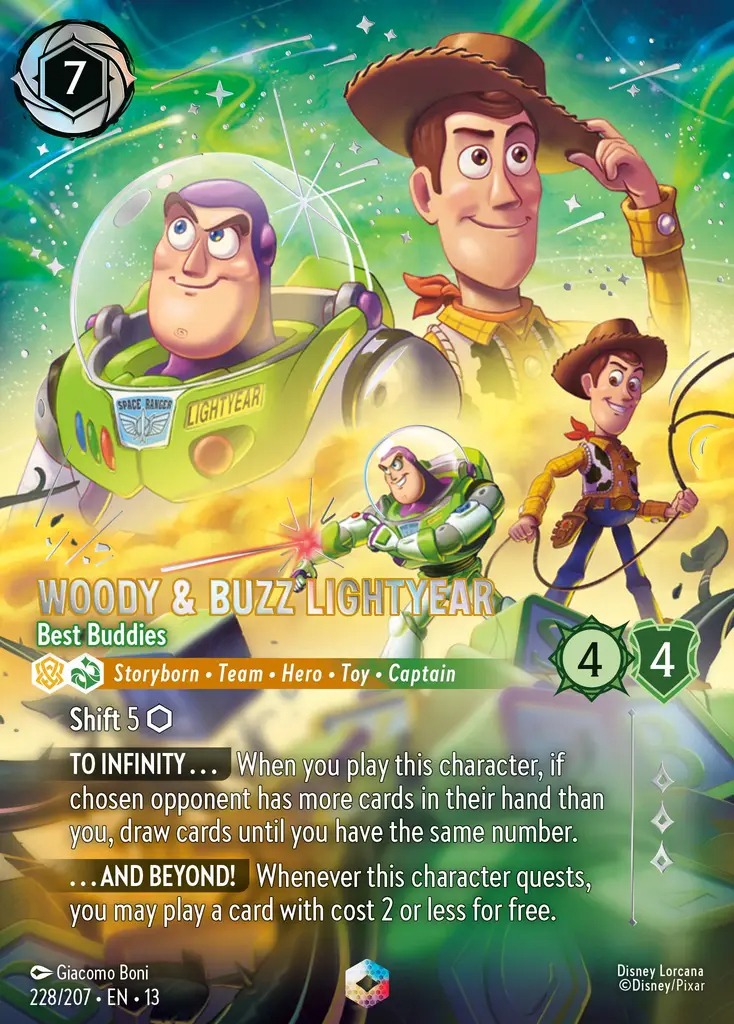
Woody and Buzz want to be shifted rather than paid for at seven ink. Refilling to match the opponent’s hand and playing a cheap card for free whenever they quest is powerful, but the body feels expensive if you cannot access that shift line.
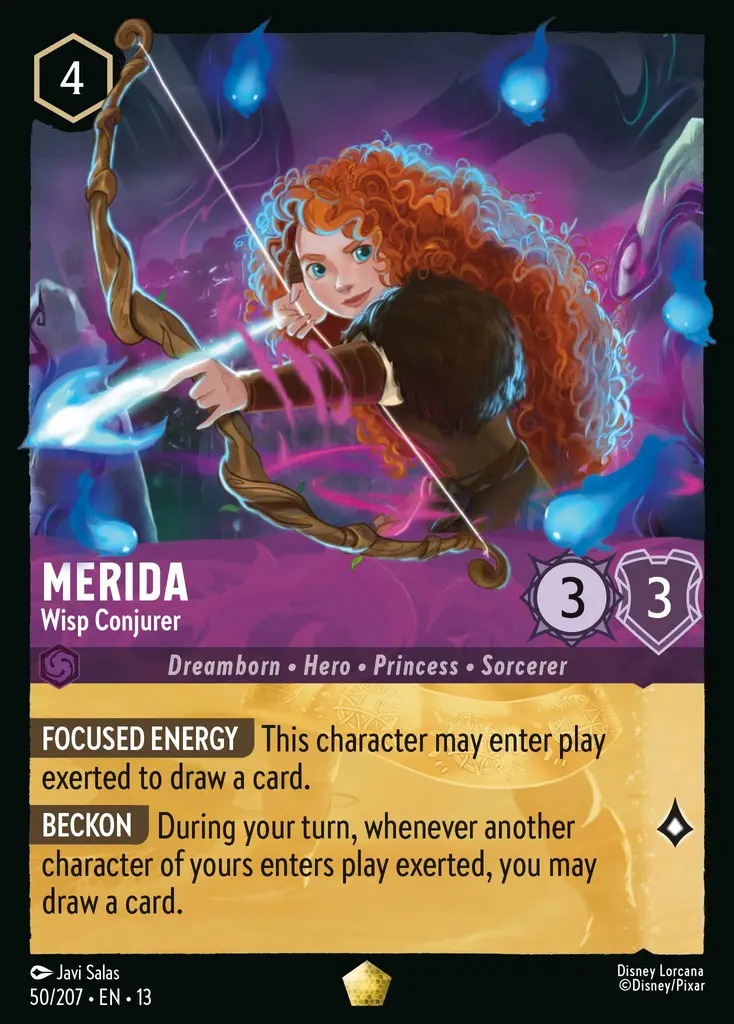
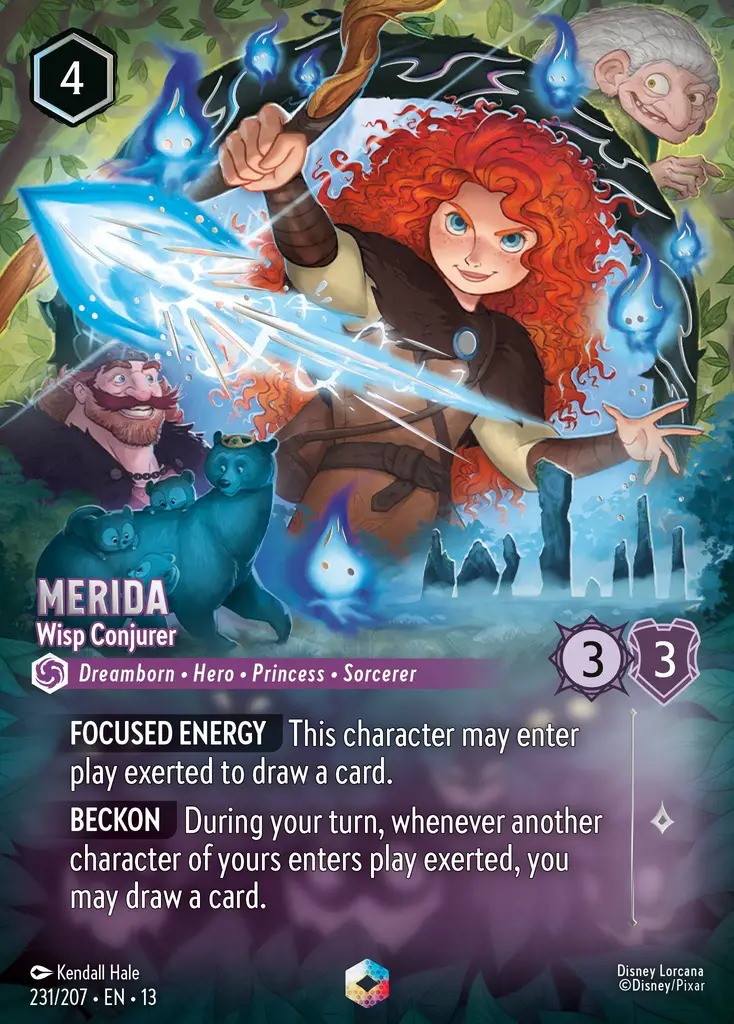
Merida’s draw trigger depends on characters entering exerted, something many sealed pools cannot do consistently. With only average four-cost stats, there is a real chance her ability never matters.
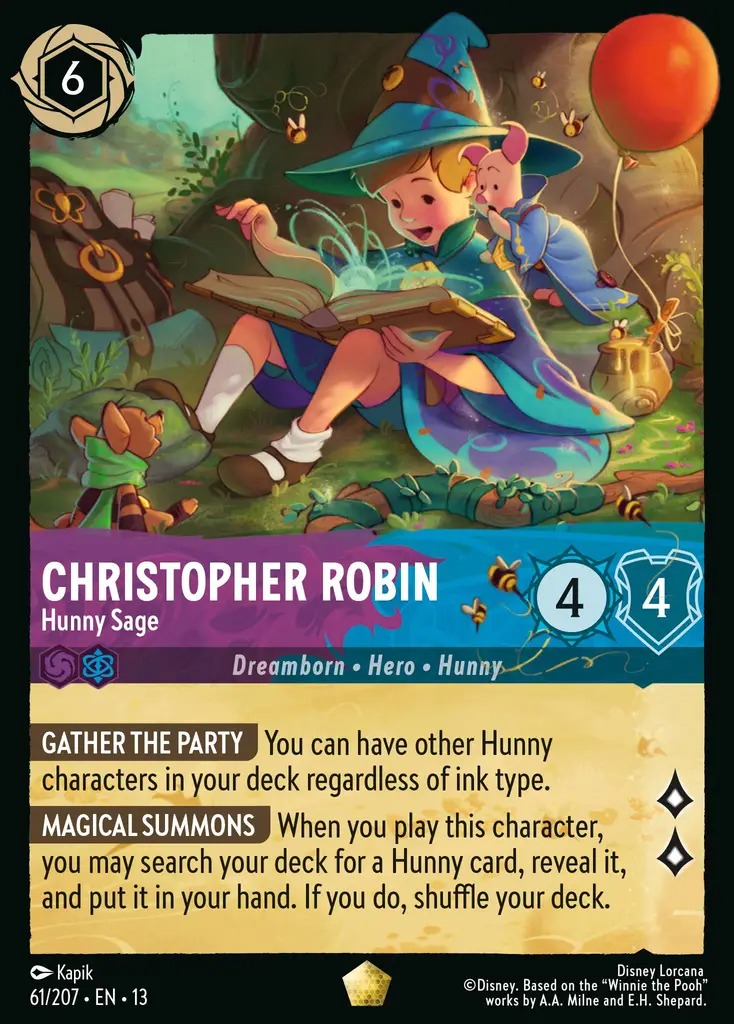
Christopher Robin loses much of his appeal in sealed because every ink colour is already legal. Searching only for Hunnies is narrow, and his six-cost body does not offer enough compensation.
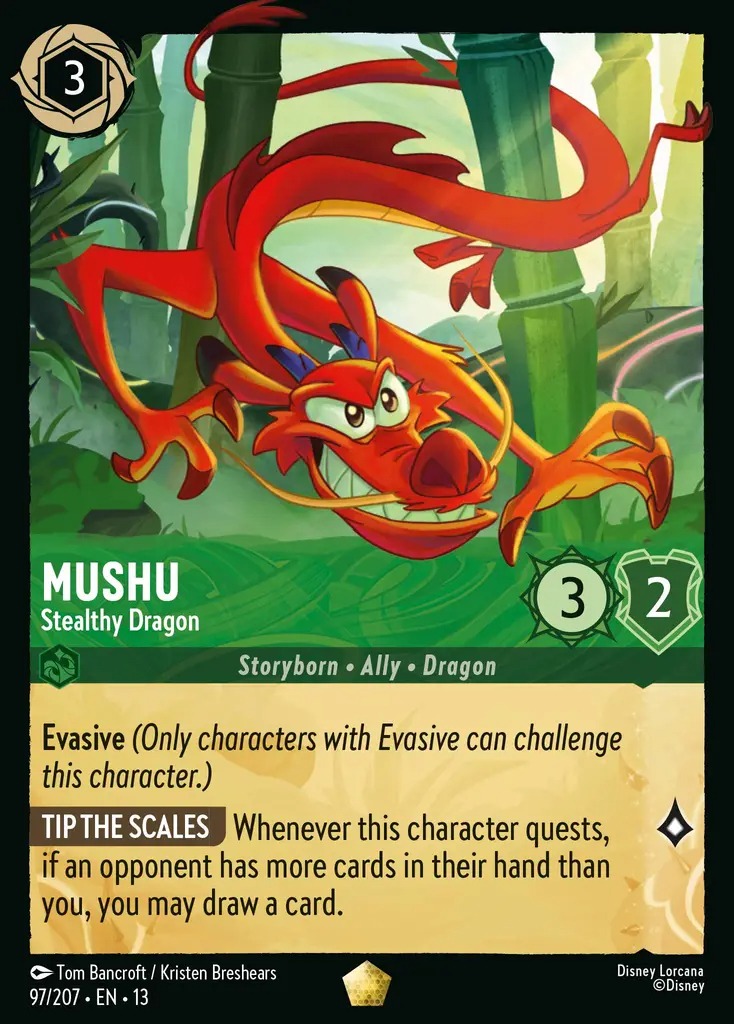
Mushu is an excellent sustained threat. Evasive makes him difficult to answer, and whenever your hand is not larger than the opponent’s he can keep the cards flowing.
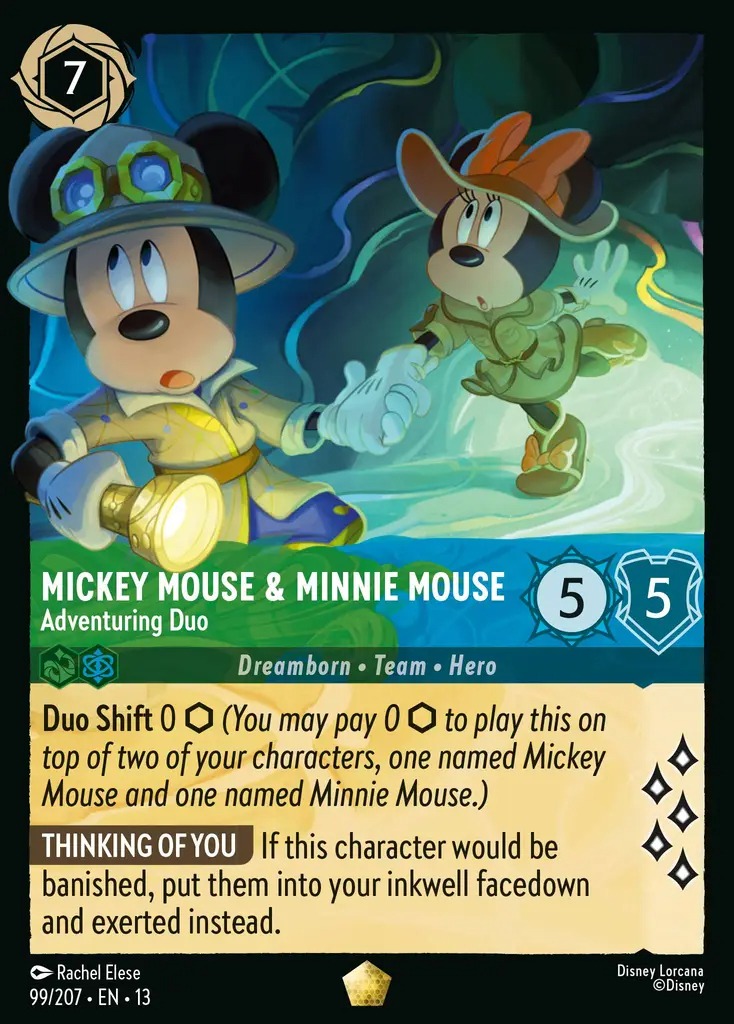
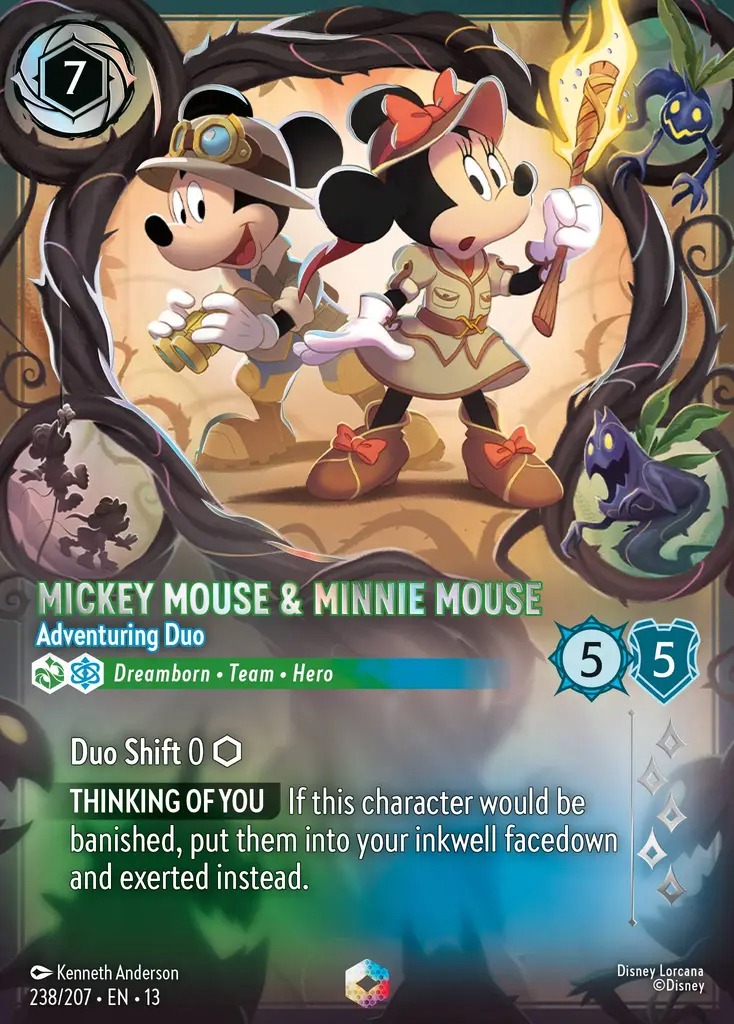
Mickey and Minnie are at their best when duo-shifted, which is difficult to assemble, but five lore on a 5/5 body is still a terrifying ceiling. Entering the inkwell when banished also softens the risk of investing seven ink.
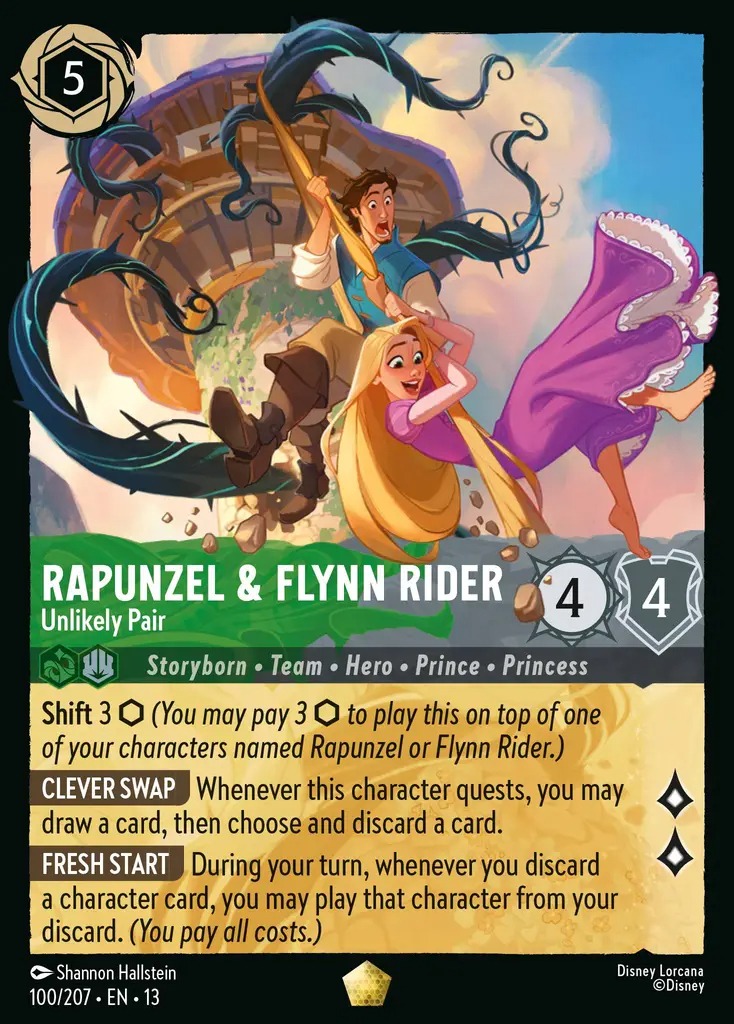
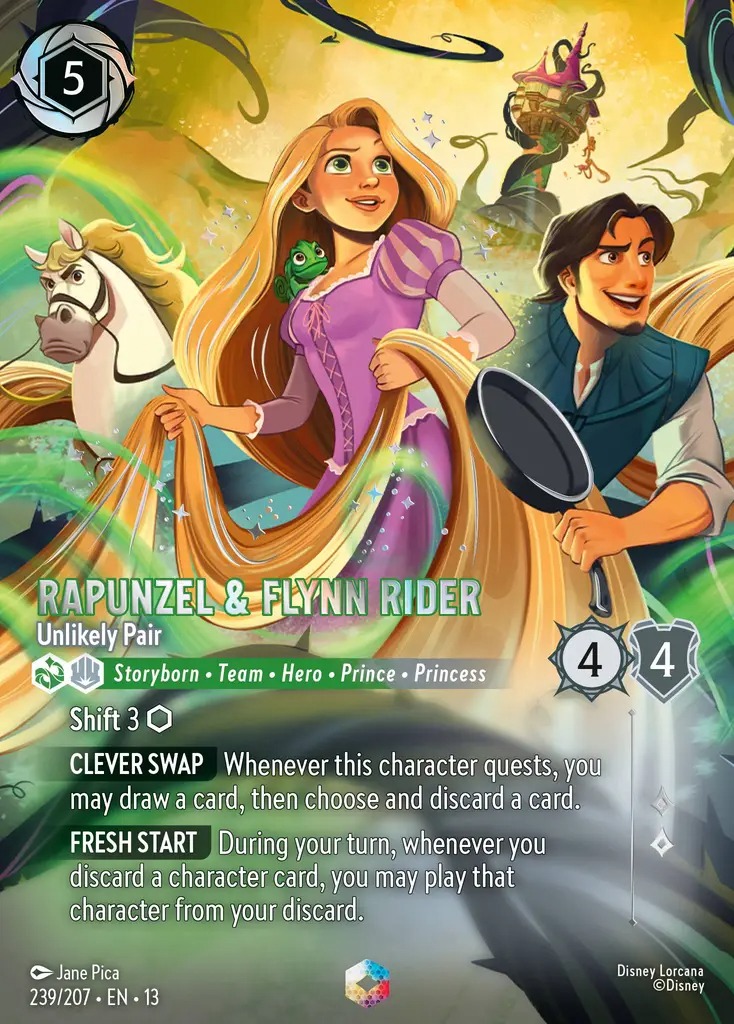
Flynn and Rapunzel turn every turn into a hand-management engine: filter a card, then play the discarded card so you can keep deploying characters without emptying your hand. Shifting them early is ideal, and the value is strong enough that opponents will be forced to answer them.
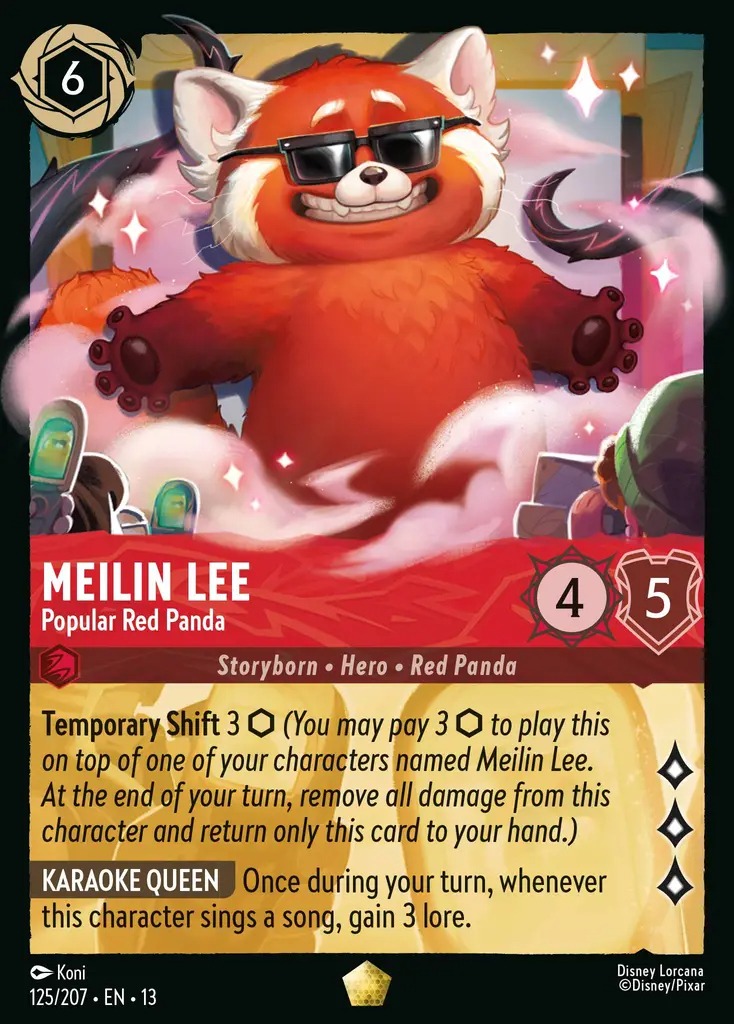
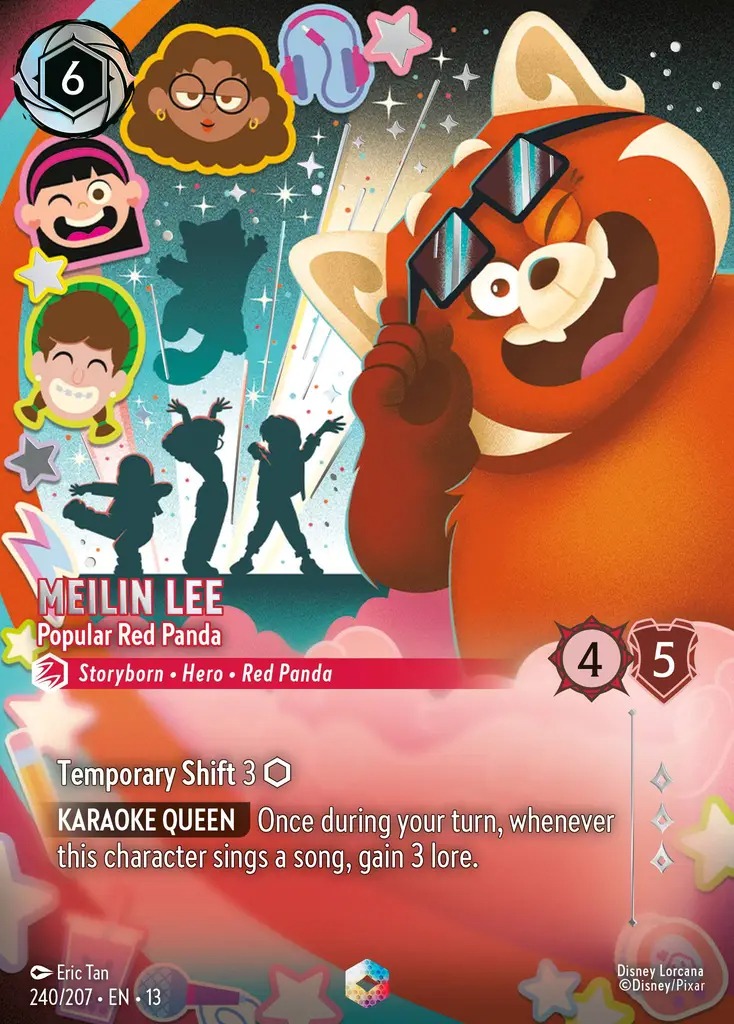
Meilin brings a 4/5 body with three lore, making her a legitimate threat whether shifted or hard-cast. Singing can create an additional lore angle, but the card is already playable without relying on that line.
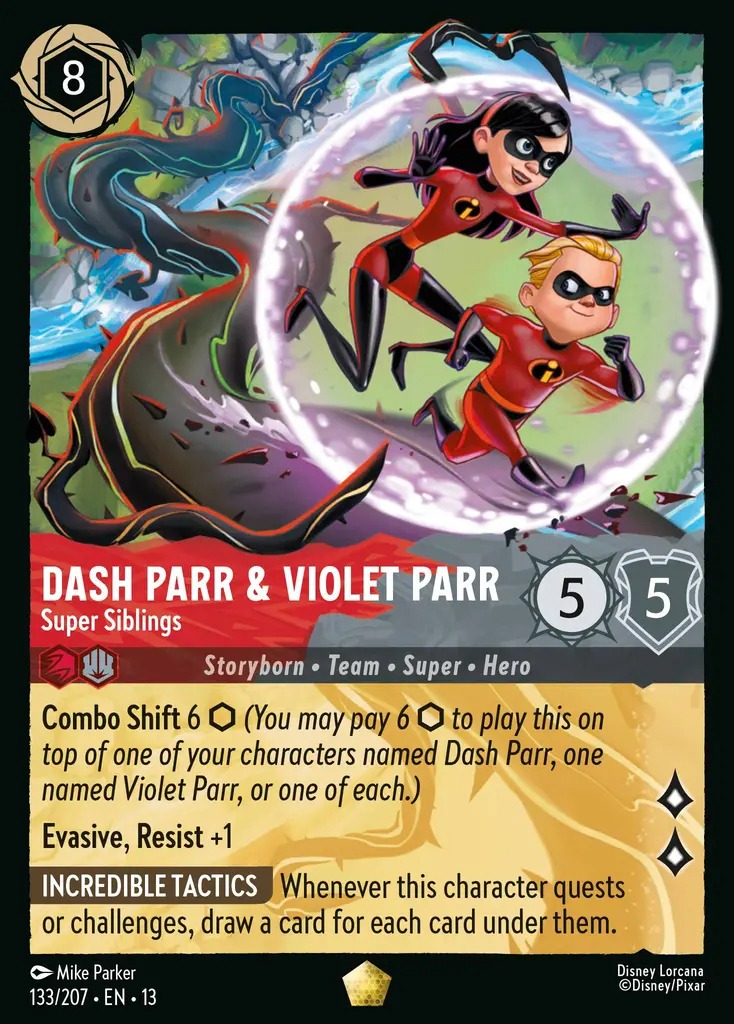
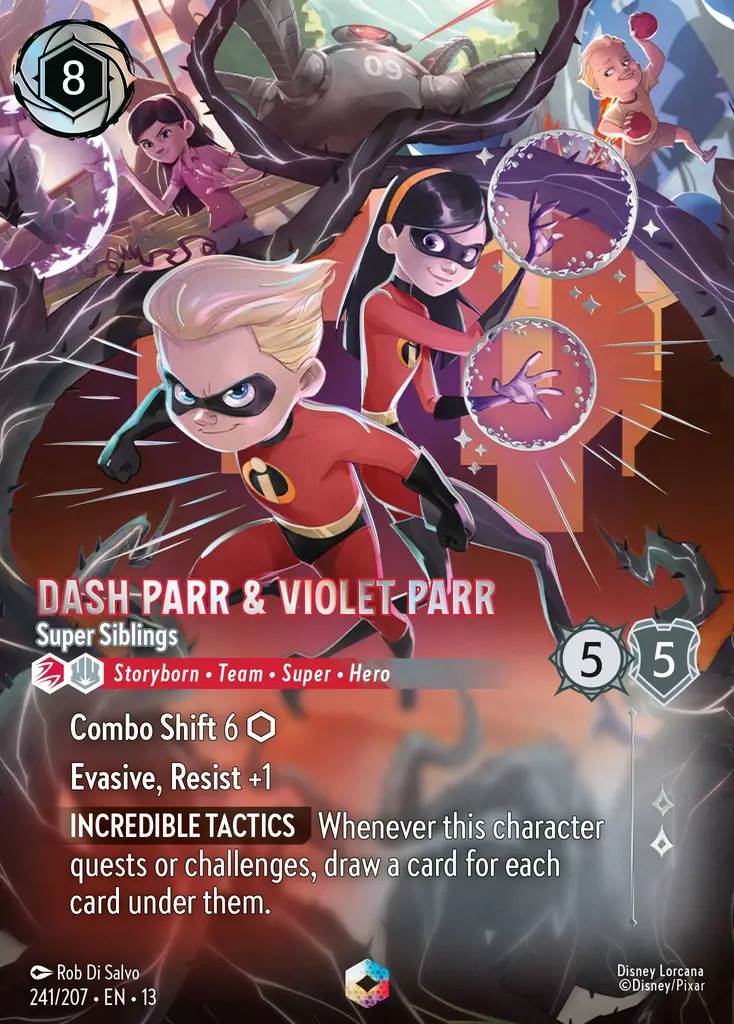
Dash and Violet are expensive at eight ink, so the shift route matters. Evasive, Resist and built-in card draw from questing or challenging make the payoff strong, but the deck must be capable of reaching it.
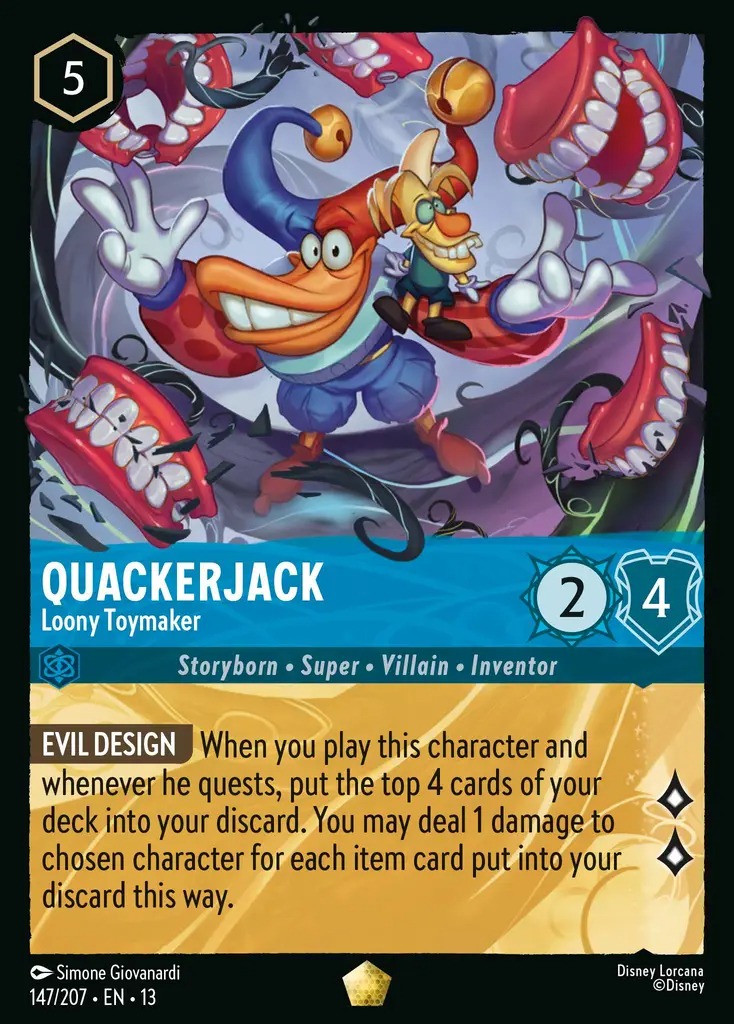
Quackerjack is built for an item-focused constructed deck, not a random sealed pool. A five-cost uninkable character with poor stats needs far more item density than you are likely to open.
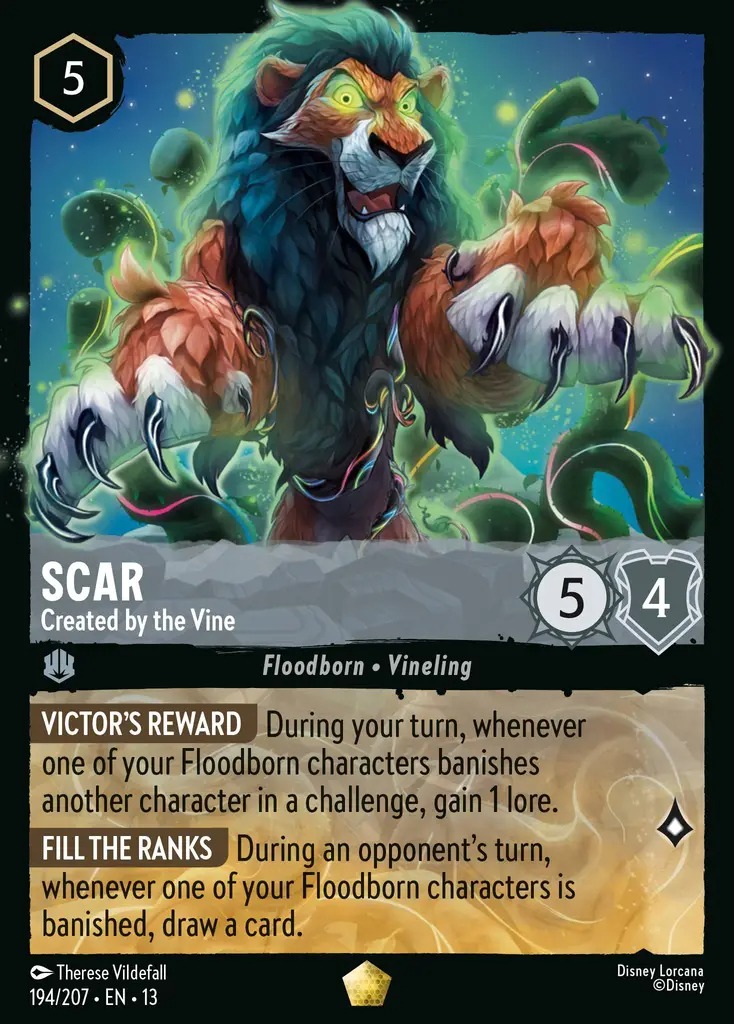
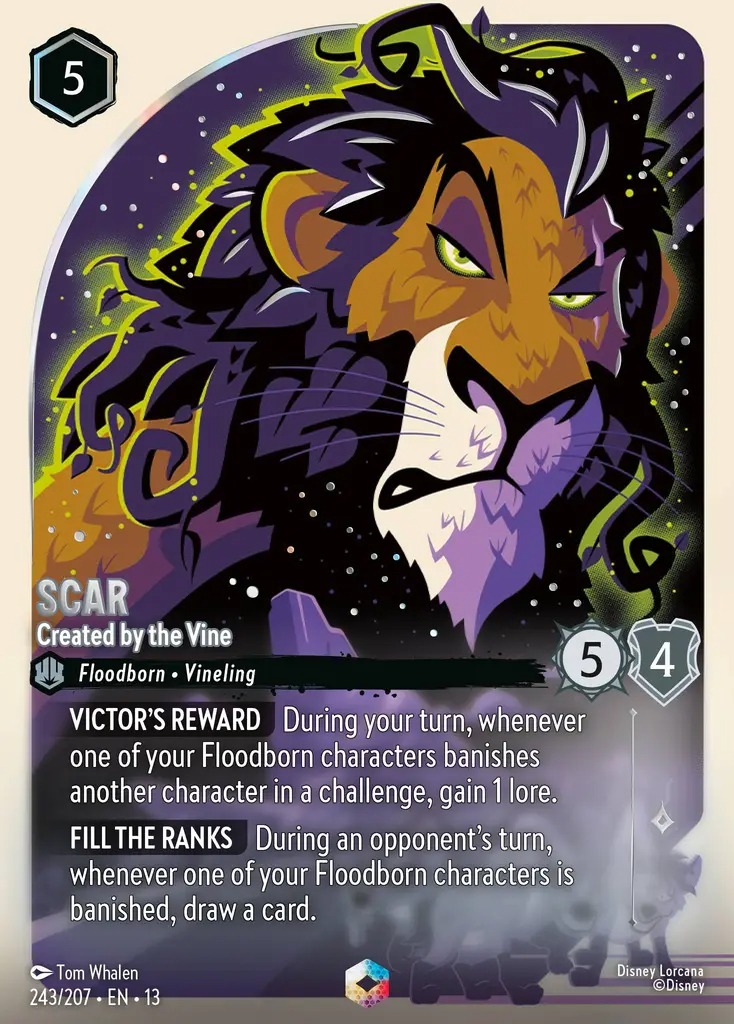
Scar can take over a Floodborn-heavy game by challenging repeatedly and replacing the cards you spend. The cost is justified when your pool contains enough Floodborn characters; without them, too much of the card disappears.
Epics
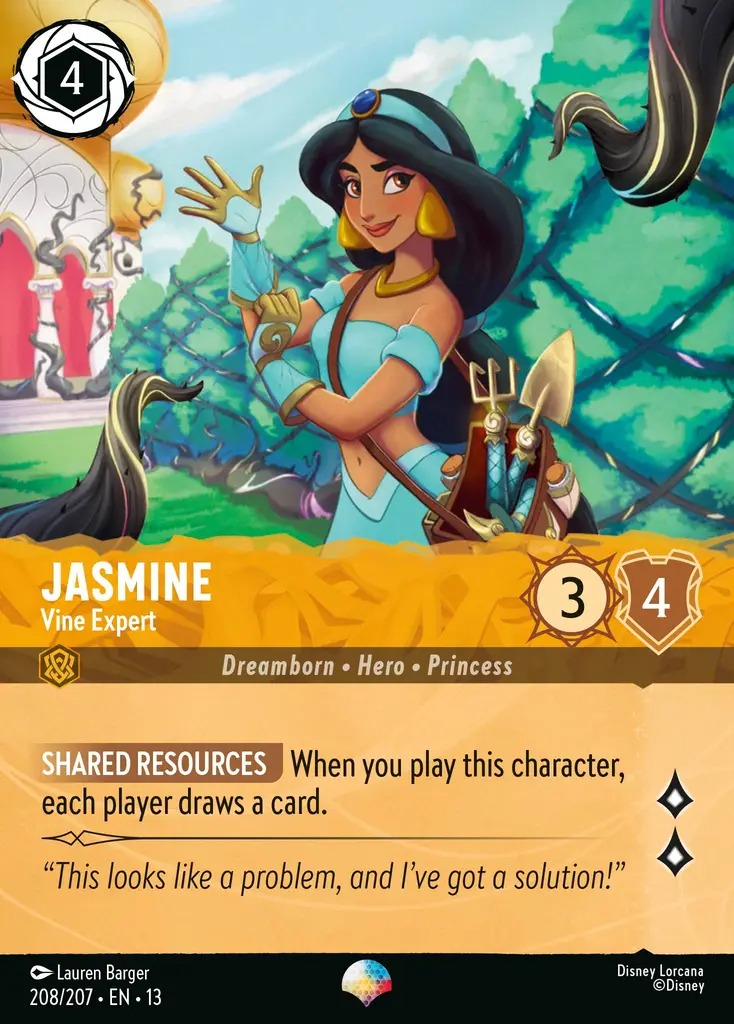
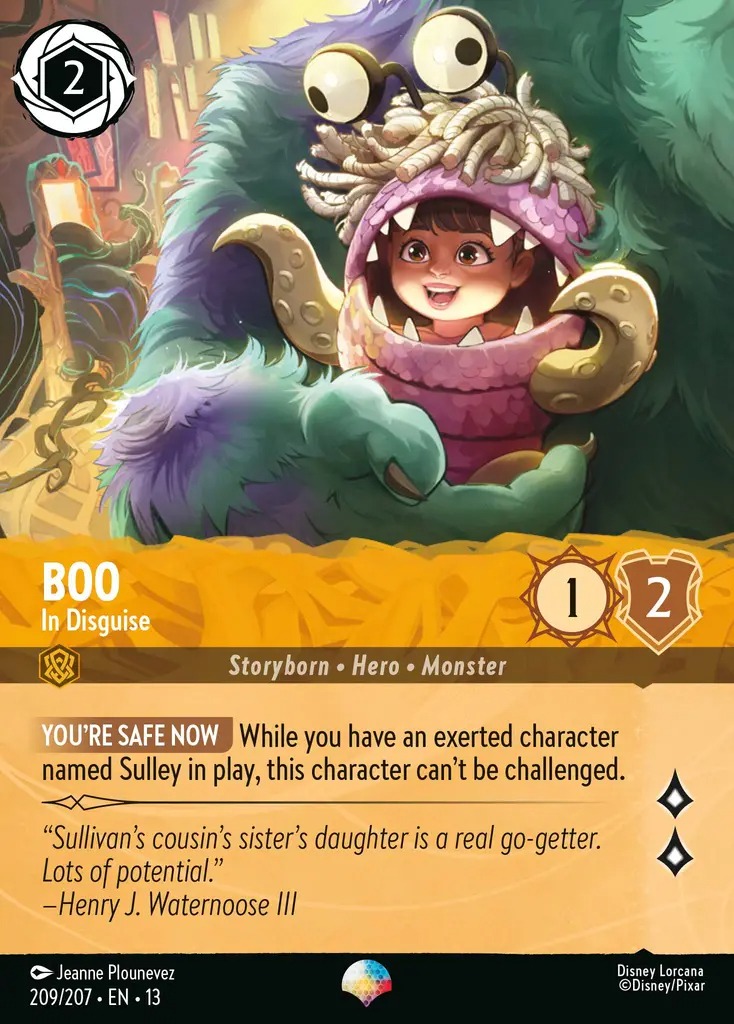
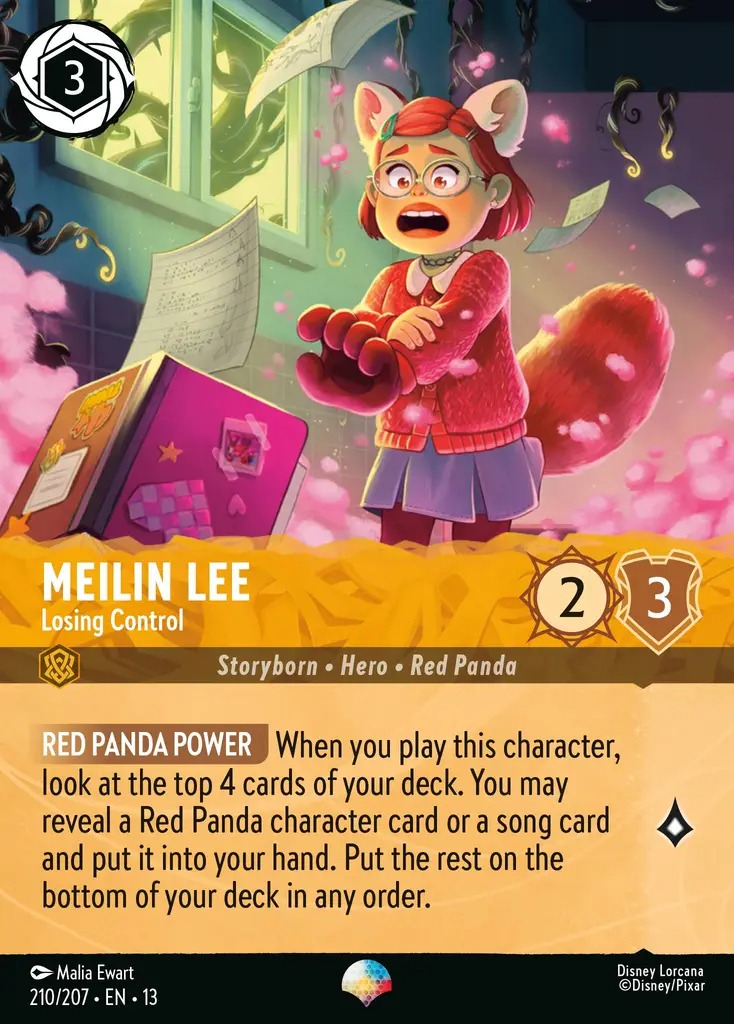
Epics are alternate versions of existing cards with enhanced visuals. They function exactly the same as their base versions, so while they are exciting to pull, they don’t change how your deck plays.
I will just showcase a gallery of them since they work the same way as their lower rarity variant.

Enchanted
Enchanted cards feature unique full-art designs and are extremely rare. Like Epics, they play the same as their original versions, but they add a special feel when played and are highly sought after by collectors.
Enchanted comes by 1 in every 100 packs, so consider yourself very very lucky if you can pull one in the sealed event! Here is a gallery of those that you can pull in this set:
Iconic
Iconic cards are an even rarer tier, featuring premium alternate versions of certain Super Rare cards. Their gameplay remains unchanged, but their rarity and presentation make them a standout pull in any sealed event.
Consider yourself super lucky if you pull any of these!
Conclusion
Sealed is one of the most balanced and unpredictable formats in Lorcana. Everyone starts on equal footing, and success comes down to how well you build, adapt, and make decisions in the moment.
You won’t always open the best cards and that’s okay.
Focus on building a consistent deck, playing to your outs, and making the most of every situation. The players who do well aren’t just lucky, they understand what matters and stay disciplined throughout the game.
Most importantly…
Enjoy the process. Every sealed event is a new puzzle to solve. And Remember…
Lorcana is Fun!
Image Credit: https://dreamborn.ink/cards?setId=013
Disclaimer: This site uses trademarks and/or copyrights associated with Disney Lorcana TCG, used under Ravensburger’s Community Code Policy. We are expressly prohibited from charging you to use or access this content. This site is not published, endorsed, or specifically approved by Disney or Ravensburger. For more information about Disney Lorcana TCG, visit their official website. https://www.disneylorcana.com/en-US/
 Lorcana Is Fun
Leave a comment