
Welcome to Lorcana is Fun — where Disney magic meets card strategy!
For those new to my site, my name is Drew, I am a Lorcana player and collector.
This site is your stop for set reviews, card breakdowns, deck tech, and behind-the-scenes thoughts from a player who enjoys both high-level play and casual fun!
Whether you are a longtime TCG fan, a Disney enthusiast, or someone just getting started with Lorcana, my goal is to write in a way that is approachable, analytical, and fun!
Overview
Set 11 feature a winter set, where Elsa has frozen the entire world to stop a malicious Vine from entering the realms, which explains most of the characters in the set revolves around a Winter Theme!
Sealed Format
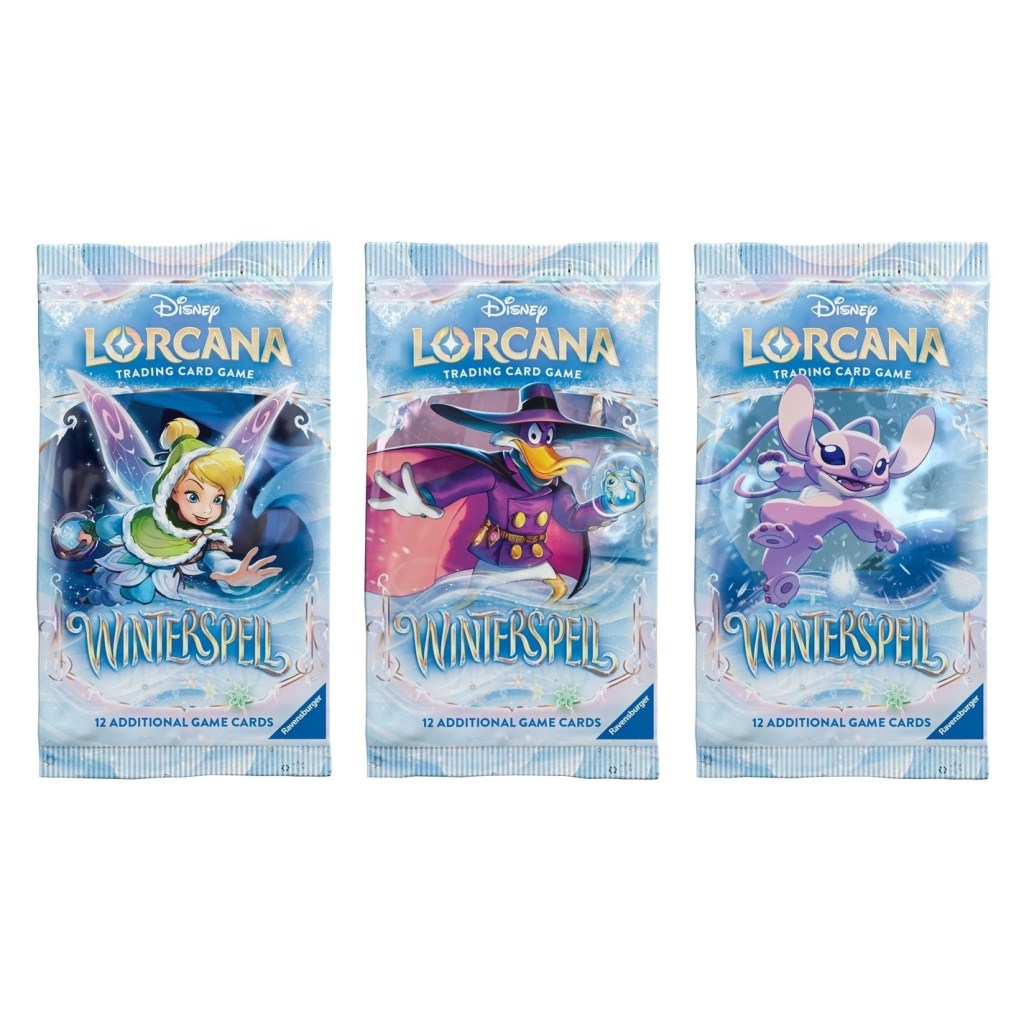
For those new to the sealed format, let me do a quick explanation!
Each player builds a deck from 6 booster packs from the set. From those packs, you will build a minimum 40-card deck, and there are no ink restrictions!
Games are still played to 20 lore.
Potential Prizes
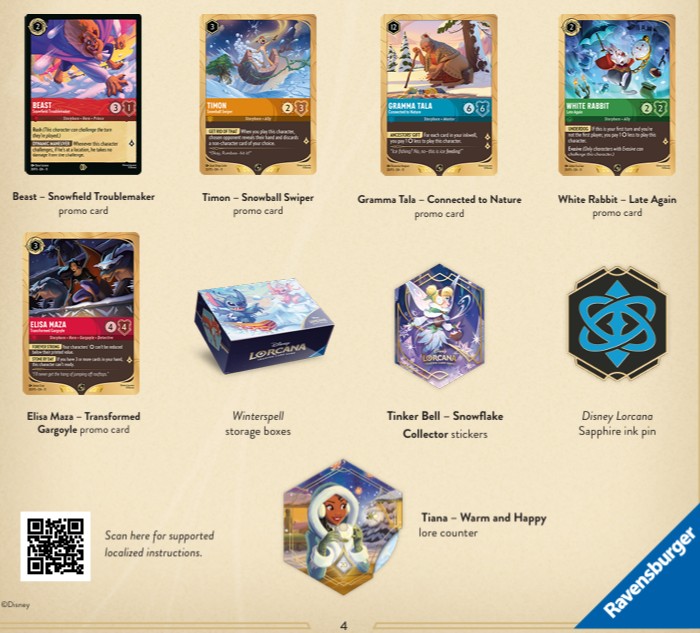
Beyond the thrill of competition, some events often come with tangible rewards that add extra motivation.
Some stores gives 1 additional packs for every win, while some uses the the prizes from the organized play kits as reward. Some might even have no top prizes and offers lucky draw instead! Do check out the event’s information for the shop before heading down!
By participating, you should get a Timon Promo card!
Doing well in Sealed
One thing I enjoyed about sealed is that anything goes and anyone, including yourself could top the event! You just need a little understanding of what the format requires and the rest is up to your pulls and in game adaption!
Sealed Vs Constructed
- Sealed decks are less consistent
- Sealed games tend to be slower
- You win more by solid board presence and value, not fancy combos
In sealed, you’re usually trying to build a stable, honest deck that can function even with awkward draws.
The B.R.E.A.D method
When opening your packs, do sort cards into roles instead of reading every line in detail. Here are the main things that matter in sealed:
| “Bombs” | Cards that can take over a game if unanswered or can create a big impact that will win you the game. |
| Removals | Anything that answers opposing threats. Removal is premium in sealed because answers are harder to come by. |
| Evasive | Characters that can be hard to challenge and often win games quietly. |
| Aggression | Cheap characters that help you not fall behind while setting up your stronger cards. |
| Drawing Power | Draw effects, recursion, or cards that replace themselves. These help smooth out sealed’s inconsistency. |
Filler Cards
Unless you are super lucky, you might not be able fill your 40 card deck with all cards that fulfils the BREAD condition. That means you will have to play some cards that aren’t exciting.
A good filler cards are cards that:
- Helps with your ink curve
- Trade reasonably well in Challenges
- Do something even though it’s not as amazing as BREAD effects
Some bad filler cards include
- Cards that only work with heavy synergy
- Extremely reactive cards with narrow conditions
- Win-more effects that do nothing when you’re behind
If you are still not confident, fret not, I will review every single card in this set and label them with their utility in this format. You don’t have to read every single one of them, just have a sensing of the cards and you should do well! Of course I am more than happy if you can read every single of my reviews 🙂
Card Ratings
Each card will be given 1 to 5 stars, based on their
- Power level
- Playability
- Synergy potential
⭐ = unplayable, do not choose this card for sealed.
⭐⭐ = niche or hard to set up, probably not good in your deck, but if you have no better choice, then sure, hope at least it’s inkable.
⭐⭐⭐ = playable and decent card, we can’t have all high tier cards so some filler cards are needed to help us maneuver our way to victory.
⭐⭐⭐⭐ = strong in this format, usually fulfils the B.R.E.A.D formula
⭐⭐⭐⭐⭐ = format staplers, put them in your deck and just use them to your advantage!
Common
Unlike my usual reviews where I go through the cards by ink color, for Sealed, I’ll be reviewing them by rarity instead! In each packs, there are guaranteed to have 6 common cards, 1 for each ink color, so you are guaranteed to have minimally 36 common cards to work with!
These are the backbone of your deck and some good vanilla cards exist inside so you can use them as filler cards as well!
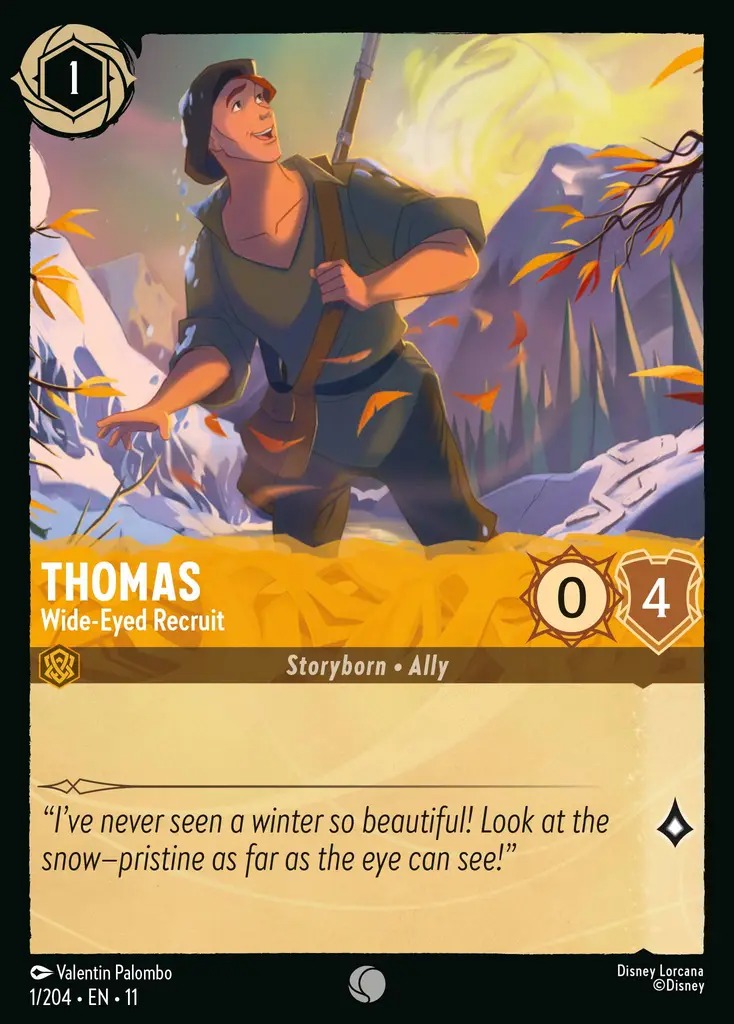
A solid 1-cost vanilla with high Willpower. It helps stabilise early, but doesn’t advance your game plan. Playable filler if you need early curve support.
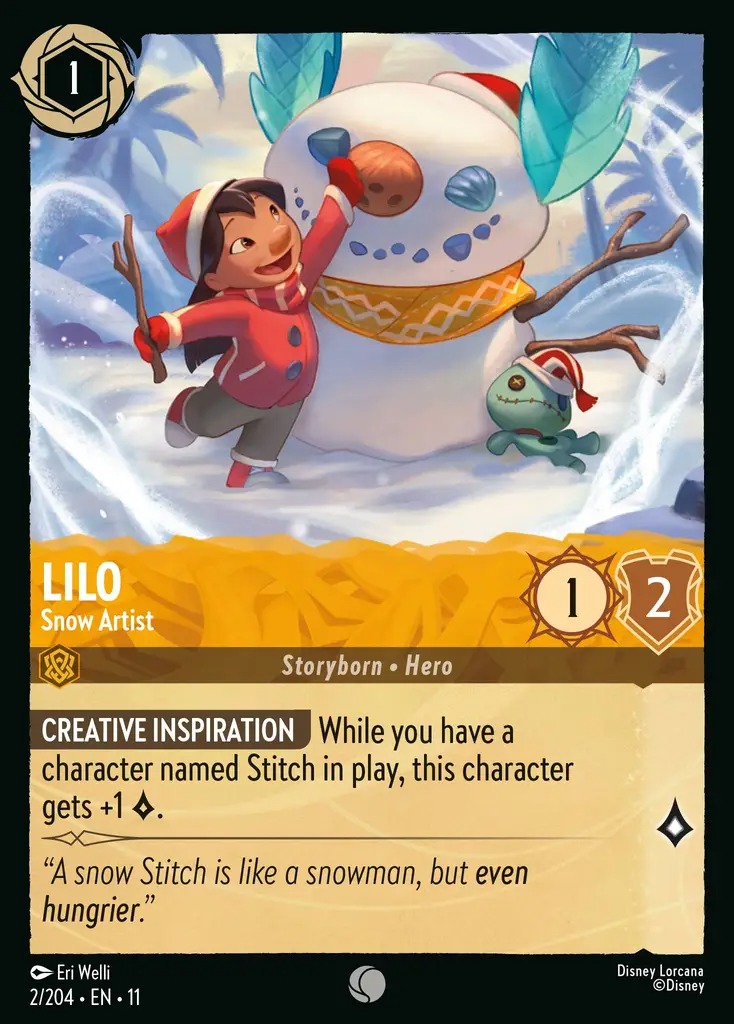
Without Stitch synergy, this is just an average card. Fine as filler, but should not be a priority unless your pool supports it.
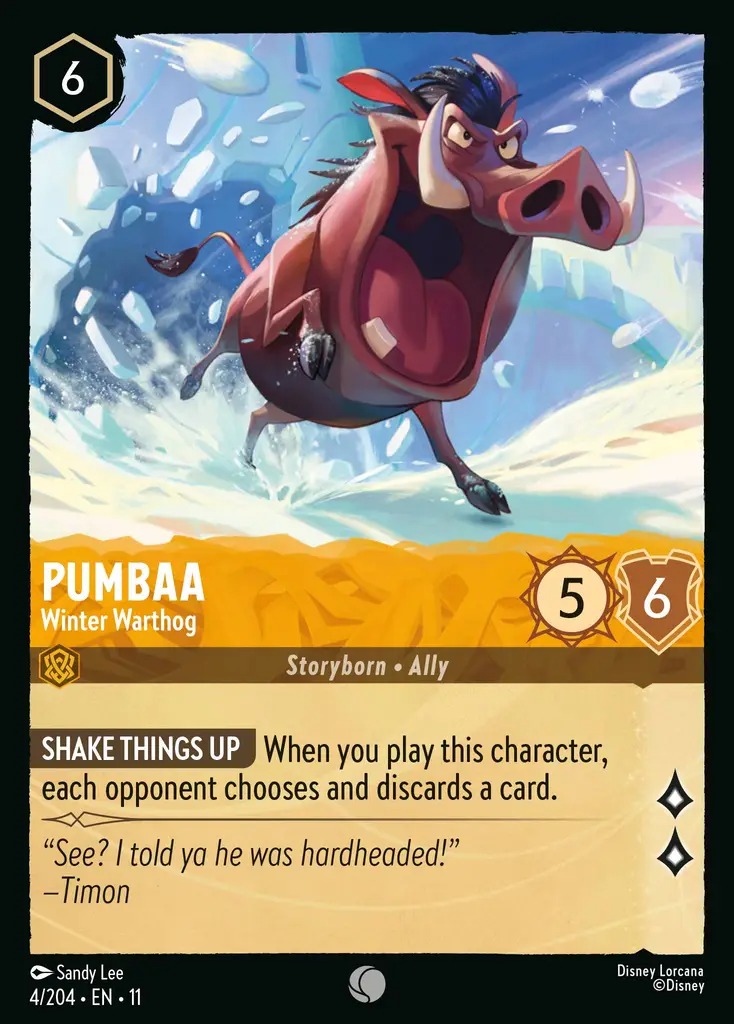
Acceptable stats for a 6-cost character, but it lacks late-game impact. Being uninkable makes it awkward early. Low-priority top-end filler.
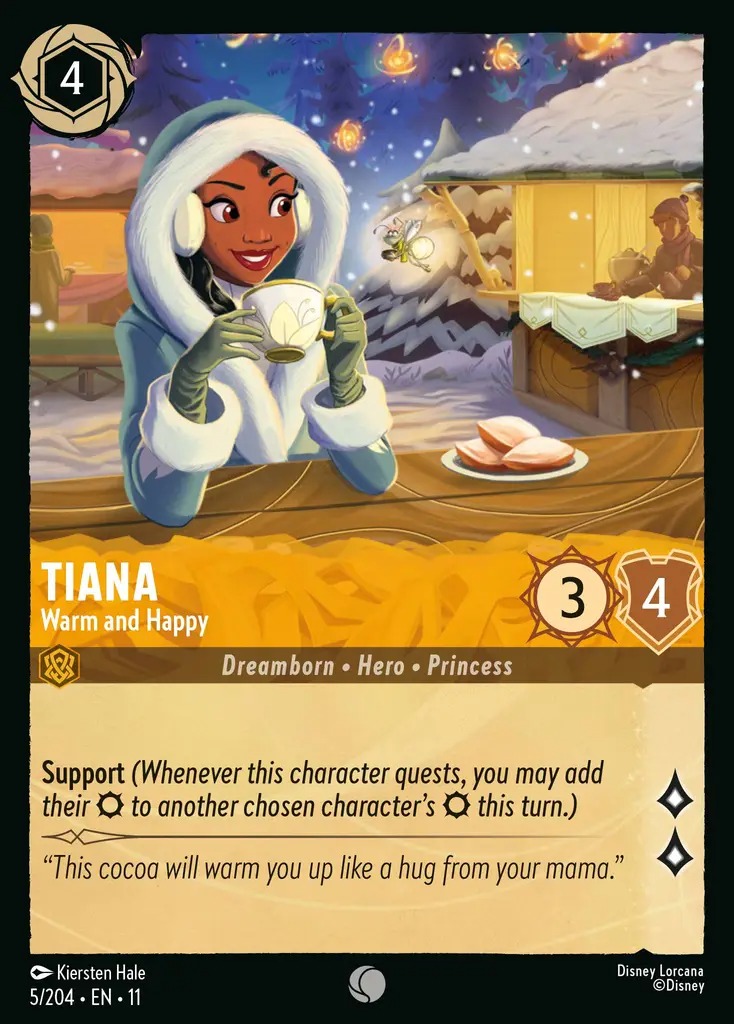
Support is very relevant in sealed and can create favourable combat trades. Two Lore also gives it late-game value. Above-average filler.
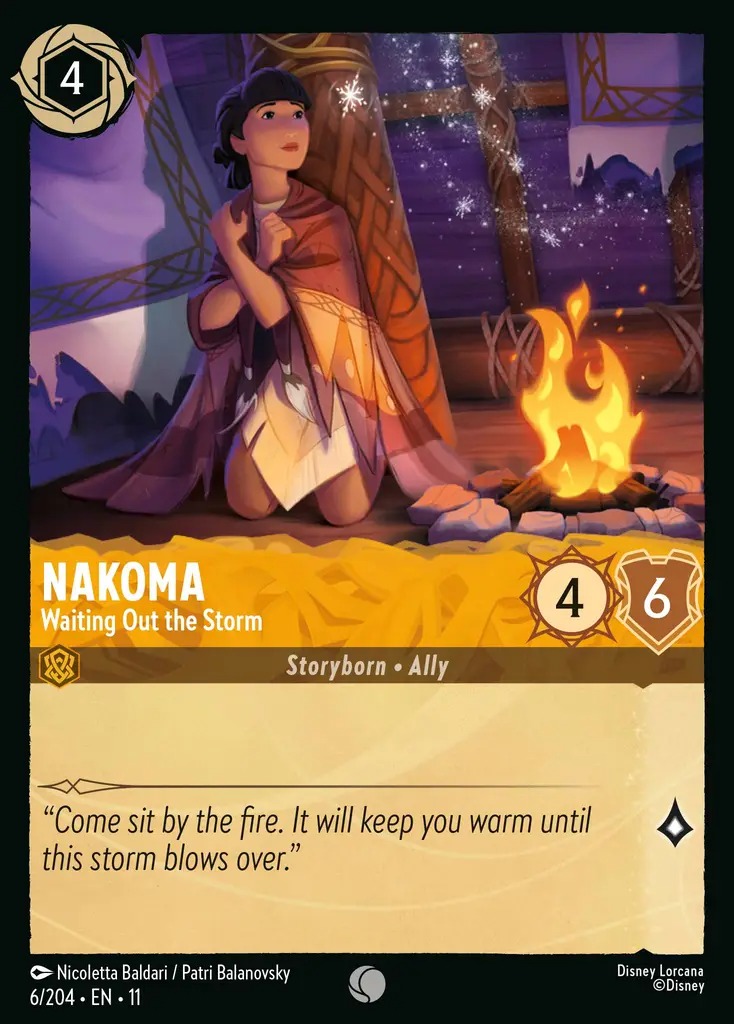
Decent stats for the cost, but replaceable. Include only if your pool lacks stronger options at this slot.
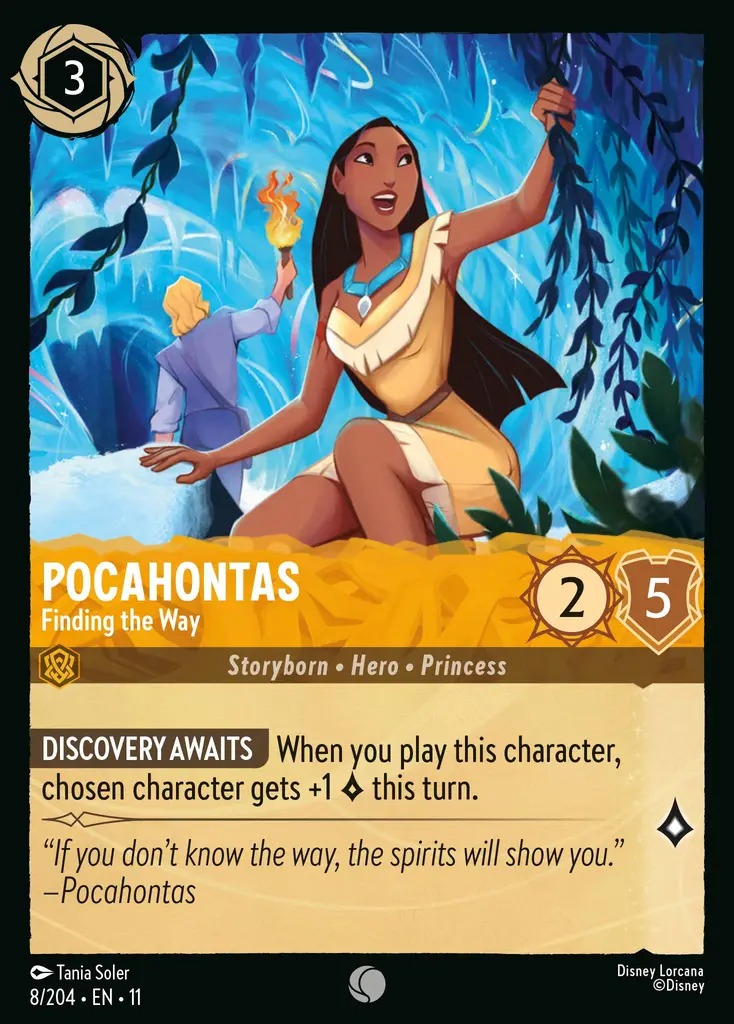
A strong 3-cost character that can sneak in Lore unexpectedly. The stats are solid, and the extra Lore can close games. Very good common.
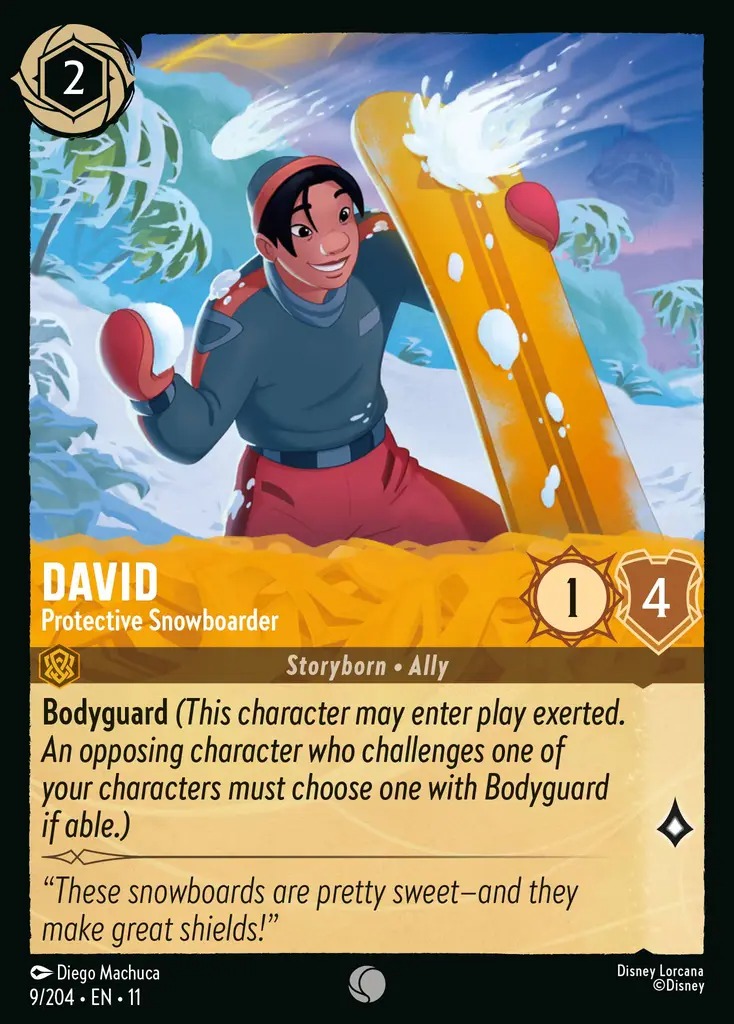
A reliable 2-cost Bodyguard that protects key characters even in the late game. Can be annoying for opponents to deal with. Solid defensive option.
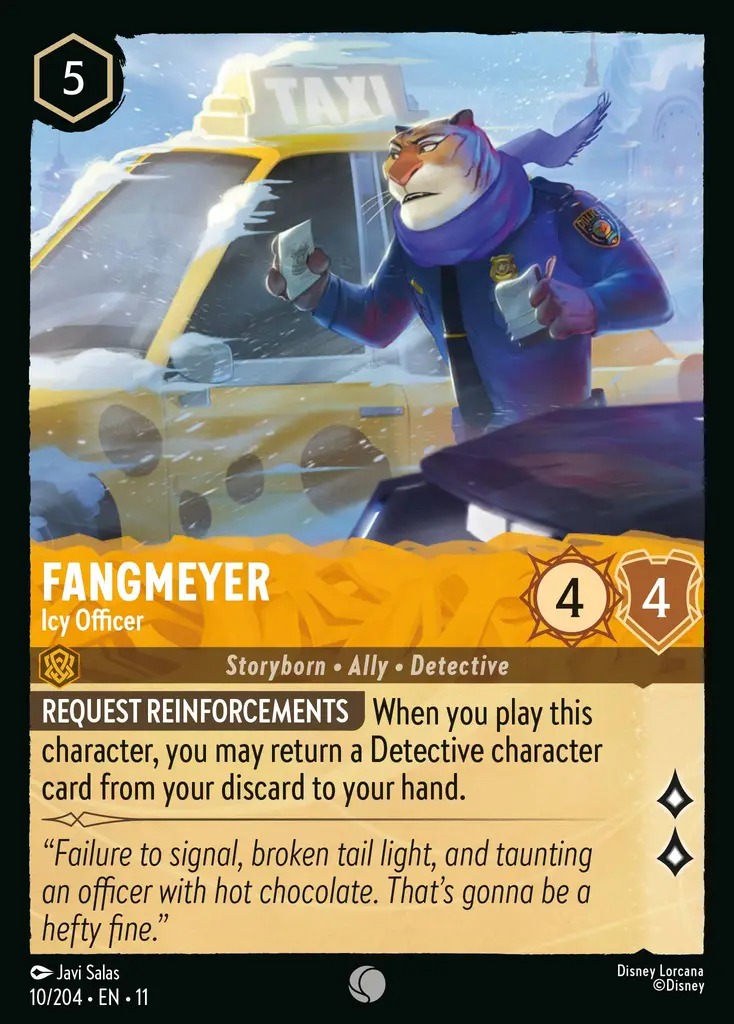
Too reliant on Detective synergy, which is unlikely to be consistent in sealed. Average stats for the cost and uninkable. Not recommended.
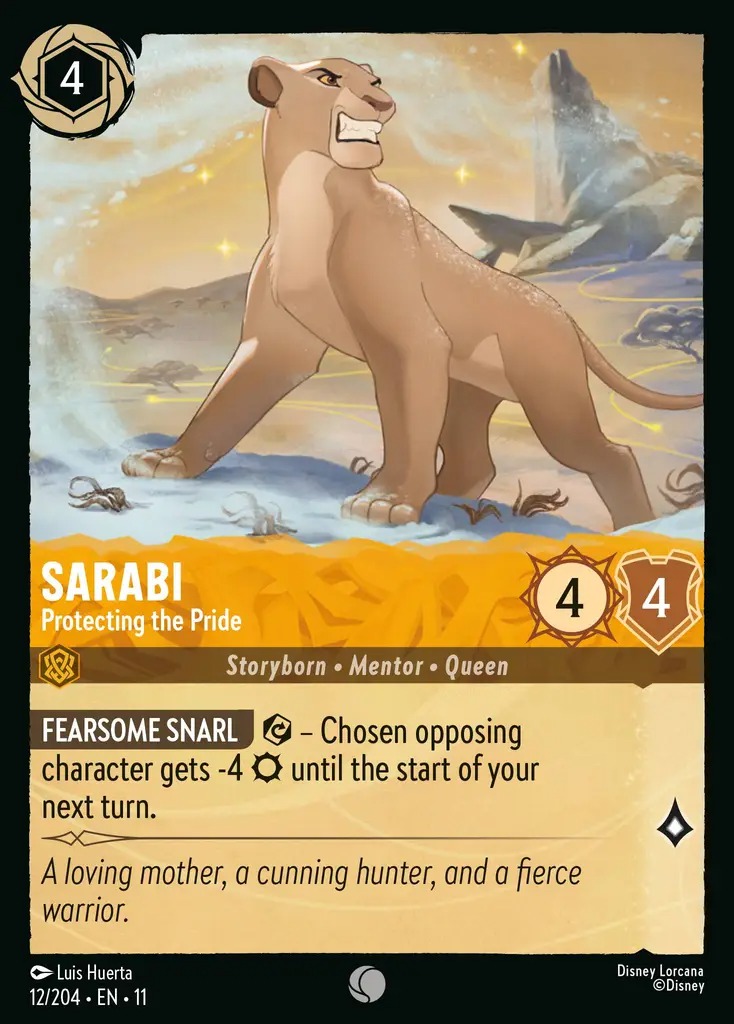
Excellent mid-game control tool. Strength reduction enables favourable challenges and defensive blocks. Very useful in long games.
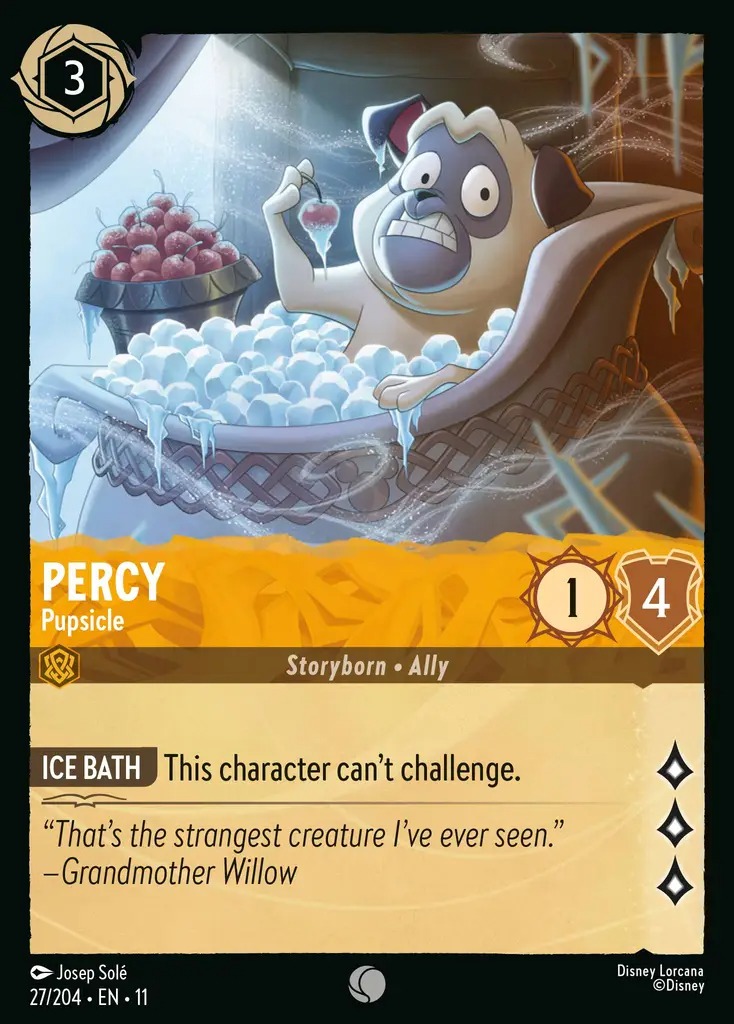
Great early-game pressure with high Lore output. You’ll usually quest rather than challenge, and that’s perfectly fine. High-priority common.
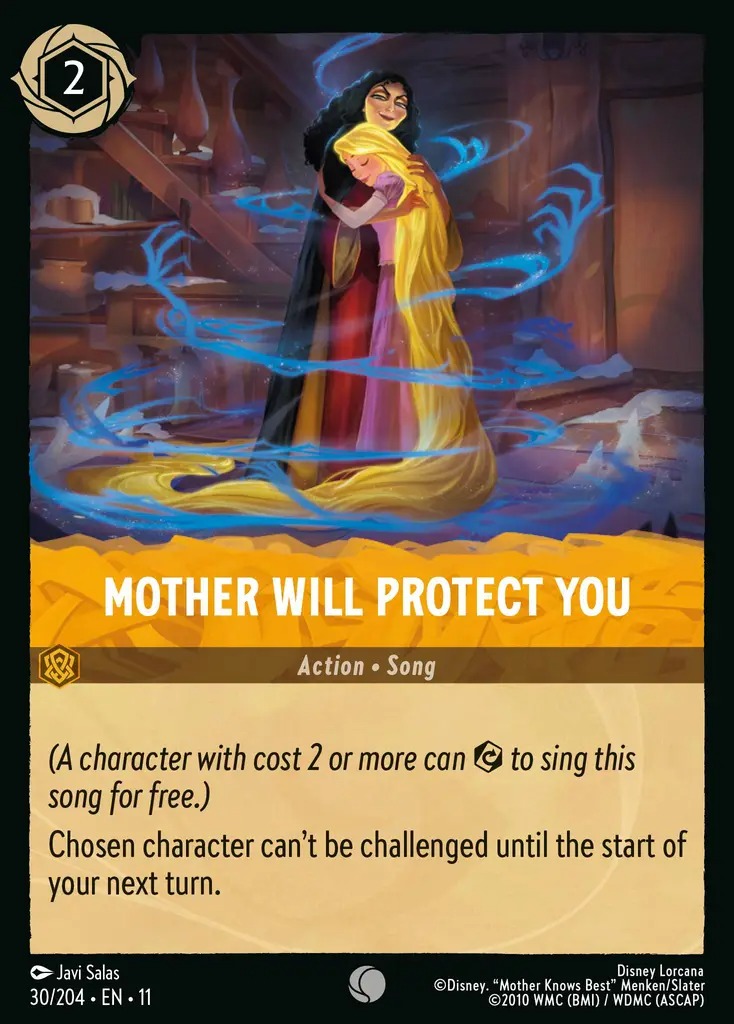
A solid tempo card that prevents challenges next turn, allowing your characters to quest safely. Being an inkable song also gives it synergy with aggro and singer strategies.
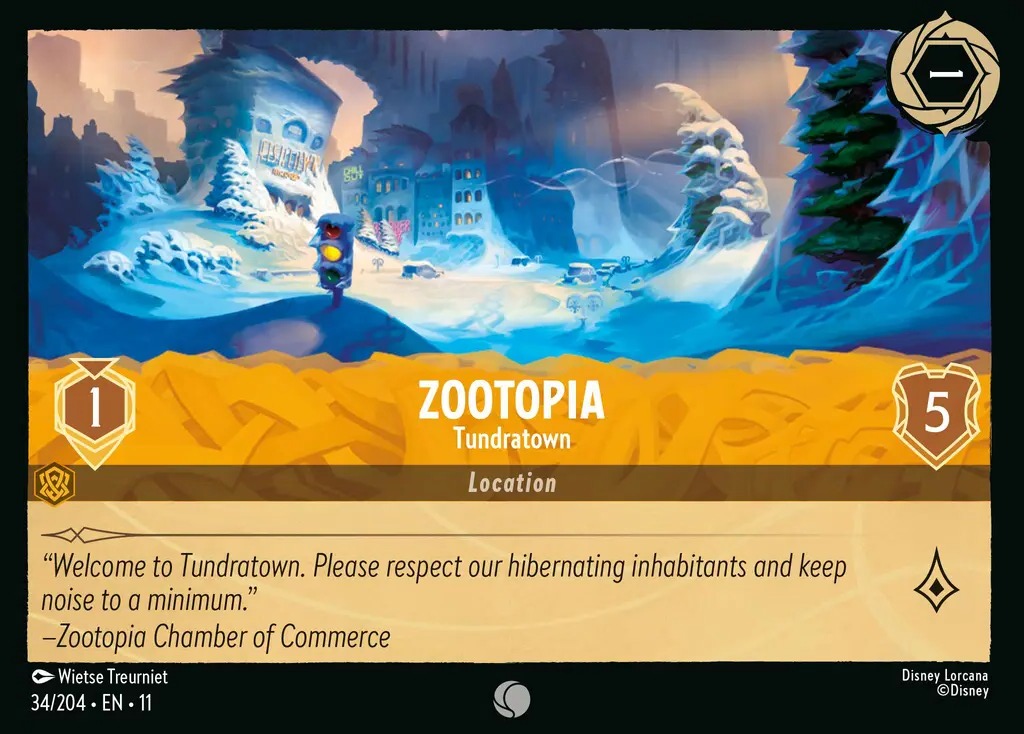
A resilient 1-cost Location that can quietly generate Lore. Later on, it’s easy to ink. Strong early-game utility.
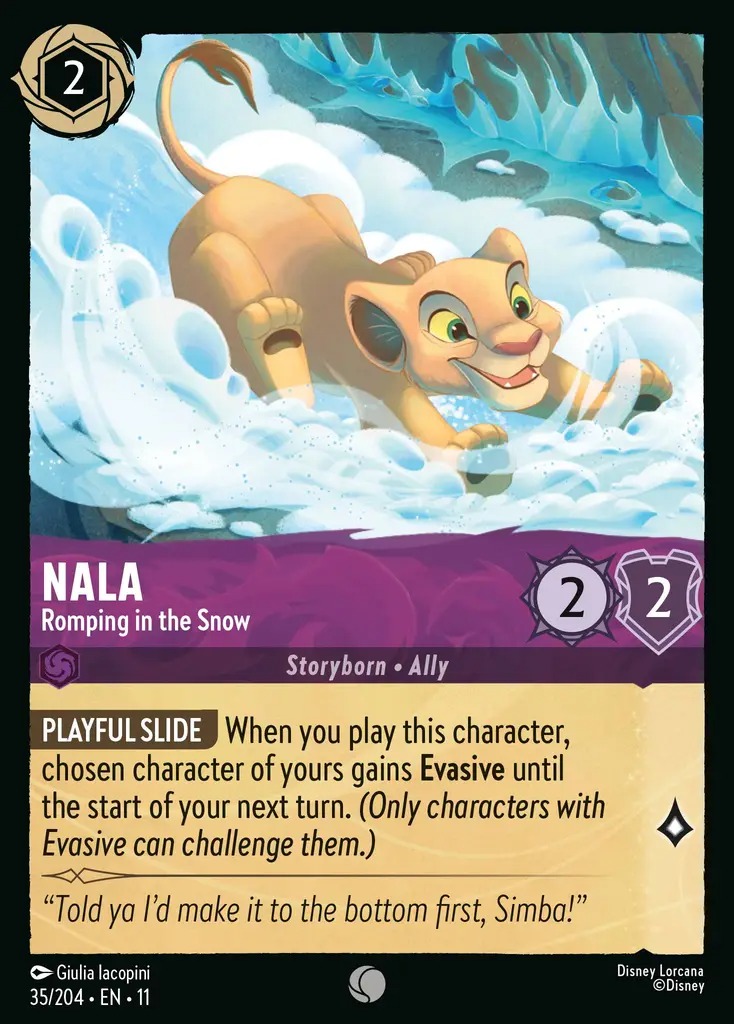
Granting Evasive is very powerful in sealed, either to bypass challengers or deal with opposing Evasive threats. Flexible and impactful.
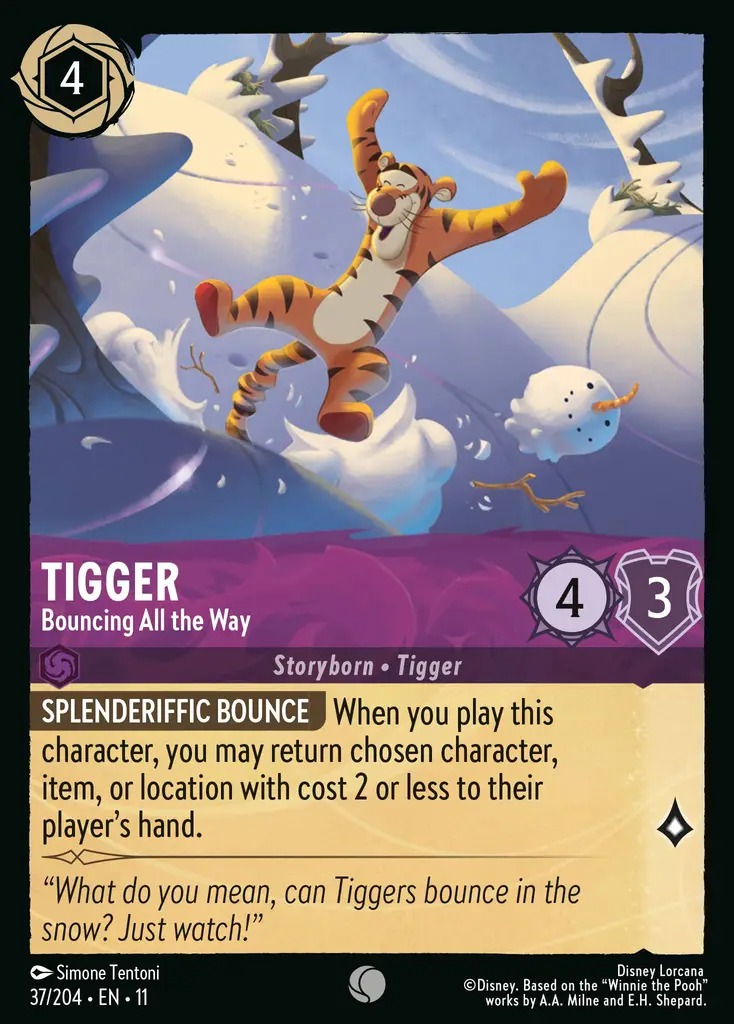
The bounce effect is situational and limited to low-cost targets. Fine as filler, but not something to prioritise.
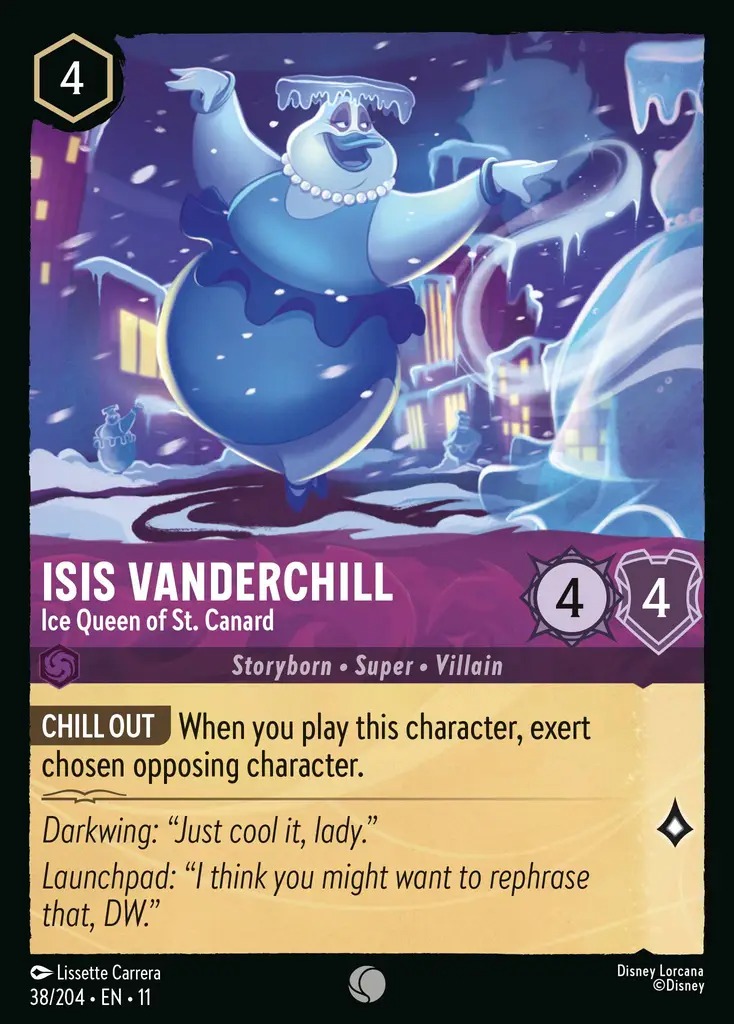
Forcing a character to exert is excellent interaction in sealed. Opens up challenges and prevents Lore snowballing. Very strong common.
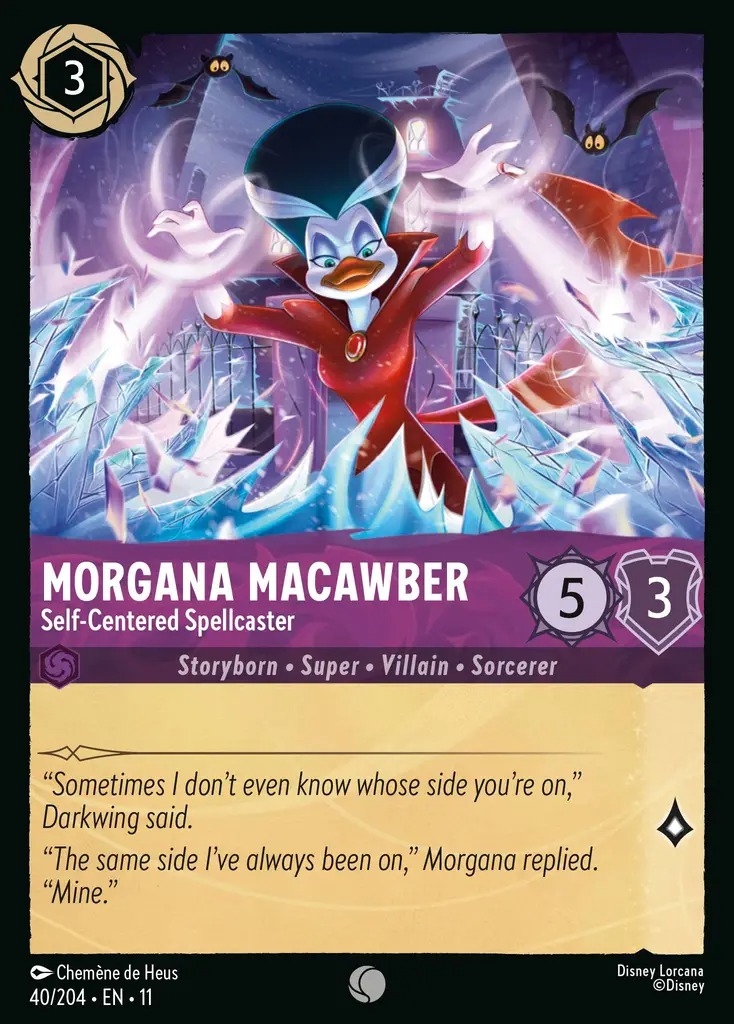
Solid vanilla stats that can trade into larger threats. Reliable filler option.
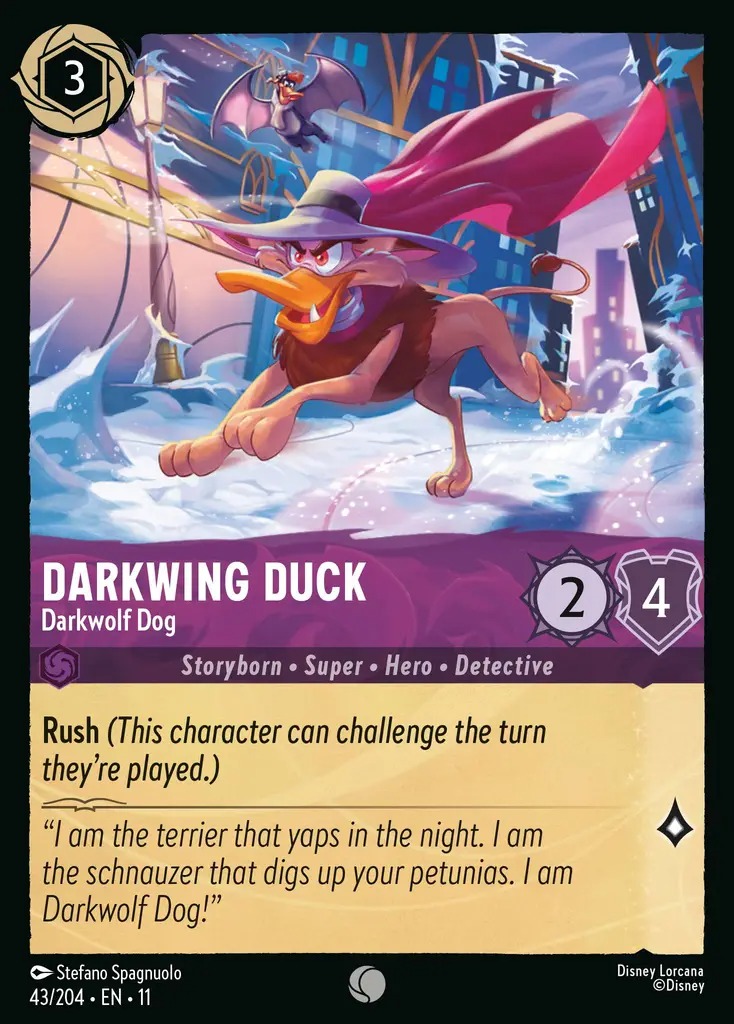
Rush at 3 cost with low Strength often fails to meaningfully impact the board. Tempo plays are usually better. Below-average.
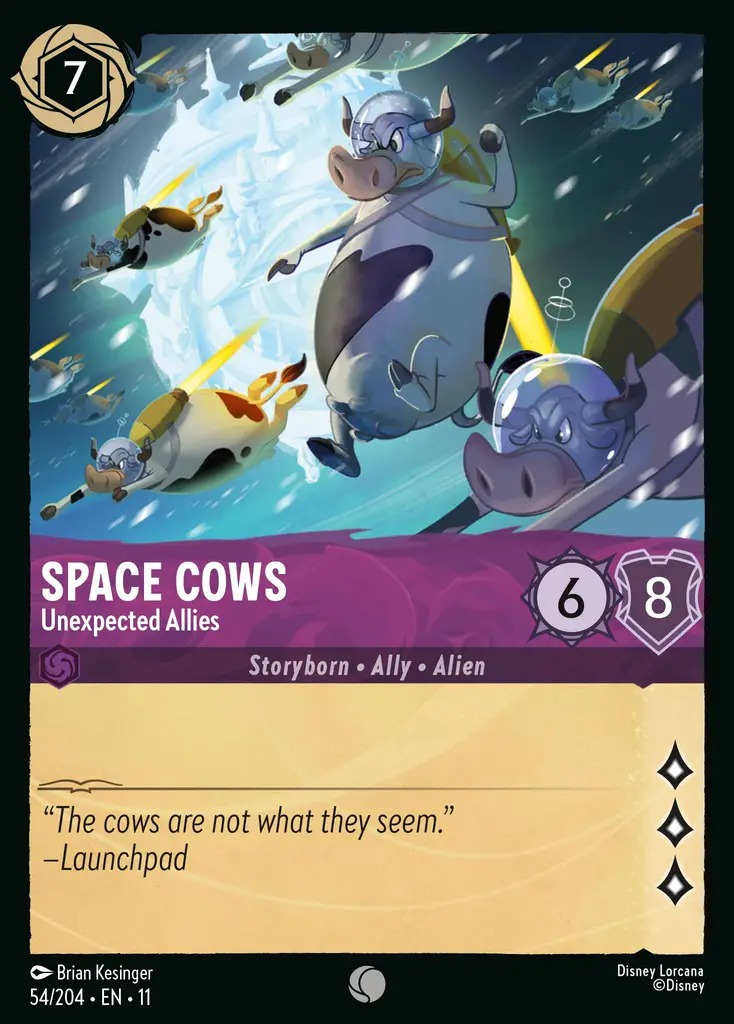
Provides good value with 3 lore and acceptable stats, but the ink cost is steep for a card without abilities. Consider only if your curve can support it.
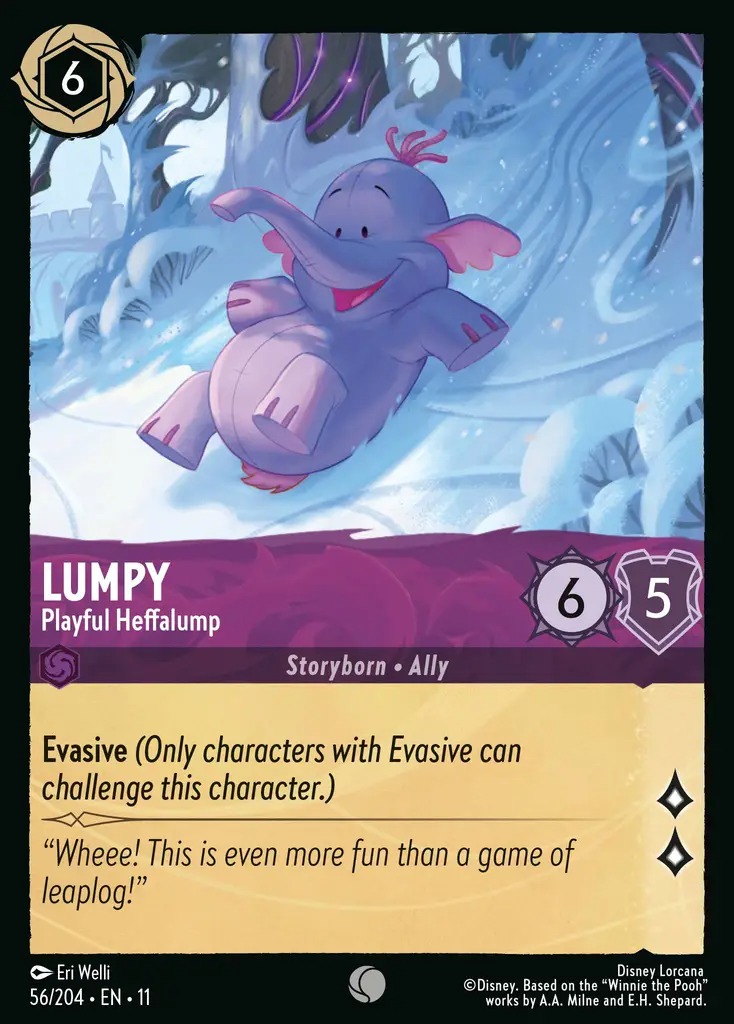
Expensive for what it offers, but Evasive gives it relevance late game. Playable top-end filler if needed.
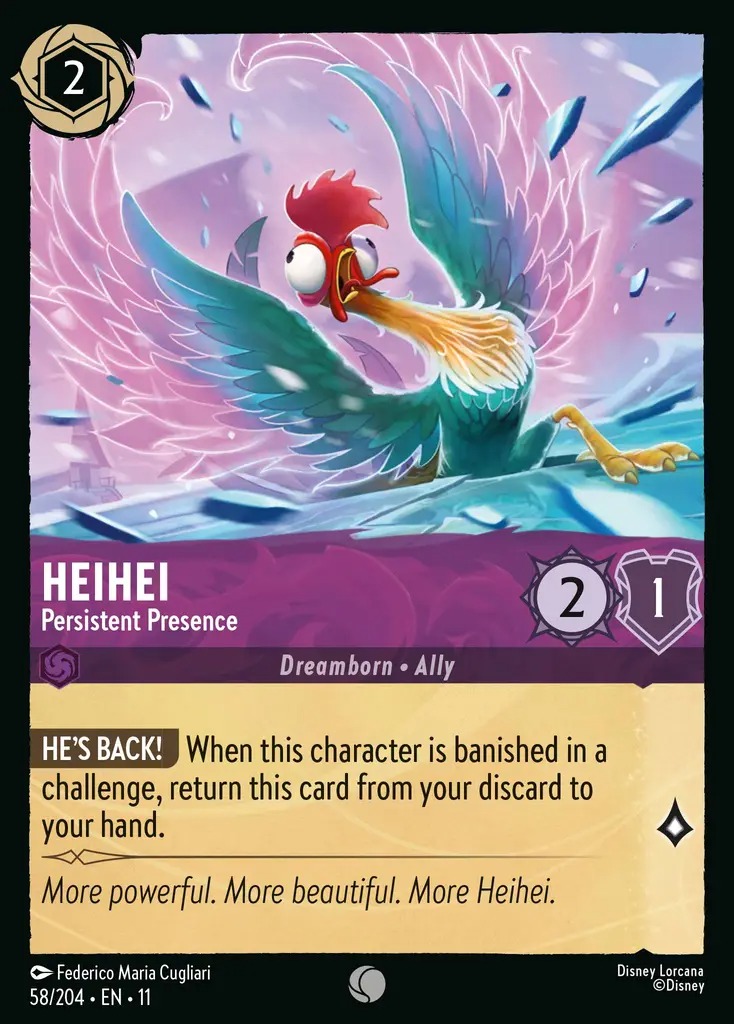
Heihei is excellent in sealed. He trades, quests safely, and returns to hand when banished, making him both value and ink flexibility. Highly recommended.
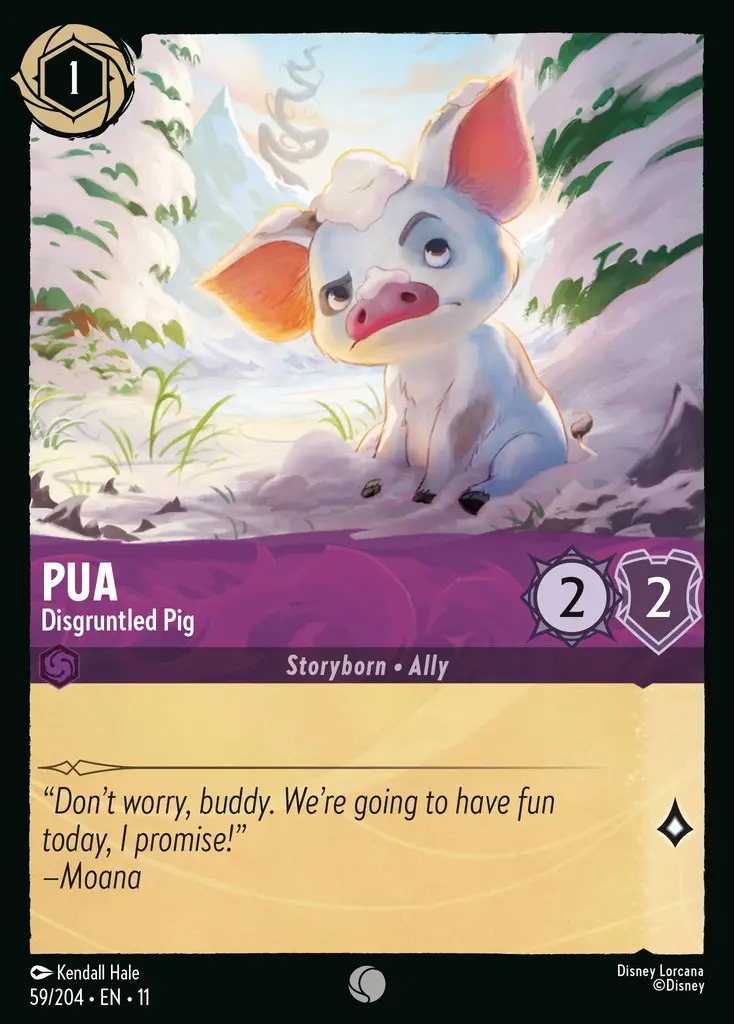
Standard 2/2 one-drop. Nothing special, but always useful if you’re short on early plays.
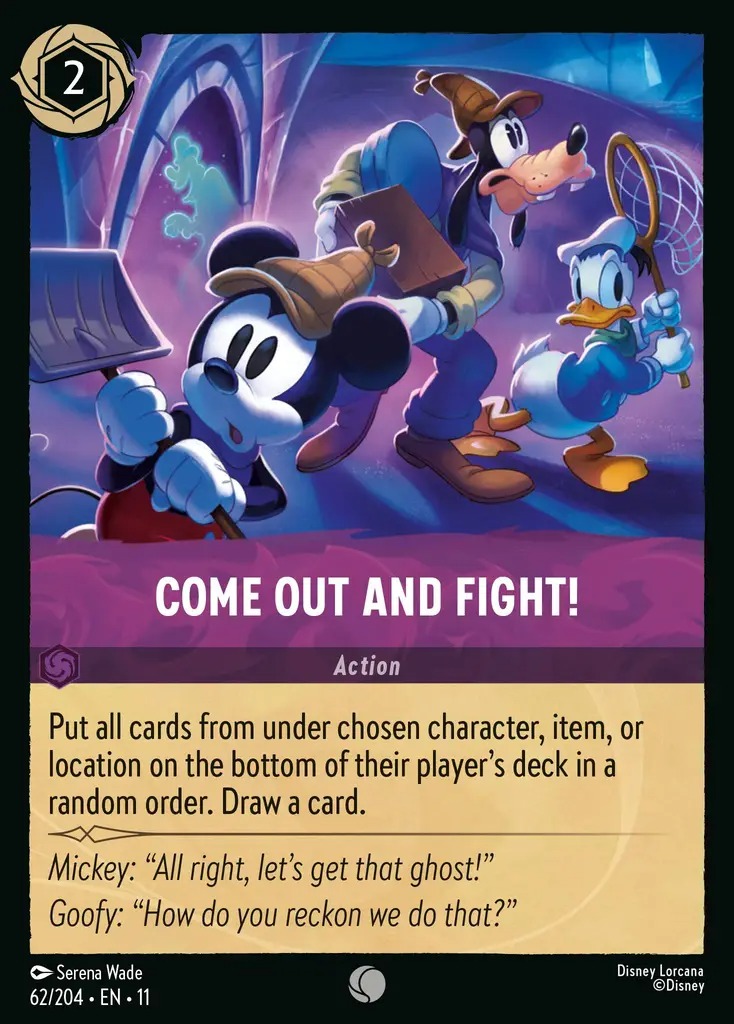
Situational counterplay that can draw a card if unused. Fine as filler if you lack interaction, but not a priority.
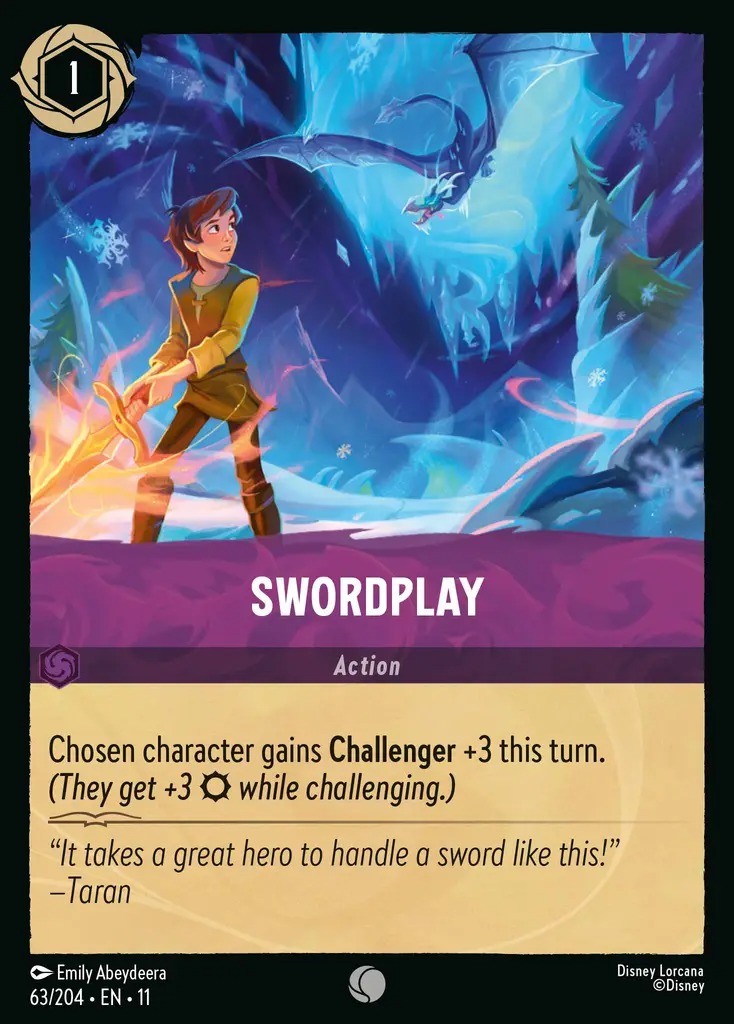
A one-time Strength boost is often low impact in sealed. You usually want board presence instead. Low priority unless going for Super Rare Mulan combo.
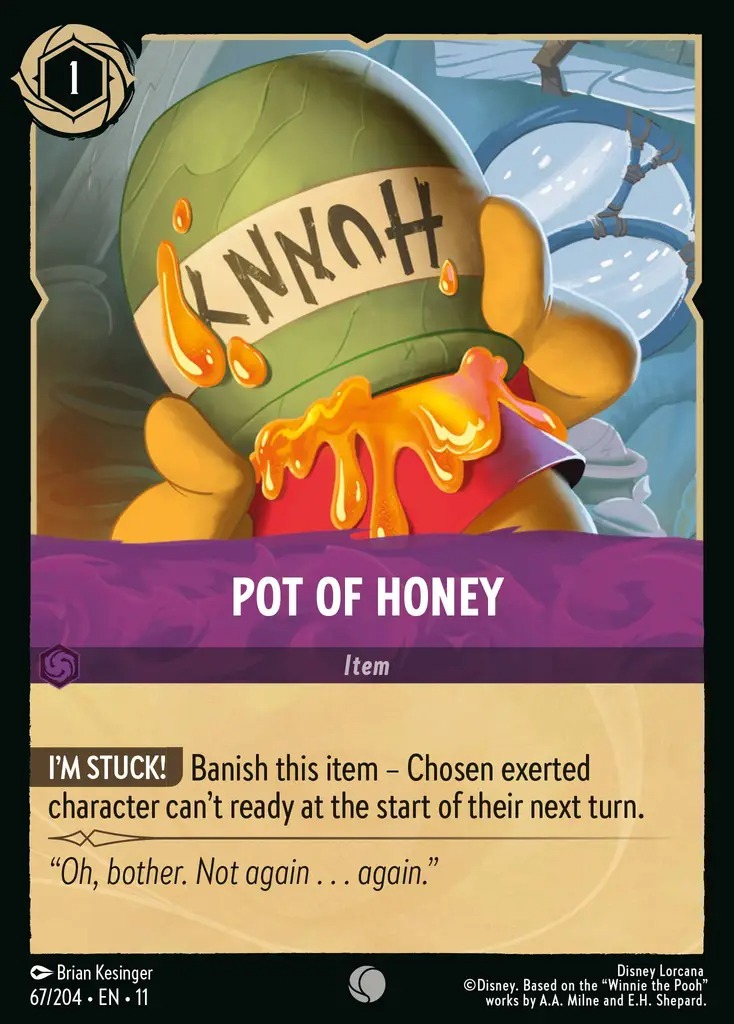
A strong 1-cost item that can stall aggressive turns or lock down key characters. Flexible timing makes it very valuable. Excellent utility.
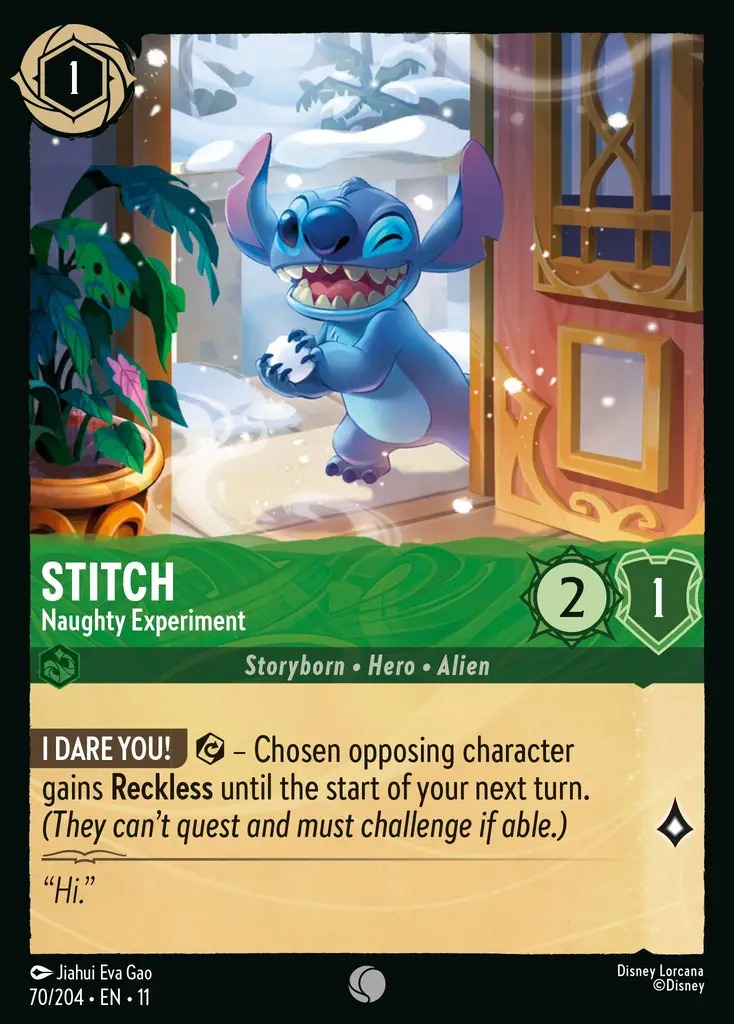
Preventing questing is strong disruption, and 2 Strength keeps it relevant. Very good early drop.
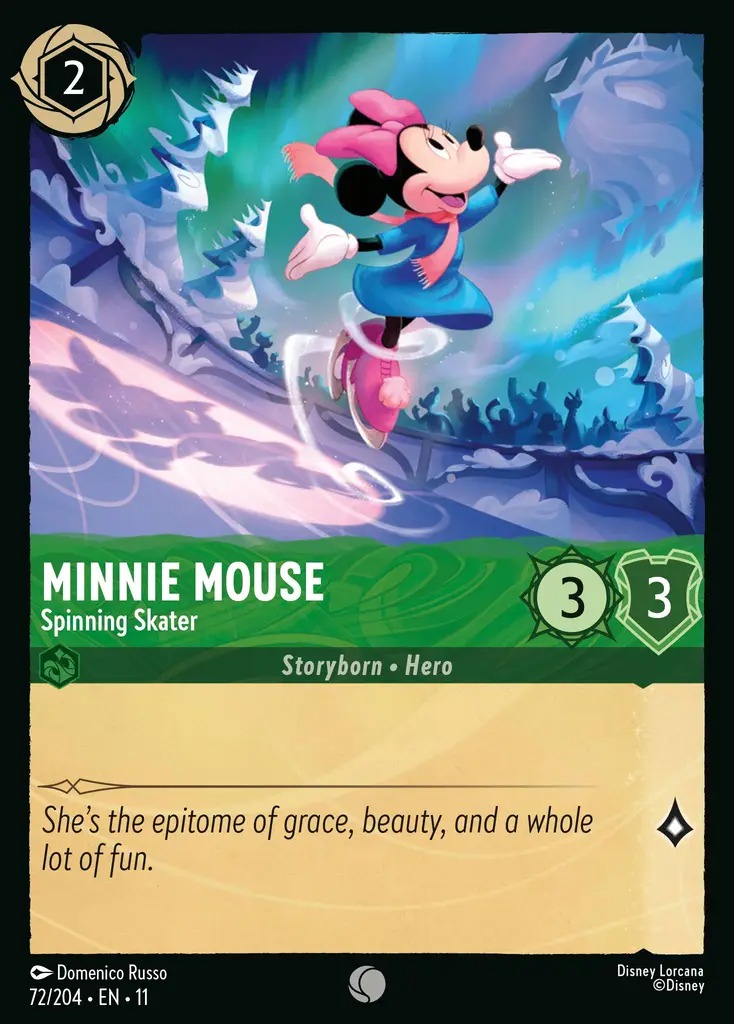
Efficient vanilla stats at 2 cost. Reliable filler.
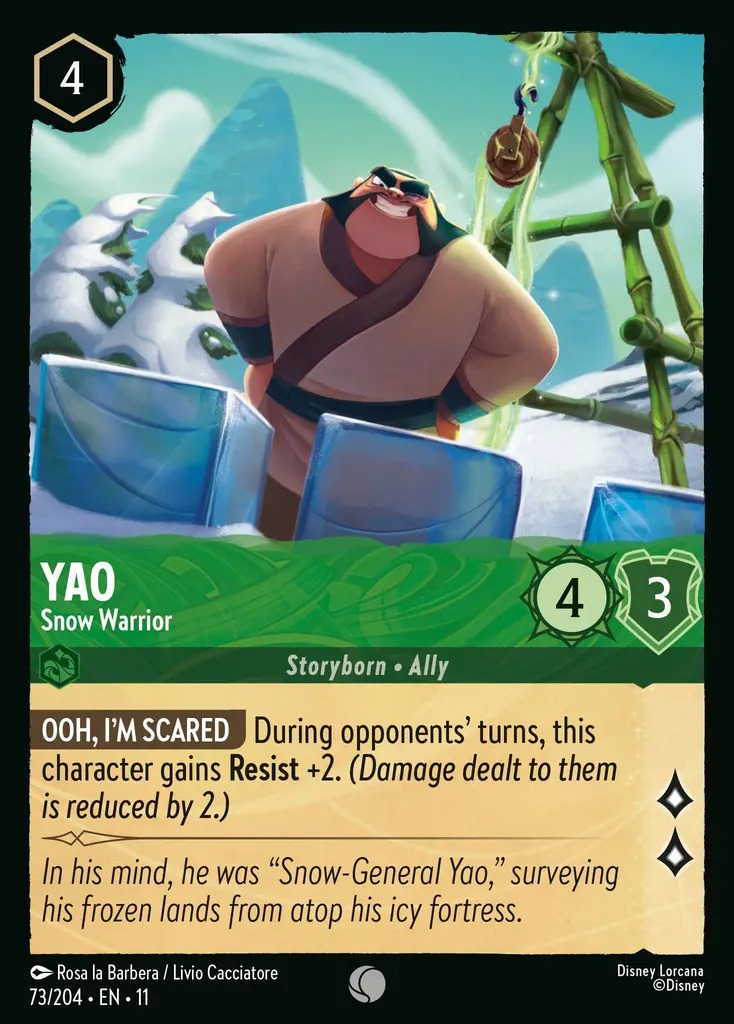
3 Willpower with Resist makes this a safe quester, but being uninkable lowers its priority. Playable filler.
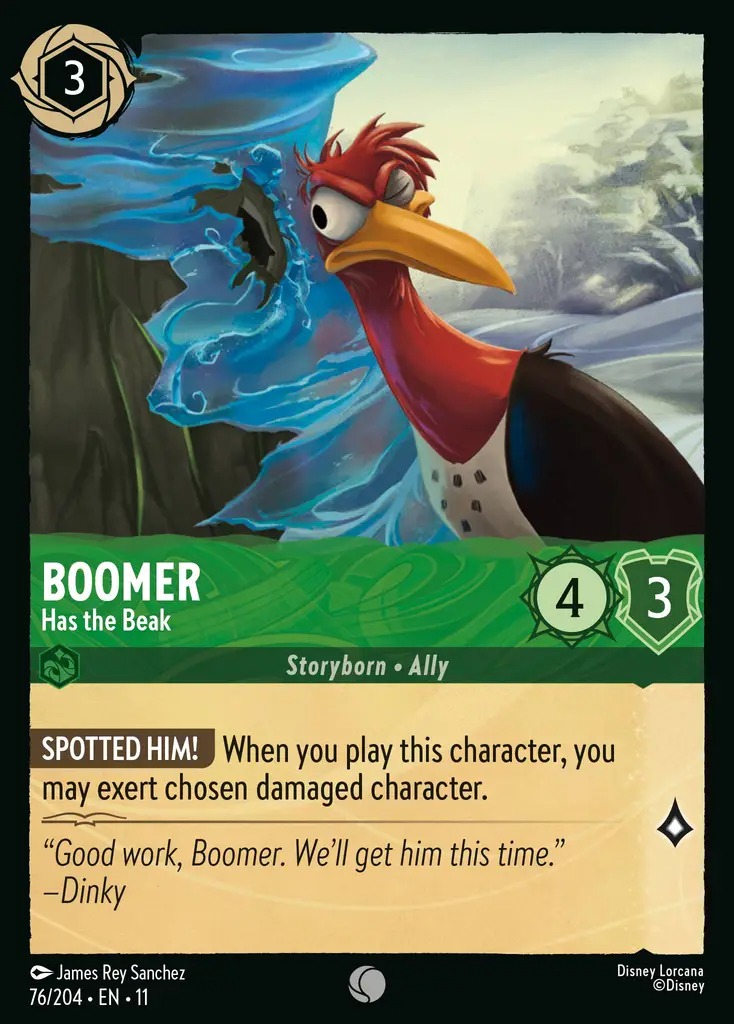
The effect is very conditional and often underperforms in practice. Low priority.
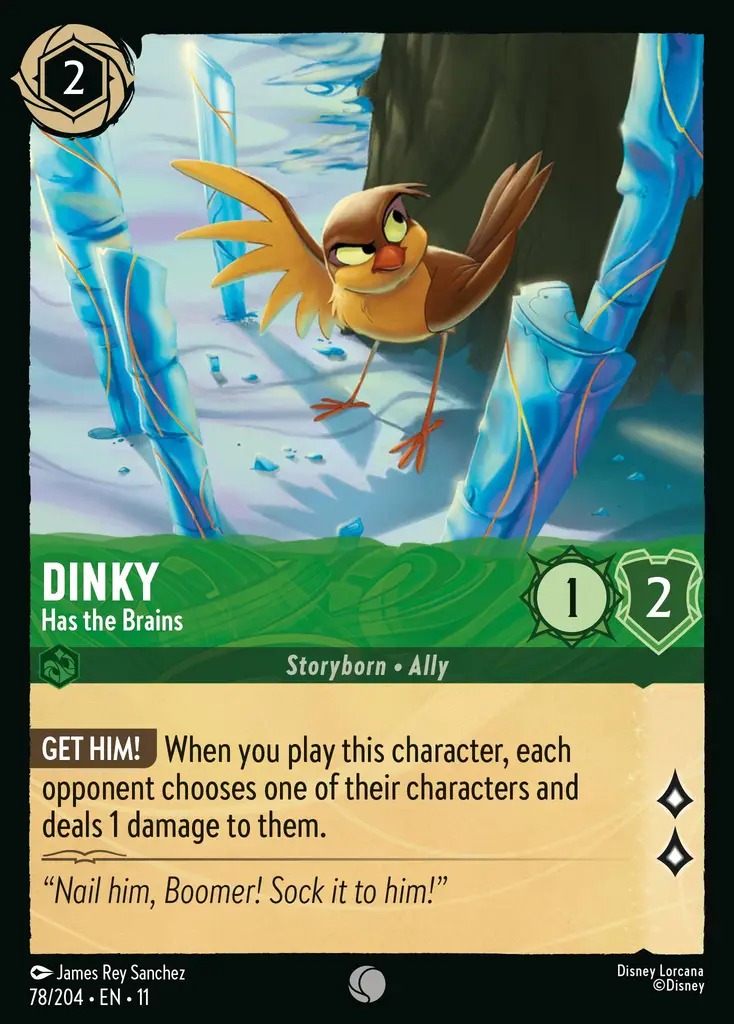
Two Lore plus a potential damage ping creates early pressure. The damage can enable favourable trades. Strong aggressive common.
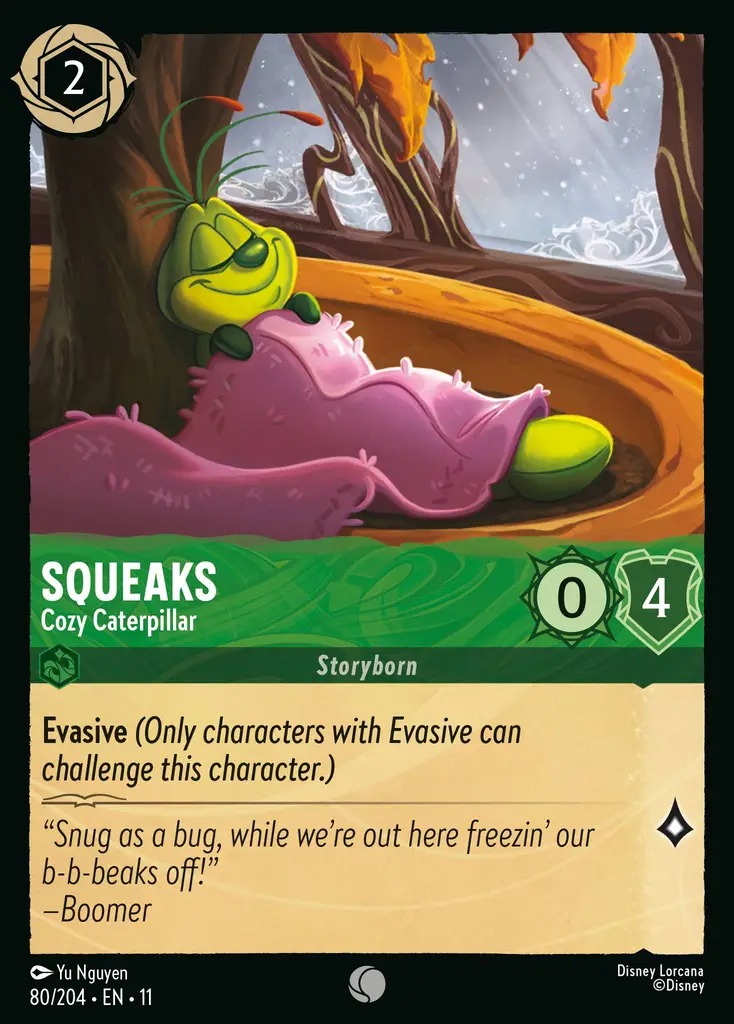
A durable Evasive character that’s difficult to remove cleanly. Excellent sealed card.
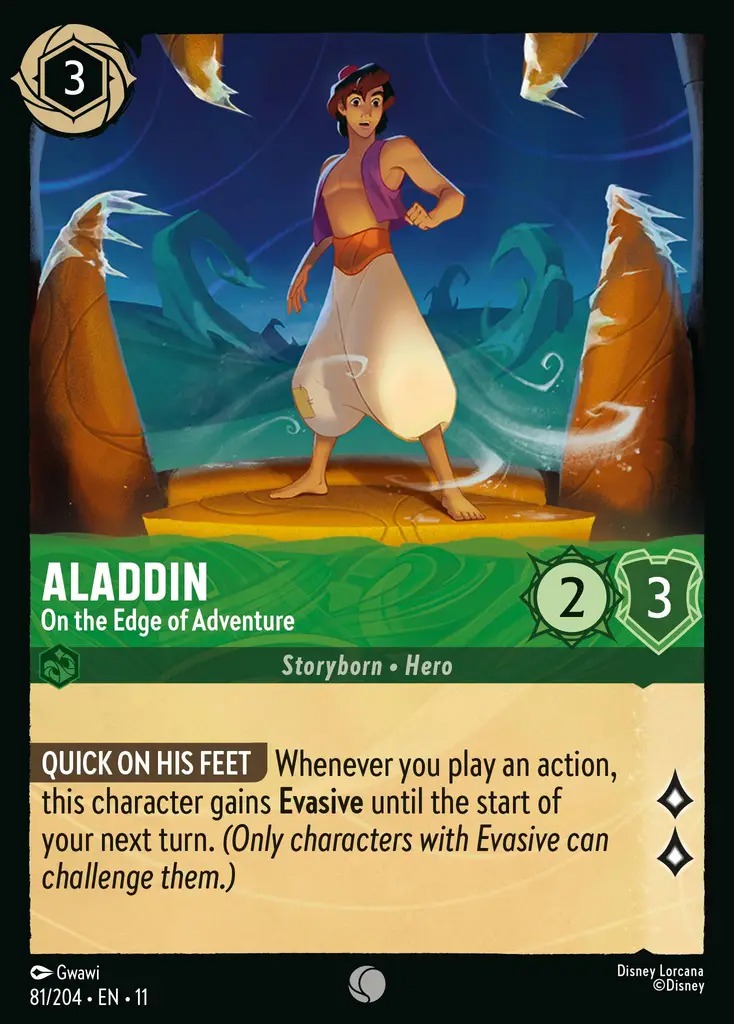
The Evasive potential is nice, but action dependency matters. Fine if you have enough actions; otherwise, average.
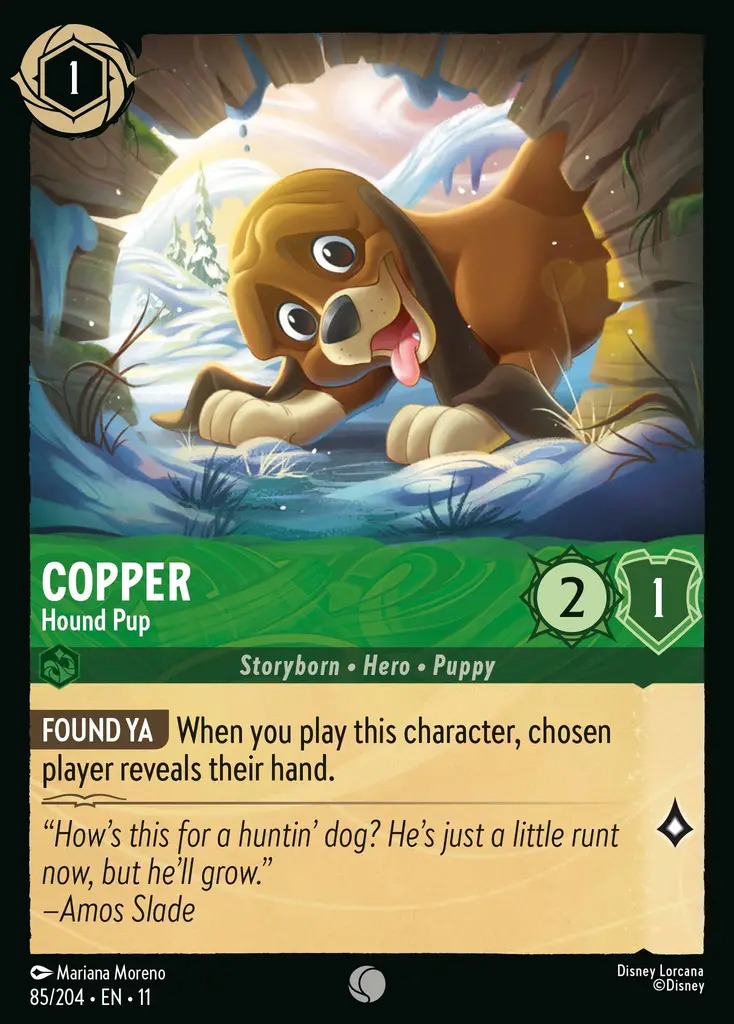
Great 1-drop with solid Strength and valuable hand information. Knowing your opponent’s options is a real advantage. Very strong.
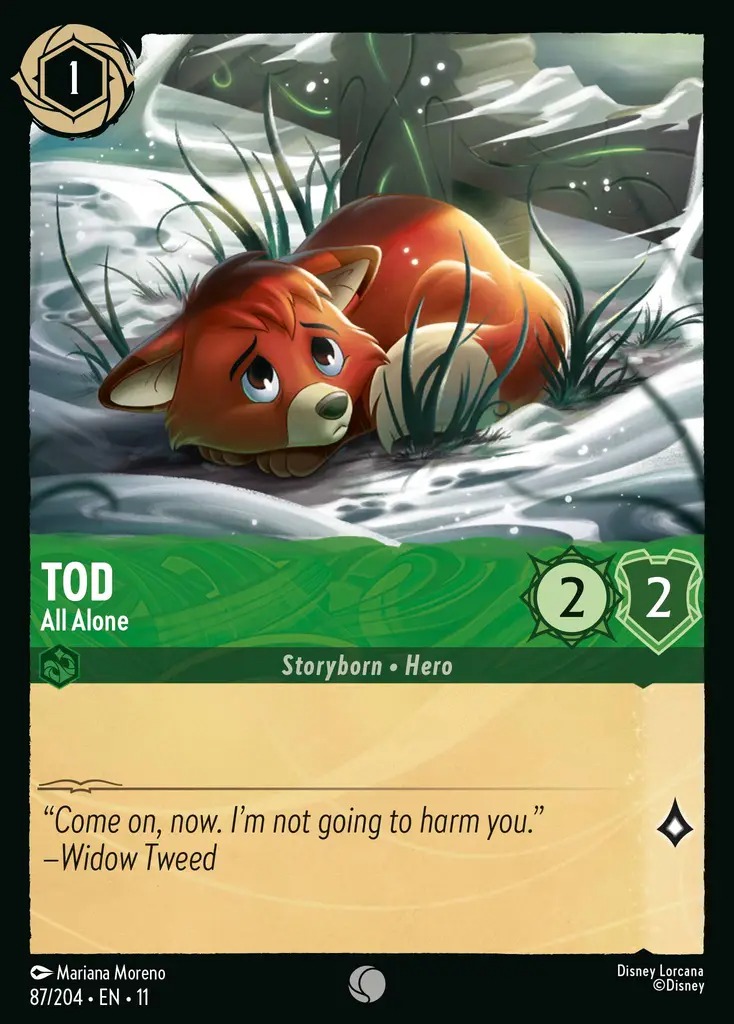
Another standard 2/2 one-drop. Useful filler if you need early curve.
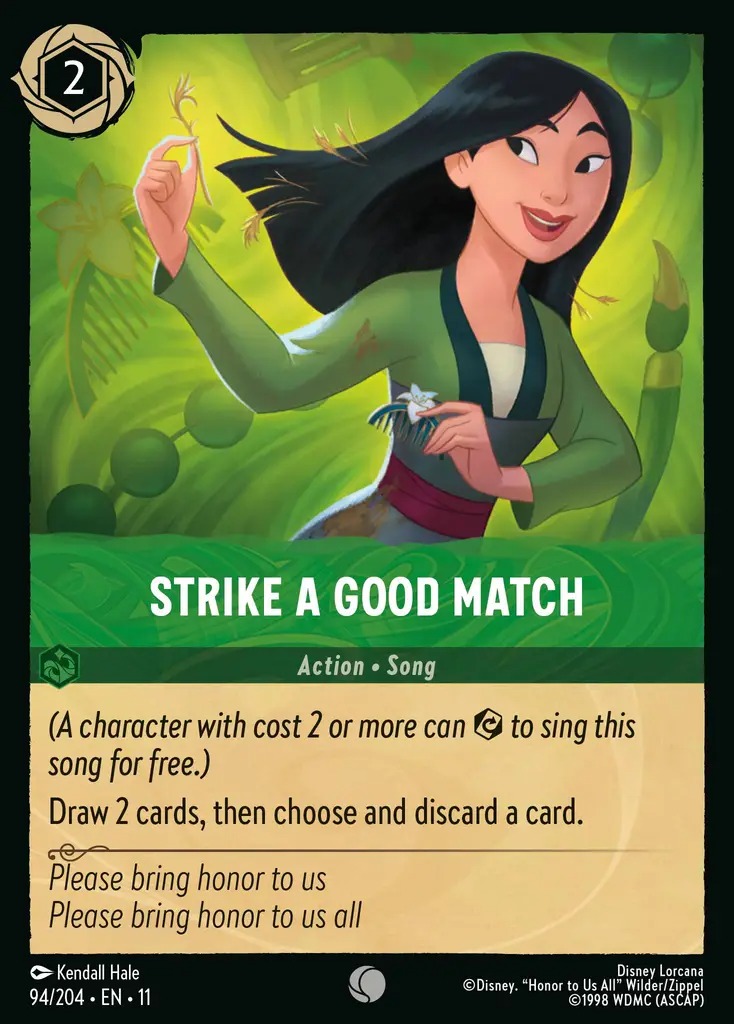
Card-neutral overall and often weaker than just developing the board. Playable, but not exciting.
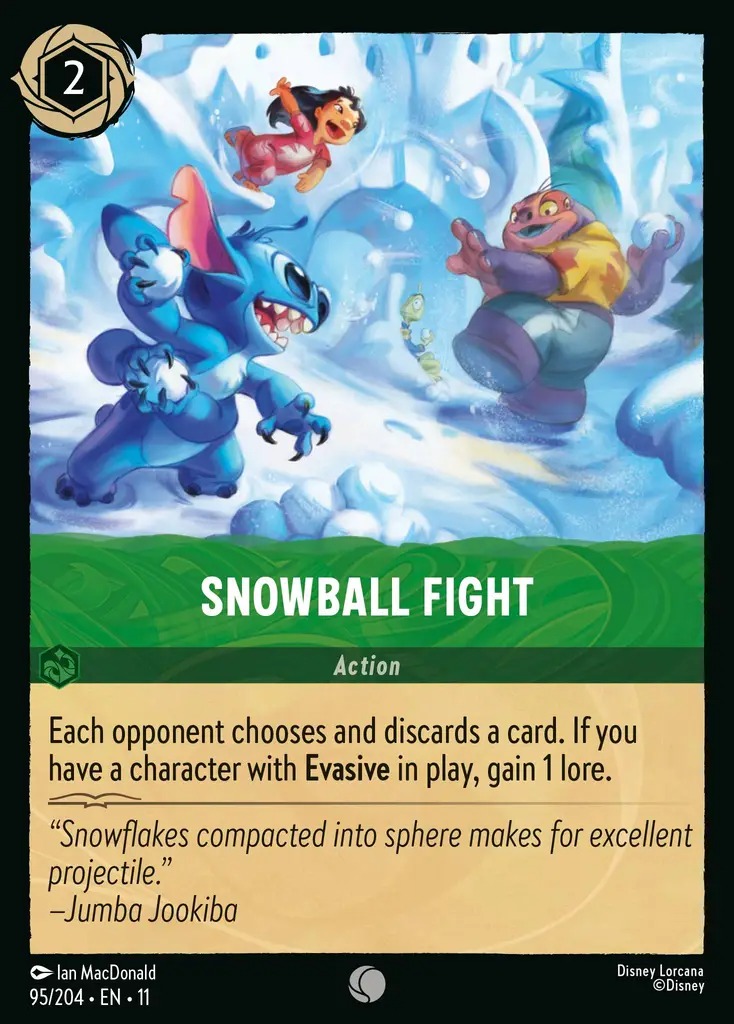
One-for-one discard is rarely worth it in sealed. Stability matters more. Low priority.
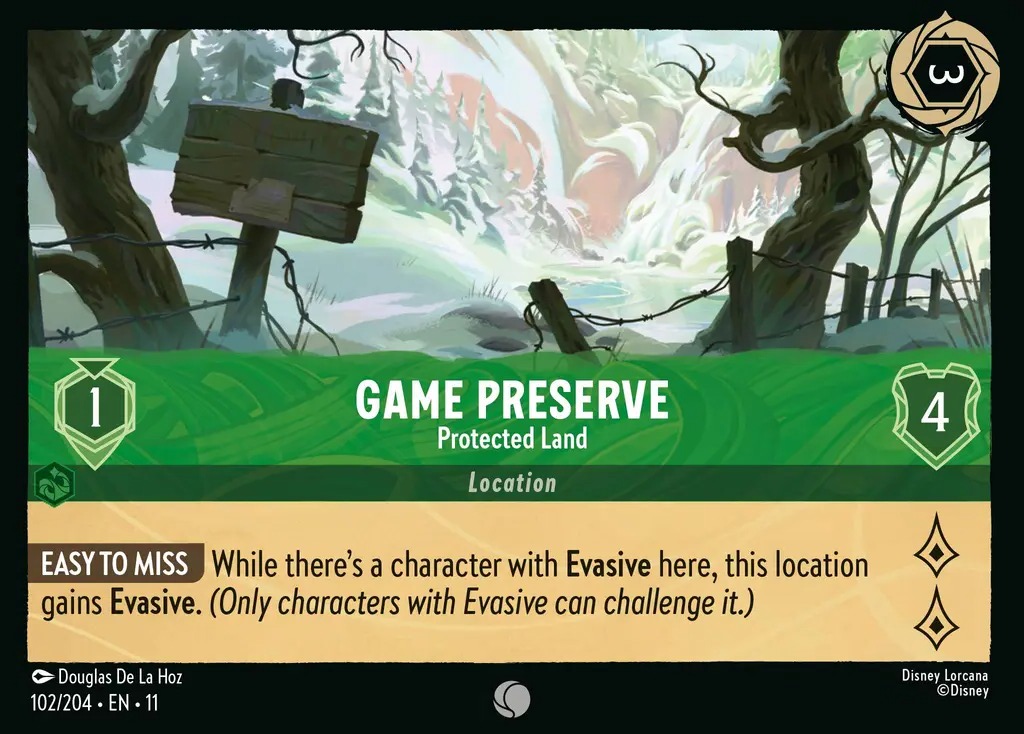
An excellent evasive location. Place an evasive character here and the location itself gains Evasive, letting you sneak in 2 lore every turn. Very easy condition to meet and surprisingly hard to interact against.
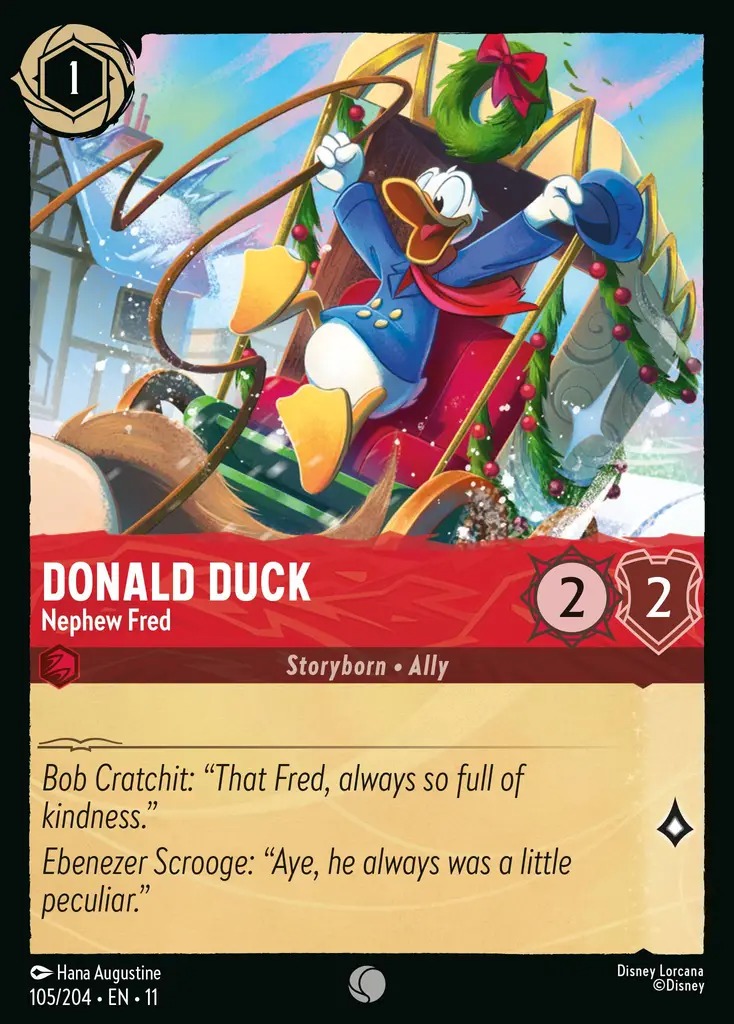
Simple and reliable 1-drop filler. Include if needed.
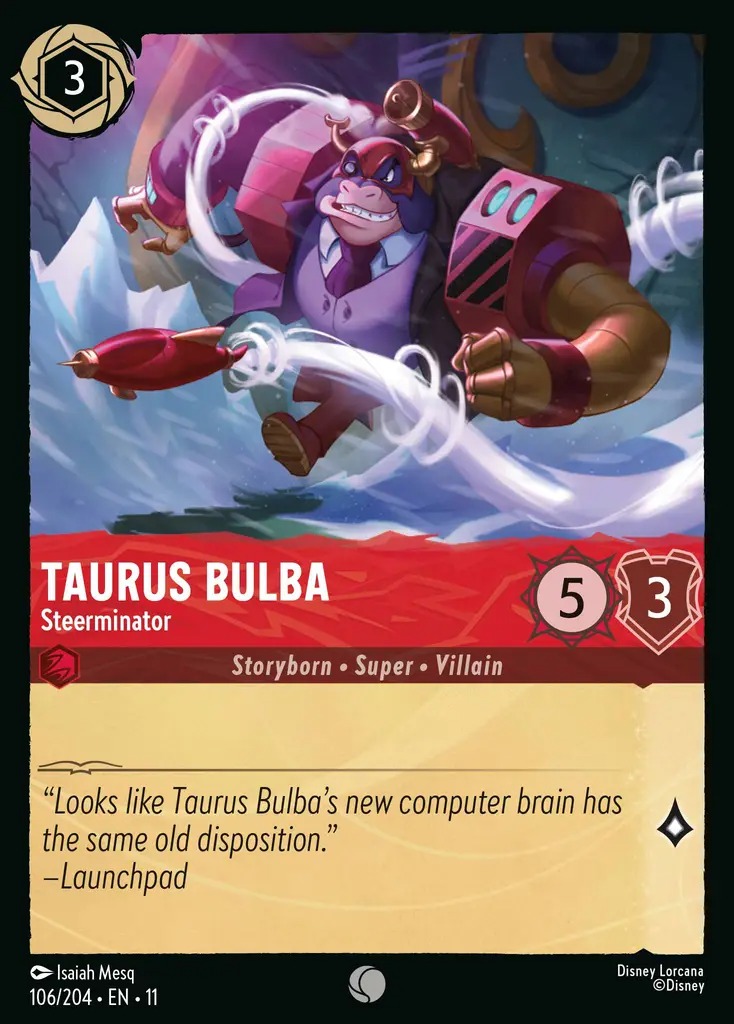
If you need raw Strength, this fills the role. Otherwise, replaceable.
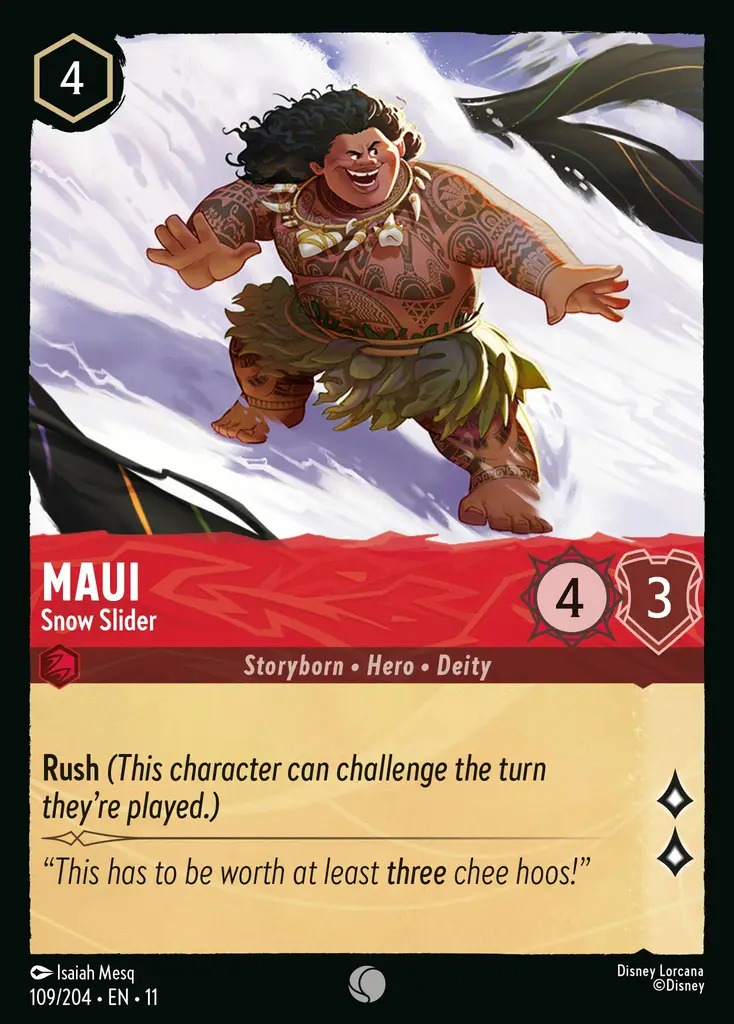
Rush is fine, but being uninkable and fragile hurts its flexibility. Include only if your 4-drop slot is weak.
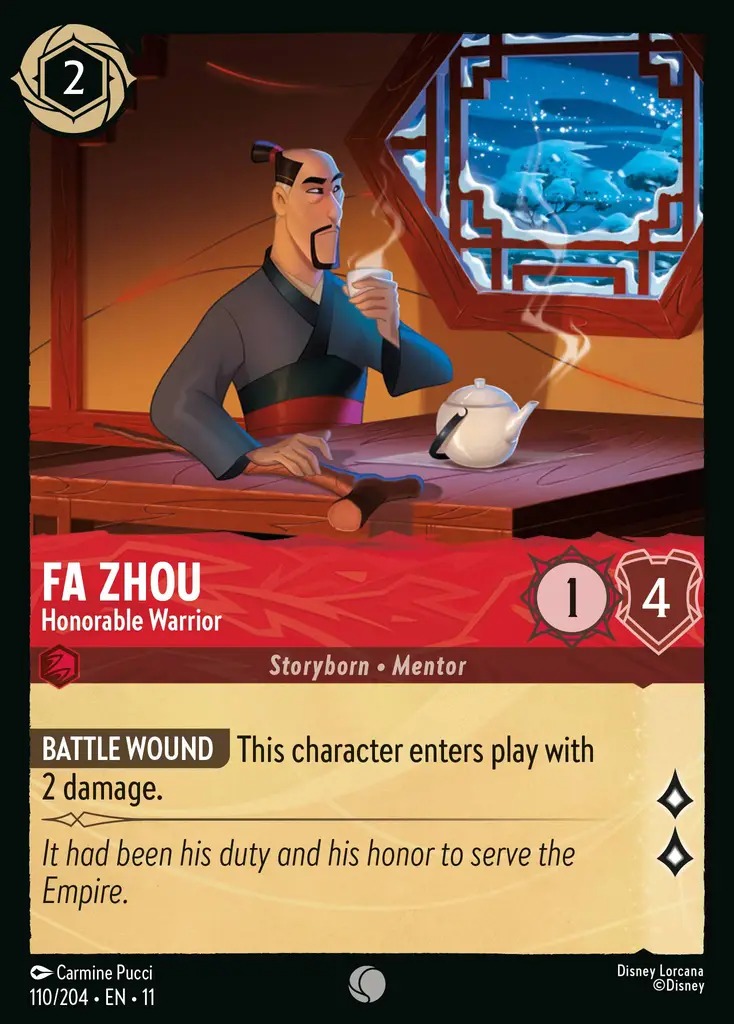
Great stats and Lore for the cost. Damage counters can often be managed or mitigated. High-quality common.
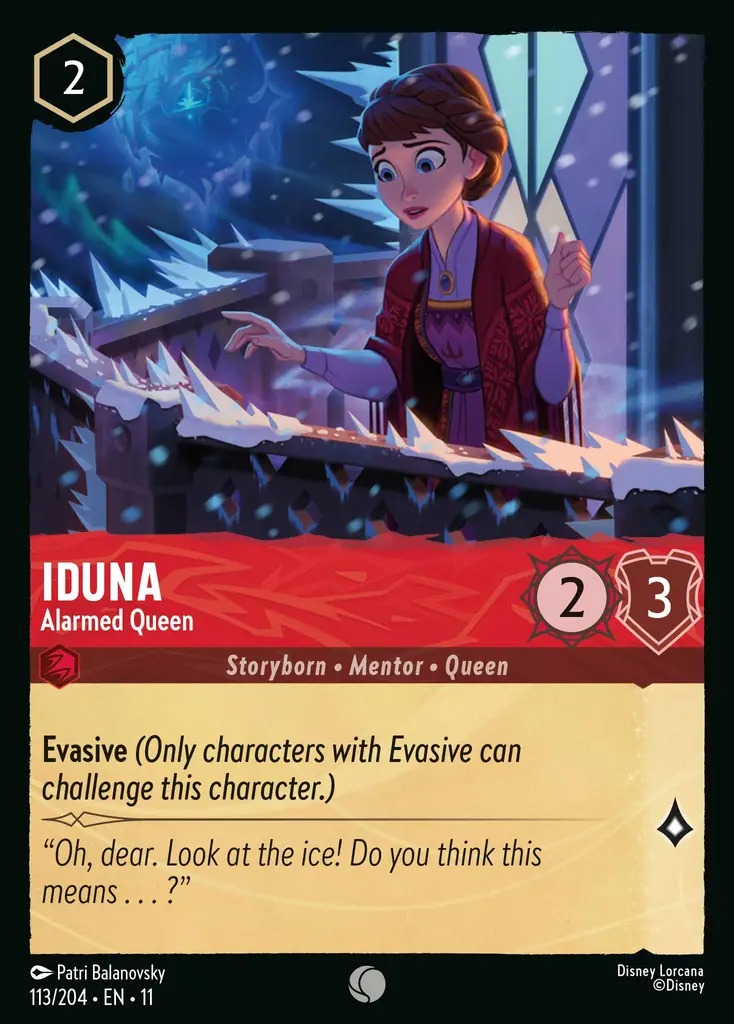
Cheap Evasive characters are always welcome in sealed. Solid Lore pressure.
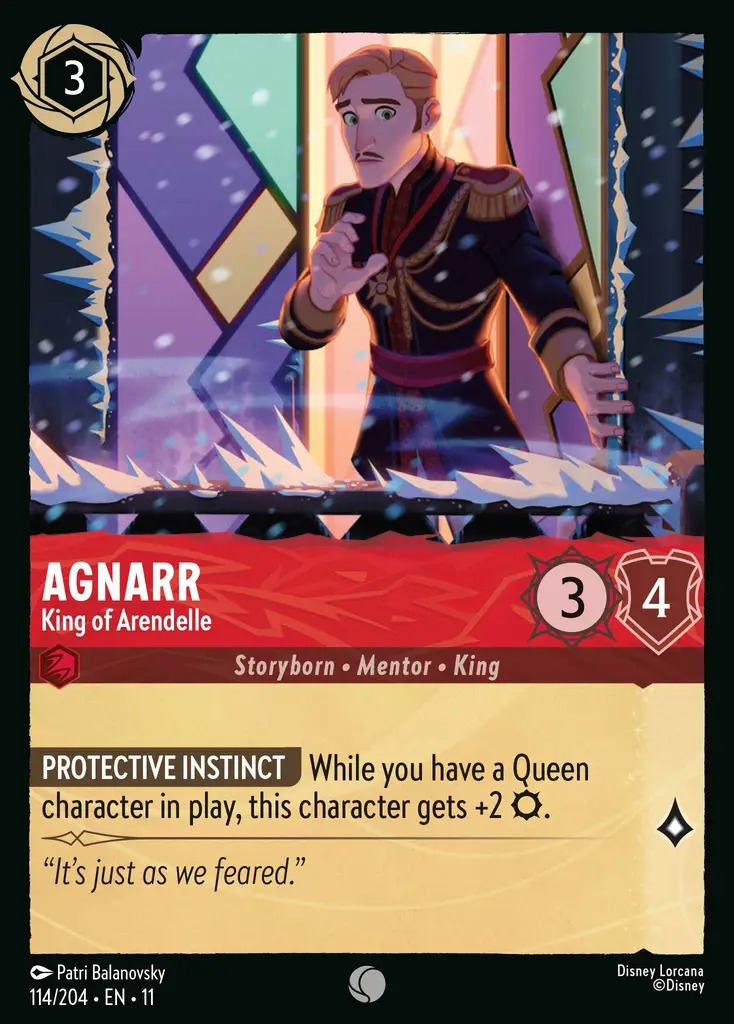
Queen synergy is usually unreliable in sealed. Playable if supported, otherwise average.
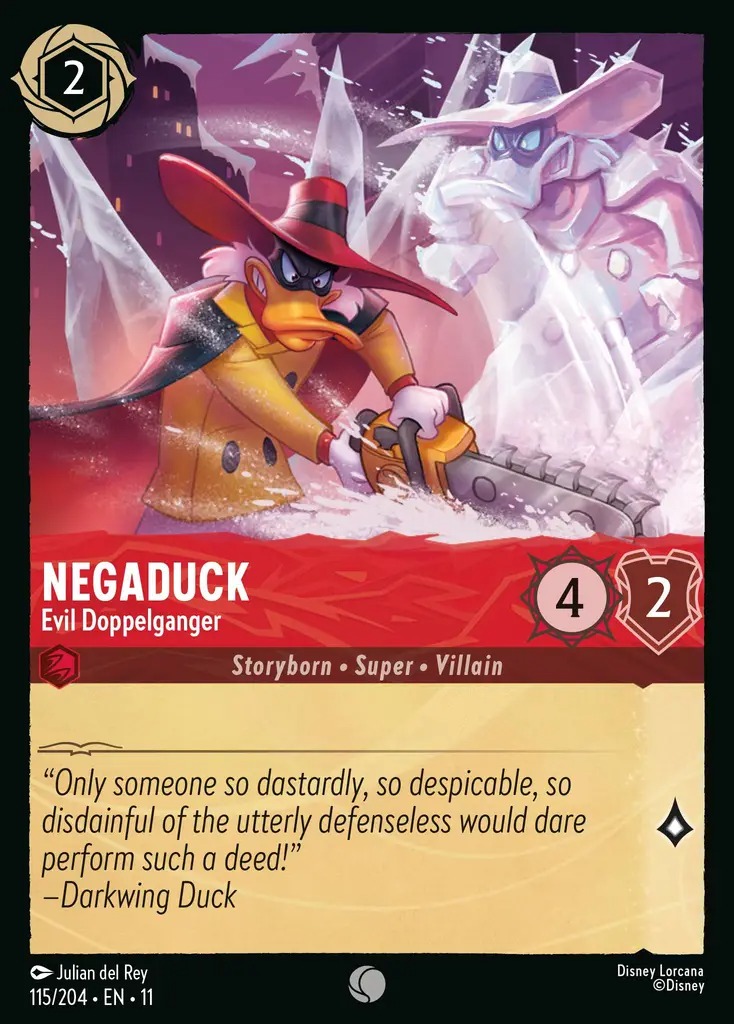
Very high Strength for the cost. Excellent at trading up. Situational but powerful.
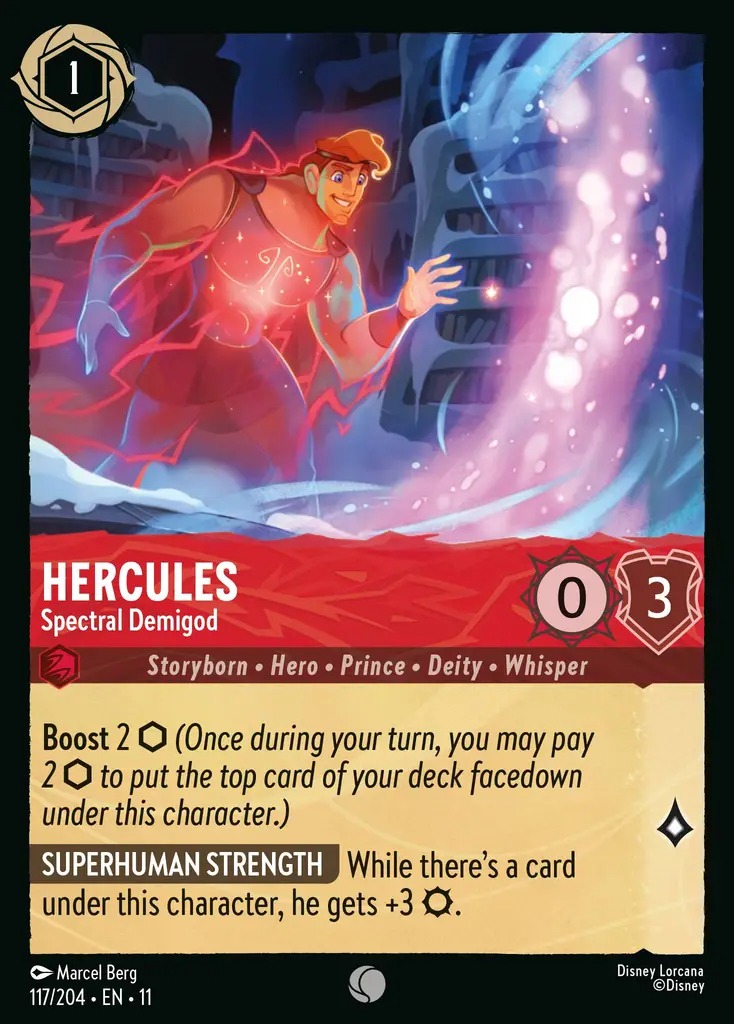
Scales well late game and can become a real threat with minimal investment. Playable filler with upside.
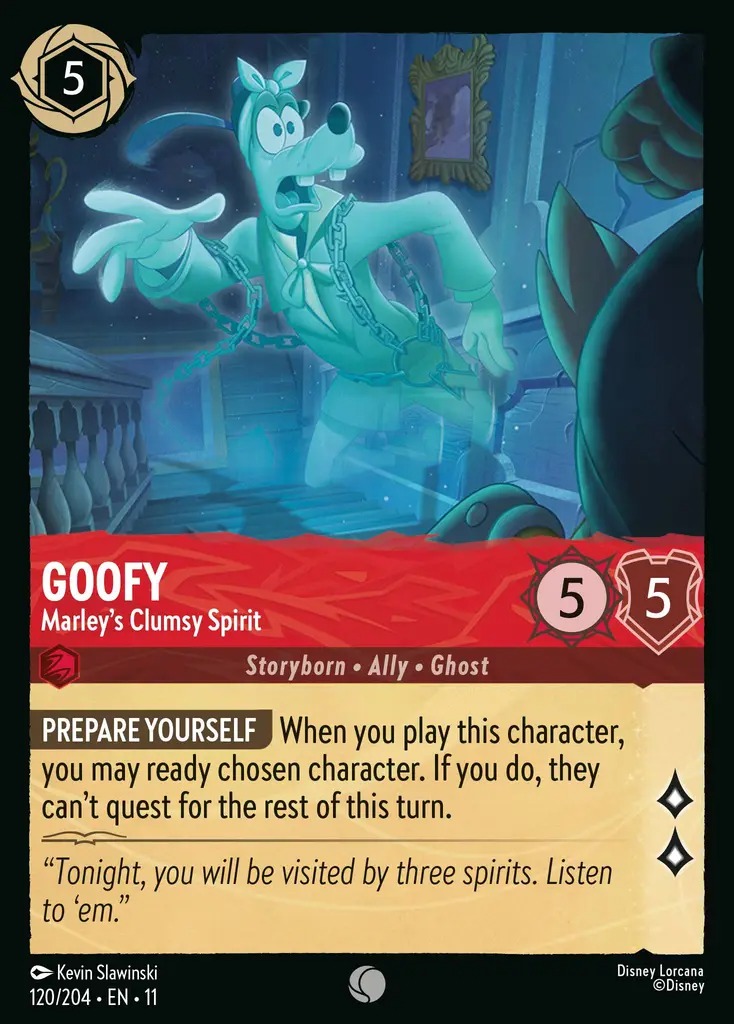
Readying a character is extremely flexible: singing, challenging, exerting effects or just keep them ready! Excellent utility.
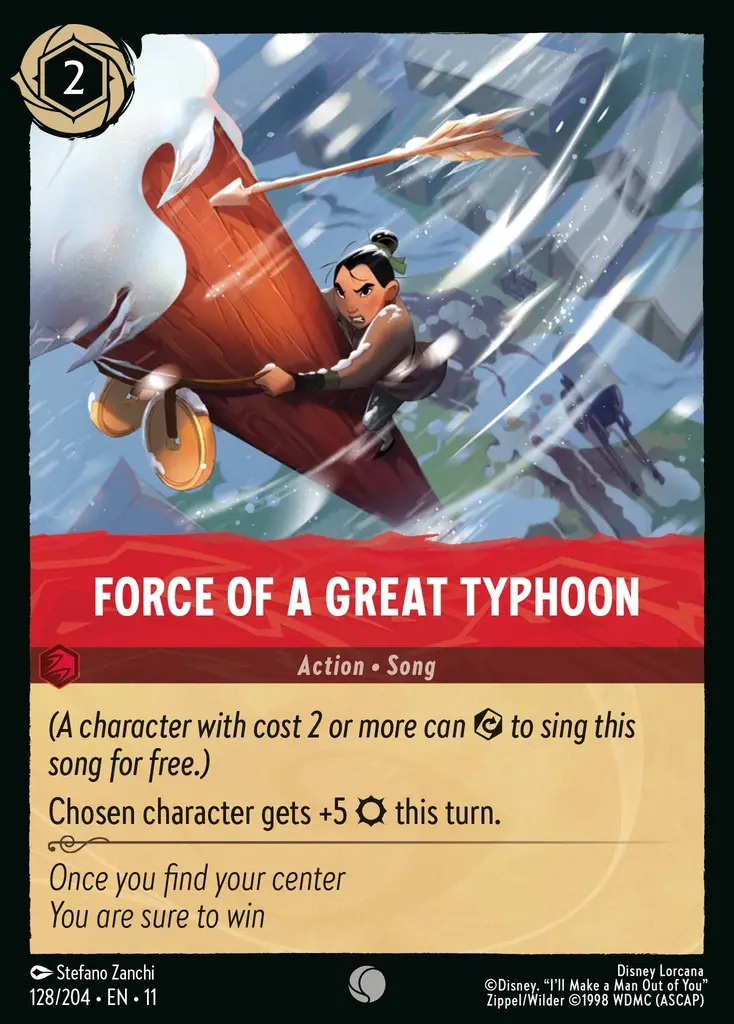
The Strength boost is often more than you need and dead when behind. Low priority. Unless going for Super Rare Mulan combo.
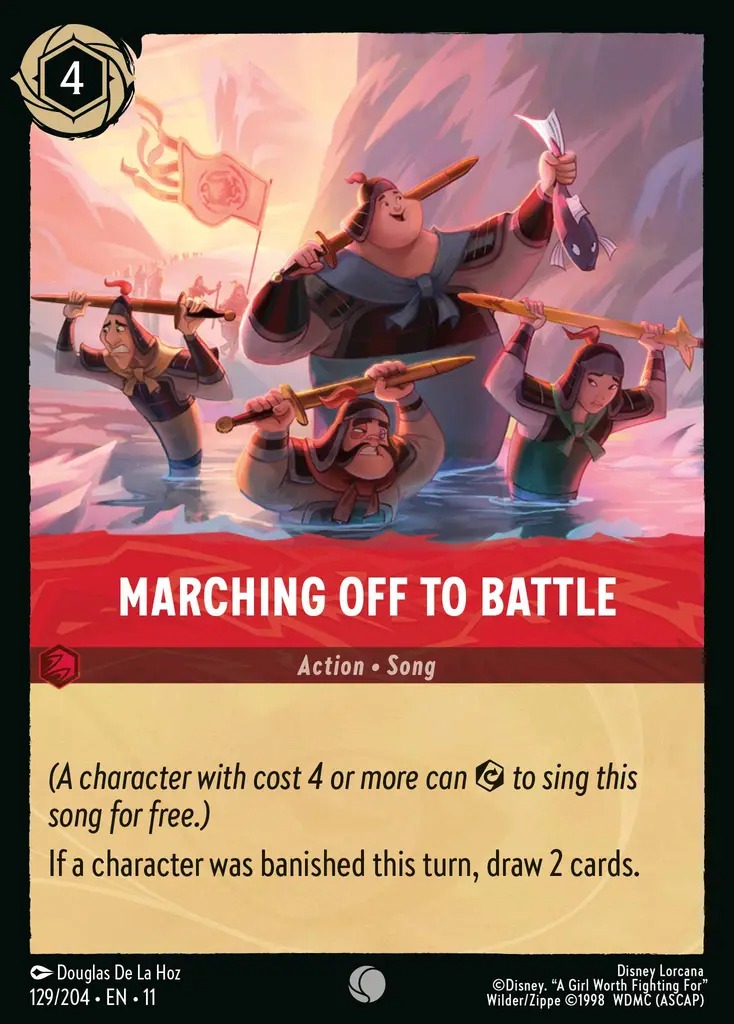
Strong card draw that’s easy to trigger late game. Even better if sung. Premium draw effect.
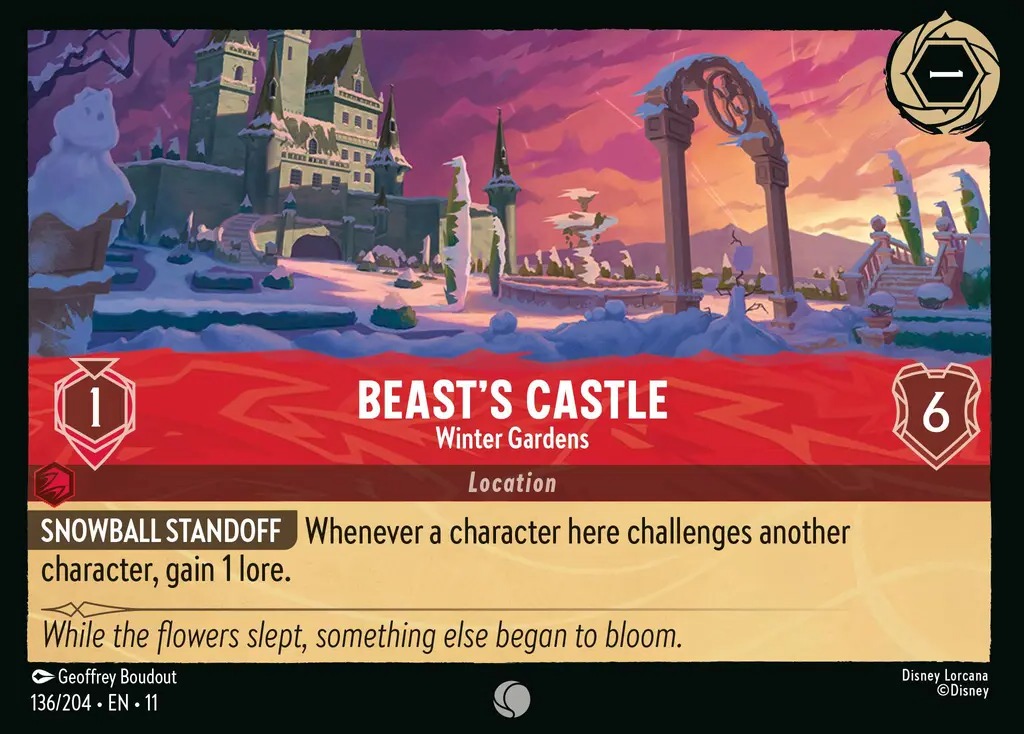
Excellent Location for enabling strong challenge turns. High Willpower makes it hard to remove. Very impactful.
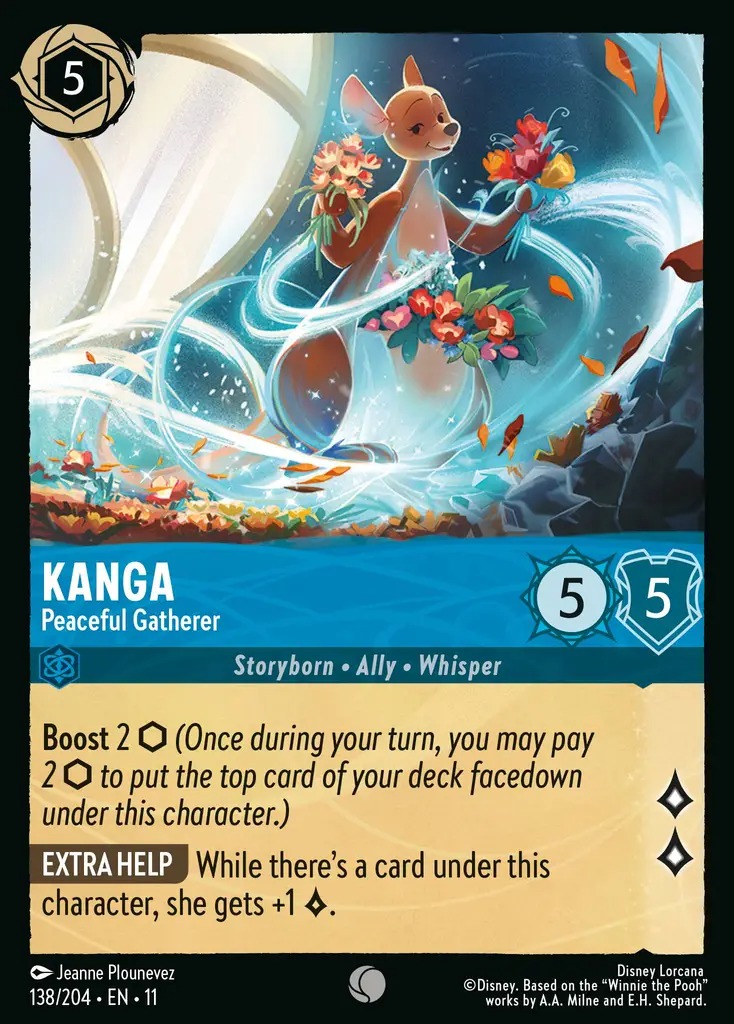
A simple way to generate 3 Lore late game. Playable finisher filler.
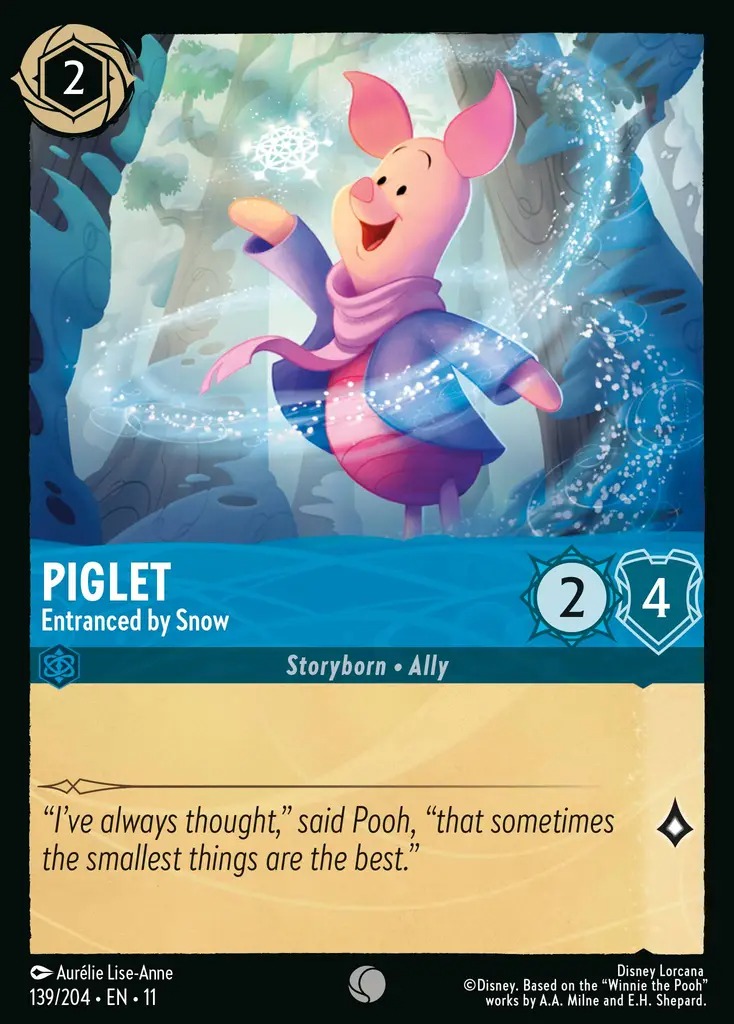
Good Willpower helps it survive challenges. Acceptable filler.
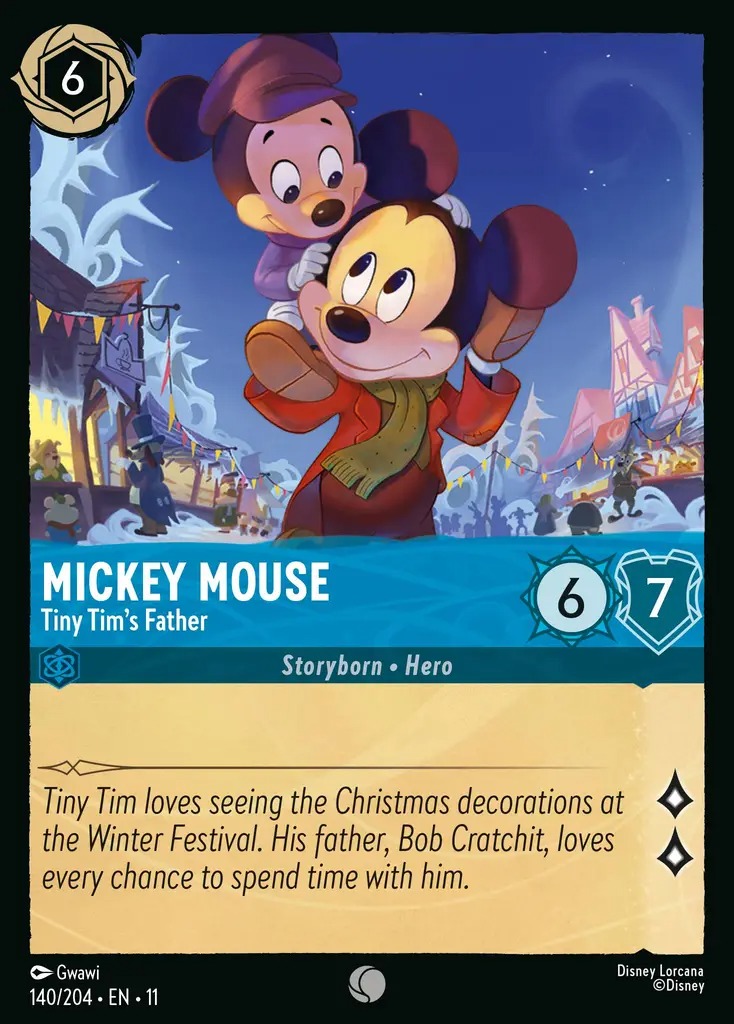
Vanilla 6-drop is fine, but check if your deck actually needs top-end. Low-priority filler.
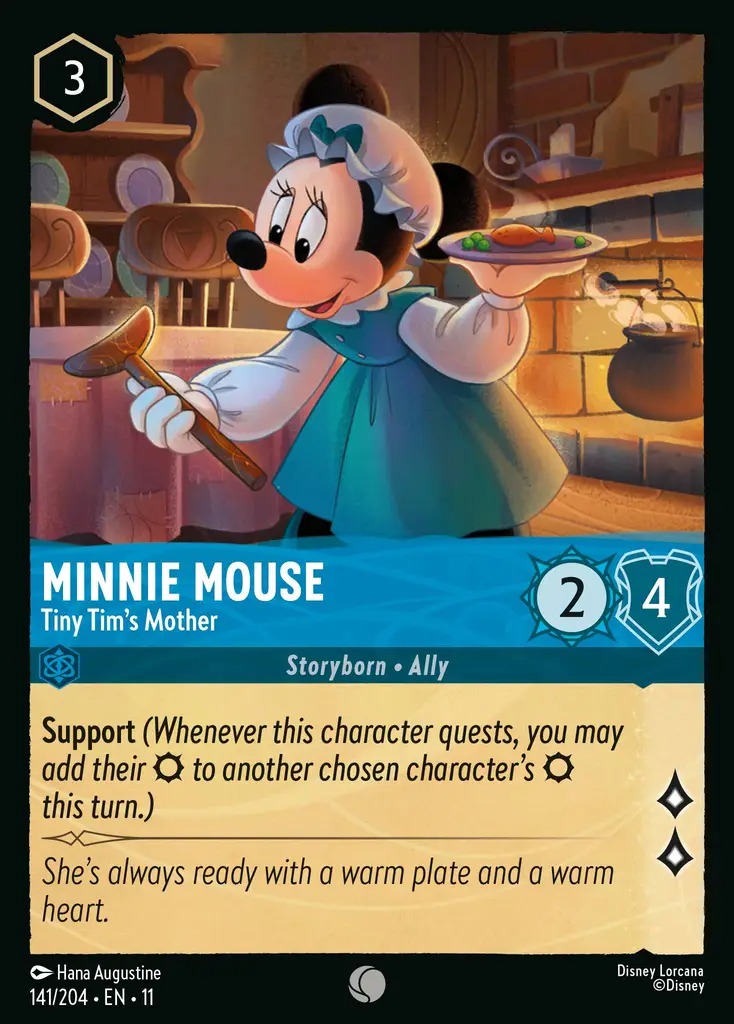
Support plus 2 Lore at 3 cost is excellent. Strong in both offence and defence. Top-tier common.
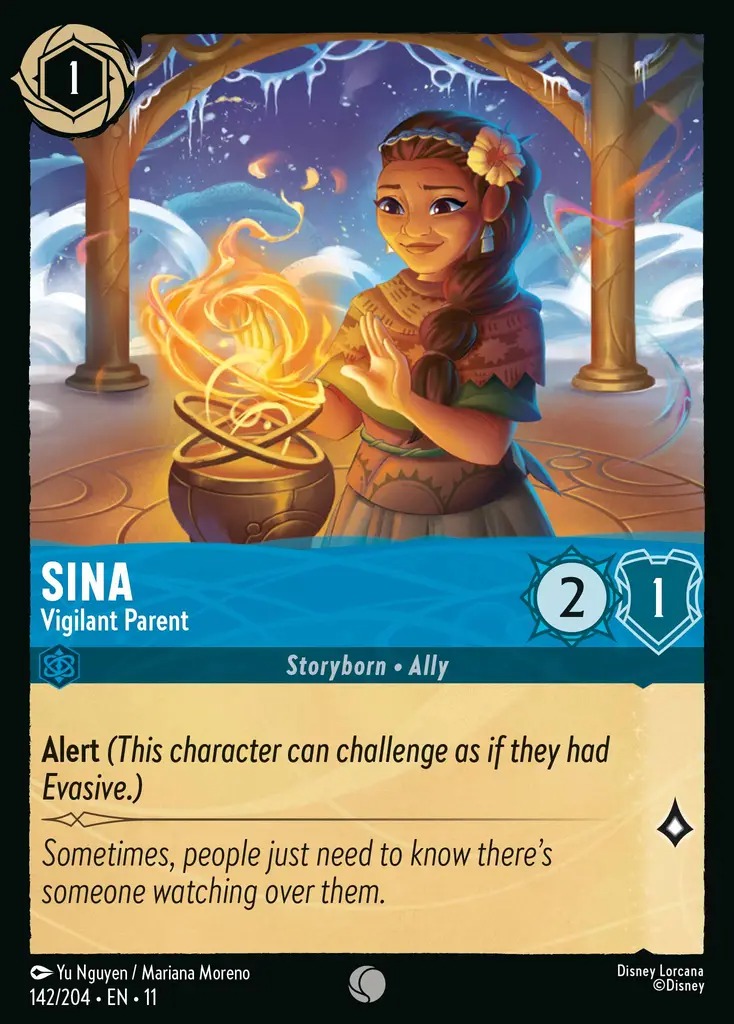
Cheap way to interact with Evasive threats. Situational but useful.
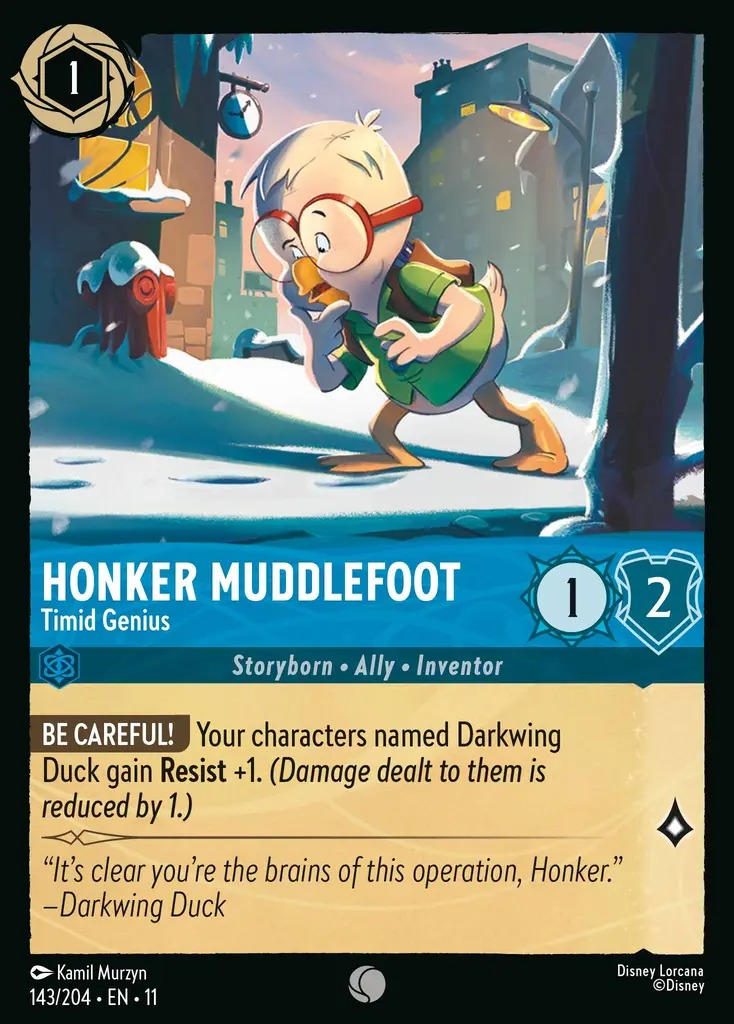
Primarily a support card for Darkwing Duck. Outside of that synergy, its stats are below average for a 1-cost character. Playable, but not exciting.
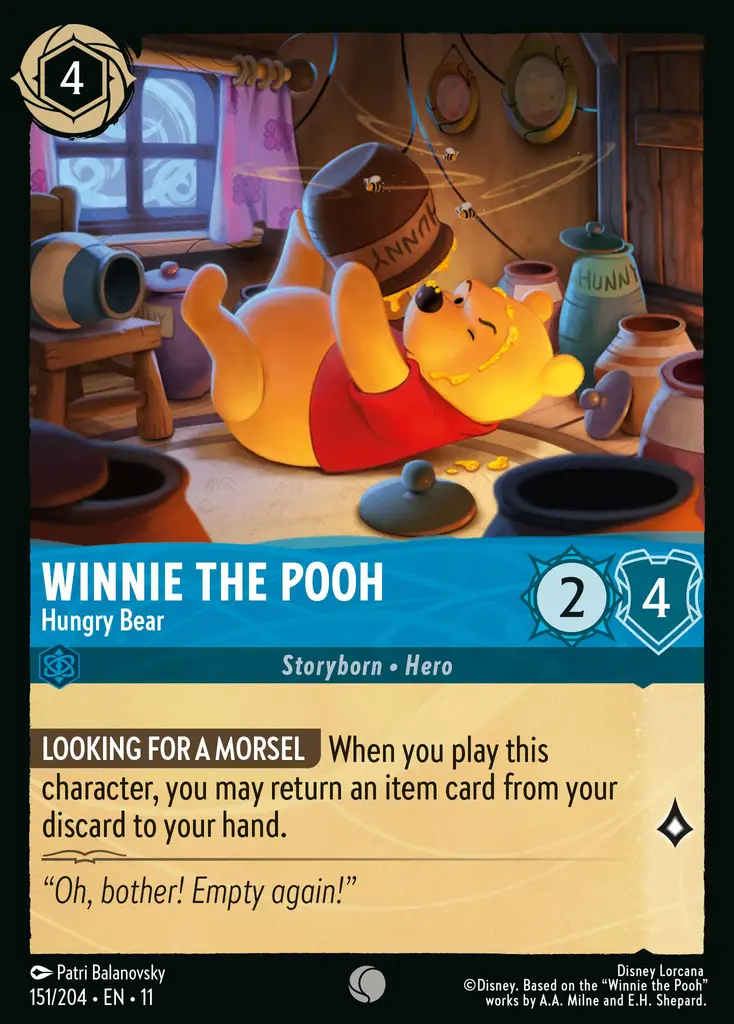
The item combo is unreliable, and the stats are weak for the cost. Not recommended.
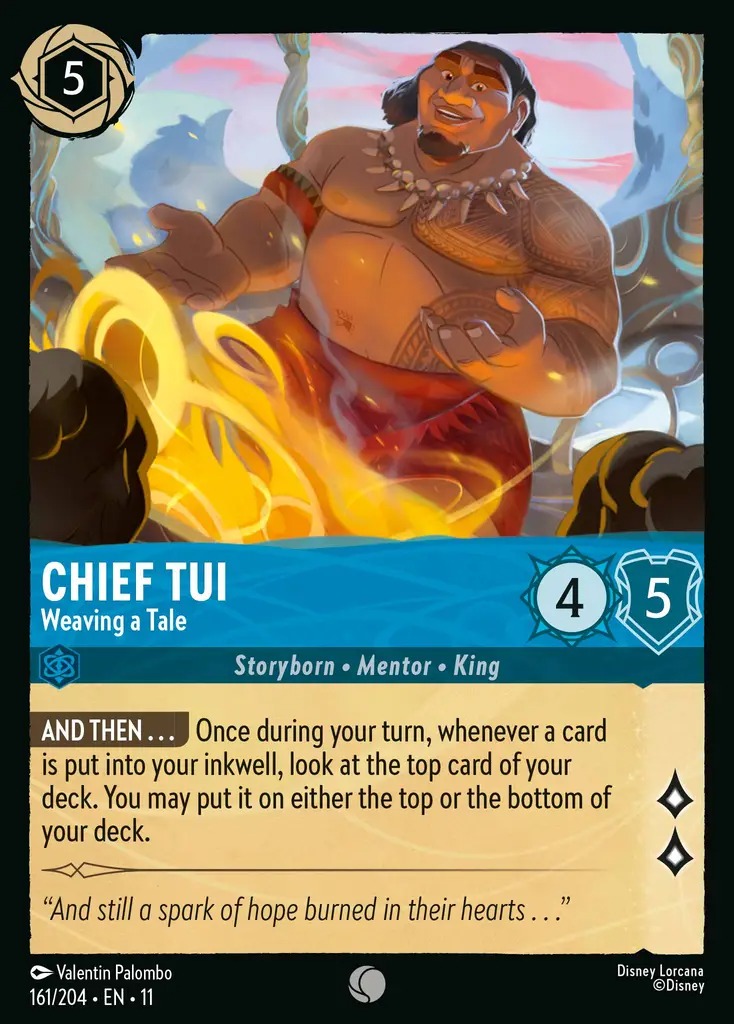
Powerful effect, but slow and ink-intensive. Playable, but not ideal in sealed. Medium priority.
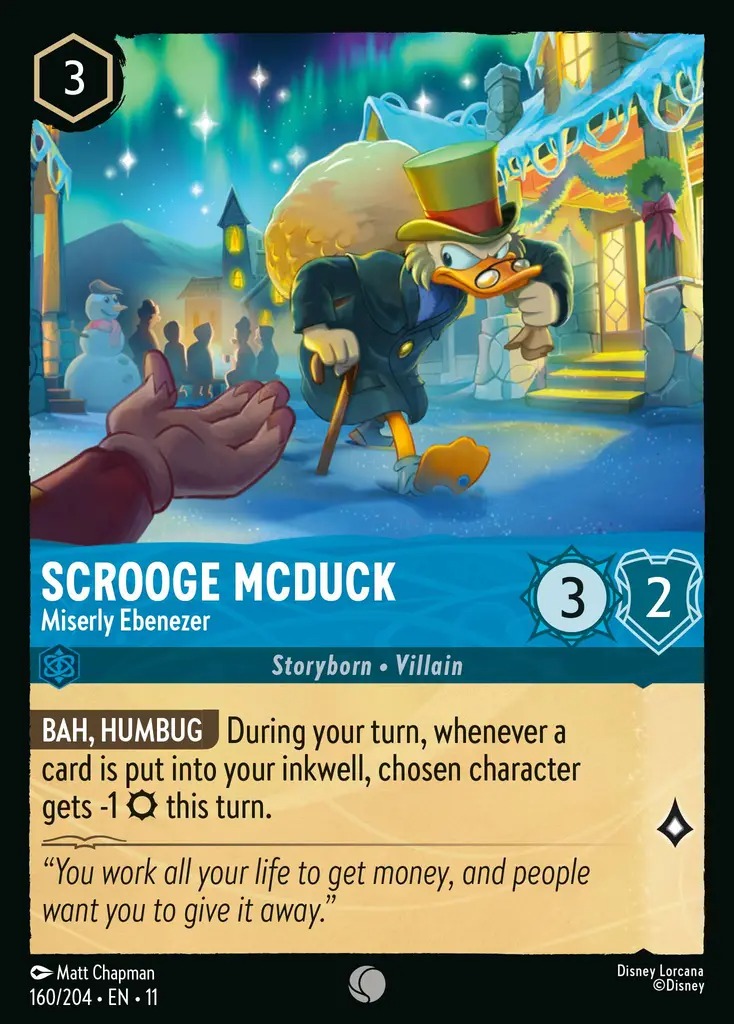
Strength reduction is useful, but being uninkable makes it awkward when you can’t afford the tempo loss.
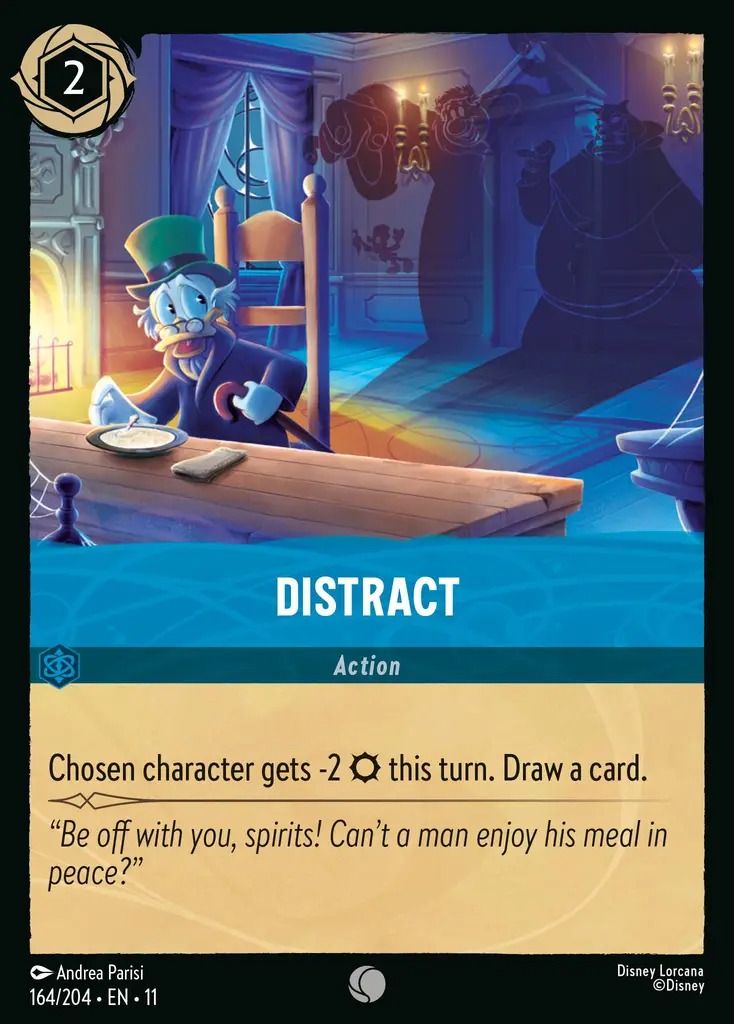
Simple Strength reduction that replaces itself, but board presence is usually better. Low priority.
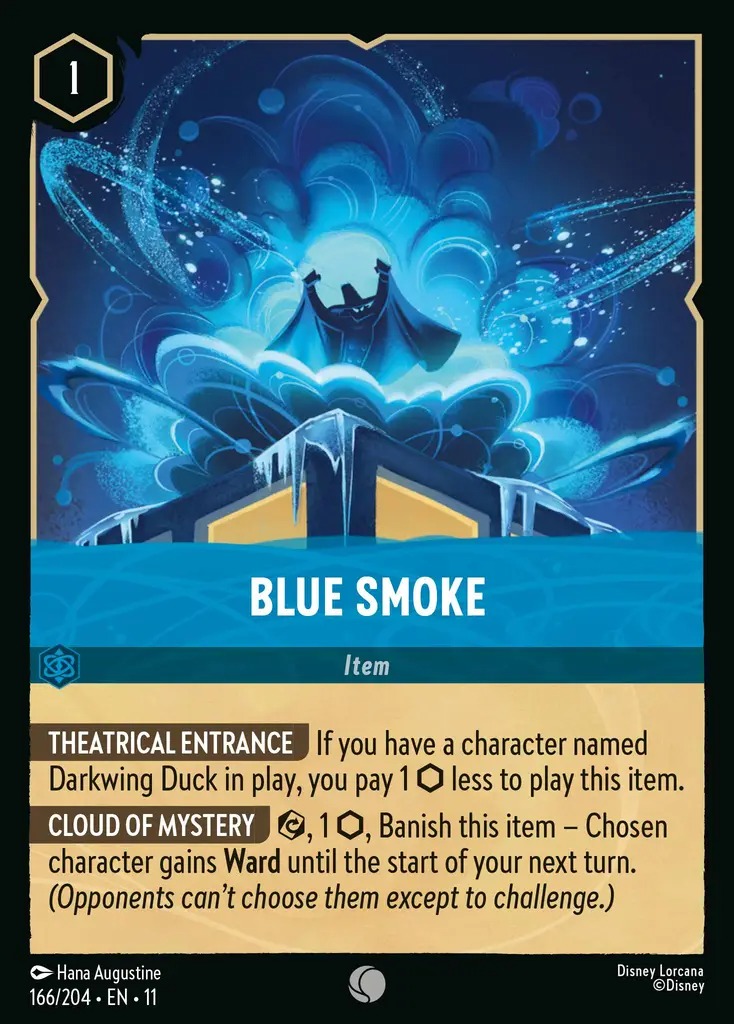
Giving Ward can be clutch, but situational. One copy is usually enough. Playable filler.
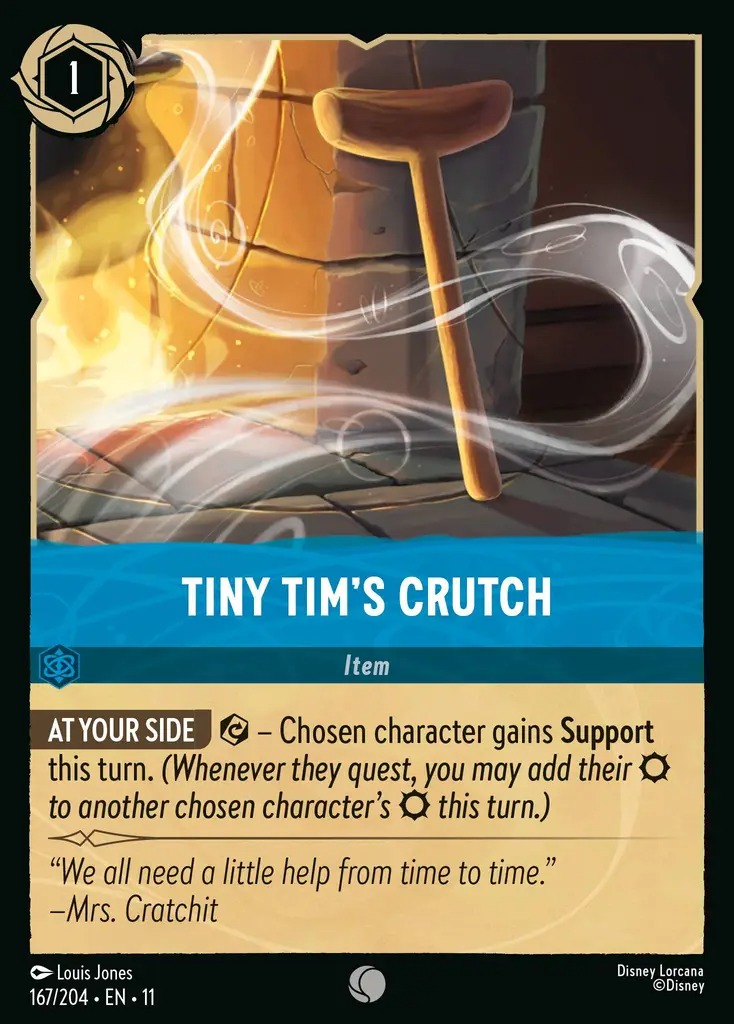
Reusable Support from an item is very strong over time. Excellent sealed card.
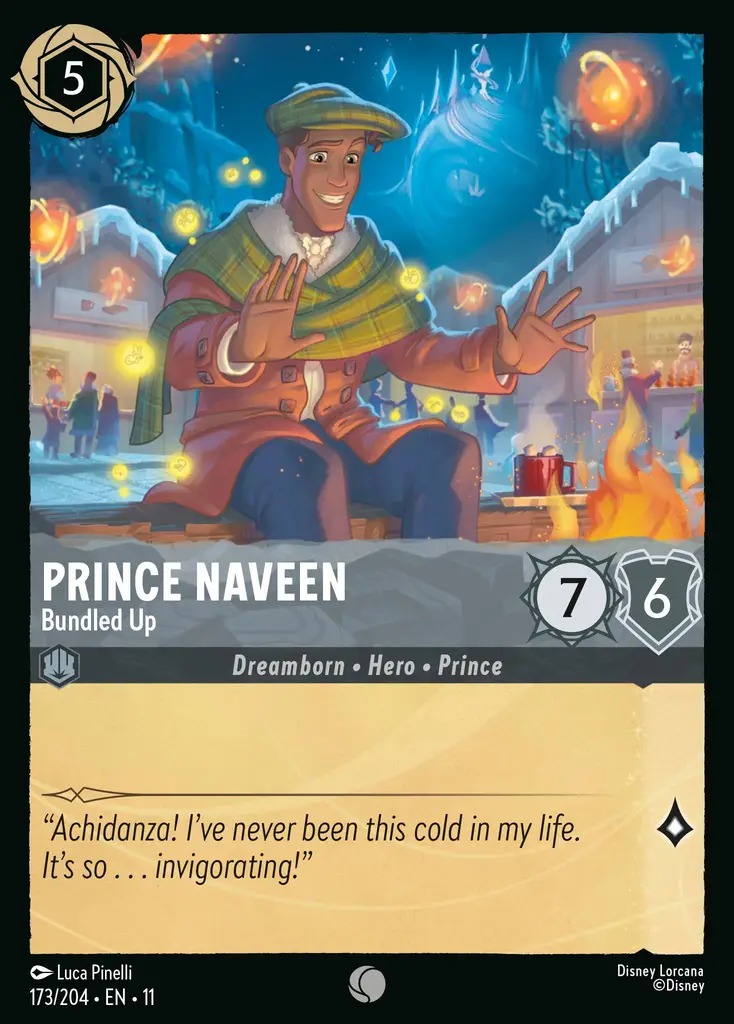
Solid stats, inkable, and excellent in challenges. Flexible and reliable. Very good 5-drop.
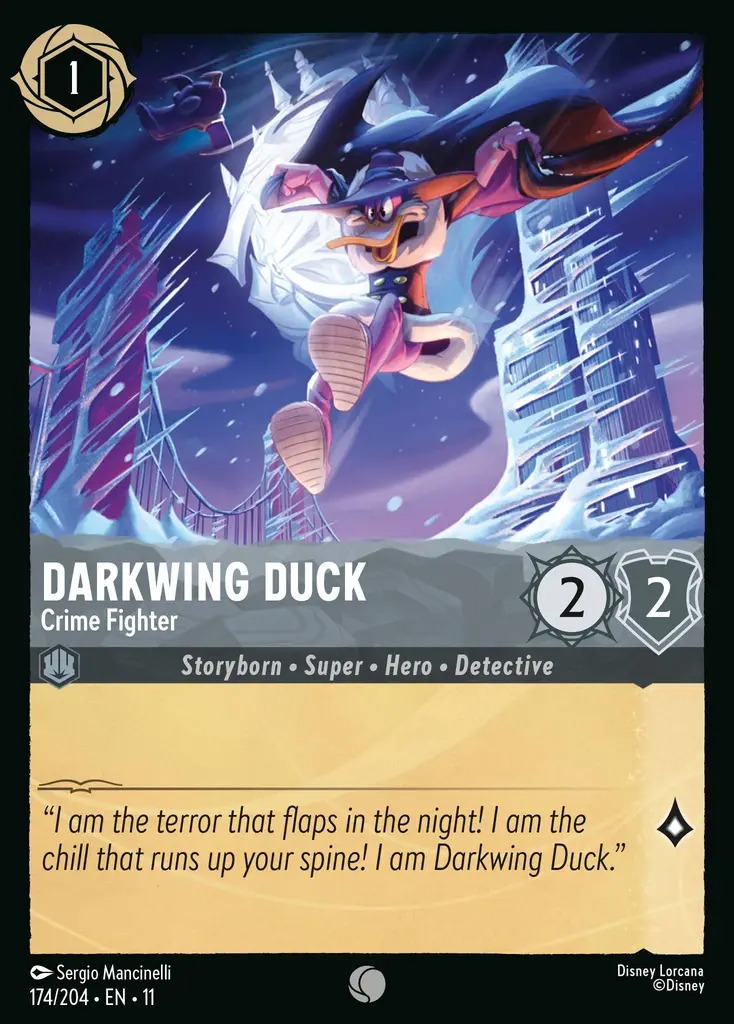
A basic 1-drop filler that can act as a Shift target or enable specific triggers. Only consider if you have relevant synergies.
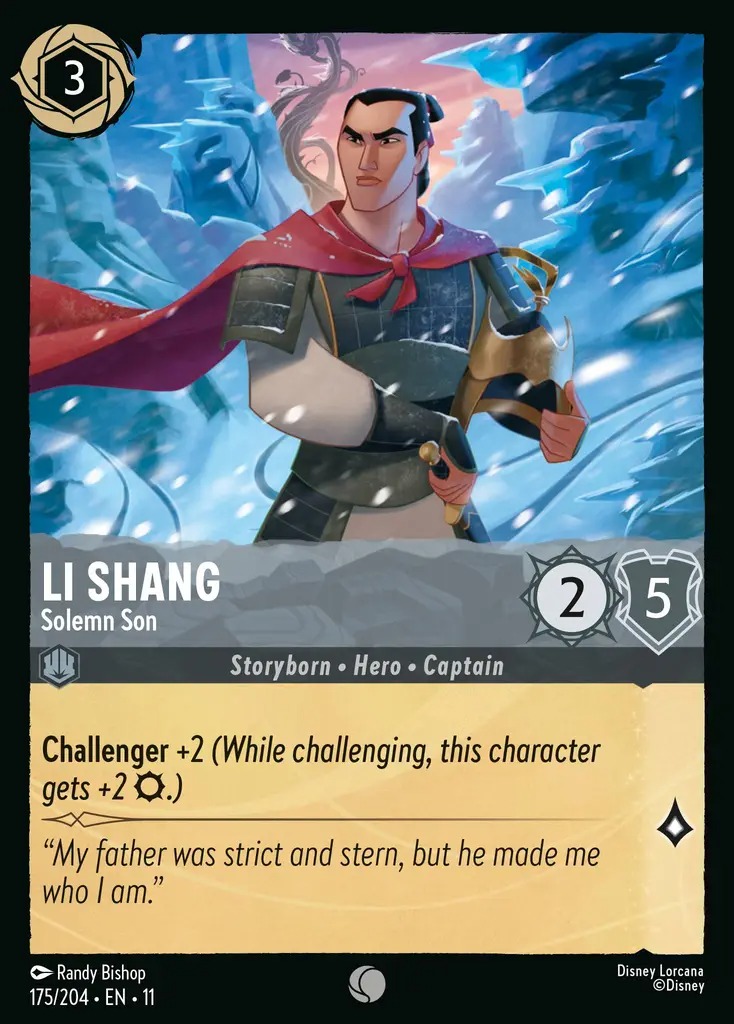
Big body for the cost that keeps the board stable. Playable filler.
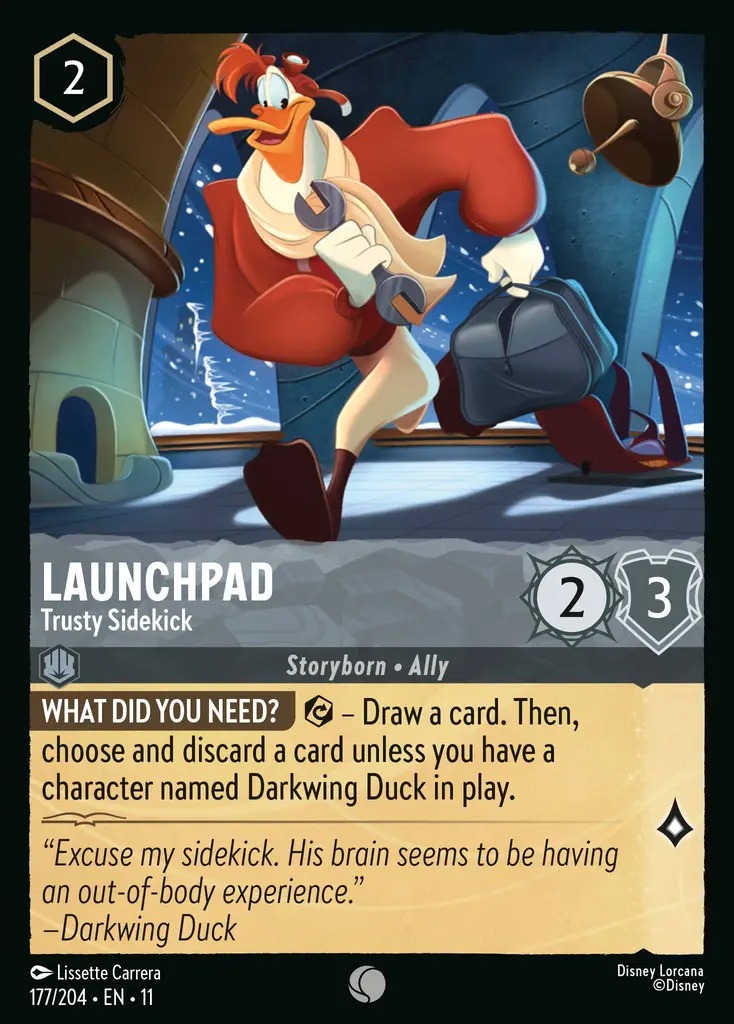
Early filtering is nice, but uninkable lowers priority. Medium-value filler. If you have Darkwing Duck, then this becomes your draw engine which is then a good card!
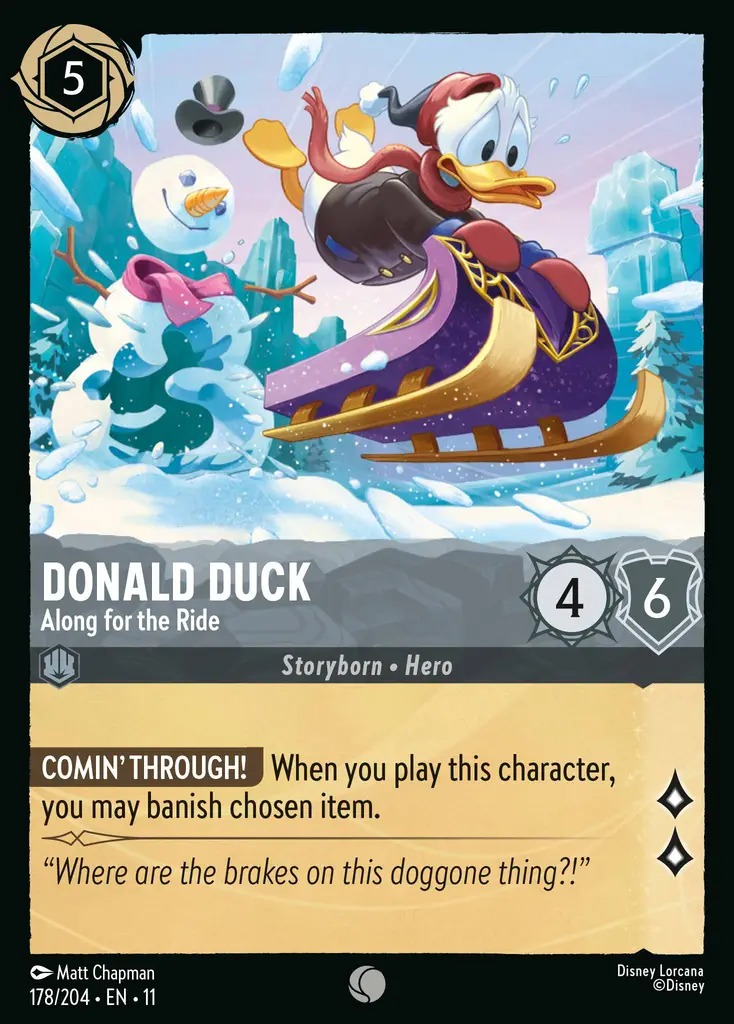
Item removal is situational, but the stats and Lore make it acceptable. Playable filler.
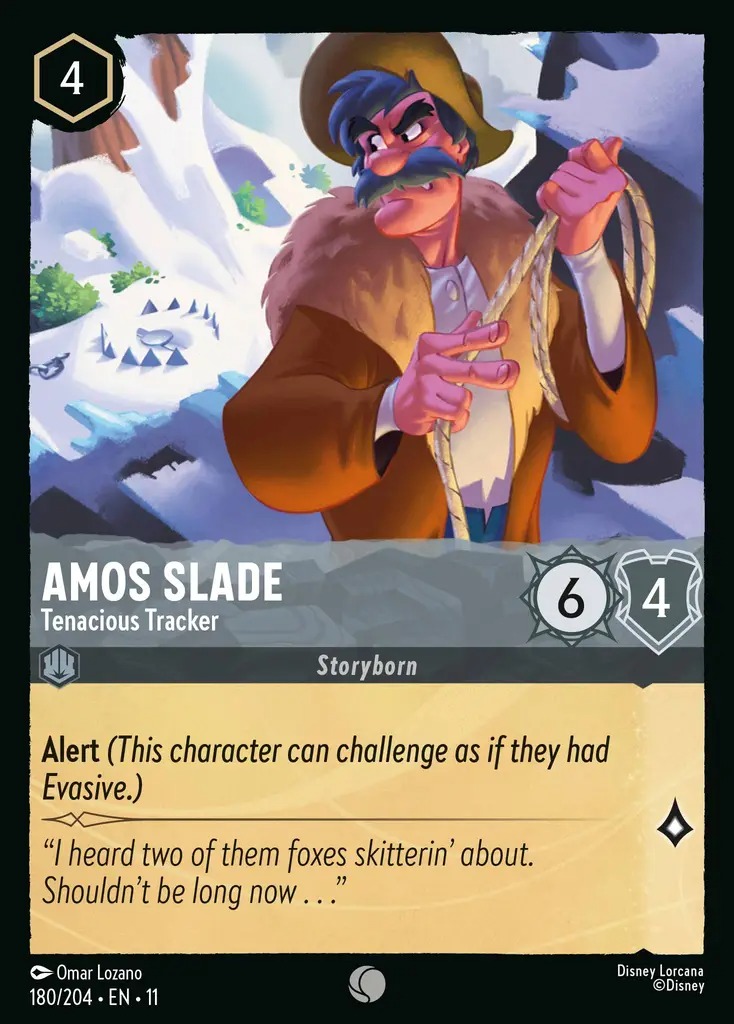
Alert is strong against Evasive, but being uninkable matters. Include only if you lack answers. Situational.
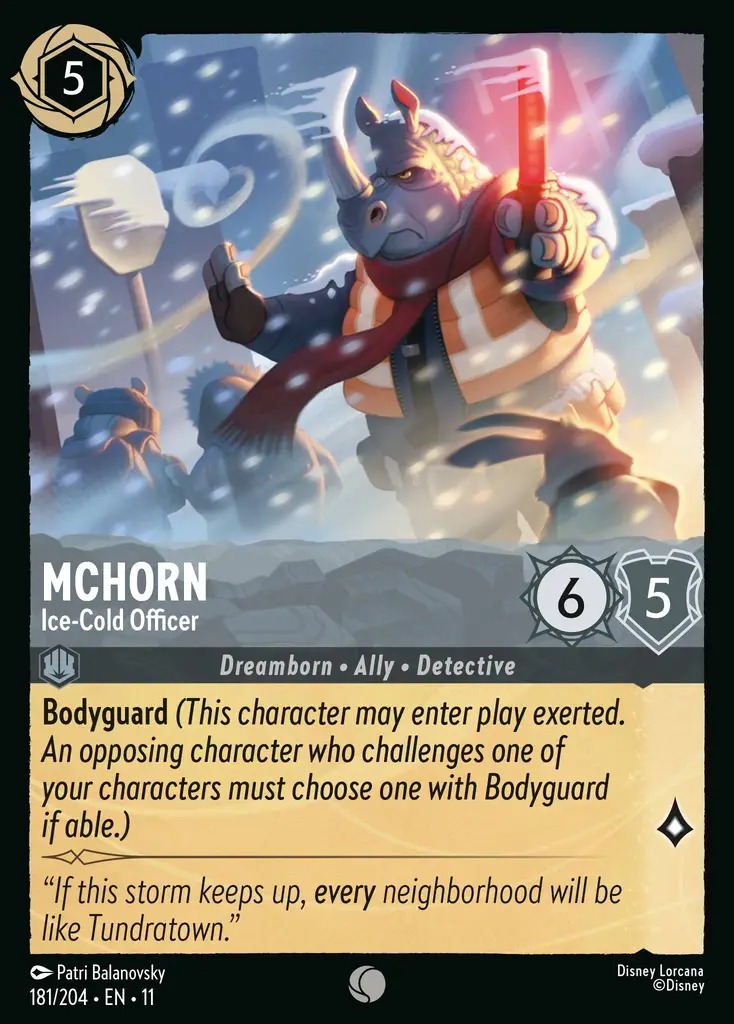
Excellent defensive Bodyguard once you have a board. Nothing flashy, but does its job. Solid filler.
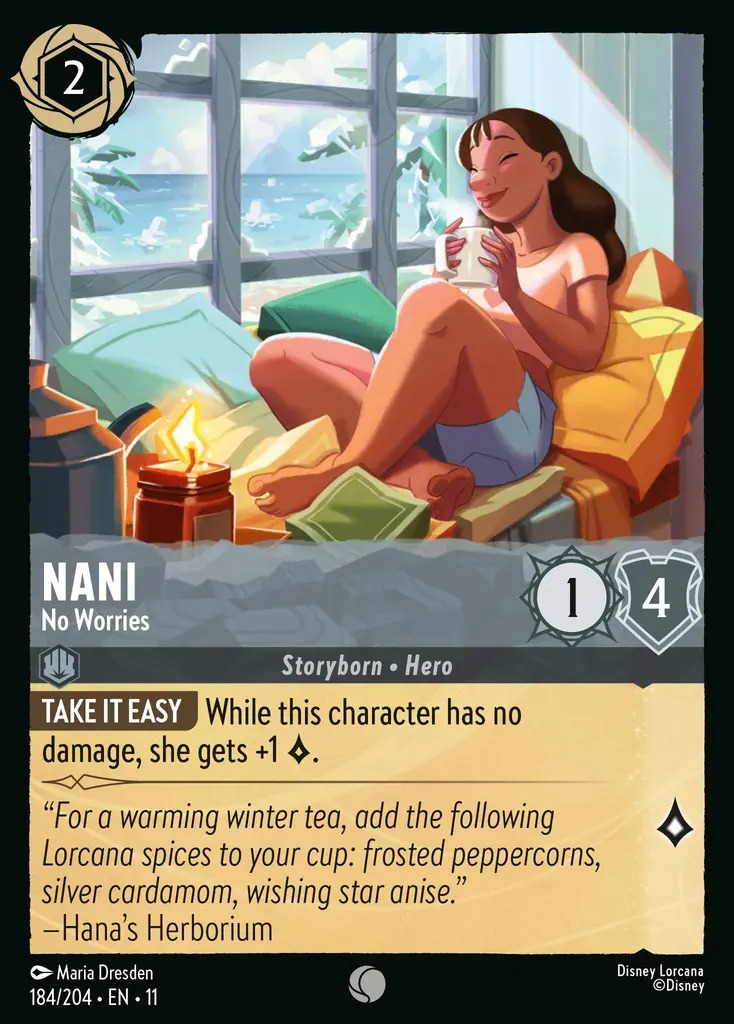
Strong early aggression with high Willpower. Inkable and pressures Lore immediately. High-priority common.
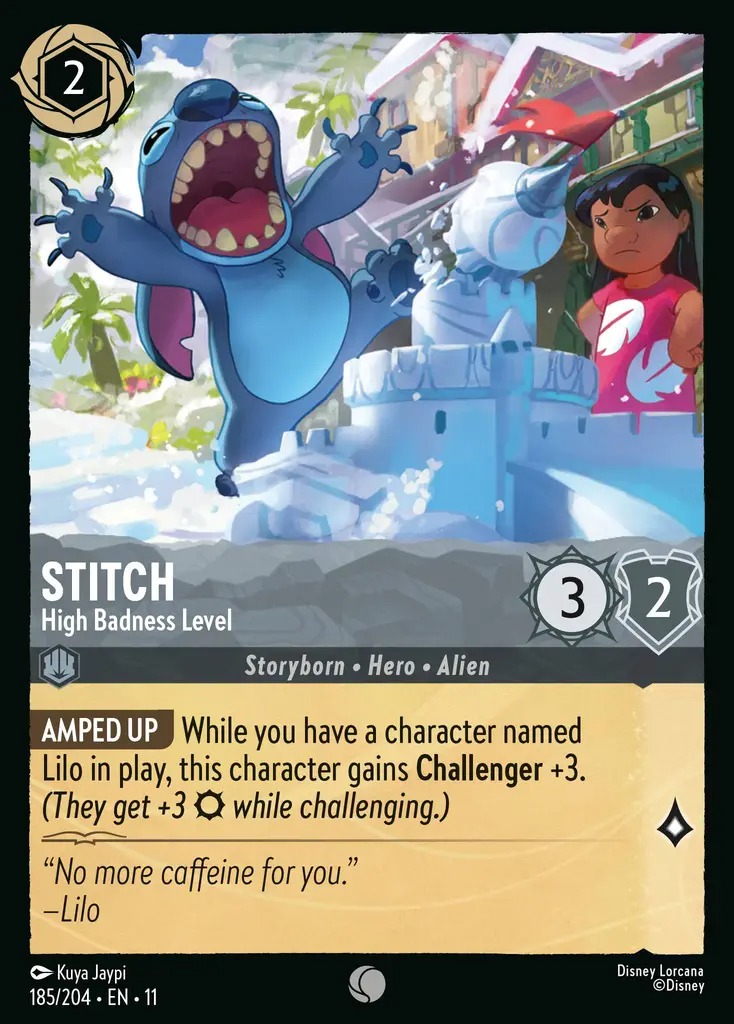
Without Lilo synergy, it’s still a serviceable 2-drop. With synergy, it becomes much stronger. Playable filler.
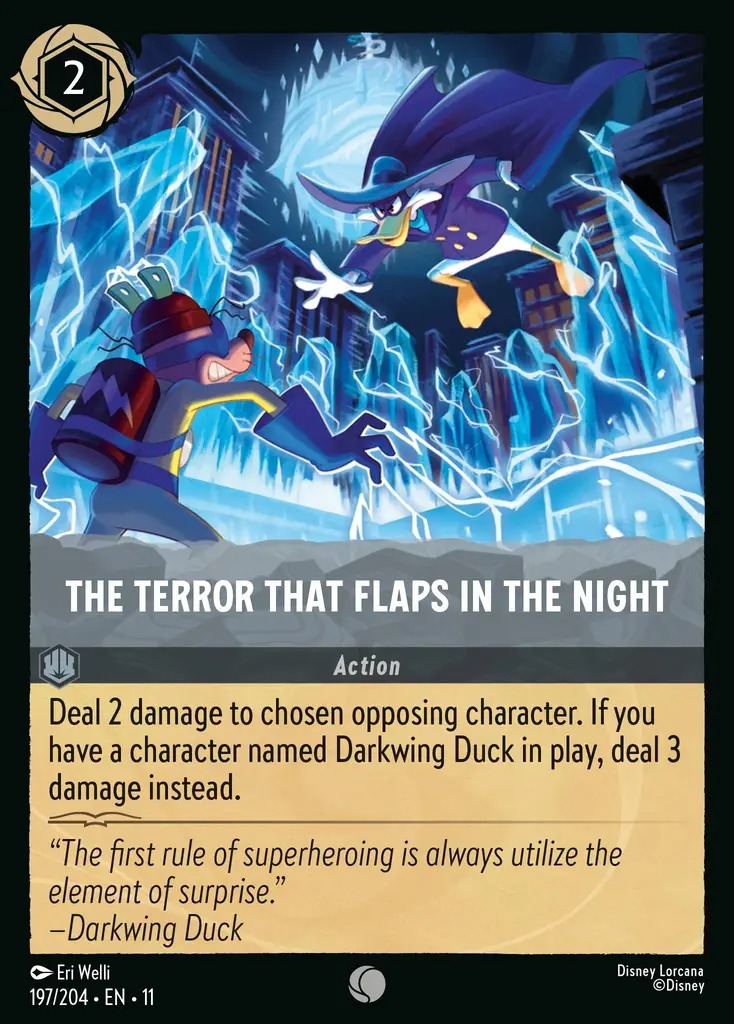
Excellent removal. Two damage is already useful, and with Darkwing Duck it becomes three for just two cost. Inkable as well. Very strong common.
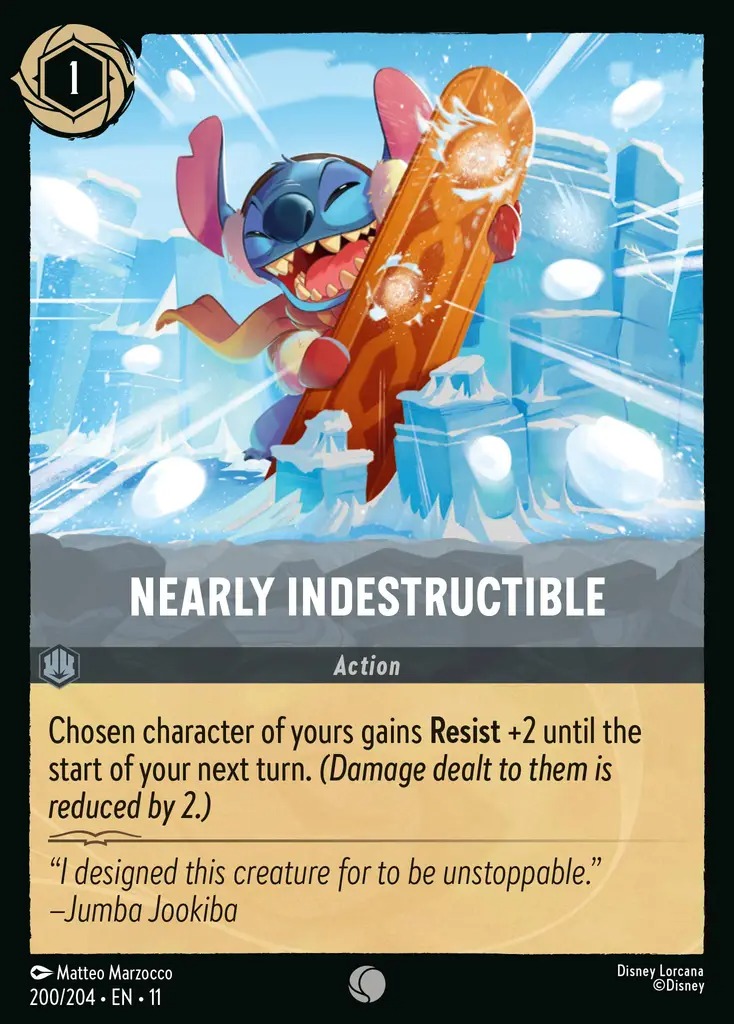
Resist on a 1-drop is useful, and it’s inkable. Flexible filler.
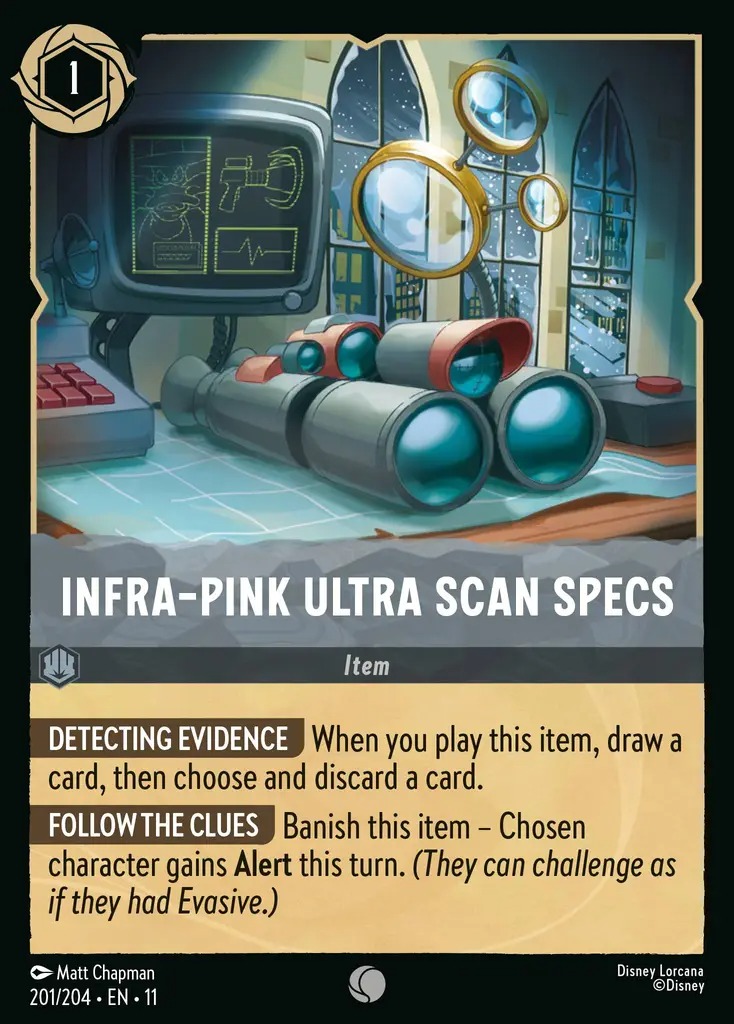
Cheap filtering plus situational Alert makes this very flexible. Excellent utility card.
Uncommon
A booster pack has guaranteed at least 3 Uncommon, all different ink colour, so you will get at least 18 uncommons in your pull. These often act as glue for your deck, giving you some direction where your deck is heading and can do while your opponent might not have the luxury to open them!
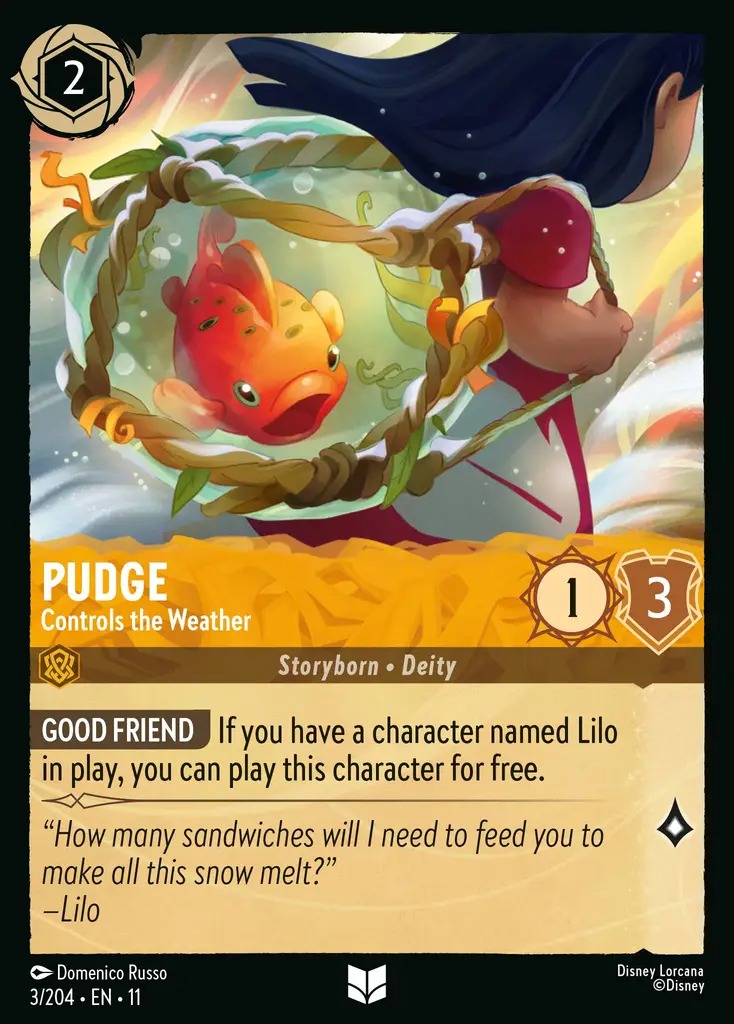
Without Lilo, this is outclassed by other 2-drops with better stats. Low priority.
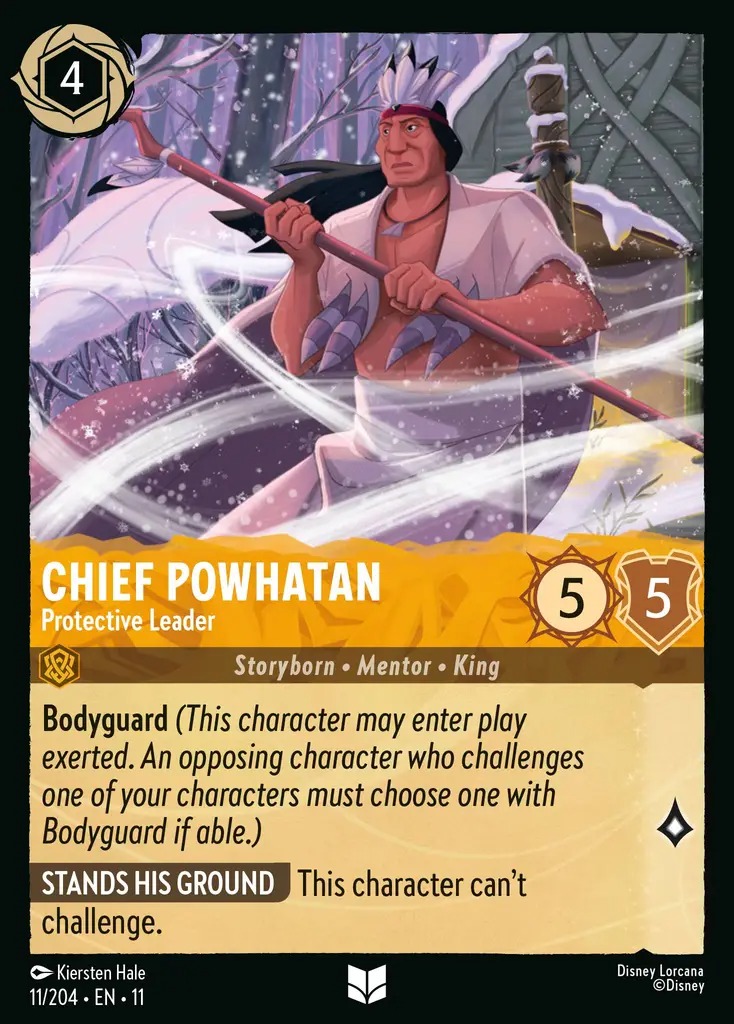
An outstanding Bodyguard. A 5/5 body protects your board effectively, and opponents are forced to deal with it. High-impact defensive card.
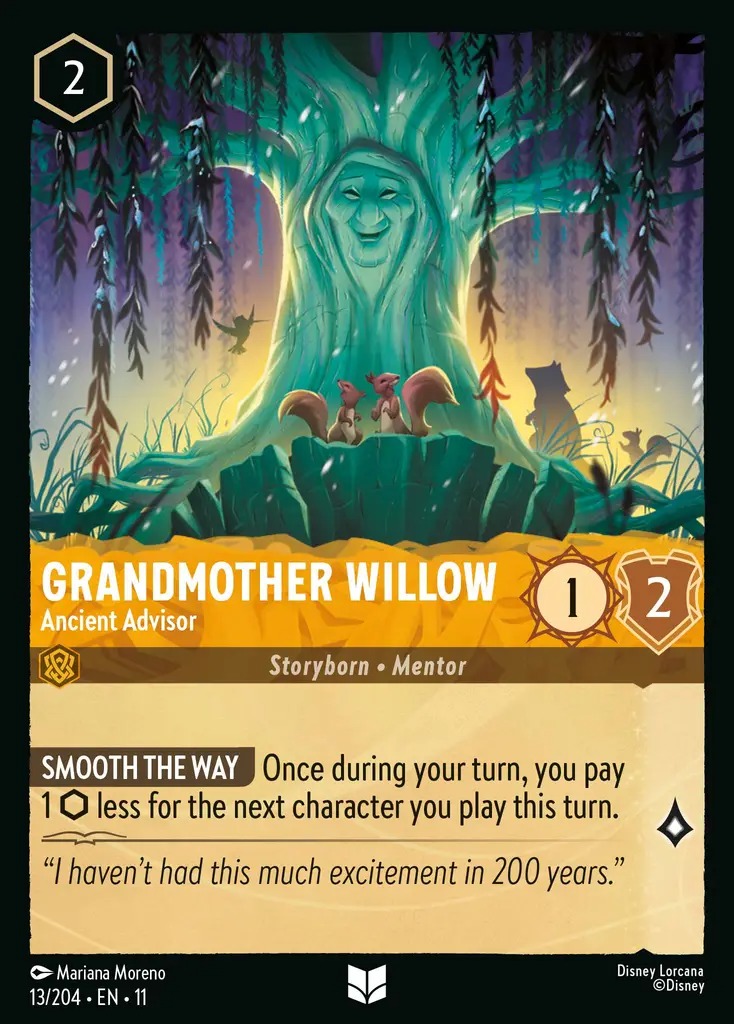
One of the best value engines in sealed. Repeated cost reduction lets you deploy high-cost threats more efficiently. Be mindful of challenges before questing. Top-tier card.
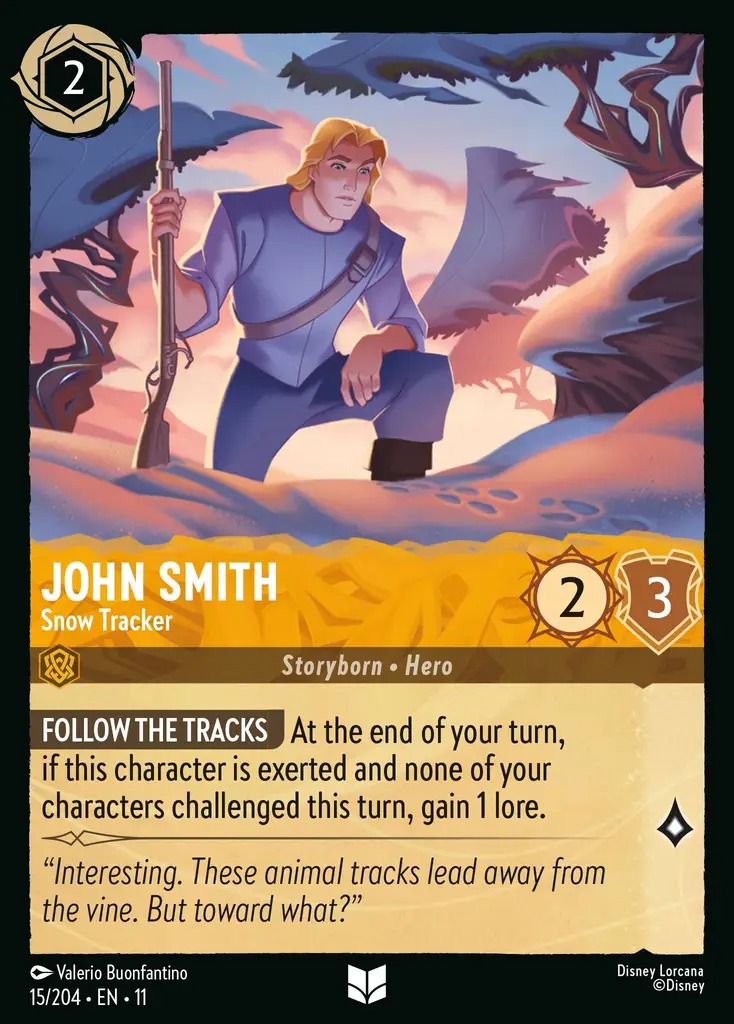
A reasonable 2-drop that can generate Lore indirectly, but challenges are frequent in sealed, limiting consistency. Playable filler.
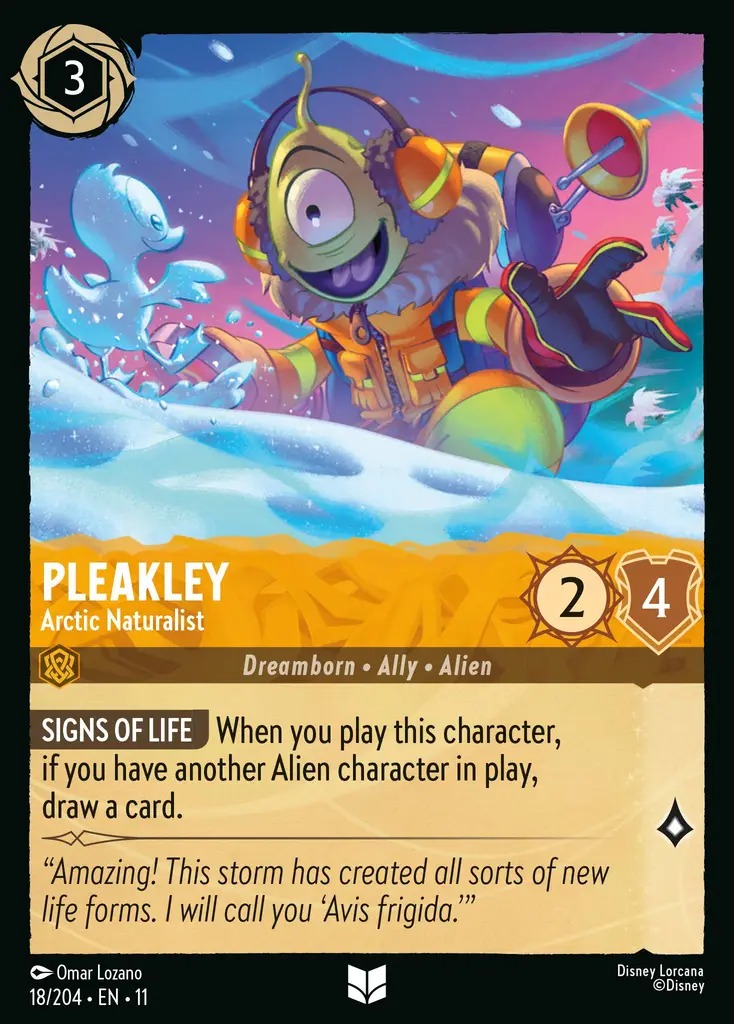
Strong only if you have enough Alien cards to trigger the draw effect. Stats are fine, but without synergy it’s replaceable. Conditional filler.
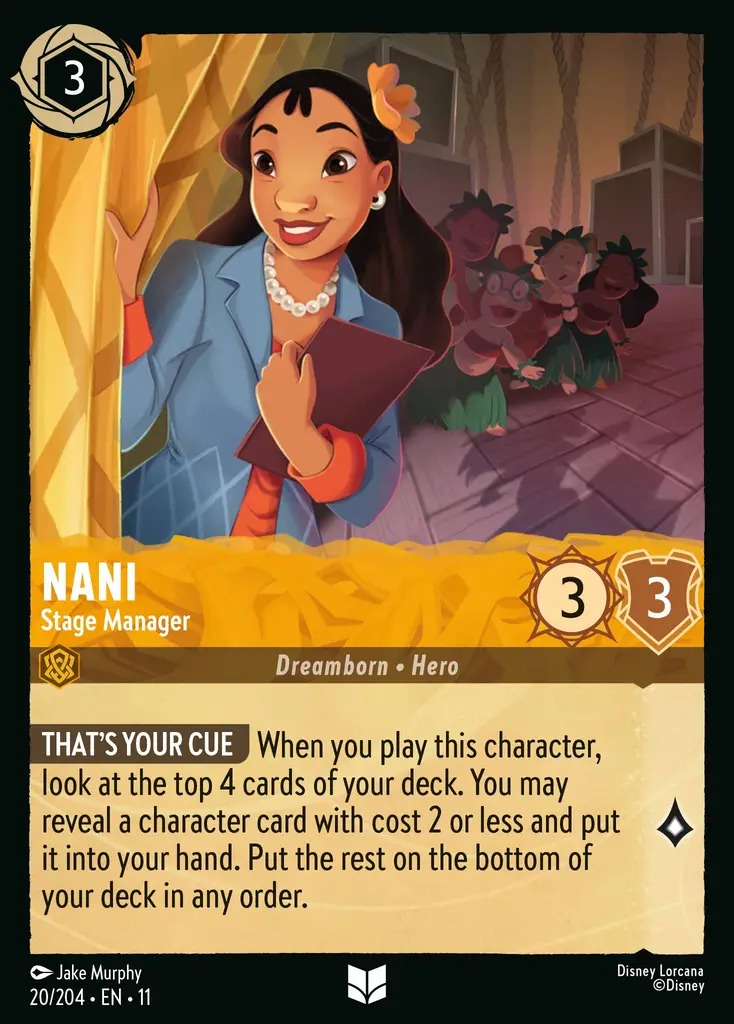
Provides a useful search effect for low-cost characters, but requires sufficient targets to justify inclusion. Filler-level card.
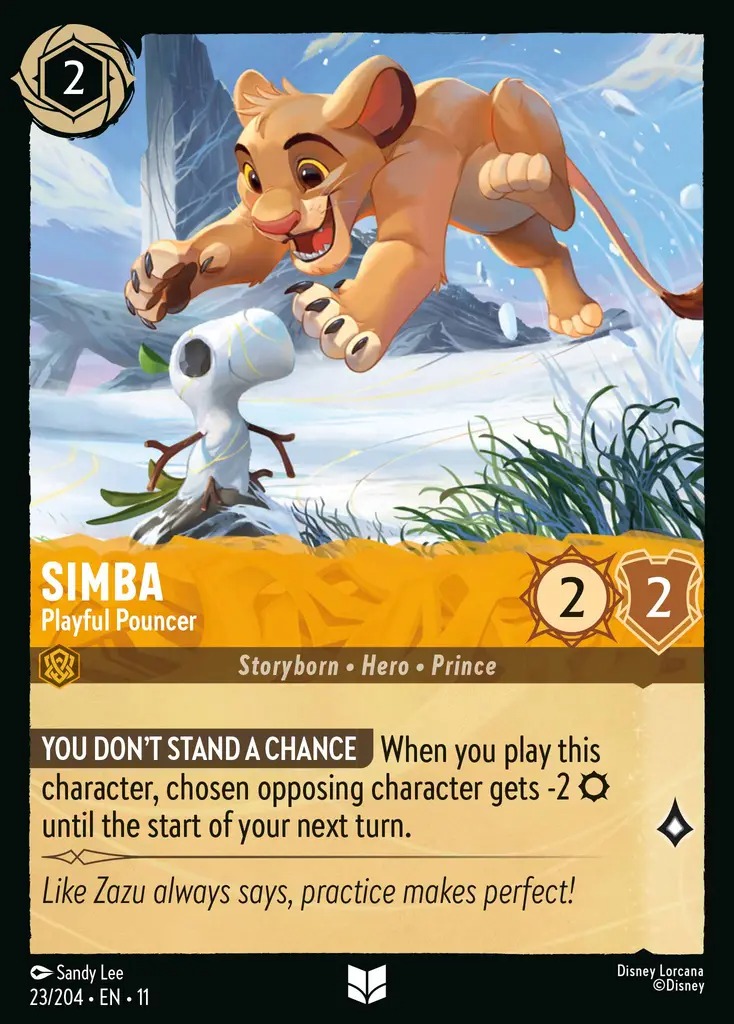
Strength reduction is useful in sealed, but generally secondary unless you’re playing aggressively. Situational filler.
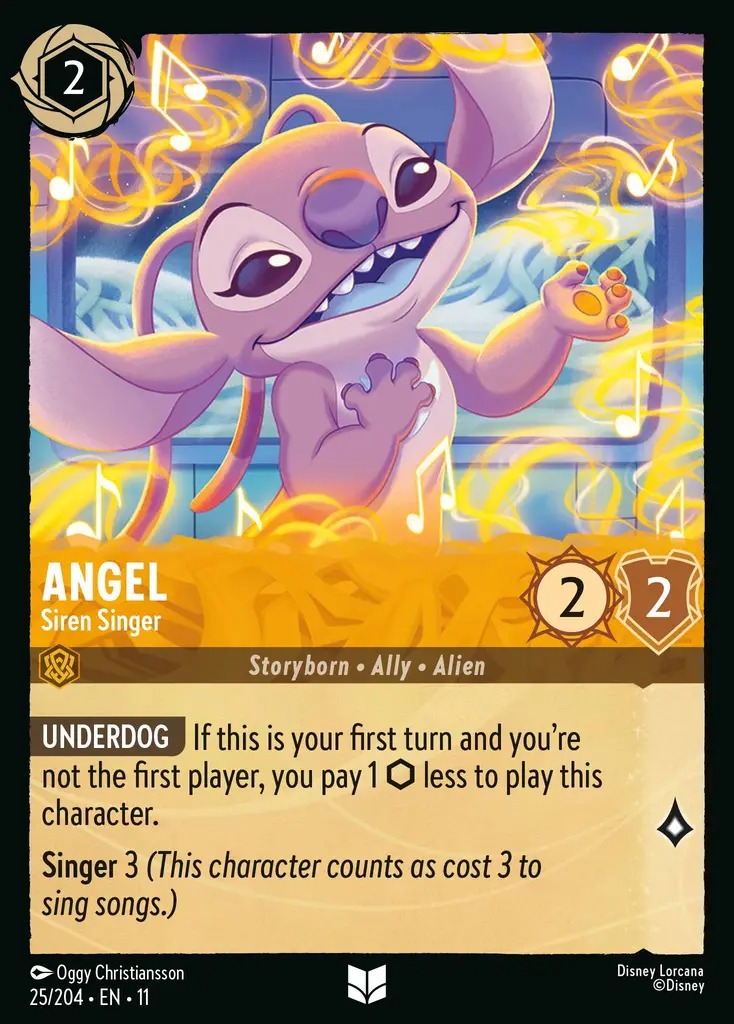
Best when going second as a 1-drop. If going first, it’s usually better inked in favour of a stronger 2-drop. Playable but situational.
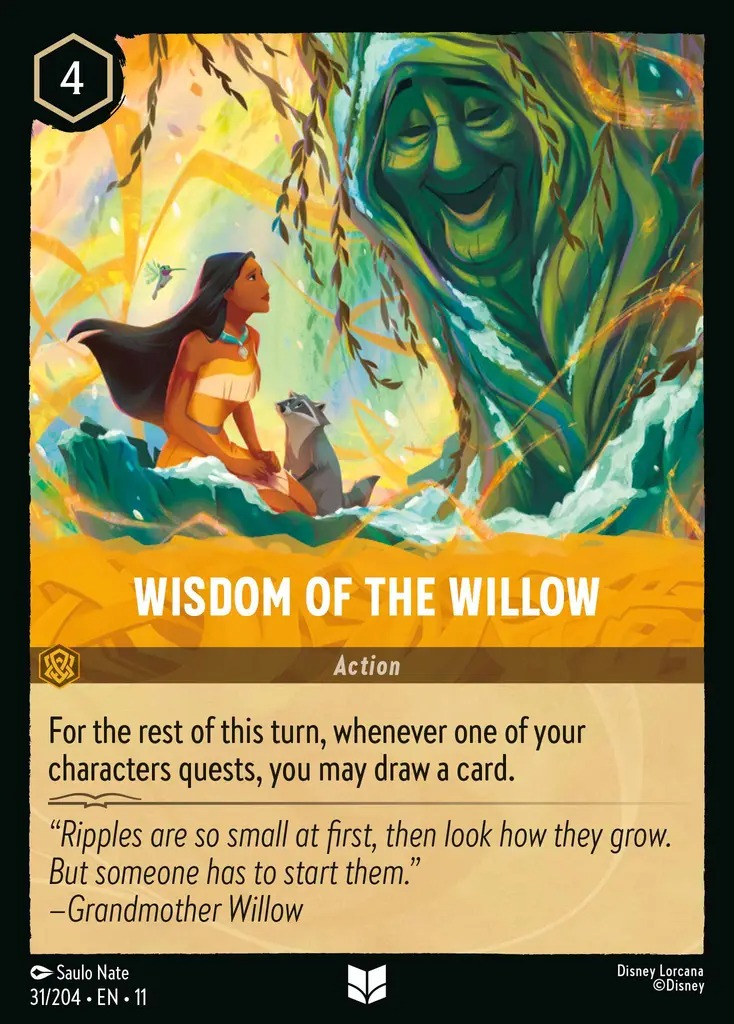
Excellent hand refill card. Set up a strong questing turn and draw multiple cards to swing momentum. High-value draw engine.
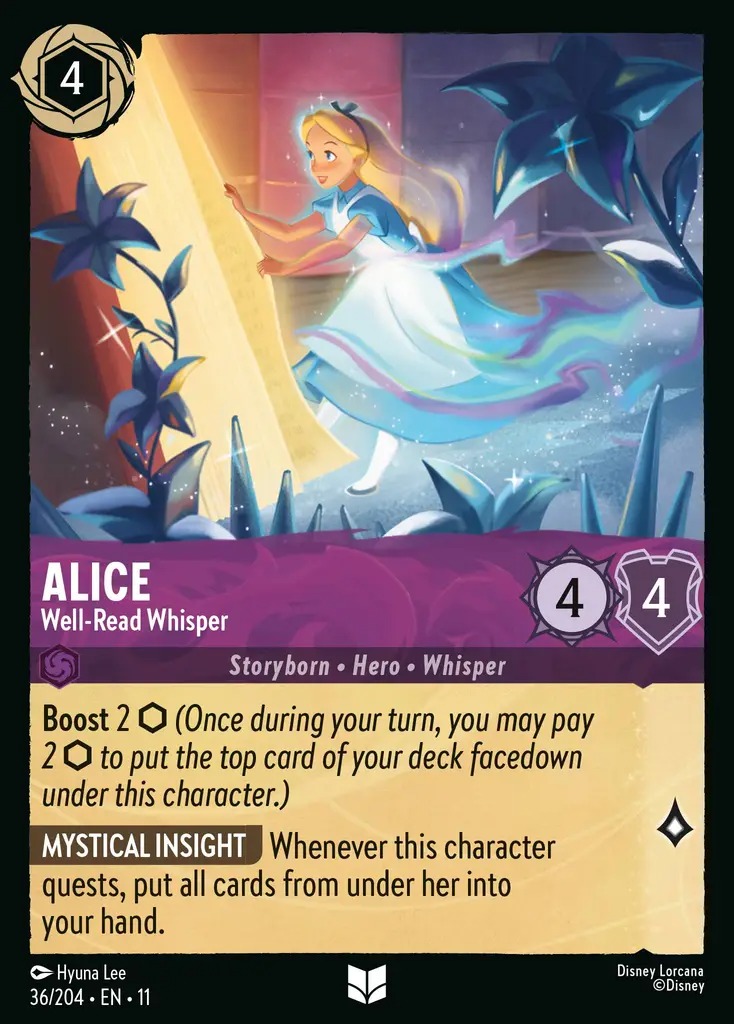
A steady card advantage option. Whether used as a long-game engine or immediate value, it performs well. Strong sealed card.
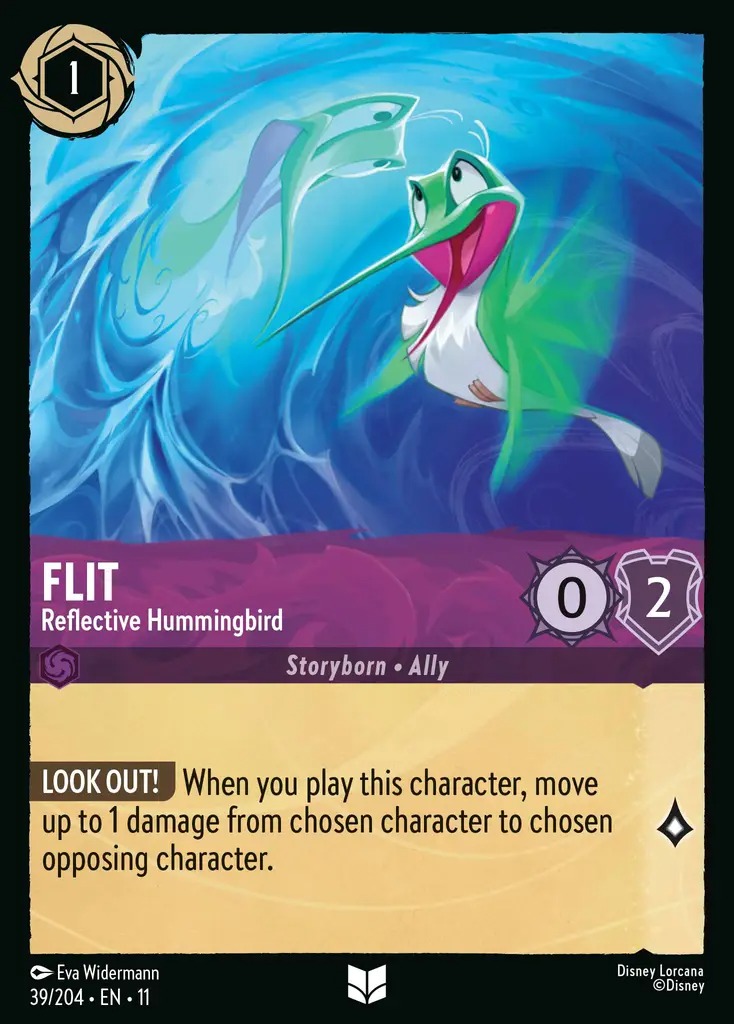
Excellent 1-drop utility. Damage movement can drastically alter combat math mid-game, and being inkable is a bonus. Easy include.
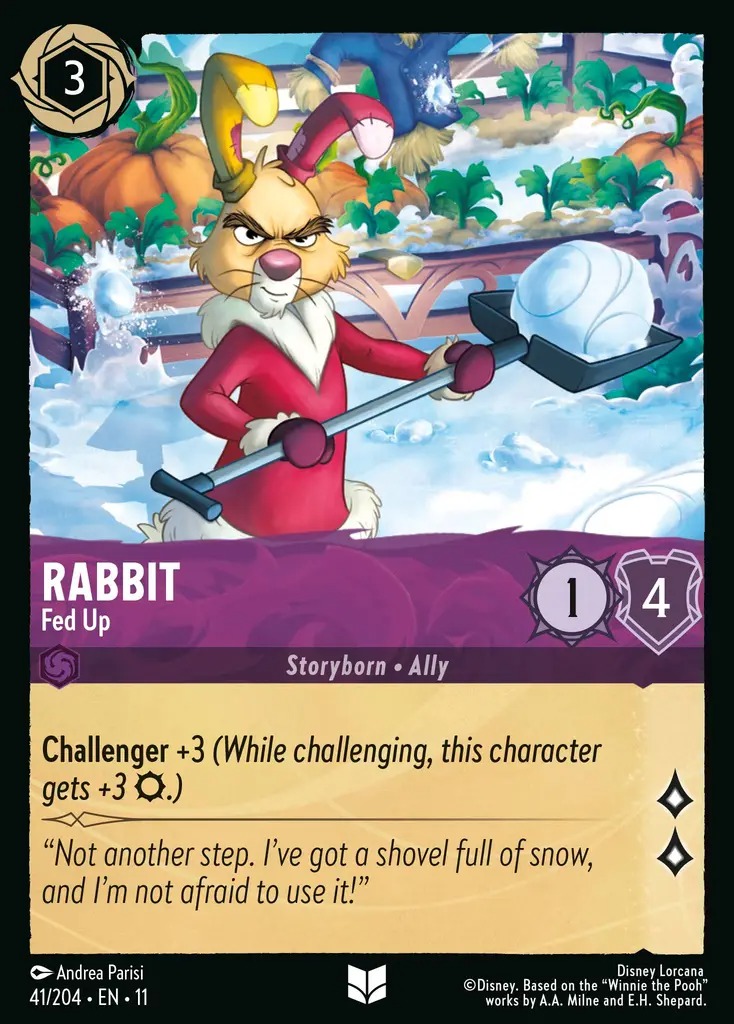
Strong early Lore pressure with upside potential in combat. Versatile and impactful. High-priority inclusion.
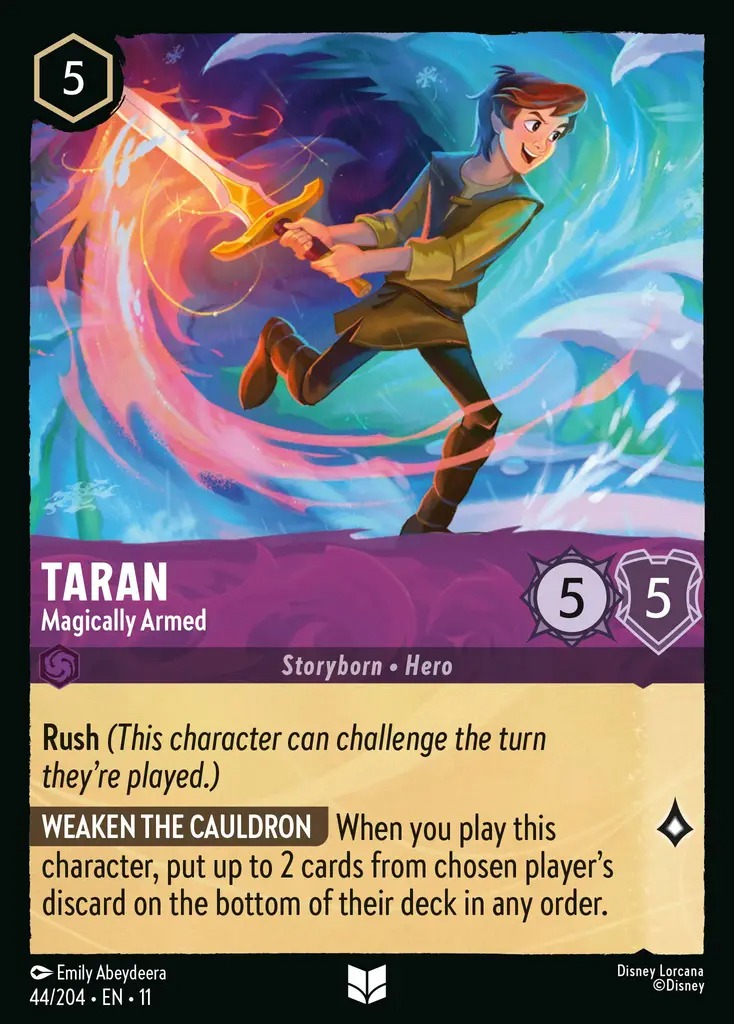
Rush plus recursion is fine, but being uninkable matters at 5 cost. Include only if your deck can support the uninkable count. Situational.
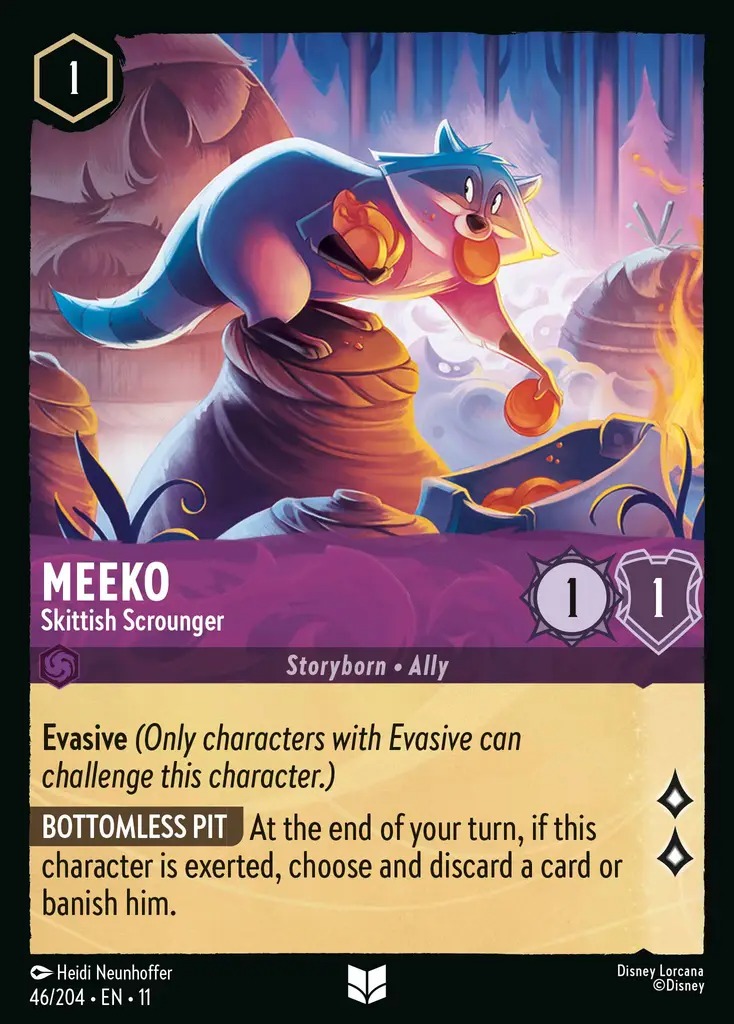
Creates early pressure with Evasive and Lore, forcing awkward decisions from opponents. Even if removed, it often trades favourably. Very strong early-game threat.
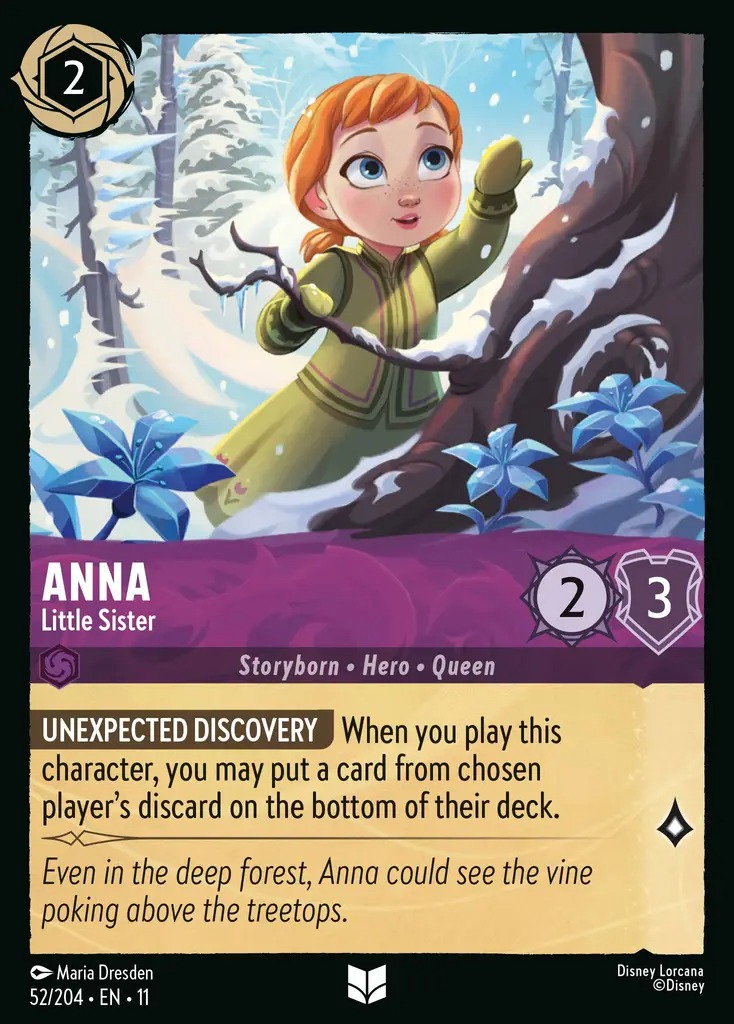
Provides light recursion, but don’t rely on it. Stats are acceptable for a 2-drop. Playable filler.
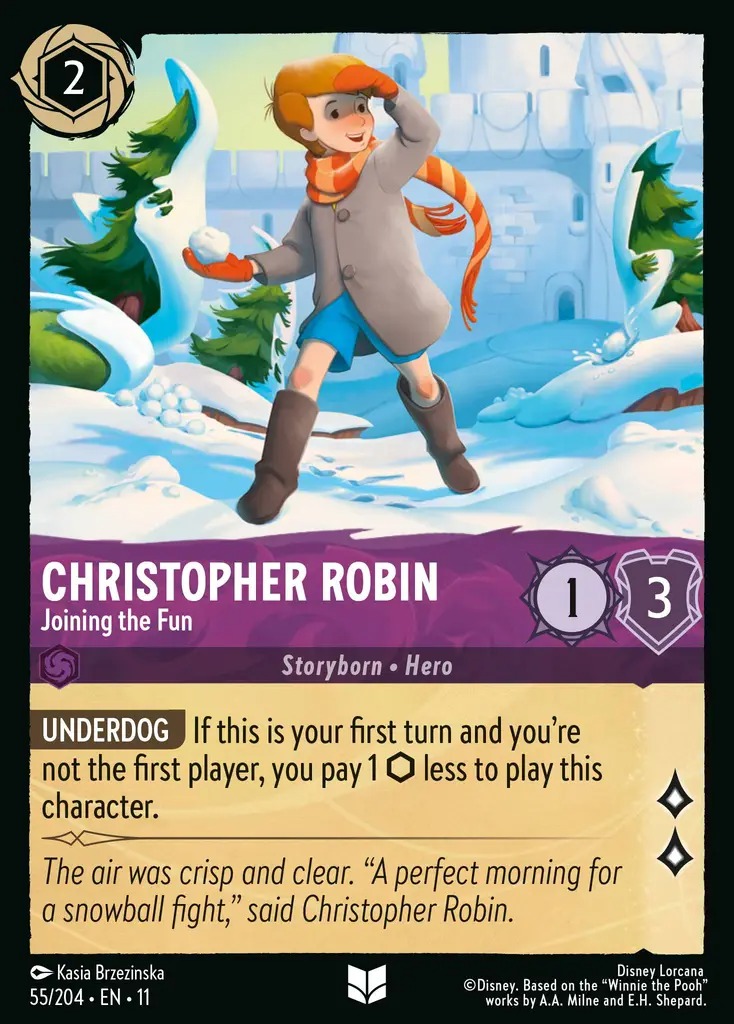
Outstanding if played at 1 cost. Two Lore with solid stats is great value, and it’s always inkable if needed. Very strong.
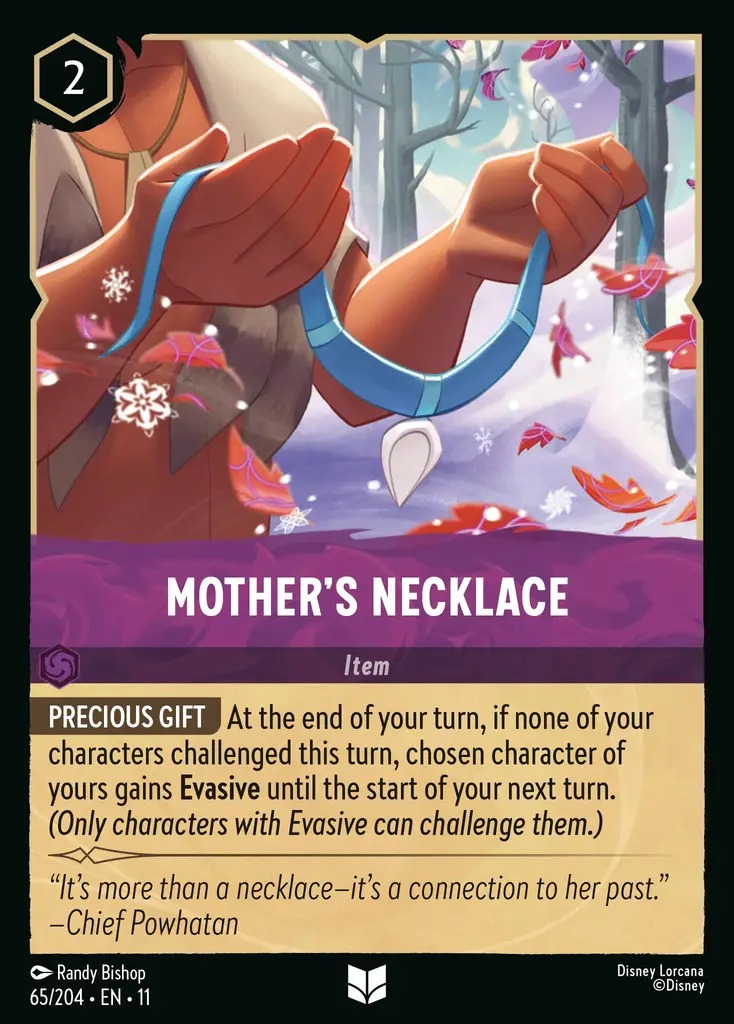
Granting Evasive can be sneaky, but requires careful timing and usually fits aggressive strategies better. Situational but playable.
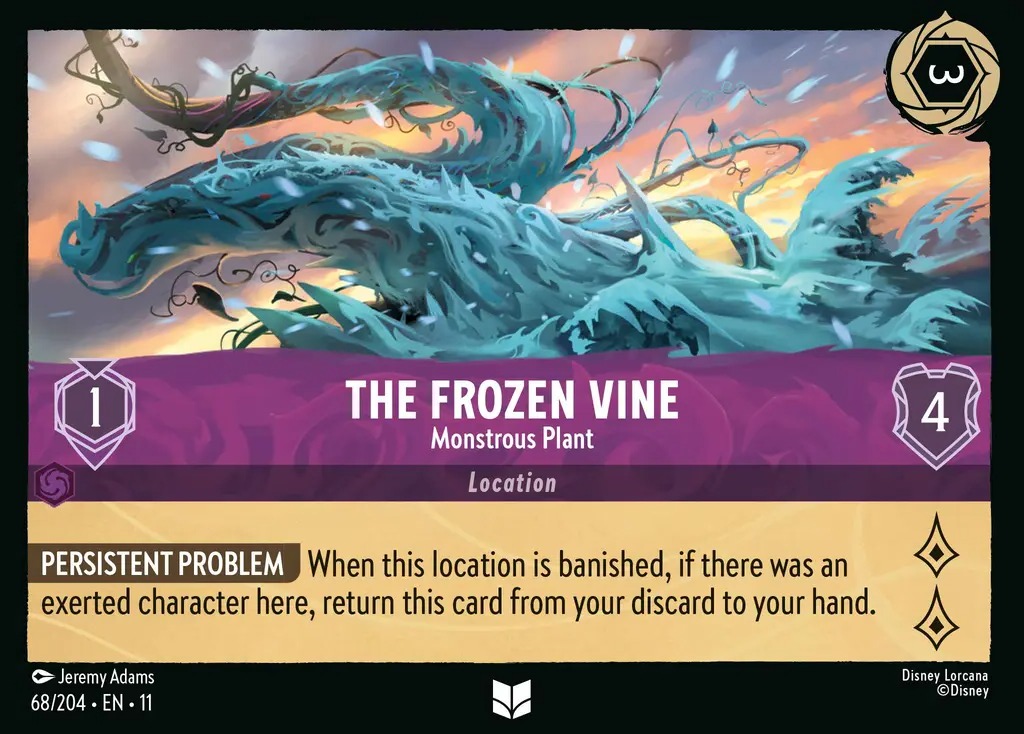
Requires setup and careful timing to gain value. Outside of guaranteed Lore scenarios, it doesn’t advance the game much. Low-impact filler.
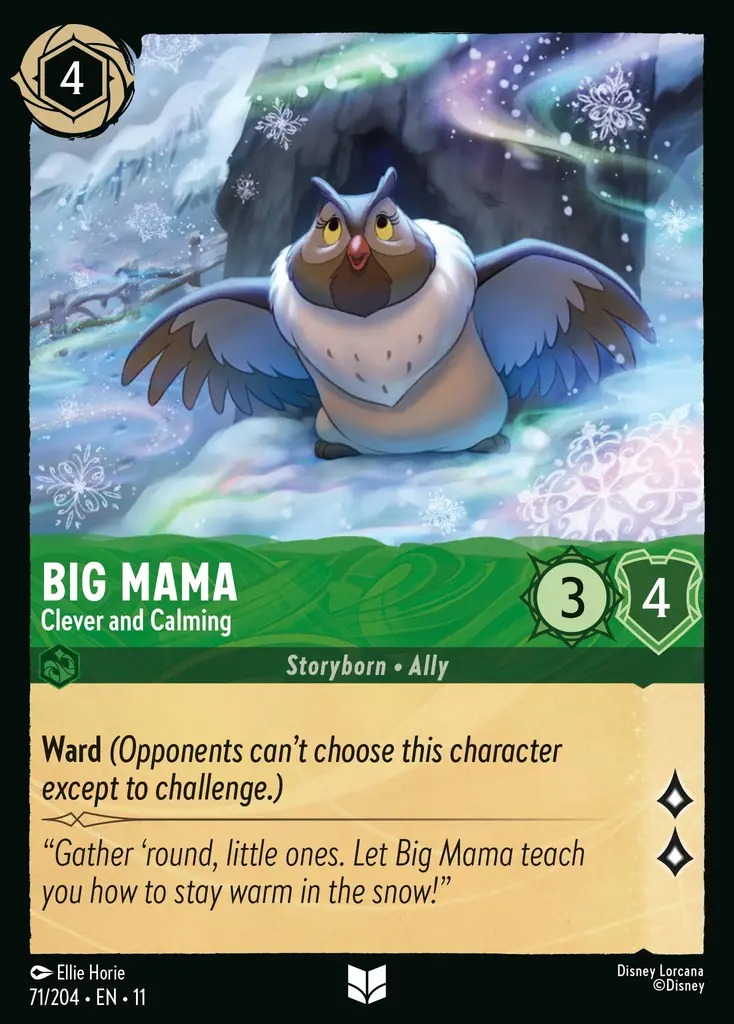
Ward plus Lore at 4 cost is solid. Can support mid-game Lore pressure. Playable filler.
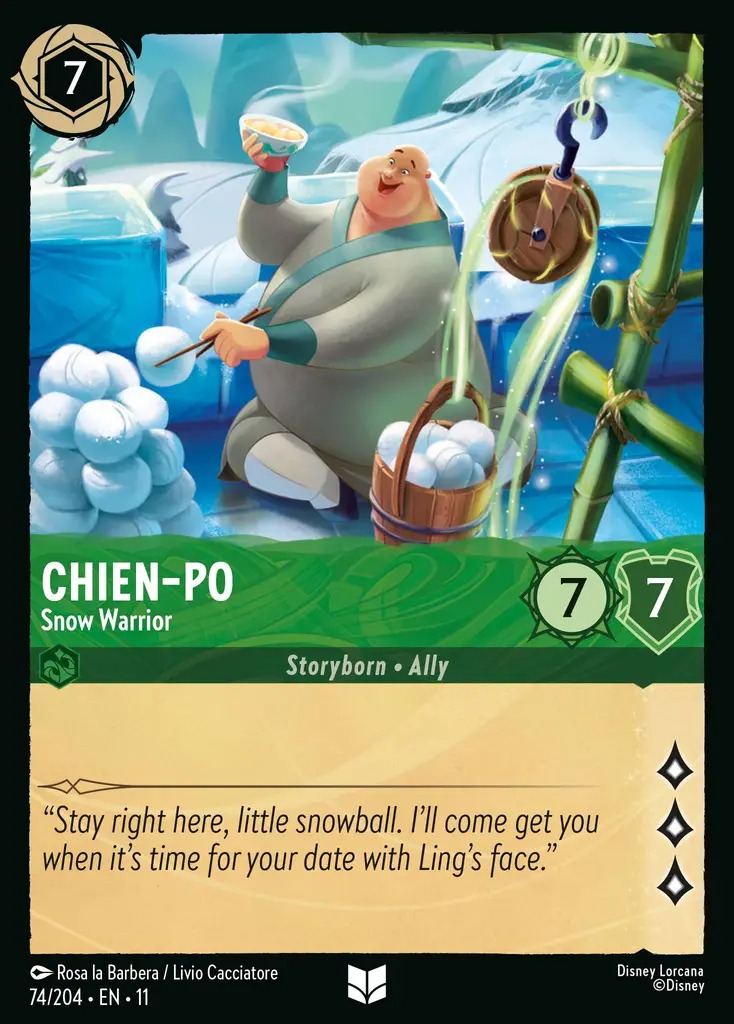
Seven cost is difficult to reach in sealed, but the Lore payoff and stats could be worth the investment. Include if your deck can reach this curve.
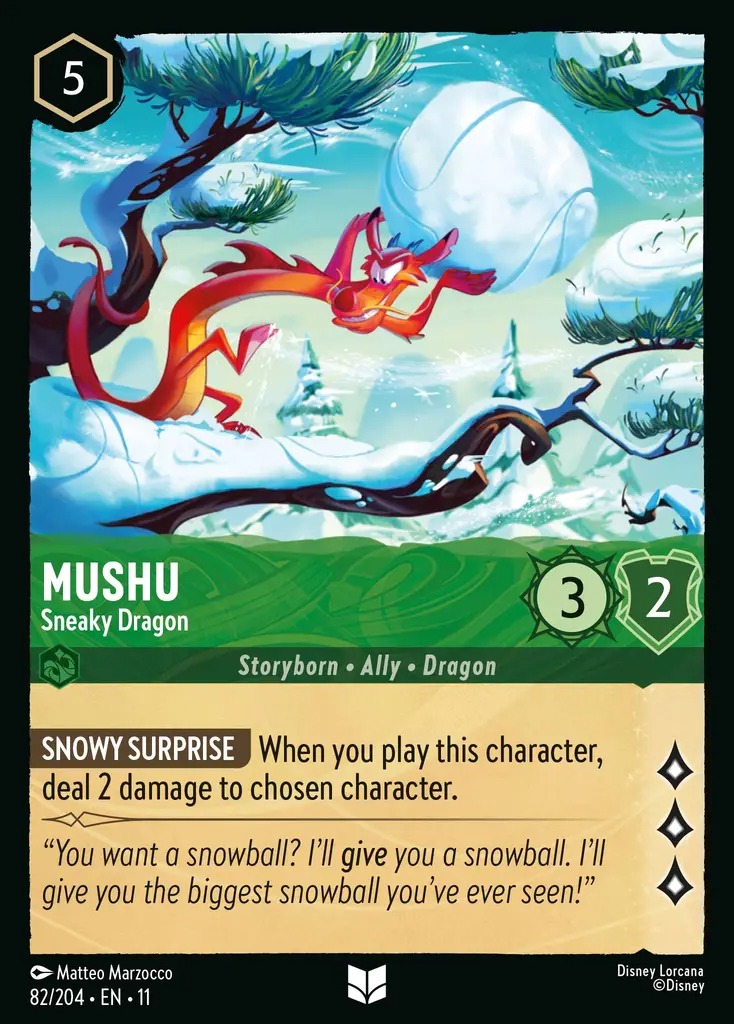
Immediate damage plus high Lore makes this a threat opponents must answer. Expect it to draw challenges quickly. Strong uncommon.
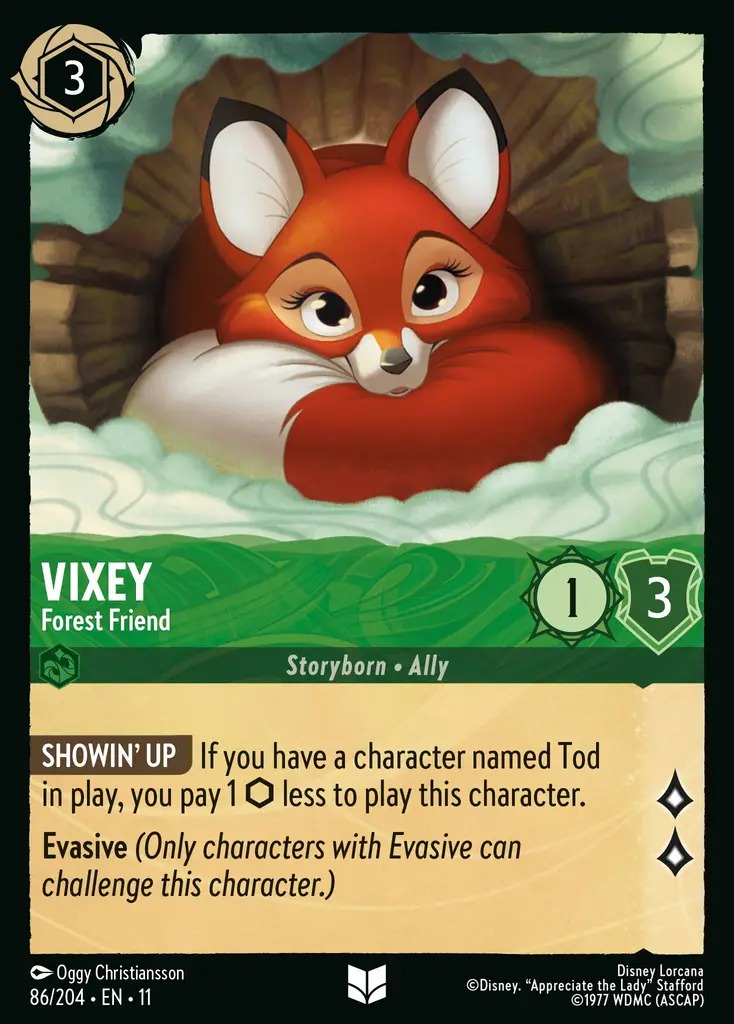
Excellent if played early. Even at 2 cost, Evasive and Lore make it valuable. High-quality card.
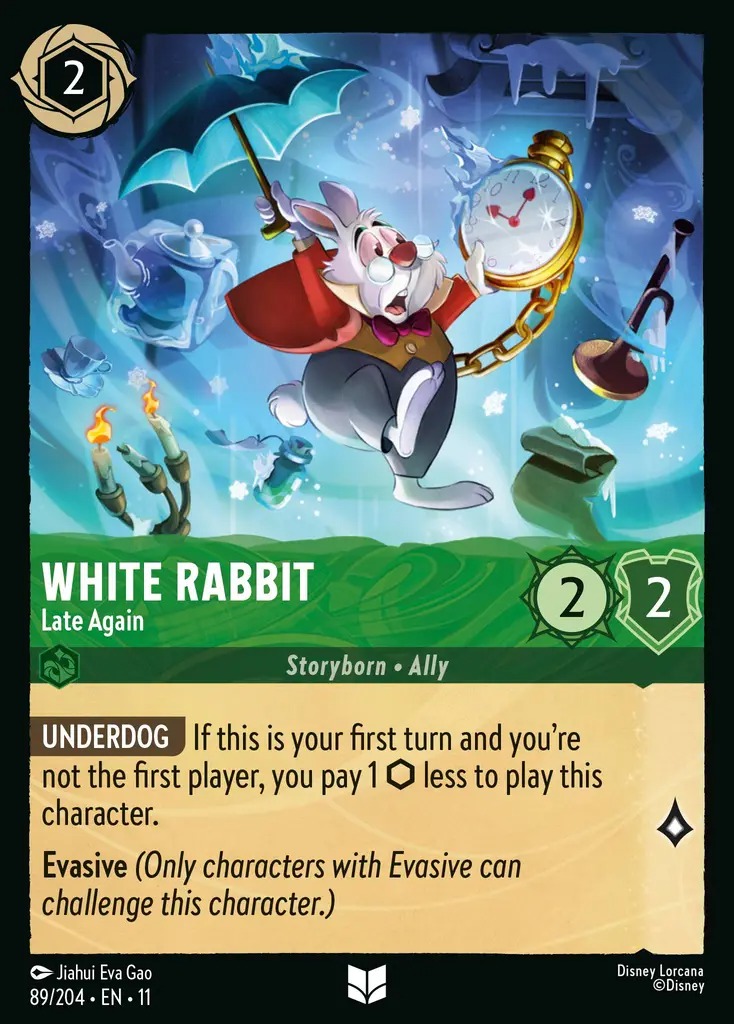
Strong going second, and still very good as a 2-drop Evasive character. Consistently useful.
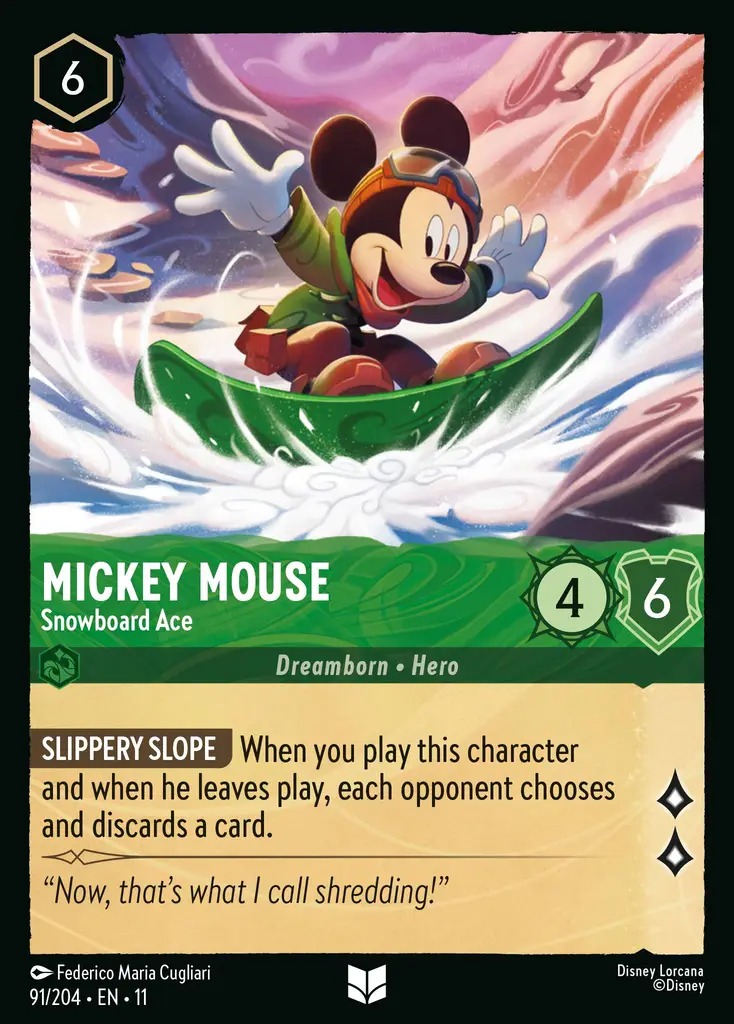
Hand disruption is nice, but at 6 cost it can be slow. Include only if you need a top-end threat. Filler-level 6-drop.
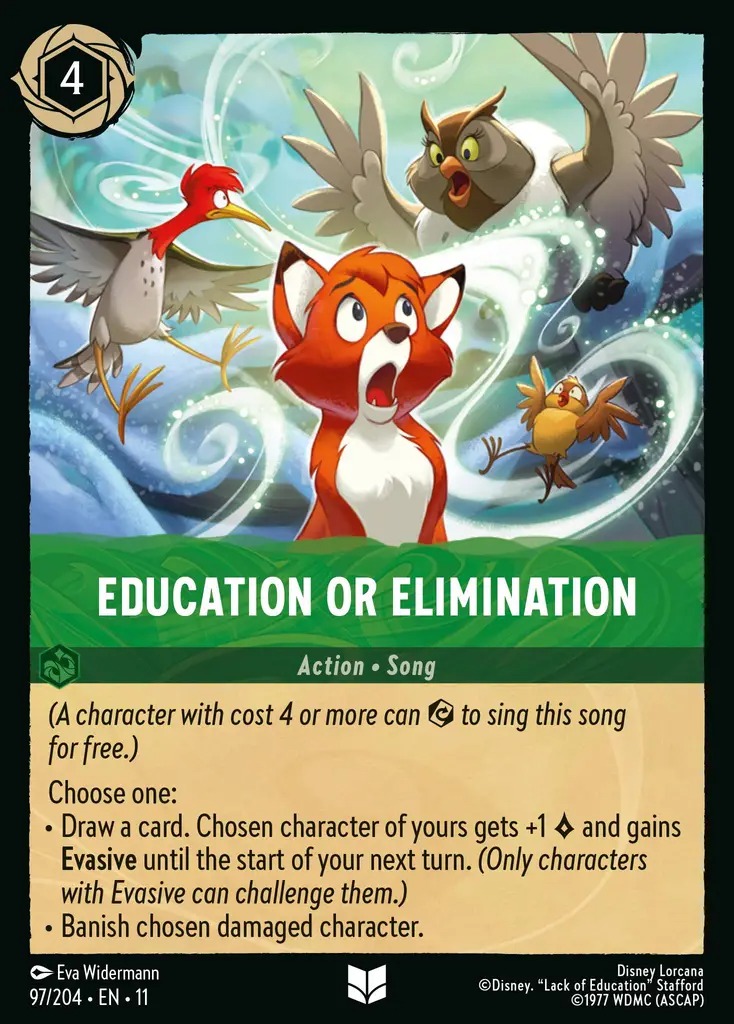
Extremely versatile. Grants Evasive, provides removal, card draw, or Lore depending on the situation. Elite sealed card.
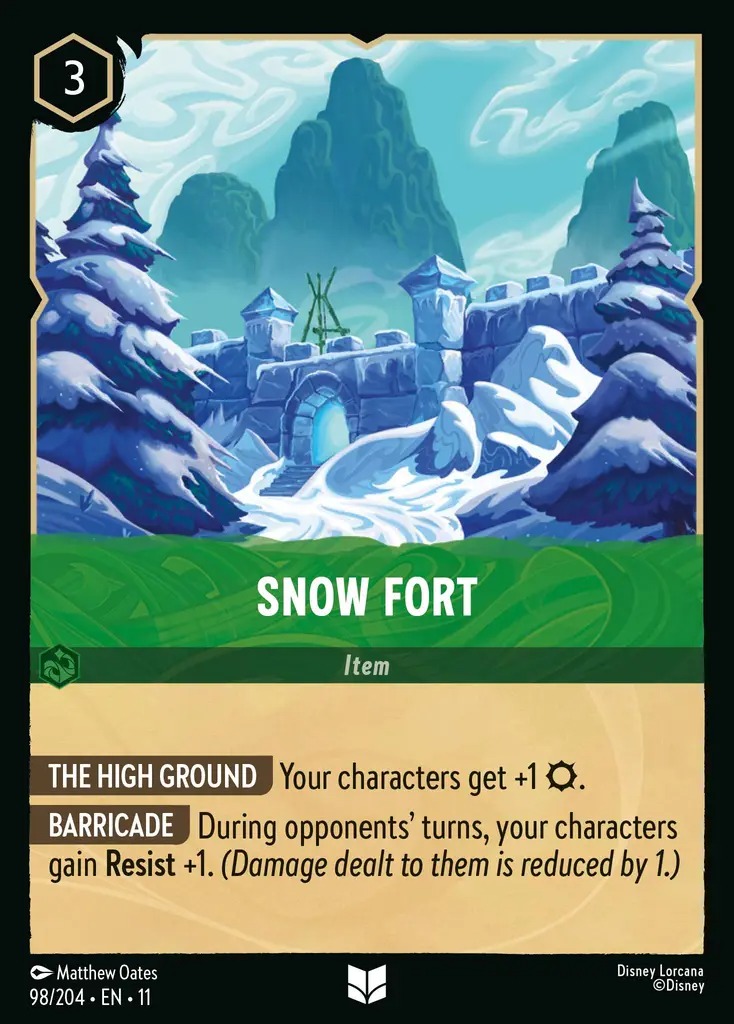
A long-term investment that turns your board into powerful challengers while increasing survivability.
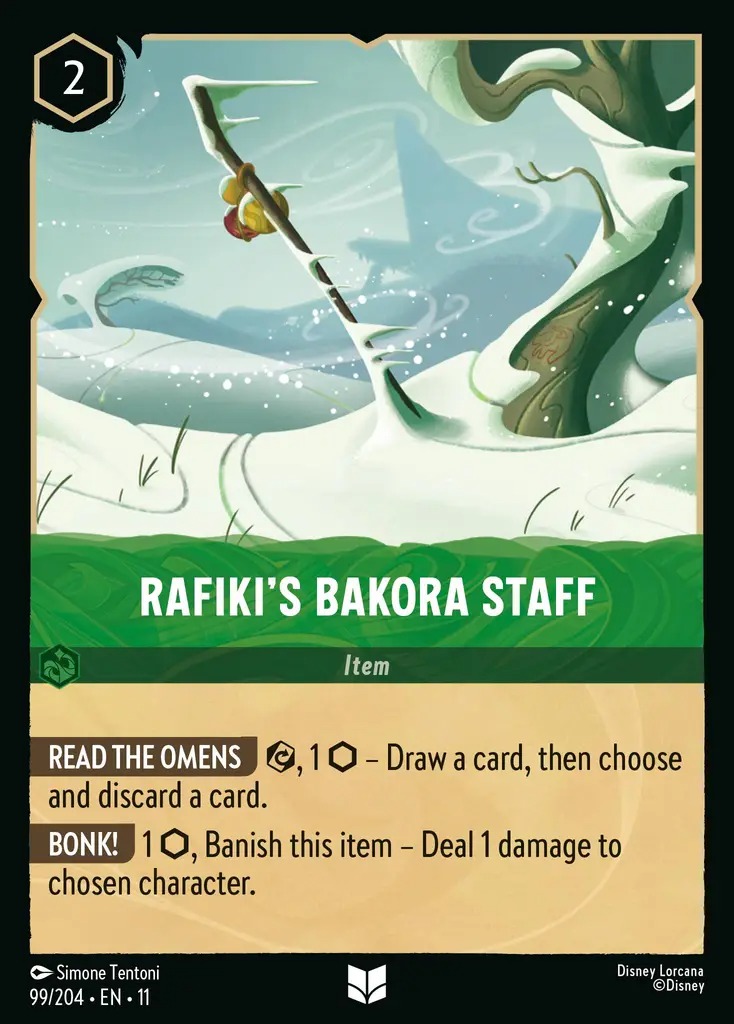
Flexible item that filters cards and provides incidental damage. Plays well into long games. Strong utility option.
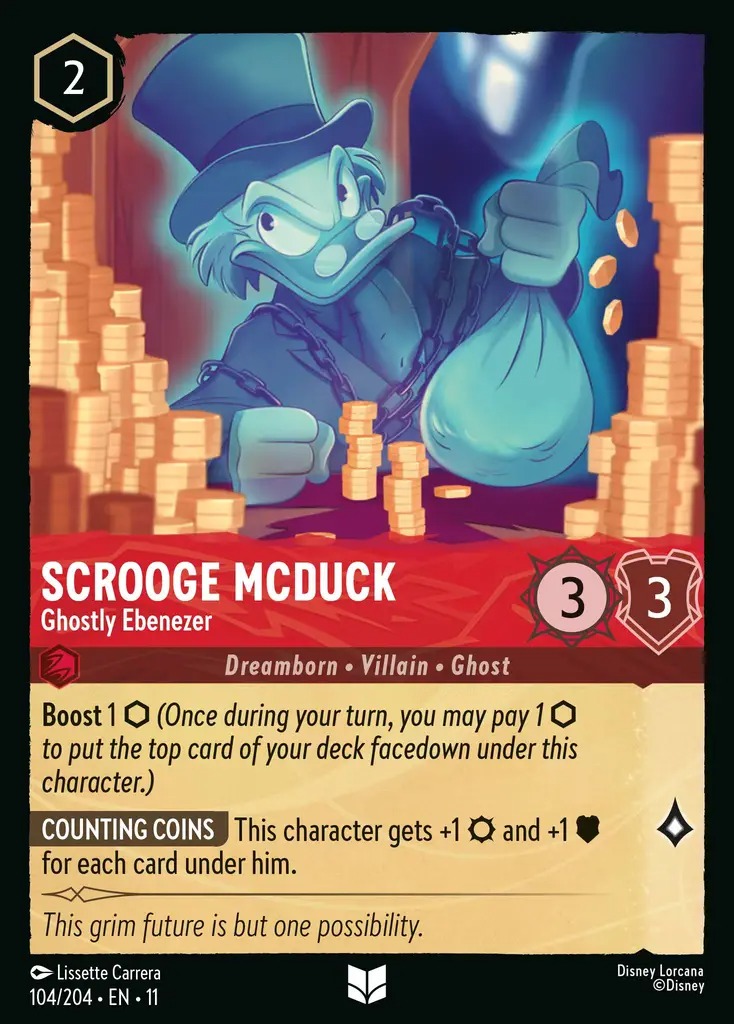
Can grow into a massive threat over time. Boosting is a great mana sink when you run out of plays. Very strong finisher.
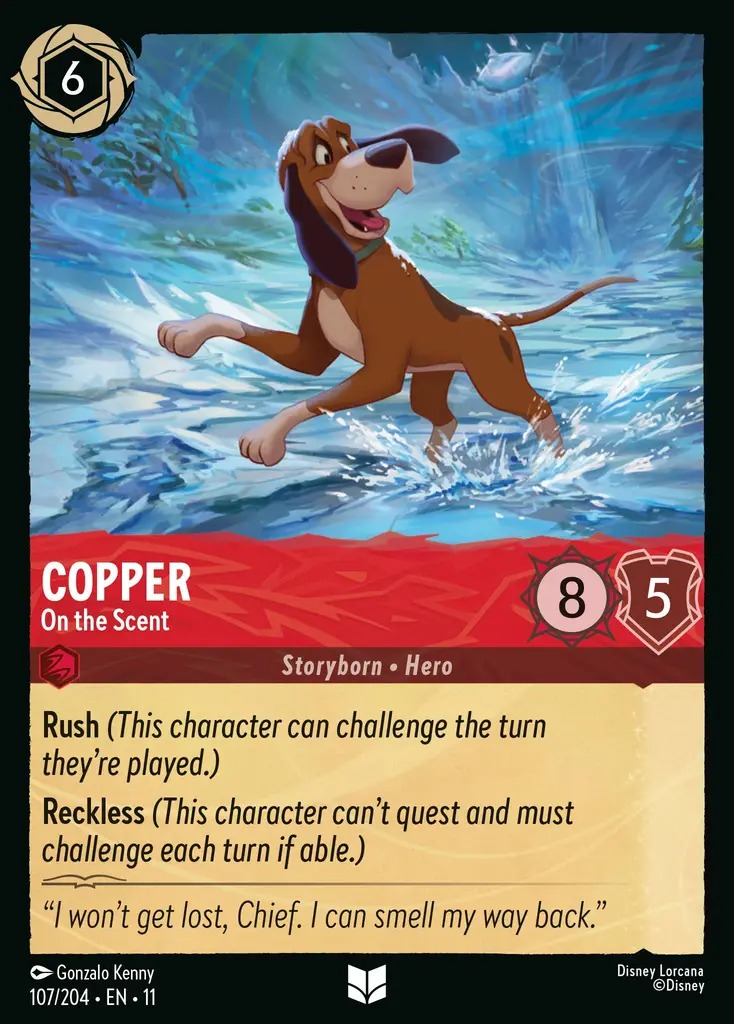
Excellent Rush character for removing key threats. Inkable, immediate impact, and strong stats. High-priority.
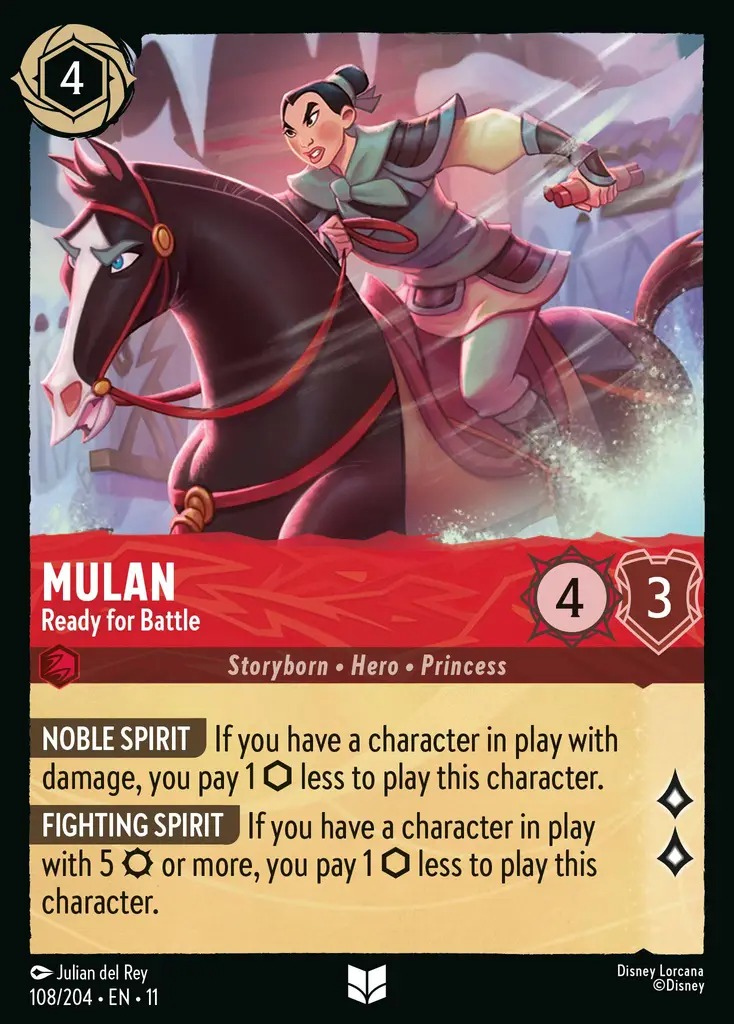
Great value when played early. Inkable, efficient stats, and solid Lore. Very strong sealed card.
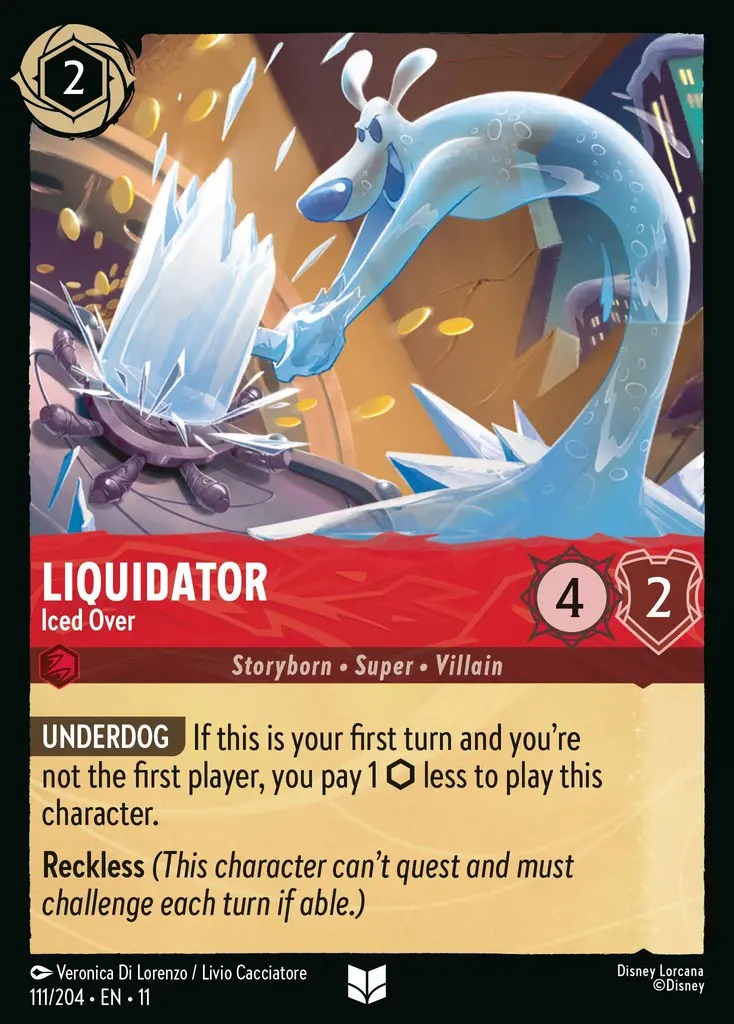
Exceptional stats for a 1-drop. Can always be inked if you don’t plan to play it at 2 cost. High-value early card.
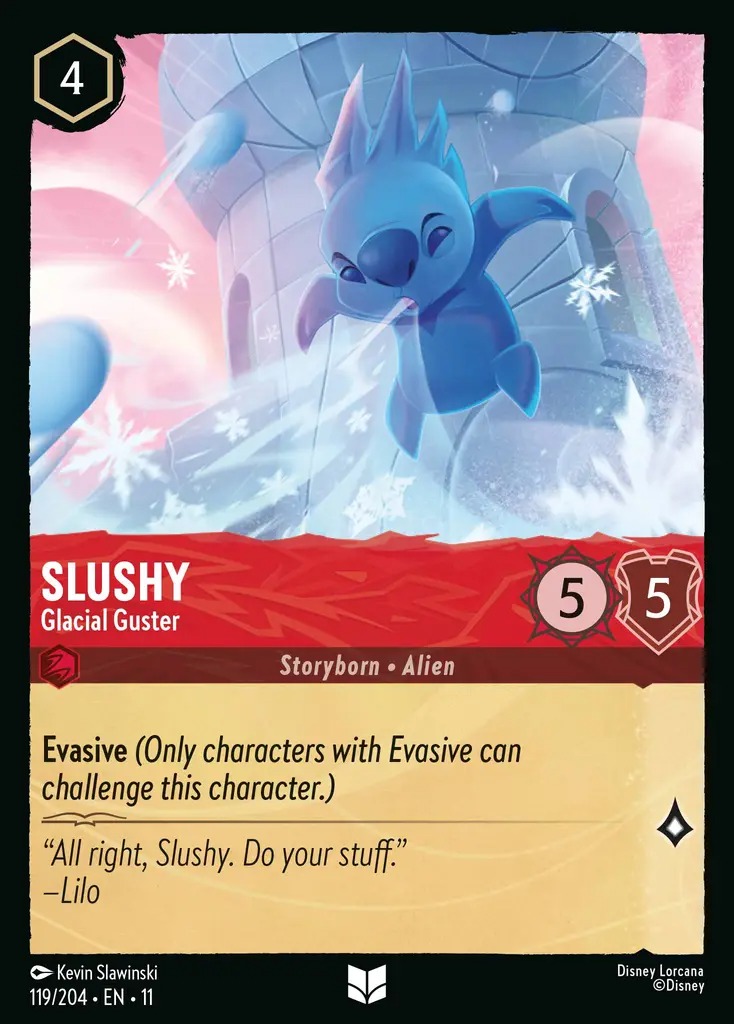
Large Evasive body that can contest opposing Evasive characters effectively. Strong late-game presence.
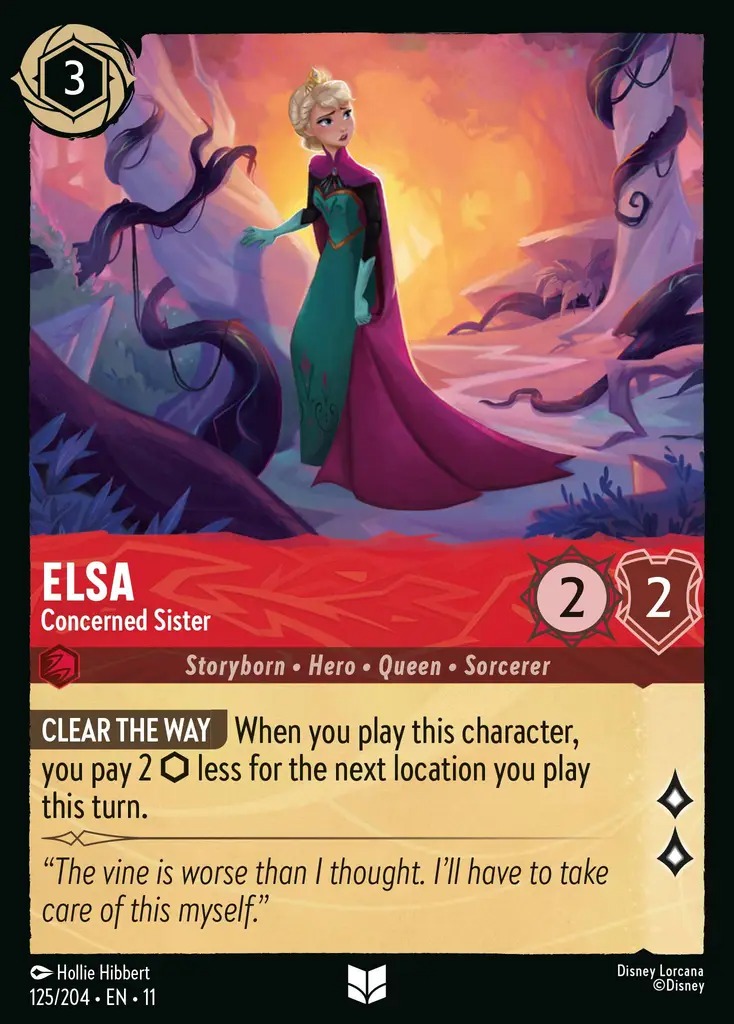
Location synergy helps, but even without it, two Lore is relevant. Mostly used as a quester. Playable filler.
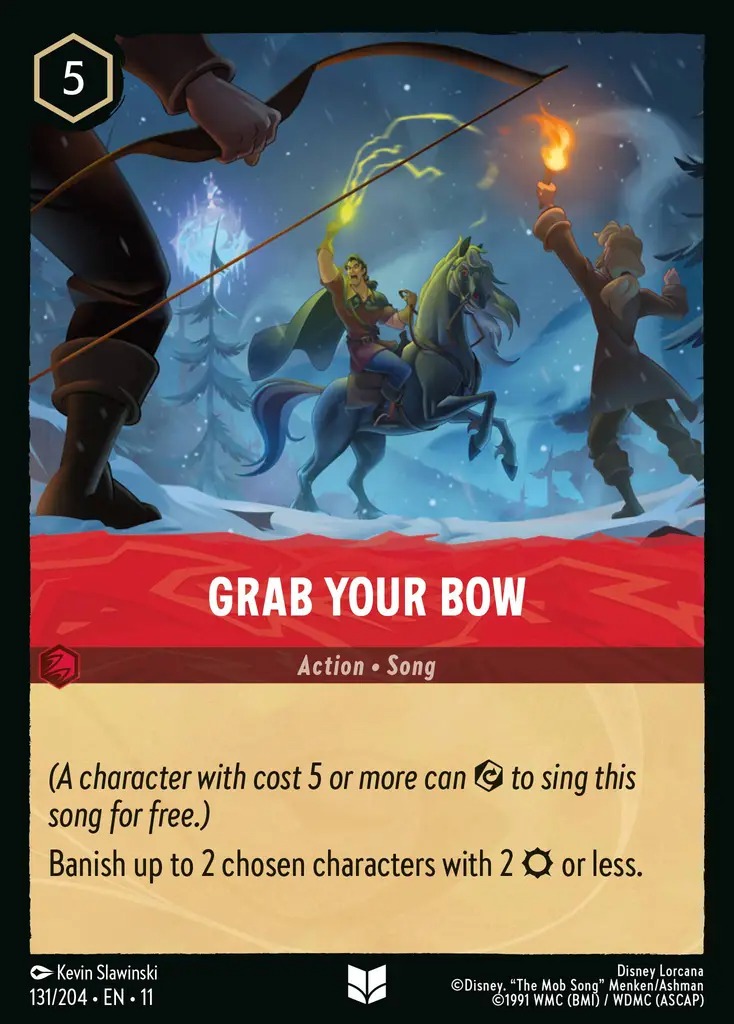
Excellent removal song that can swing games by clearing key threats. High-impact action.
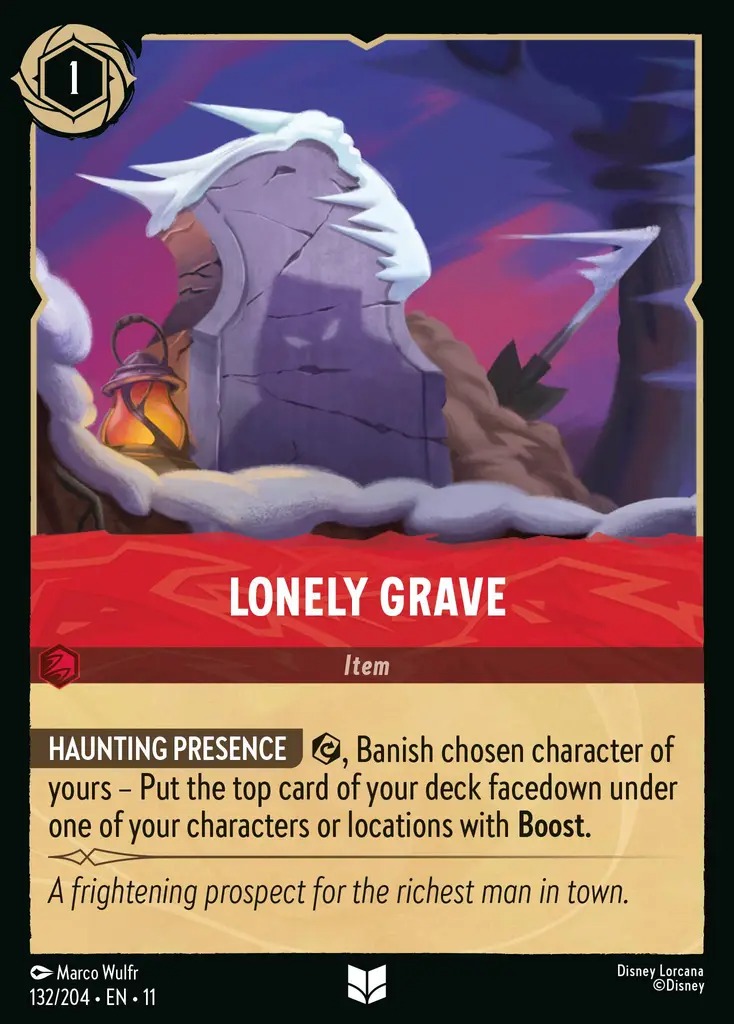
Boosting at the cost of another character can work in the right deck. Inkable and cheap, but synergy-dependent. Situational filler.
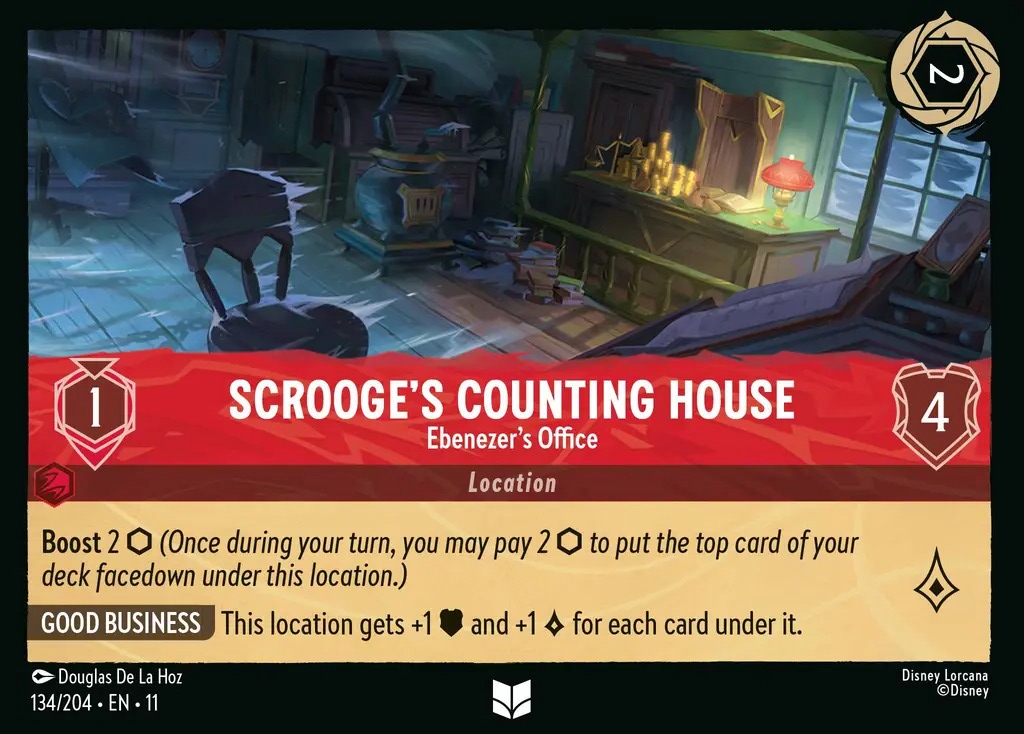
Best played when your opponent can’t immediately respond. Can scale into a durable Lore source with investment. Playable but risky.
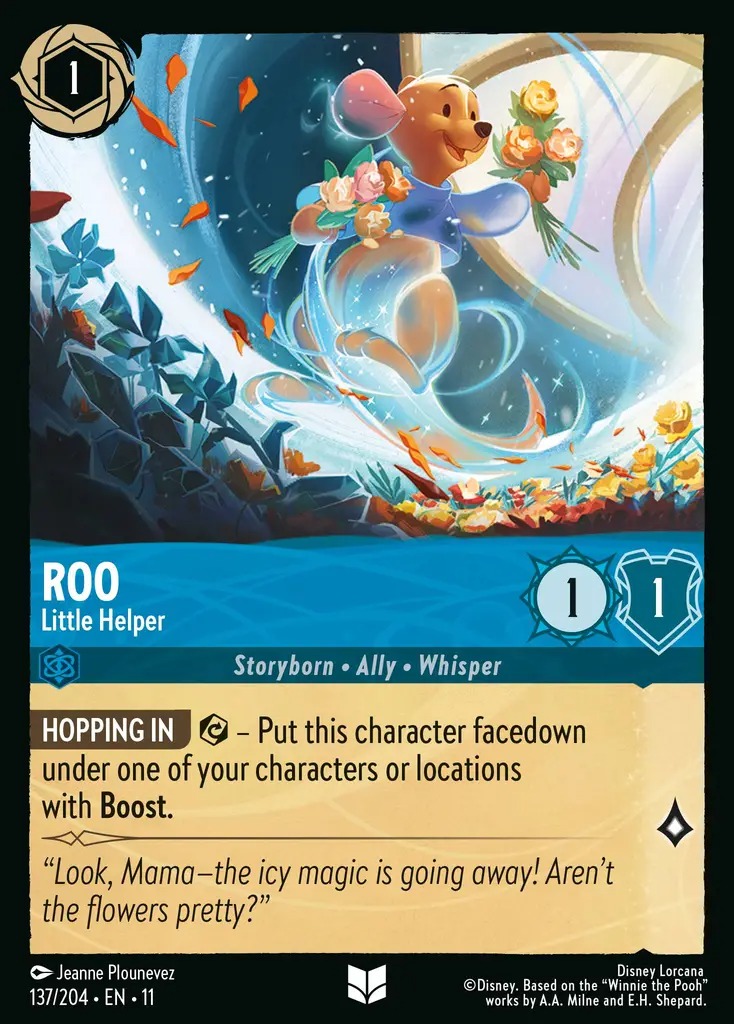
A cheap boost option that fits certain synergy builds. Low-impact filler.
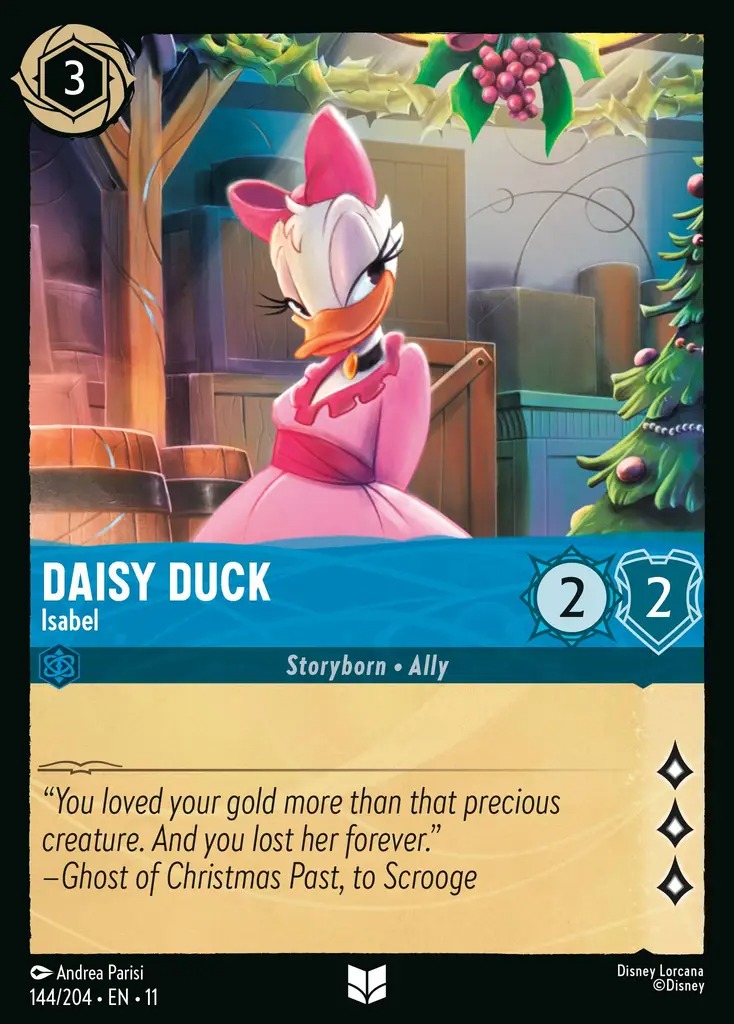
Excellent Rush character that applies early Lore pressure immediately. Very strong tempo card.
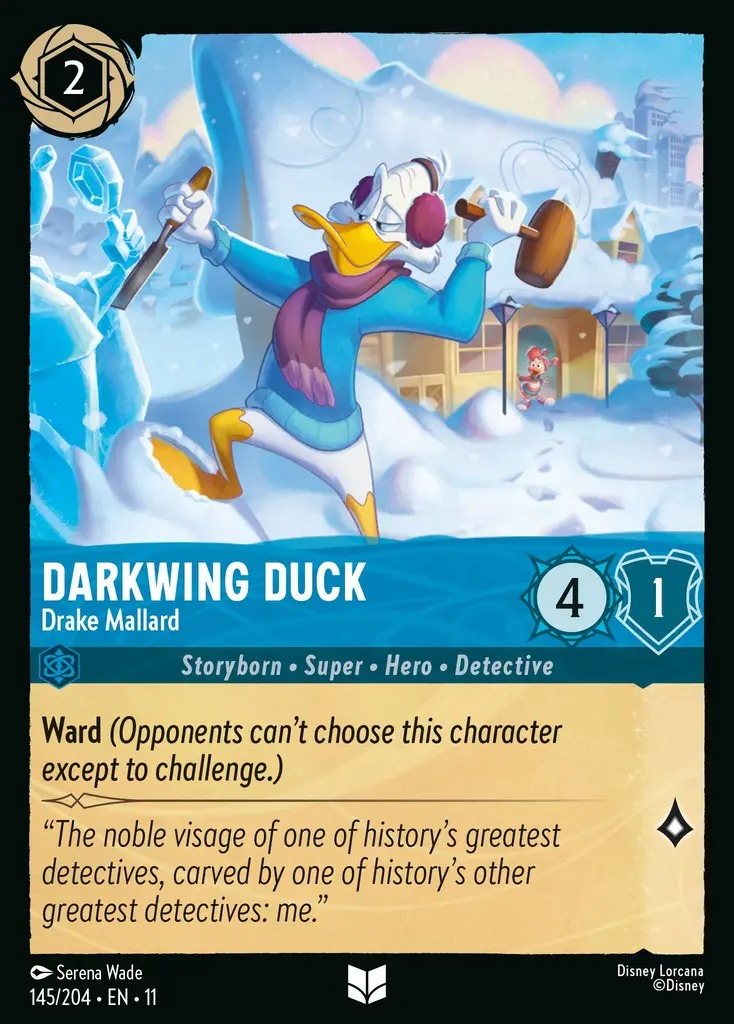
Ward plus high Strength makes this very hard to answer. Safe quester that punishes challengers. Top-tier 2-drop.
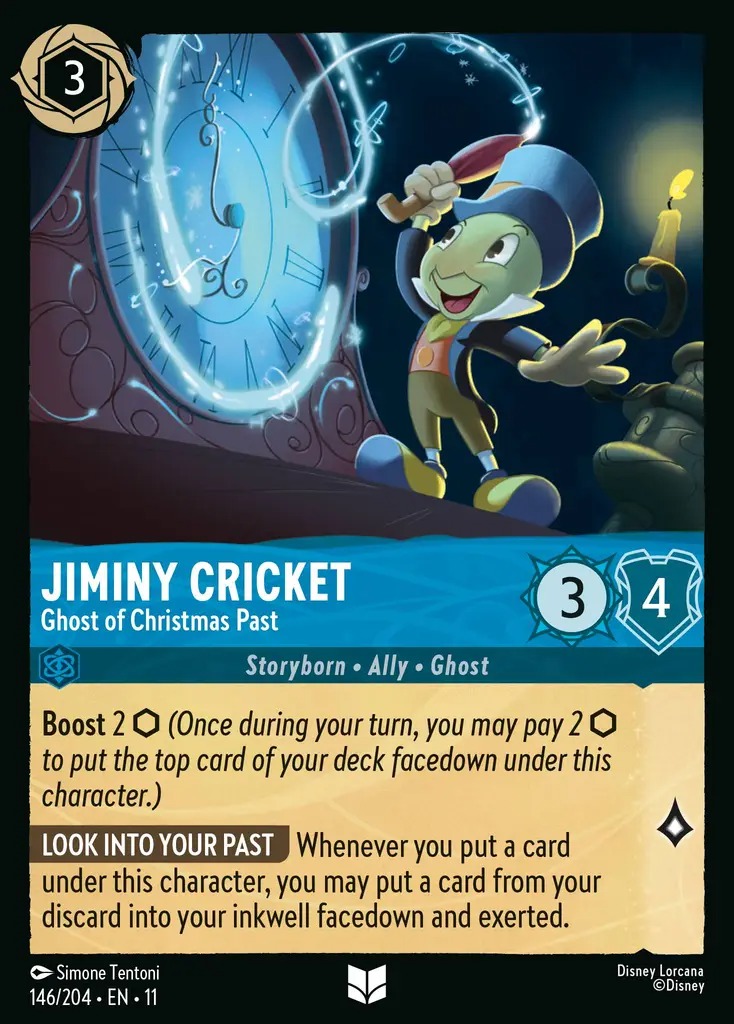
Reliable ramp engine. Converts boosts into long-term ink advantage and helps manage uninkables. Excellent in slower sealed games.
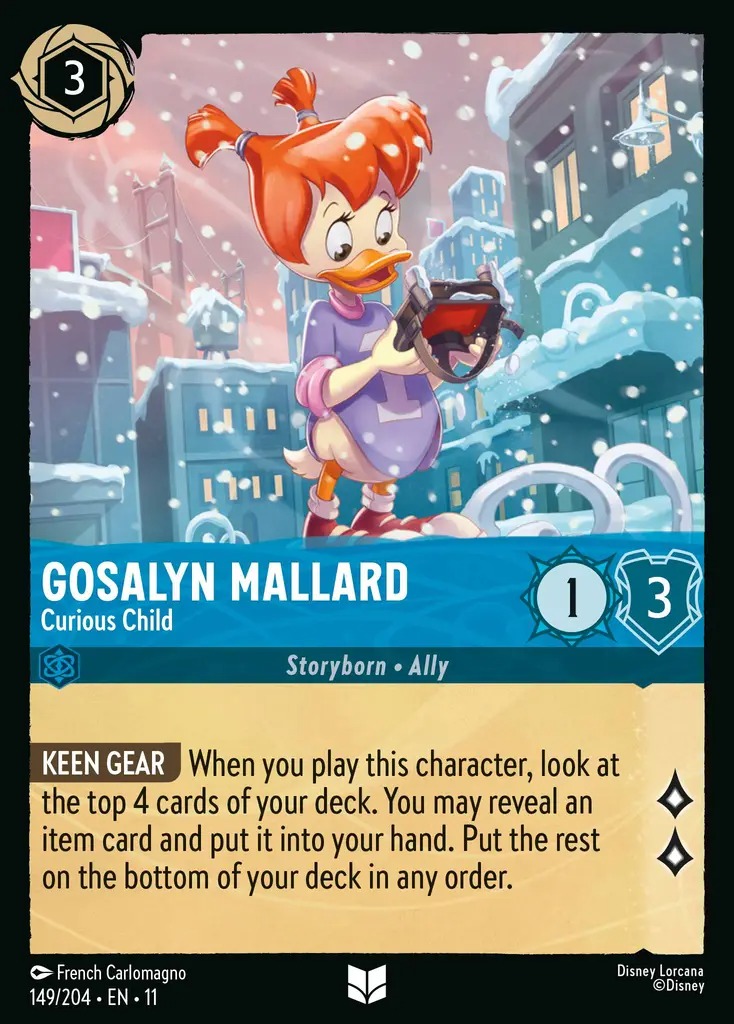
Decent stats with item tutoring upside. Include only if you’re running enough items. Conditional filler.
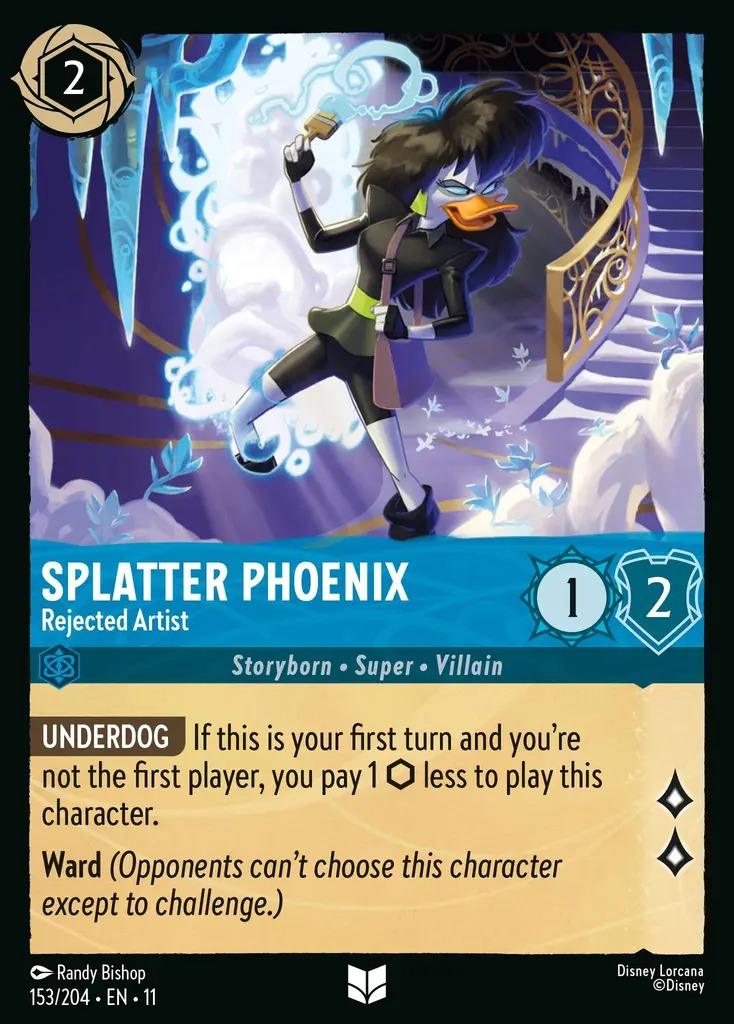
Excellent value at 1 cost and always inkable if needed. High-priority early play.
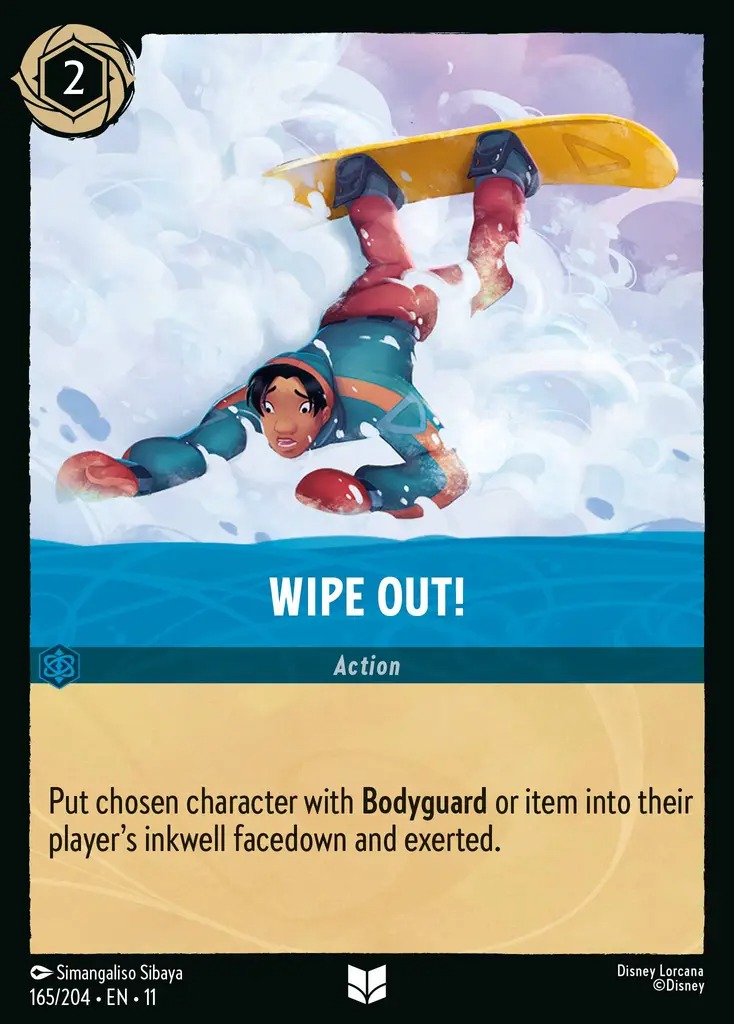
Situational item removal that can occasionally snipe key characters. Playable tech card.
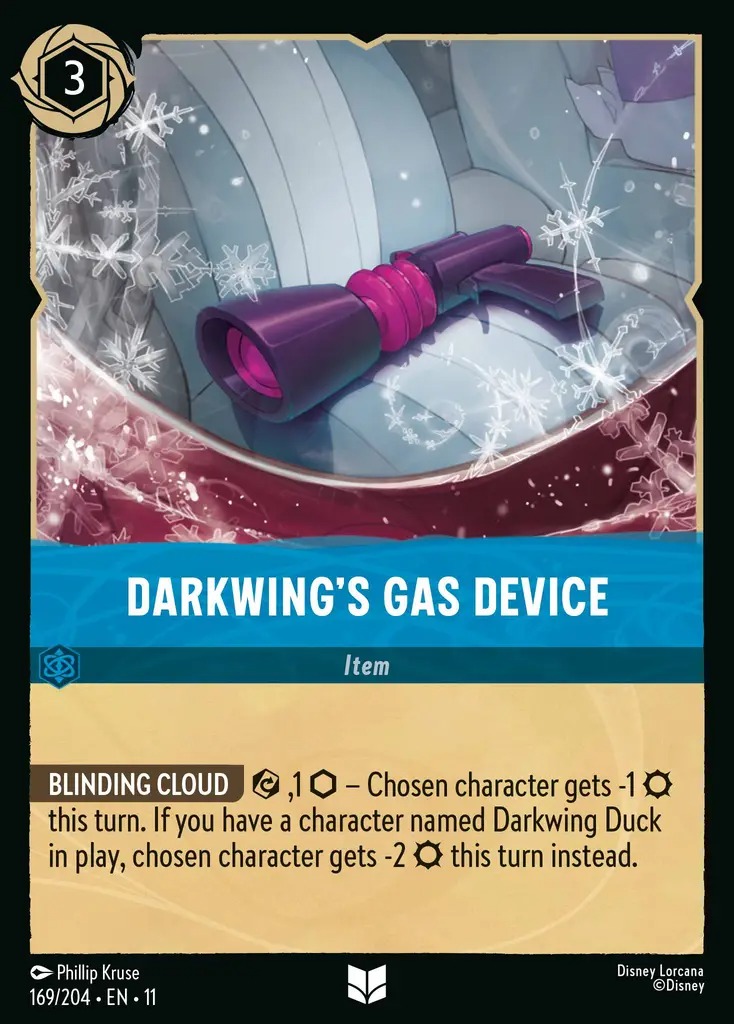
Consistent strength reduction can matter, but characters are usually better. Best only if paired with Darkwing Duck. Situational.
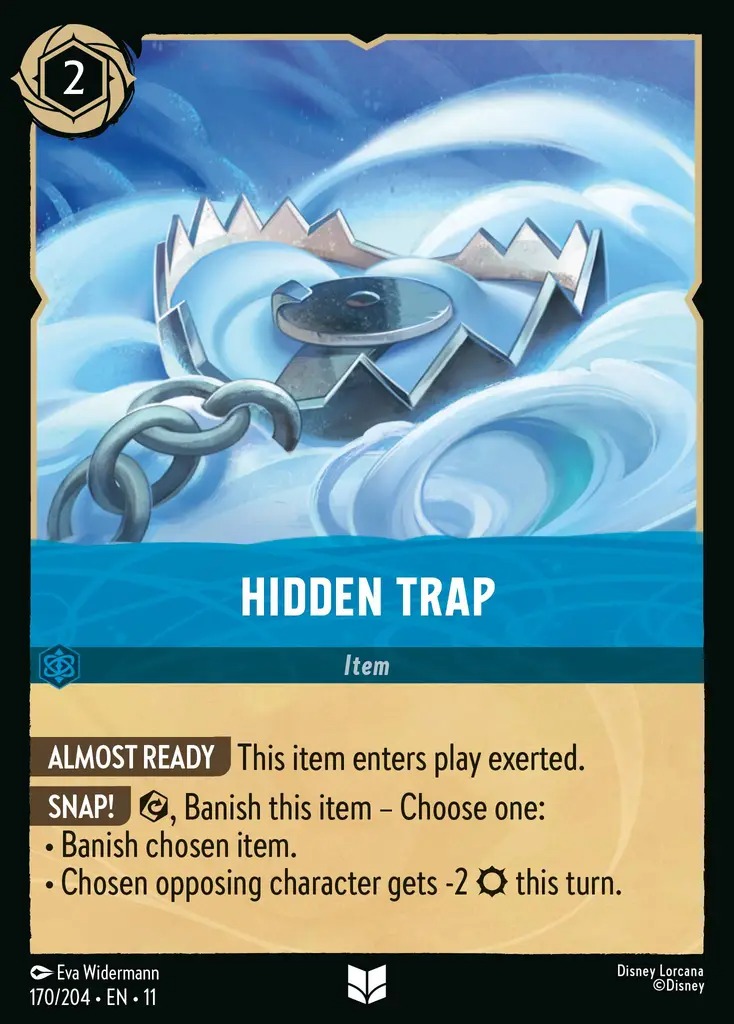
Inkable item removal is very valuable. Easy include for flexibility. Strong utility card.
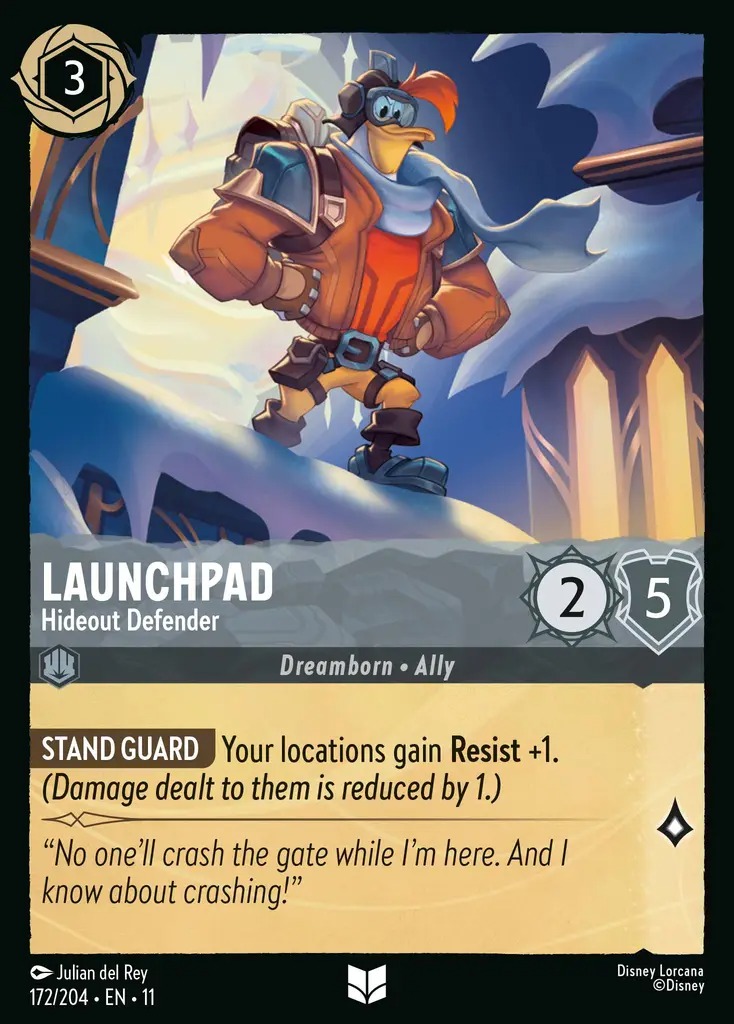
Supports Locations well, but otherwise low impact. Situational filler.
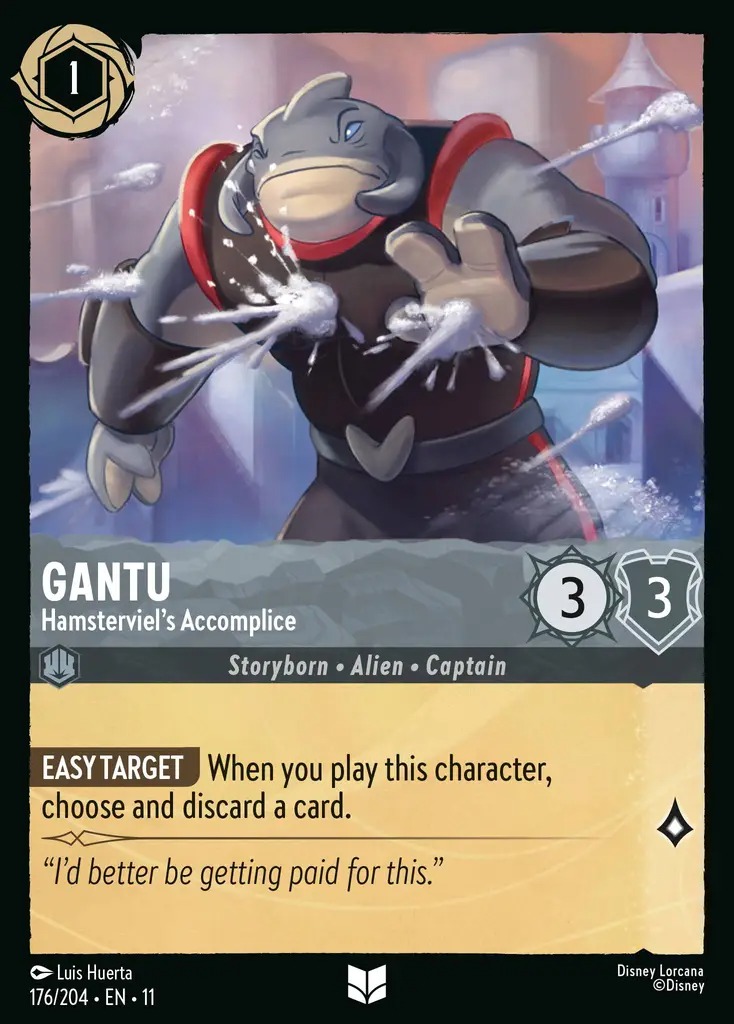
Discarding early is risky in sealed, where card advantage is limited. Avoid unless you have a plan. Low priority.
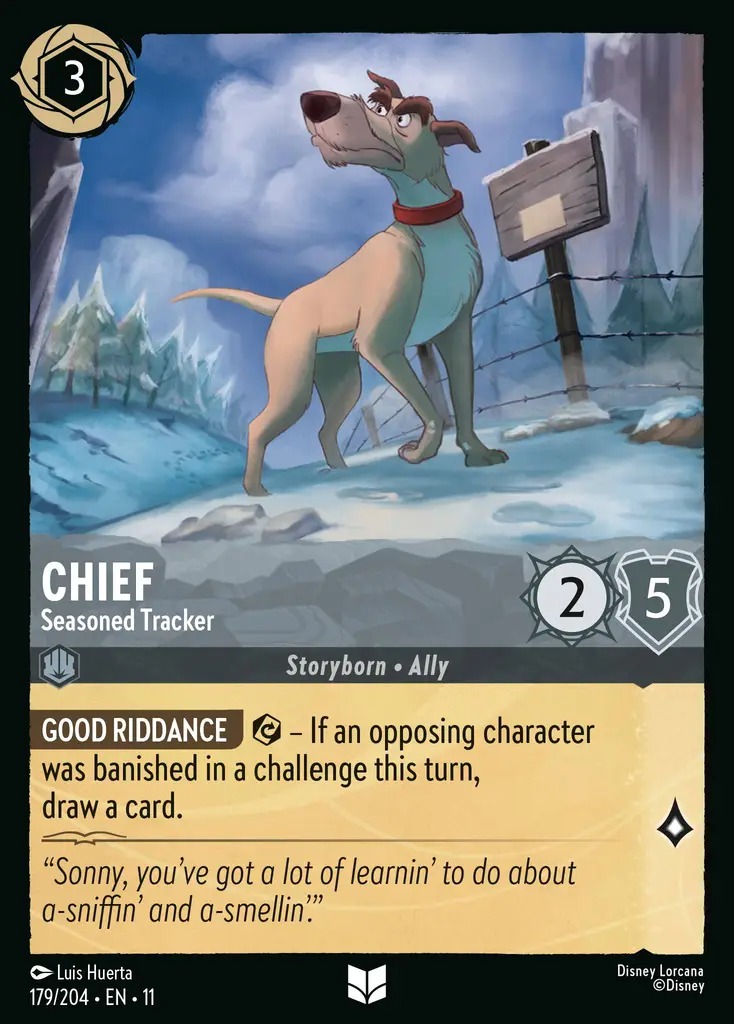
Excellent draw engine as long as you can banish opposing characters. High Willpower helps it stick. Very strong card.
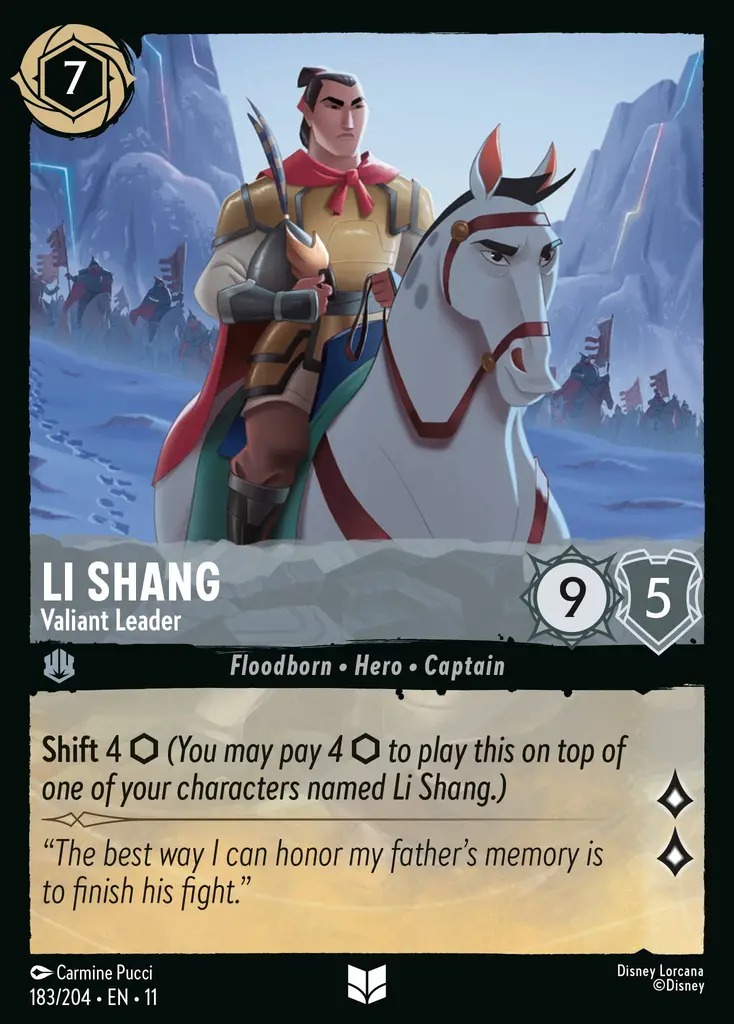
Great if shifted into; otherwise a serviceable 7-drop with solid stats and Lore. Playable late-game filler.
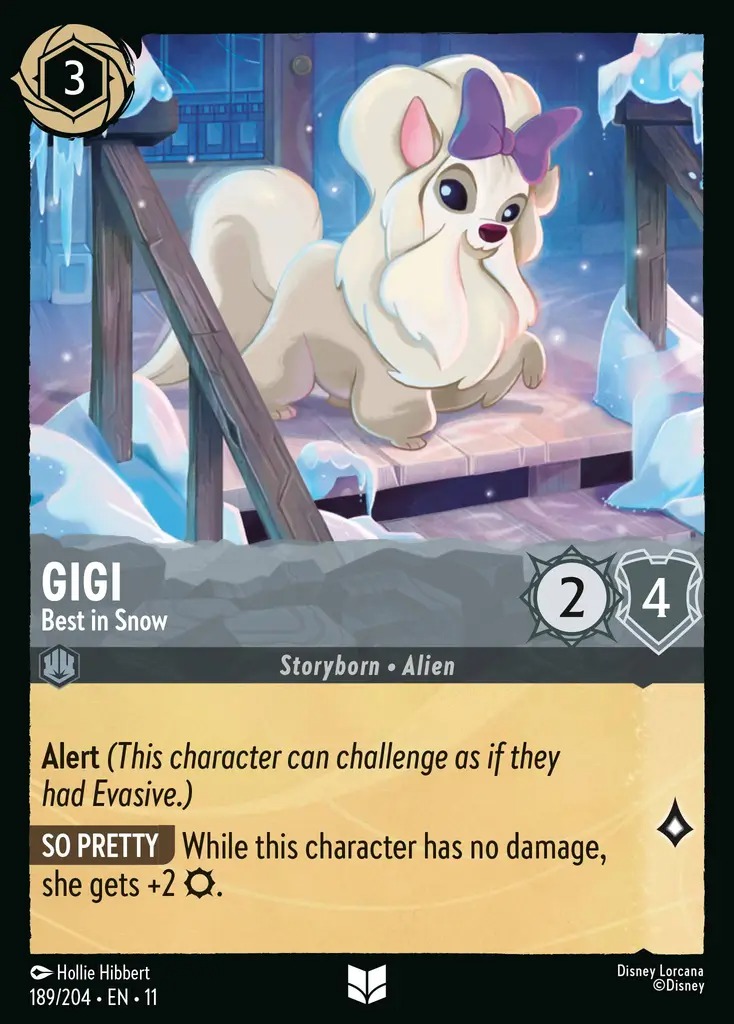
Excellent answer to Evasive threats with strong baseline stats. Very reliable.
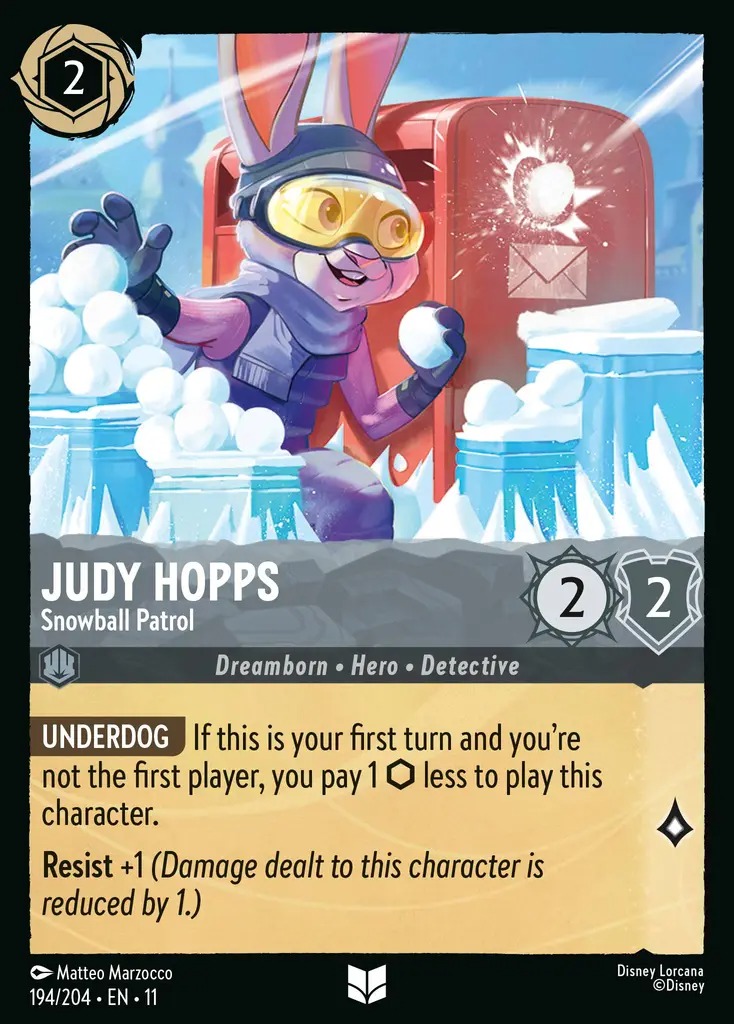
Outstanding value for a 1-drop. Resist plus inkability makes it flexible. Easy include.
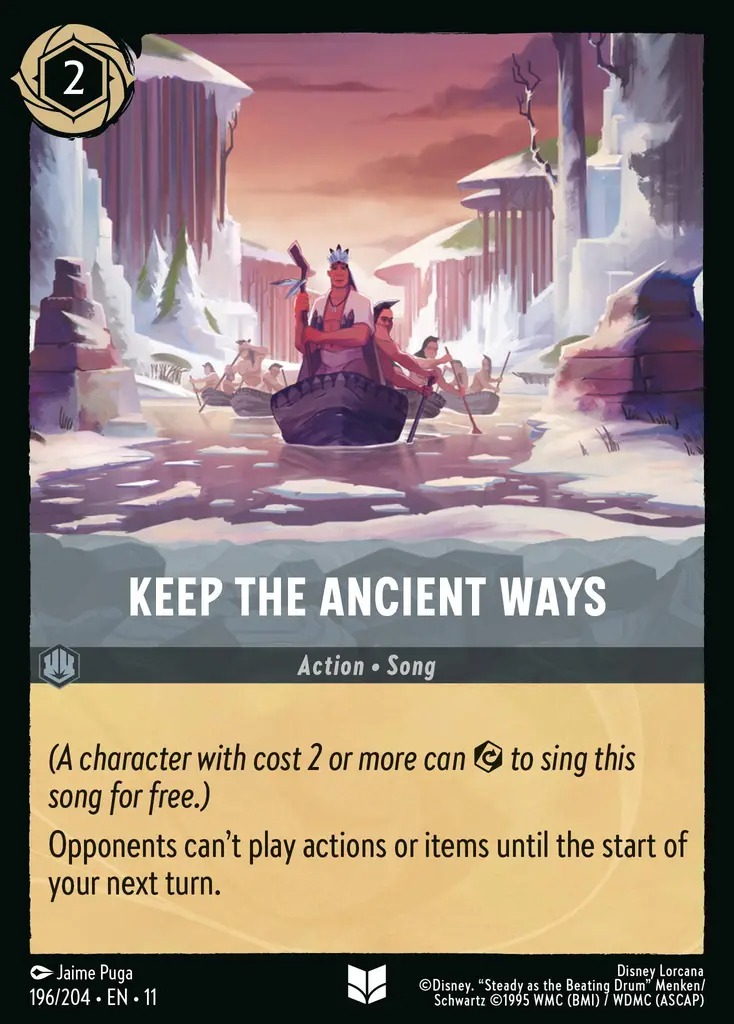
Actions are less common in sealed, but this provides insurance against surprise plays. Playable tech option.
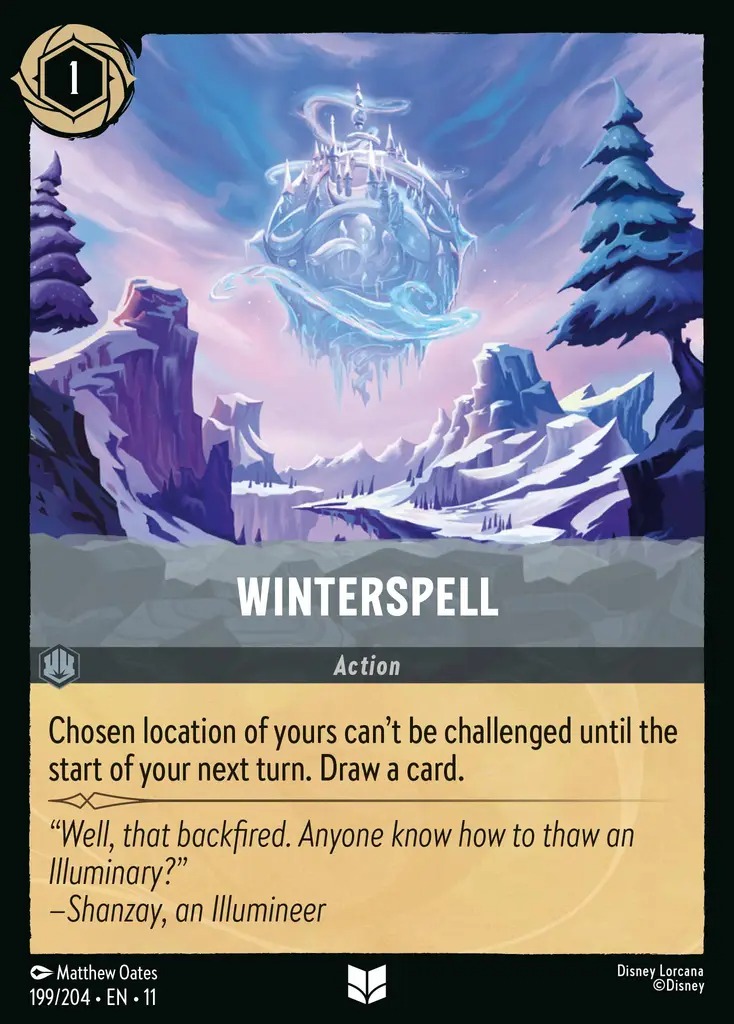
Strong only if you’re running multiple Locations. Card-neutral and support-focused. Conditional inclusion.
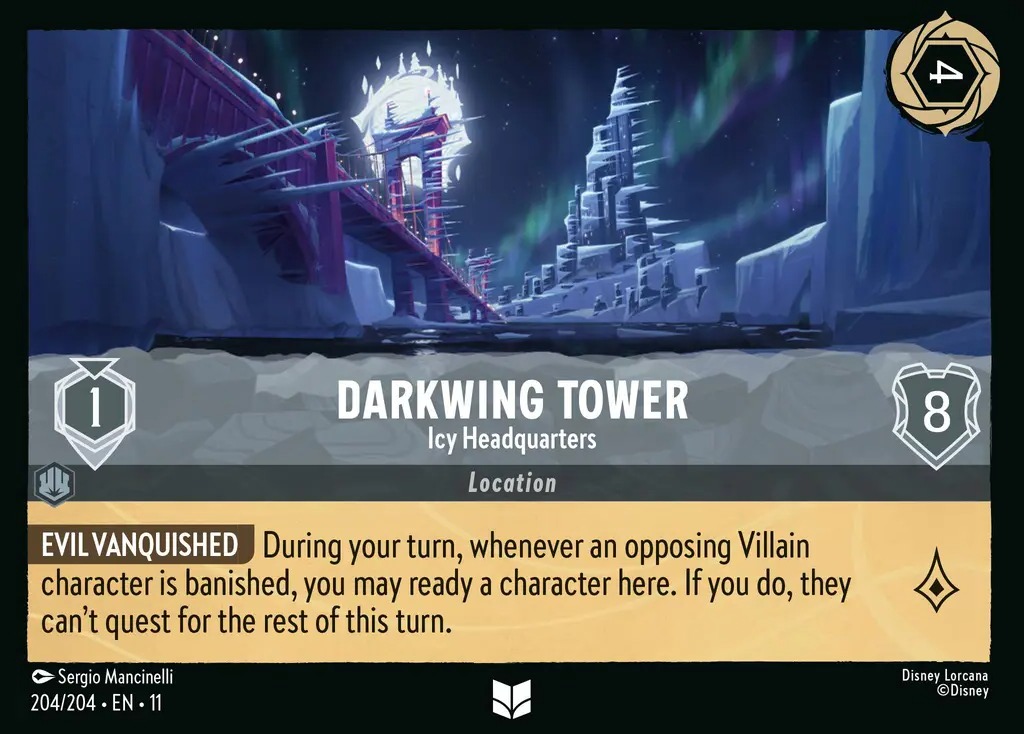
Very narrow setup requirements. Without the right support, the payoff is too low. Not recommended.
Rare
1 booster pack will have at least 2 cards that have Rare or higher, if you don’t pull any of them, it means you got a higher rarity card! Rare cards may have high impact effects but can also be underwhelmed, so you always judge a card by their effect instead of rarity!
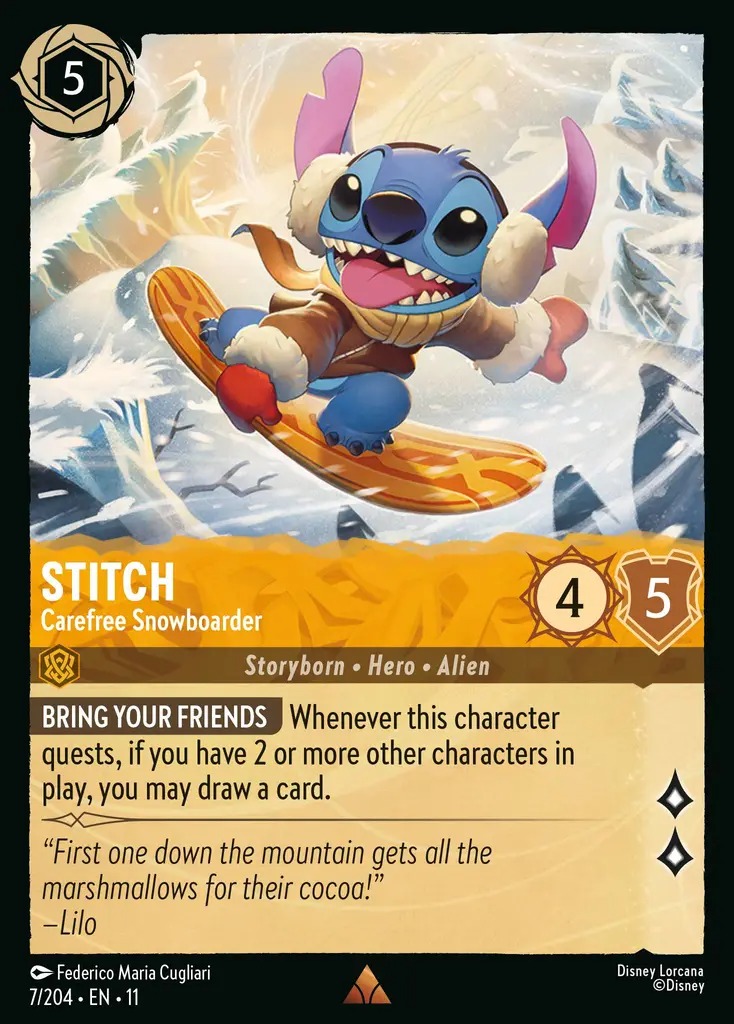
A strong late-game support piece that provides lore, a respectable body, and card draw. Excellent value if the game goes long.
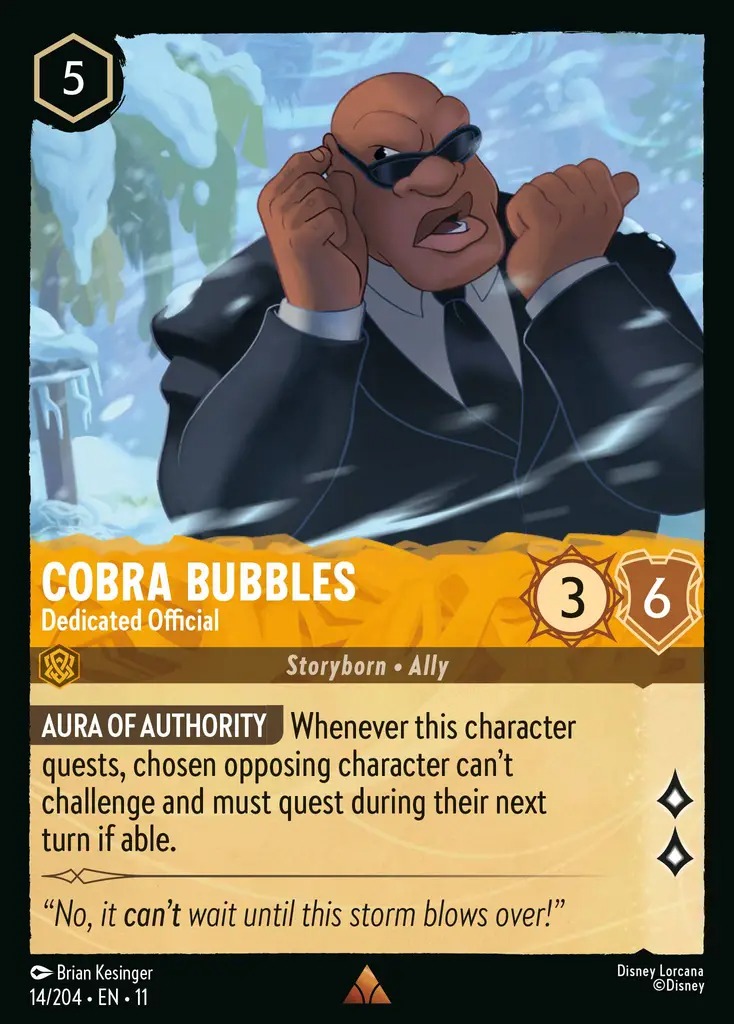
Solid defensive stats, and forcing one of your opponent’s best challengers to sit out can swing board states. Being uninkable makes it risky, so keep it in the filler pile and only include if your curve allows it.
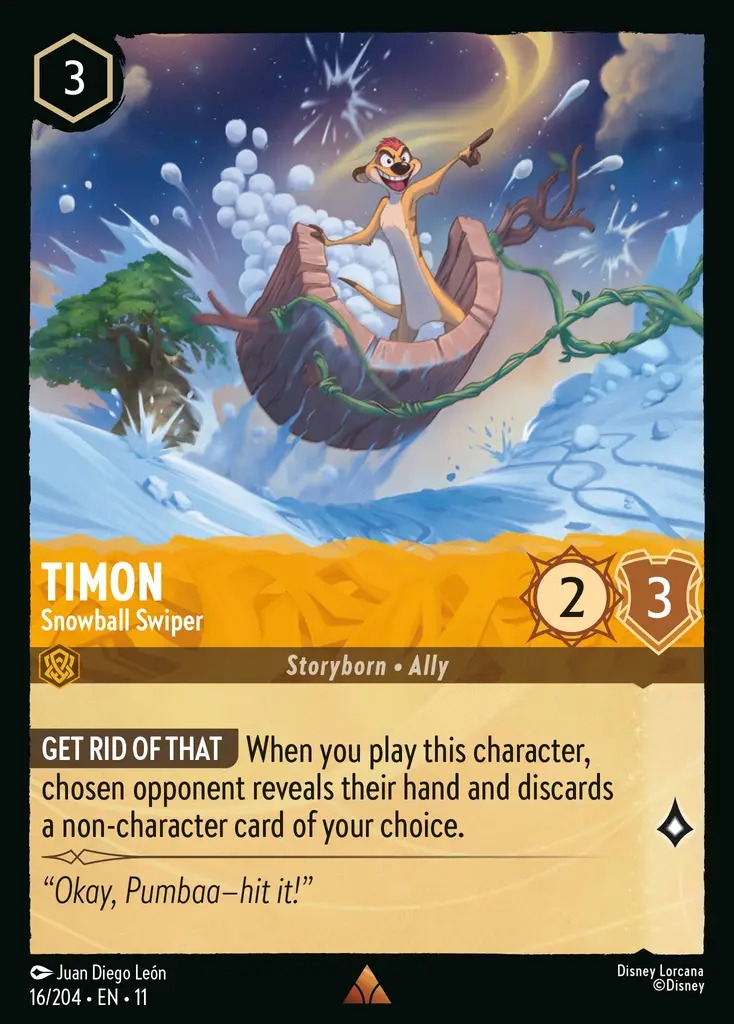
Nice disruption piece if you can get him down, potentially stripping key cards from your opponent’s hand. Uninkable means you must commit to playing him.
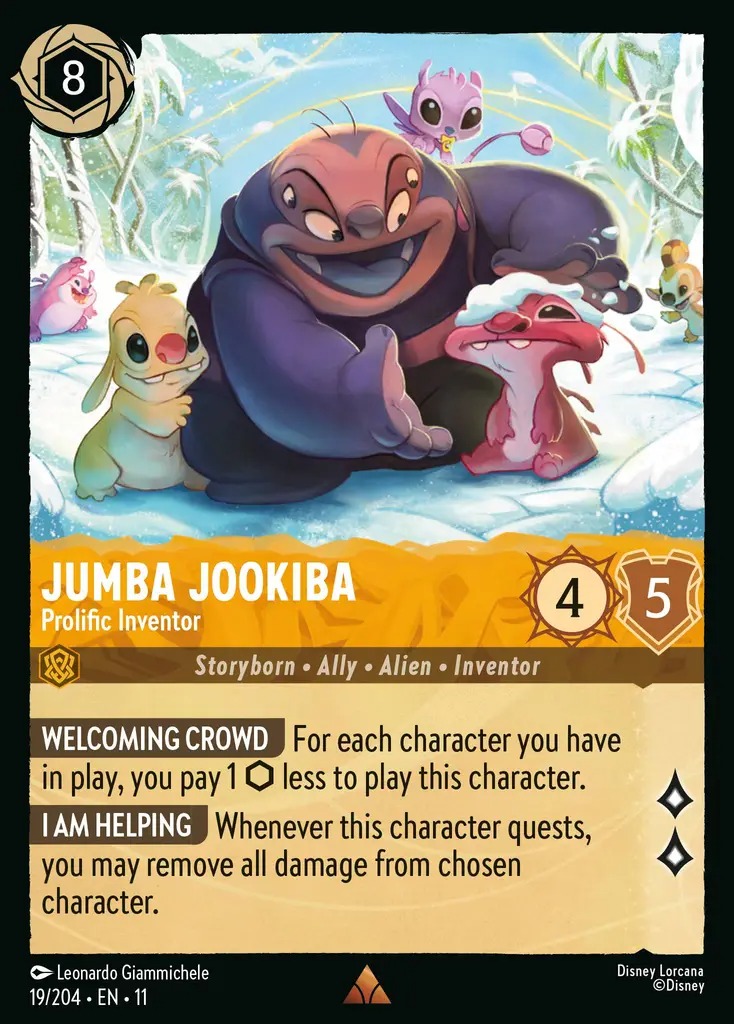
Can be very efficient if you manage to play him for around 4 ink, but that’s not always guaranteed. The healing effect is relevant in sealed. If the setup feels awkward, inking him is perfectly fine.
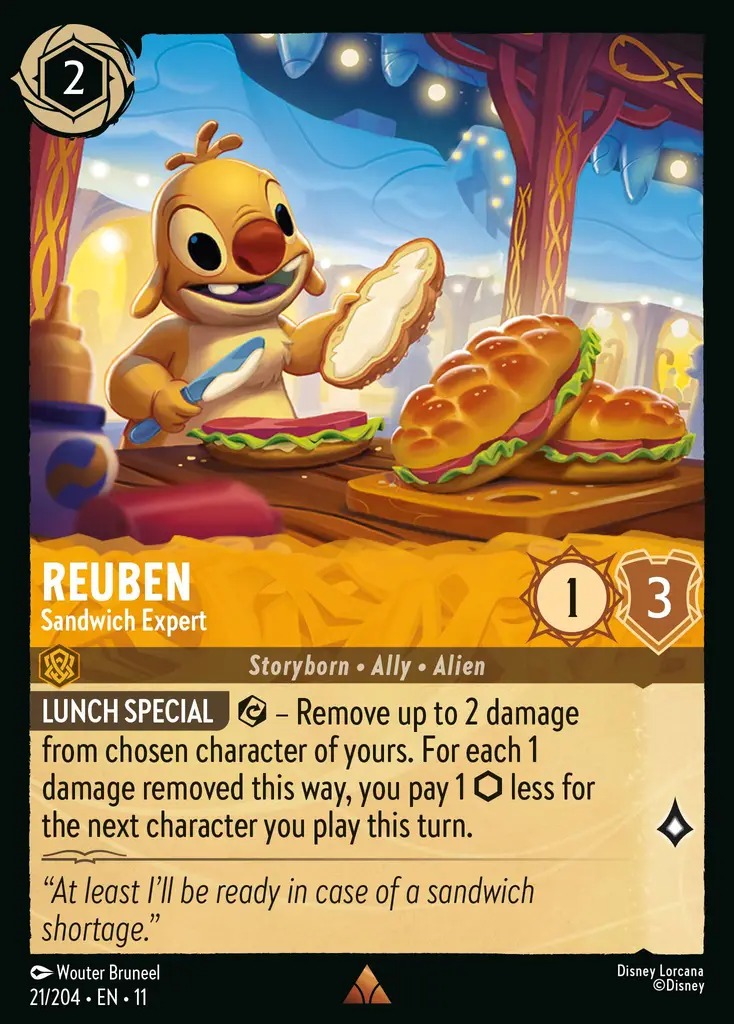
Acts as soft ramp by reducing character costs, letting you jump ahead on tempo. Even without that, the healing gives him baseline value. Cost reduction is a bonus rather than the main plan.
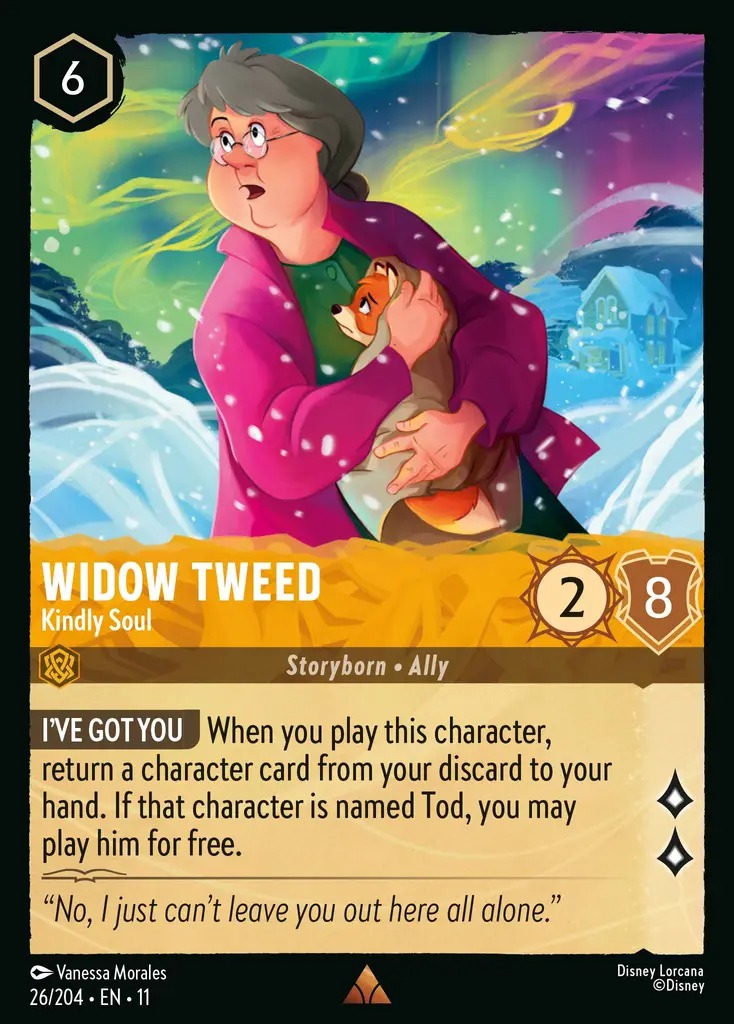
Late-game card advantage is valuable in sealed, and recurring a card from discard can matter. However, 6-cost uninkable is a real commitment—include only if your deck can support it.
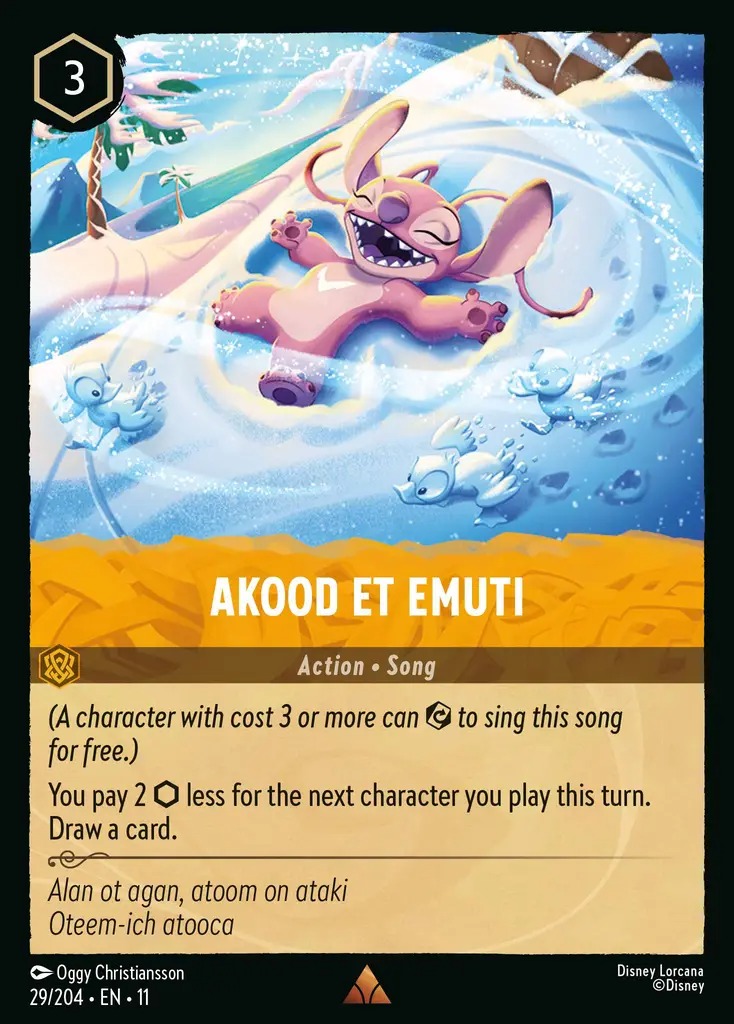
Excellent tempo card. Singing this with a 3-cost character to deploy a 6-cost character on turn 4 is huge, and the card draw is icing on the cake.
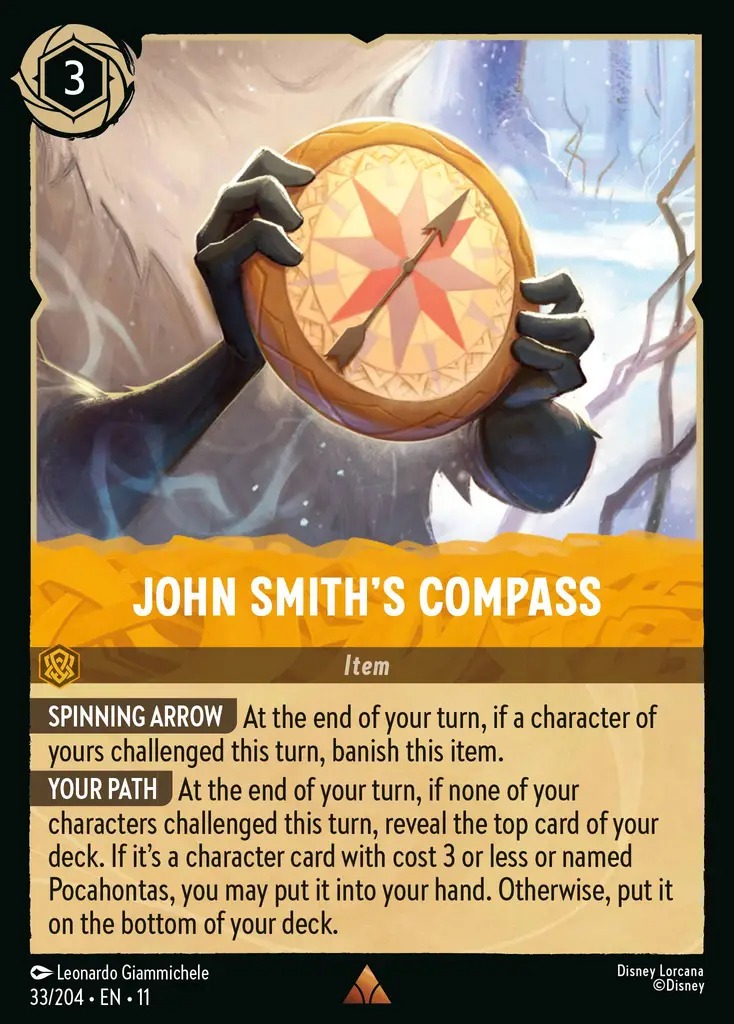
Too slow and fragile in sealed. You’re forced not to challenge to keep it, and tutoring a 3-cost character isn’t impactful enough here.
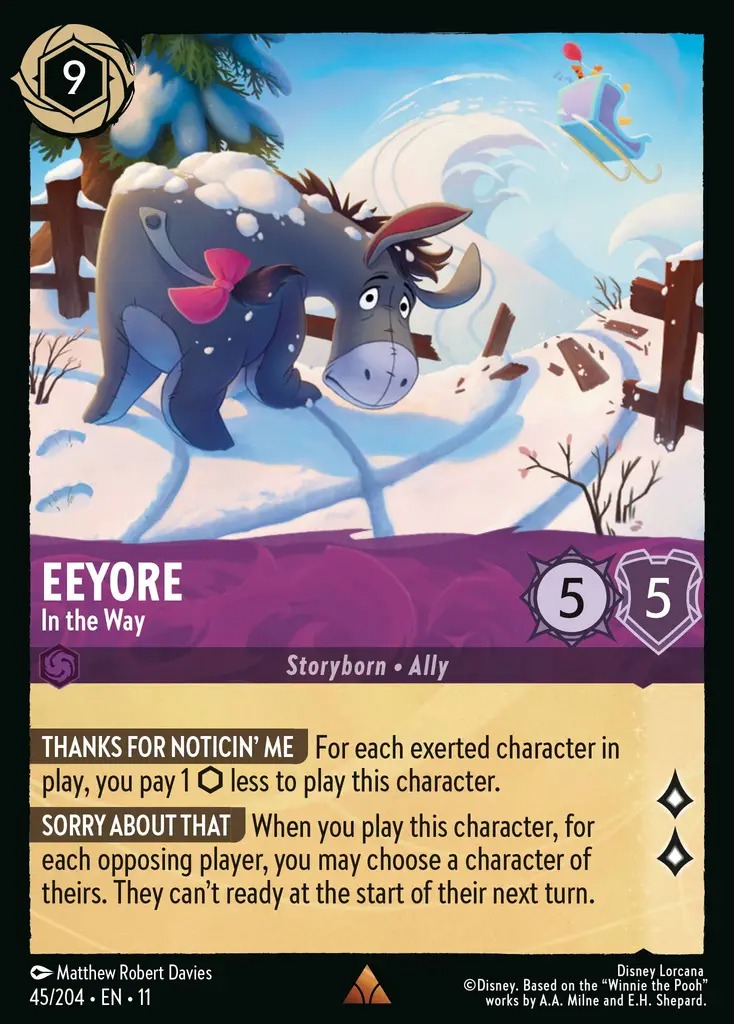
Playable early only if your opponent already has many exerted characters—which is rarely ideal. The 9-cost ceiling is unrealistic in sealed, though being inkable saves him from being dead. Best left in the filler pile.
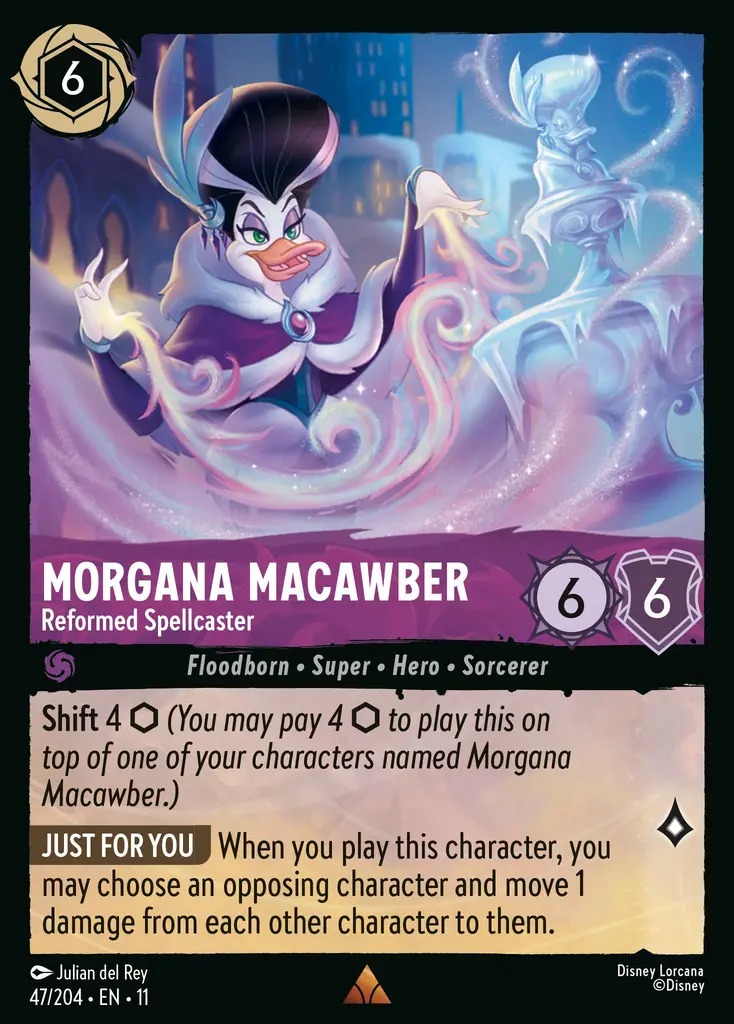
The effect is clever and can enable a clean banish, but damage distribution is often limited in sealed. Solid, but not as explosive as it looks.
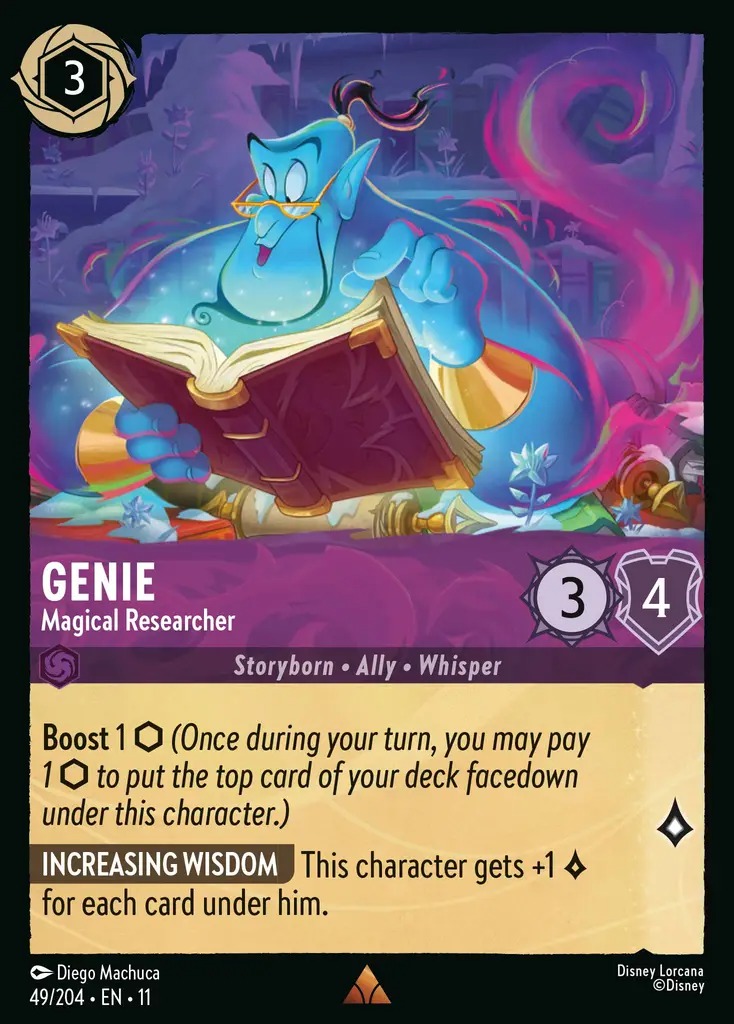
An excellent mana sink. Continual boosting to generate extra lore forces your opponent to respond quickly or risk losing the game.
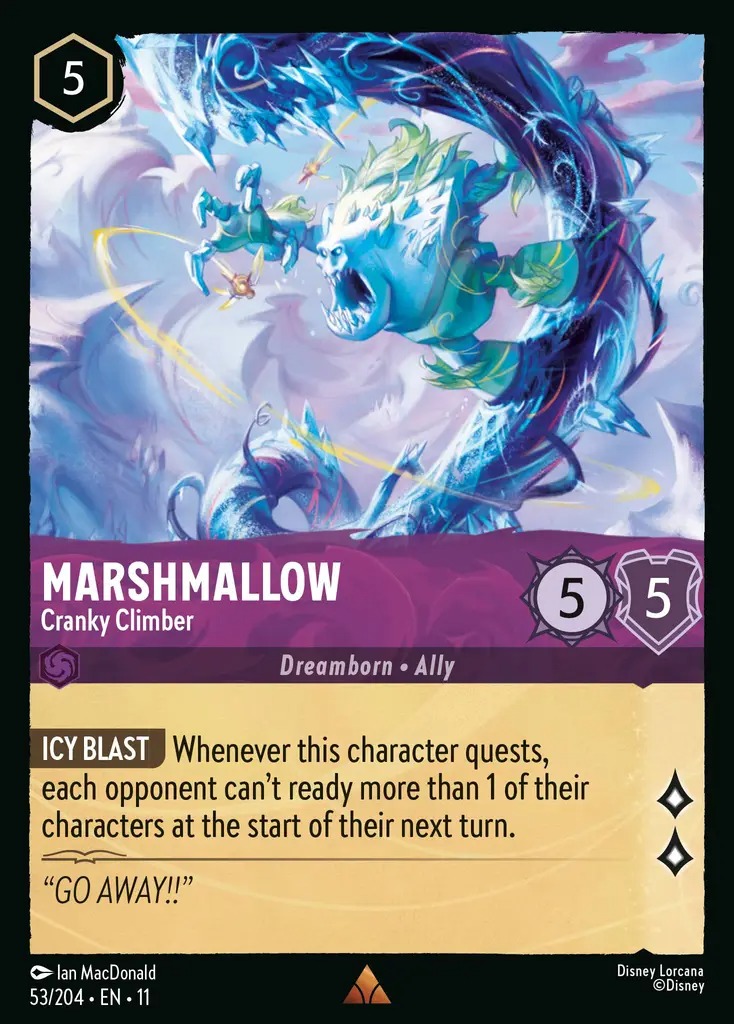
Once online, this severely restricts your opponent’s board by limiting how many characters they can ready. Forces awkward challenges and dominates late-game states.
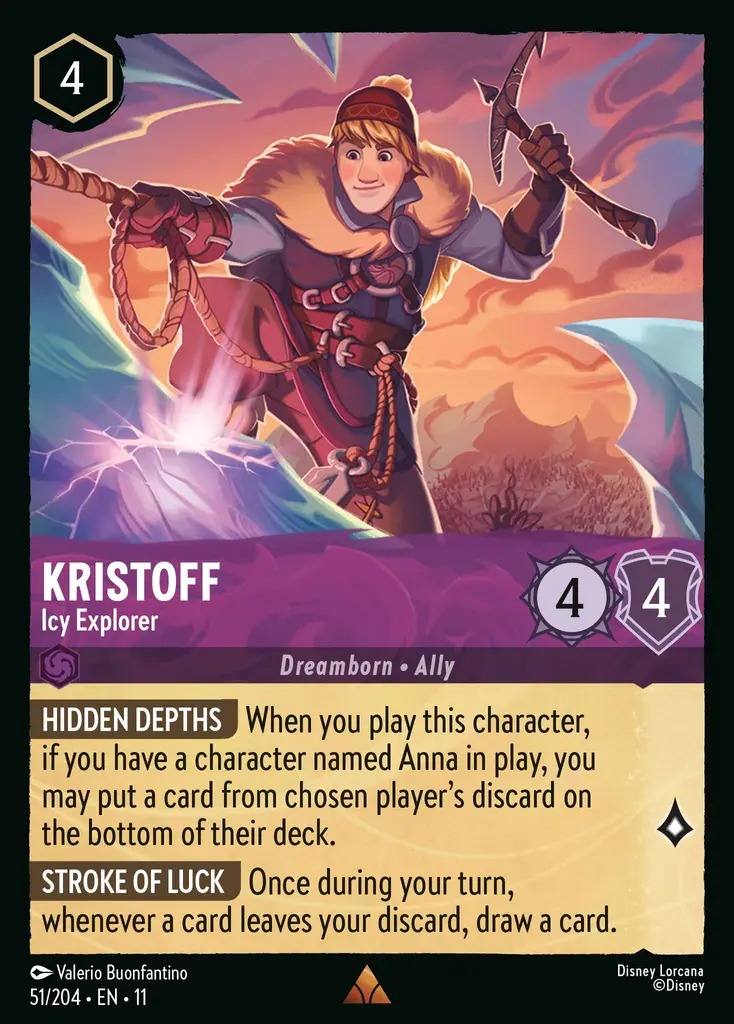
Card draw is powerful, but the setup requirement makes him inconsistent. Include only if your deck can reliably trigger his ability.
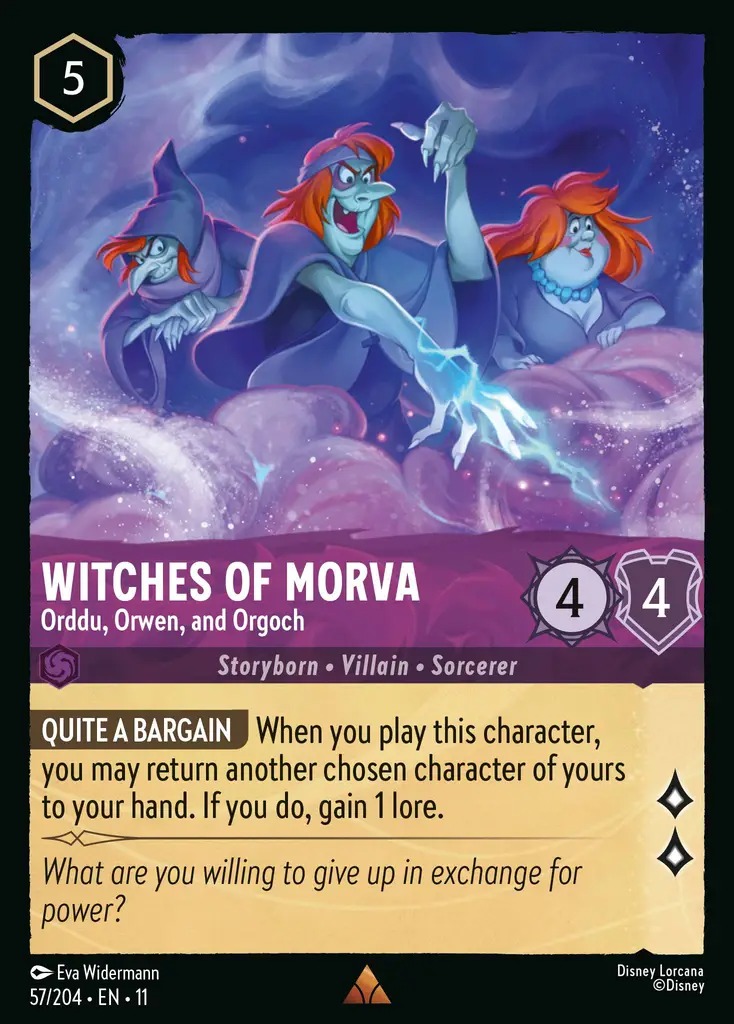
Good stats for a 5-drop, and the bounce effect opens up replaying “when played” abilities or replay another character and protect them after questing. The extra lore adds real value.
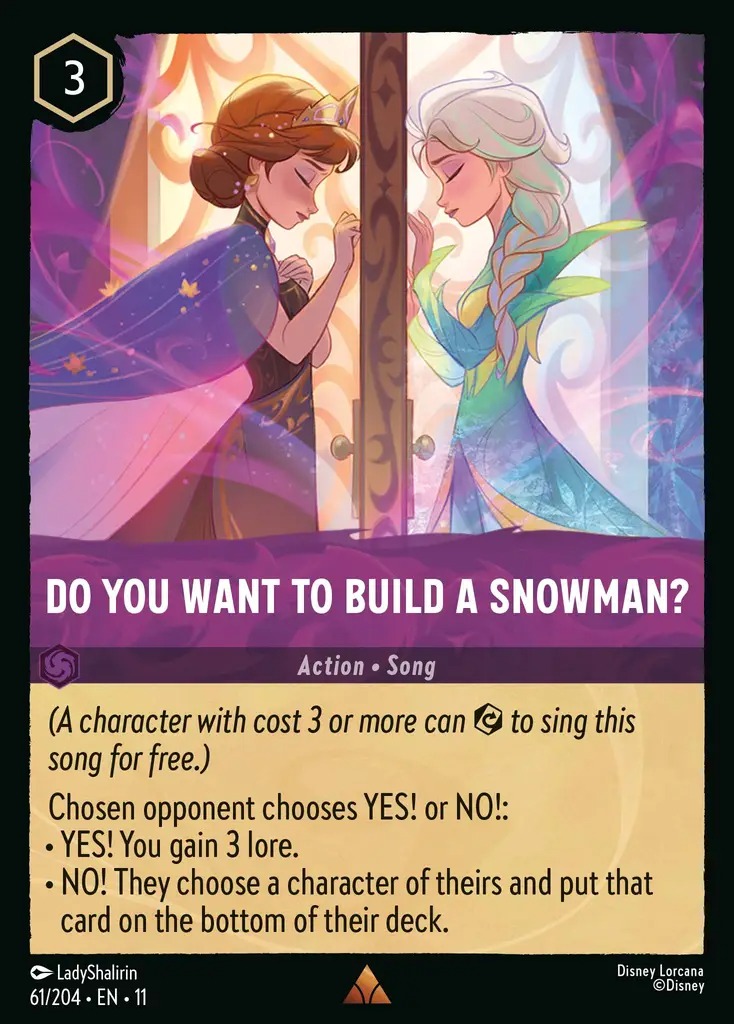
Extremely flexible. Either push lore to close games or remove an opposing character. Fantastic sealed card.
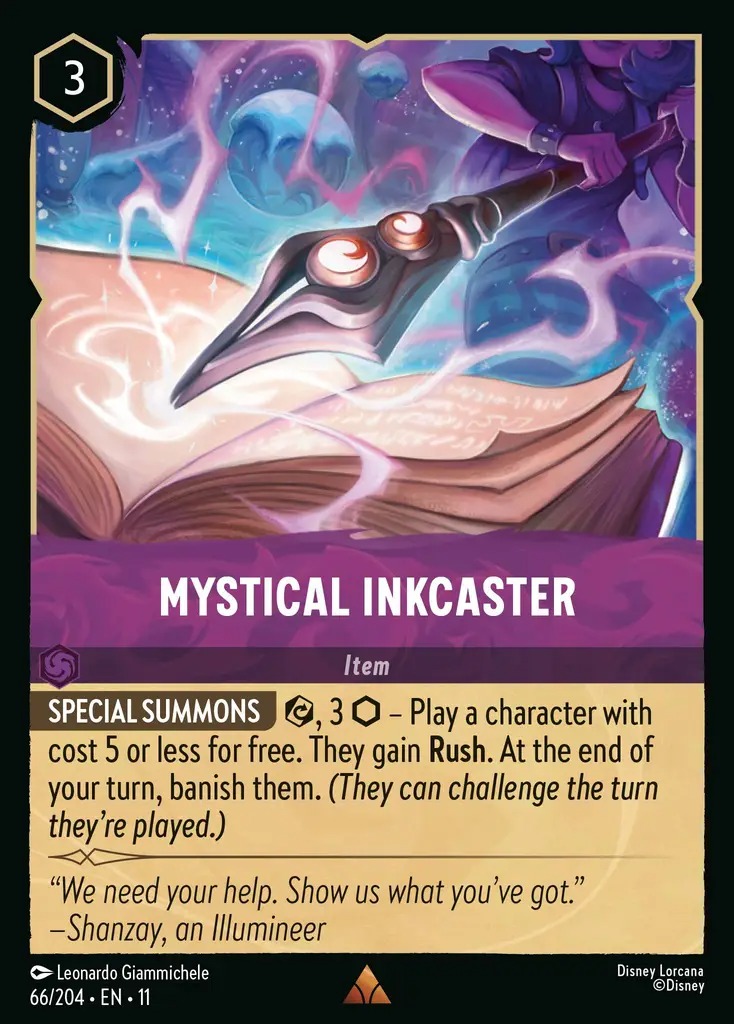
Acts as a safeguard and can surprise opponents with sudden Rush plays. Situational, but useful when games stall.
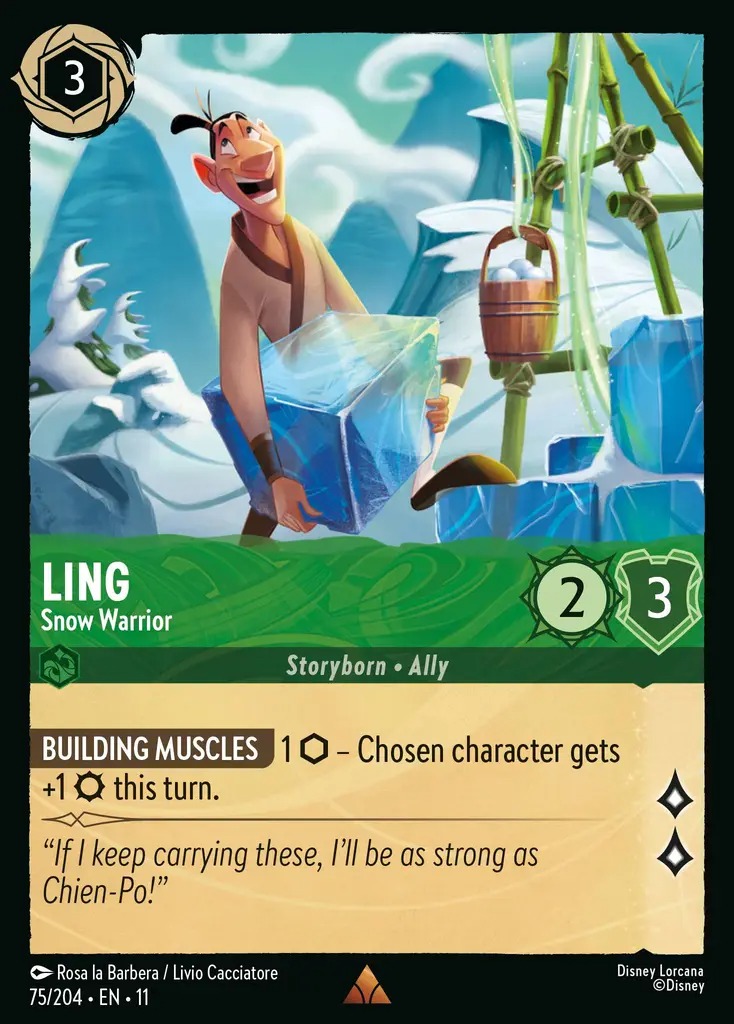
2 lore on a 3-drop is strong, and the unlimited Strength boost makes it an excellent late-game resource outlet.
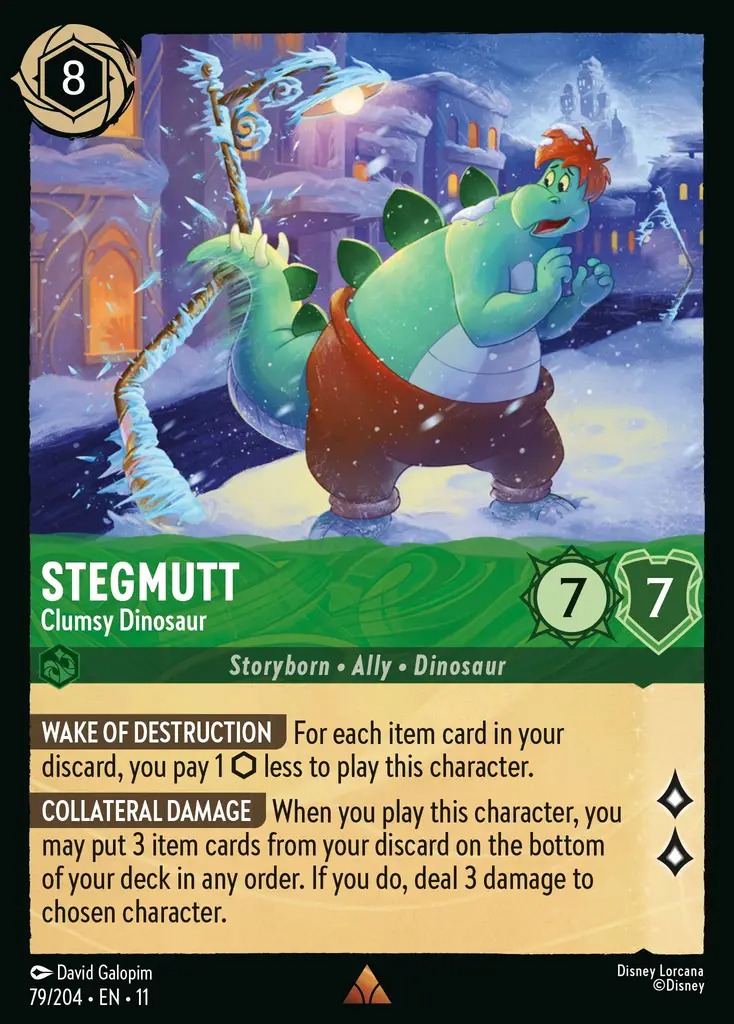
Beefy stats, but requires significant item setup to reduce the cost. If you’re light on items, he’ll likely end up inked. Still worth considering if your pool supports it.
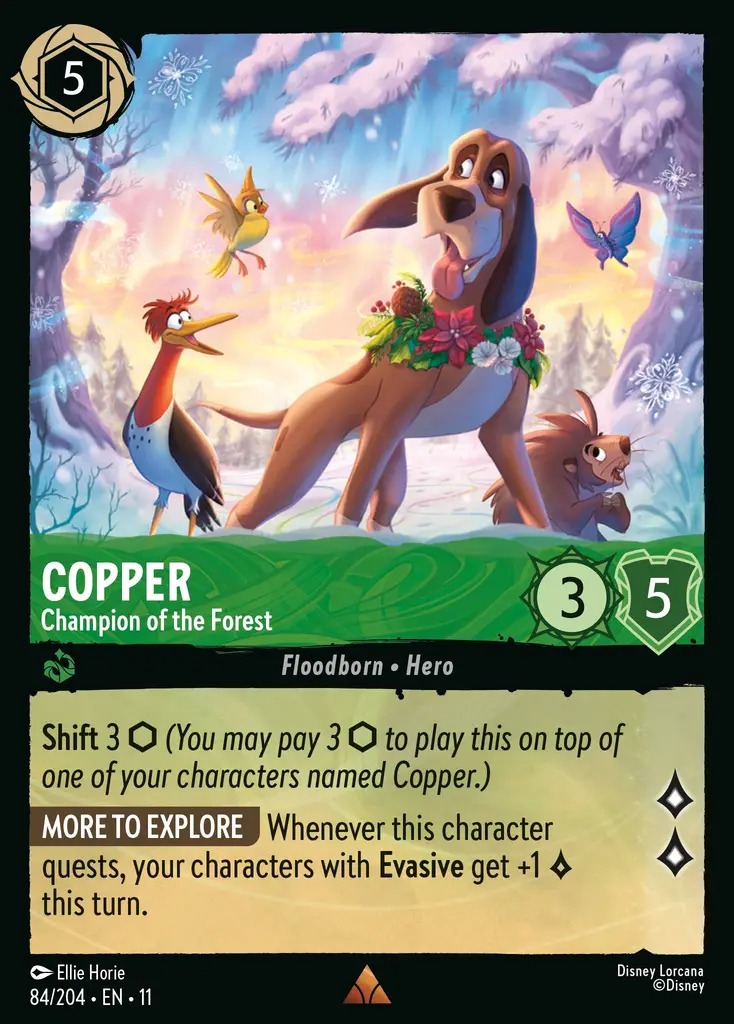
Great if you have multiple Evasive characters—extra lore helps close games quickly. Skip if your deck lacks Evasive threats.
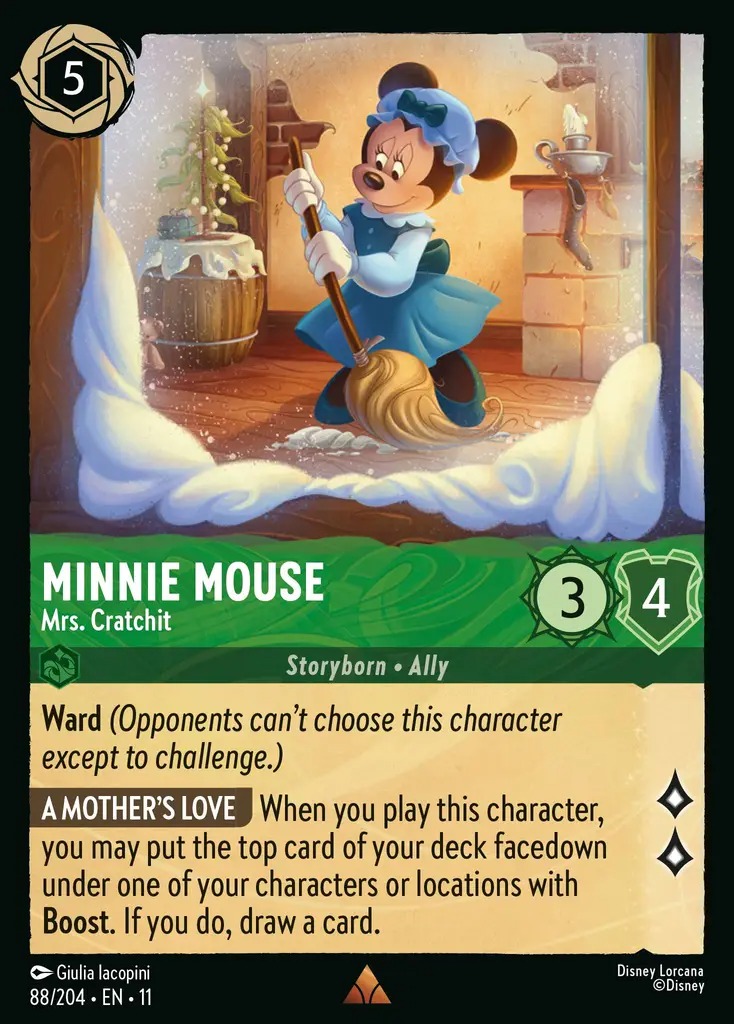
Ward plus 2 lore is solid, but she really shines only if you have multiple Boost cards. Otherwise, she’s average.
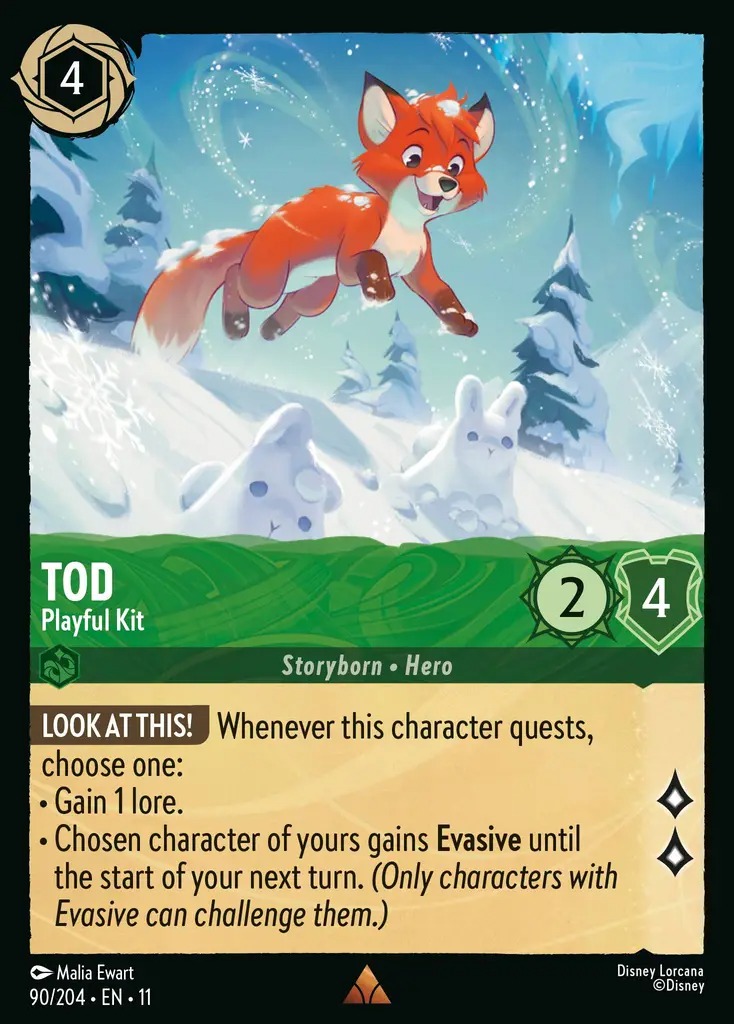
Very flexible: Rush for immediate 3 lore, or grant Evasive for offense or defense. Strong utility in sealed.
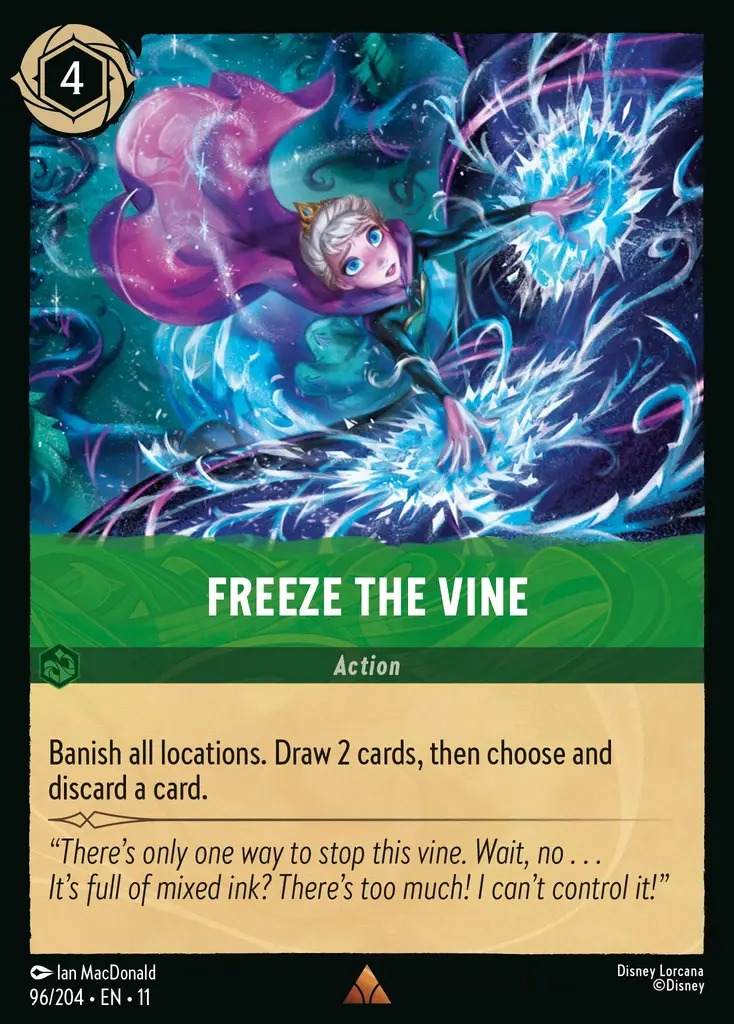
Solid card filtering option, especially if you need draw. Can clear all Locations as well. Can be considered from the filler pile.
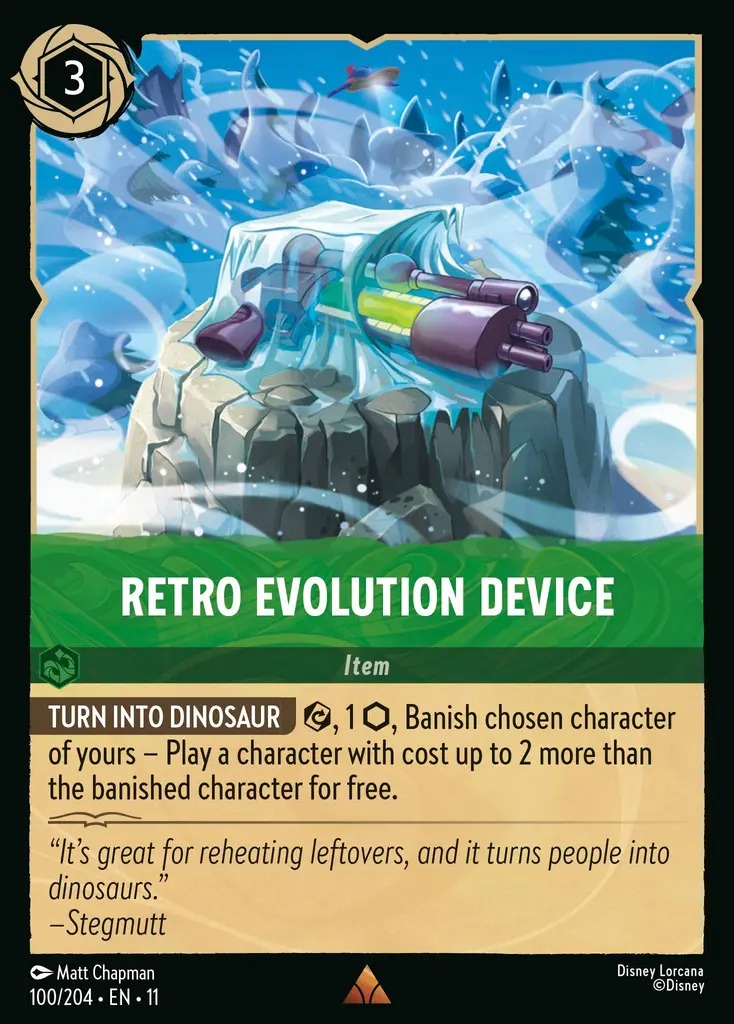
This can snowball fast. Turning smaller characters into larger ones for minimal ink creates huge tempo swings. Reusable value makes it very strong in sealed.
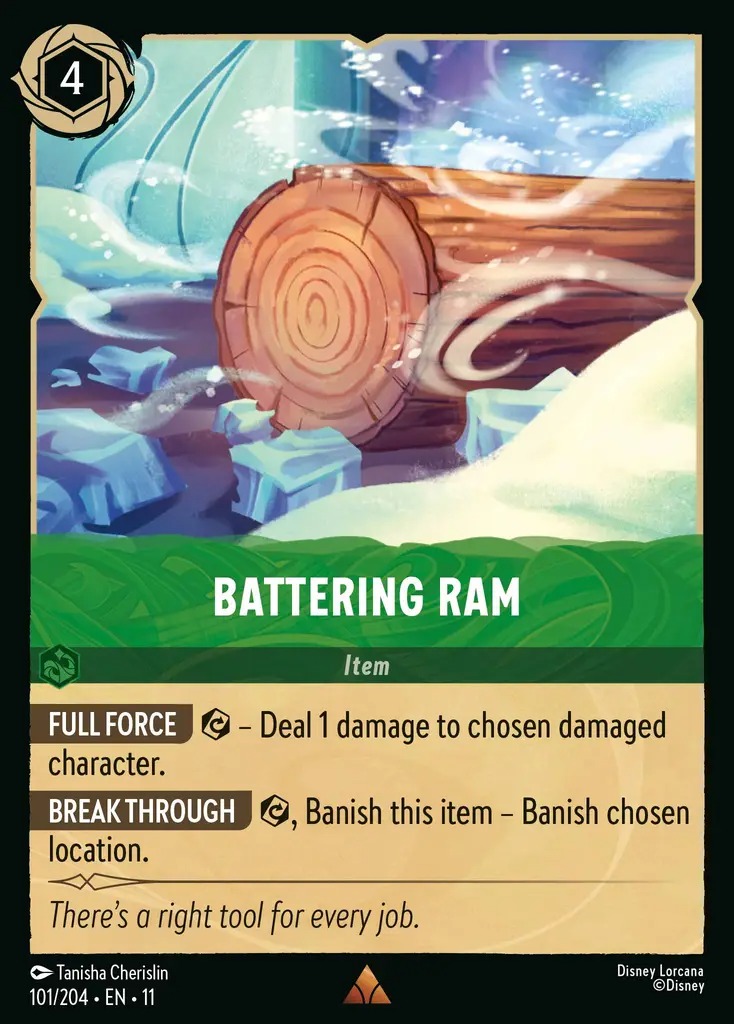
Damage restriction makes it awkward to use, though the location removal is relevant. Feels narrow overall.
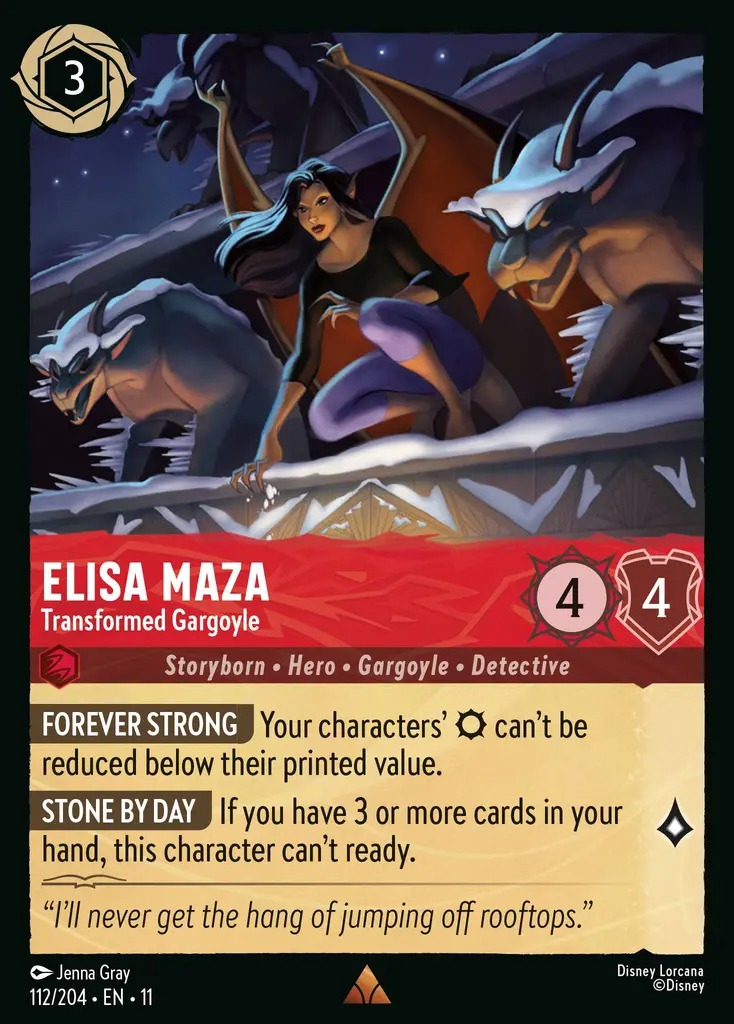
Strong 3-drop stats and protection against Strength reduction. Not a priority, but perfectly serviceable if you need board presence.
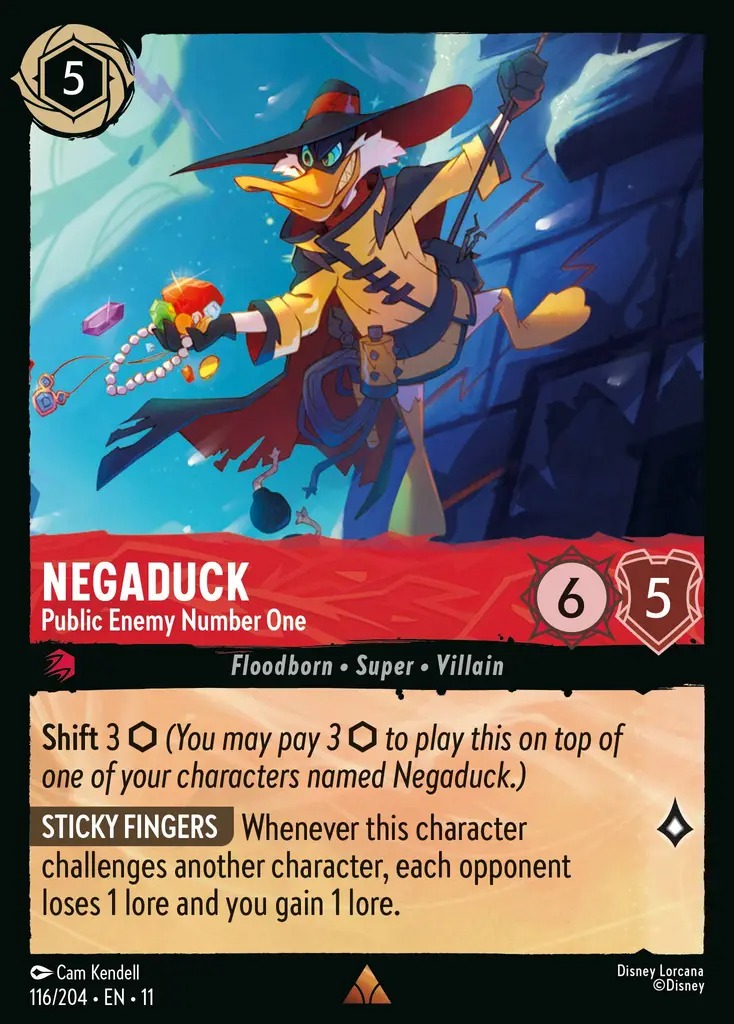
Excellent tempo control. Challenging to gain lore while draining your opponent’s lore can quickly swing games in your favor.
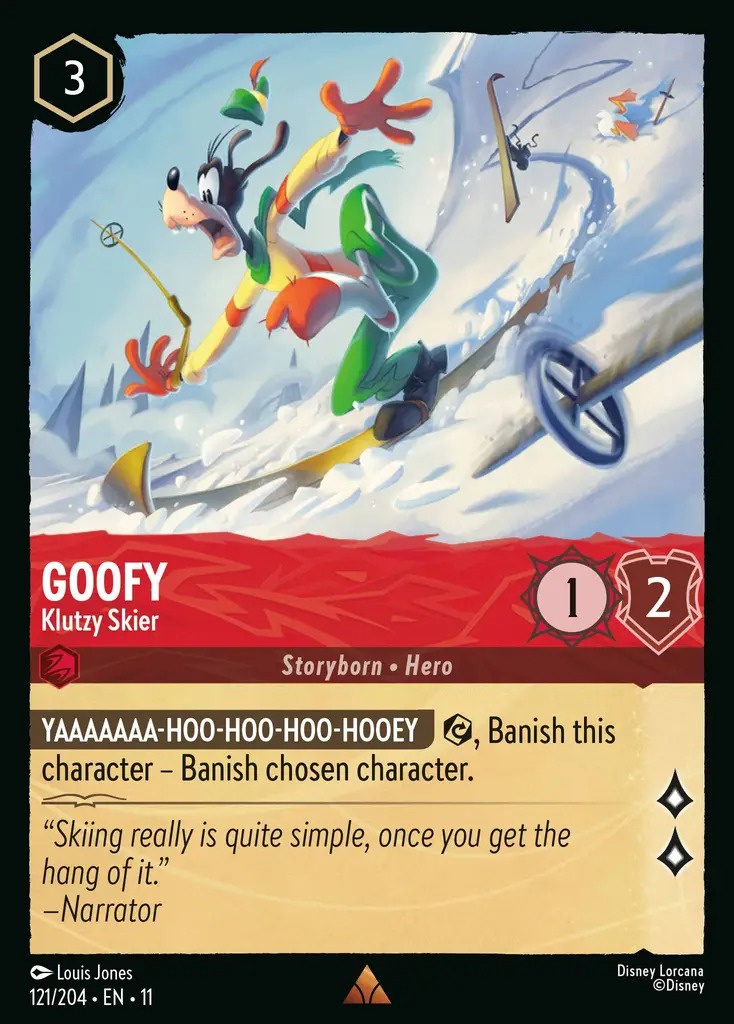
Premium sealed card. Threatens removal simply by existing, forcing cautious play from your opponent. Can also pivot to questing.
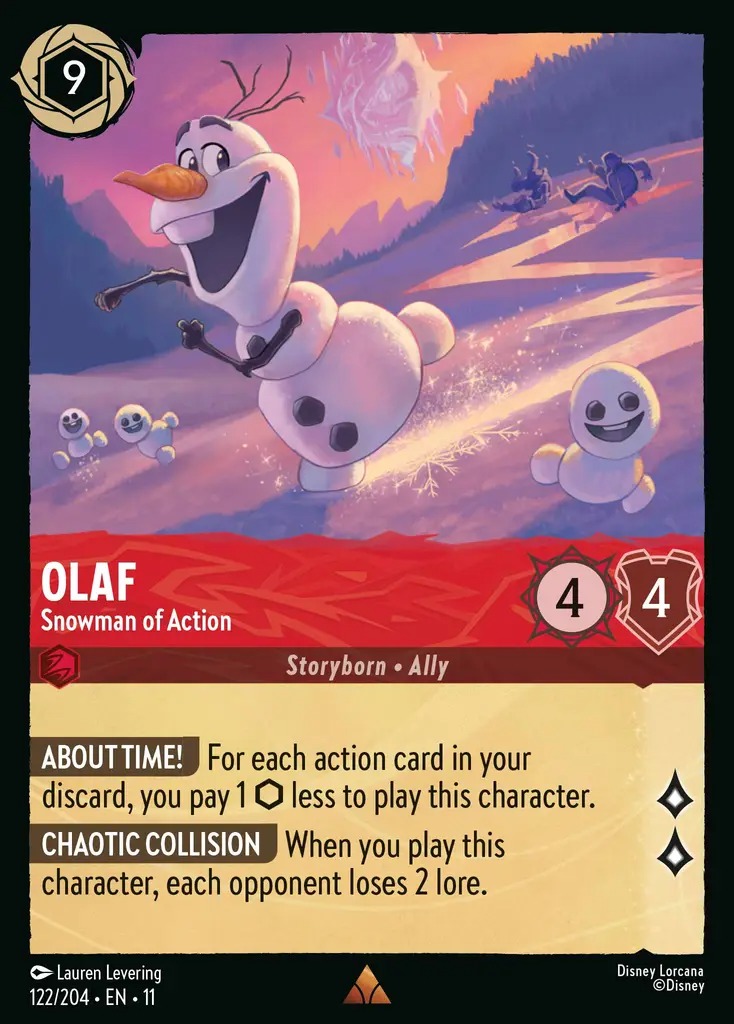
High-cost payoff needs setup, and the stats don’t quite justify the investment. Inkable saves him, but rarely a priority play.
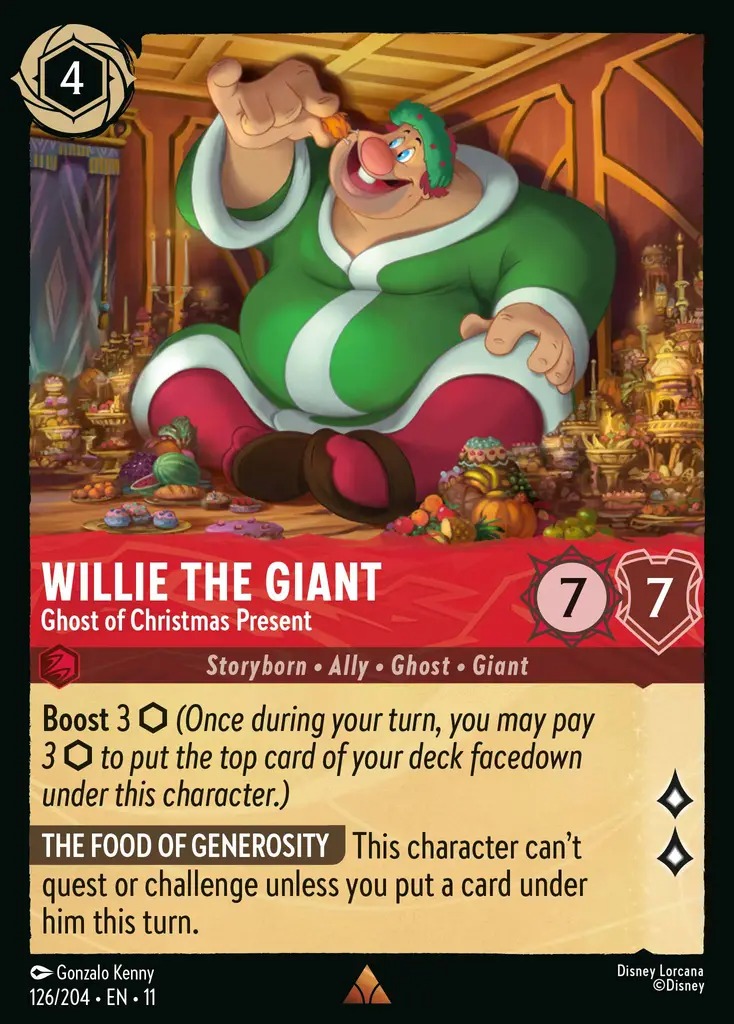
Extremely beefy body that scales well with excess ink. Great target for boosting and a nightmare to challenge into.
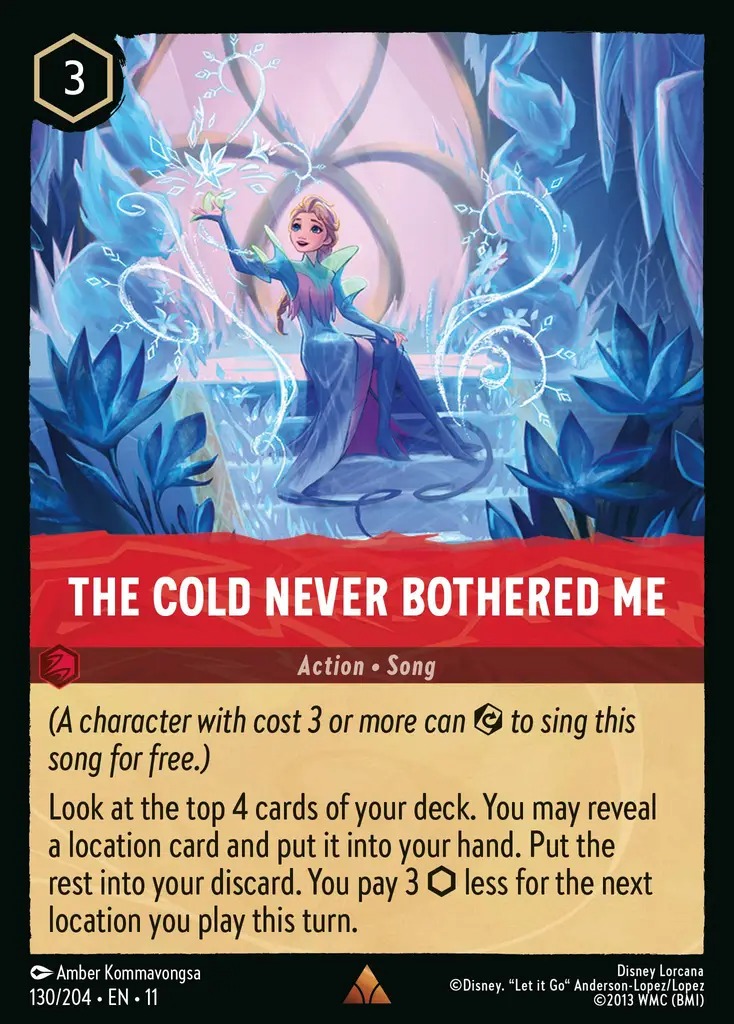
Hard to trigger even if you have a few locations in your deck. You can potentially throw away your key cards, too risky to use.
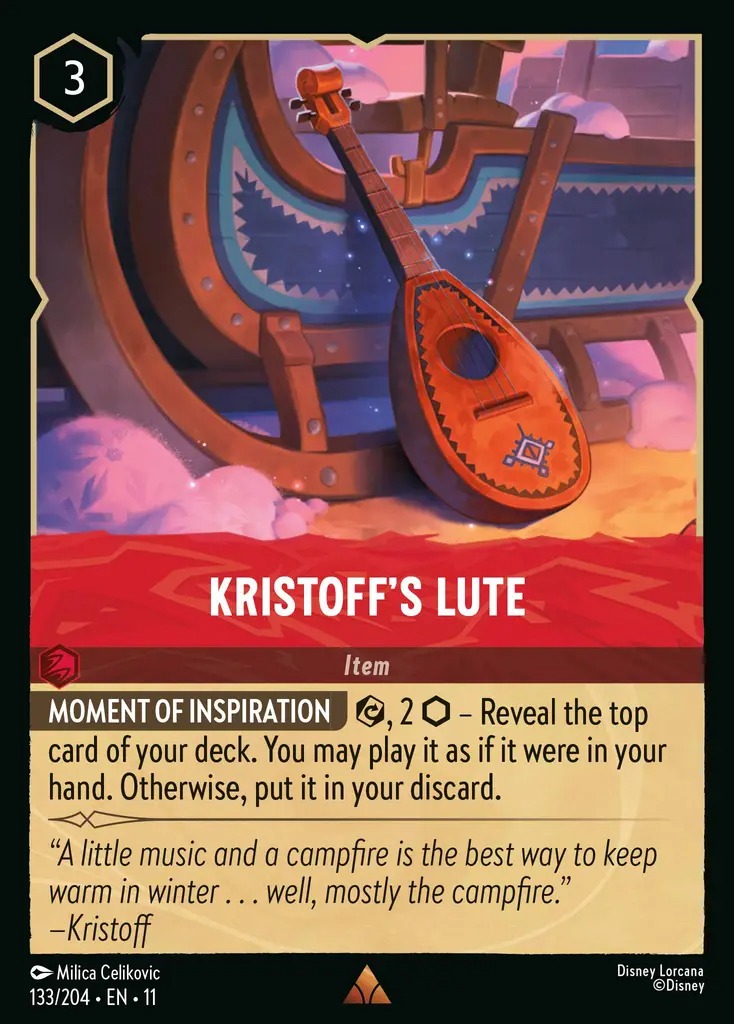
Excellent for top-deck scenarios. Investing ink to set up future plays gives you inevitability.
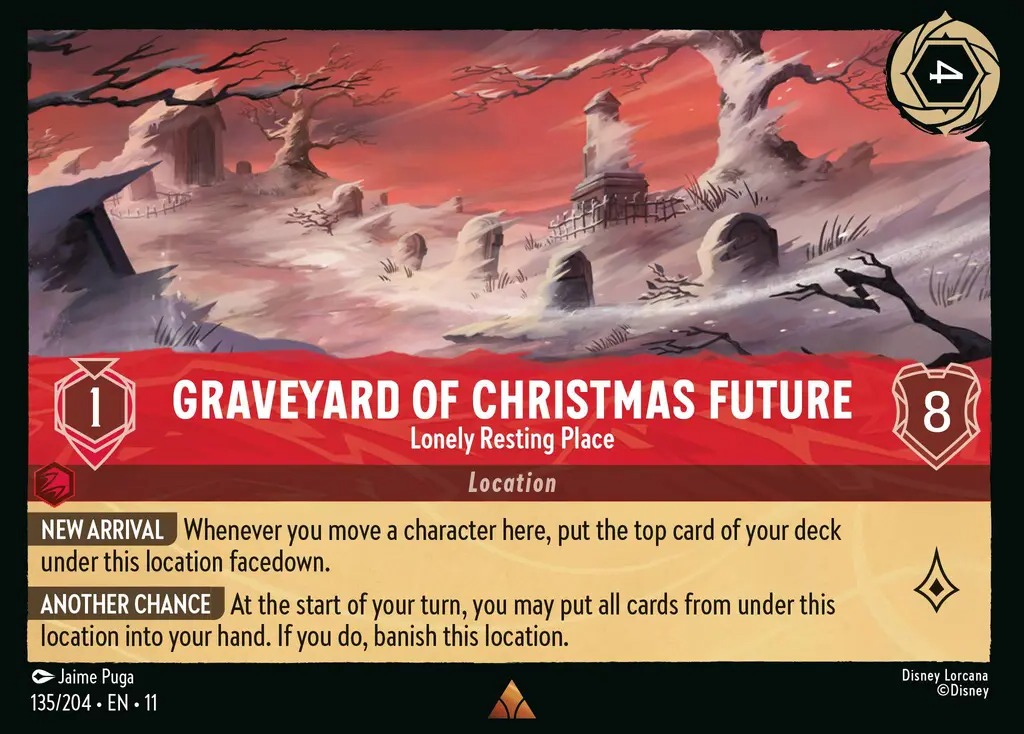
Strong value engine. Forces your opponent to answer it or risk you refilling your hand. High Willpower makes it difficult to remove efficiently.
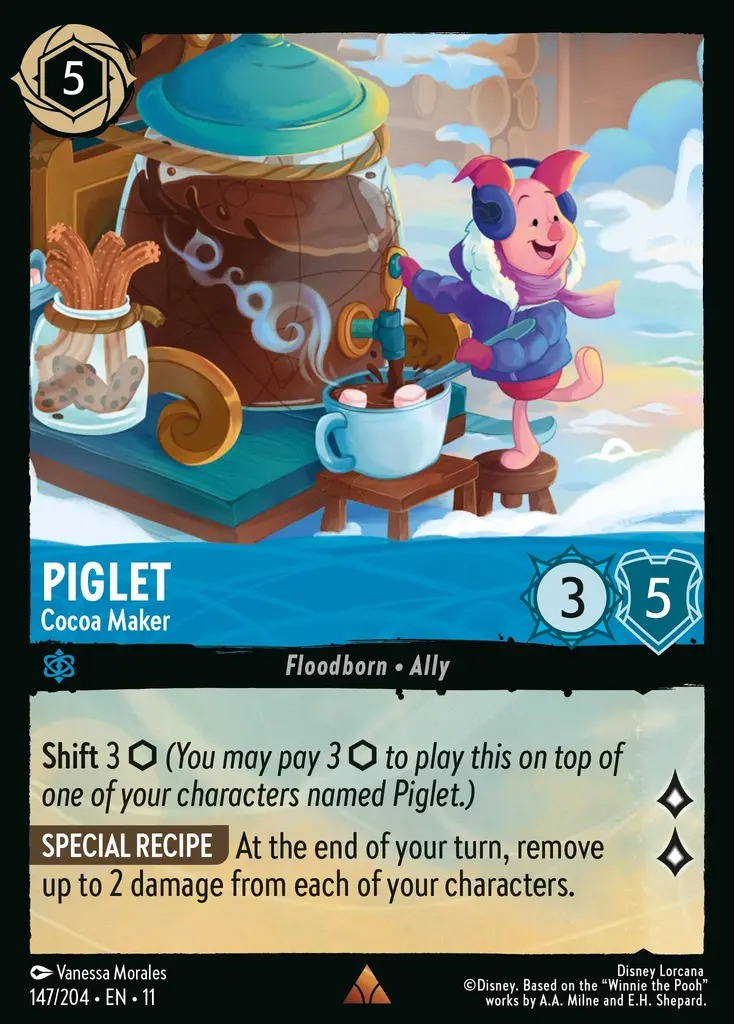
Healing can matter, and stats are reasonable. Better with shift support but still playable on its own.
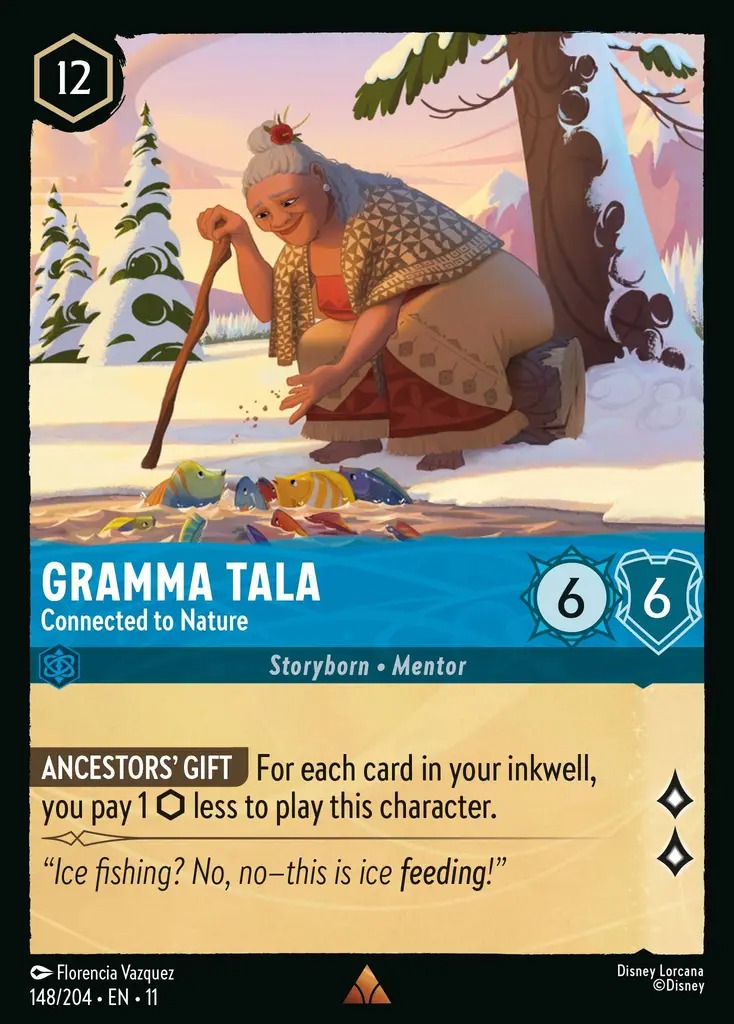
Unlikely to reach full cost in sealed. Even at reduced cost, other inkable options often provide better value.
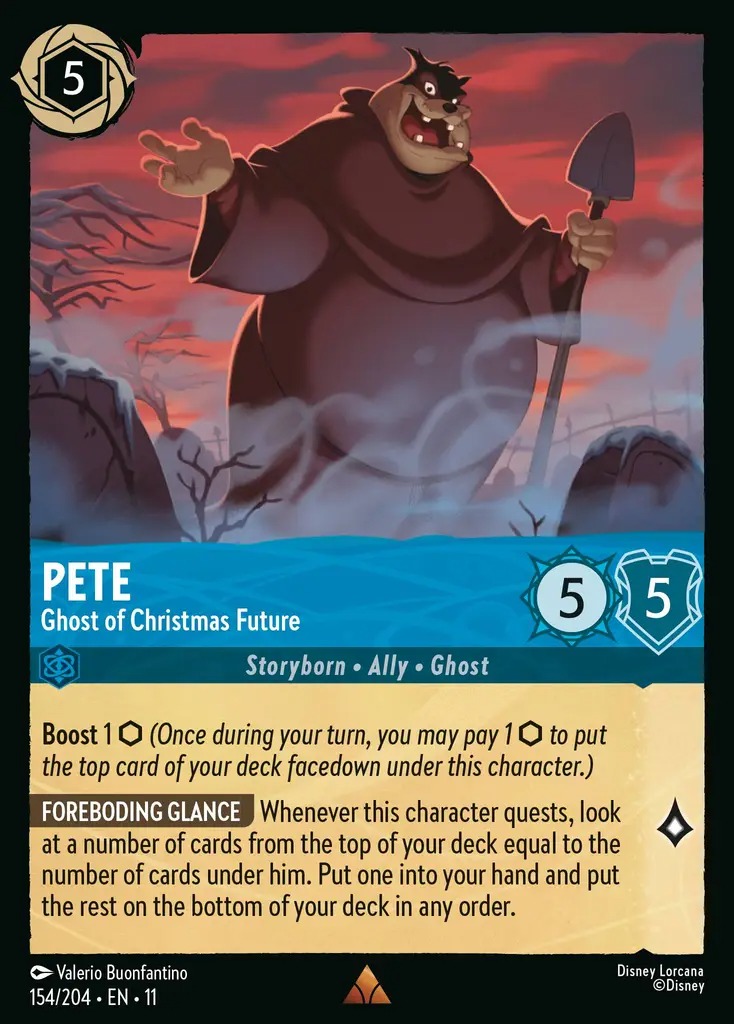
Fantastic late-game investment. Once boosted, he turns questing into card draw, giving you a steady stream of options.
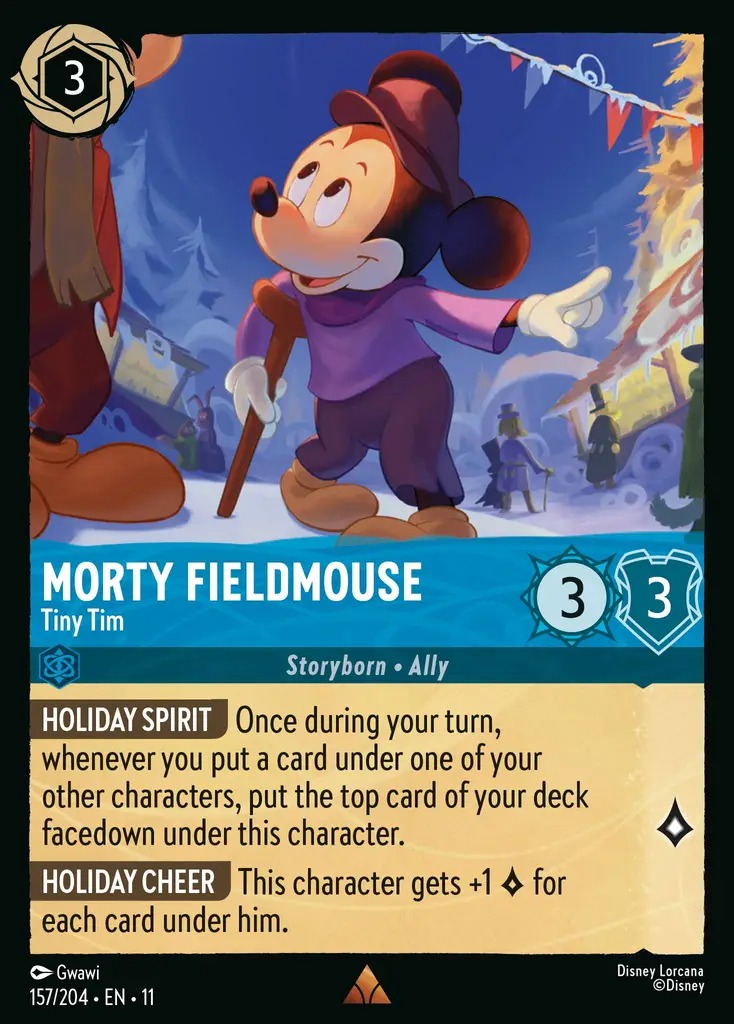
Highly synergy-dependent. Without enough Boost characters, his impact is limited.
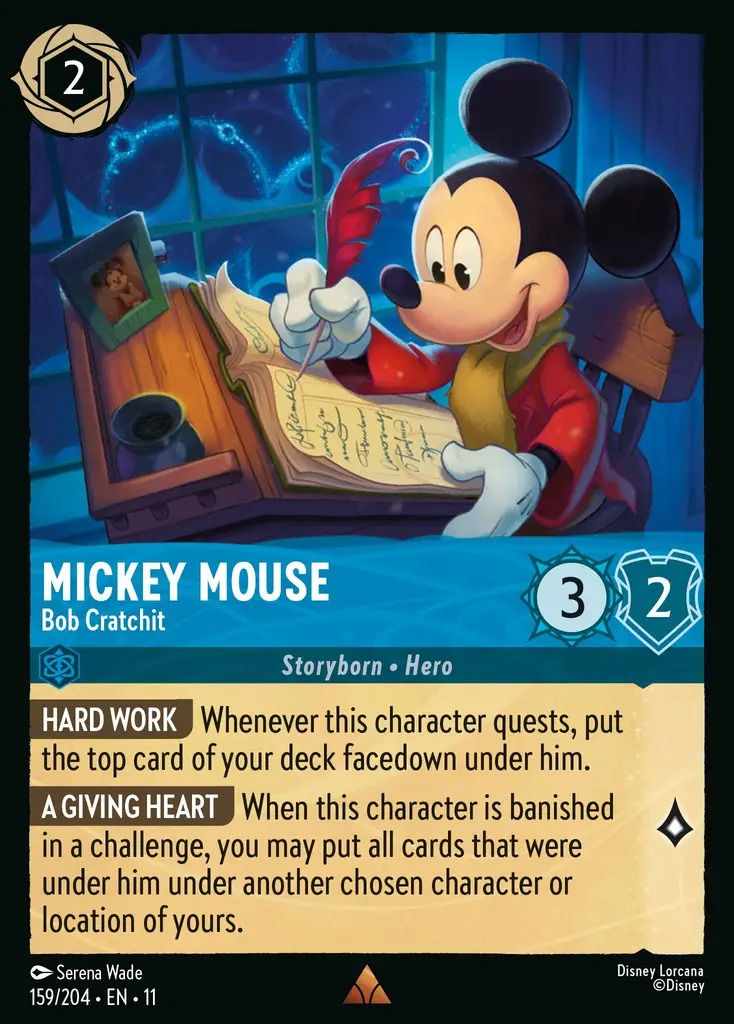
Powerful when the engine works, allowing you to bank Boost cards and transfer value later. High ceiling, but synergy-heavy.
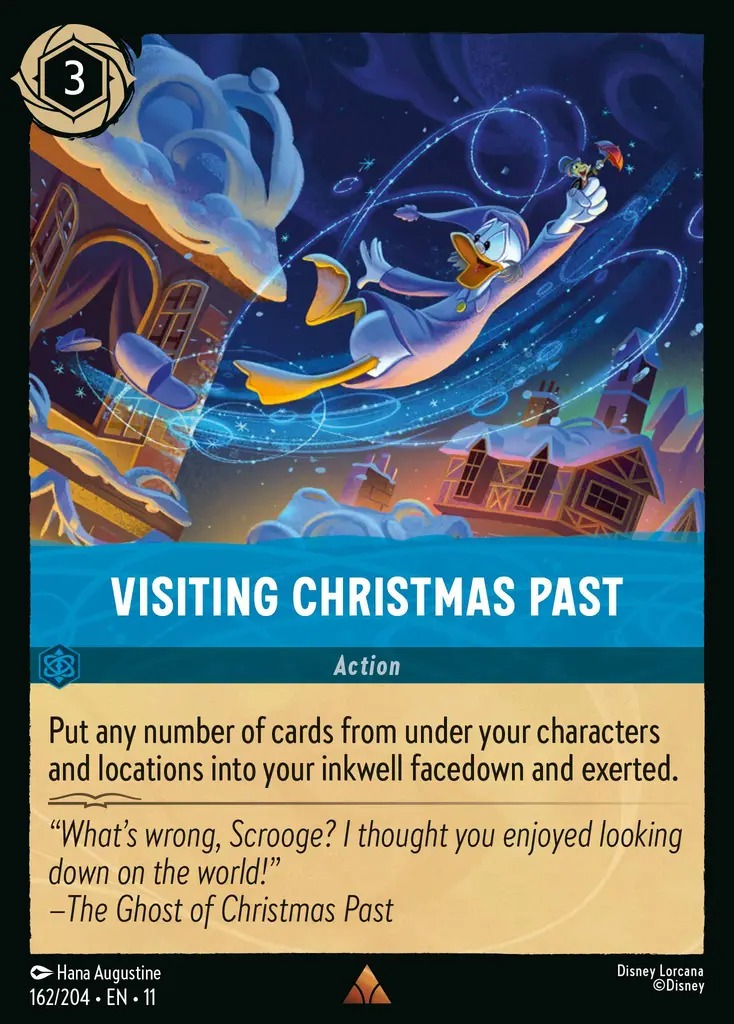
Ramp is generally unnecessary in sealed, especially when it converts your hard-earned Boost into ink. Inefficient overall.
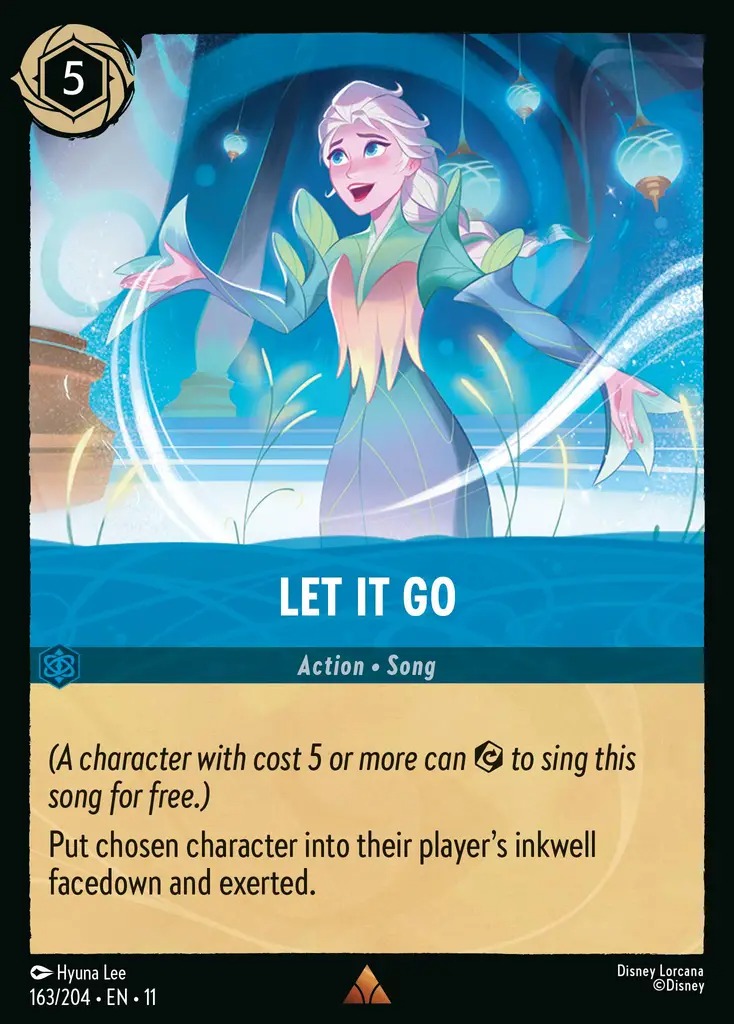
Premium removal. Singing this to permanently deal with a threat is exactly what sealed decks want.
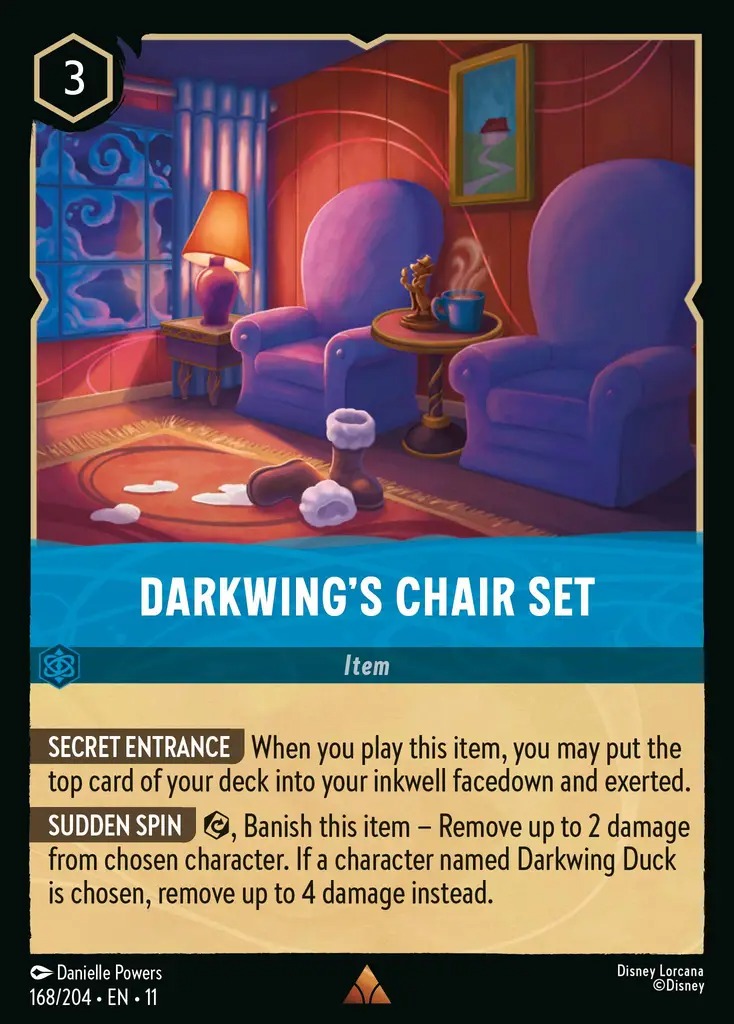
Decent utility, but often you’d rather develop board presence instead of ramping.
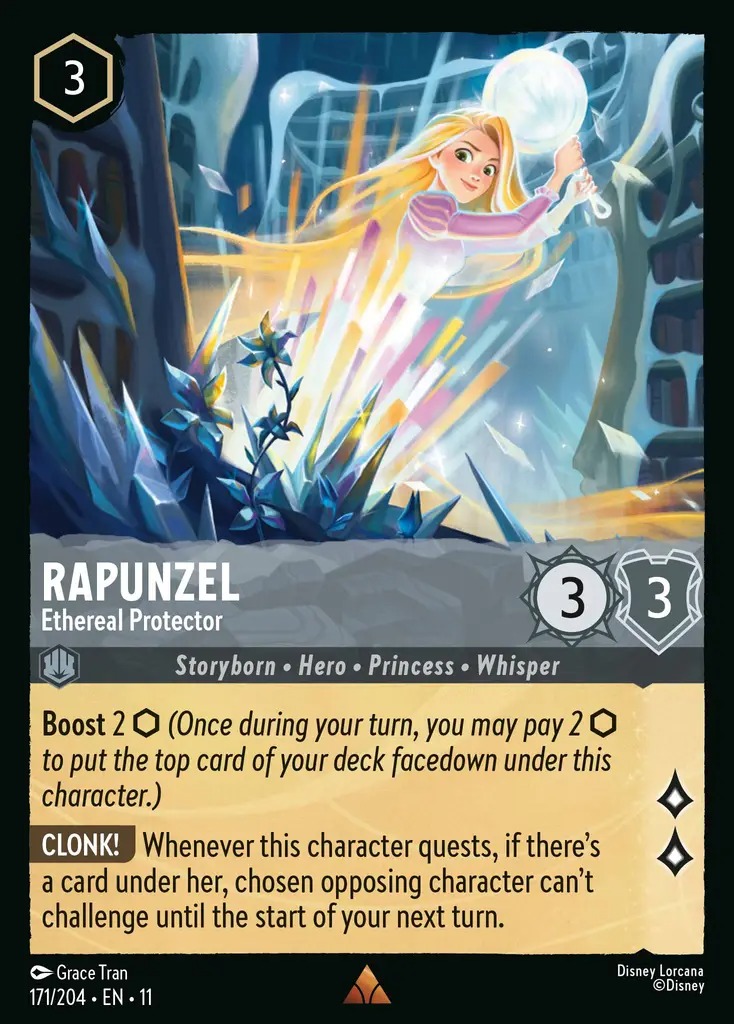
Early lore pressure with a repeatable “can’t challenge” effect once boosted. Strong if unanswered.
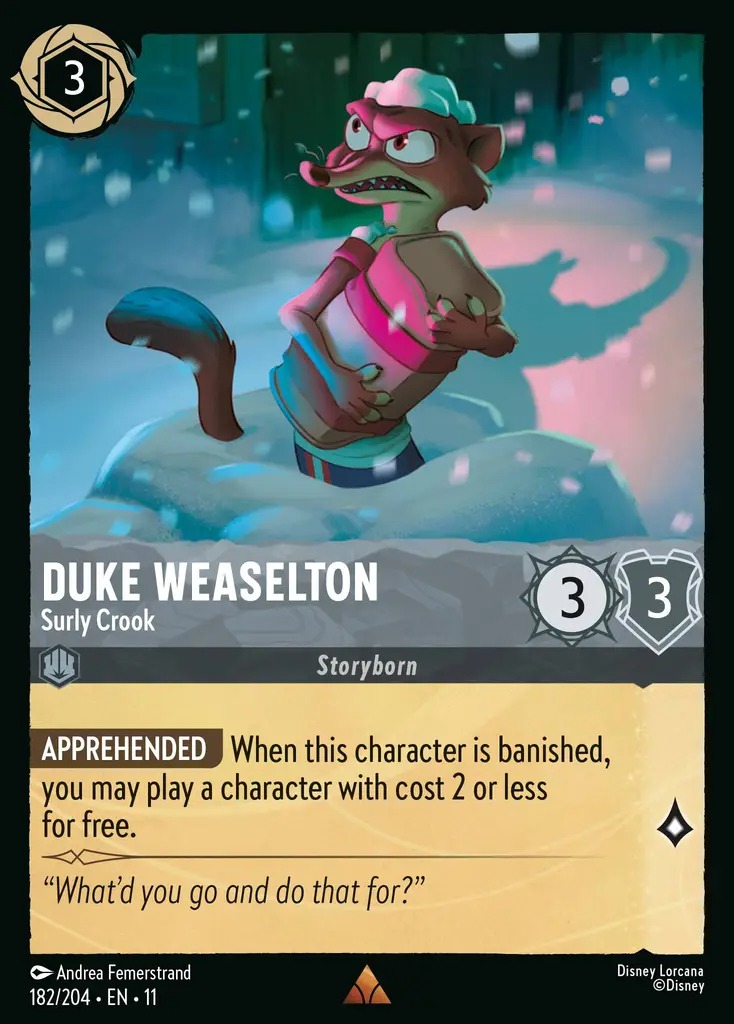
Good tempo if your deck is heavy on 1–2 drops. Otherwise, merely average.
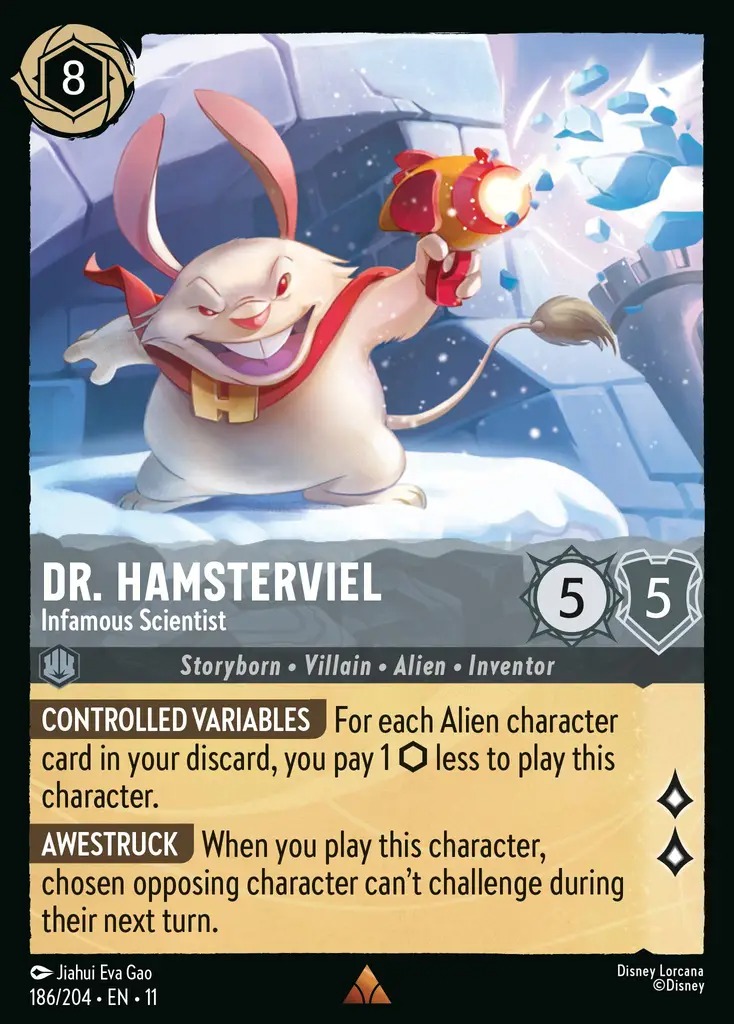
Hard to enable without significant Alien density. Stats don’t justify the cost unless fully enabled. Inkable helps.
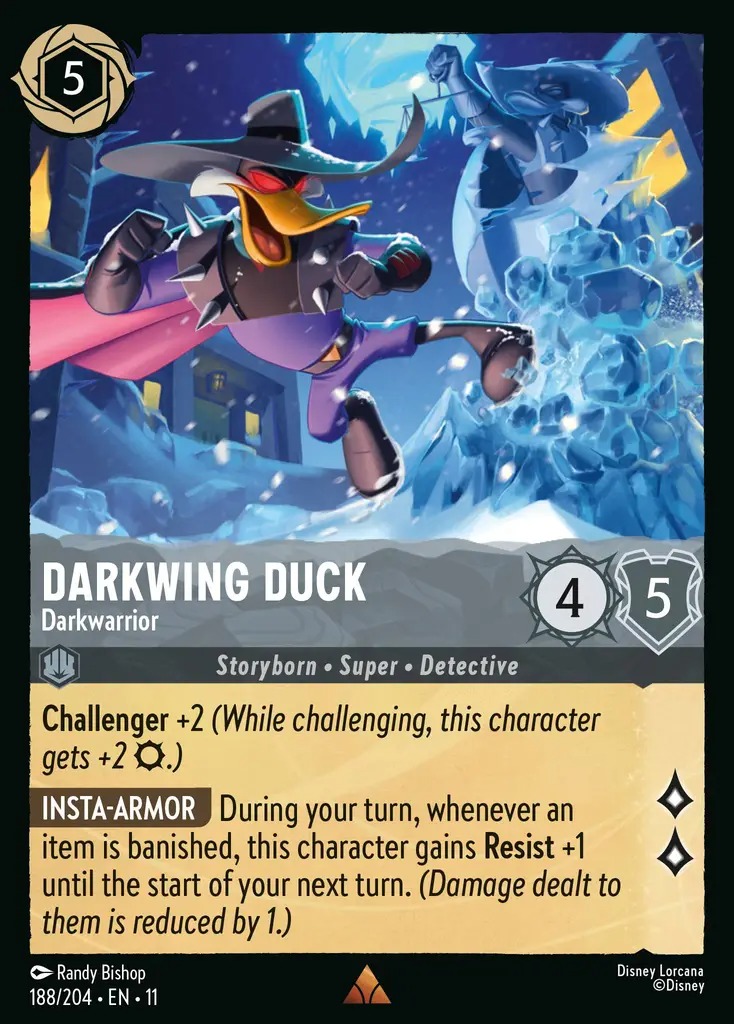
Good baseline stats, becomes tougher if you can consistently banish items. Solid but unspectacular.
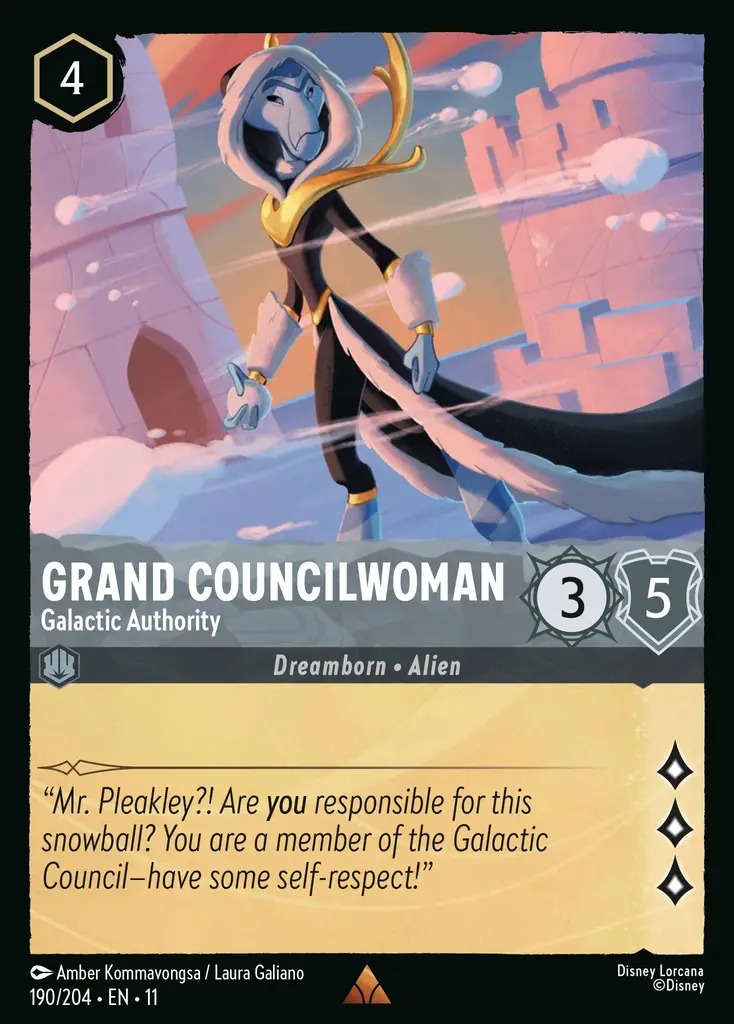
4-cost lore density is appealing for aggressive sealed decks. Worth considering.
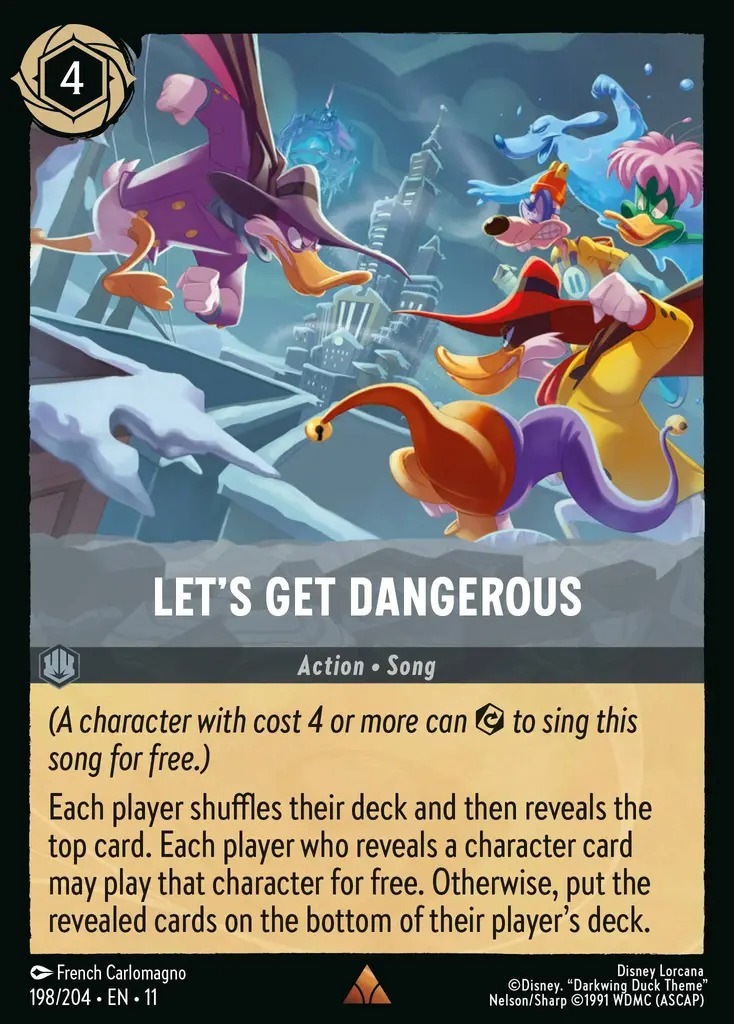
There is a chance that this helps your opponent deploy threats faster than you. Avoid.
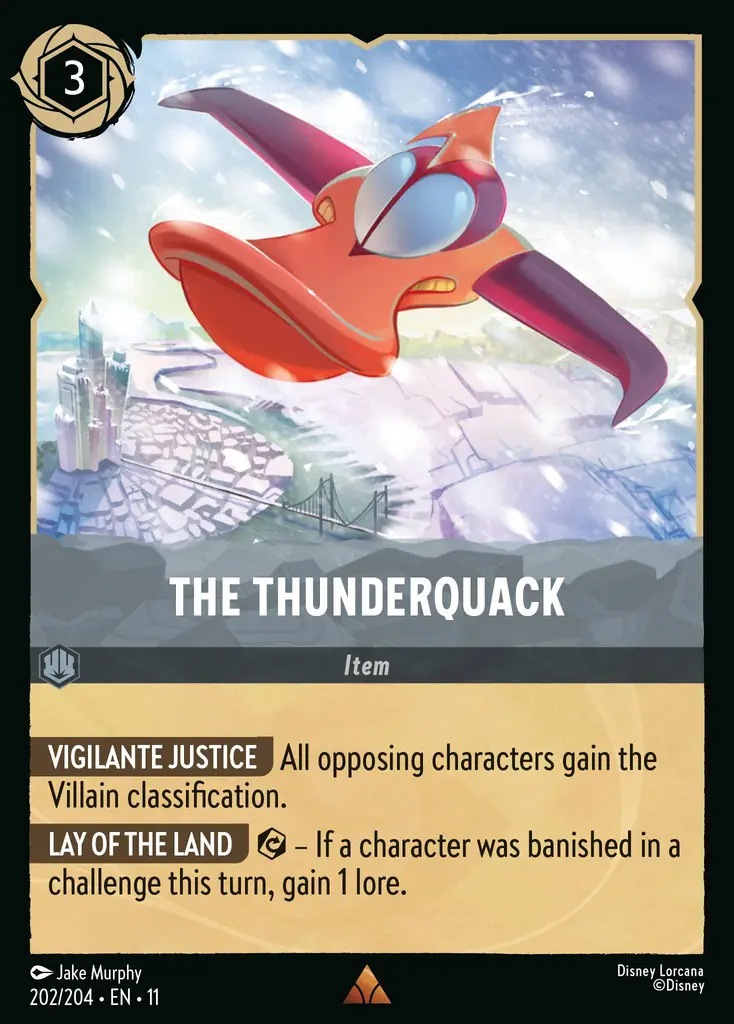
Turning challenges into free lore while controlling the board is very strong. Second effect is the real payoff.
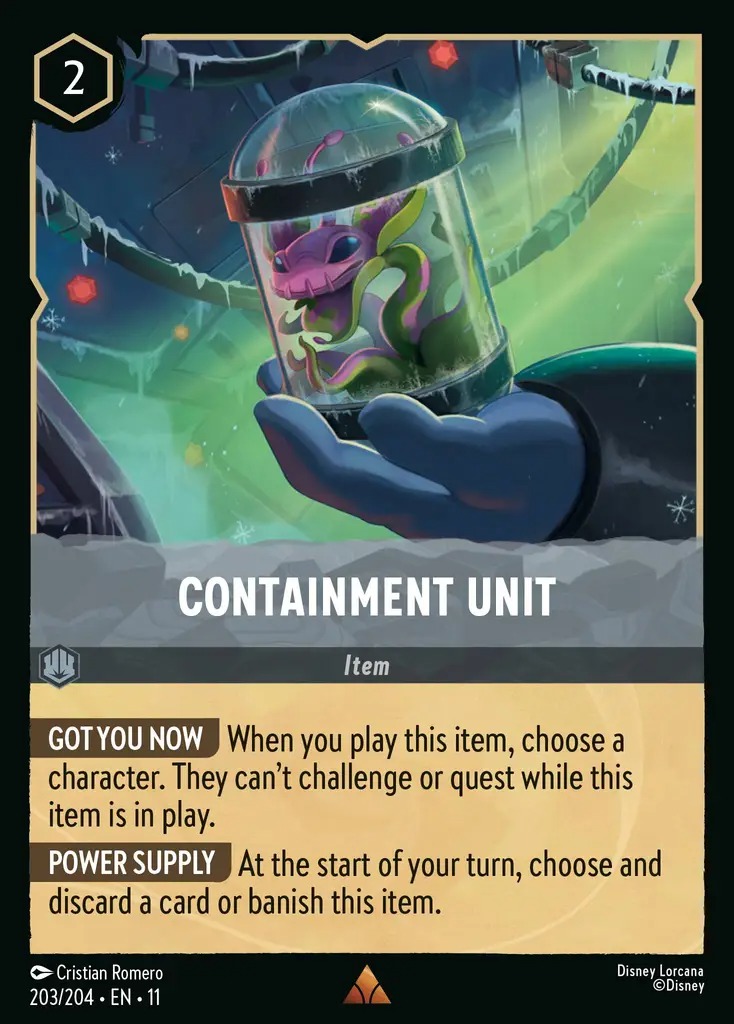
Slows down key threats, but discard cost and uninkable nature make it awkward. Use only if removal options are limited.
Super Rare
1 in every 2 packs has a Super Rare, so you might get some. Similarly, don’t play the card just because it’s a super rare, play it because they are good. A good super rare can be game breaking since not many people will open them!
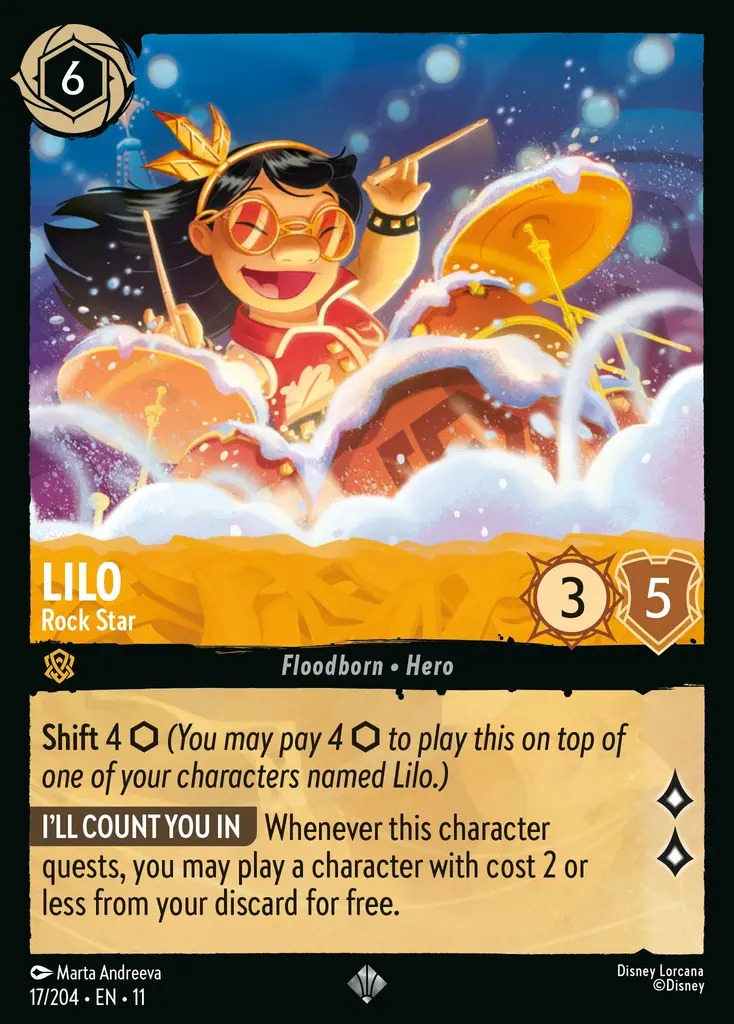
An excellent value engine. Once she’s on board, keep questing and replaying your 1- and 2-drops from discard to flood the board. Even better if you have a Lilo to shift onto.
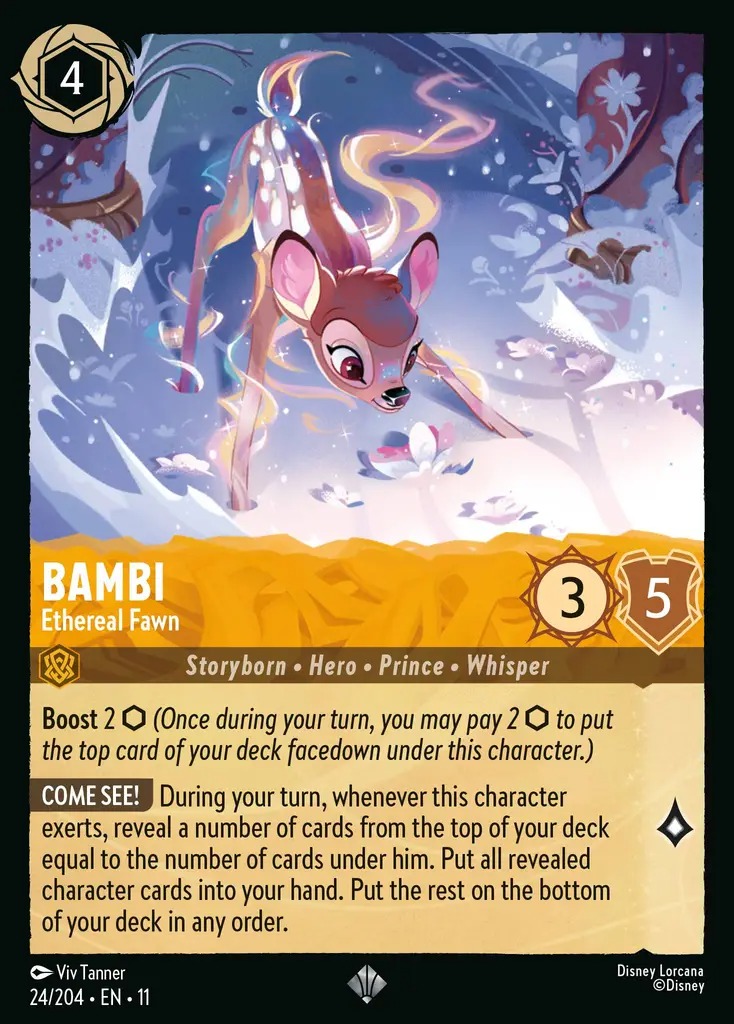
A strong late-game draw engine. Boost him, exert, and draw that many cards. They’re revealed, but card advantage matters more than surprise in sealed.
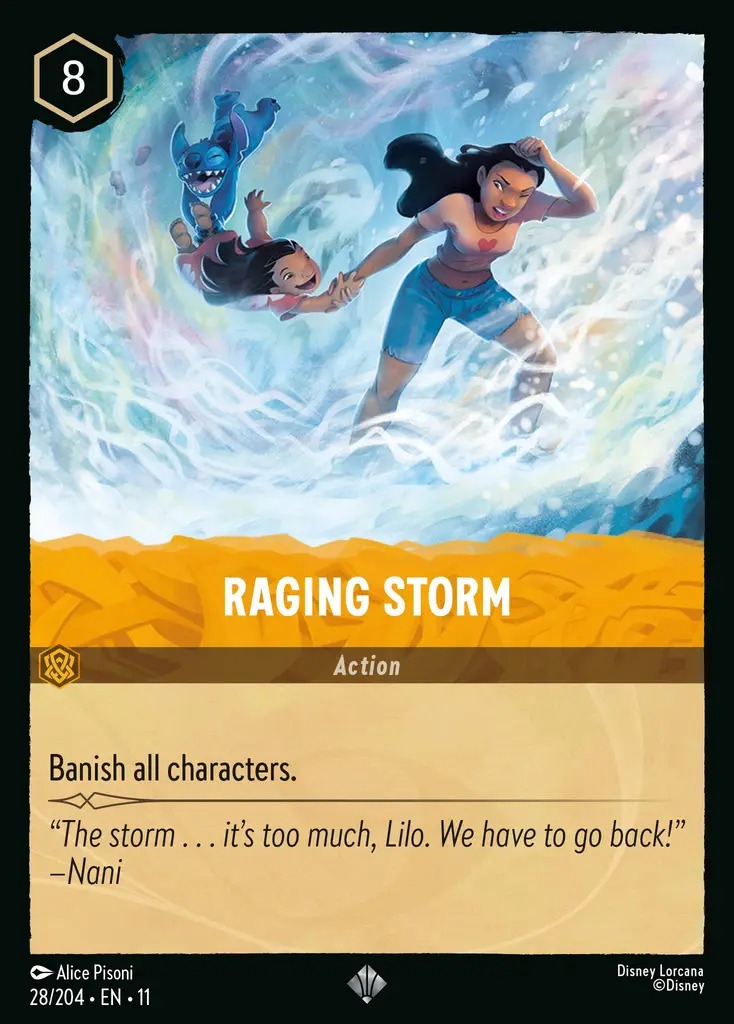
8 ink is a massive investment in sealed, and wiping the board often just lets your opponent rebuild first. Being uninkable makes it even riskier.
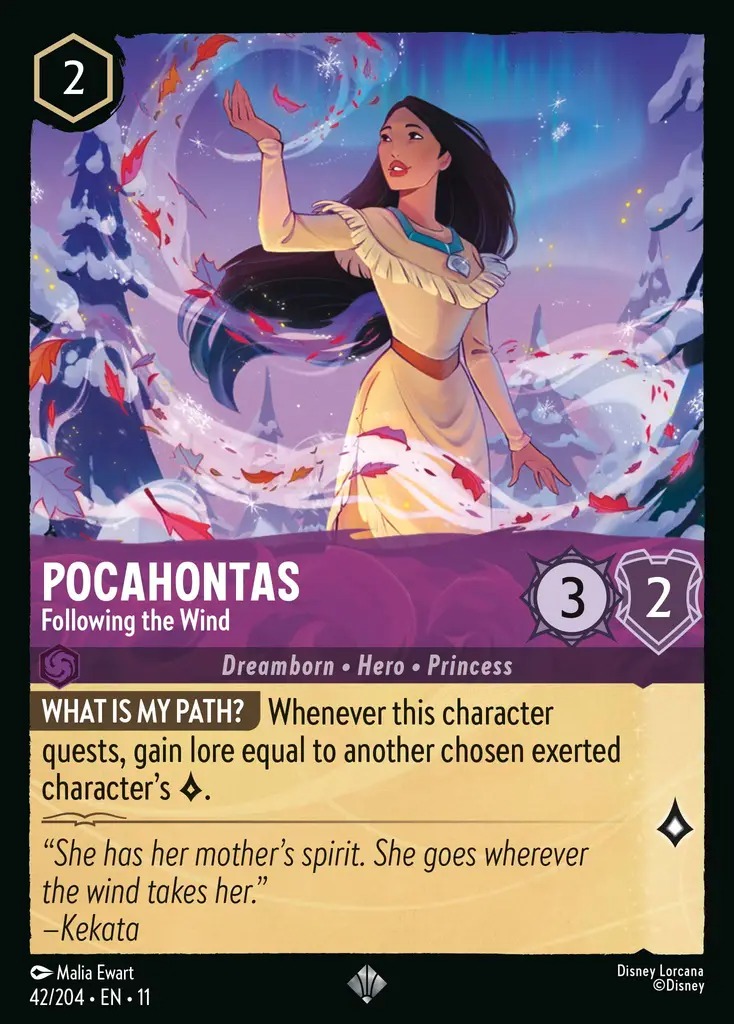
Fantastic aggro card. With another 2-lore character exerted, she quests for 3 lore. Great stats and immediate pressure—easy include.
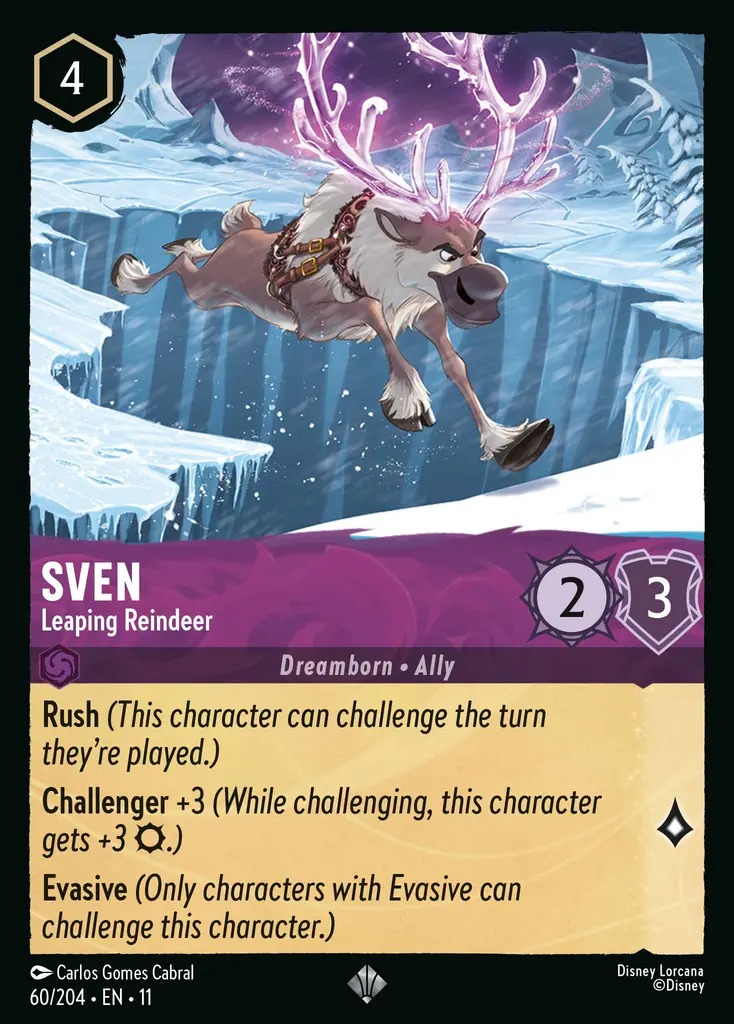
Excellent answer to evasive characters that try to sneak in lore. Can swing games and catch opponents off guard.
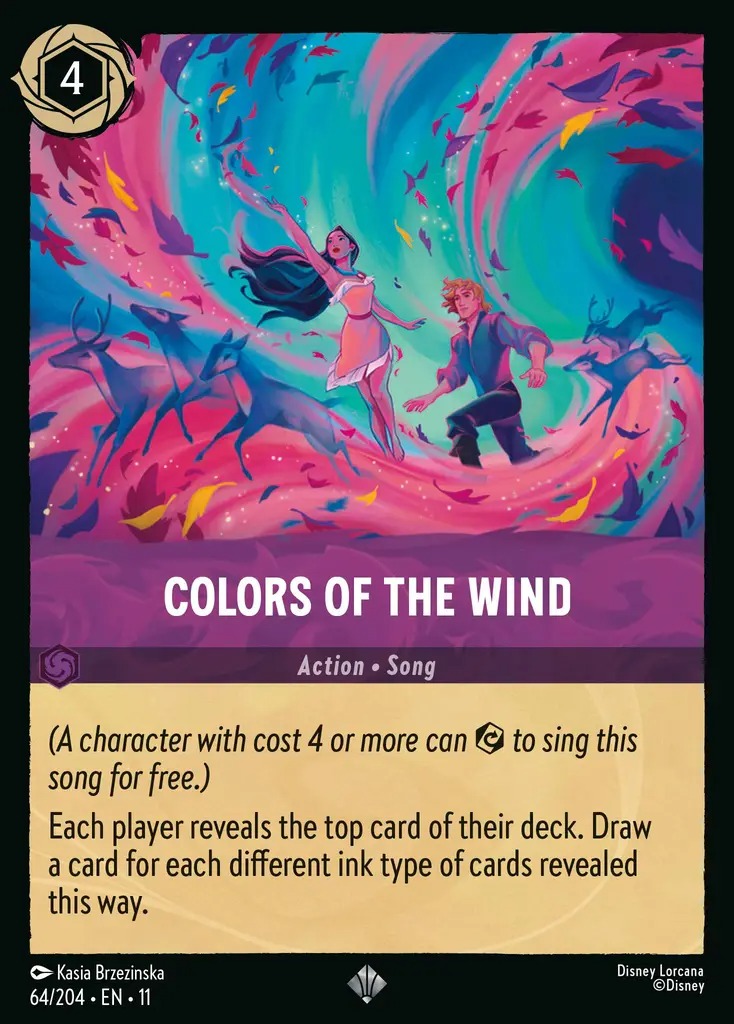
4 ink to draw 2 cards is solid, even if you sometimes only get 1. Peeking at the top of your opponent’s deck is a nice bonus.
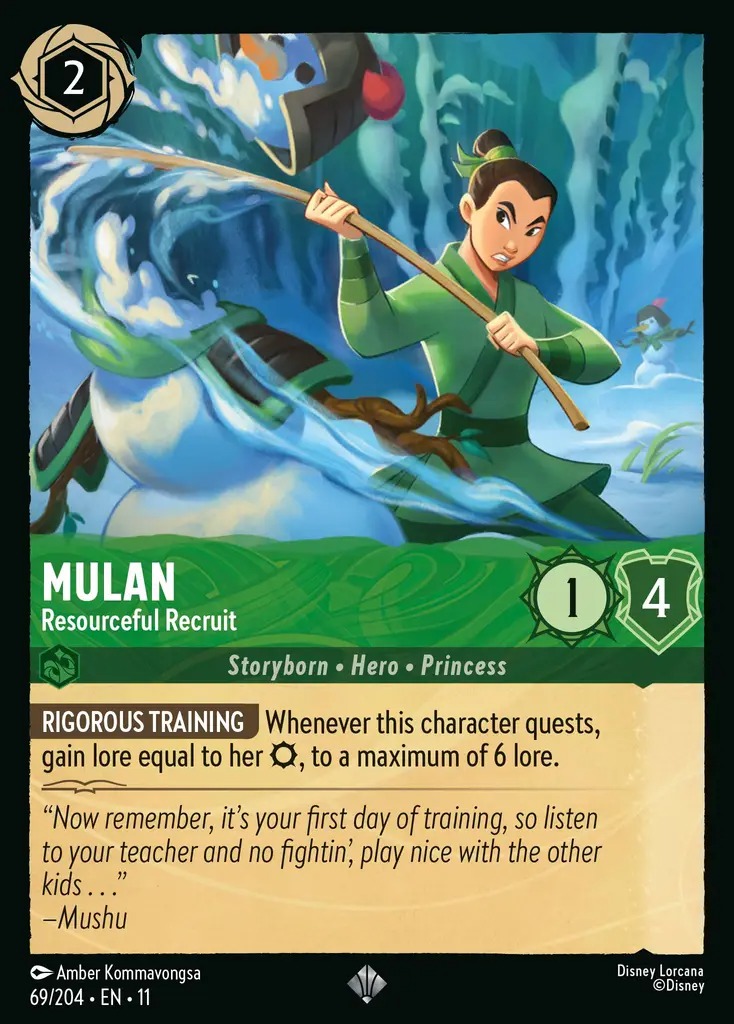
With Strength boosts, she can become a massive lore finisher (up to 6 lore). Without proper support, she’s underwhelming, include only if your deck enables her.
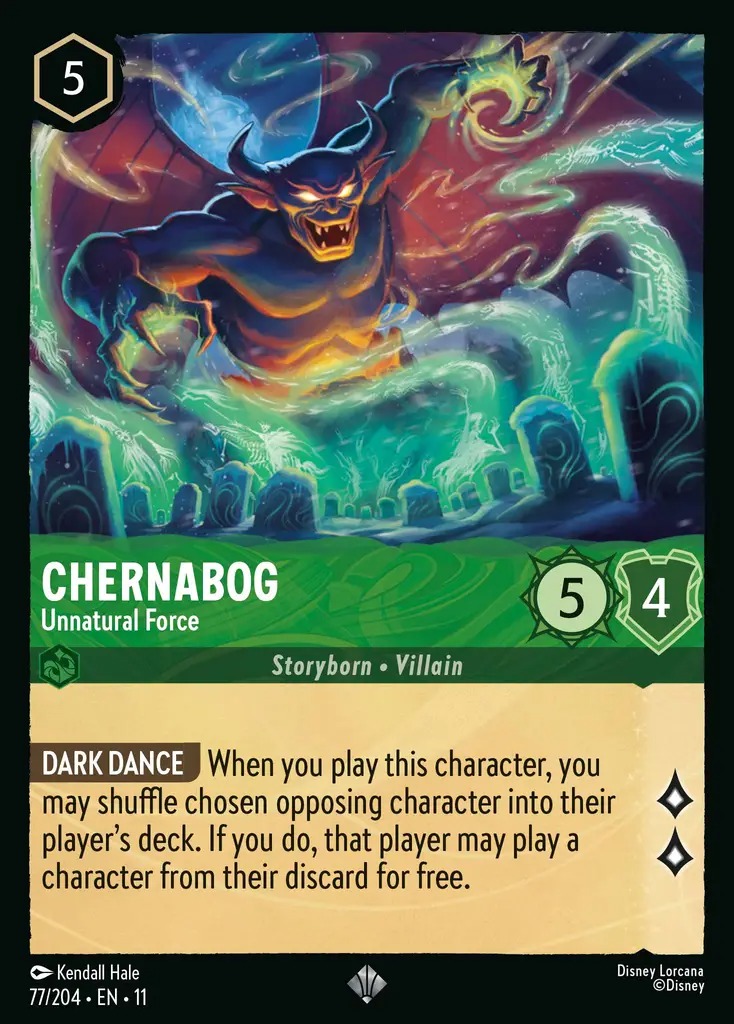
Good removal option, but always check your opponent’s discard first or they may gain value. Stats are fine for a 5-drop, but being uninkable means timing matters.
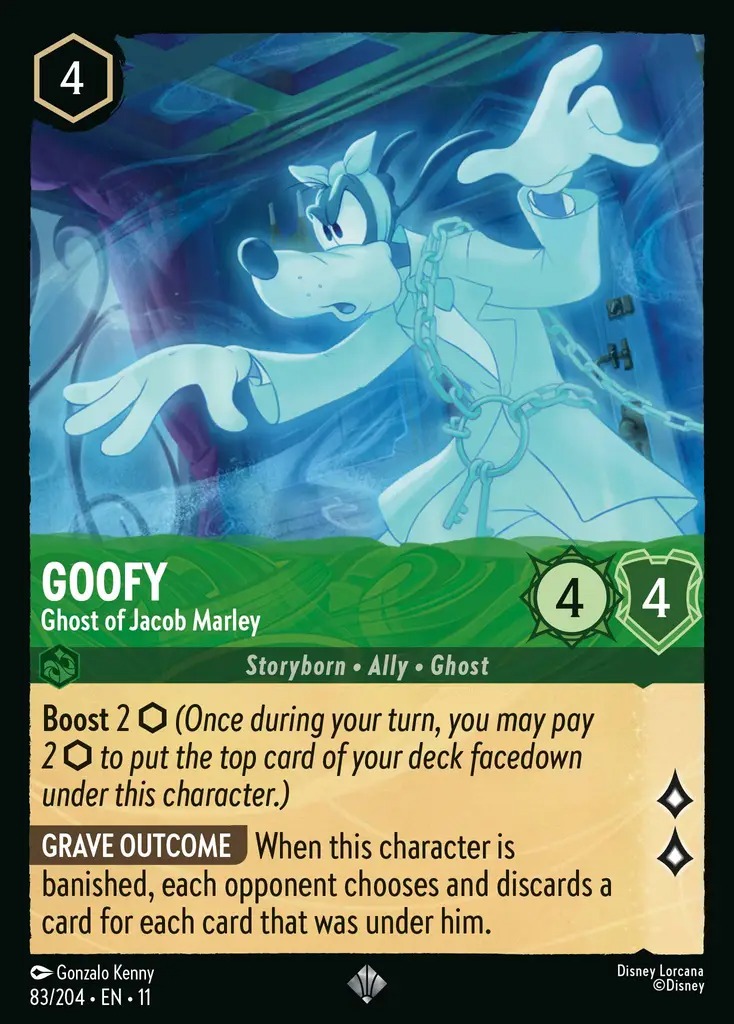
Solid stats and lore, but the real threat is forcing discards when he’s banished. Boosting him once is often enough to pressure your opponent into awkward decisions. Uninkable, so keep him in the filler pile initially.
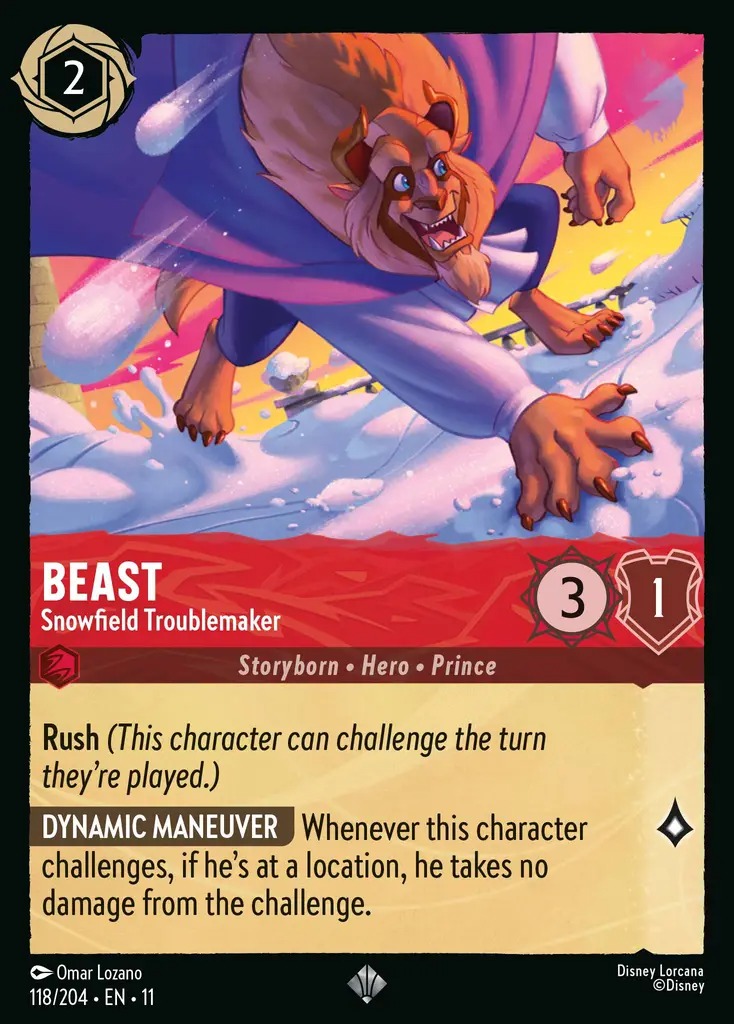
Rush plus 3 Strength makes him great at stopping early aggression. If he trades and stabilizes the board, he’s already done his job.
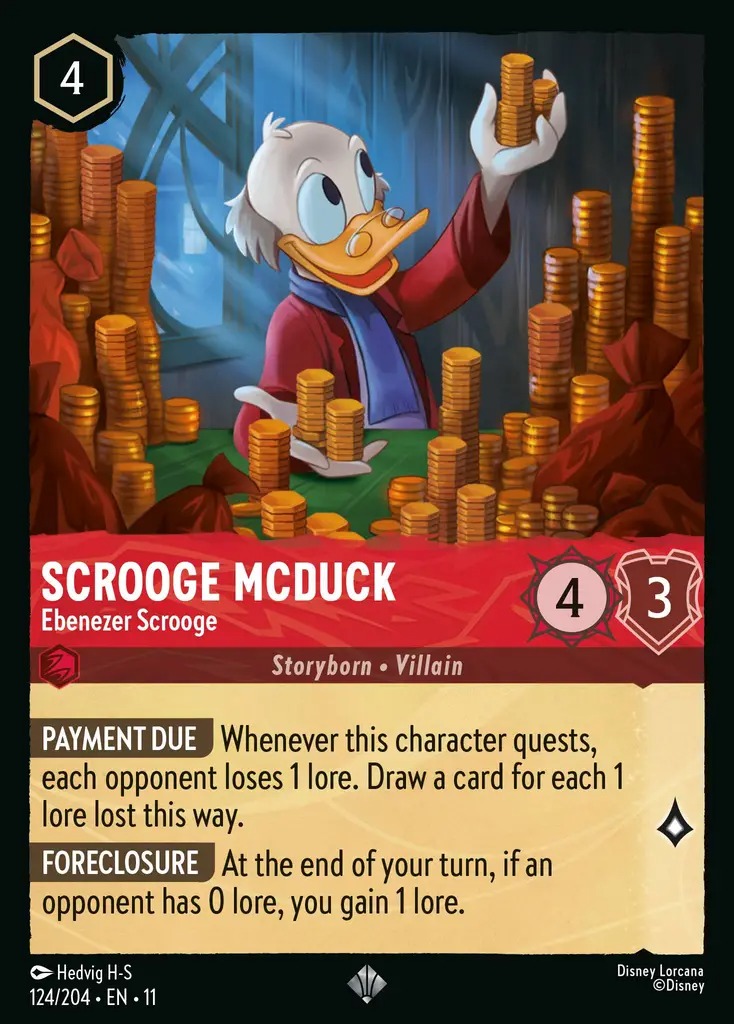
Forces your opponent to respond quickly or risk losing lore while you gain cards. Strong control and pressure combined.
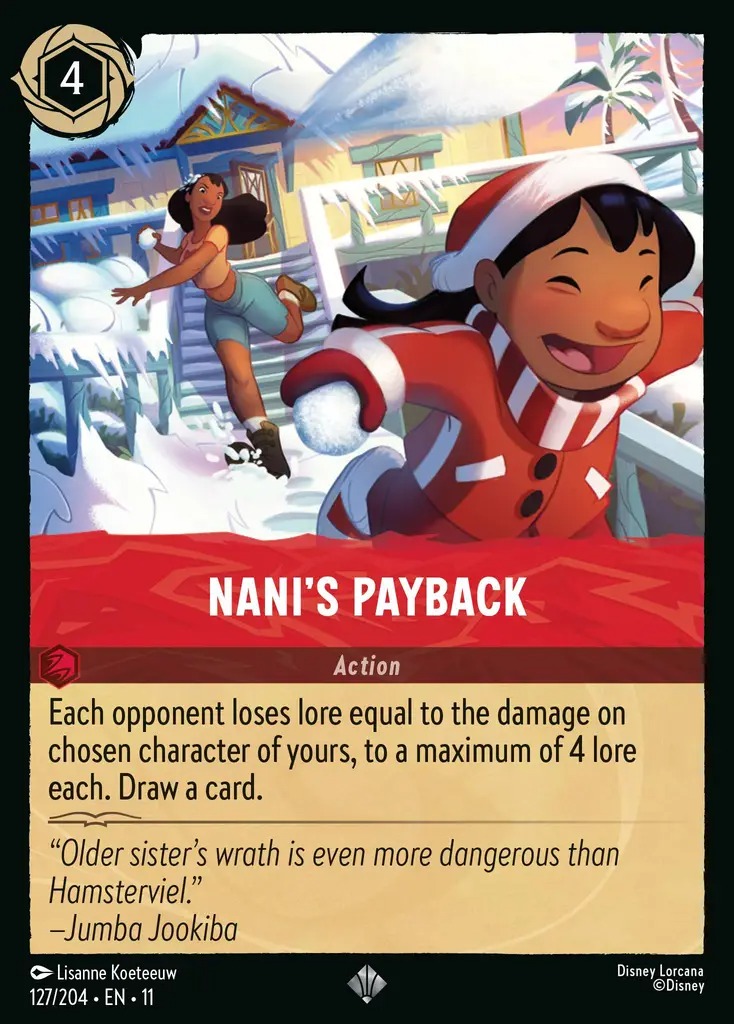
Making your opponent lose up to 4 lore is huge, and the card draw helps maintain momentum. Playable, but replaceable if you have stronger characters.
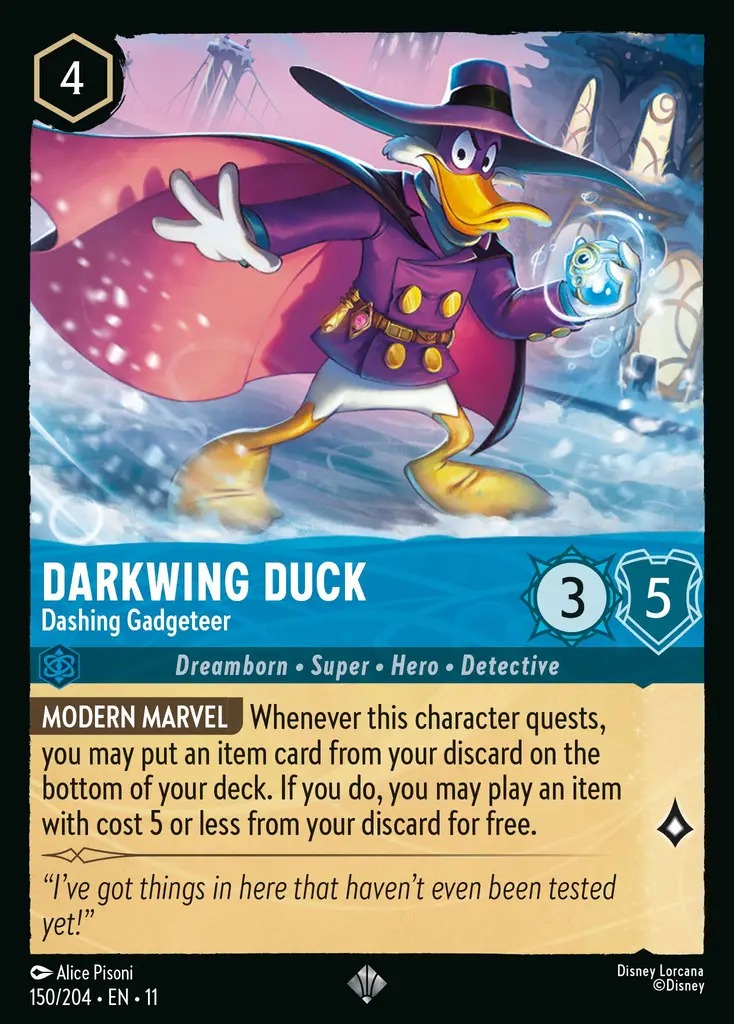
Requires precise timing and setup to maximize value, which is difficult in sealed. Generally better to focus on more consistent threats.
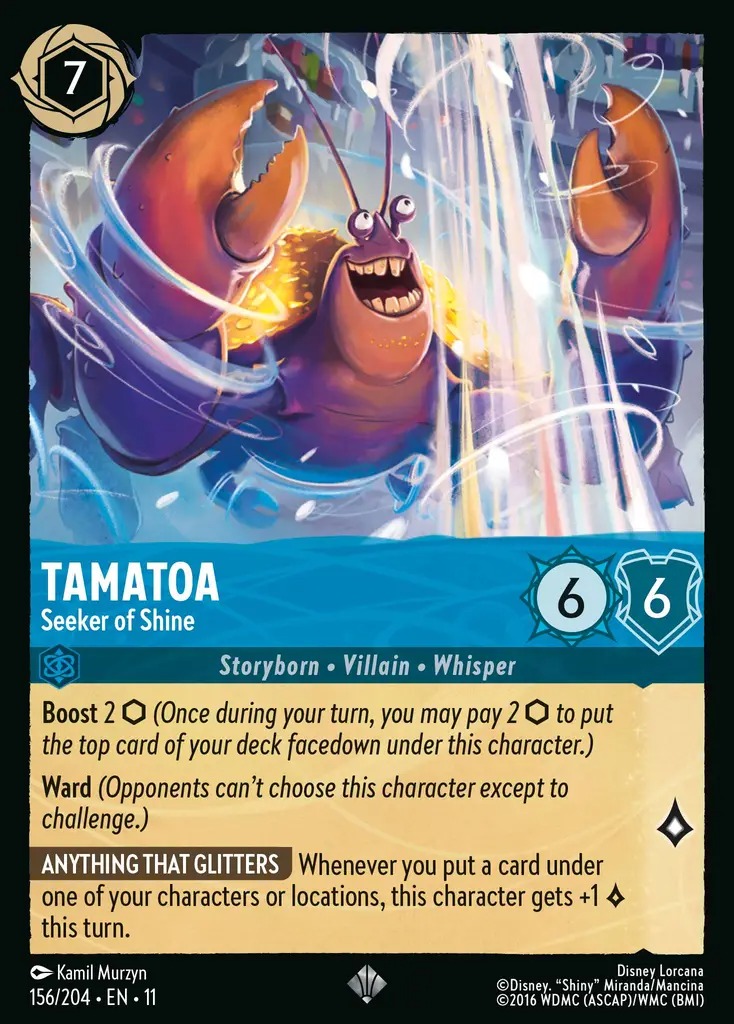
A potential end-game finisher if your deck has multiple Boost cards. Without consistent Boost support, he’s slow and unreliable for a 7-drop.
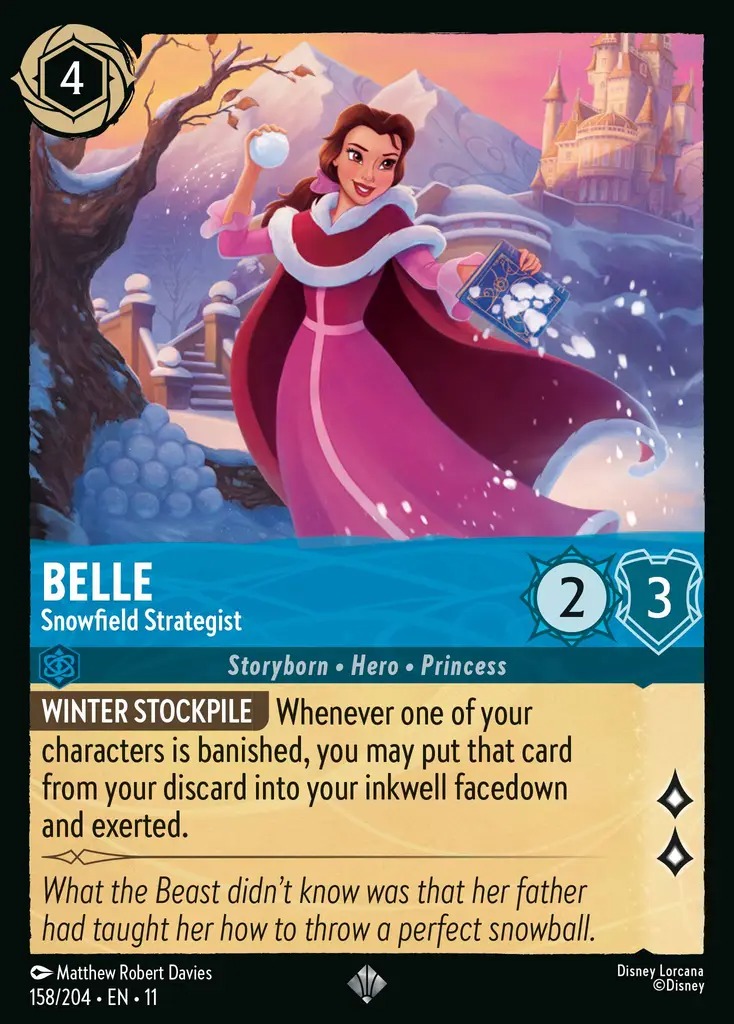
Outstanding ramp card. Turning banished characters into ink creates massive long-term advantage. If she survives, she will take over the game.
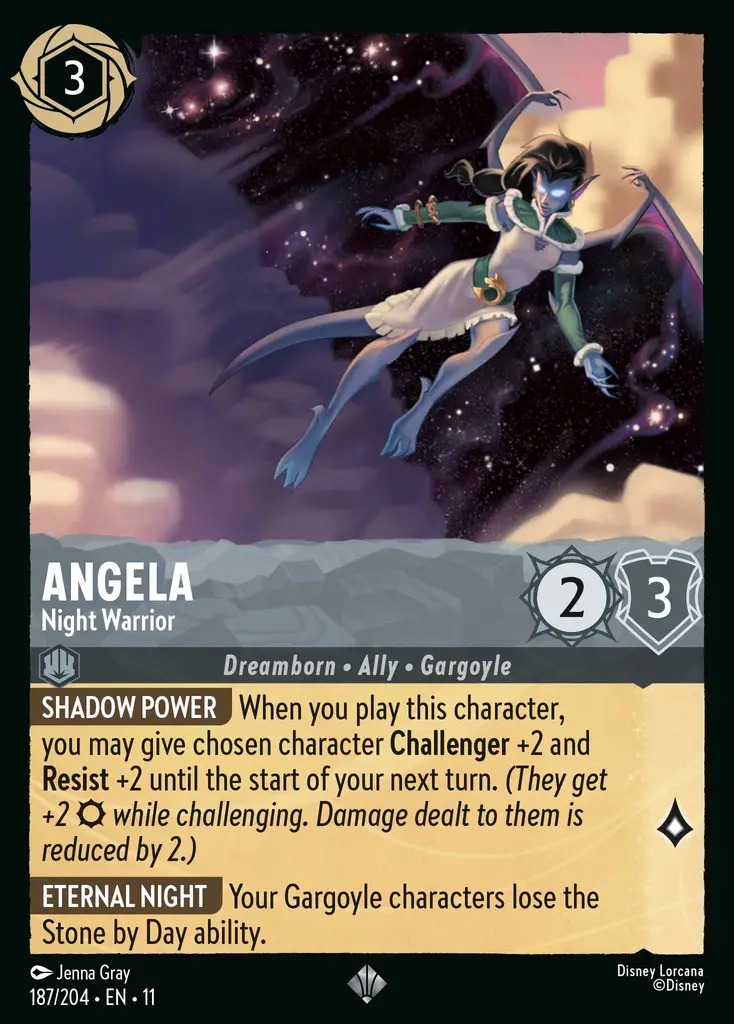
Despite limited Gargoyle synergy, her ability to make characters more threatening or more durable gives her flexibility. Solid, but not game-breaking.
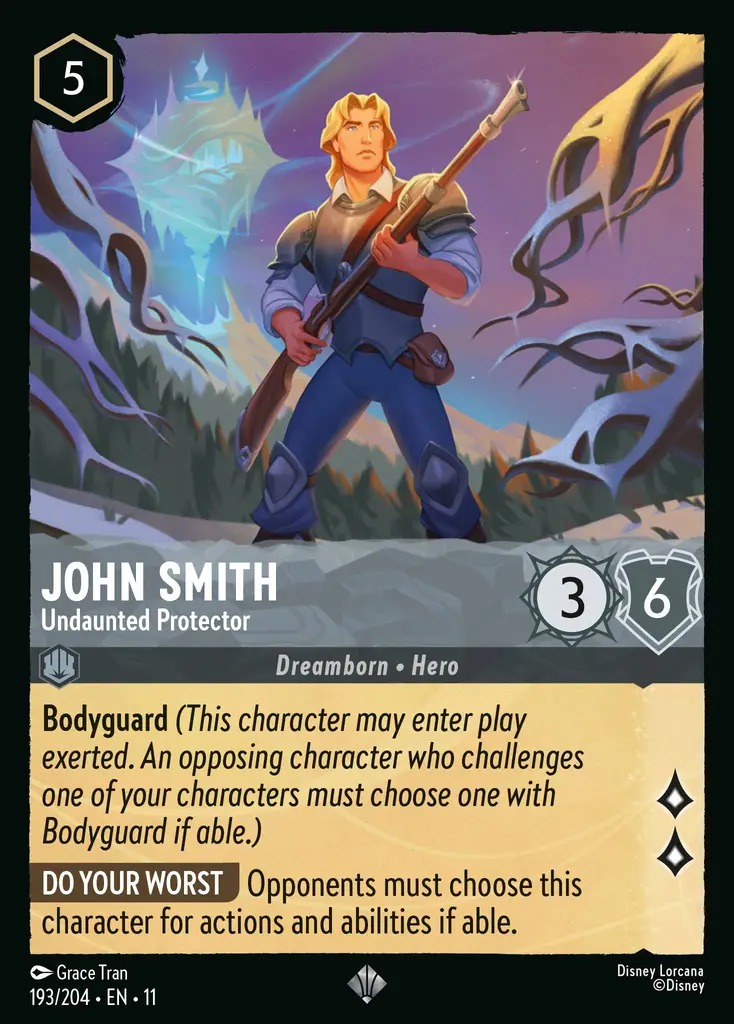
Extremely disruptive. Acts as a bodyguard and forces your opponent to target him with actions and abilities, effectively shielding your entire board. Very strong control tool.
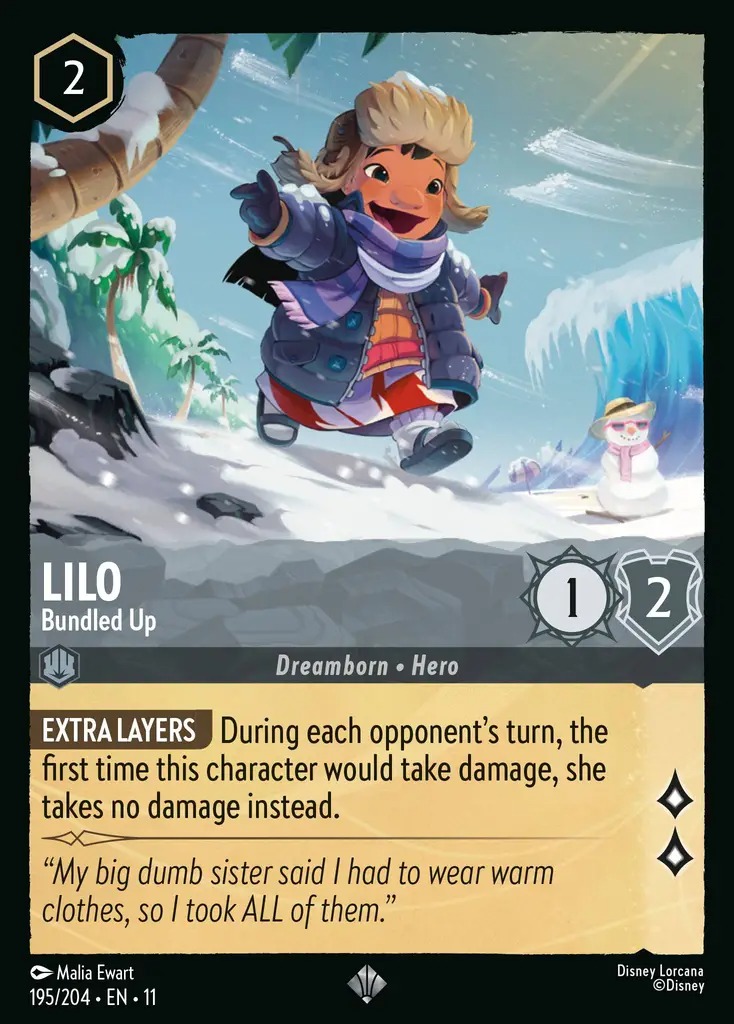
Excellent 2-drop for early lore pressure. Being immune to the first damage makes her surprisingly difficult to remove.
Legendary
Legendary cards are one of the rarest, there are only about 1 Legendary in every 4 to 6 packs, so it’s not easy getting one! Some of them cost a lot and some can win you the game in this format.
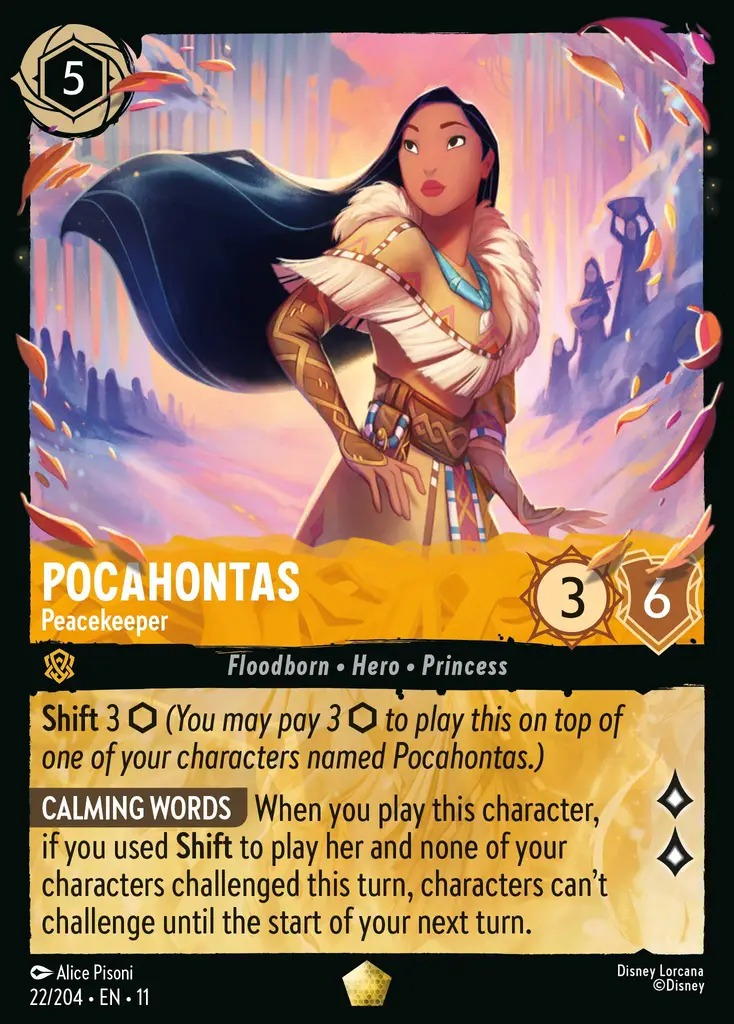
Potentially game-ending, but very conditional. You’ll need to shift her to fully lock out challenges and safely quest with your entire board. Powerful when it works, but tricky to set up, keep her in the filler pile unless your pulls support her win condition.
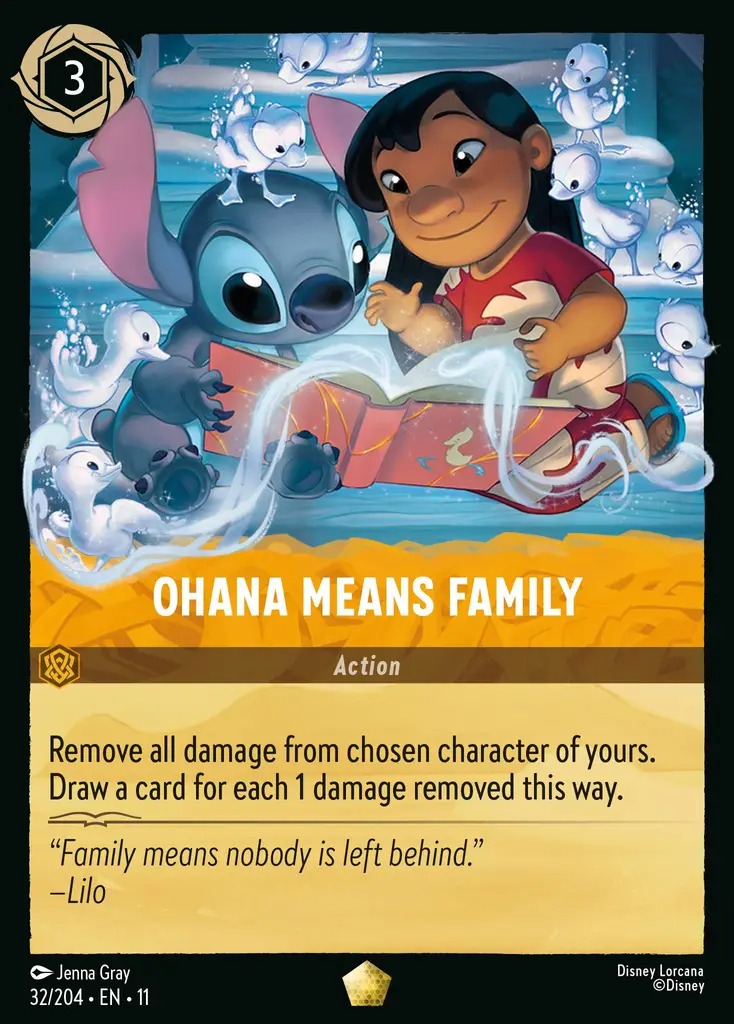
An outstanding value card. Heal a character and draw cards equal to the damage healed, this becomes a strong draw engine for just 3 ink. Easy to trigger and extremely impactful.
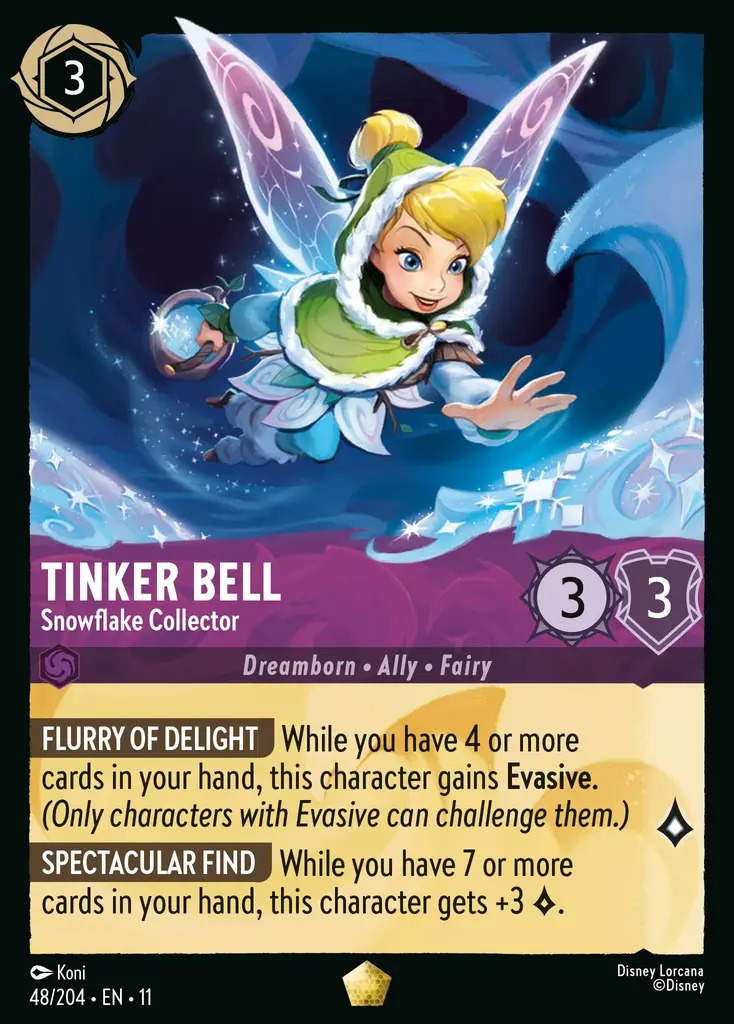
In sealed, maintaining 7 cards in hand is difficult, so treat her mostly as a standard 3-drop. The Evasive condition is unreliable, making her less impressive than she looks. Filler-level legendary.
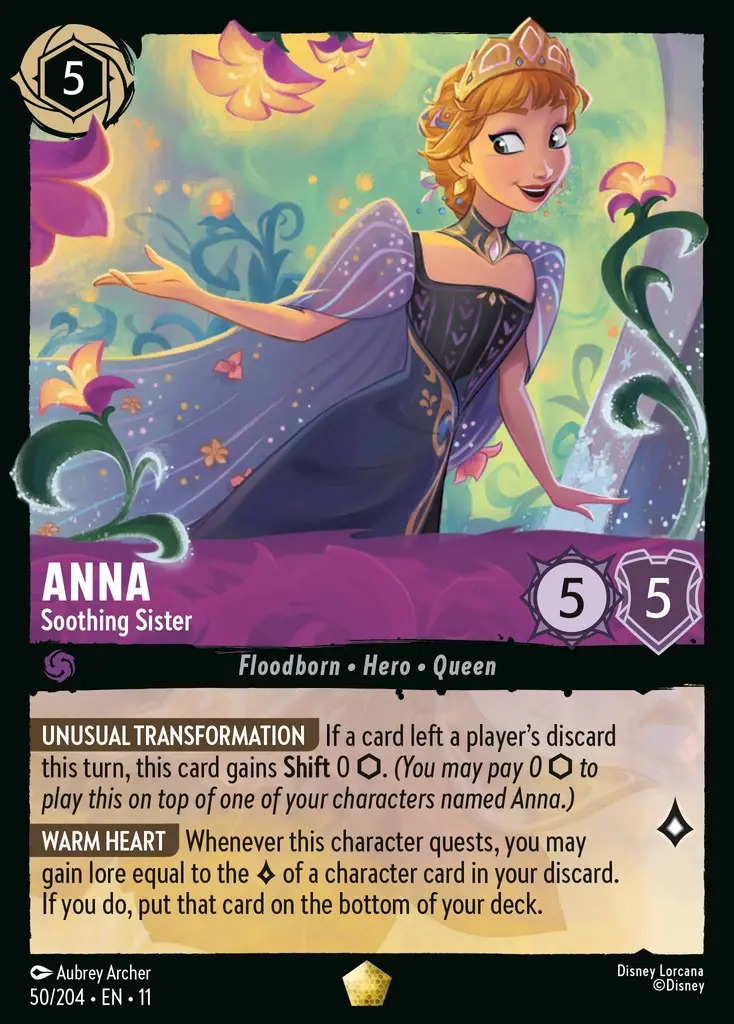
A solid bomb even without shifting. Playing her at 5 ink gives you lore, card cycling, and good board presence. Shifting her out early is excellent but not required.
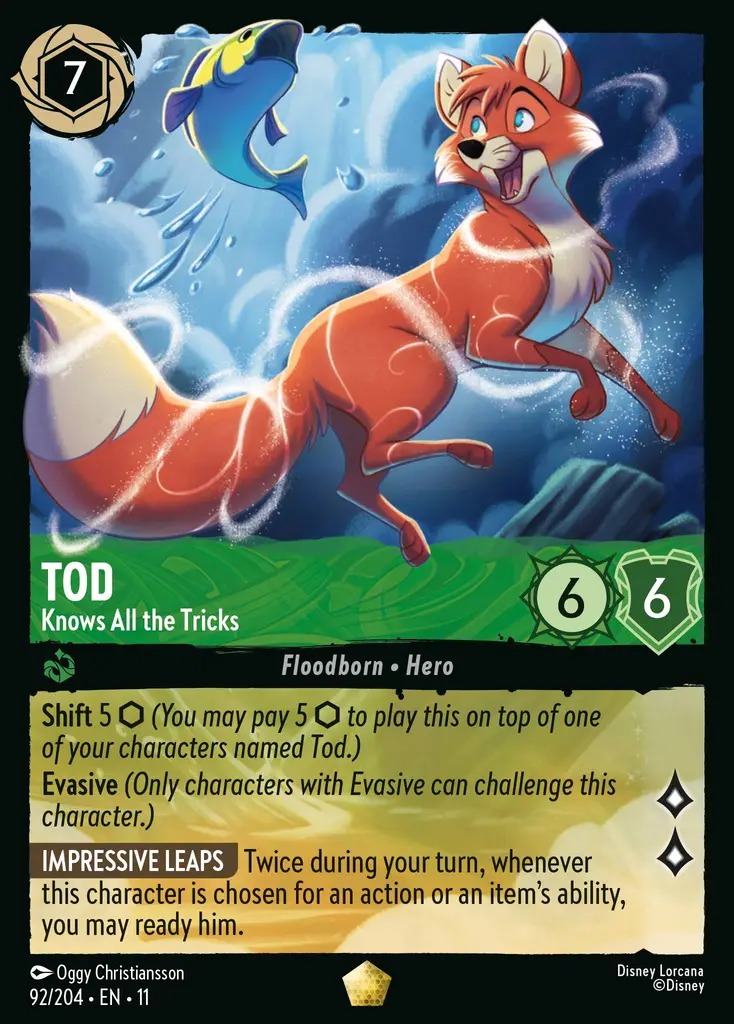
An excellent late-game threat. Shifting him early is ideal, but even without it, his ability to ready himself when targeted allows him to quest for massive lore or challenge repeatedly. Evasive makes him hard to remove. Keep him in your deck and ink him only if unnecessary.
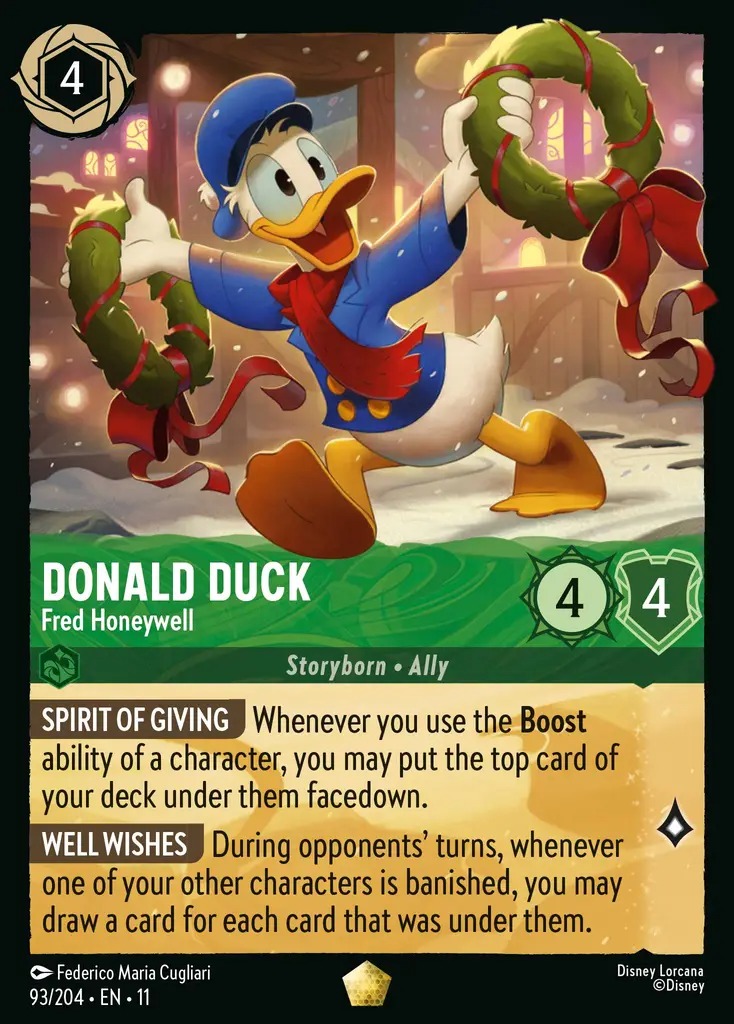
Fantastic Boost support. Enables double Boost turns and draws cards when boosted characters are banished. Works well with shifted characters and isn’t hard to enable. Very strong synergy piece.
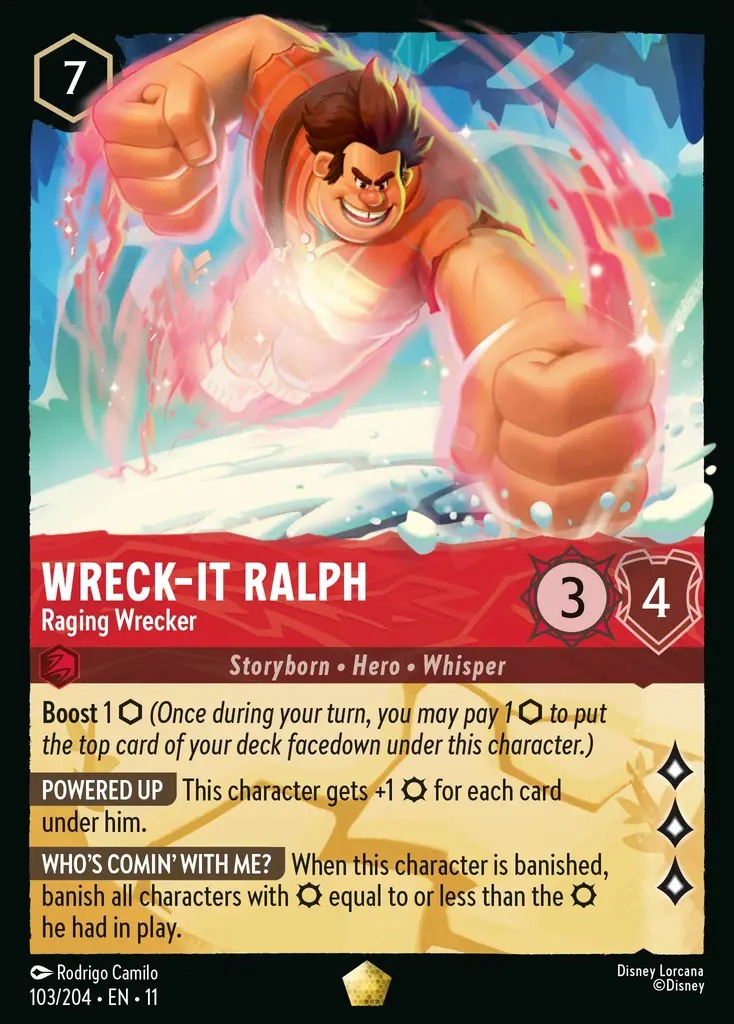
High ceiling but risky. He can grow very large and doubles as a board wipe, but the effect hits your own characters too. Being uninkable makes him awkward in sealed, and setup can be clunky.
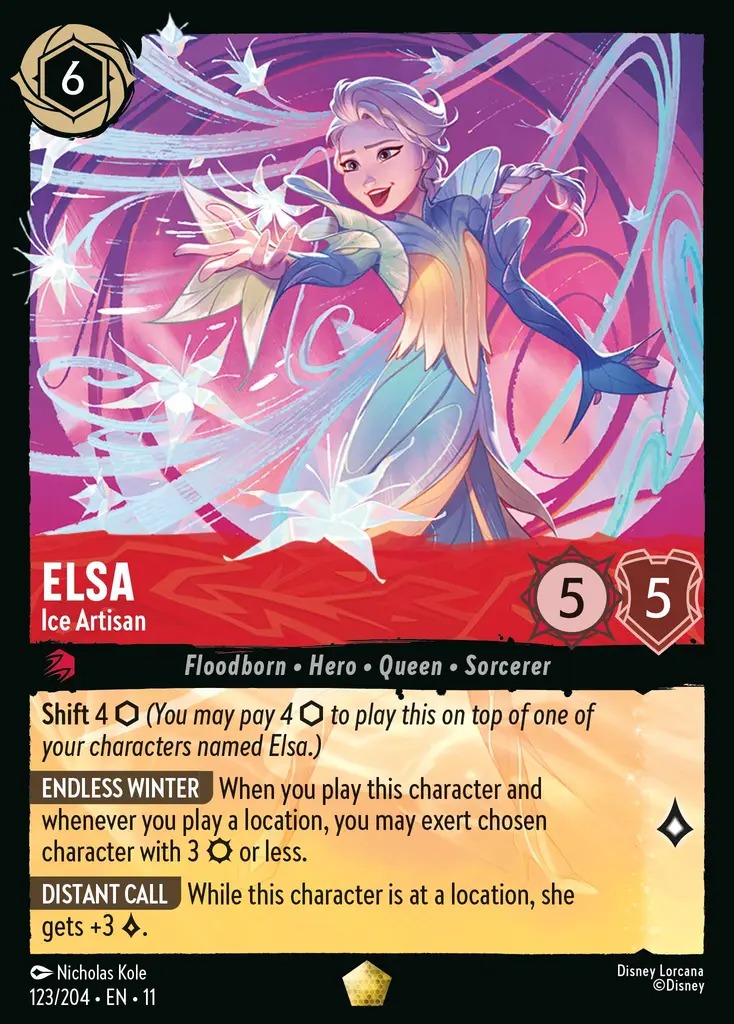
Heavily reliant on locations and specific timing. Requires deckbuilding around her to function, which is difficult in sealed. Too inconsistent overall.
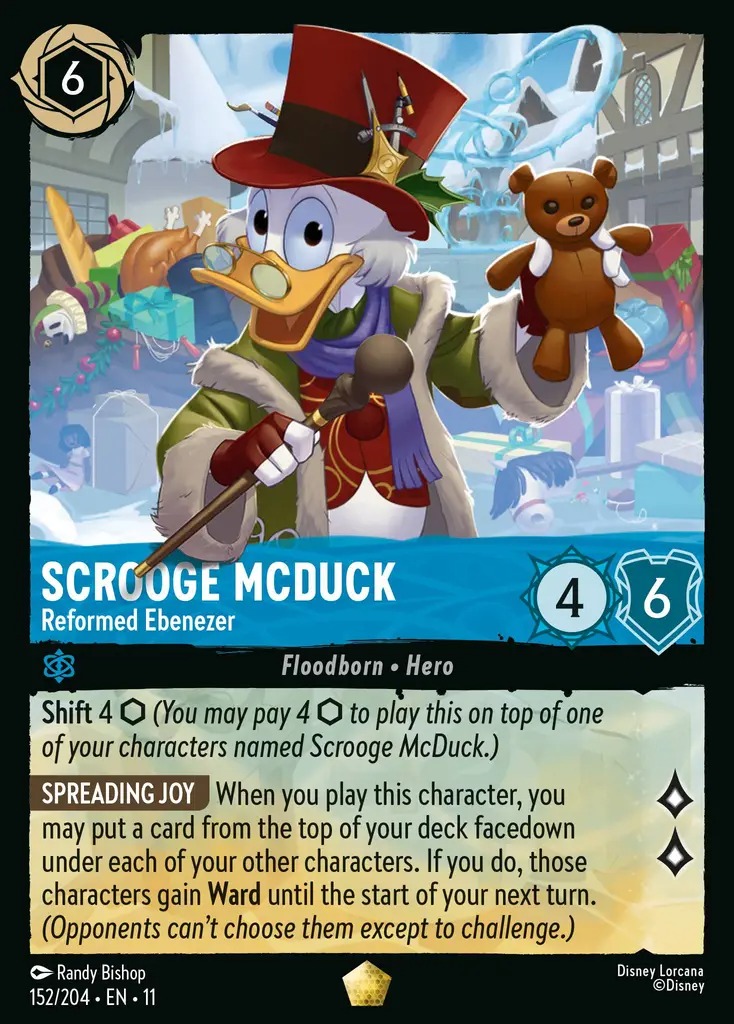
Excellent support card. Provides free Boosts and can grant Ward without additional cost. Strong utility, good synergy, and helps cheat value over time.
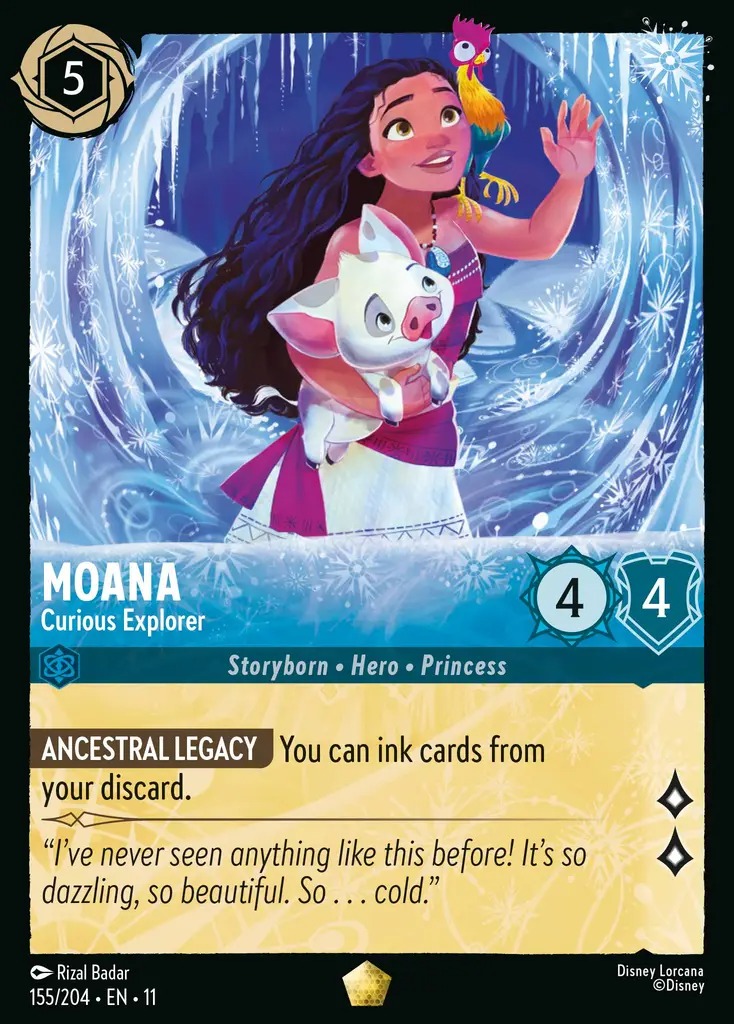
An exceptional support engine. Turns your discard pile into ink, keeping your hand strong while maintaining tempo. Extremely powerful in long games.
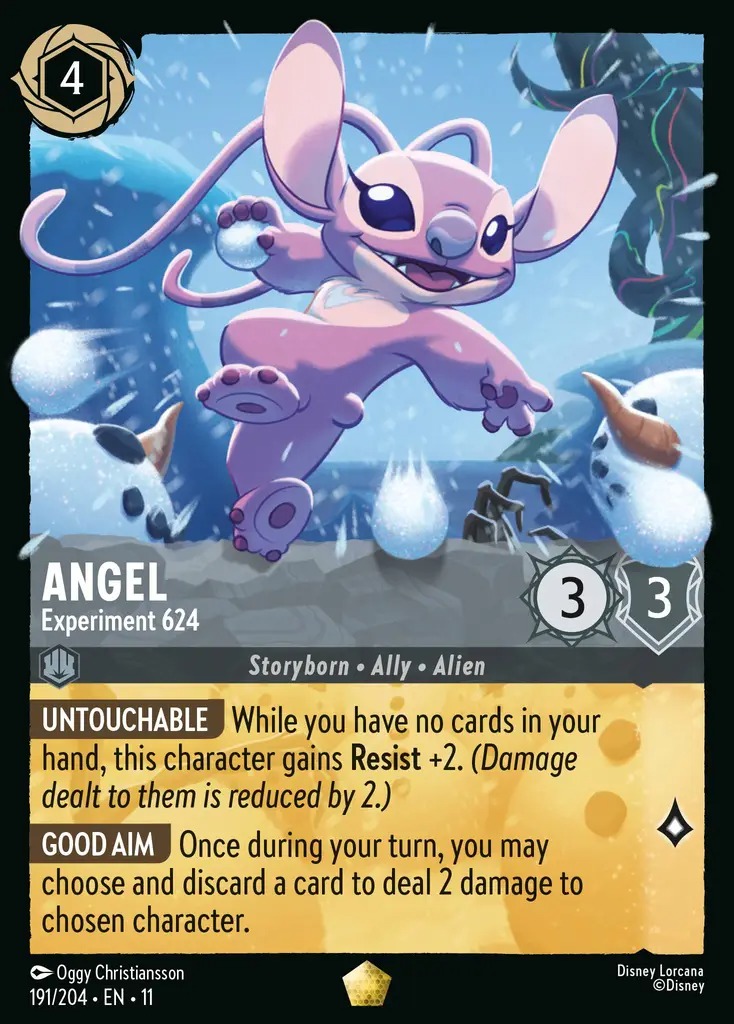
A strong removal-oriented character. Discarding a card to deal 2 damage can help stabilize the board and prolong the game. Flexible and impactful.
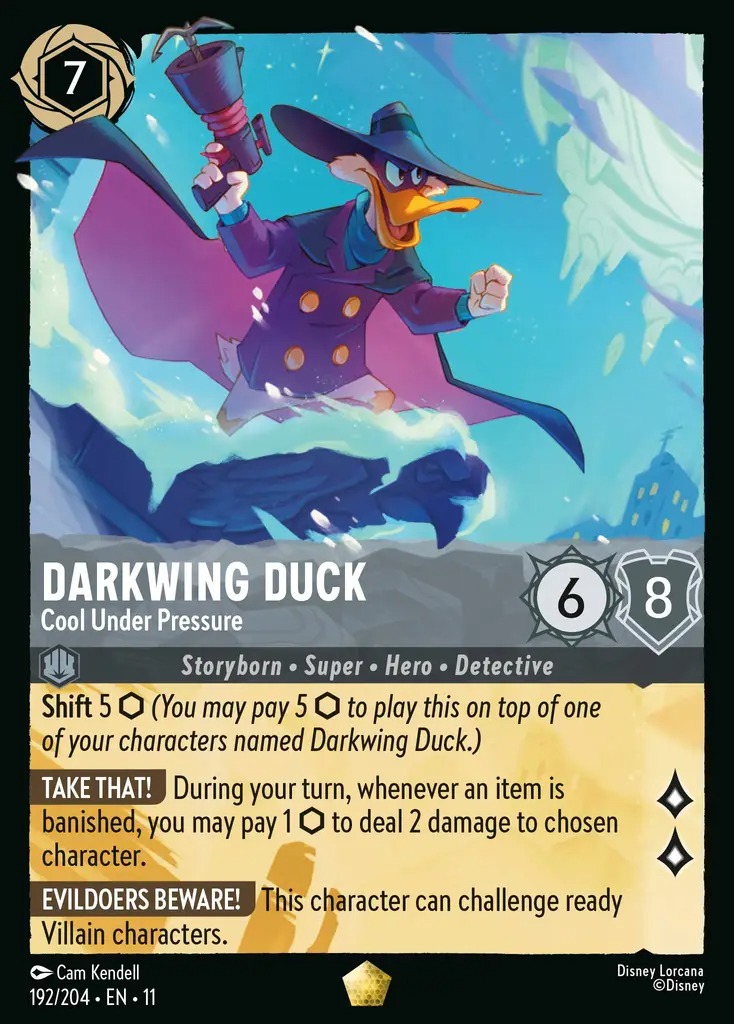
Hard to fully enable. Requires an item-heavy deck and consistent ways to banish items just to deal incremental damage, plus ink costs on top. Can challenge ready Villains, which gives it some filler value, but overall setup-heavy.
Putting it all together
After sorting your pool, most players will naturally start with their BREAD cards.
These cards form the core of your deck, but in sealed, they almost never add up to a full 40 cards.
That’s where your filler pile comes in. All the neutral or potential cards are going to fill up your 40 card deck!
Filler isn’t there to be exciting.
It’s there to help your deck function.
Curve Fillers
The easiest way to upgrade a sealed deck is simply to make sure it can play the game on every turn.
When choosing filler, start by checking your curve:
- Separate your BREAD cards into 1 -cost, 2-cost, …., 5-cost, 6+ cost
- A typical ink curve deck will have about
- 4 x 1 Cost
- 6 x 2 Cost
- 10 x 3 Cost
- 10 x 4 Cost
- 6 x 5 Cost
- 4 x 6+ Cost
Try to balance out the ink curve, if your deck has too many high cost, it creates a gap in the early turns and you might not control your opponent’s aggression. If you have too many low cost, you will gain lore early but when it reaches the mid to end game, you find yourself struggling to make an impact.
Inkable Cards
This is very important, but try not to have more than 7 uninkables in the deck as it can create an awkward situation where you cannot ink cards during a turn and you cannot play anything in hand. If your uninkables are low in cost then you can increase the number, else, try not to exceed your uninkables too much. Switch out some of your uninkable fillers to an inkable card if you don’t feel secure.
Combos
Some filler cards don’t look impressive on their own, but with another card, they can create a dominating effect!
Still, if a card only works when you draw another specific card or card type, it’s usually better left in the filler pile unless the chance of the combo happening is high. A vanilla card is more consistent.
A final look
Before locking in your deck, do a quick sanity check:
- Can you play something meaningful in the first 3 turns?
- Do you have enough inkable cards?
- Do your filler cards help you survive until your good cards come in?
If the answer is mostly yes, your deck is probably in good shape. If not, you can consider rebuilding.
Example
If you want an example of how I would build my sealed deck, please visit Lorcana Set 11 Winterspell Sealed Guide (Example 1), Lorcana Set 11 Winterspell Sealed Guide (Example 2)
Conclusion
Finally, if your pulls end up looking rough, don’t feel bad! Sealed limits everyone, even very strong players. Sometimes the best skill is building the best deck you can from an imperfect pool and playing it well.
At the end of the day, sealed is about learning, adapting, and having fun with what you open. Build the best deck you can, play it with confidence, and enjoy the experience!
Bonus!
Before we wrap up, here’s a quick bonus segment for some of the shiniest pulls you might see in your sealed pool
Epics
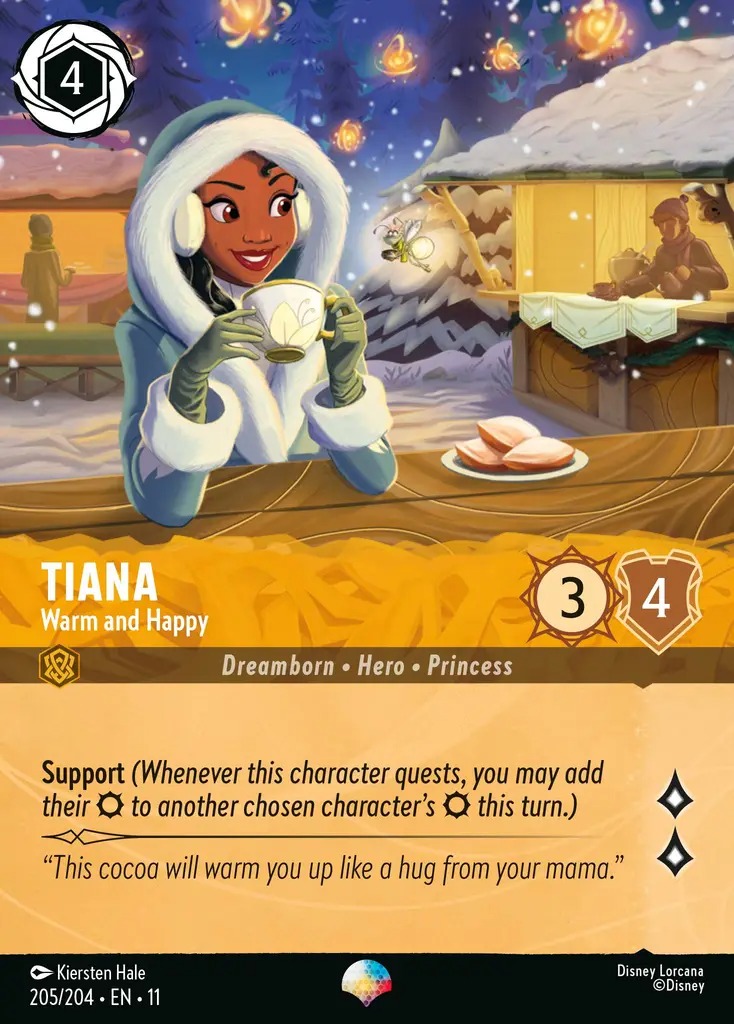
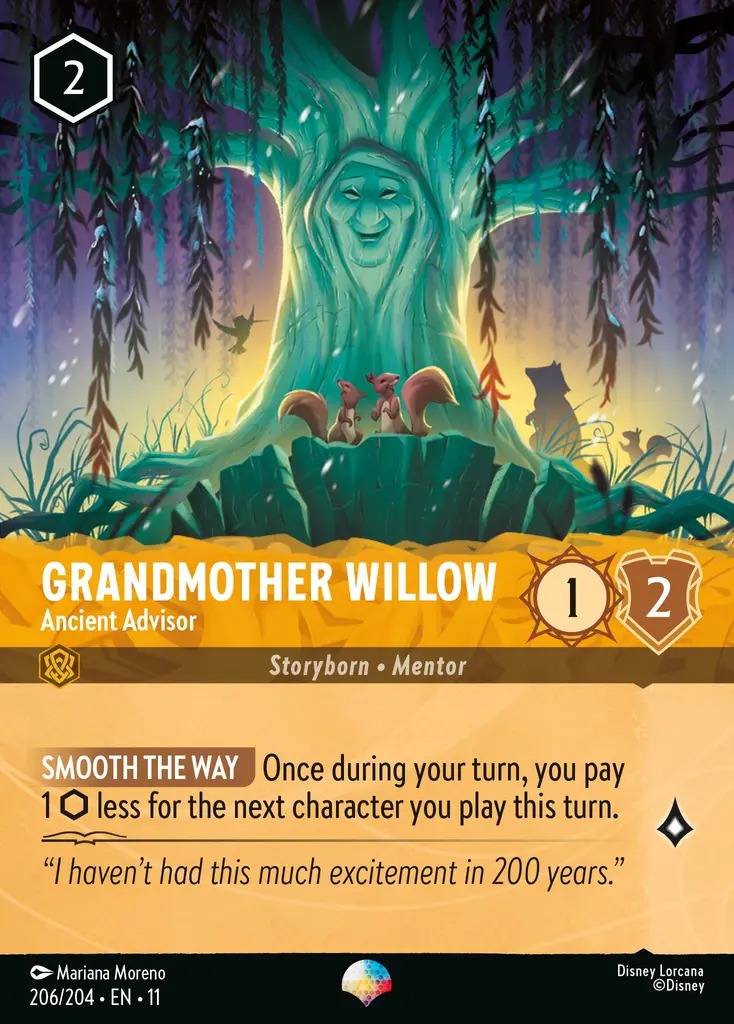
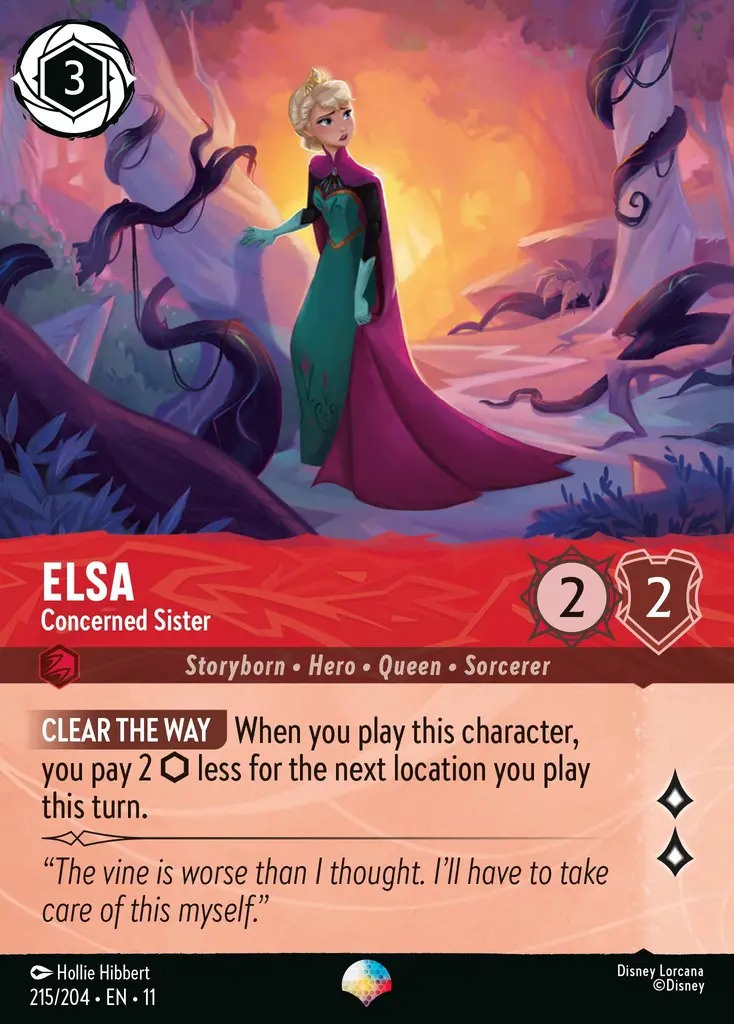
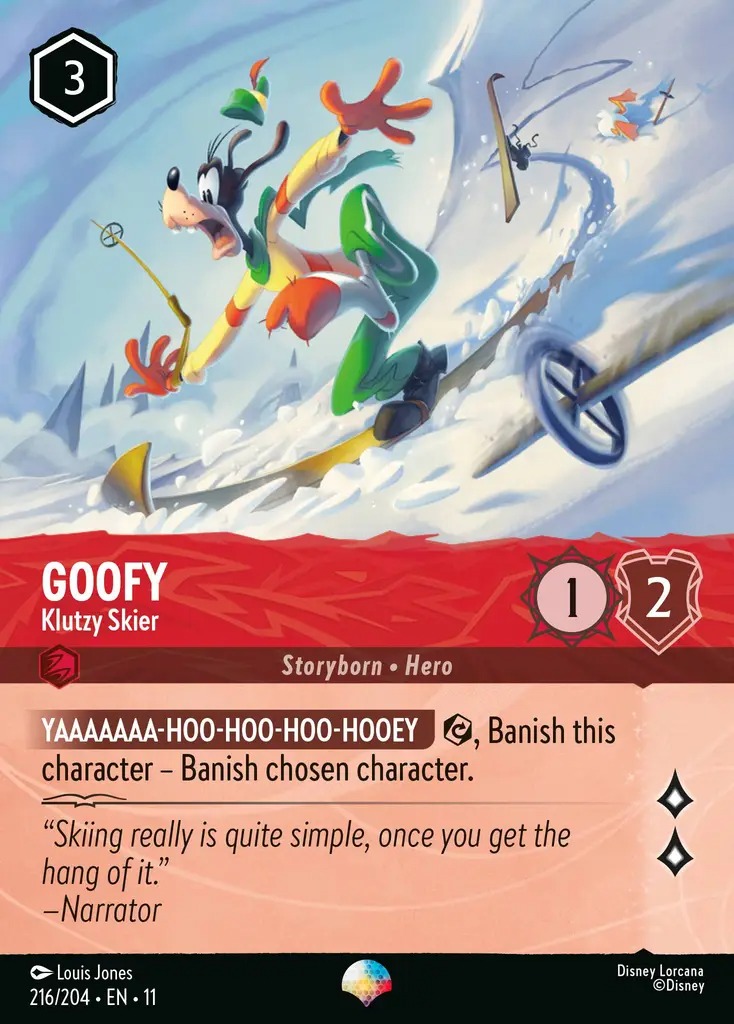
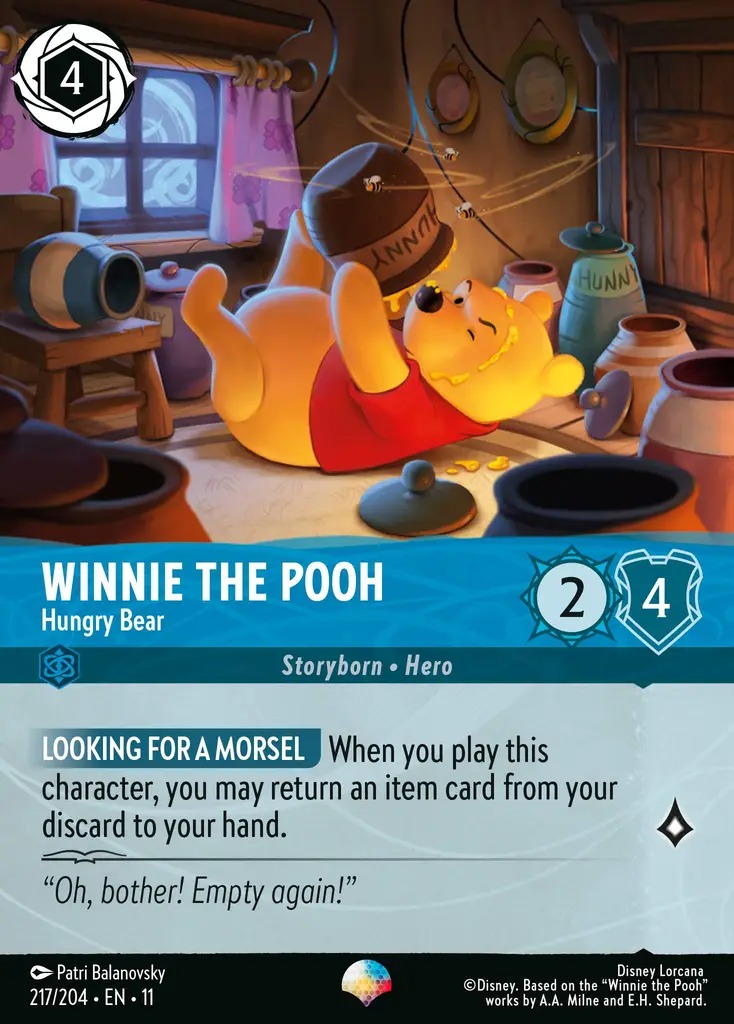
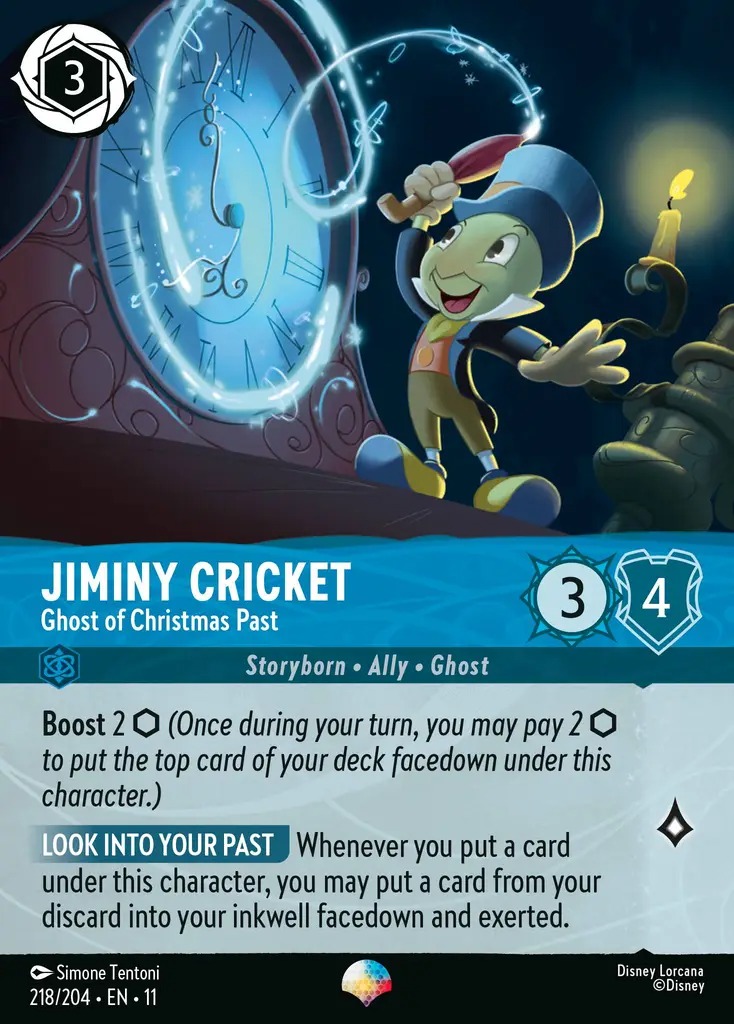
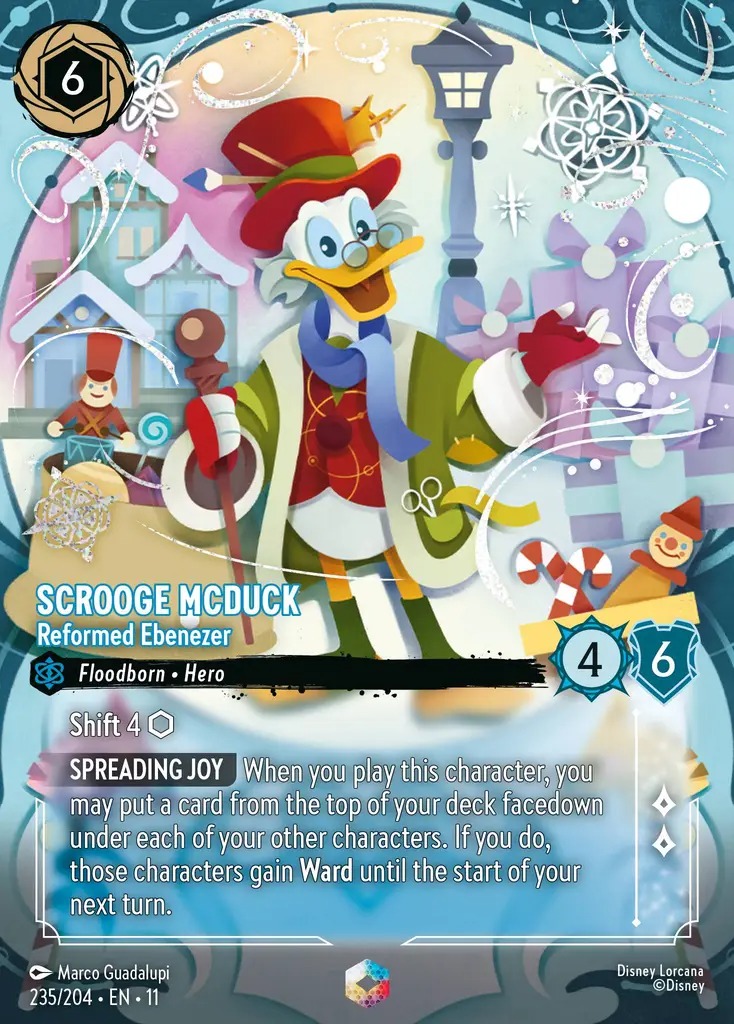
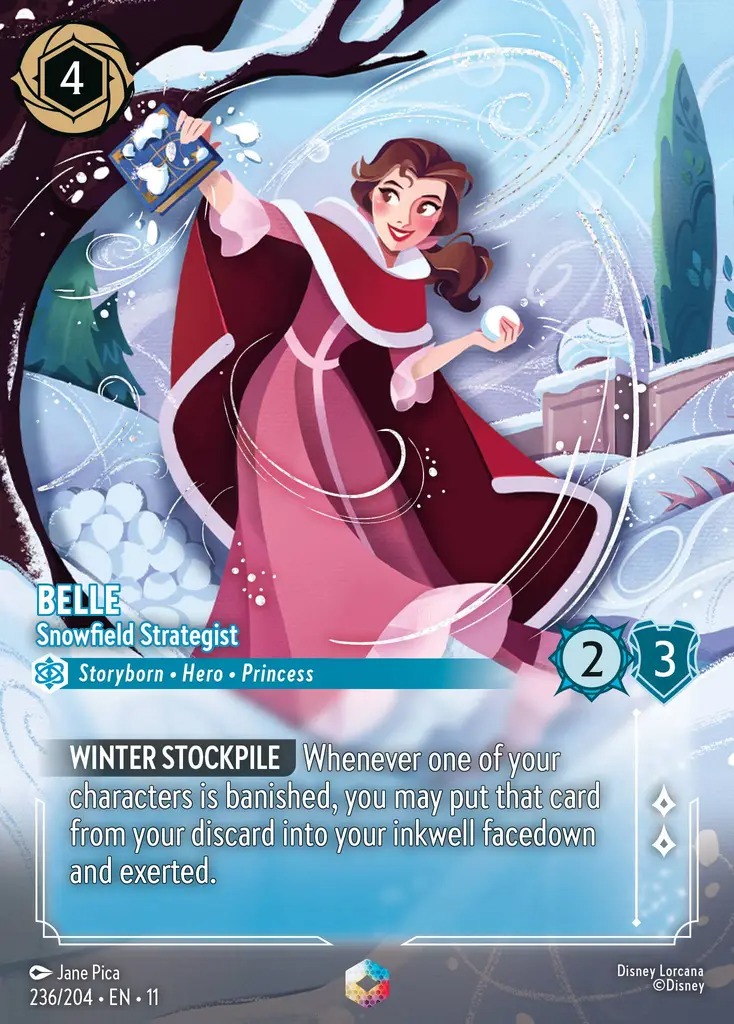
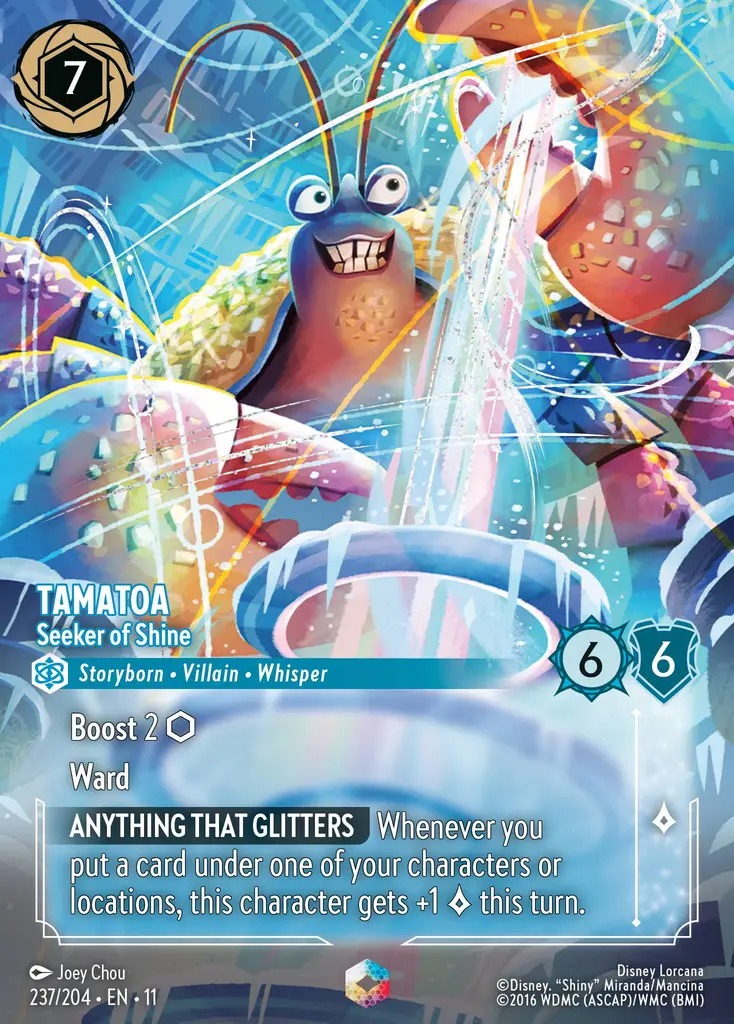
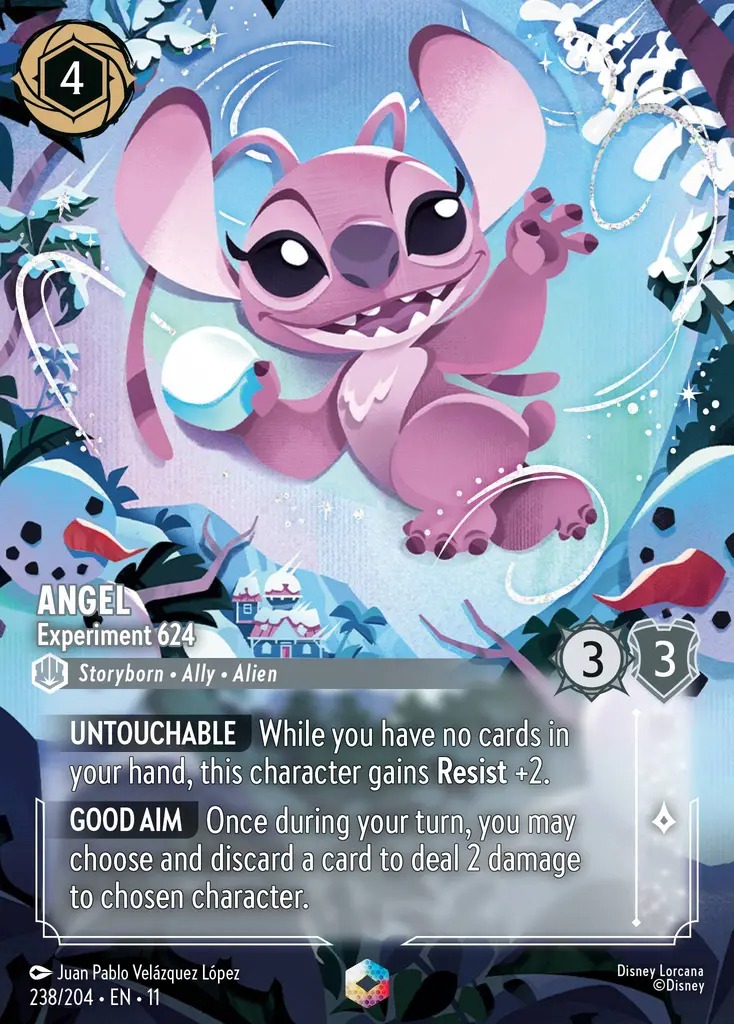
Epic cards use the same artwork and text as their Common or Uncommon or rare versions, the only difference is the foil treatment and visual flair.
- Playability: Exactly the same as their non-Epic versions
- Rarity: Roughly 1–3 Epics per booster box (24 packs)
- Sealed impact: Treat them like the original card, shiny doesn’t mean stronger
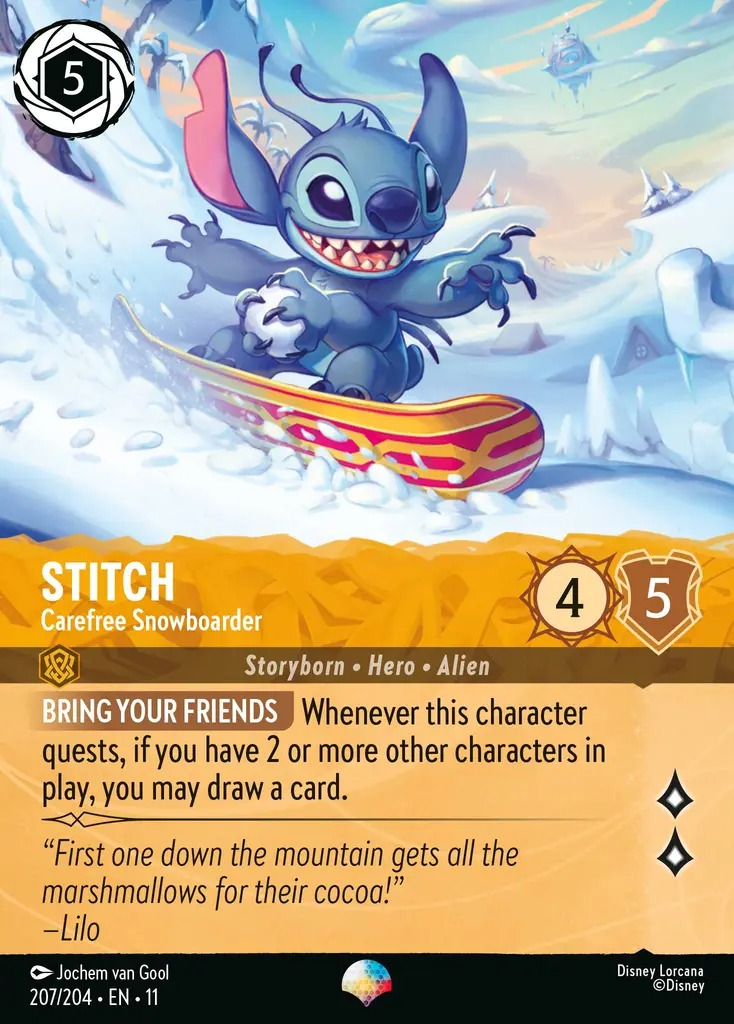
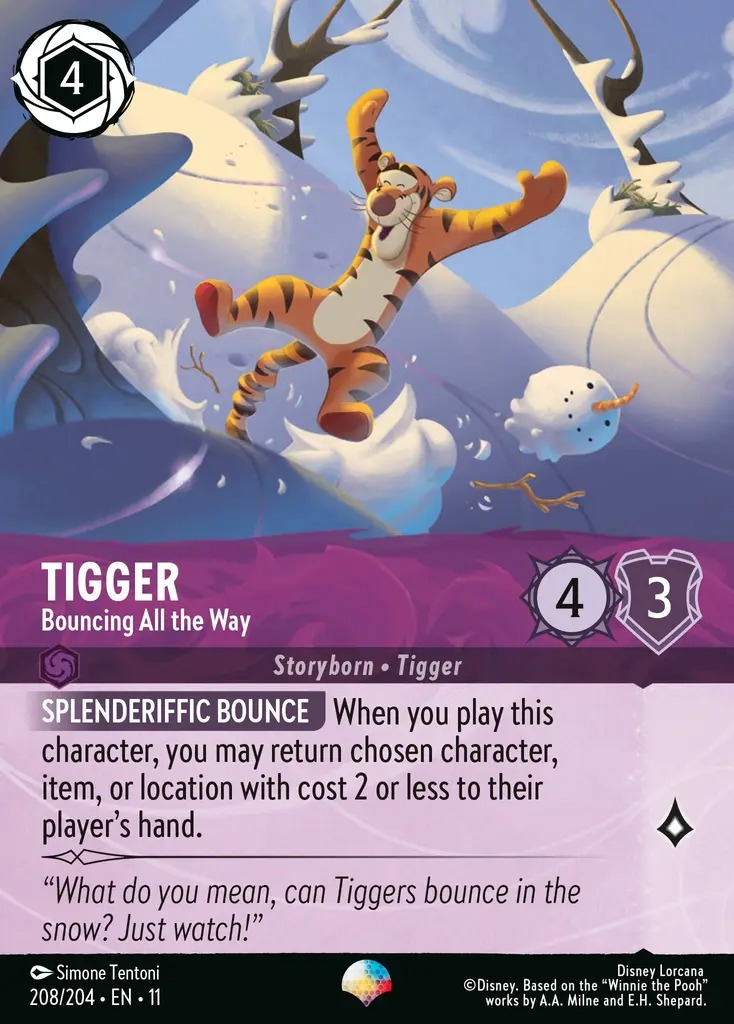
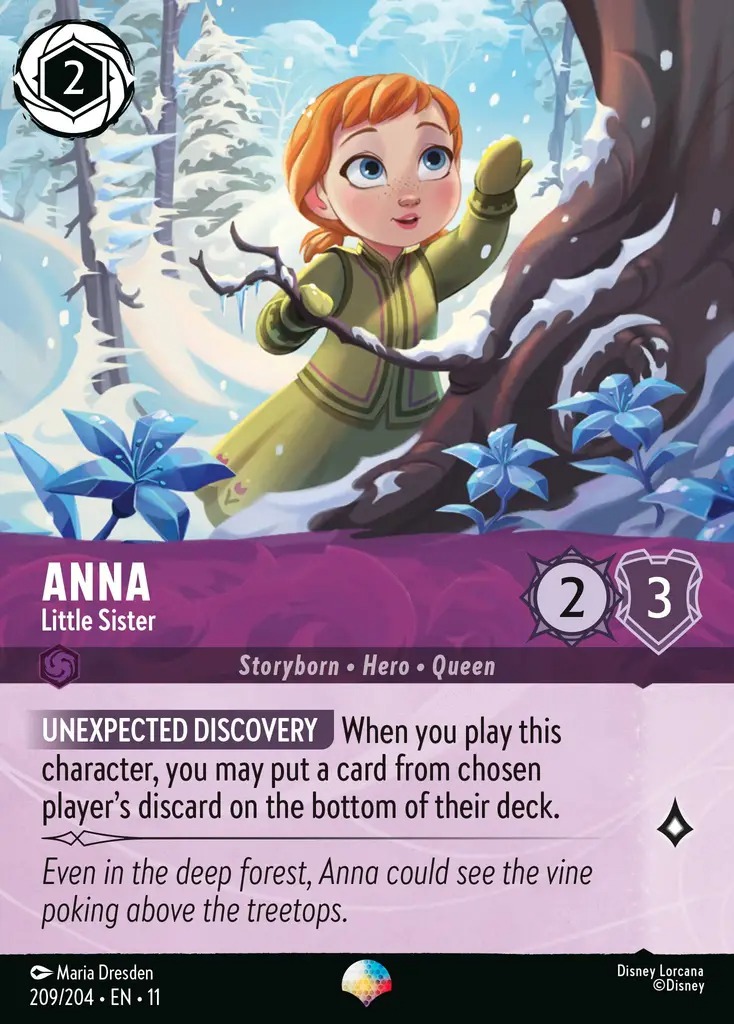
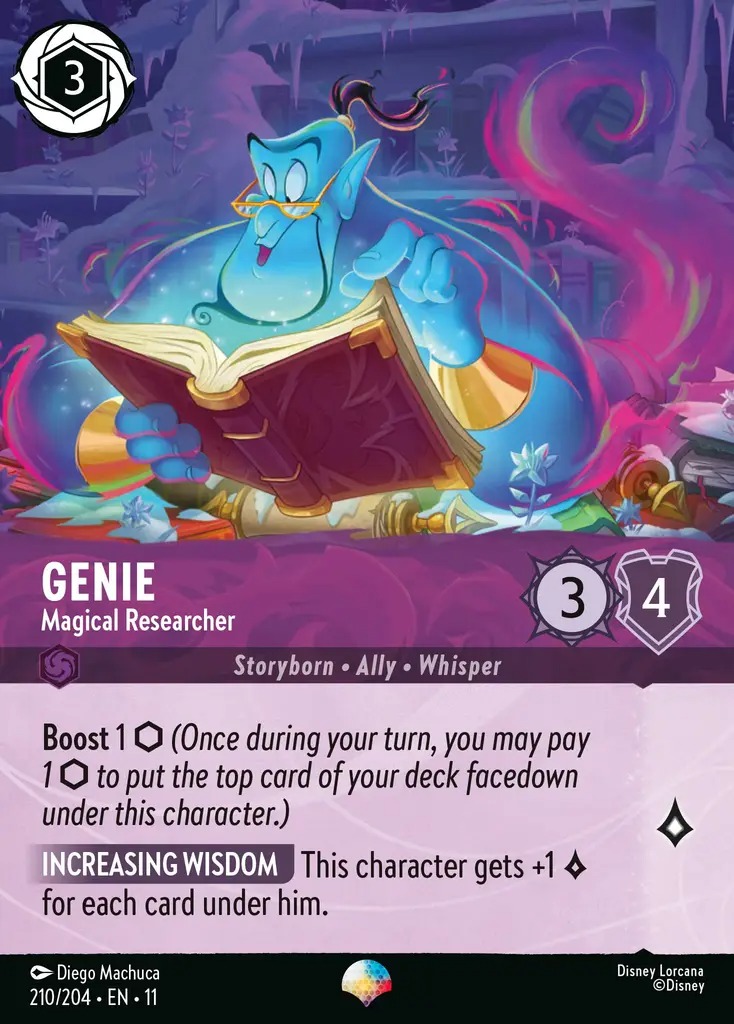
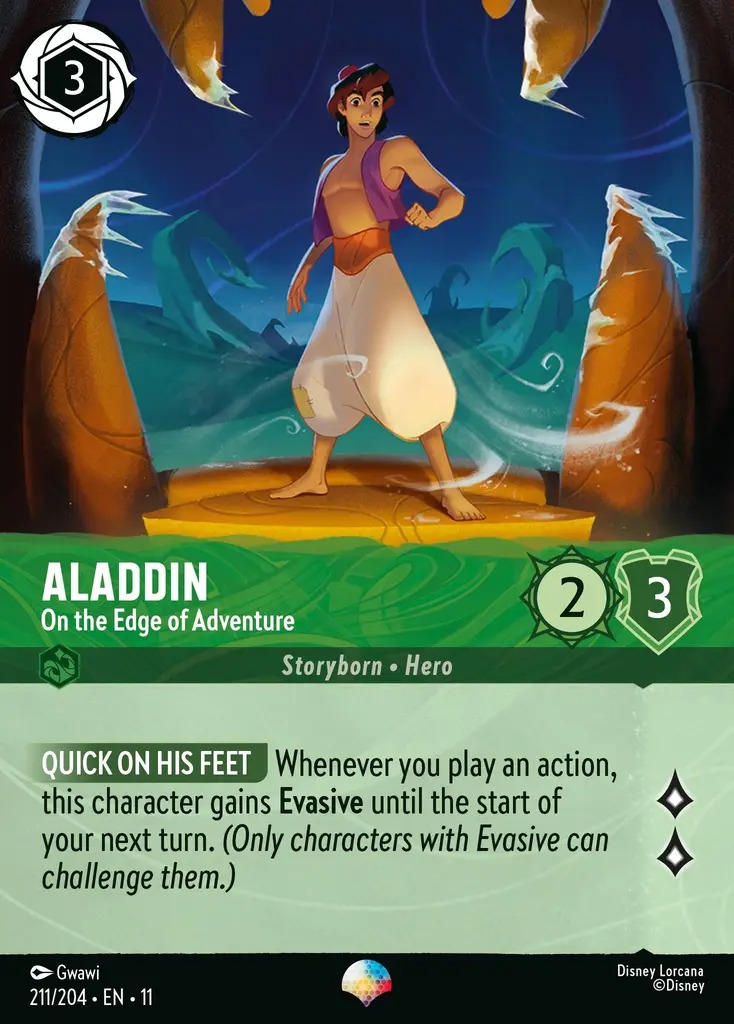
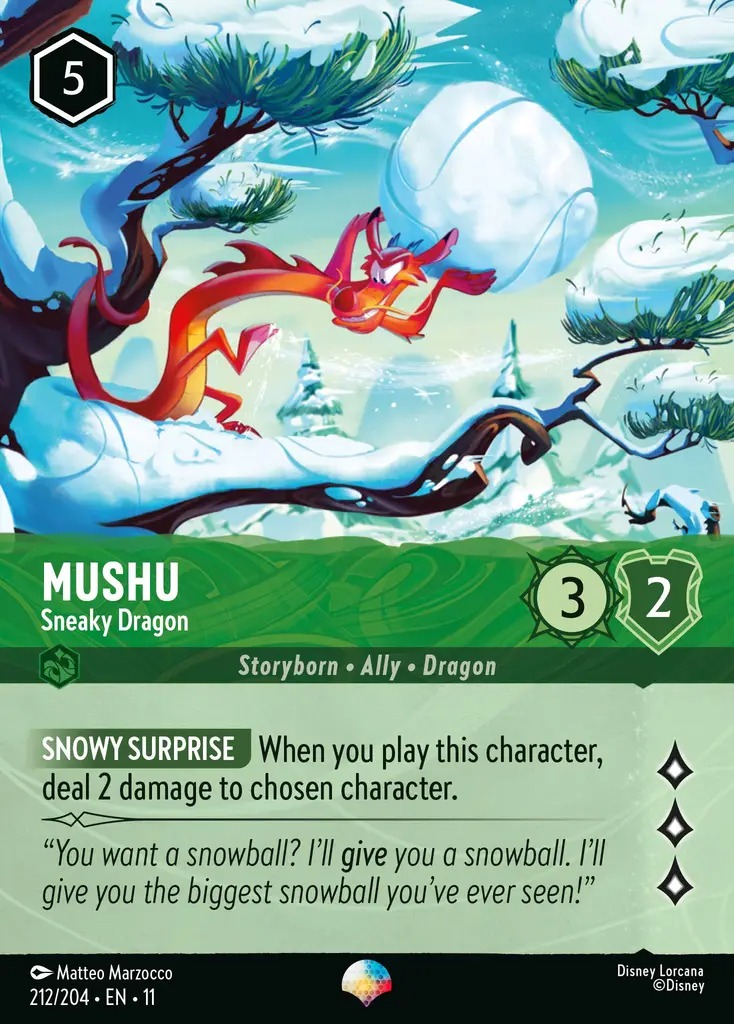
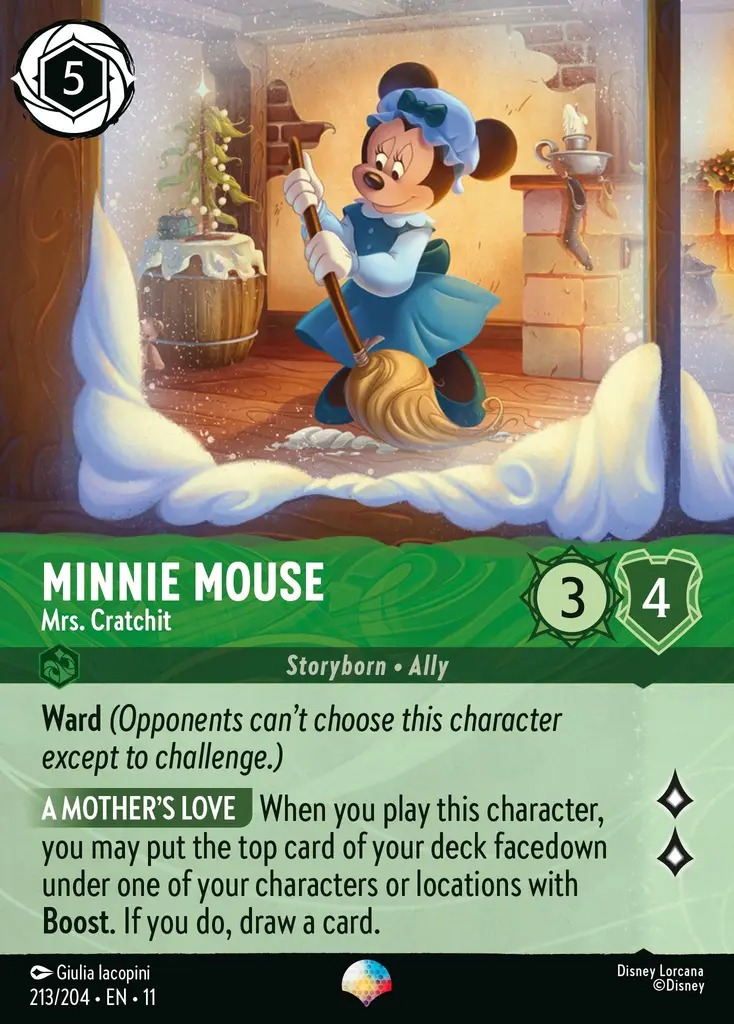
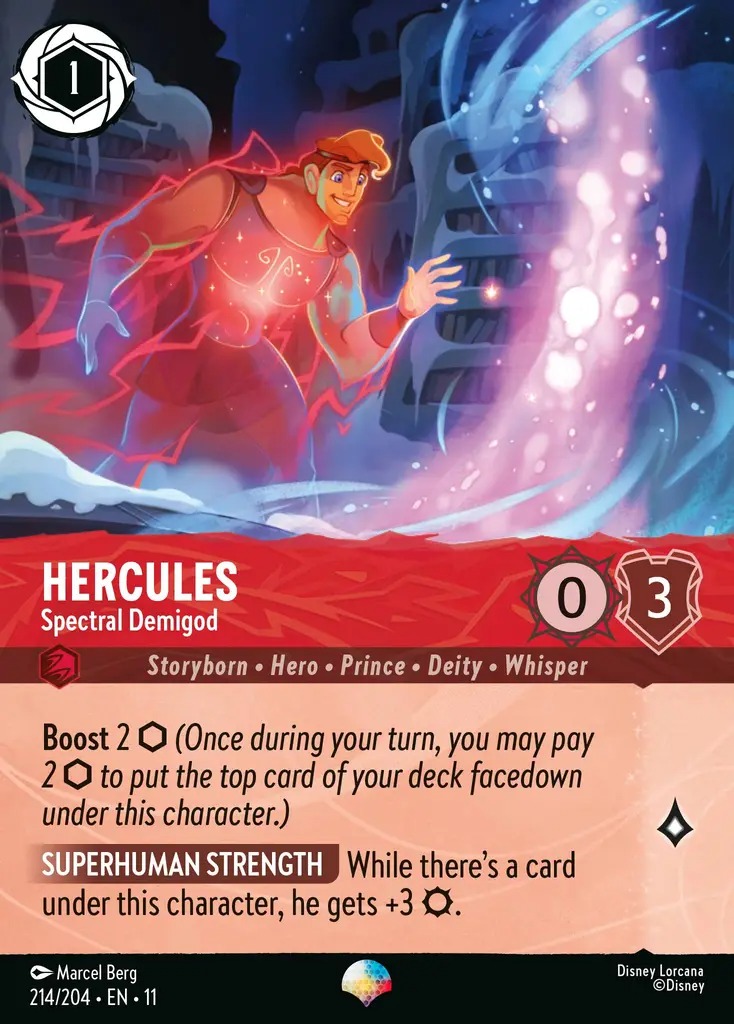
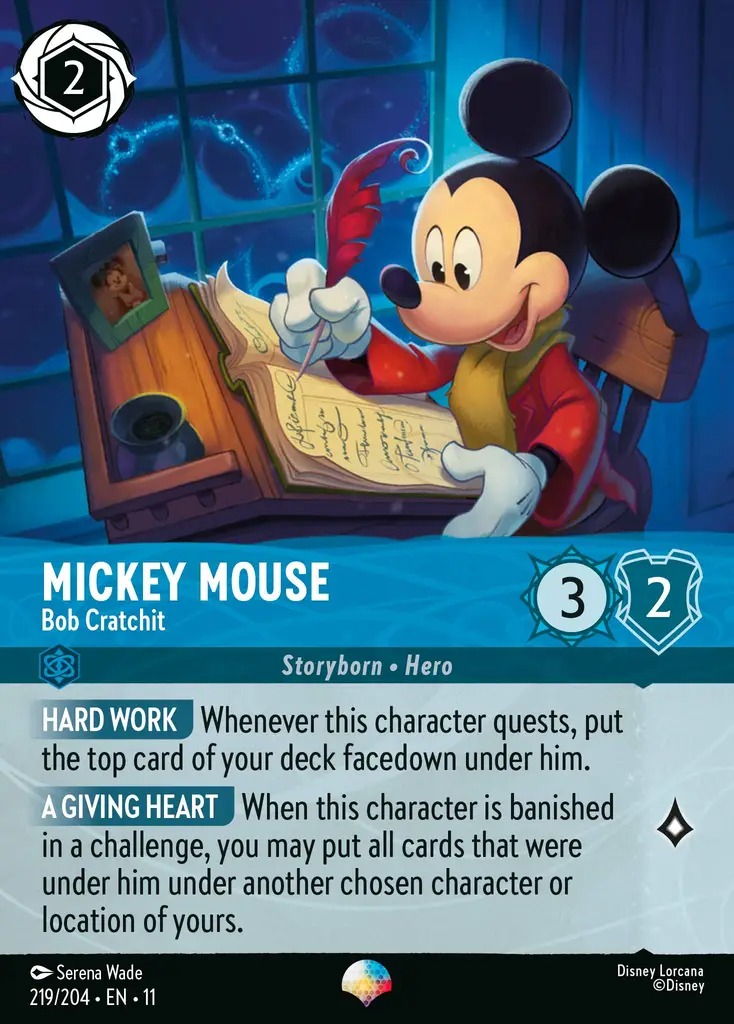
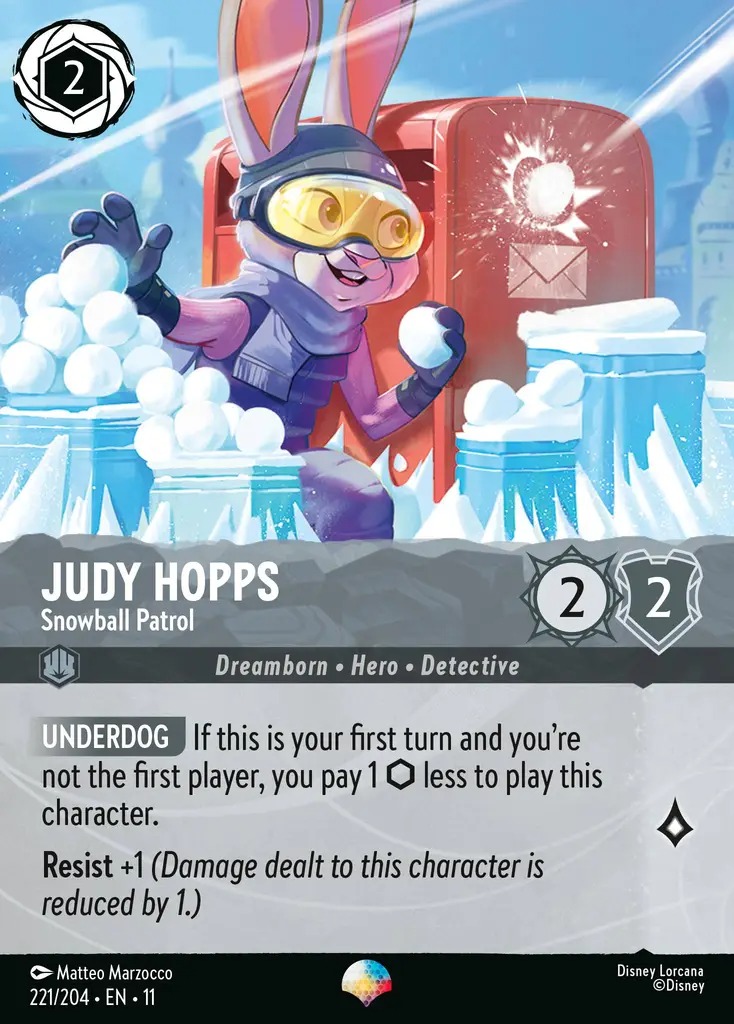
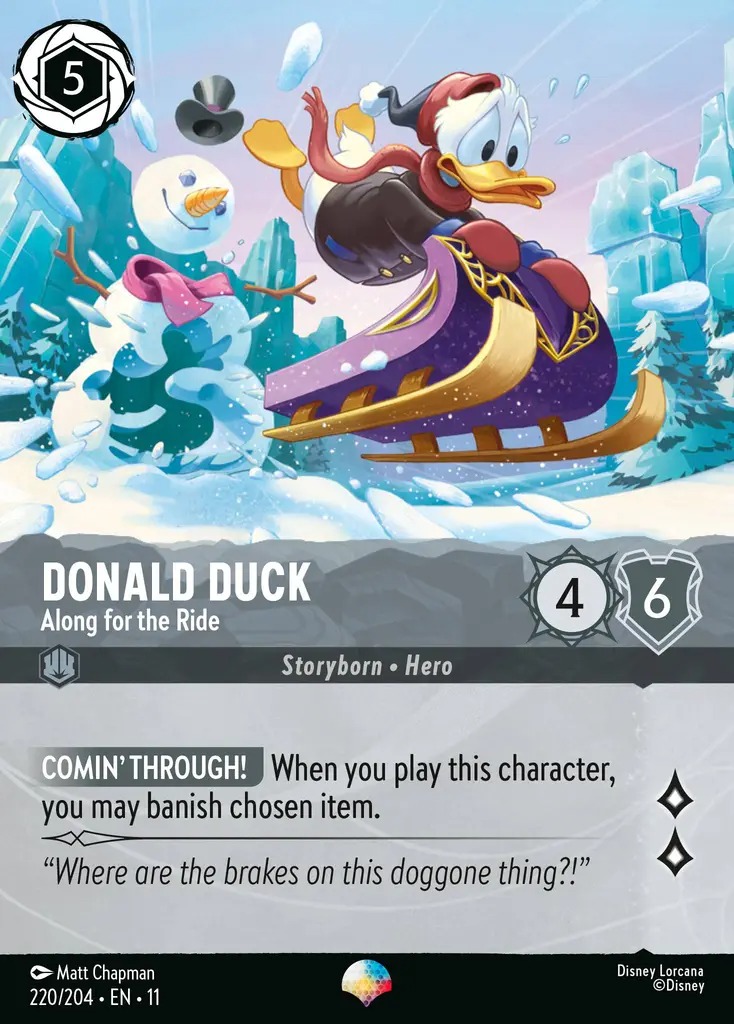
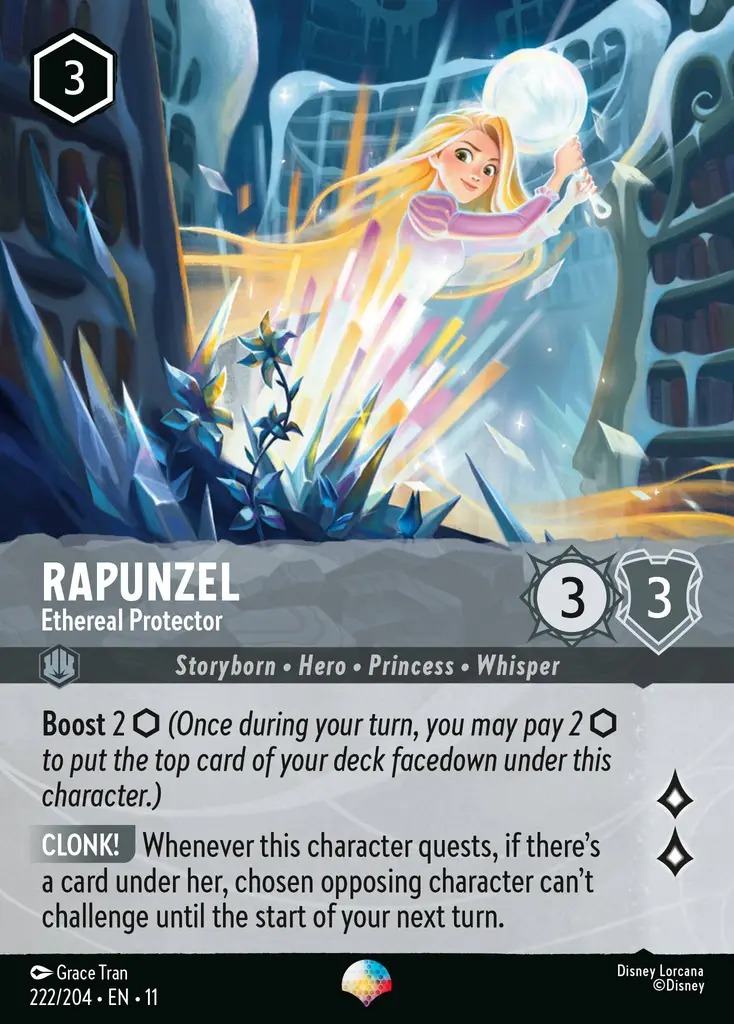
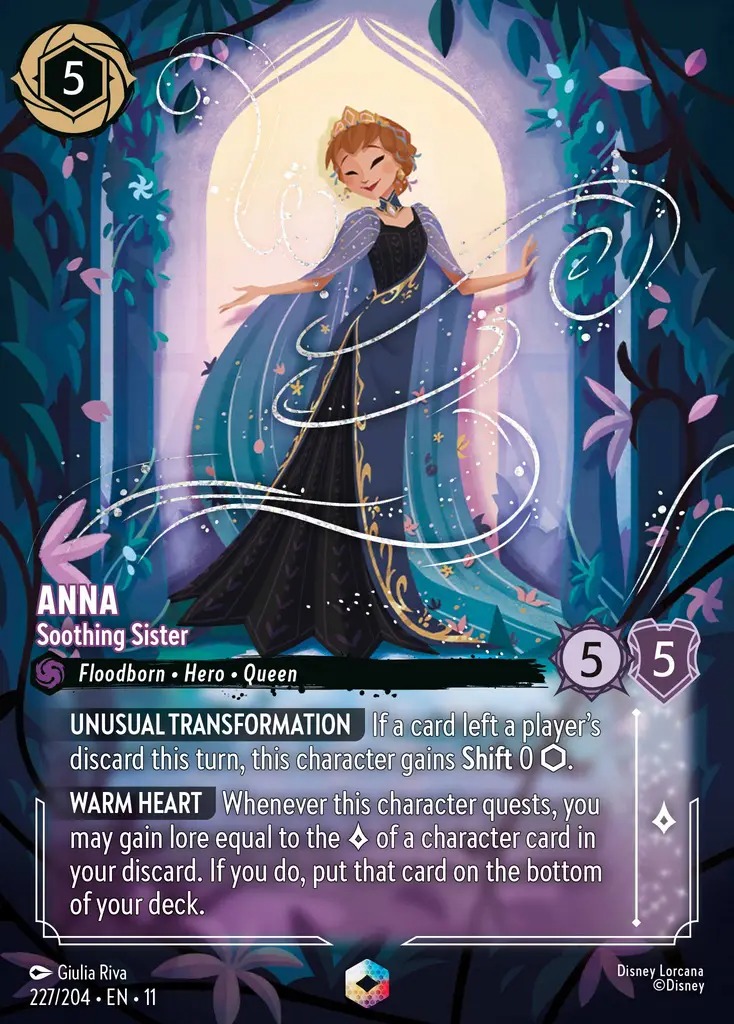
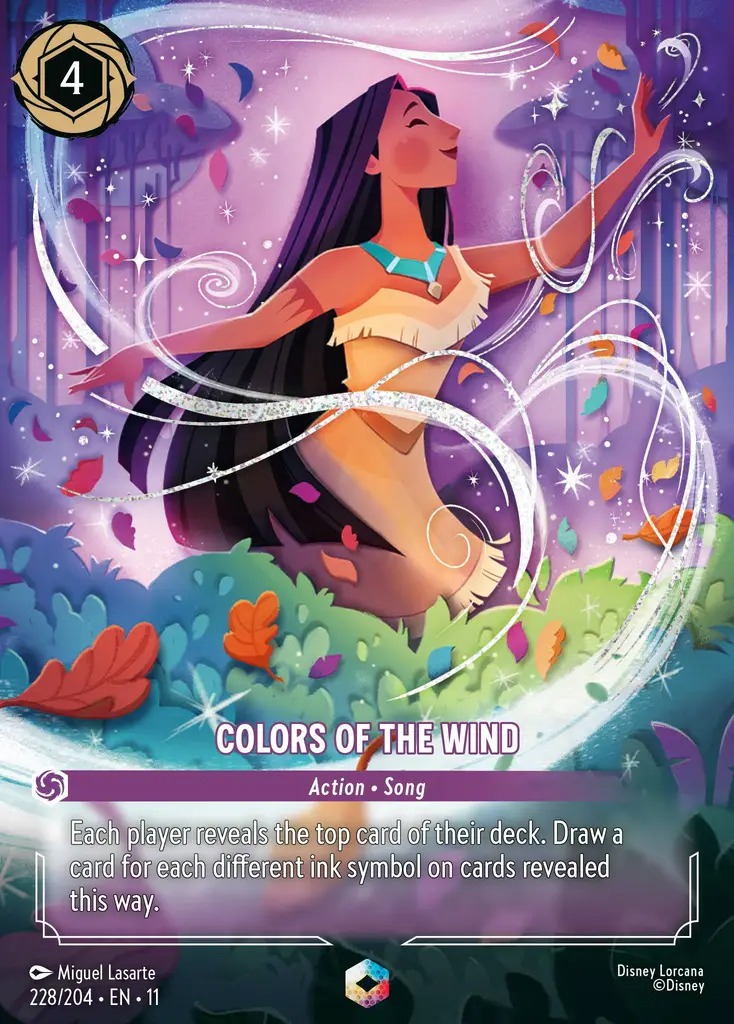
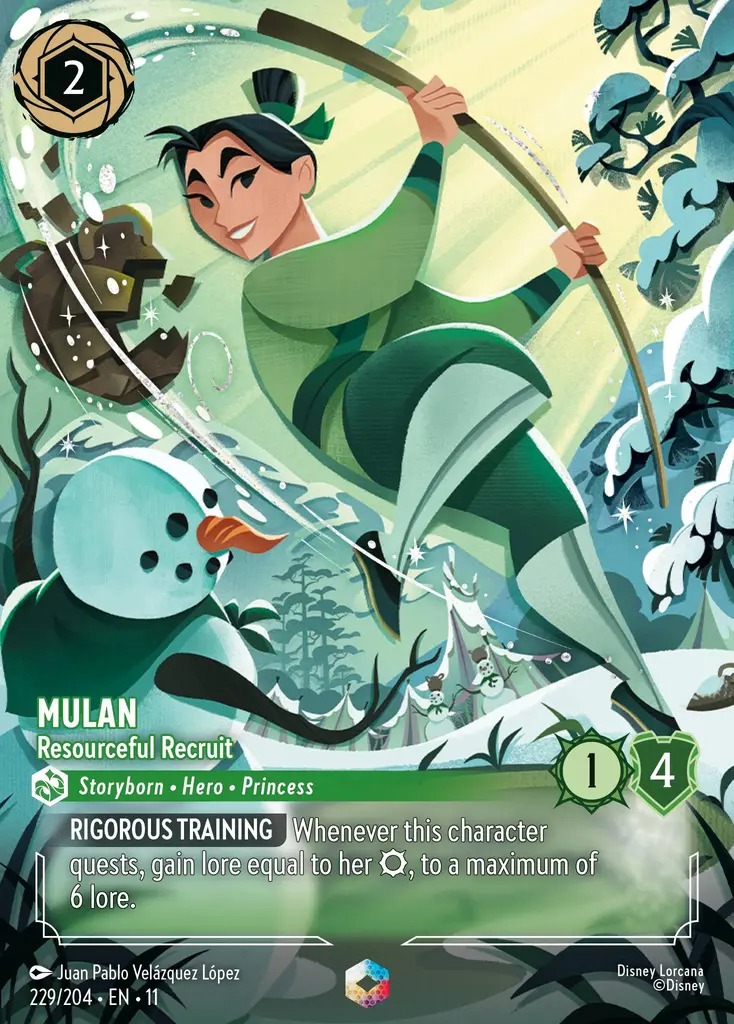
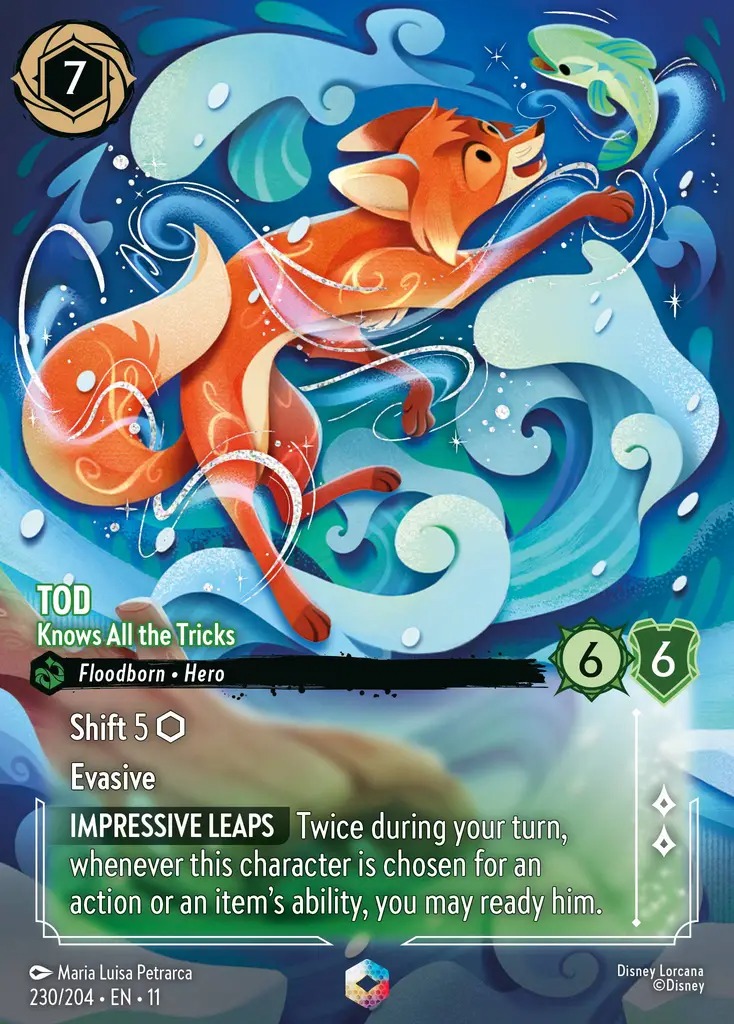
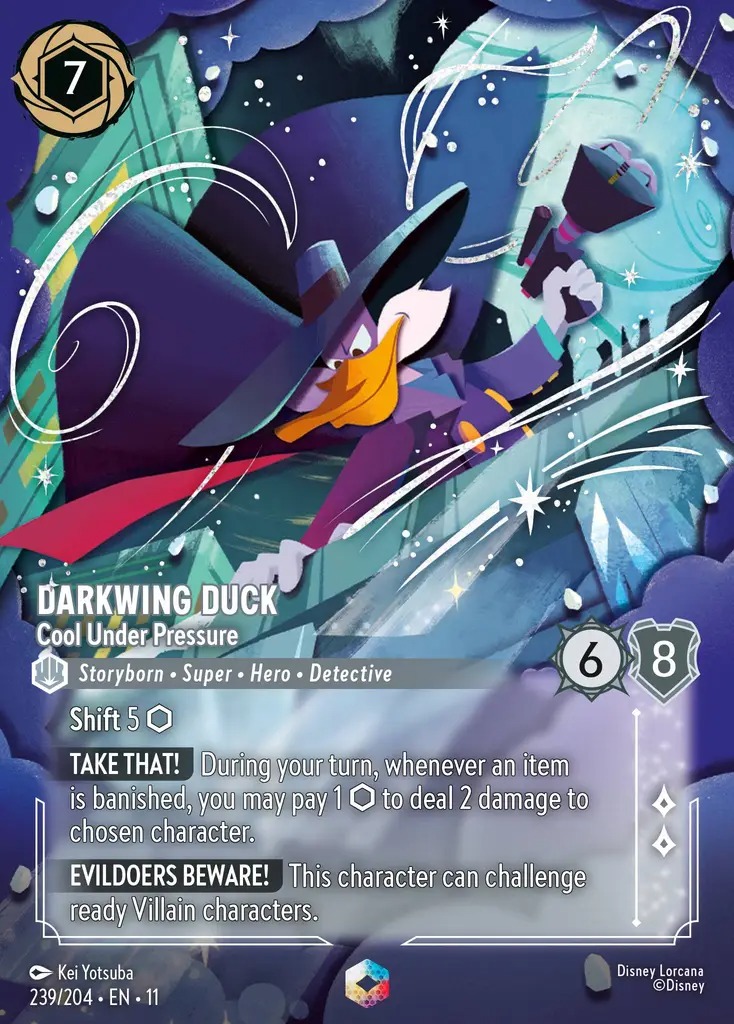
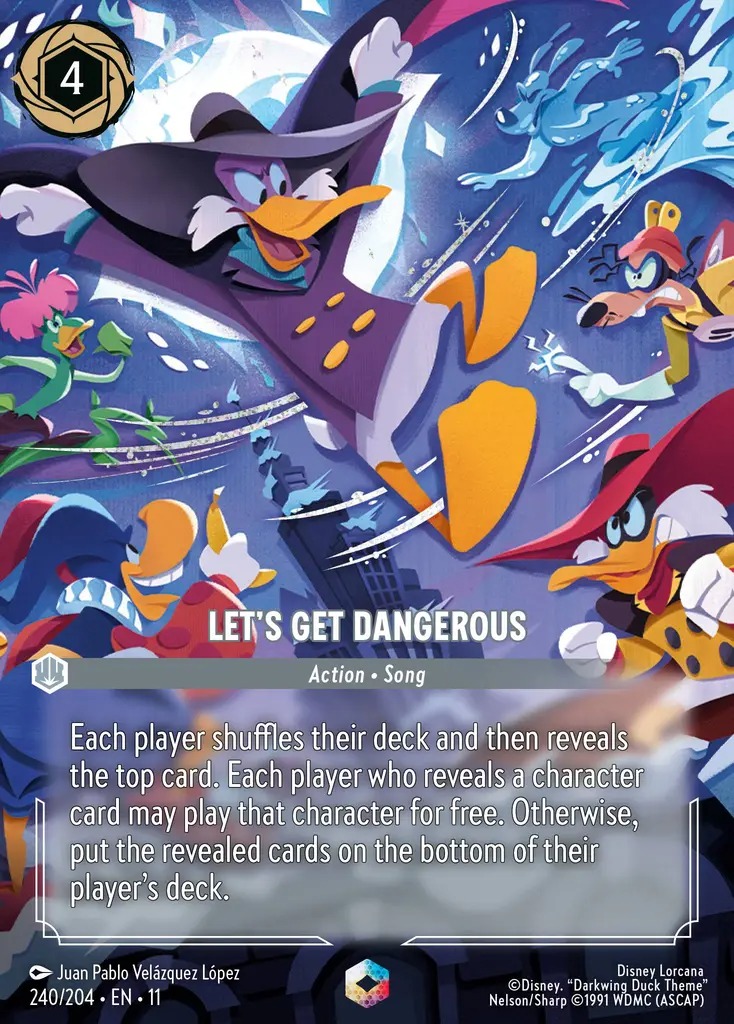
Enchanted
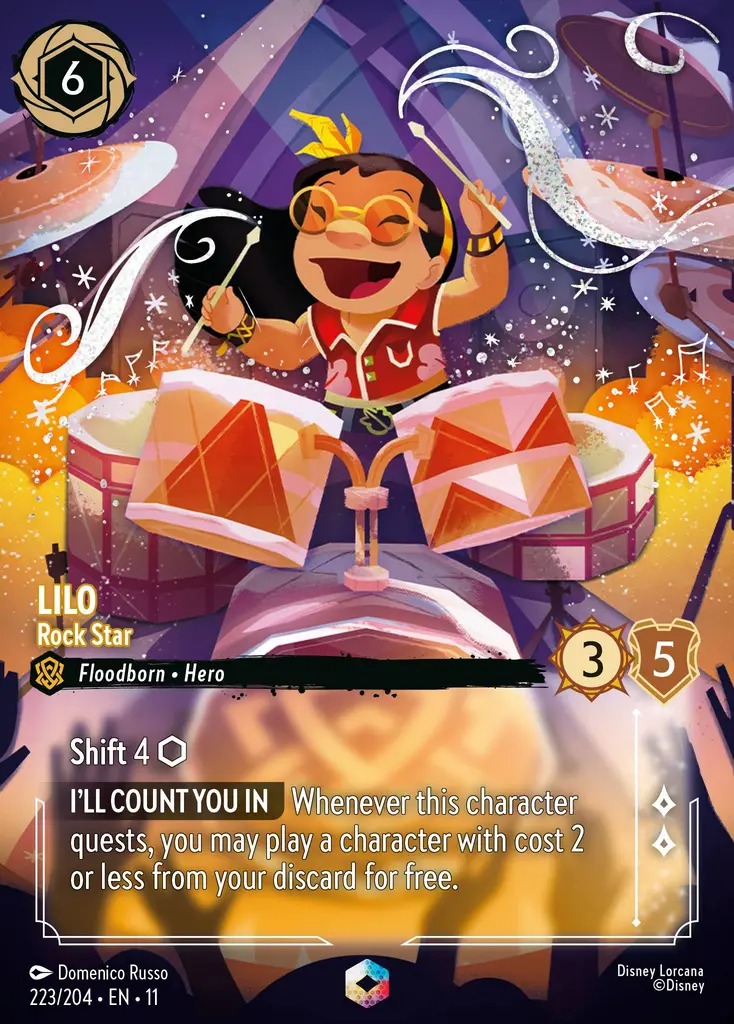
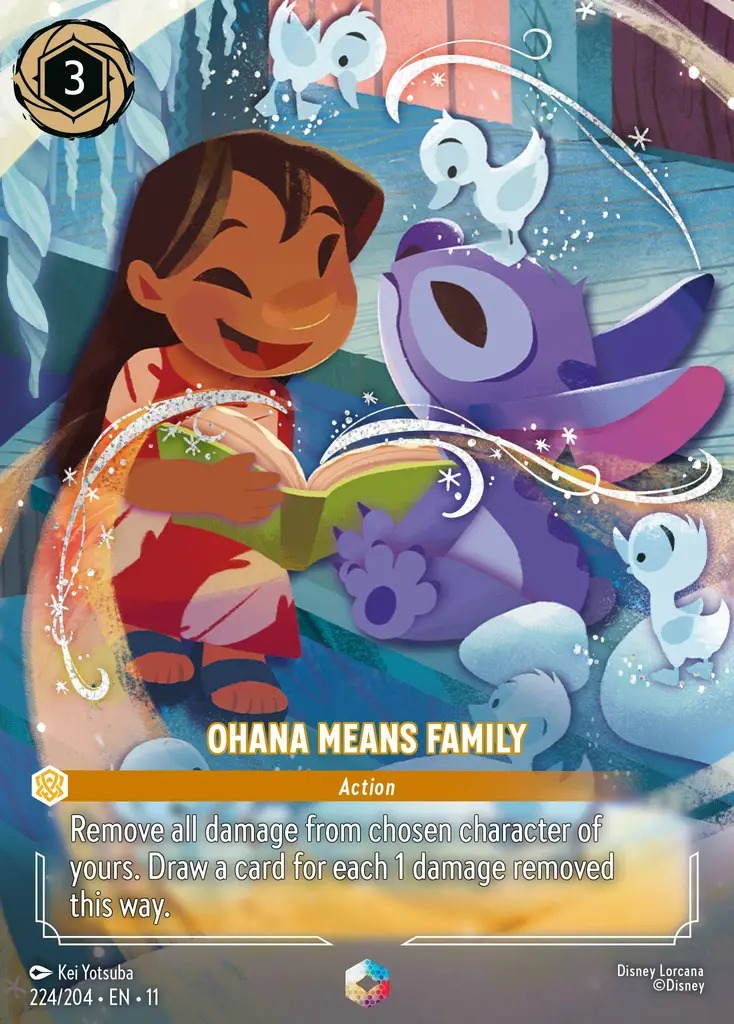
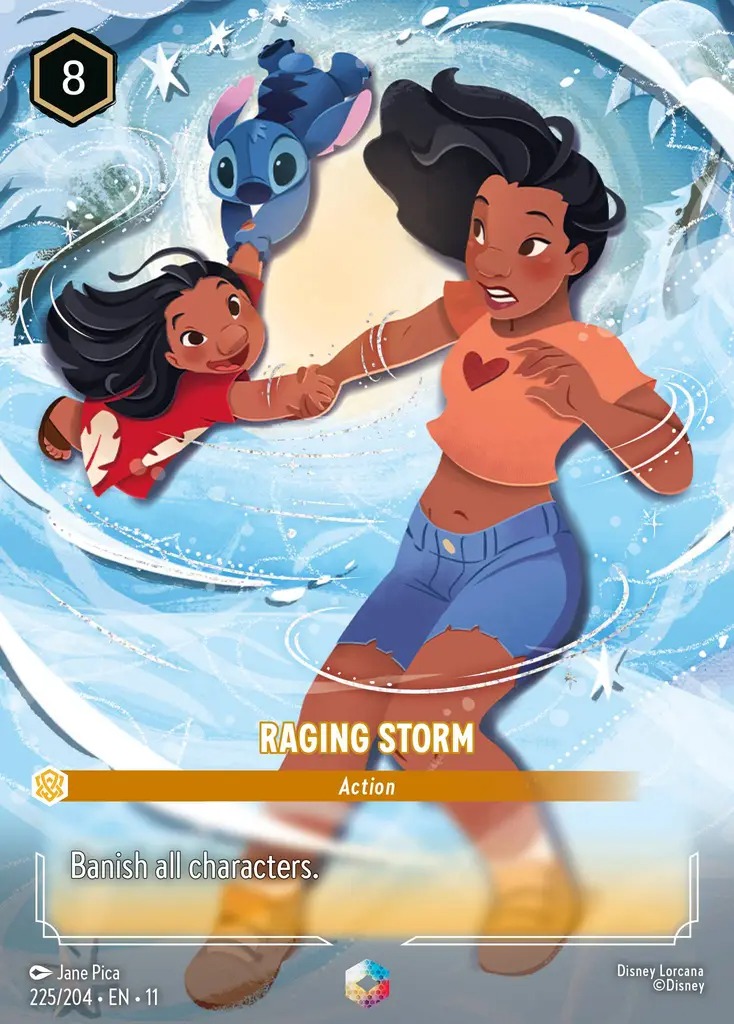
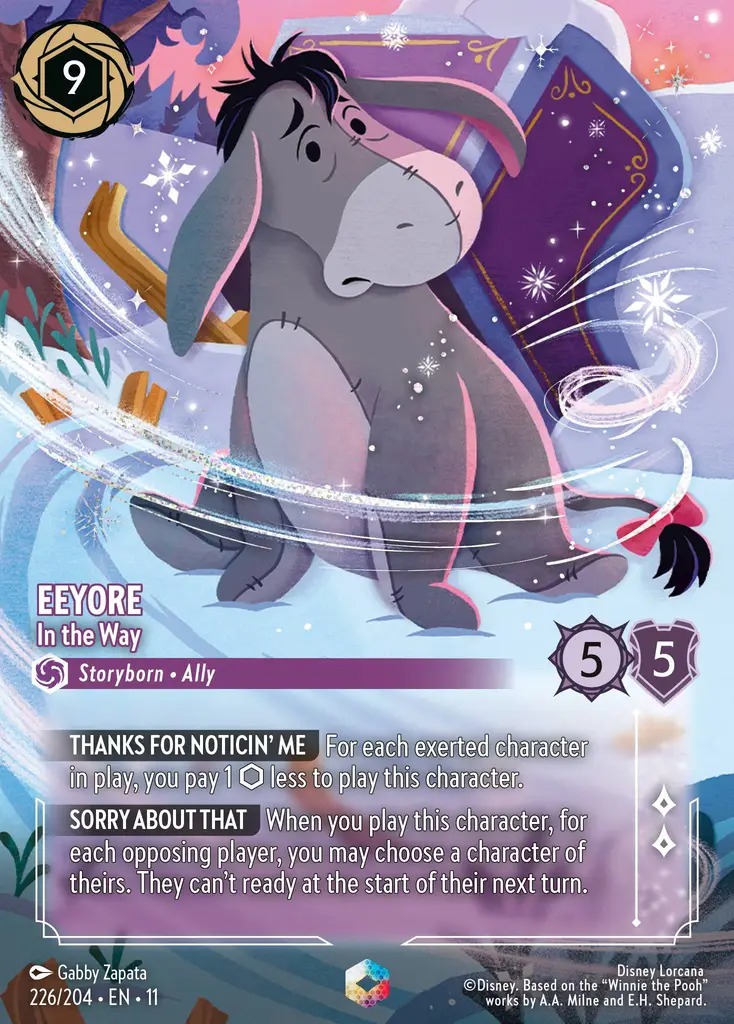
Enchanted cards feature full alternate artwork and are one of the most exciting pulls in Lorcana.
- Playability: Same text and power level as the regular version
- Rarity: Around 1 in 100 packs
- Sealed impact: Functionally the same, but emotionally? Huge win 🥳
If you pull one, enjoy the moment, it’s rare, beautiful, and worth celebrating, even if it ends up not in your sealed deck!
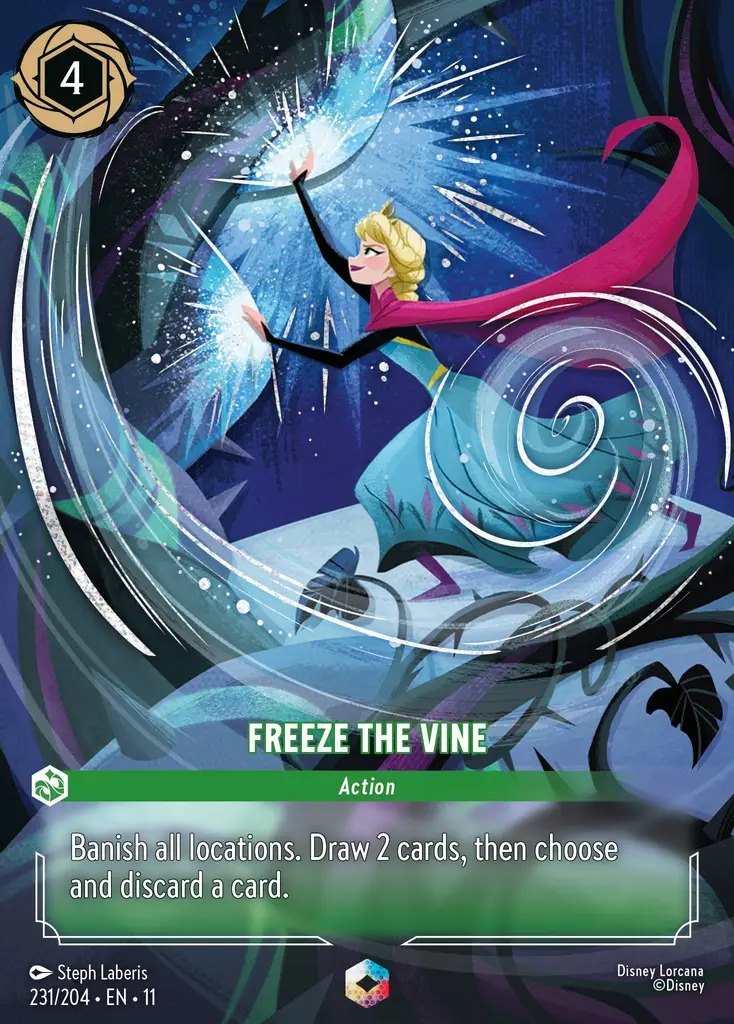
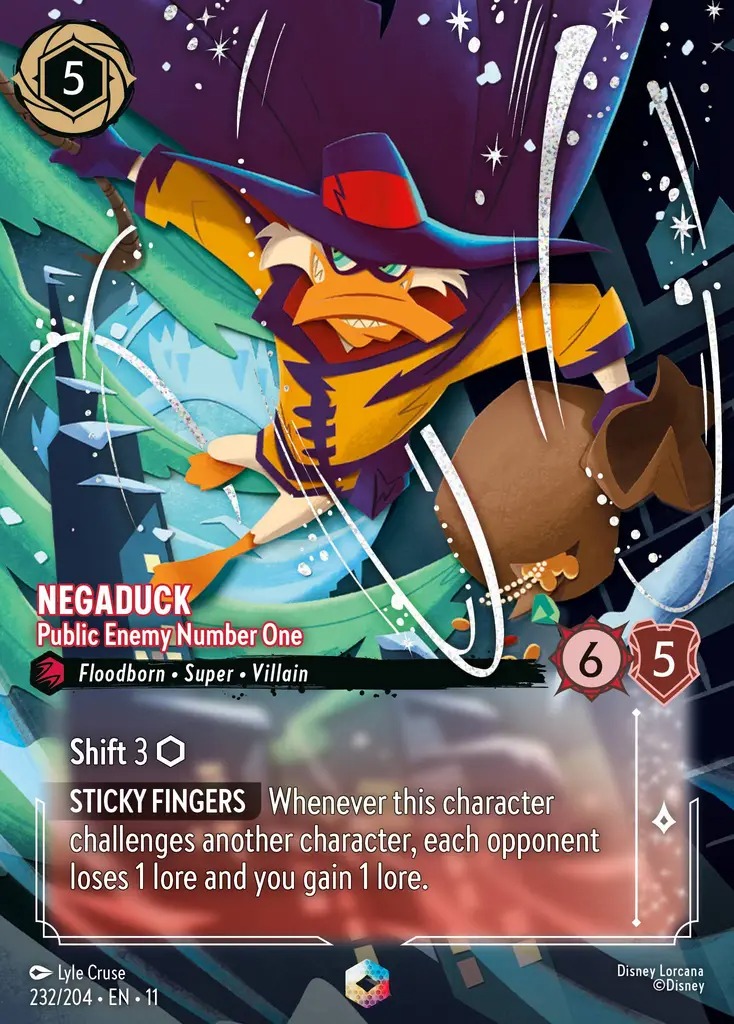
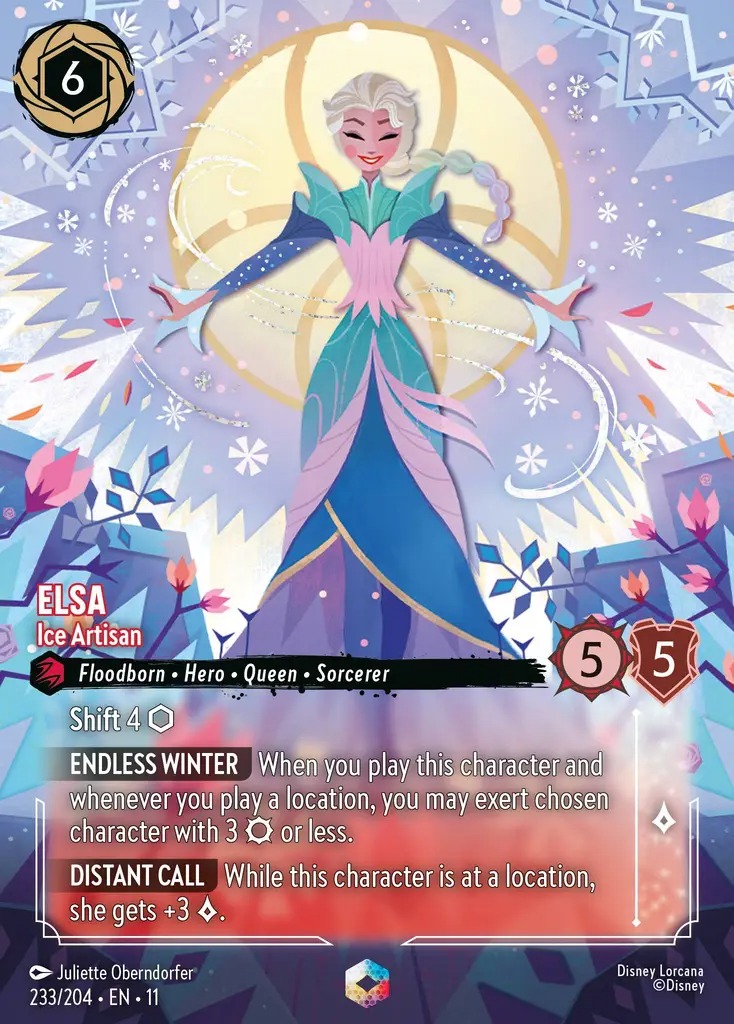
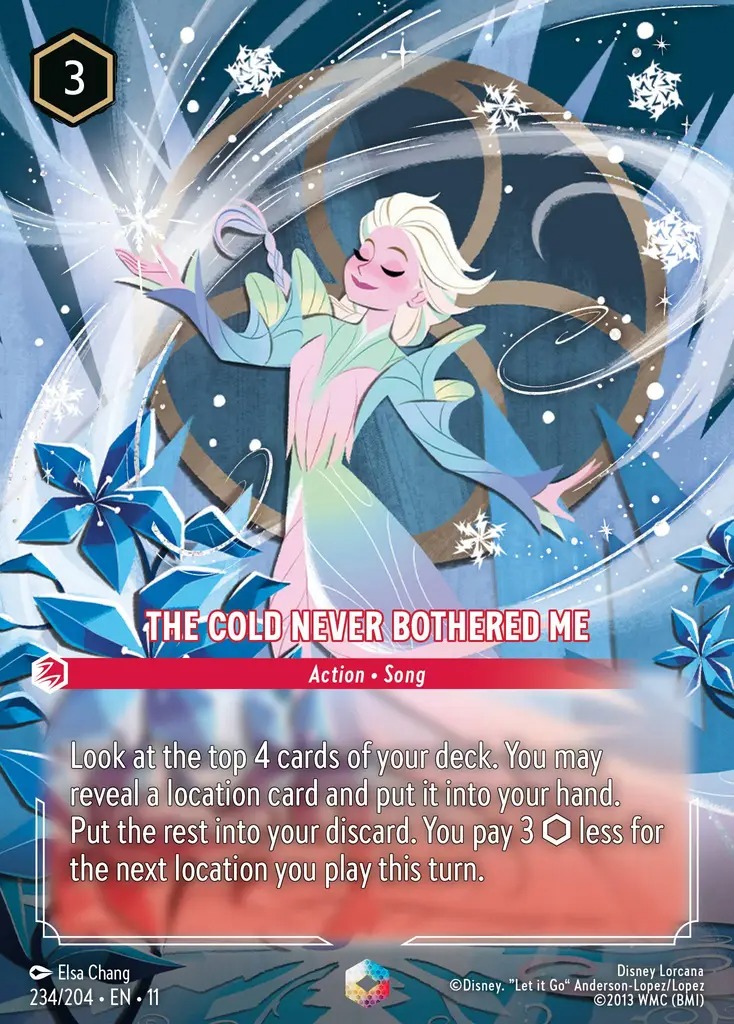
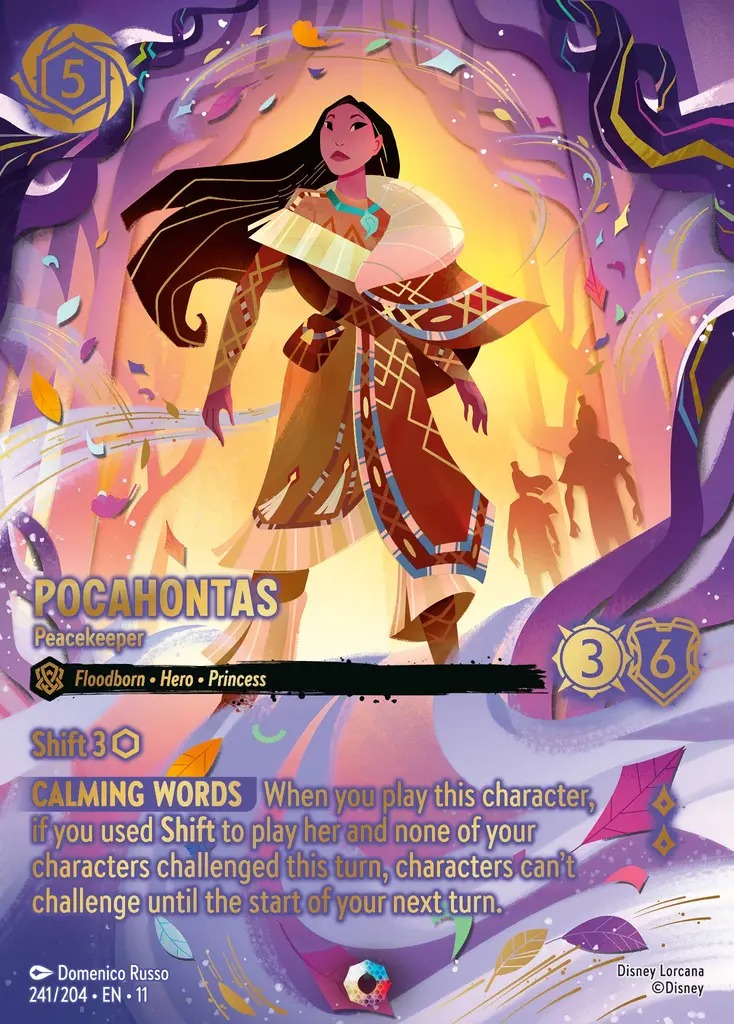
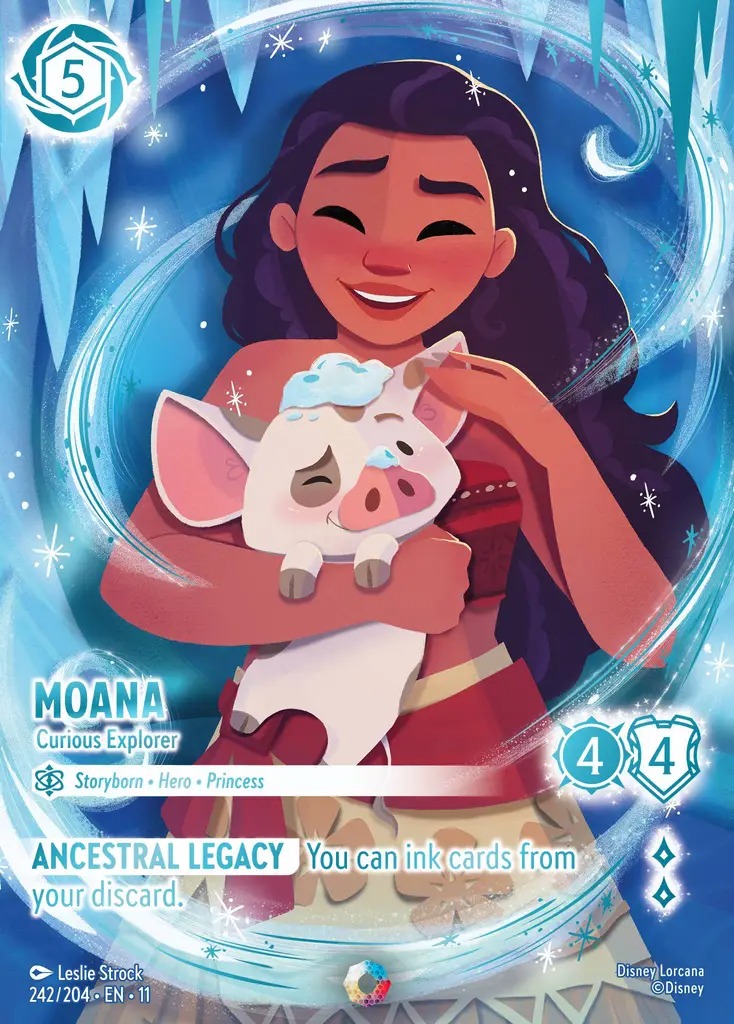
Iconic
Iconic cards are the true crown jewels of the set.
- Playability: Same as their normal version.
- Rarity: Extremely rare, even rarer than Enchanted
- Sealed impact: If you pull one… congratulations, you just opened something special
You may not see one at all, but if you do, it’s a story-worthy pull!
Disclaimer: This site uses trademarks and/or copyrights associated with Disney Lorcana TCG, used under Ravensburger’s Community Code Policy. We are expressly prohibited from charging you to use or access this content. This site is not published, endorsed, or specifically approved by Disney or Ravensburger. For more information about Disney Lorcana TCG, visit their official website. https://www.disneylorcana.com/en-US/
 Lorcana Is Fun
Leave a comment